Post Contents
- Capuchinas convent overview for travellers searching from China – location, atmosphere, and first impressions
- Convento de las Capuchinas: history and art – museum display, artefacts, and context
- Tranquil garden walk – courtyard, patio, and fountain moments
- Essential travel tips to visit the Capuchinas convent – visitor guide, entrance & fee
- Crafted experiences in Quito’s historic centre – church and convent heritage with Spanish colonial influence
- Reflections after your visit – why the Capuchinas’ story stays with you
Capuchinas convent overview for travellers searching from China – location, atmosphere, and first impressions
A calm first look at the conventional experience for long-haul travellers planning from China
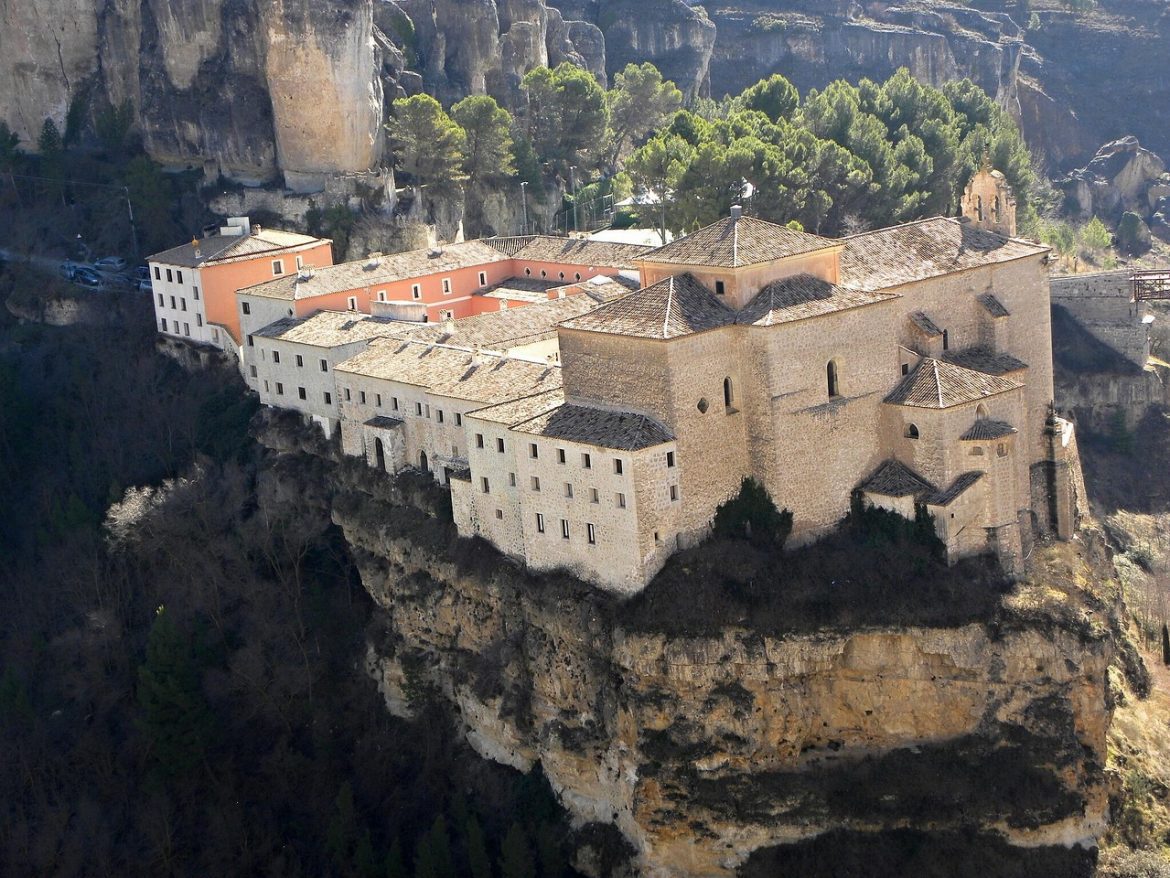
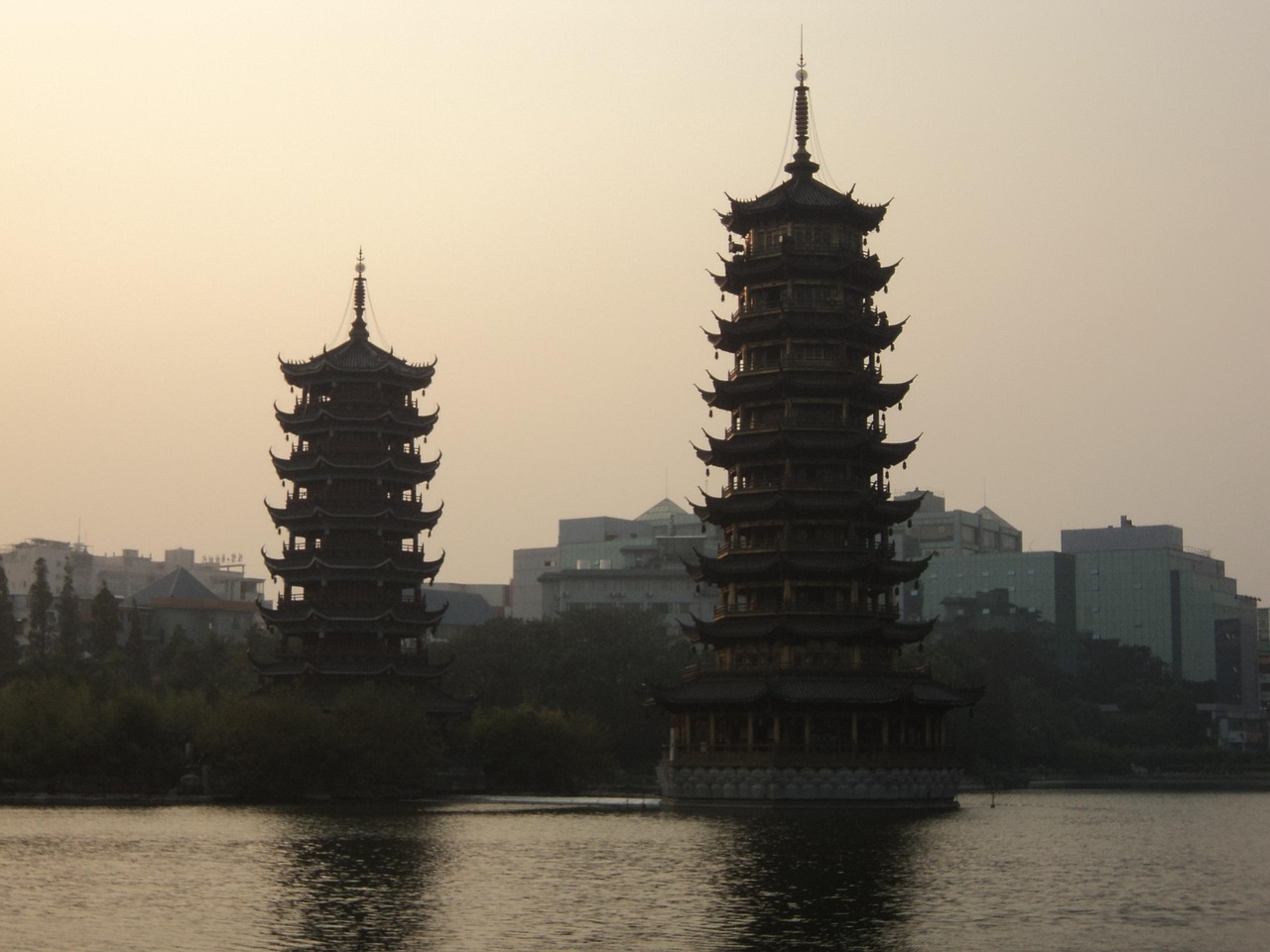
When you see the search phrase “Convent of the Capuchins China,” it’s often because you’re planning from China and want a clear, trusted overview of the Capuchinas Convent experience. The destination itself is far from China—set above a historic centre—and it rewards travellers who enjoy sacred spaces, layered history, and quiet, cinematic viewpoints.
Historically, the site sits within a colonial-era complex shaped by religious life and civic change, a house built to support routine, restraint, and community. For high-end travellers, the appeal is not only what you see, but what you feel: a gradual shift from city energy to a more contemplative mood as you approach the church, rooted in the Capuchin tradition of simplicity and service.
Baroque design details – window light, wall texture, and church interior
What makes the convent distinctive is its Baroque feature set: ornament balanced by discipline, and design choices that guide the eye without overwhelming it. Notice how light enters through a single window, how a thick wall dampens sound, and how the exterior restraint opens into a more devotional interior—an architectural sequence that still feels intentional centuries later.
Many travellers remember the first reveal: stepping through the door, choosing to enter slowly, and sensing time in the ground beneath them. If you can, arrive with enough margin to pause at the entrance and let the city noise fall away before you move deeper inside.


Convento de las Capuchinas: history and art – museum display, artefacts, and context
History, collections, and context inside a heritage convent space
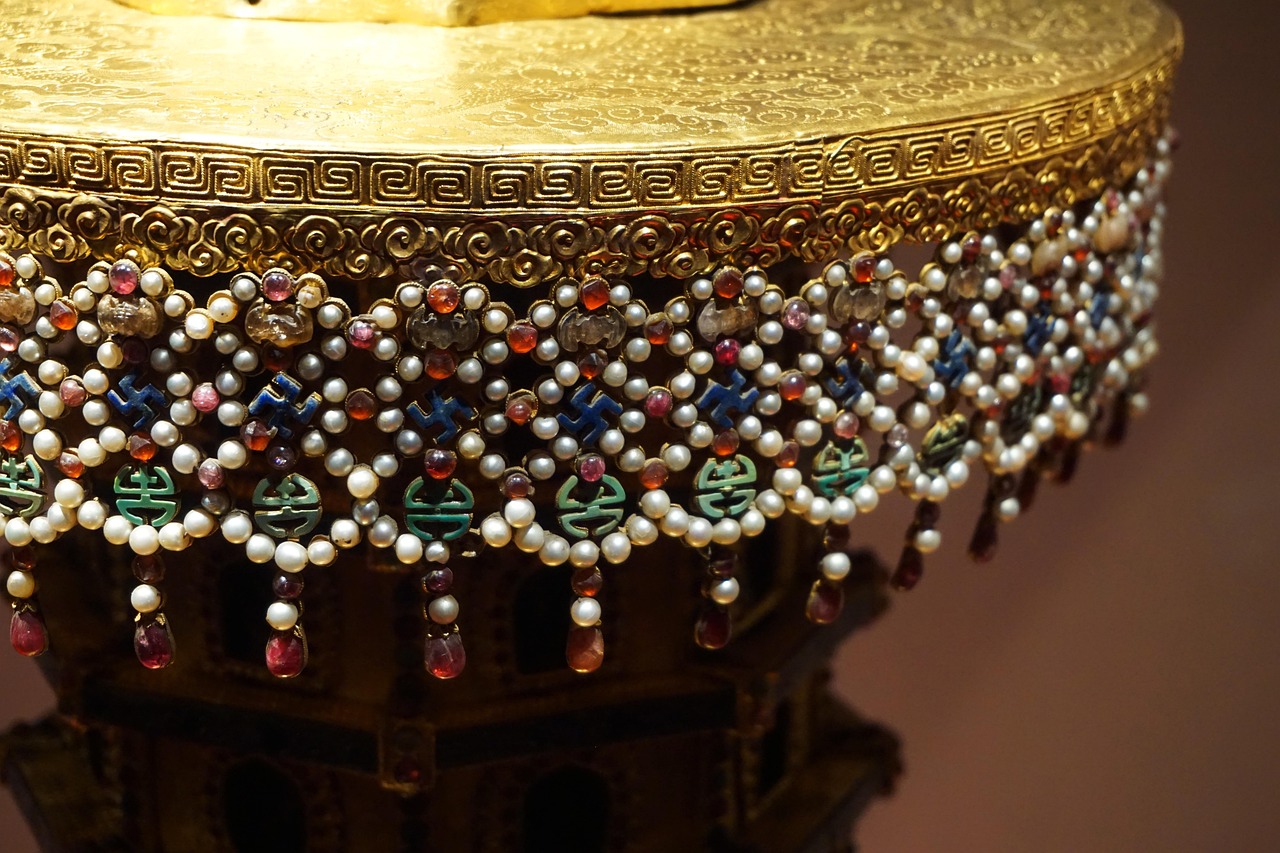
If you’re researching “Convent history” from China, you’re usually looking for cultural depth you can carry across continents. In the convento de las capuchinas tradition, the collection can be the quiet centre of a visit: religious canvases, wooden carvings, and an artefact or two that shows how devotion became heritage through time, touch, and careful preservation.
Rather than rushing, create space to notice craft—how figures are modelled, how gold leaf catches the light, and how a museum display reframes sacred objects as cultural memory. Over decades, parts of the house were adapted to occupy new roles, while other areas were left to be abandoned as priorities shifted, making the story as much about change as continuity.
Crypts and tunnels in the underground complex to explore
The most unusual experience is below the surface: crypts and tunnels that reveal a more private past. An on-site service here is not theatrical; it is measured, factual, and surprisingly moving, especially when you realise how the complex once organised daily life and remembrance within the same enclosed world.
Travellers who have been to Antigua Guatemala often recognise similar patterns at the iglesia y convento de las site in the heart of Antigua: an 18th-century construction dated in records to 1725 and later 1751, associated in local lore with architect Diego de Porres. Stories mention 25 nuns, the role of a dowry in who could participate, Antigua’s shifting fortunes, and how later consolidation and repair shaped what remains today as a walkable ruin.
- Slow down for proportion: the choir, the nave scale, and the way circulation routes connect rooms can be as revealing as any text panel.
- Ask about conservation: a staff member can explain what was stabilised during repair and what is original to the earliest construction phases.
- Notice the thresholds: moving from bright open spaces to narrow corridors changes how you interpret silence and purpose.
Tranquil garden walk – courtyard, patio, and fountain moments
A restorative pause in a quiet courtyard setting
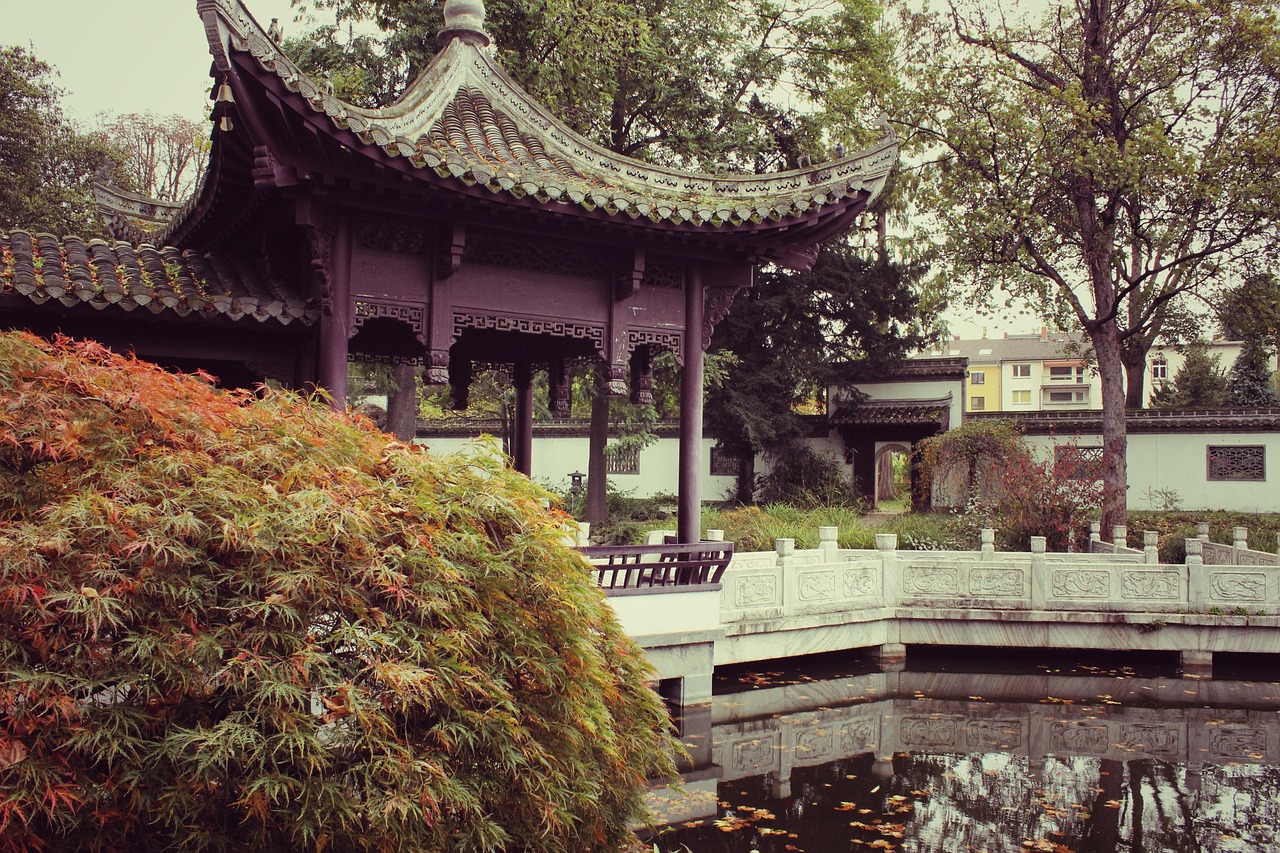
Searches for “Convent gardens tranquillity China” make sense for travellers who love the composed serenity of classical landscapes and want a similarly restorative pause on a future route. Here, a single garden space with a sheltered cloister offers that same gift: a pocket of calm where the city feels distant, even if only for a few minutes.
Settle into the rhythm of the space: footsteps along the patio, the soft echo under covered walkways, and the small fountain that draws your attention without demanding it. For many, this is where the visit becomes personal—less about capturing images, more about listening.
Iglesia y convento de las: practicing stillness inside the church
In Antigua Guatemala, travellers often describe the contrast between busy streets and a sudden hush inside sacred grounds. The point of that contrast is emotional as much as historical: you can imagine what daily life asked of a resident nun, and why these spaces were designed to protect contemplation.
For travellers used to the cadence of China’s major cities, simply sitting near the fountain can feel like an intentional reset. Give yourself time to breathe, observe, and move on only when the quiet has done its work.
Essential travel tips to visit the Capuchinas convent – visitor guide, entrance & fee
Practical planning for a smooth, respectful visit
For travel tips around this destination, the simplest strategy is also the most luxurious: plan for ease so you can be present. Aim for the dry season (June to September) for clearer skies, more comfortable walking, and a calmer feel during peak tourist weeks.
Arrive early for a quieter atmosphere and a smoother entrance, as parking nearby is limited. Security is generally good, but take standard precautions, and because this is an active faith facility, dress modestly and keep your voices low.
Visit planning, fee details, and tour service
Admission usually involves a modest fee, paid at a small ticket office near the entrance. Photo restrictions can apply inside—check before you shoot, particularly around sensitive religious items and collection areas.
For a deeper understanding, choose a tour service when available: it turns a beautiful building into a coherent story, and it helps you interpret corridors, a single cell, and the symbols that shape daily routine. If you’re curating a wider journey, you can browse inspiration in our Trip gallery, and we’ll support you in designing a seamless route that balances culture with comfort.
- Transport: taxis and organised city tours are the easiest; avoid self-driving if you want low-stress timing.
- Timing: aim for opening hours to enjoy calmer spaces and clearer light for views.
- Etiquette: treat it as a sacred space, not an event space—this isn’t a wedding venue, and reverence matters.
Crafted experiences in Quito’s historic centre – church and convent heritage with Spanish colonial influence
Pairing the visit with a walk through Quito’s historic centre
Even if you’re starting your planning in Asia, a cultural experience in Quito’s historic centre is a natural pairing with the Capuchinas story. Set time aside to walk, because the streets supply context: civic buildings, stonework, and the way daily local life continues beside the most historical architecture.
Think of the convent as one note in a wider composition: plazas, small museum stops, and places of worship that share a coherent influence without feeling repetitive. This is where a crafted itinerary matters—so you can move between key sites with time for coffee, galleries, and unhurried conversation.
Local guide insight that makes history feel close
With the right pacing, small details become memorable: a tower line against the sky, a worn threshold, or a partially restored interior that hints at an earlier earthquake and the decisions made to stabilise the complex. You may also hear the official name of certain chapels or devotions—such as Nuestra Señora del Pilar de, echoing traditions associated with Señora del Pilar de Zaragoza—and how María, community groups, and the city council (as well as conversations tied to a consejo nacional) can shape what is protected as Guatemalan heritage, including links to clarisas in broader regional history.
The goal is not to over-schedule, but to design a day that feels effortless and rich. Done well, your time here becomes less like checklist travel and more like a calm, confident immersion.
- Combine on foot: link key sites with nearby streets and small galleries for a fuller sense of place.
- Choose one signature pause: a bench in a quiet aisle or a lookout moment to simply breathe.
- Shop thoughtfully: look for quality craft rather than mass souvenirs, and ask about materials and makers.
Reflections after your visit – why the Capuchinas’ story stays with you
Research often begins with practical planning, but it can end as something more intimate: a shift in how you read space, silence, and beauty. Long after you’ve left, you may remember the coolness of stone under your hand, the way air changes as you move from sunlit steps into shade, and the gentle steadiness of a place that has endured loss and renewal.
Historical richness, architecture, and continuity
What lingers is not a checklist, but a sense of continuity—how devotion, proportion, and daily rhythm once held each other in balance. You might find yourself thinking of other sacred sites you’ve visited, from temples in China to a preserved ruin in Antigua Guatemala, and noticing how each location carries human hope in a different form.
Inspiration, atmosphere, and quiet curiosity
There’s a particular kind of comfort in places that ask nothing from you except presence. When a journey is shaped with care and trust, it leaves room for your own thoughts to surface—unforced, unhurried, and surprisingly clear.