Post Contents
- Takamatsu City Japan: The Gateway to Shikoku and the Seto Inland Sea
- Ritsurin Garden: A Crafted Afternoon of Scenic Beauty in Takamatsu
- Takamatsu Castle Ruins: A Coastal Castle Town Story and Samurai History
- Shikoku Mura Open-Air Museum: Traditional Japanese Culture and Living Heritage
- Yashima Plateau Sunrise Hike: Scenic Views Above Shikoku
- FAQs: Takamatsu City, Japan
- What Stayed With Me After Takamatsu
Takamatsu City Japan: The Gateway to Shikoku and the Seto Inland Sea

Night views over Takamatsu, a refined base for Shikoku travel
Think of the city of Takamatsu as your elegant starting line for this travel guide—a polished waterfront base on the island of Shikoku that makes day trips and logistics feel effortless. Often described as the capital of Kagawa, it balances simple transport connections with a calm, curated pace: lively when you want it, quietly spacious when you don’t.
As the capital of Kagawa Prefecture (and the prefecture’s transport, dining, and cultural hub), this destination feels thoughtfully designed rather than flashy. Expect walkable planning, reliable services, and a gentle local welcome that suits travelers who value comfort as much as curiosity.
Arriving with confidence via Takamatsu Station and Takamatsu Airport
Most travelers arrive through JR Takamatsu Station (often written as ‘JR Takamatsu Station’ on timetables) or via a domestic flight. From Okayama Station, you’ll cross the Seto Ohashi, a beautiful approach where the Seto Inland Sea becomes part of the journey. If you’re using a Japan Rail Pass, the process is reassuringly clear: connect from the shinkansen at Okayama and continue by express train into town.
For air arrivals, Takamatsu Airport connects neatly with Tokyo, including Haneda. An airport limousine bus or private transfer brings you into the city center smoothly—ideal if you’re traveling with hiking gear, a shopping plan, or simply a desire to keep everything seamless.
Sunport Takamatsu waterfront: Takamatsu Port ferry routes to nearby attractions
Once you orient yourself at Sunport Takamatsu, the waterfront becomes a natural compass for first-time visitors. Takamatsu Port is where a single ferry ticket can turn your base into an island day: popular options include Megijima and Ogijima, plus Shodoshima for a longer escape. During the Setouchi Triennale, these sailings are especially rewarding, linking contemporary art across the islands in the Seto Inland Sea and beyond.
If you want to begin planning in a single glance, use this “first hour” outline—simple, map-like, and confidence-building:
- Step 1: Drop bags near the waterfront, then walk Sunport for your first close-up view of the Seto coast.
- Step 2: Check boat departure times (even if you don’t board today) and keep Megijima or Ogijima as a flexible add-on.
- Step 3: Ride the Kotoden one stop to get comfortable with local transport, then return on foot through easy streets.
Getting around is delightfully easy: tram and rail lines cover key neighborhoods, and the downtown core is genuinely walkable. Bicycle rentals also work well if you like to glide between gardens, galleries, and noodle counters with a lighter footprint—especially on clear days when the air feels crisp along the waterfront.
A final piece of reassurance: when entering small shops, bow slightly and speak softly; in traditional spaces, remove shoes if you see a step-up entryway. If you’re unsure, simply ask, “Kutsu, daijoubu desu ka?” (Are shoes OK?)—a small act of trust that’s almost always met with care.
If you’re collecting ideas for a wider journey beyond this corner of Shikoku, you can browse our Trip gallery and create a route that feels personal rather than packed.


Ritsurin Garden: A Crafted Afternoon of Scenic Beauty in Takamatsu
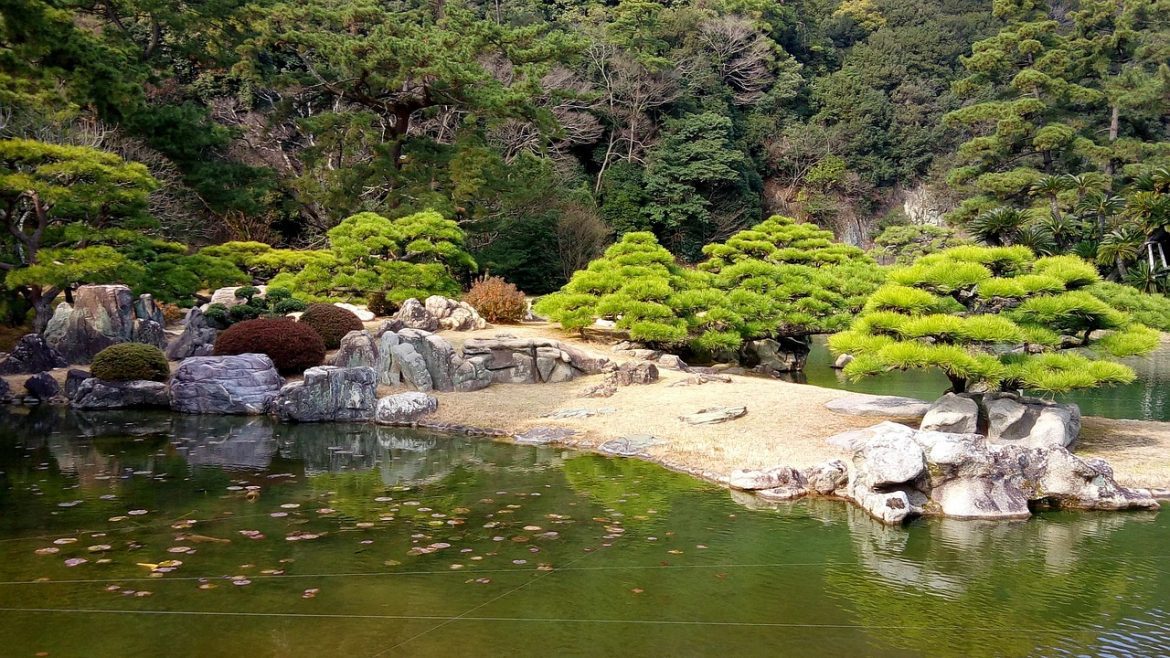
A quiet afternoon at Ritsurin Garden, designed for unhurried wandering
Ritsurin Garden is the kind of place that changes your breathing without you noticing. In Ritsurin, ponds mirror pine silhouettes, tea houses sit as if placed by an artist’s hand, and the landscaping has a deliberate, calming rhythm. It’s one of Japan’s most beautiful gardens, and it rewards slow attention more than fast sightseeing.
A traveler once told me they felt gently transported back in time here, not by spectacle but by small details: bridges that frame water, gravel that softens footsteps, and pines shaped with patient restraint. That’s the best way to experience it—choose a route, take your time, and let the setting set your pace.
Practical visiting insight for Ritsurin Garden photos and pacing
There’s a modest entrance fee, and the garden is open daily except on select holidays (check seasonal notices if you’re traveling around New Year). Arrive earlier for softer light and quieter paths; late afternoon can be magical too, especially when autumn leaves begin to glow. Wear comfortable shoes—gravel paths and gentle slopes feel easy, but steady footing helps you relax into the experience.
If you’re traveling in spring or autumn, you’ll have the most comfortable weather and the strongest color, making it easy to combine the garden with a long lunch and a relaxed stroll back toward the waterfront.
Edo period design, Matsudaira heritage, and a tea house with care
The garden’s sensibility comes from the Edo period and the aesthetic values of the Matsudaira line. You’ll sense restraint and balance—an approach to beauty that doesn’t demand attention; it earns it. This is a place to look closely, notice textures, and appreciate how design can feel quietly generous.
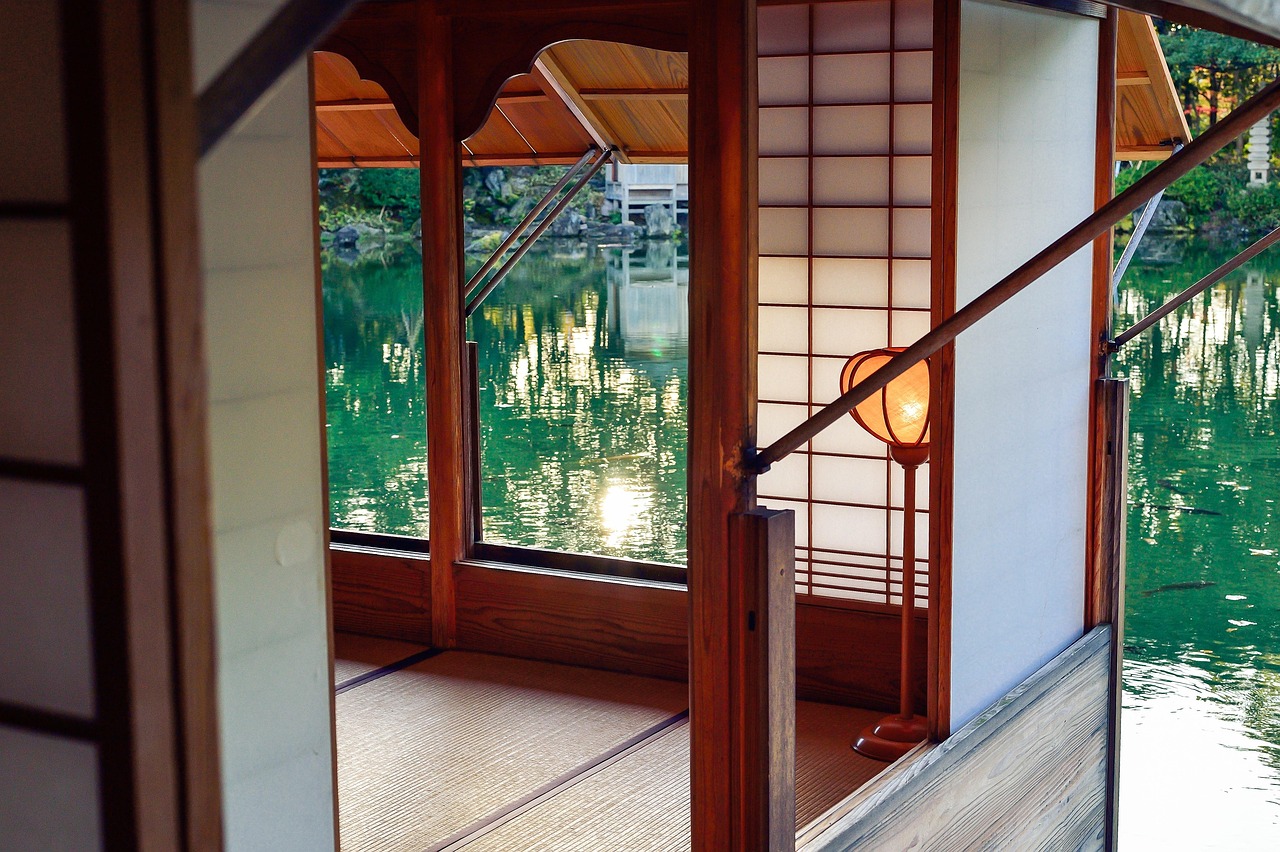
Inside a tea house, you don’t need to know every rule to belong. Move calmly, keep your voice low, and watch how others hold their cup. A gentle bow of thanks is enough; your goal is presence, not perfection.
Takamatsu Castle Ruins: A Coastal Castle Town Story and Samurai History
Coastal castle ruins with sea air, stonework, and layered history
For anyone searching for castle ruins and memorable sightseeing spots, this coastal site delivers: sea air meets stone, and the moat once carried salt water—one of Japan’s famed water castles. Even as a partial castle, it’s a must-see for travellers who like history with open views and a strong sense of place.
Adventure seekers sometimes worry that ruins will feel “unfinished”. Here, they feel honest. Without needing a guided tour, you can still uncover the castle town narrative: the Matsudaira clan under Tokugawa influence, layered Edo-era decisions, and the strategic logic of building coastal defenses that spoke to both land and sea.
Walking plan for castle viewpoints, stonework details, and waterlines
Start with the garden paths and restored sections, then follow the edges where the shoreline feels closest. Look for the relationship between stonework and water levels—small details that show how defense and design were once inseparable. For photos, step back and let reflections and negative space do the work.
- Best time: early morning for calm light and fewer people.
- What to notice: defensive geometry, shoreline proximity, and how parkland frames the remaining structures.
- How to feel it: walk slowly enough that sea air becomes part of the story.
Shopping street time, Aji craft finds, and rainy-day culture
Afterward, pair the visit with a stroll through a nearby shopping street, where the pace is lively but still local. A standout gift is a small item made from Aji stone—cool to the touch, beautifully finished, and distinctive of local craftsmanship.
If the weather turns, keep the day seamless with museums and installations around the center; they’re ideal for rainy days when you still want cultural depth without pushing too hard. Most importantly, trust that partial ruins can be deeply moving—the absence is part of the narrative.
Shikoku Mura Open-Air Museum: Traditional Japanese Culture and Living Heritage

Open-air architecture and craft heritage at Shikoku Mura
For travelers drawn to Shikoku’s heritage, Shikoku Mura is an immersive attraction where time feels tactile. Traditional farmhouses, workshops, and bridges sit against the hillside like a living archive—full of regional storytelling and the kind of important cultural-property moments that make you slow down in reverence, not obligation.
One traveler described their visit as unexpectedly hands-on: they engaged with craft demonstrations and left with a deeper appreciation for how daily life shaped the region. If you’d like that same sense of connection, arrive curious and ask simple questions—“How long does this take?” “Who taught you?” “What’s hardest to make?” and let the answers unfold naturally.
Temple and shrine mindset, pilgrimage route, and the 88 temples story
Shikoku’s spiritual thread is present even when you’re not “doing” religion. It helps to know that the pilgrimage tradition here is shaped by the P88-temple pilgrimage route linked to Daishi (Kūkai) as a cultural figure. You don’t need to complete all 88 to feel the atmosphere; simply recognising the tradition adds context to what you see.
If you step into a temple or shrine space near the museum, keep it gentle: pause at the entrance, lower your voice, and follow the flow. A small bow is enough; no one expects performance.
Choose your depth with Kokubunji, Kotohira, and a respectful approach
For those who want a little more, consider a light extension to Kokubunji, or keep it practical and save bigger journeys (like Kotohira) for another day. The key is “choose-your-depth”: you can create a meaningful encounter in 30 minutes, then leave space for a long lunch or a slow return by tram.
Practicalities: wear shoes you can walk in for an hour or two; in wet weather, paths can be slick, so take your time. Plan a pace that feels supportive rather than demanding, and you’ll leave with quiet confidence instead of fatigue.
Yashima Plateau Sunrise Hike: Scenic Views Above Shikoku
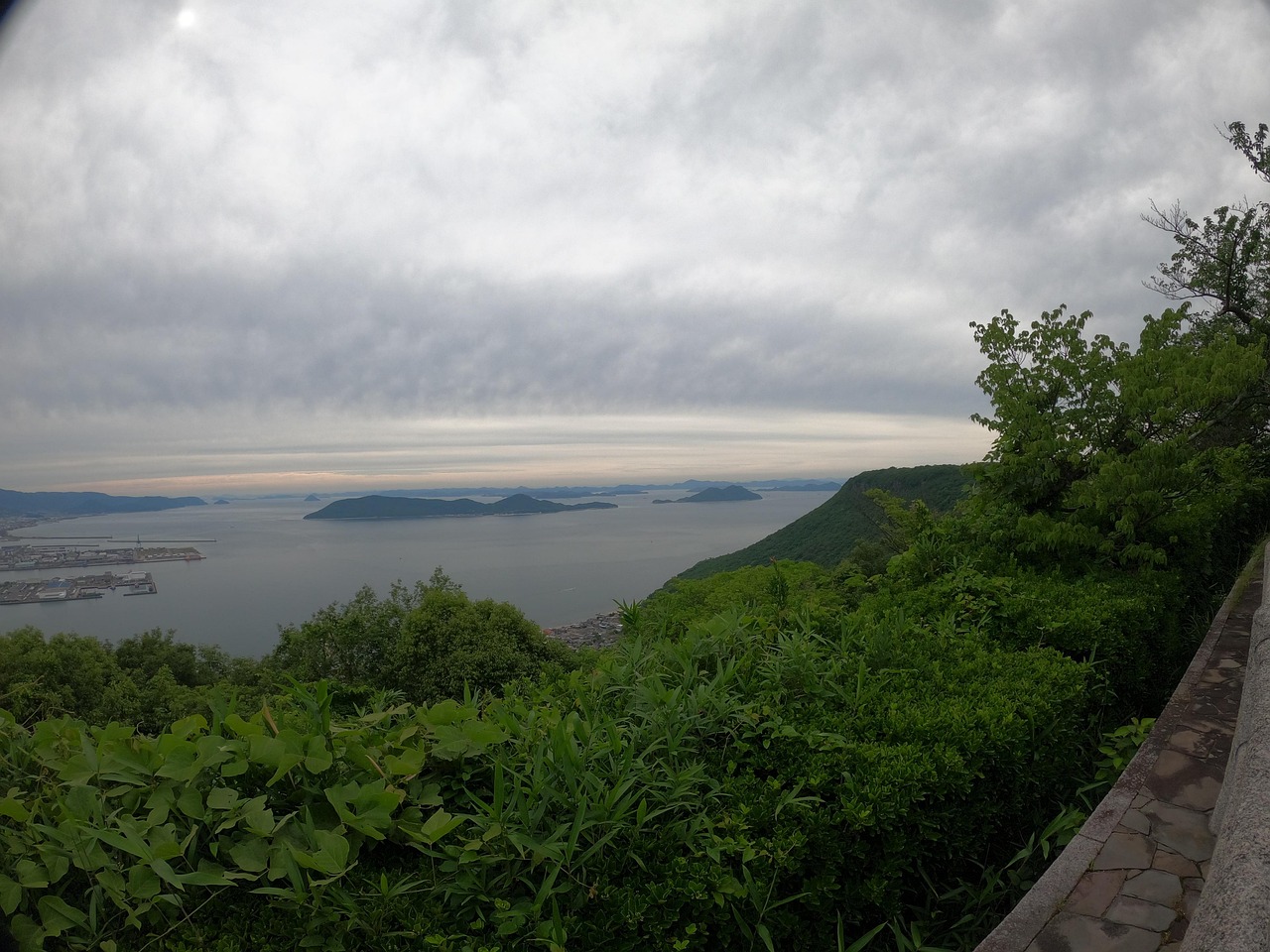
Sunrise light and wide horizons from the Yashima plateau
Search Yashima routes and you’ll find plenty of options—but the magic is how it feels at the top. One adventure seeker described hiking before dawn and watching the Seto Inland Sea open like a painted screen. The climb isn’t harsh; it’s steady and purposeful, and the reward is a horizon that makes the early alarm feel like a gift you gave yourself.
As you approach the plateau, you’ll notice how the landscape changes—this is a lava plateau, a “science meets scenery” detail that makes the panorama more surprising. And then the view arrives: layered islands, silver water, and a city waking gently below.
History at Yashima without heaviness, and a calm stop at Yashima-ji temple
Yashima is also known as a site of famous battles, but you don’t need to memorize names to appreciate its significance. Let the story stay light: a strategic vantage point, a place where geography shaped history. You may also hear references to Emperor Sutoku, remembered in regional lore—another thread that makes Shikoku feel textured rather than tidy.
At the summit, visit Yashima-ji, a temple with a calm presence that suits sunrise well. Behavior is simple: cleanse hands if there’s a water basin, step aside to let others pass, and keep photos respectful. Notice small details—paper lanterns, worn stone, the sound of your own footsteps—and allow the moment to be personal.
Ferry island hopping, onsen recovery, and craft stops in Mure and Kinashi
After the hike, you can extend the day at your own pace. Choose a ferry outing to Megijima or Ogijima for art and coastal walks. Island time feels especially satisfying after a morning climb because it’s like a soft landing—unhurried, salty-air calm, and easy to tailor to your energy.
For recovery, consider Shionoe for an onsen or a quiet hot spring soak. If you still have energy, add a viewpoint like Goshikidai or stop in Mure or Kinashi to uncover local souvenirs such as pine bonsai shaping or stone workshops. The point isn’t to do everything; it’s to design a day that feels seamless.
FAQs: Takamatsu City, Japan
Is Takamatsu, Japan, worth visiting?
Yes—Takamatsu is worth visiting if you want a calm, high-comfort base with real cultural depth. You can wander Ritsurin Garden, explore the coastal castle site, hike Yashima for sunrise, and still return to excellent hotels and easy transport.
What is Takamatsu, Japan, known for?
Takamatsu is known for Ritsurin Garden, Sanuki udon, its coastal fortifications, and being a key hub for art-minded island day trips. It’s also a refined way to experience Shikoku’s history, food culture, and shoreline landscapes.
Is Takamatsu close to Osaka?
Takamatsu isn’t next door to Osaka, but it’s very doable. Many travelers take the Shinkansen to Okayama, then continue on an express train across the Seto Ohashi. With good connections, the journey feels straightforward and comfortable.
How many people live in Takamatsu?
Takamatsu has a population of roughly 400,000 people, making it a mid-sized Japanese city. It feels lively around transport and shopping areas, yet calm near the gardens and waterfront, which suits travelers who value balance.
What Stayed With Me After Takamatsu
What lingers for me is less a checklist and more how the city held each experience together. There were small kindnesses that didn’t announce themselves: a shopkeeper who waited while I found the right coins, a nod of reassurance when I hesitated at a doorway, and a quiet recommendation for a tiny counter serving Sanuki udon—a taste that still feels tied to Sanuki and the memory of Sanuki Province.
And then there’s the single image you carry home—because this corner of Shikoku gives you one, almost inevitably. Sometimes it’s light sliding across water at Ritsurin Garden. Sometimes it’s the saltwater moat breathing beside the ruins. For others, it’s dawn from Yashima: a view that makes you feel both small and steady all at once.
What I trust most about this destination is how it invites you to travel gently. You can explore deeply without pushing yourself and discover meaning in details you didn’t plan for. If you let curiosity lead, you begin to uncover a quieter kind of confidence—shaped by restraint, by care, and by experiences that feel genuinely lived.
Long after you’ve left, Takamatsu remains as a soft presence in the mind: practical, cultured, and perfectly paced. And when the thought of Shikoku returns—unhurried, persistent—perhaps you’ll simply imagine going back, not to tick anything off, but to meet a new version of yourself.