Post Contents
- Kobe Airport in Japan: A Kansai arrival that feels designed for the Kansai region
- Terminal guide for Kobe Airport terminal information services ANA domestic flights Japan and time savers
- Seamless access from Kobe Airport to the city and the three airports’ network in Kansai
- Near Kobe cultural gems within one pleasant first day from Kobe Airport arrival
- Food adventures and Kobe beef restaurants near Kobe Airport, Japan: local food experience
- FAQs: Kobe Airport Japan travel information
- What stayed with me after Kobe Airport, Japan, reflections on the Kansai travel experience
Kobe Airport in Japan: A Kansai arrival that feels designed for the Kansai region
Kobe Airport in Japan A Kansai arrival that feels designed: arrival at
Kobe Airport, Japan, in the Kansai region, is one of those moments that makes you pause mid-step: wheels down, a brief hush in the cabin, and then the waterline of Osaka Bay gliding past the window. Travelers often share the same personal thrill here—landing on an engineered runway and marveling at how quietly confident the design feels, as if the airport was created to make arrival calm.
For first-time visitors, a little orientation builds instant trust. Kobe Airport is smaller, modern, and refreshingly straightforward compared with a major airport, which is exactly why weekend explorers and business travelers like it. It sits close to central Kobe, so you can reach the city quickly and start uncovering culture almost immediately.
If you like your plans tidy, note the code RJBE for confident trip planning. In a simple mental map of Kansai, Kobe sits west of Osaka, with Kyoto further northeast—three names that sound close on paper and feel even closer once you’re moving smoothly by rail.
Think of this airport as a gentle gateway for adventure seekers: less noise, less waiting, more time to discover. Imagine landing, breathing out, and stepping into Japan with support already built into the journey.


Terminal guide for Kobe Airport terminal information services ANA domestic flights Japan and time savers
Terminal guide for Kobe Airport flights, services, and time savers
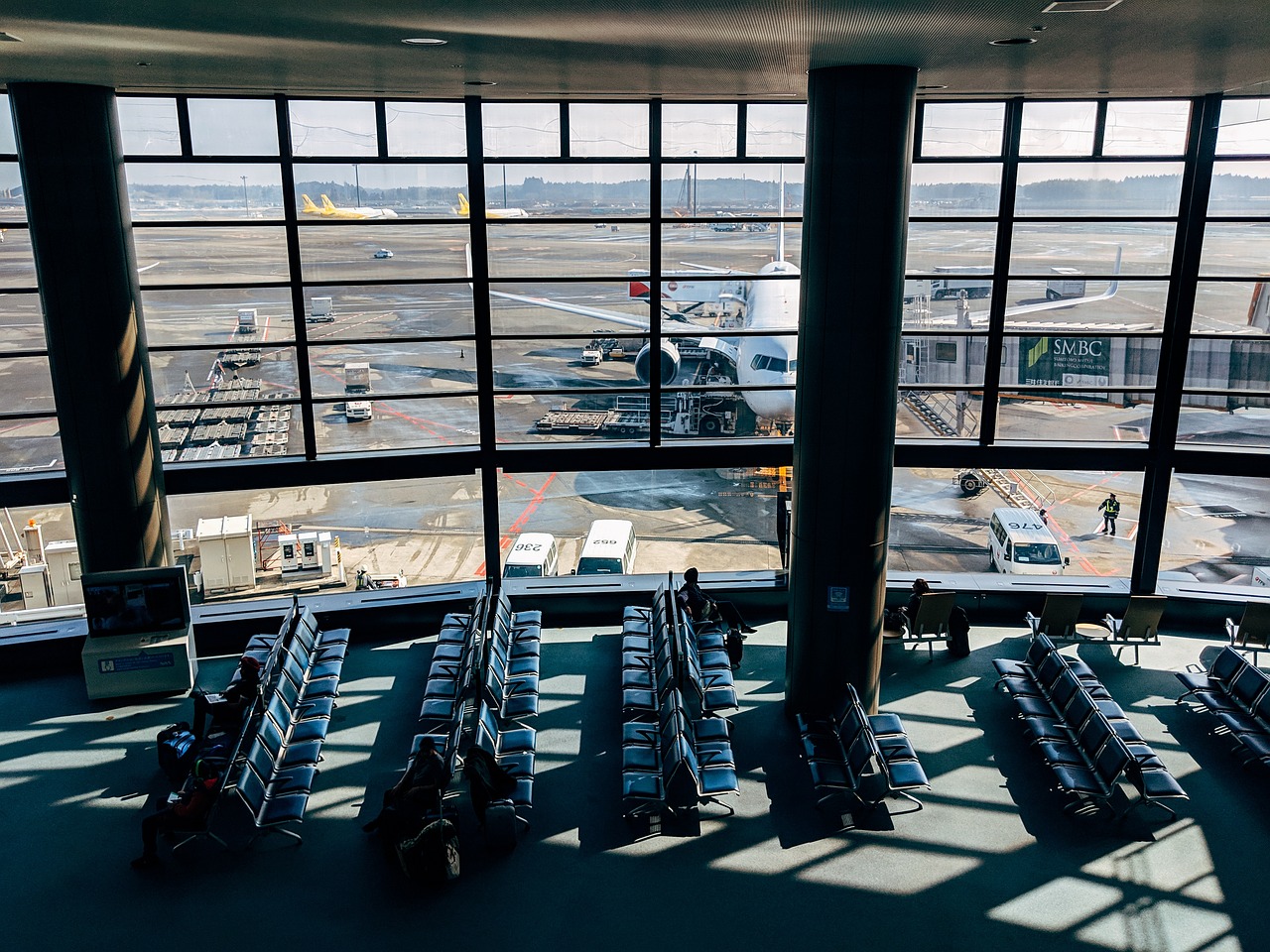
Kobe Airport terminal information services for ANA domestic flights in Japan can be summed up in one reassuring phrase: easy to navigate, even when time is tight. The terminal flow is intuitive—follow the clear signage from arrival to baggage claim, then out to the ground transportation area without the long corridors you might expect elsewhere.
Terminal service and time flow from arrival to exit
You’ll notice how the airport seems designed for a smooth rhythm. Families move at their own pace, while business passengers slip through with minimal fuss. If you have a short connection hour, it helps to decide before landing who’s collecting bags and who’s checking the next departure screens, so you move together with confidence.
- Lockers: ideal if you want to explore the city before checking in.
- Cafés: a calm place to reset after your flight, especially on early departures.
- Information: look for the main counter and digital boards for the latest updates.
Domestic and international flight connections with ANA
Flight operations here are primarily domestic, with domestic flights often linking to Tokyo and other key cities. ANA is a key airline to watch for schedules; it’s popular with travelers who prefer reliability and a polished experience. If your itinerary includes an international flight, you’ll typically connect onwards via another airport in the Kansai region—so it’s wise to keep your transfer plan clear and realistic.
On security and restriction details: Japan is orderly and fair. Liquids, scanners, and queue etiquette are handled with quiet care—follow the guidance, keep your essentials accessible, and you’ll be through without stress. For up-to-date details, check the airport website before you travel, especially around peak holiday periods.
Seamless access from Kobe Airport to the city and the three airports’ network in Kansai
Seamless access from Kobe Airport to the city and the three airports’ network
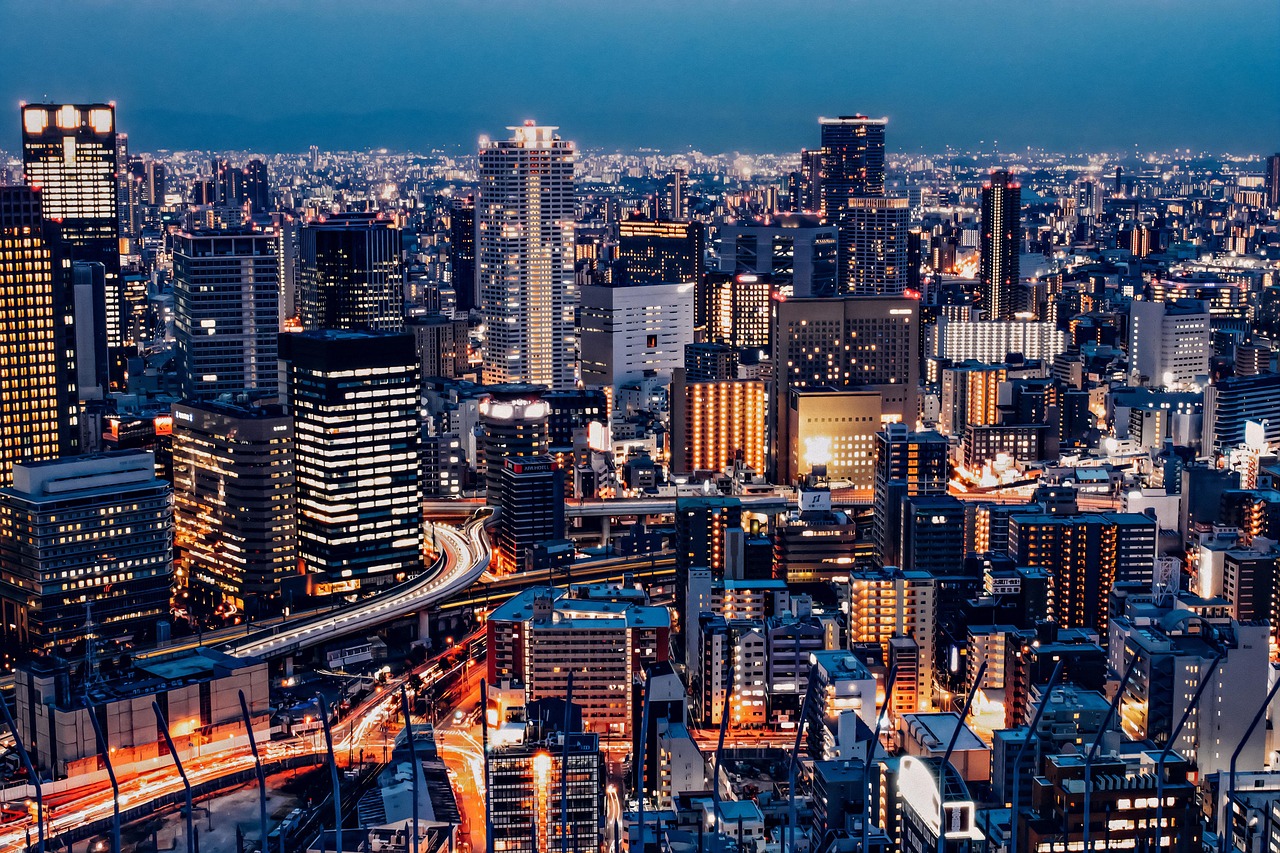
Kobe Airport access to the Kobe and Osaka shuttle bus ferry KIX ITM is where this gateway really shines. The easiest way into the city is the Port Liner train, which connects you neatly to Sannomiya—Kobe’s main hub—without you needing to drive or negotiate complex platforms. If you prefer water, ferry services can add a scenic layer to your arrival, and shuttle bus options can suit late-night timings or heavier luggage.
Access map for the airport to city transfers
Here’s a simple map-style way to think about it: Kobe Airport → Port Liner → Sannomiya (city center), with onward lines branching to the harbor and beyond. For travelers considering a car, remember that urban parking can slow momentum; often, rail is the more seamless choice, and then you can pick up a car later for countryside days or a Himeji side trip.
- Budget: Fares are generally straightforward, but carry cash for smaller operators and some local transport.
- Accessibility: lifts and clear wayfinding help keep movement smooth with suitcases.
- Plan: screenshot key routes, choose meeting points, and keep a direct backup option.
Three airports in the Kansai region for smart itinerary design
Kansai works like a thoughtful triangle: Kobe Airport, Kansai International Airport (KIX), and Osaka Itami (ITM). For aviation-curious travelers, Itami’s code is RJBB, and it can be a smart choice for certain schedules. A direct transfer makes sense when you’re juggling early departures or late arrivals, or you’re mixing domestic and international legs across the region.
Above all, Japan is exceptionally safe, so you can focus on the experience rather than worry. Create your transfer plan together before landing, and you’ll step off the train already feeling settled in the city.
Near Kobe cultural gems within one pleasant first day from Kobe Airport arrival
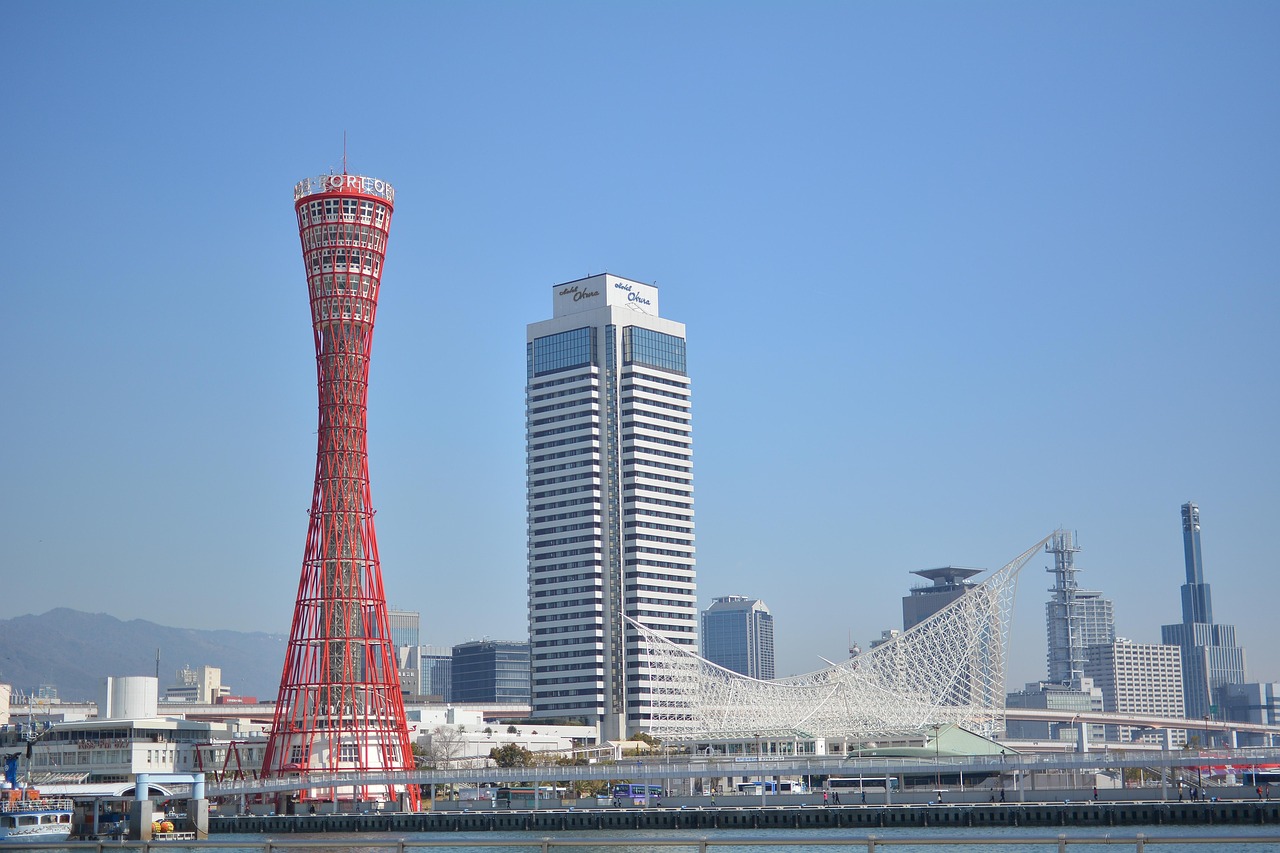
Near Kobe cultural gems within one pleasant first day
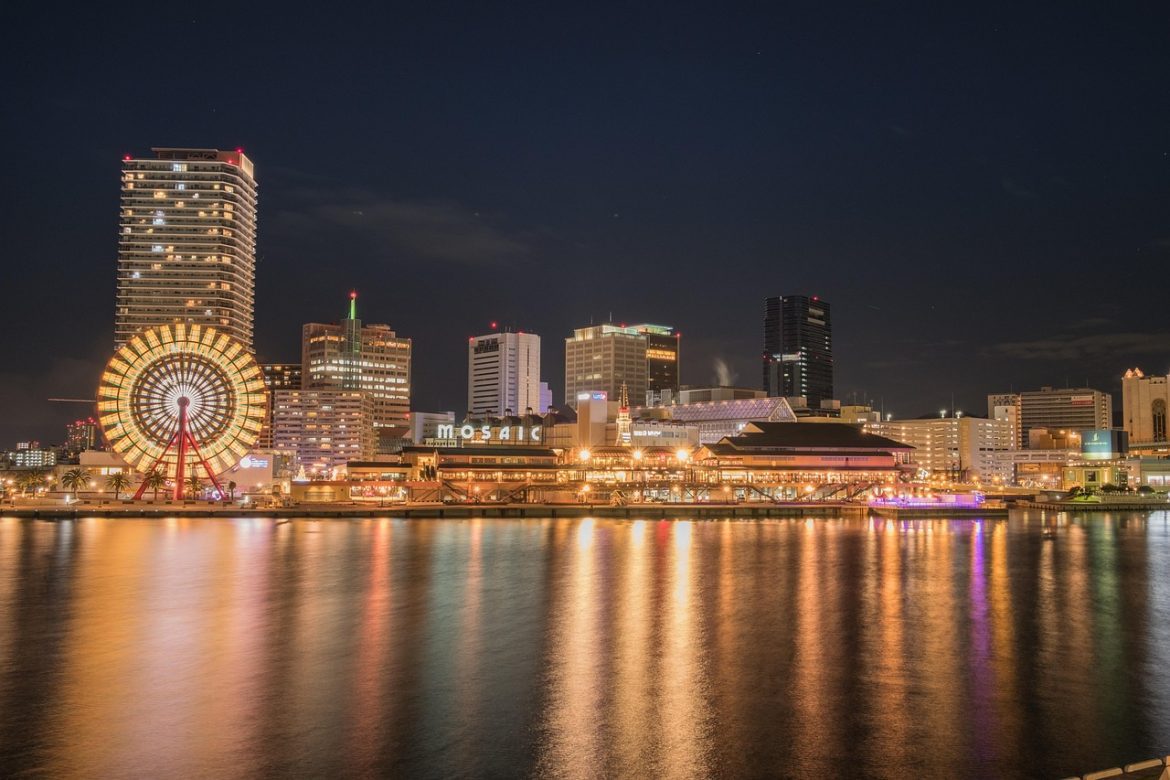
The near-Kobe cultural itinerary—from Kobe Airport to Meriken Park, Harborland, and Kitano—is wonderfully doable, even if you’ve only just landed. Start with Meriken Park for open-air views and a sense of scale—sea, skyline, and the feeling that your destination is both modern and human.
Discover Meriken Park, then explore Kobe Harborland
From Meriken Park, drift towards Kobe Harborland. Many travelers recall their first stroll here: vibrant shops, waterfront cafés, and the Seto Inland Sea light changing as if the afternoon were crafted for photographers. This is also where friendly locals often step in—offering insight on a quieter lane, a small gallery, or a better photo angle by the water.
For a low-effort navigation approach, anchor your day to landmarks rather than perfect directions: Meriken Park → harbor promenade → Harborland complex → back towards central stations. You’ll spend less time checking your phone and more time noticing details you’d otherwise miss.
Kitano district street atmosphere and historic houses
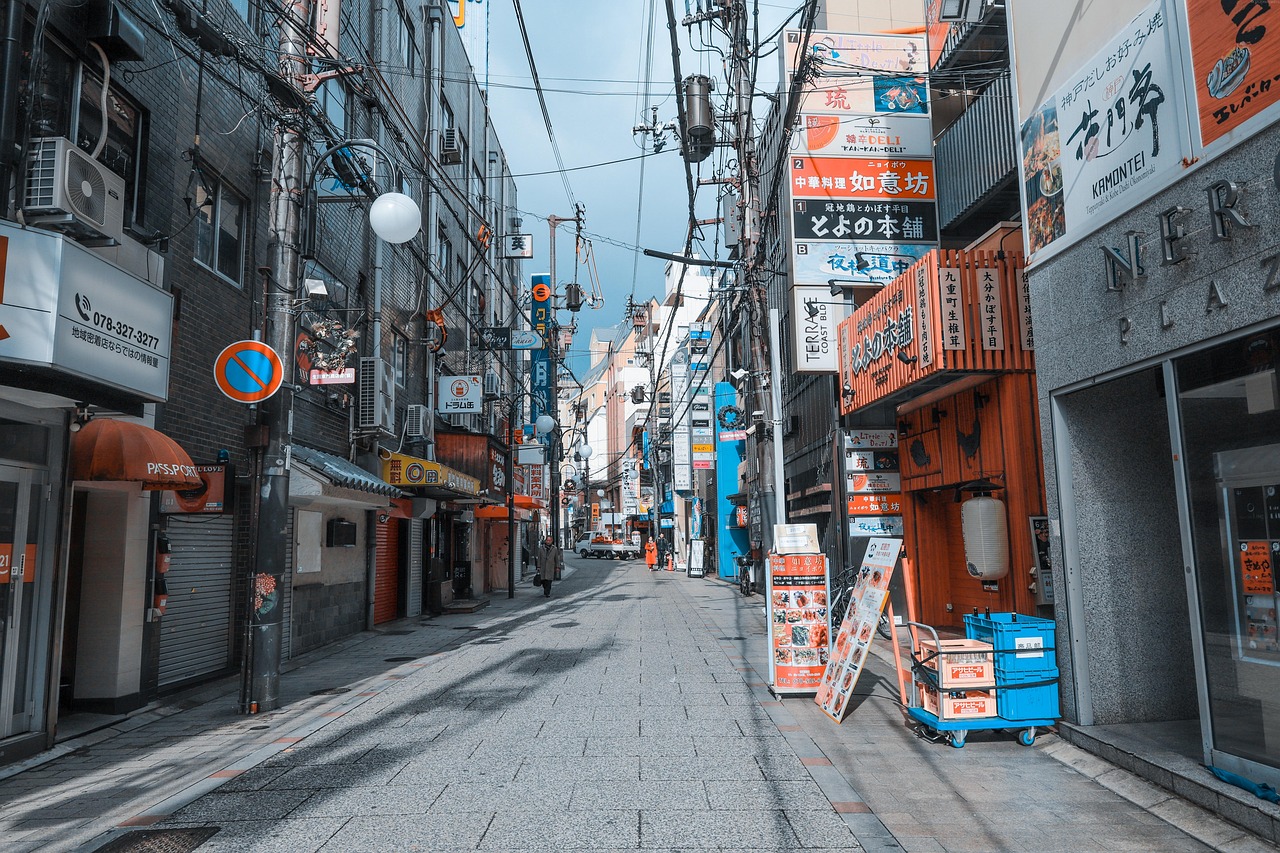
Finish in the Kitano district, where historic Western-style houses and sloping streets invite you to slow down. Entry fees are usually modest, and plenty of the pleasure is free—wandering, people-watching, and uncovering small design details on doorways and balconies.
A gentle 2025 tip: check current festival calendars before you go, as seasonal events can transform the harbor and nearby streets. Spring and autumn are especially rewarding for pleasant weather and cultural celebrations.
Food adventures and Kobe beef restaurants near Kobe Airport, Japan: local food experience
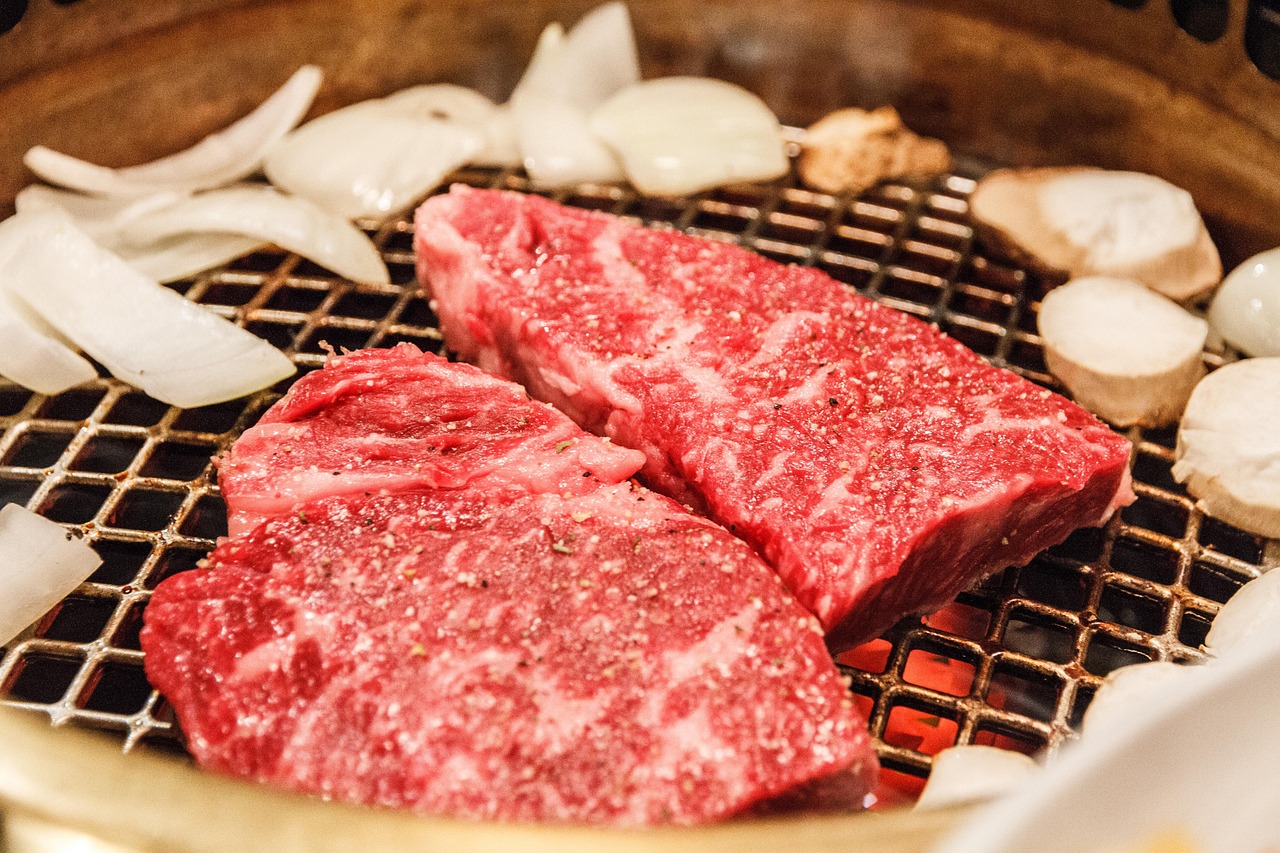
Food adventures and Kobe beef with local care and confidence
In Kobe beef restaurants near Kobe Airport, Japan, your local food experience can begin surprisingly soon after you arrive—especially if you’re staying near the harbor or Sannomiya. For a first meal, I love the theatre of a teppanyaki counter: the chef’s measured movements, the quiet sizzle, and the sense that the evening was designed to help you settle into the city.
At a traveler level, “Kobe beef” means beef from Tajima-gyu cattle raised under strict standards; reputable restaurants will be transparent about sourcing and grades. You don’t need to overspend to enjoy it—set menus can offer better value than ordering everything à la carte, and well-reviewed spots near the waterfront often serve newcomers kindly without rushing.
My most vivid personal moment wasn’t only the first bite—though it was extraordinary—but the gentle conversation around it. A local diner noticed our curiosity, offered a recommendation for a tucked-away viewpoint, and we exchanged polite bows that felt like a small bridge of trust. In Japan, quieter voices and patient pacing read as respect, and that care tends to be returned.
Practical dining service tips for reservations and budget
Reserve if you’re aiming for a sought-after counter seat, especially on weekends. Expect a wide range of prices depending on cut and setting; plan your food budget so you can enjoy one premium meal, then balance it with simpler lunches. Do keep cash on hand, as some smaller places still prefer it even in modern districts.
- Design your evening: dinner first, then an unhurried waterfront walk to keep the energy smooth.
- Ask with confidence: staff will often help you choose portions that suit your appetite.
- Pair wisely: a light starter and seasonal vegetables help the main course shine.
If you’d like inspiration for a broader journey, you can browse our Trip gallery and create a route that fits your appetite for culture and adventure.
FAQs: Kobe Airport Japan travel information
F.A.Qs: Kobe Airport Japan travel information
Does Kobe Airport have international flights?
Kobe Airport is best known for domestic routes, so most travelers use it for domestic flights and then connect to an international flight via another airport in the region. If you need long-haul options, plan a smooth transfer to a larger hub and double-check schedules on the official website before you fly.
Is Kobe Airport in Osaka?
No—Kobe Airport is in Kobe, in Hyogo Prefecture, though it sits close enough to Osaka that the wider Kansai area feels connected. With efficient transportation links, you can reach Osaka without fuss, which is why many people combine the two cities in one trip.
Where should I fly into for Kobe, Japan?
For Kobe itself, Kobe Airport is a convenient choice thanks to its smaller terminal and fast access to the city. Depending on your plan and flight availability, you might also fly into KIX or ITM and transfer directly by rail or bus.
Is Kobe Airport good?
Yes—especially if you value calm navigation, clear signage, and quick city access. It’s modern, easy to use, and often feels less hectic than a major airport, which can be a real luxury after a long day of travel.
What stayed with me after Kobe Airport, Japan, reflections on the Kansai travel experience
Kobe Airport, Japan: reflections on the Kansai travel experience returned to me later, not at the loudest moment, but in the quiet in-between. Leaving the terminal behind, I watched the bay change color as if someone had adjusted a dimmer switch—silver to slate to a soft, maritime blue. The movement of people felt unhurried, each passenger carried along by a system that served them without demanding attention.
There’s something symbolic about an airport built over water: human ingenuity made practical, yet still gentle enough to leave space for wonder. Kobe’s hospitality has that same balance—efficient, yes, but also warm, as though the city is quietly supporting you to become more yourself as you travel.
Later, I realized the confidence it gave me was subtle. A seamless transfer, a kind recommendation, and the ease of reading the room in a new place—these small encounters can reshape how you trust your instincts in Japan and how you move through the world when you return home.
Even now, when I picture Kansai, I don’t only see landmarks. I remember the waterline and the calm design of arrival, and I find myself wondering what other stories are waiting where the city meets the sea.