Post Contents
- Discovering the Tanah Lot Temple Moment in Bali for a Sunset Experience
- Temple Legends and the History of Tanah Lot Temple Bali Nirartha Beraban
- Melasti and Respectful Worship at the Temple for Melasti Ceremony Tanah Lot Temple Bali Religious Customs
- Explore the Rugged Coast of Bali Around Tanah Lot for a Tanah Lot Coastline Trek
- Beraban Village Life and a Seamless Plan for Your Visit to Tanah Lot Located in Beraban Village Tabanan
- What Tanah Lot Leaves With You Tanah Lot Temple Bali Personal Reflection
- F.A.Qs: Tanah Lot Temple Bali
Discovering the Tanah Lot Temple Moment in Bali for a Sunset Experience
Discovering the Tanah Lot Temple Moment in Bali for a Sunset Experience
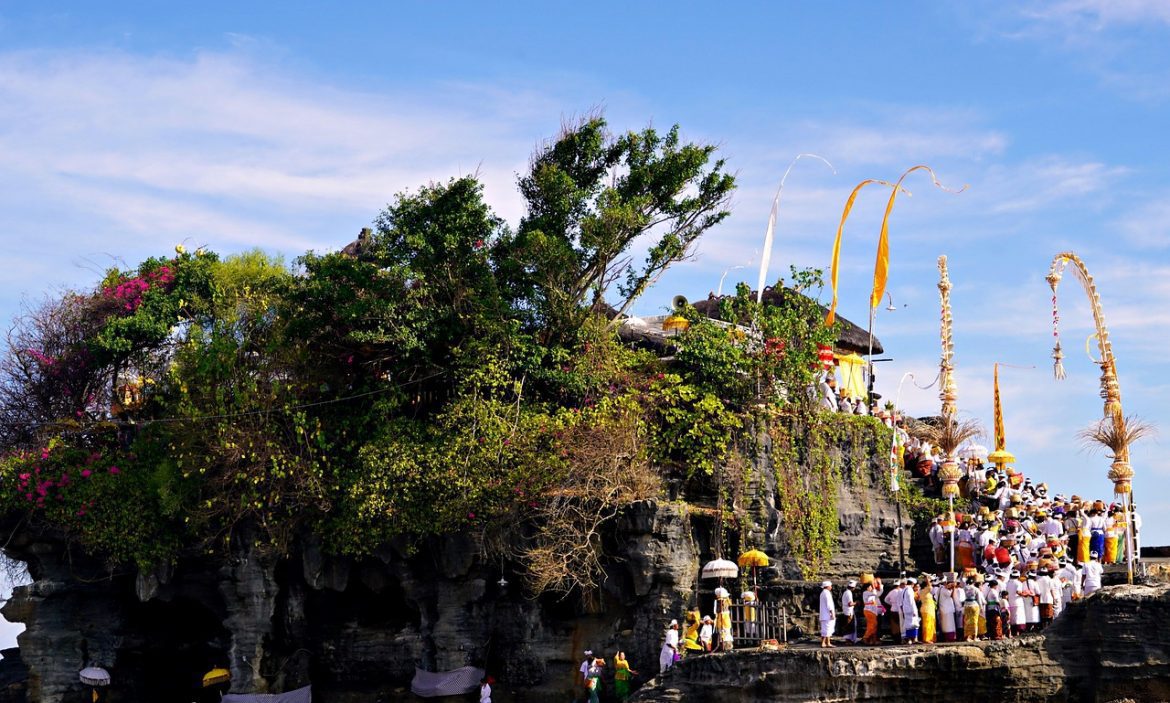
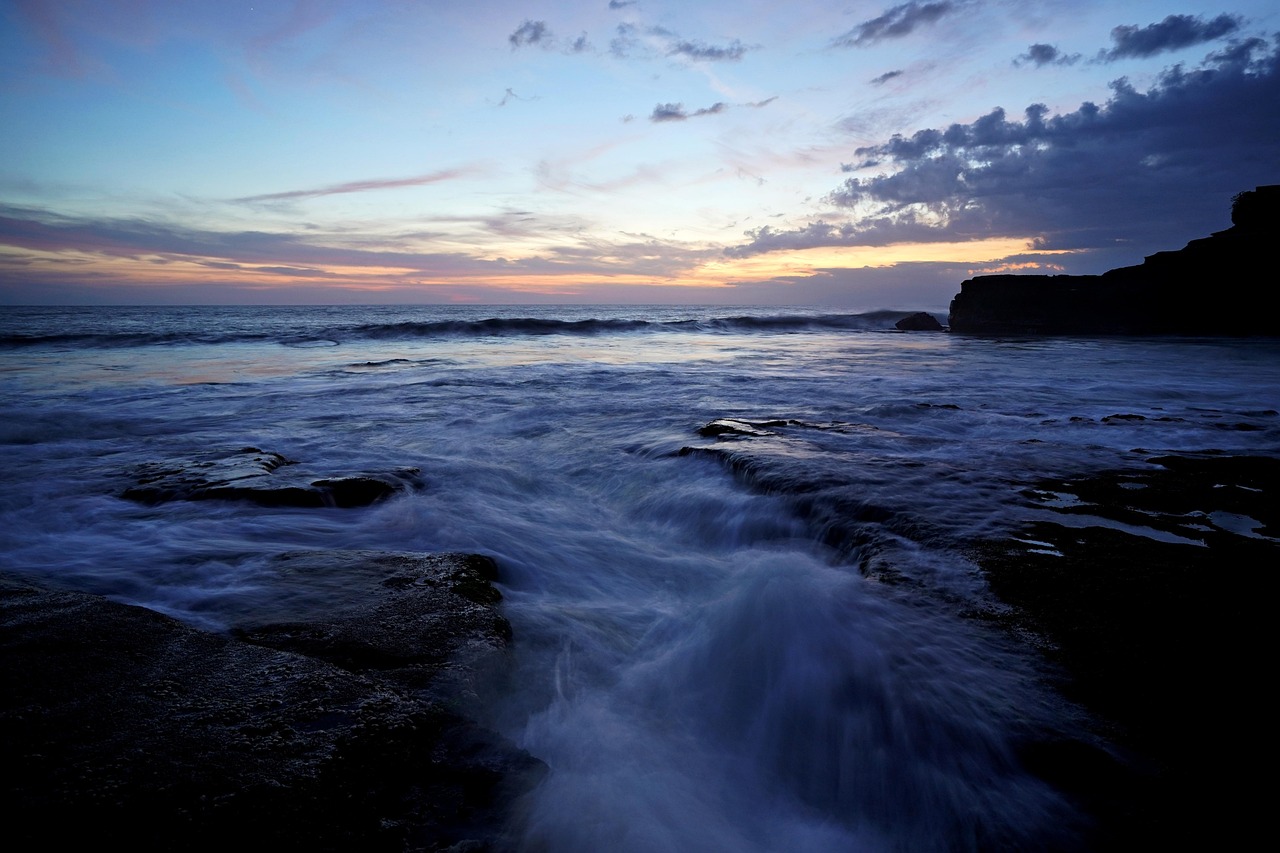
My first Tanah Lot Temple Bali sunset experience didn’t begin with a camera—it began with the sound of crashing waves and a sudden hush in the crowd as the light shifted. For a moment, the temple looked weightless, perched on its rocky stage while the ocean breathed in and out below. It’s one of the most photographed icons on the island, yet it can still feel quietly yours.
Tanah Lot sits offshore on a wave-carved rock platform, and you’ll hear different figures quoted about distance. Some sources mention 300 meters offshore, though what matters more on the ground is the tide: at high tide, the sea cuts the temple off; at low tide, the approach opens up. The setting is dramatic and undeniably tropical, with sea spray in the air and a single wave sometimes arriving like punctuation.
Design a seamless on-site flow around the temple
To create a calm rhythm, think in zones rather than trying to “do everything” at once. You’ll naturally move from the entrance lanes into clifftop paths, then towards photo platforms, and on to nearby viewpoints that angle the temple against open water. If you’re travelling as a couple or with friends, it helps to agree on your pace first—confidence comes from not negotiating every five minutes.
- Clifftop paths: best for wide, spectacular compositions and breezy pauses.
- Photo platforms: fast, iconic angles—take your shot, then step aside with care.
- Viewpoints: quieter corners where the light changes minute by minute.
Yes, tourism is part of the reality here, and a tourist-heavy hour can feel busy. Still, you can design space into the visit: arrive early morning for softer light, or come late afternoon with a plan to linger after the first rush. The temple will do the rest—its presence encourages you to slow down, almost without trying.


Temple Legends and the History of Tanah Lot Temple Bali Nirartha Beraban
Temple Legends and the History of Tanah Lot Temple Bali Nirartha Beraban
The history of Tanah Lot Temple Bali Nirartha Beraban is one of those stories you can feel in the salt air. The tale reaches back to the 16th century, when Dang Hyang Nirartha, a revered religious figure, journeyed across the island of Bali spreading Hindu teachings. In local tradition, he is associated with sacred coastal sites, dedicating places for worship and shaping the spiritual map of the sea.
Some accounts also connect Nirartha’s earlier life to the 15th century and the courtly world of Puri Kediri, which helps explain why his influence travelled so widely. Whether you arrive as a scholar or simply curious, the takeaway is beautifully human: Balinese spirituality is lived, not displayed.
Balinese mythology and why people say guard the temple
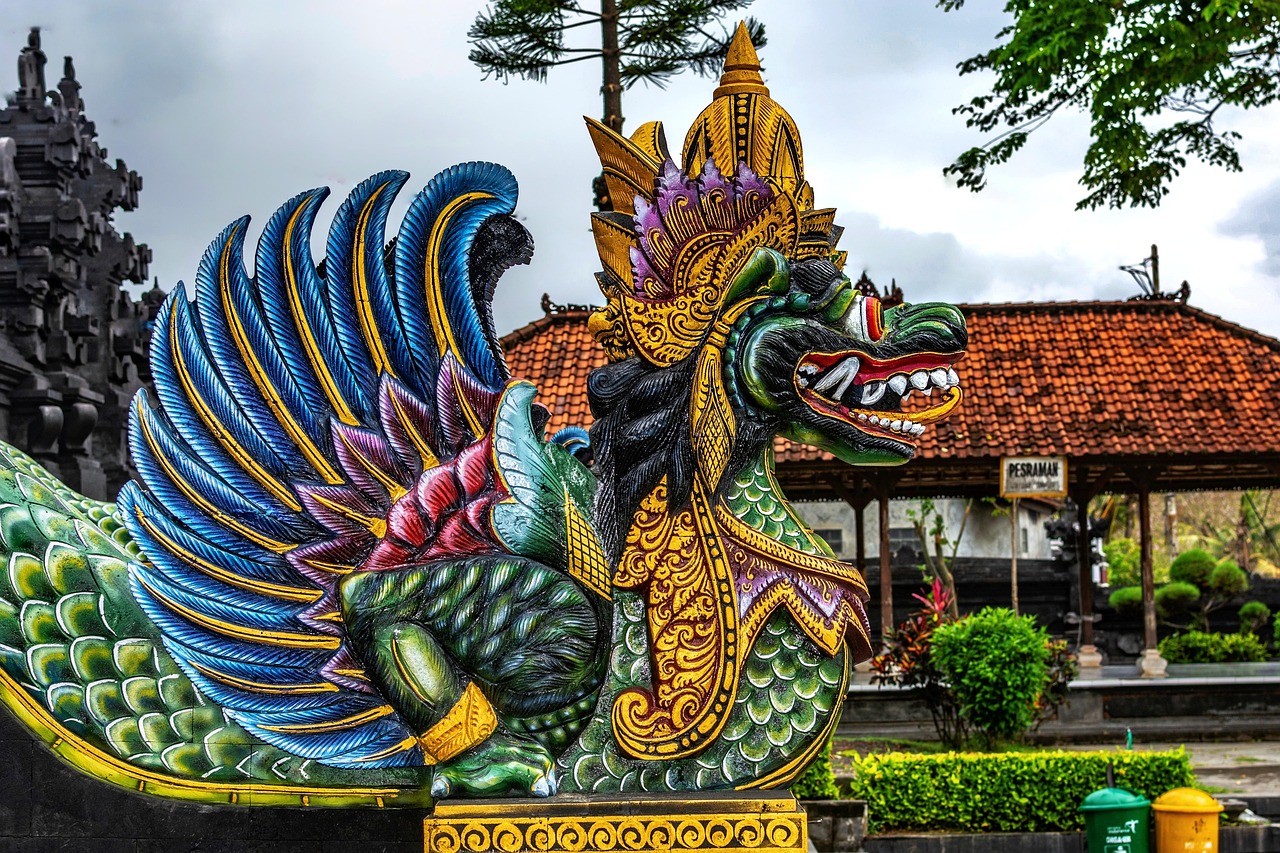
Balinese mythology adds a protective layer to the setting. A sea snake is believed to live in the crevices of the rock, and locals may say it helps guard the temple from harm. You don’t need to take it literally to appreciate what it does: it asks visitors to treat the site as a sacred site, not just a scenic backdrop.
Tanah Lot is part of a wider network of sea temples that ring Bali’s edges, situate communities within the rhythms of tide and devotion, and reinforce religious significance even in a modern travel era. The Balinese people still consider it a holy place and a living place of worship, where to pray is not performance—it is continuity.
Quick cultural glossary: Nirartha (a priestly teacher), Beraban (the village area), Tabanan (the wider region), worship (devotional practice), pray (personal offering and intention).
Melasti and Respectful Worship at the Temple for Melasti Ceremony Tanah Lot Temple Bali Religious Customs
Melasti and Respectful Worship at the Temple for Melasti Ceremony Tanah Lot Temple Bali Religious Customs
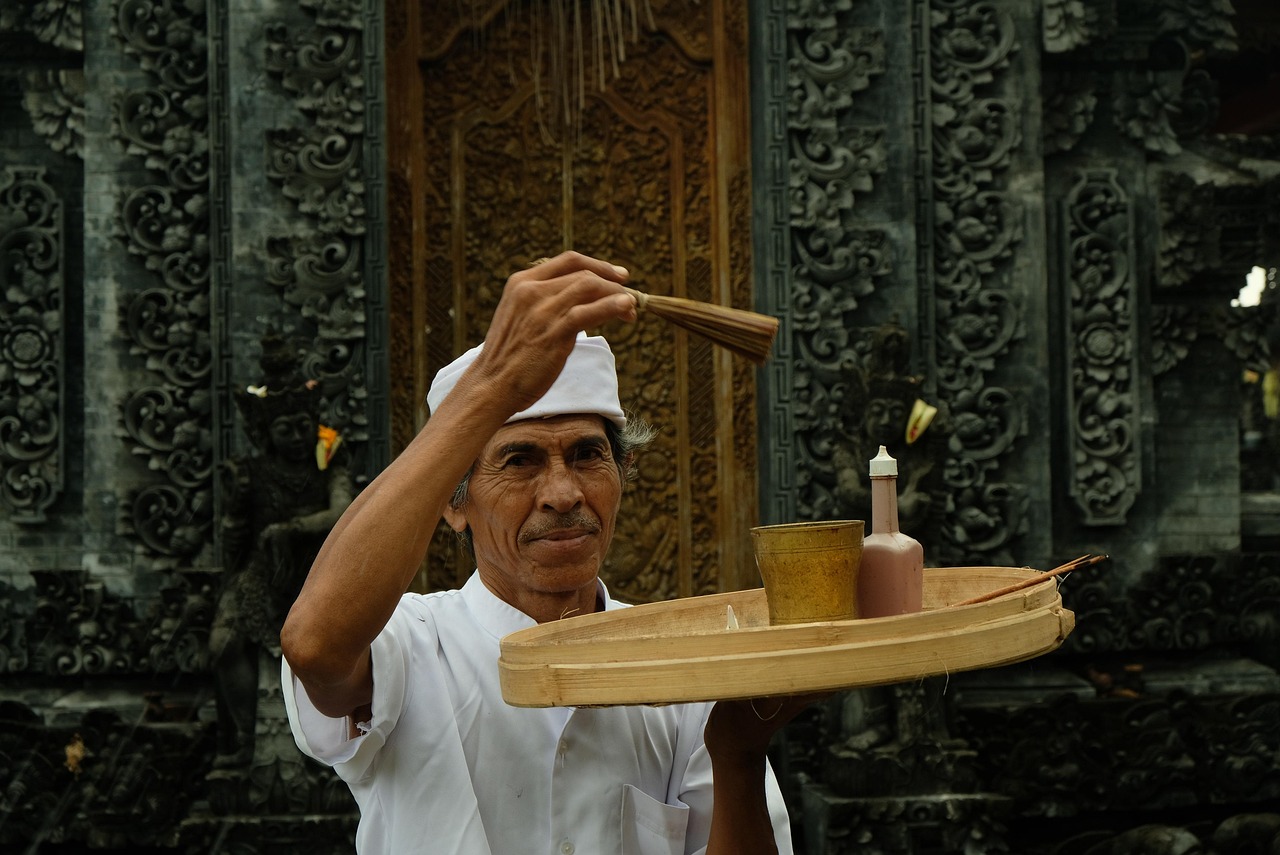
If your timing aligns, a Melasti ceremony Tanah Lot Temple Bali religious customs moment can be profoundly moving. Melasti is a traditional Balinese purification ritual, often held before major holy days, where sacred objects and communities travel to the sea for cleansing. At Tanah Lot, you may witness processions, offerings, and a serene focus that changes the entire atmosphere.
What you may not be able to do is wander freely through every area—some spaces will be reserved, and that boundary is part of the respect. The most luxurious approach is simple: trust the flow, observe with care, and let your curiosity be quiet rather than consuming.
Respectful religious space at Tanah Lot Temple
I once met a visitor who was gently invited—by permission and with guidance—to stand at the edge of a local ceremony. They described feeling unexpectedly connected, not because they “understood everything”, but because they stopped trying to control the moment. That’s the cultural insight Tanah Lot can uncover: humility is a form of sophistication.
- Dress modestly: cover shoulders and knees in the temple area.
- Stay off sacred structures: never climb or pose on shrine areas.
- Move softly: give space to worshippers and ceremonial lines.
- Ask before photographing: a smile and a pause goes a long way.
For ethical photography, keep your lens respectful: avoid blocking pathways, skip flash, and never chase a close-up that turns a religious moment into a spectacle. If you capture anything, aim for serenity—an offering in a hand, a line of sarongs, a calm face—crafted memories rather than trophies.
Explore the Rugged Coast of Bali Around Tanah Lot for a Tanah Lot Coastline Trek
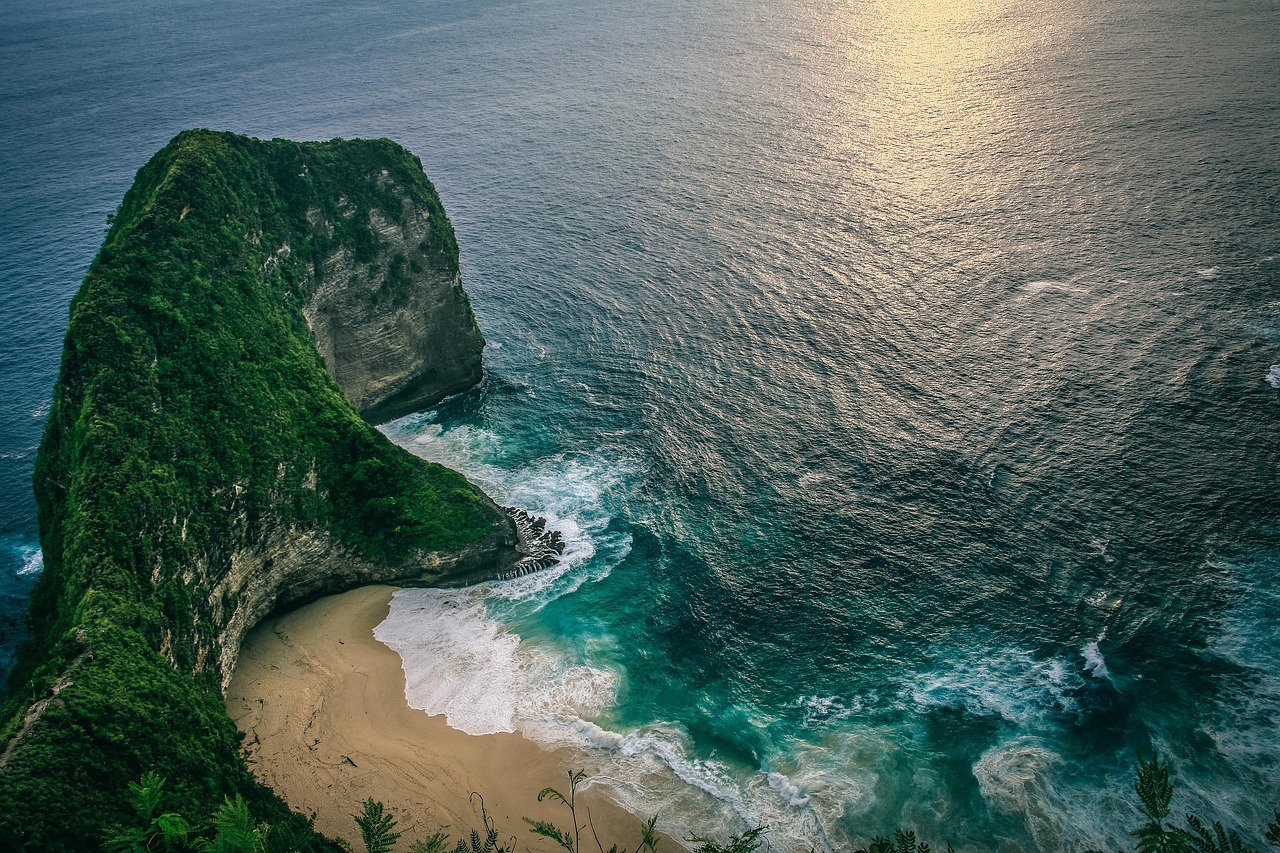
Explore the Rugged Coast of Bali Around Tanah Lot for a Tanah Lot Coastline Trek
For travellers who want more than a single viewpoint, a Tanah Lot coastline trek low tide rock bridge Bali style outing adds adventure to the temple day. The southwestern coast here is rugged and raw: a cliff edge, salt wind, and long views that make you feel the scale of the island. With a guide, you can explore the coast of Bali safely, stopping at crafted photo points that frame the temple from unexpected angles.
One of the most exciting stories I’ve heard came from a traveller who timed low tide perfectly, then navigated the natural rock bridges revealed by the retreating water. They called it thrilling—part puzzle, part playground—yet they also stressed how quickly conditions can change.
Low tide and the rocky path near the temple
Low tide can open tide-revealed paths, but the rock can be slick with algae and spray. Strong currents are real here, and the sea is not forgiving if you slip. Keep your shoes grippy, follow your guide’s line, and treat the shoreline as a living system shaped by erosion, not an obstacle course to conquer.
Look closely and you’ll notice coral textures and pocketed stone, sculpted over time into patterns that feel almost architectural. It’s natural beauty in motion—dramatic, magical, and grounding all at once.
If you prefer wheels to walking, some adventurers cycle from nearby towns through lush village edges, waving at farmers and pausing at small warungs. It can feel extraordinary and free, and it’s safer with route planning that avoids heavy traffic and leaves time for water breaks.
Beraban Village Life and a Seamless Plan for Your Visit to Tanah Lot Located in Beraban Village Tabanan
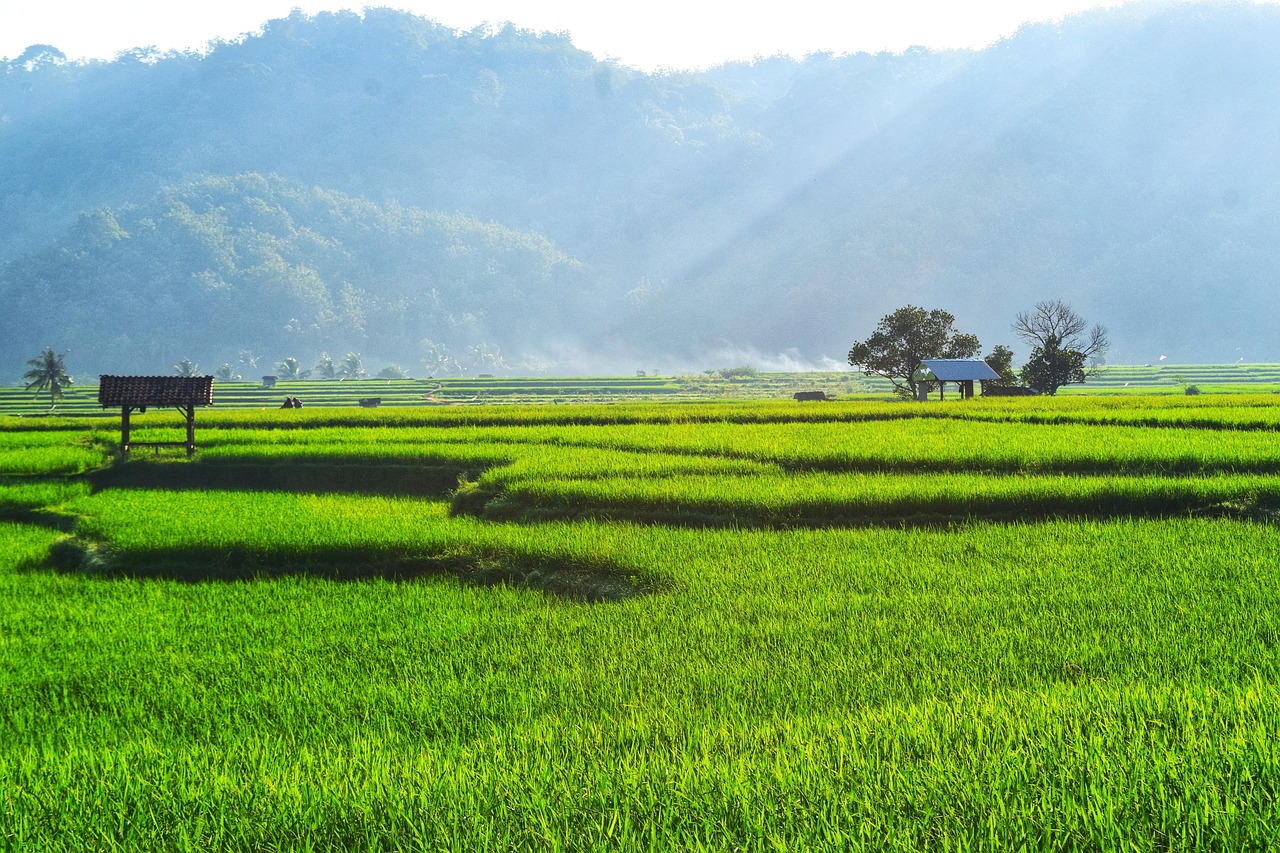
Beraban Village Life and a Seamless Plan for Your Visit to Tanah Lot Located in Beraban Village Tabanan
Tanah Lot located in Beraban village Tabanan travel tips begin with geography, because it shapes your whole day. The temple is located in Beraban village, Tabanan, surrounded by a coastal village atmosphere that feels both working and welcoming. Beyond the main complex, you’ll sense ordinary life: scooters, morning offerings, and the steady livelihood of people who live beside the sea.
Make time to interact in ways that support the community. Look for fishermen mending nets, artisans selling carved wood and textiles, and small stalls where a well-chosen souvenir can carry genuine meaning. Choose one shop and buy thoughtfully, then sit down at a nearby restaurant with intention—slow lunch, cold drink, and a moment to let the day settle.
Best time to visit and a designer timing plan
The best time to visit is during the dry season from April to October, when Bali’s skies are clearer and the heat is more comfortable. Arrive early morning for space, or late afternoon if you want the softening light—then be patient as the grounds fill and empty in waves.
- 08:00–10:00 Explore viewpoints in calm air; create your “first look” without rush.
- 10:00–12:00 Wander the surrounding edges; pause for a crafted coffee break.
- 15:30–17:30 Return for atmosphere; find a quiet perch rather than the busiest rail.
Transport is easy from Seminyak and Kuta by private car, scooter rental (only if you’re confident), or guided tours. Entry fee is approximately IDR 60,000 per person, and it’s wise to keep small notes for parking and snacks.
If you’re building a bigger itinerary across Indonesia, browse our Trip gallery for inspiration that keeps culture and comfort together.
For safety, keep tide awareness front of mind, watch wet stone underfoot, and secure personal belongings in crowded pockets. With an expert, reassuring mindset—steady, observant, and respectful—you’ll find the visit becomes seamless, and better for everyone together.
What Tanah Lot Leaves With You Tanah Lot Temple Bali Personal Reflection
A Tanah Lot Temple Bali personal reflection often arrives later, when you least expect it—on the drive back, or days after you’ve left Bali. The memory isn’t just the temple on its rock, but the salt air and the soft murmur of worship carried on the wind. Time seems to slow at that edge where land meets ocean, and you realise you were standing inside someone else’s living heritage, not just looking at it.
What stays with you is the feeling of trust in your own pace: you don’t have to rush to make a place “worth it”. You can simply be there—quietly, respectfully—letting Balinese devotion sit beside your own sense of wonder. In that way, the journey becomes personal, and the insight lasts longer than any photograph.
Later, you may find you’re more attentive in small ways: stepping aside for a procession, lowering your voice in a sacred space, choosing care over convenience. Tanah Lot doesn’t demand a grand transformation; it offers something softer—an invitation to travel with curiosity and gentleness, and to keep listening for the stories that the shore still holds.
F.A.Qs: Tanah Lot Temple Bali
Why is Tanah Lot famous?
Tanah Lot is famous for its iconic temple set on an offshore rock, its dramatic ocean backdrop, and the atmosphere around sunset. It’s also culturally significant as a sea temple connected to Balinese spirituality, with periodic ceremonies that remind visitors it remains a living place of worship.
Can tourists enter Tanah Lot?
Tourists can visit the Tanah Lot complex and viewpoints, and at low tide may approach closer along designated paths. However, access to certain sacred areas is restricted, especially during religious moments. Following dress expectations and on-site guidance helps you visit respectfully and comfortably.
Is it worth it to go to Tanah Lot?
Yes, it’s worth it if you go with the right expectations: it can be busy, but the setting is genuinely striking and culturally meaningful. With smart timing and a calm plan, you can enjoy the coastal scenery, local village atmosphere, and a memorable temple experience without feeling rushed.
What does “Tanah Lot” mean in English?
“Tanah Lot” is commonly understood to refer to “land in the sea”, reflecting the temple’s position on a rock formation surrounded by ocean water. The name suits the site perfectly, especially when the tide rises and the temple appears separated from the shore.