Post Contents
- West Java Province at a Glance for Adventurers | West Java province Indonesia adventure travel overview
- Sunda and Sundanese Culture in West Java Province | Sunda Sundanese culture West Java Indonesia province
- Bandung City Heritage Buildings and Living Music | Bandung West Java Indonesia Geological Museum Saung Angklung Udjo
- Puncak and Ciwidey Tea Hills Volcanic Landscapes | Puncak Ciwidey tea plantations volcanic landscapes West Java Indonesia
- Gunung Padang Stone Ruins Beyond the Typical Route | Gunung Padang megalithic site West Java Indonesia stone ruins
- Design a Seamless West Java Trip from Jakarta | Jakarta to Bandung train bus road West Java Indonesia trip planning
- After West Java What Stays With You | West Java Indonesia trip reflection
- F.A.Qs: West Java travel basics
West Java Province at a Glance for Adventurers | West Java province Indonesia adventure travel overview
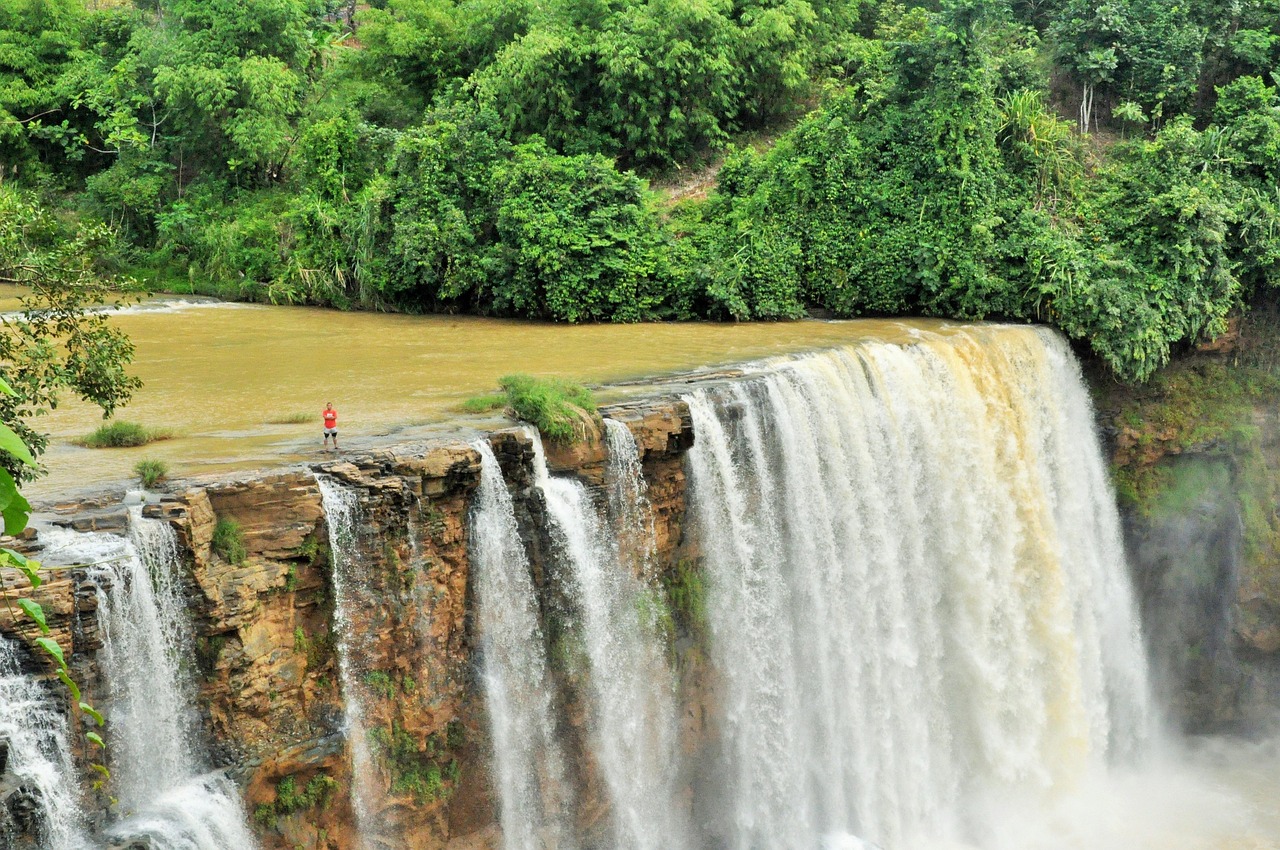
West Java Province at a Glance for Adventurers in a lush highland waterfall landscape
For a fast orientation, think “west java province indonesia adventure travel overview” and you’ll already be close to the truth: West Java is an Indonesian province in the western part of the island of Java, shaped by dense population, creative city energy, and fertile highlands. This region is both industrial and agricultural, with rice fields and factory towns sharing the same horizon as forested slopes. If you’re the sort of traveller who likes insight with your adrenaline, it’s a rare place where museums, mountain air, and ancient sites can all belong in one trip.
Geographically, it helps to picture the Java Sea to the north and the Indian Ocean to the south, which quietly shapes the weather, surf conditions, and the way day trips feel. In practice, you can go from warm coastal plains to cool mountain routes within hours, especially when cloud builds over the highlands. That coast-to-peak contrast is part of the province’s magic: diverse land, dramatic light, and shifting temperatures that keep you awake in the best way.
For itinerary thinking, note the border lines: the province of Banten lies to the west, and the province of Central Java (province of central java) sits to the east. Those edges matter if you want to design onward travel across Java island—perhaps continuing east for temples and heritage cities, or looping back west for beaches and quieter roads. West Java’s position makes it a natural connector, not a cul-de-sac.
A simple mental map for a crafted West Java trip
Build your “mental map” around three anchors. Bandung is the provincial capital and your easiest base for culture, food, and beautiful colonial-era building façades. Then sketch two nature zones: Puncak for classic highland views on a winding road, and Ciwidey for volcanic landscapes and photogenic lakes. Finally, keep one adventurous cultural day for Gunung Padang, where stone terraces turn curiosity into something more personal.


Sunda and Sundanese Culture in West Java Province | Sunda Sundanese culture West Java Indonesia province
Sunda and Sundanese Culture in West Java Province with traditional Indonesian dress and ceremony
If you’re searching “sunda sundanese culture west java indonesia province”, you’re really looking for the heart of this place: West Java is the native homeland of the Sundanese, an ethnic group with a distinct cultural lens you’ll feel in language rhythms, hospitality, and the gentle humour that softens every interaction. Even when you’re moving quickly between sites, the province rewards travellers who slow down and notice how people greet one another, share food, and offer small support without fuss.
Everyday customs are straightforward once you know the rule: most residents are Muslims, so modest dressing and respectful behaviour go a long way, especially in a rural village setting. Think covered shoulders for temples and community spaces, and a calm tone when photographing people—ask first, smile, and you’ll often be invited closer. This kind of care builds trust quickly, and trust is what turns a good itinerary into a meaningful journey.
Art, sound, and the Sunda spirit
Art here isn’t a museum concept—it’s lived. The angklung, a bamboo instrument played in groups, is one of the clearest ways to experience how West Java’s culture is designed around togetherness. Travellers often describe a surprising wave of confidence when they realise they’re not “watching” a performance; they’re being welcomed into it.
History without heaviness
There are colonial layers, and a Japanese period that still appears in stories, place names, and old streetscapes, but you don’t need a history degree to feel the texture. Listen for what locals choose to share—about grandparents, changing towns, or why a neighbourhood has the name it does. You’ll uncover history naturally, through conversation rather than lectures.
Bandung City Heritage Buildings and Living Music | Bandung West Java Indonesia Geological Museum Saung Angklung Udjo
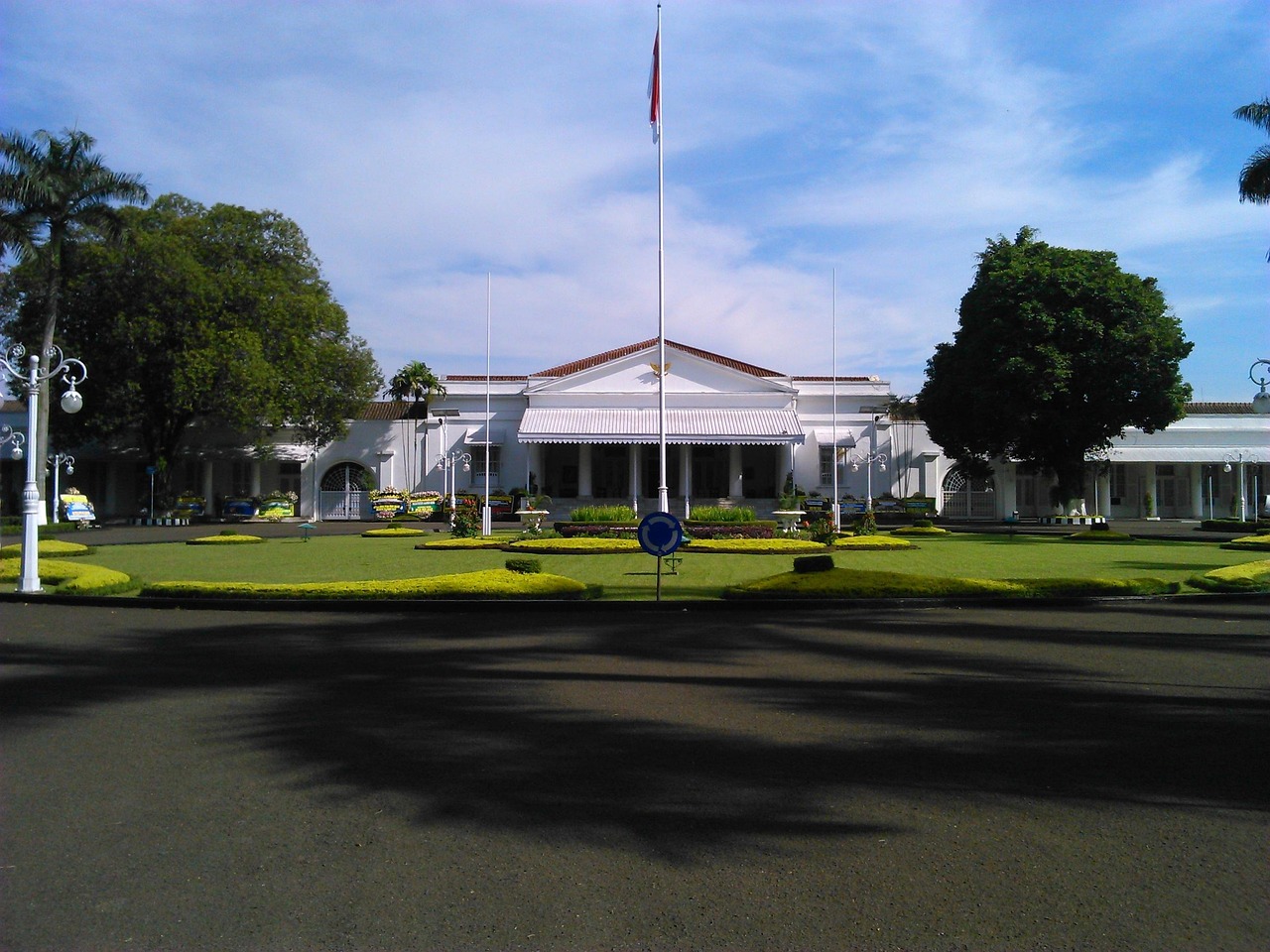
Bandung City Heritage Buildings and Living Music in West Java with iconic streets and architecture
Use “bandung west java indonesia geological museum saung angklung udjo” as your culture-to-curiosity mini itinerary, and you’ll get a day that feels both elegant and alive. Start with the Geological Museum, an atmospheric landmark building where you can explore the island’s formation and understand why volcanoes and minerals shape so much of the local landscape. It’s an expert-led kind of wonder—quiet, detailed, and surprisingly grounding before you head into the city’s sensory buzz.
Then make space for Saung Angklung Udjo, which is less a “show” and more a shared experience. Travellers repeatedly talk about the awe of hearing the first bright notes, and then the delight of being invited to join the rhythms together, surrounded by community spirit. It’s one of those personal moments you carry long after you’ve left Bandung.
Getting around Bandung with confidence
Bandung is easy to move through once you accept the local flow. Angkot minibuses cover common routes, while ojeks (motorbike taxis) are ideal for last-mile hops when streets get tight. Safety levels are generally high, but keep belongings secure in crowded areas and use the same calm awareness you would in any busy city.
- Smart city habit: carry small notes for fares and entrance fees, and confirm prices before you get in.
- Time saver: go early for museums, then late afternoon for music when the pace softens.
- Comfort tip: a light layer helps—Bandung evenings can feel cooler than you expect.
Food as a cultural bridge
Don’t rush meals here: food is your easiest doorway into local stories. Try market snacks, then choose a family-run eatery and ask what’s special today; one warm conversation can uncover why a dish exists, where the ingredients come from, or which town makes the best version. Even if you only learn a few words, the intention matters—and people notice.
Puncak and Ciwidey Tea Hills Volcanic Landscapes | Puncak Ciwidey tea plantations volcanic landscapes West Java Indonesia
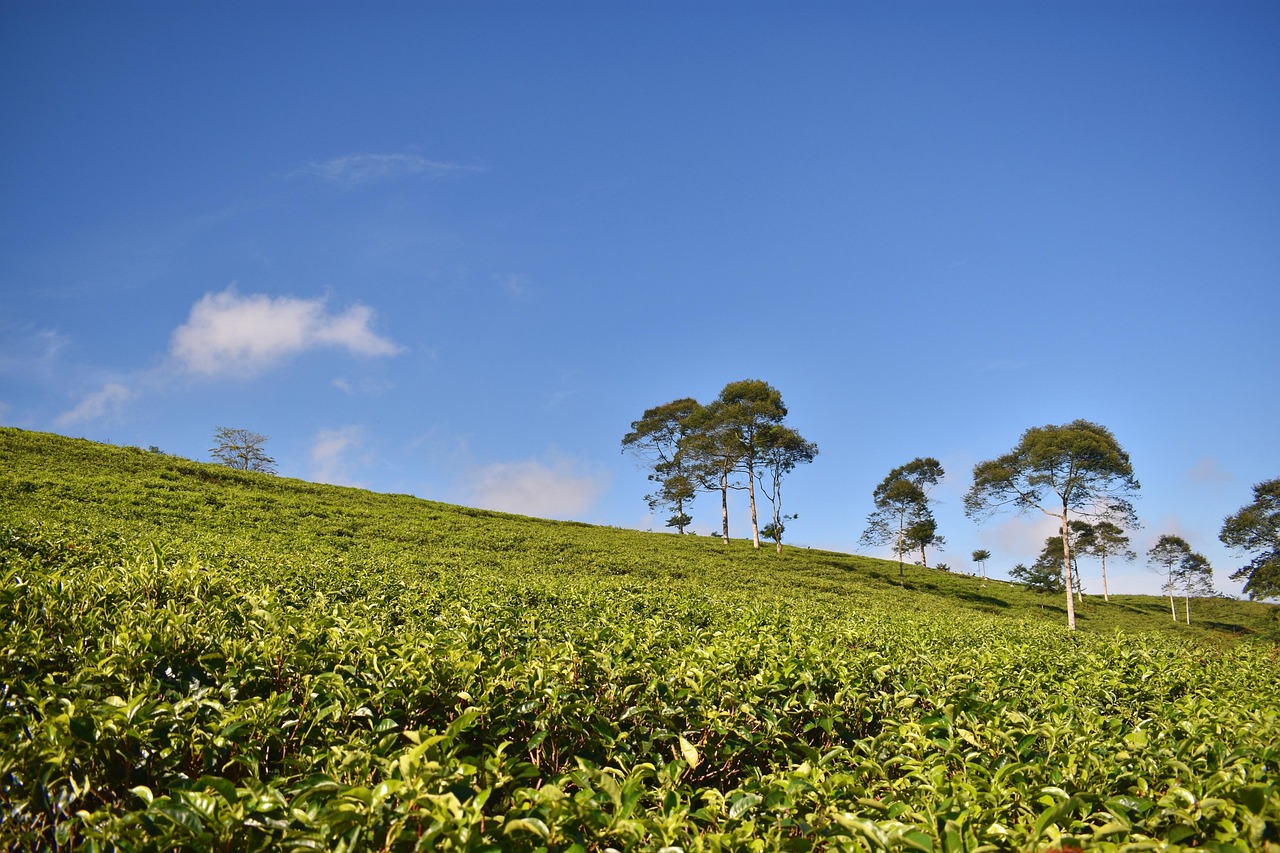
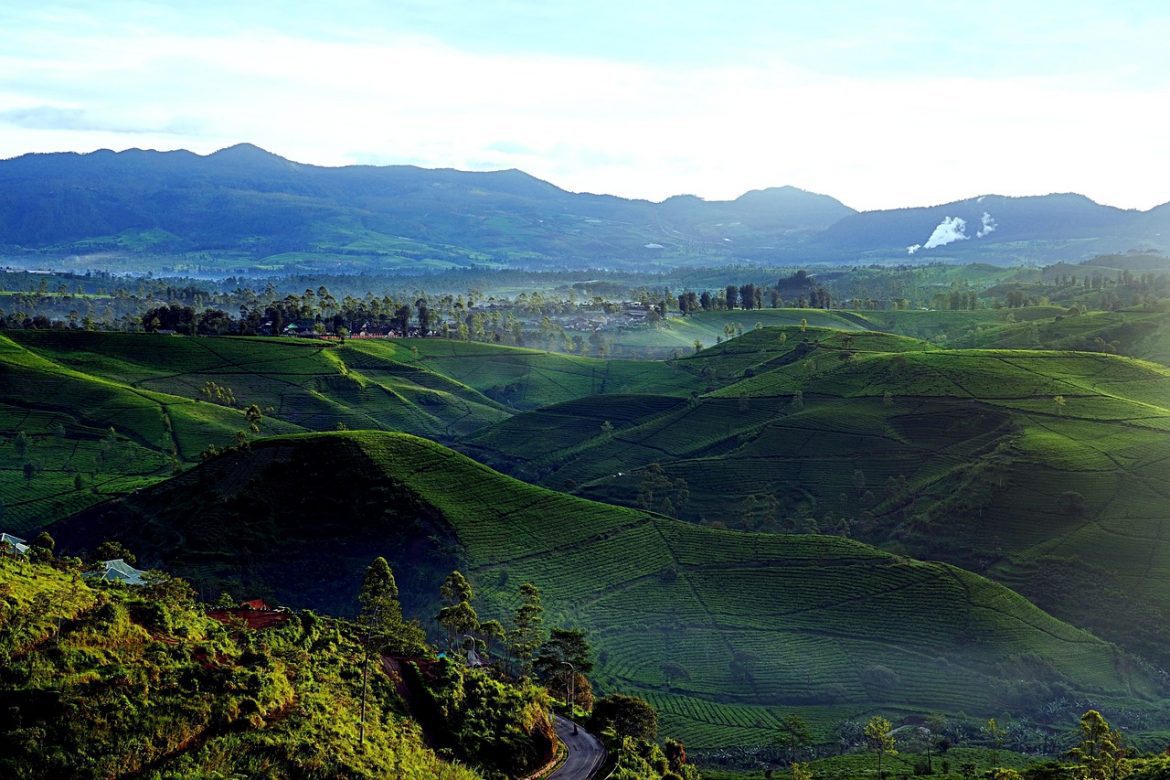
Puncak and Ciwidey Tea Hills Volcanic Landscapes in West Java with misty tea rows at dawn
For “puncak ciwidey tea plantations volcanic landscapes west java indonesia”, picture the highlands as the province’s nature reset: cooler air, soft mist, and rolling tea fields that feel like they were designed for reflective adventure. After the pace of the city, these hills offer a different kind of thrill—one that’s quieter, but no less intense. You can explore on foot, breathe deeply, and let the rhythm of the land set your timing.
Many travellers share serene moments hiking through tea rows at sunrise, when the light is silver and the world feels newly washed. It’s common to meet local farmers on the paths, and those simple hellos can become the most genuine part of your day. Follow the river-fed valleys with your eyes and you’ll understand why this fertile landscape supports both livelihoods and beauty.
Signature scenery for adventure seekers
Ciwidey is known for its volcanic terrain, crater landscapes, and photogenic lakes framed by tropical forest. Puncak brings classic viewpoints and, depending on your route, a satisfying peak stop that makes the drive feel worth it. Keep an eye out for birdlife and small animal sightings along quieter trails—nothing staged, just nature continuing on its own terms.
Road reality and choosing the right transport
The road into these areas can be winding, with traffic building on weekends and holidays. If you’re doing a single day, a hired driver can make the experience more seamless and less tiring, especially if you want to stop spontaneously for viewpoints and photos. Buses exist and can be budget-friendly, but for high-end comfort and timing control, private transport helps you keep the day calm and crafted.
Gunung Padang Stone Ruins Beyond the Typical Route | Gunung Padang megalithic site West Java Indonesia stone ruins
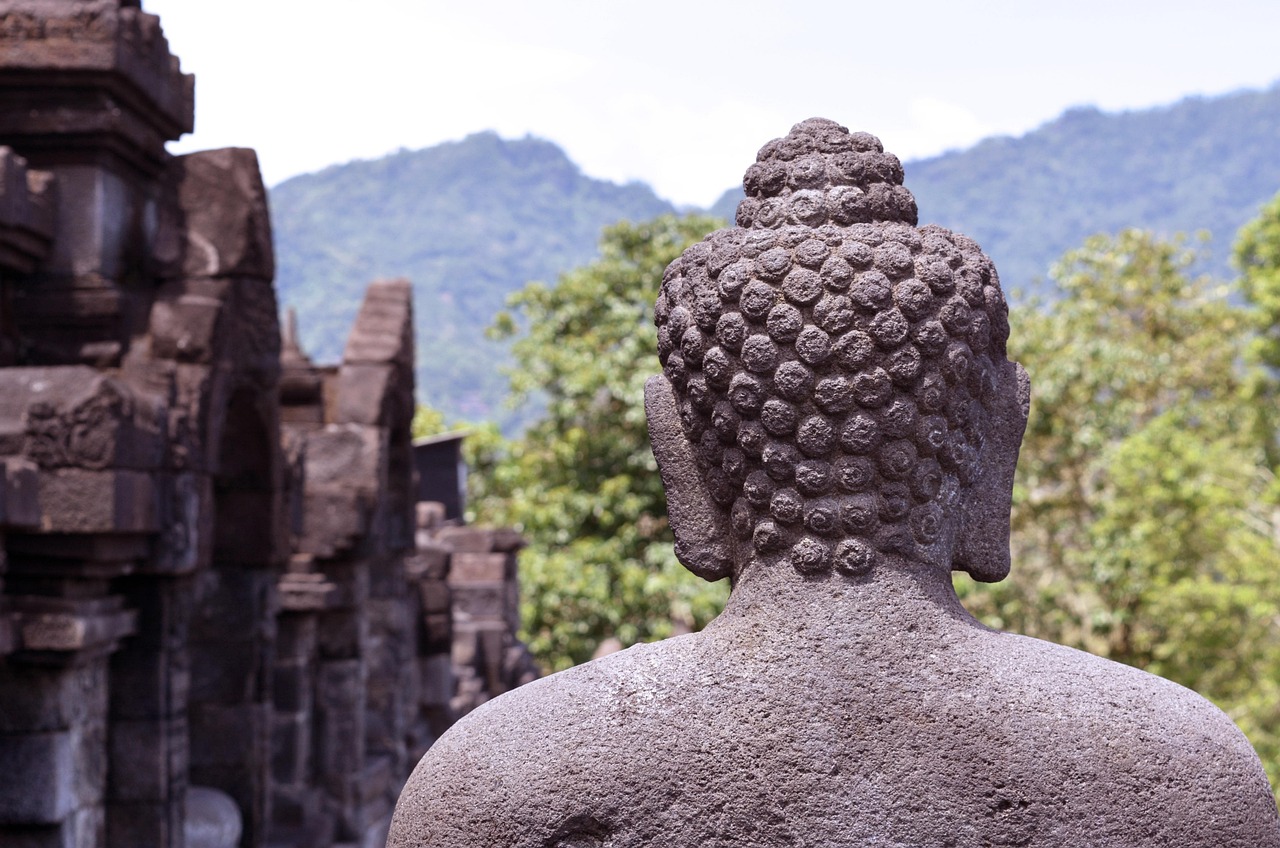
Gunung Padang Stone Ruins Beyond the Typical Route in West Java with ancient terraces and dramatic light
“Gunung Padang megalithic site west java indonesia stone ruins” is your cue to step beyond the typical route—curious, informed, and careful rather than sensational. Gunung Padang is a prehistoric attraction with real archaeological significance, yet what makes it unforgettable is the atmosphere: a sense of deep time, held quietly in the hills. Arrive with an open mind, and let the place speak before anyone tries to interpret it for you.
On site, you’ll explore stacked stone terraces, where shifting cloud and changing light can make the landscape feel almost theatrical. The climb is part of the experience—each level revealing a slightly different view, a different hush, a different texture underfoot. Even confident adventurers tend to slow down here, not from fatigue, but from instinct.
Local guides, ancestral stories, and respectful listening
Visitors often mention encounters with local guides who share ancestral stories and spiritual beliefs with real conviction. Receive those narratives with respect and care: you don’t need to agree with every interpretation to honour what it means to the people who live nearby. Ask gentle questions, listen closely, and you may uncover a deeper human history than any signboard can offer.
- Practical: entrance fees are typically low, and guided tours can be booked locally—negotiate prices in advance with a friendly, clear tone.
- Comfort: plan for steps, bring water, and wear steady footwear for uneven stone surfaces.
- Timing: aim for earlier hours for cooler temperatures and softer light.
Design a Seamless West Java Trip from Jakarta | Jakarta to Bandung train bus road West Java Indonesia trip planning
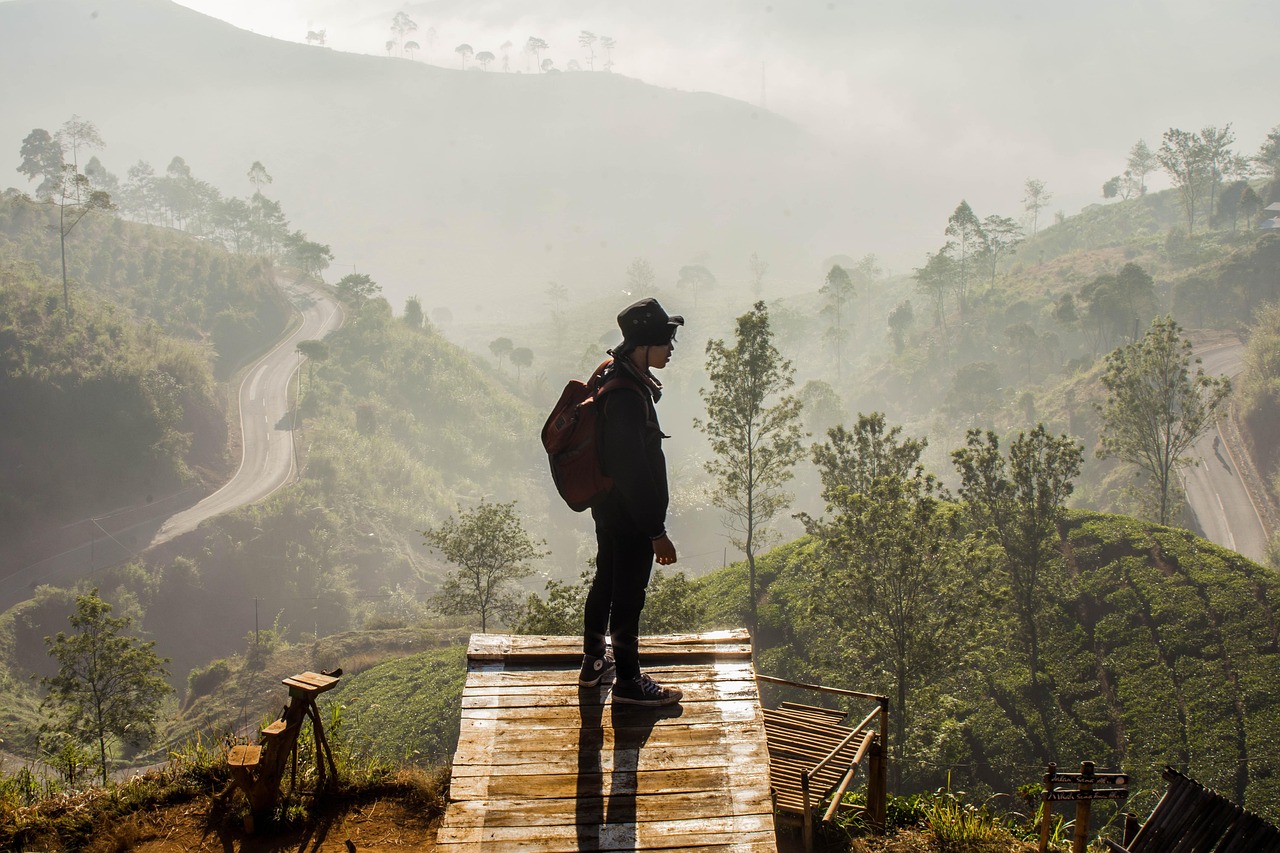
Design a Seamless West Java Trip from Jakarta with a traveller planning routes and transport
If you’re mapping “jakarta to bandung train bus road west java indonesia trip planning”, the good news is that West Java is one of the easiest provinces to access and enjoy with calm confidence. From Jakarta, it’s roughly a three-hour drive or train ride to Bandung, depending on traffic and your exact start point. Travellers staying in Greater Jakarta—such as Bekasi or Depok—can often shave time by choosing the most convenient station or pickup point.
A crafted 3–5 day blueprint
To create a balanced journey, design your days around variety rather than distance. Give Bandung two culture-led days (museum, heritage walks, music, food), then add one highlands day in Puncak or Ciwidey for fresh air and soft adventure. Keep one more day for Gunung Padang, which is a longer road day but rewards your curiosity with something rarer than the usual highlights.
Timing matters, and reassurance helps: the dry season from May to September typically offers clearer skies and more comfortable conditions for highland hikes and long drives. Outside that window, you can still travel beautifully—just plan for rain showers, slower road conditions, and the occasional shift in visibility.
Transport network, safety habits, and small connection tips
On the ground, you can mix train links with local connections, then use angkot or ojeks for short hops. If you prefer a smoother feel, a trusted driver gives you more control and support, especially when you’re moving between rural areas where signage is limited. Keep valuables close in busy places, and store backups of documents digitally—simple habits that protect your time and peace.
- Useful phrases: “Terima kasih” (thank you), “Tolong” (please/help), “Berapa harganya?” (how much is it?).
- Choose well: select local operators you trust, and confirm what’s included before you commit.
- Inspiration: browse our Trip gallery to imagine the style of journey you want, then tailor it to your pace.
After West Java What Stays With You | West Java Indonesia trip reflection
“West Java Indonesia trip reflection” sounds like a closing thought, but it’s more like a quiet echo. Long after you’ve left, you may still hear the bright lift of angklung notes in your mind, and remember how music can make strangers feel like a circle. You might recall the hush of tea fields at dawn, when mist softened every edge and the world felt kind enough to slow down.
What often stays isn’t the checklist—it’s the human scale of it all. A guide who shared stories with care, a farmer who nodded as you passed, a shopkeeper who waited while you tried a new phrase; small moments that gently changed how you listen. Somewhere along the road, you become more attentive, more open, and more willing to trust the meaning inside ordinary encounters.
And perhaps that’s the real gift of West Java: it leaves you with a calm confidence to travel thoughtfully, not perfectly, and to let culture and landscape speak in their own time. One day, without urgency, you may find yourself imagining another road, another village, another layer of Sunda life—simply because you’re curious.
F.A.Qs: West Java travel basics
What is West Java known for?
West Java is known for its Sundanese-rooted culture, creative cities like Bandung, cool tea highlands, and dramatic volcanic scenery. Many travellers also come for heritage buildings, traditional music experiences such as angklung performances, and lesser-visited archaeological sites like Gunung Padang.
What language is spoken in West Java?
Indonesian is widely spoken, especially in cities and for travel needs. In many communities you’ll also hear Sundanese used day to day, particularly in smaller towns and rural areas. Learning a few Bahasa Indonesia phrases is usually enough to build warm connections.
Is West Java a city?
No—West Java is a province. It contains many cities and districts, including Bandung (the provincial capital) and a wide range of landscapes from urban centres to mountains, tea estates, and rural villages.
Is West Java close to Jakarta?
Yes. West Java is close to Jakarta, and Bandung is typically reachable in around three hours by train or road depending on traffic and where you start. This makes it a popular add-on for travellers staying in Jakarta, Bekasi, or Depok.