Post Contents
- Summer Palace Beijing Essentials and Imperial Garden Context for a UNESCO World Heritage Site
- Design Your Arrival for Summer Palace Beijing tickets at North Palace Gate, East Palace Gate, Line 4 Beigongmen.
- Explore Summer Palace Long Corridor paintings and Marble Boat Qing architecture by the lake
- Longevity Hill Tower of Buddhist Incense Summer Palace Beijing panorama
- Kunming Lake boat ride, Youyong Island, Seventeen Arch Bridge, Summer Palace
- Explore Summer Palace’s Hall of Benevolence, Hall of Jade Ripples, Dehe Garden, and cultural relics.
- Crafted Beijing Summer Palace private guide itinerary with Palace Museum and Suzhou Street pairings
- F.A.Qs: Summer Palace, Beijing, China
- What lingers after Beijing’s Summer Palace: reflection, imperial garden, calm.
Summer Palace Beijing Essentials and Imperial Garden Context for a UNESCO World Heritage Site
Summer Palace Beijing Essentials and Imperial Garden Context
When you search for the Summer Palace in the Beijing Imperial Garden, a UNESCO World Heritage, you’re really looking for a living landscape: a masterpiece of Chinese landscape garden design in the western suburbs of Beijing, recognised on the World Heritage list. UNESCO included the Summer Palace as a UNESCO World Heritage site because it represents the creative art of Chinese landscape planning at an imperial scale—less a single building, more a carefully composed world.
The history helps you read the scenery with trust. Begun in 1750 under Qianlong, it was later damaged during the Anglo-French conflict and reshaped throughout the Qing dynasty. It was originally named Qingyi Yuan (you may also see it shortened as Qingyi) and became closely associated with Empress Dowager Cixi and the Guangxu emperor, whose stories local guides share with care rather than sensationalism.
Why the Summer Palace is an imperial Chinese garden
To explore this palace well, it helps to let go of the idea of “one palace building”. The design is anchored by Longevity Hill, a man-made rise, and Kunming Lake, with a web of paths and waterlines that reveal the site in layers. This is an imperial Chinese garden where halls and pavilions frame views, and where a landscape garden philosophy guides every turn—traditional Chinese ideas of harmony, axis, and surprise.
How to explore with calm, high-end pacing
High-end travel here is not about rushing: it’s about designing space for perspective. Start early, move in a gentle loop, and let your day be shaped by viewpoints rather than checklists. Pause when the light shifts, linger where the trees soften sound, and create small moments of stillness—because the Summer Palace epitomises the philosophy of a Chinese garden: nature, architecture, and emotion working together.


Design Your Arrival for Summer Palace Beijing tickets at North Palace Gate, East Palace Gate, Line 4 Beigongmen.
Design Your Arrival Gates Tickets and Seamless Planning at the Summer Palace
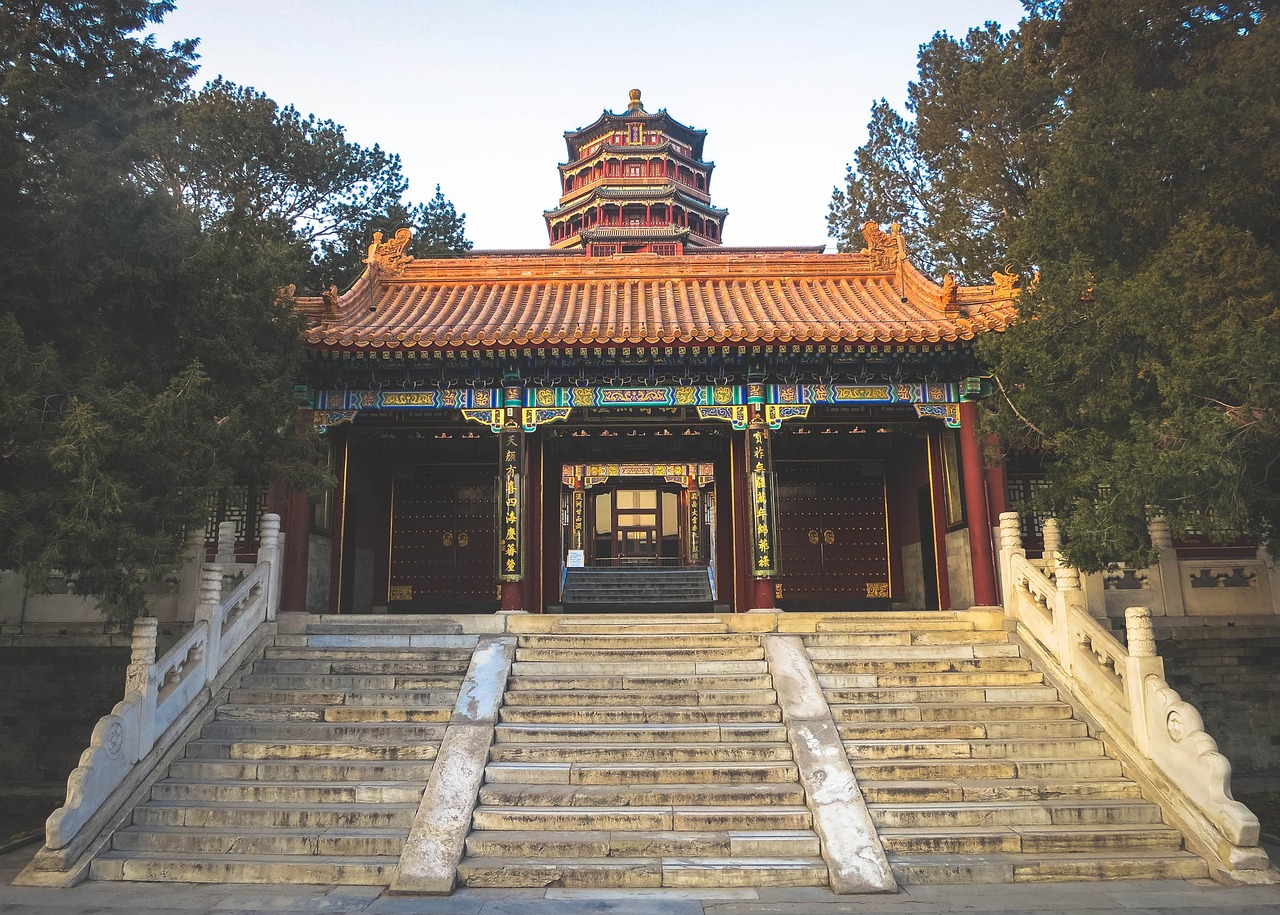
For Summer Palace Beijing tickets, the simplest route is to take Beijing’s Line 4 to Beigongmen Station, then a short walk to the North Palace Gate. If you’re travelling with a driver from a luxury hotel, the east palace gate can be a more seamless drop-off, often helping you begin closer to the formal halls before drifting towards the lake.
Ticket prices typically sit around 30–60 CNY depending on season and which areas you include, and it’s wise to confirm details on the official website before you go. Some sections may be closed on mondays, particularly museum-style interiors, and temporary closures can happen around conservation of cultural relics. If you like having small comforts pre-arranged, bring cash for water or tea—often 10 CNY per person at kiosks—so you’re never caught searching.
Time your palace day for privacy in Beijing
The most reliable strategy is simple: arrive early. One traveller told us that an early-morning visit yielded near-silent gardens and perfectly clean compositions for photography, long before tour groups arrived. Weekdays feel noticeably calmer than weekends and national holidays, and you’ll move with more confidence through the palace when you can keep your own pace.
When a private guide adds real insight
For high-end travellers, a private guided experience can be less about “facts” and more about flow—helping you avoid backtracking, find the best viewpoints, and understand etiquette without feeling watched. A good tour guide also explains why voices stay low, why you should never touch artefacts, and how the People’s Republic of China protects this site today through dedicated heritage teams (often coordinated with Beijing municipal cultural authorities).
Comfort notes to carry with you
- Wear comfortable shoes; paths can be uneven, and stairways can be polished smooth.
- Bring water in summer and plan shade breaks—your day should feel crafted, not endured.
- Keep a respectful volume and mindful spacing, especially indoors around cultural relics.
Explore Summer Palace Long Corridor paintings and Marble Boat Qing architecture by the lake
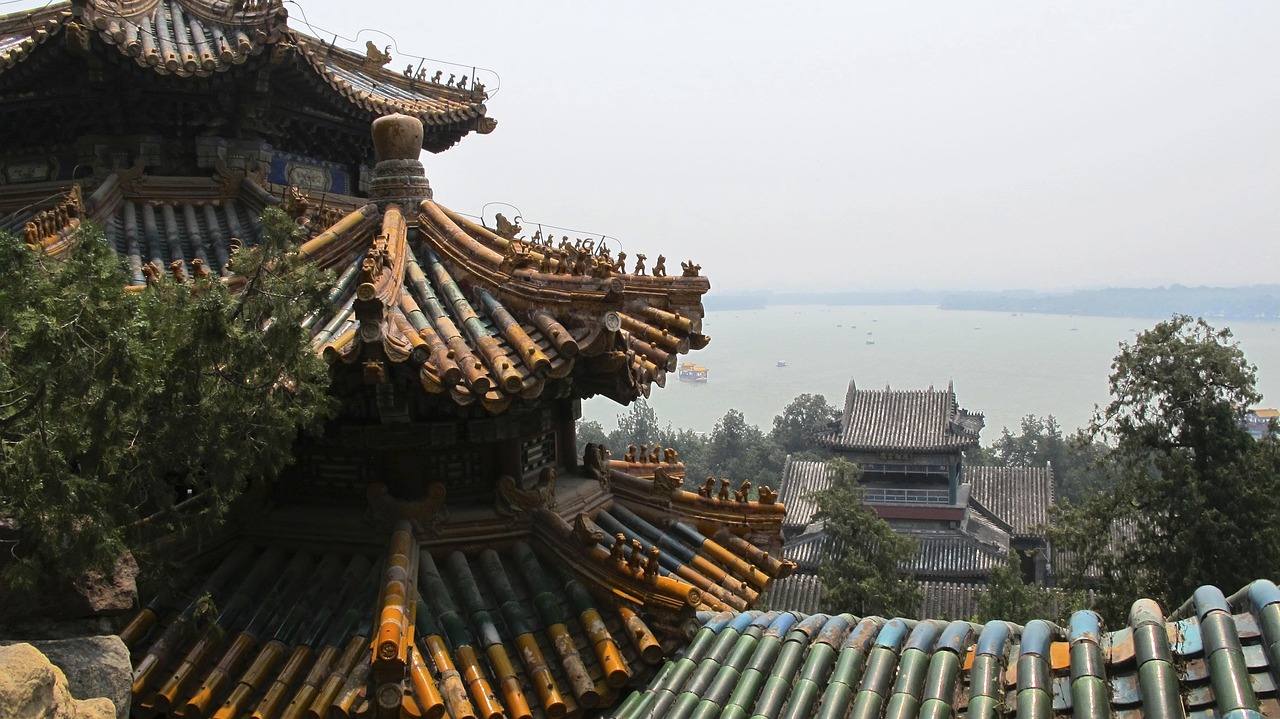
Explore the Long Corridor and Lakeside Details at the Summer Palace
If you’re drawn to Summer Palace Long Corridor paintings, Marble Boat, and Qing architecture, begin your walk with shade and story. This designer sequence is wonderfully seamless: start under the eaves, then drift along the lake edge as the scene opens and closes like a film set. It’s an easy way to explore without feeling you’re constantly navigating.
The Long Corridor is a painted gallery of Beijing
The Long Corridor is nearly 728 metres and reads like a hand-painted anthology—mythic scenes, landscapes, birds, flowers, and courtly motifs. Give yourself permission to slow down: choose a handful of panels and really look. Late afternoon can bring richer colour, and a photography enthusiast once described the joy of catching that changing light, when the painted beams glow, and the palace feels almost theatrical.
The Marble Boat and Qing symbolism
Near the water sits the Marble Boat, a lakeside pavilion with distinct Qing character. A local guide’s insight adds depth here: the court used the imagery of “unsinkable” stone to project stability and longevity, an exercise in image-making as much as architecture. From this spot, the Summer Palace reveals its knack for contrasts—weight and reflection, solidity and water.
For a calm stop-and-shoot rhythm, take one composition, then step aside and let others pass. The palace rewards patience; your images will feel personal, not hurried.
Longevity Hill Tower of Buddhist Incense Summer Palace Beijing panorama
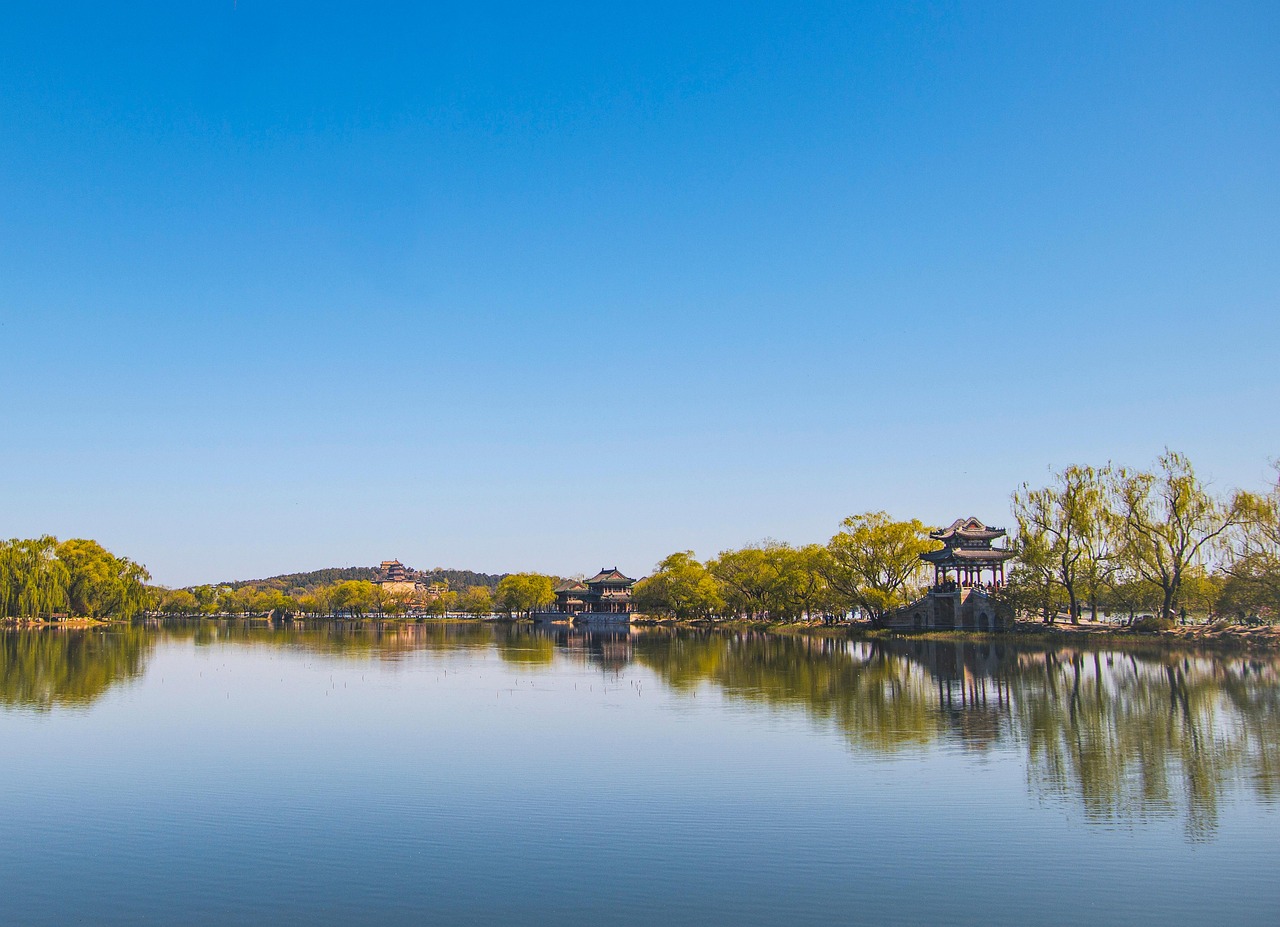
Longevity Hill and the Tower of Buddhist Incense Views at the Summer Palace
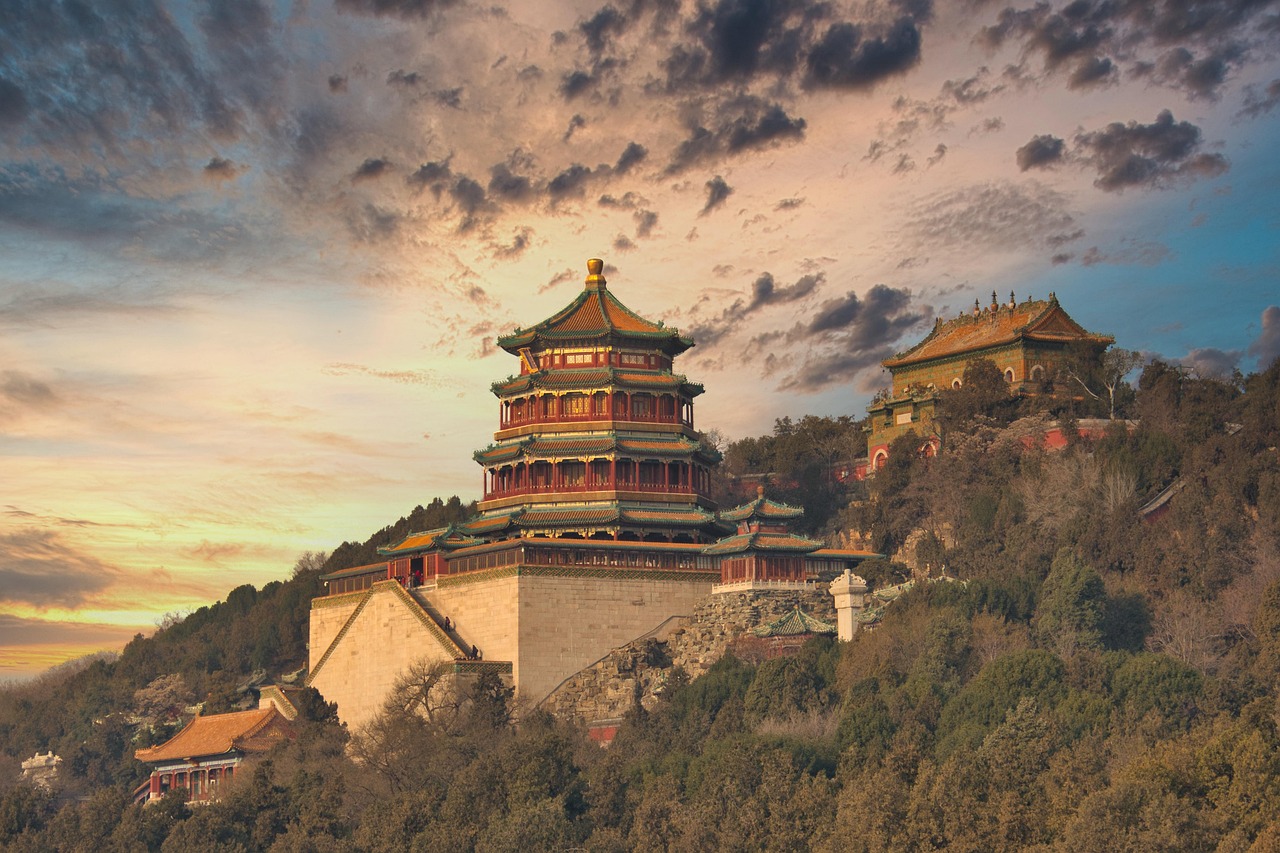
For Longevity Hill Tower of Buddhist Incense Summer Palace Beijing panorama, the climb is part of the design. Take it as the court intended: measured, with shaded pauses that build anticipation. This is the moment the palace becomes legible—not just pretty in fragments, but coherent as garden design.
Tower of Buddhist Incense and the Tower of the Fragrance
The Tower of Buddhist Incense (historically referenced as the Tower of the Fragrance) sits like a spiritual anchor above the imperial garden. Even if you don’t linger long inside, pause outside and let your eyes travel: the placement is deliberate, a calm authority presiding over water, woodland, and roofs.
Panoramic sightlines over Longevity Hill and Kunming Lake
From this viewpoint, you can see how the court designed sightlines across the east of Kunming Lake, drawing your gaze between causeways, islands, and rooftops. This is where Longevity Hill and Kunming Lake make sense as a single composition—one lifting the eye, the other giving it room to rest.
A traveller who loves photography told us they stayed longer than planned, simply watching the light change. That kind of quiet is a luxury in itself: the confidence to linger, to notice, and to let the Summer Palace feel less like a landmark and more like a place.
Kunming Lake boat ride, Youyong Island, Seventeen Arch Bridge, Summer Palace
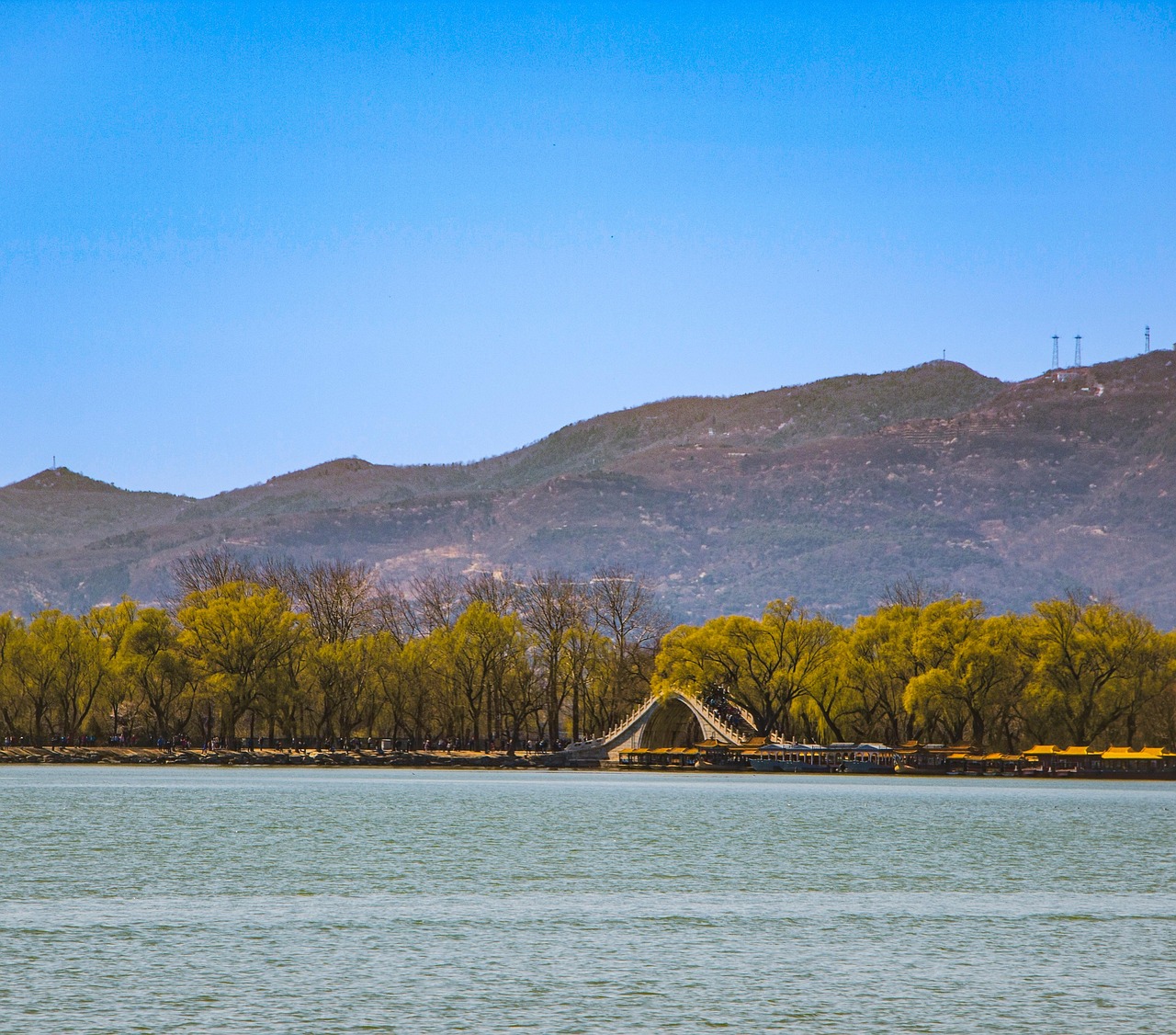
Kunming Lake Boat Rides, Youyong Island, and Sunset Calm at the Summer Palace
For the Kunming Lake boat ride, Youyong Island, Seventeen Arch Bridge, Summer Palace, think of the water as your reset button. In summer, a quiet boat ride across Kunming Lake can feel like stepping out of the noise and back into the idea of an imperial retreat—cool air, softened voices, and architecture mirrored in slow-moving reflections.
Youyong Island and the art of Chinese landscape garden planning
Youyong Island showcases gardens and pavilions once reserved for imperial leisure and entertainment. Seen from the water, it clarifies the art of Chinese landscape garden planning: views are staged, distances are measured, and the “journey” is part of the meaning. It’s a reminder that the Summer Palace belongs in a lineage of classical gardens—crafted nature with intellectual intent.
Seventeen Arch Bridge at golden hour
The Seventeen Arch Bridge is a signature crossing, especially near sunset when the stone warms and the lake quietens. A couple once recounted their romantic ride here at dusk: even on a busy day, the reflection created a moment that felt intimate and almost unreal, as if the palace had designed a private scene just for them.
If you’re managing energy, this is also a perfect time for a small break—an iced drink can be around 20 CNY per person at nearby stalls—before you continue on foot.
Explore Summer Palace’s Hall of Benevolence, Hall of Jade Ripples, Dehe Garden, and cultural relics.
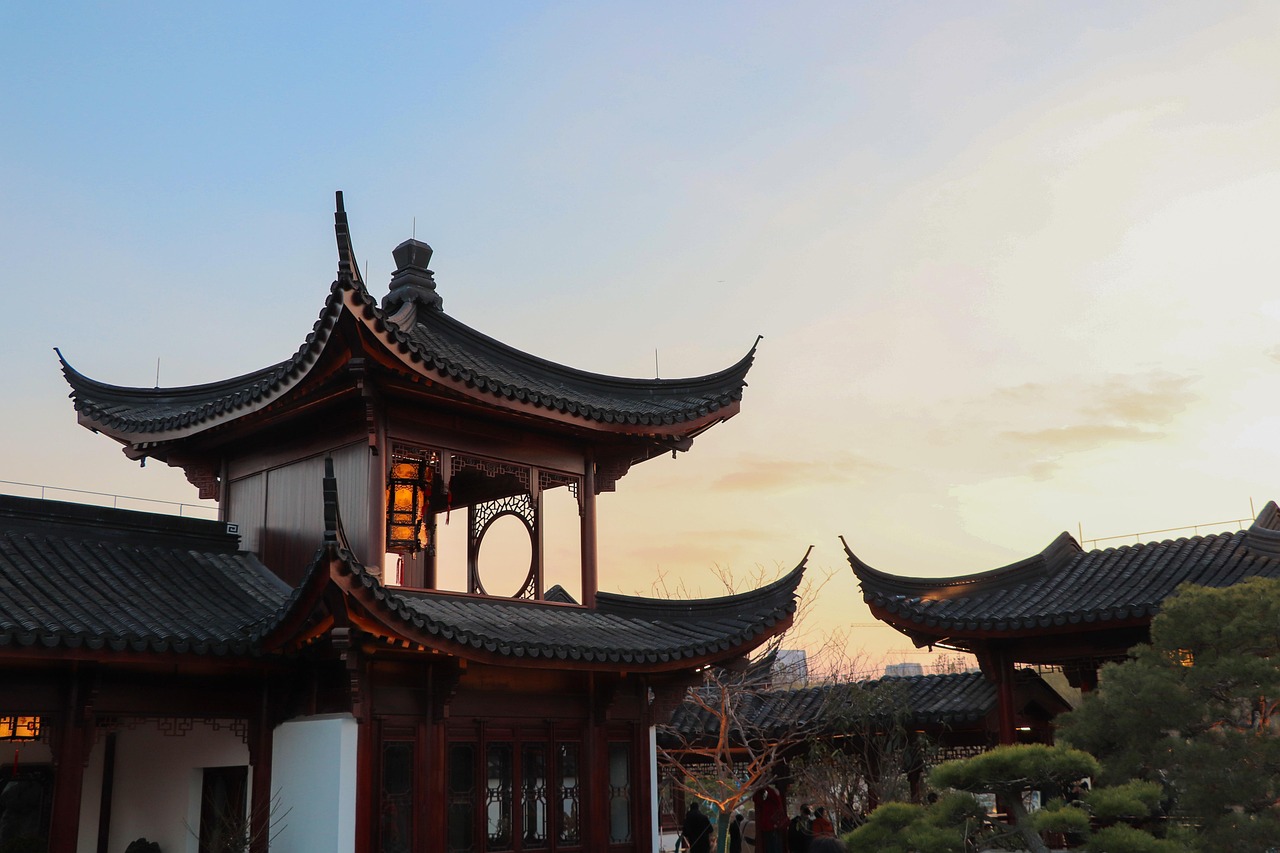
Uncover Courts, Halls, and Cultural Relics Beyond the Lake at the Summer Palace
To uncover the Summer Palace Hall of Benevolence and Longevity Hall of Jade Ripples Dehe Garden, shift your attention from water to court life. These spaces feel more intimate and carry a different kind of weight: governance, ritual, and the textures of daily imperial routines, preserved as protected cultural relics.
A quiet cultural route through the palace halls
Start with the Hall of Benevolence and Longevity, where symbols of rule and ceremony communicate power without needing words. Then continue to the Hall of Jade Ripples, which offers a more lived-in atmosphere—less spectacle, more human scale, and an emotional sense of who moved through these rooms.
To add depth, weave in a few lesser-known anchors: the Wenchang Pavilion area, the Hall of Dispelling Clouds, and the Hall of Joyful Longevity. If you want a softer pause, find a quiet edge near the Hall of Serenity, where the gardens seem to absorb sound.
Dehe’s performance culture and the Garden of Virtue and Harmony
The Dehe theatre and Dehe Garden link to court entertainment, and they sit within the wider Garden of Virtue and Harmony (often translated as a garden of harmonious virtue). Here, you sense how the palace functioned: not only as an imperial garden, but as a seasonal stage for music, opera, and carefully curated leisure.
Guides often narrate tales of Empress Dowager Cixi and her extravagant summer retreats, which can deepen your appreciation when told with context and restraint. Keep your voice low, give others space, and remember why these cultural relics are protected—this is a living trust held for Chinese people and, in a wider sense, for major world civilizations.
One gentle detail worth noticing near the water is the Garden of Clear Ripples, a reminder that names here are part poetry, part map.
Crafted Beijing Summer Palace private guide itinerary with Palace Museum and Suzhou Street pairings
Crafted High-End Day Pairings for Beijing and Beyond with the Summer Palace
If you’re planning a Beijing Summer Palace private guide itinerary, a Palace Museum and Suzhou Street day, luxury is a choice without overwhelm. Below are three crafted designs you can tailor with expert support—each one built to keep transitions seamless, avoid unnecessary steps, and protect your sense of personal space.
Three high-end ways to explore the palace
- Half-day highlights: North Palace Gate entry, Long Corridor, Marble Boat, then a short lakeside loop—ideal if you’re pairing with a fine-dining evening in Beijing.
- Full-day slow luxury: Morning halls, midday shade and tea, afternoon Longevity Hill, and a late boat ride on Kunming Lake—designed for unhurried discovery.
- Photography-led route: Early quiet for clean frames, a midday rest, then late-afternoon colour along the corridor and golden hour by the bridge.
Pair the Summer Palace with Beijing’s deeper palace story
To place what you’ve seen into a broader narrative, consider the Palace Museum as a companion visit for context on the Ming and Qing dynasties. The contrast is instructive: the Forbidden City speaks in formality and axis, while the Summer Palace speaks in water, hill, and seasonal pleasure.
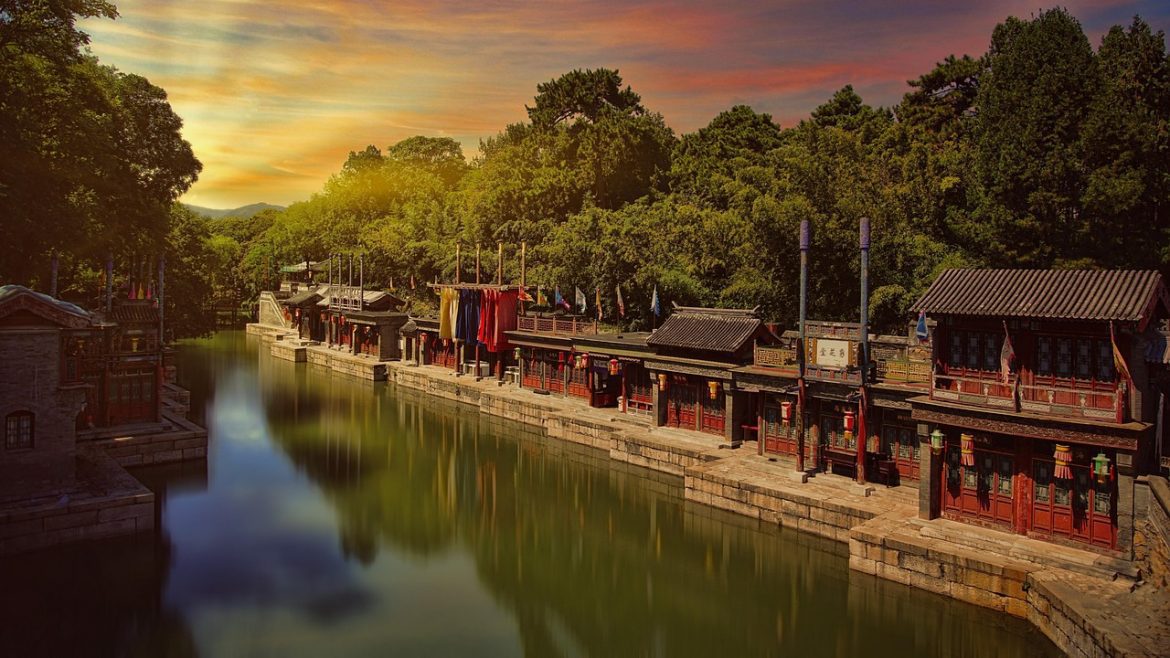
If you have time for a quieter add-on, Yuanmingyuan nearby can deepen the story of loss and reconstruction, especially when reflecting on the Anglo-French destruction. Within the palace itself, Suzhou Street offers a textured interlude—an echo of commerce and history staged within an imperial setting. It’s a small, compelling reminder that the world of the court was never as isolated as it seemed.
For more inspiration as you design your wider journey through China, browse our Trip gallery. Keep breaks simple: step into shade, drink water, and let your day feel personal rather than performative.
F.A.Qs: Summer Palace, Beijing, China
Is the Summer Palace worth visiting in Beijing?
Yes—especially for travellers who value space, beauty, and calm. The Summer Palace offers lake views, hilltop panoramas, and richly detailed architecture, with room to slow down. Arrive early on a weekday for a more private feel, and consider a private guide for deeper cultural insight without the stress of planning routes.
What is the Summer Palace in Beijing known for?
It’s known for its imperial garden design, built around Kunming Lake and Longevity Hill, the painted Long Corridor, and landmark features such as the Marble Boat and the Tower of Buddhist Incense. Together, these elements create a landscape of curated viewpoints—more an experience of scenery and atmosphere than a single “palace building”.
Do you have to pay for the Summer Palace in Beijing?
Yes. You’ll typically pay an entry ticket, with prices around 30–60 CNY, depending on the season and which areas you include. Some interior sites or special sections may require an additional ticket. Check the official website for current pricing, opening hours, and whether certain areas are closed on Mondays.
How long do you need at the Summer Palace in Beijing?
Plan for 3–4 hours for highlights, or a full day if you want a slower pace with boat time, hill views, and palace halls. High-end travellers often enjoy a full day because it allows for breaks, better lighting for photography, and unhurried exploration—especially if you want to include Youyong Island and sunset at the Seventeen Arch Bridge.
What lingers after Beijing’s Summer Palace: reflection, imperial garden, calm.
When you think back to the Summer Palace in Beijing, reflecting the imperial garden, it may not be a single monument that returns first. It’s often the quieter intelligence of the place: how the lake holds the sky, how the painted beams hold the day’s shifting light, how a distant hill can make you breathe more slowly without noticing.
One early-morning traveller described arriving when the paths were still rinsed with dew. They stood in near-silence, watching soft light gather over Kunming Lake, and felt no need to hurry—just a gentle permission to be present. That is the rare gift of an imperial garden done well: it offers grandeur without demanding attention.
Later, you might remember footsteps softening under trees, or the hush inside a hall where time feels carefully kept. The palace stays with you as an atmosphere rather than a checklist—water, painted timber, and the suggestion of stories carried on air.
And perhaps that is why it calls you back. Not urgently, not loudly—just as a quiet curiosity about how it might feel in another season, under another kind of light.