Post Contents
- Chaozhou, the Ancient City at a Glance for a Guangdong Luxury Travel Guide
- Arriving in Chaozhou City With Seamless Comfort from Jieyang Chaoshan International Airport
- Guangji Bridge, Chaozhou Attraction, and Han River Night Afterglow
- Chaozhou Ancient City Old Town Walk and Kaiyuan Temple Guide
- Chaozhou Woodcarving Embroidery and Ceramics as Intangible Cultural Heritage
- Phoenix Dancong Tea Ceremony, Chaozhou, Fenghuang Mountains
- Chaoshan Cuisine Luxury Dining in Chaozhou and Local Delicacies
- F.A.Qs: Chaozhou City, China
- What Stayed With Me After Chaozhou Ancient City Memories
Chaozhou, the Ancient City at a Glance for a Guangdong Luxury Travel Guide
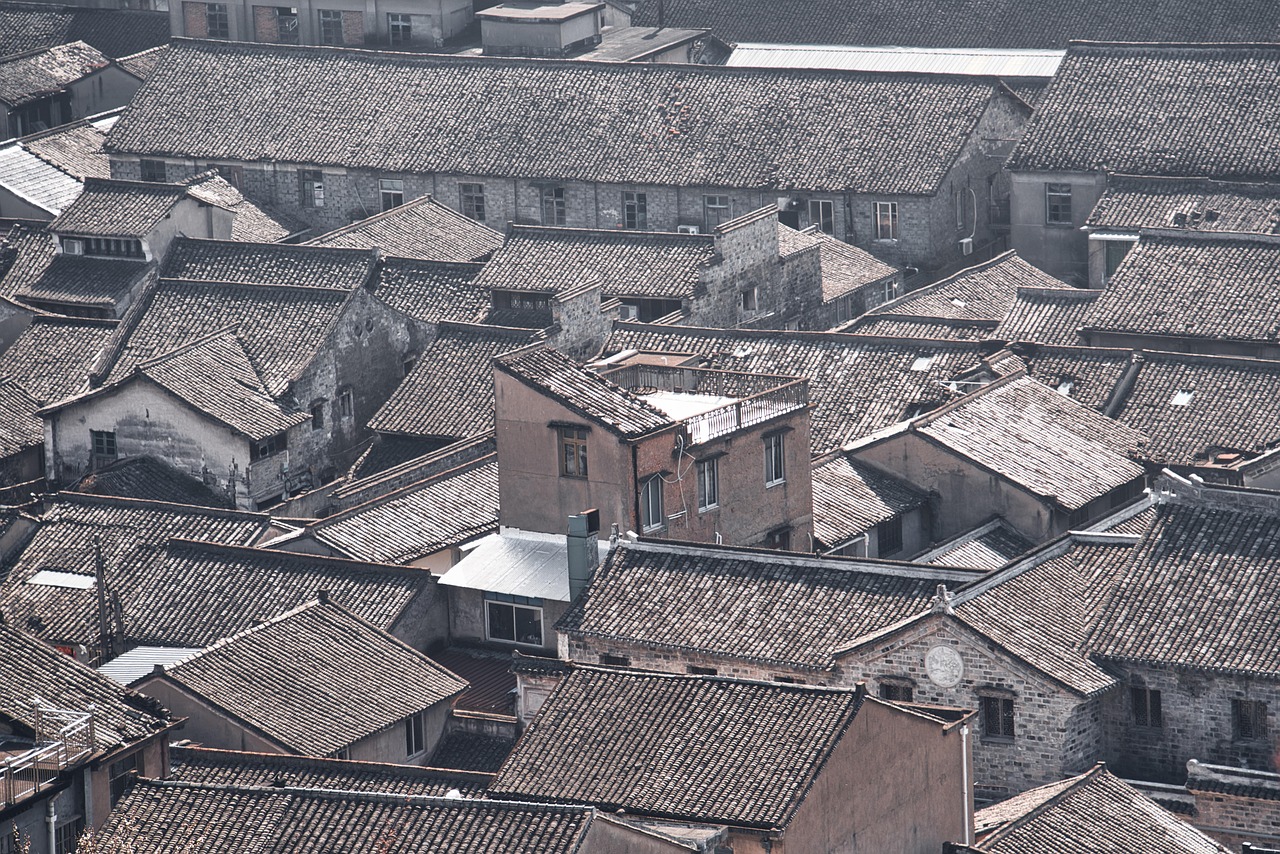
Chaozhou, the Ancient City, at a Glance, with heritage lanes and archways
This Chaozhou ancient city travel guide, Guangdong luxury overview begins with geography, because Chaozhou’s mood is inseparable from its place. The city of Chaozhou sits in eastern Guangdong, close to Shantou (once known internationally as Swatow) and the South China Sea trade routes, with the Han River delta shaping its light, food, and waterfront pace.
In Xiangqiao district, the ancient city reveals itself through ancient buildings, archways, and stone lanes that feel lived-in rather than staged. It’s a cultural centre shaped by dynasty-era commerce and sustained by overseas Chinese ties to Southeast Asia and Taiwan—links you can still sense in family-run businesses and in the way hospitality is offered with quiet pride.
Language and local rhythm with confidence
Mandarin will carry you smoothly, Cantonese appears regionally, and the Chaozhou dialect (Teochew) adds texture to market conversations. With a warm smile and respectful tone, navigation is easy—and your hotel can provide seamless support with bilingual staff, curated appointments, and a boutique guide who understands high-end travel preferences.


Arriving in Chaozhou City With Seamless Comfort from Jieyang Chaoshan International Airport
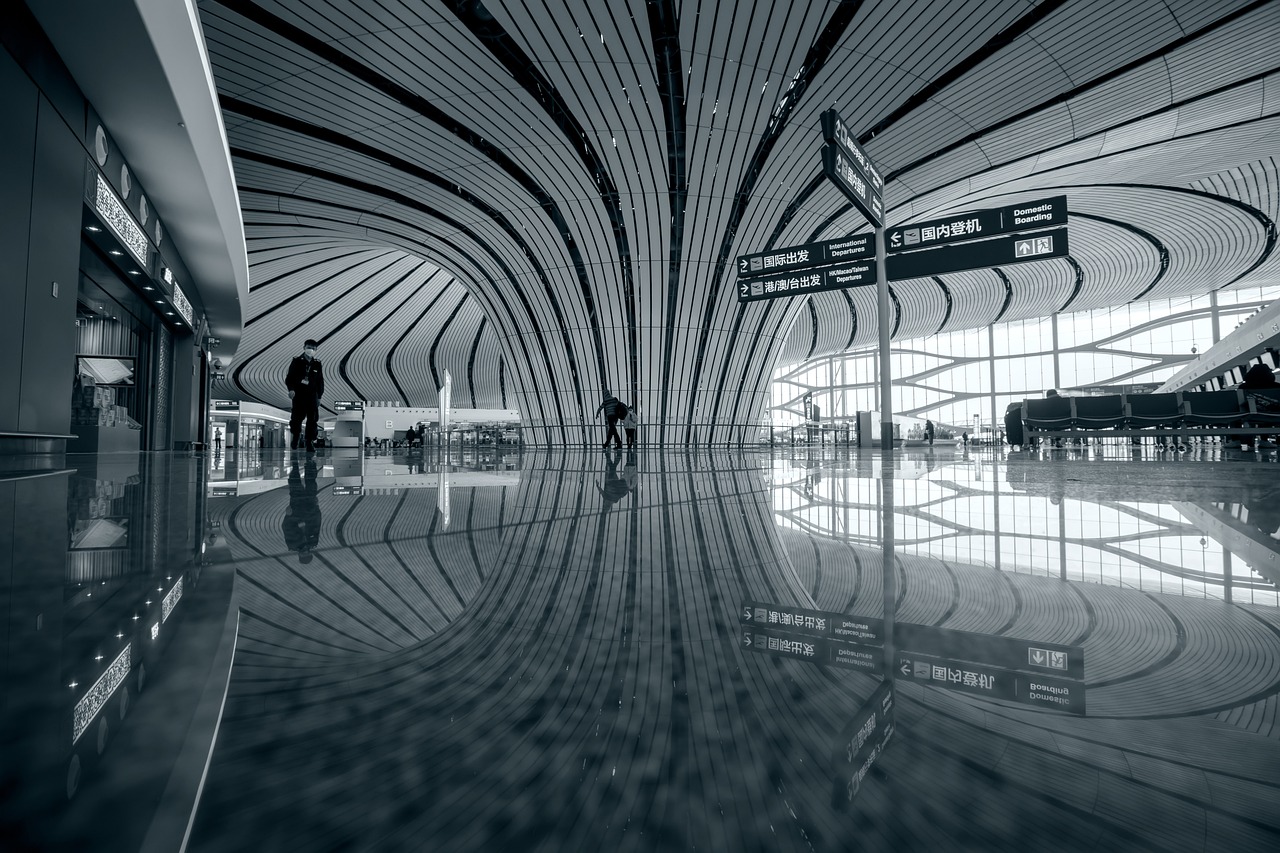
Arriving in Chaozhou City With Seamless Comfort from Jieyang Chaoshan International Airport
For a smooth start, plan the route from Jieyang Chaoshan International Airport to Chaozhou, including private transfer logistics. Many luxury travellers fly in via Guangzhou or Shenzhen, with some itineraries looping from Hong Kong and onward into mainland China—occasionally pairing Chaozhou with Shanghai to create a wider design-and-culture arc.
High-end properties can arrange fast, discreet pick-ups with a chauffeur and bilingual support, so you step into Chaozhou feeling settled. You’ll use Yuan for markets and small shops; major hotels usually accept cards, but carrying cash keeps your day seamless when you wander into local lanes.
When to go to Guangdong province
For the most comfortable pace, October to April brings mild weather in this part of Guangdong province. Avoid peak Chinese holidays if you value space, calm dining rooms, and more personal access to craftspeople and guides.
If you’re planning a longer journey, you can explore more of China’s coastal south with tailored inspiration via our Trip gallery.
Guangji Bridge, Chaozhou Attraction, and Han River Night Afterglow

Guangji Bridge and the Han River Afterglow in Chaozhou ancient city
To understand why Guangji Bridge Chaozhou attraction Han River night searches are so common, you simply have to stand beside the water and watch the scene change. Guangji Bridge is the landmark of Chaozhou—an ensemble shaped across eras, with Tang origins, Southern Song dynasty refinement, and later Qing layers that add a feeling of continuity rather than perfection.
An ancient city viewpoint designed for golden hour
Arrive before golden hour, then linger into nightfall: the Han River turns reflective, lantern light warms the stone, and the ancient bridges silhouette into something almost calligraphic. Your guide can uncover quiet viewpoints along the riverbank so the moment feels intimate rather than performative.
One luxury traveller told us about an unforgettable evening dining on a private terrace overlooking the Han River—signature Chaoshan dishes paired with fine teas from local plantations. The memory wasn’t only the menu; it was the confidence of being unhurried, held by soft light and thoughtful service.
Wear steady walking shoes for stone paths, and treat heritage structures with care—no climbing, no loud calls—so Chaozhou can keep offering these gentle scenes to those who come after.
Chaozhou Ancient City Old Town Walk and Kaiyuan Temple Guide
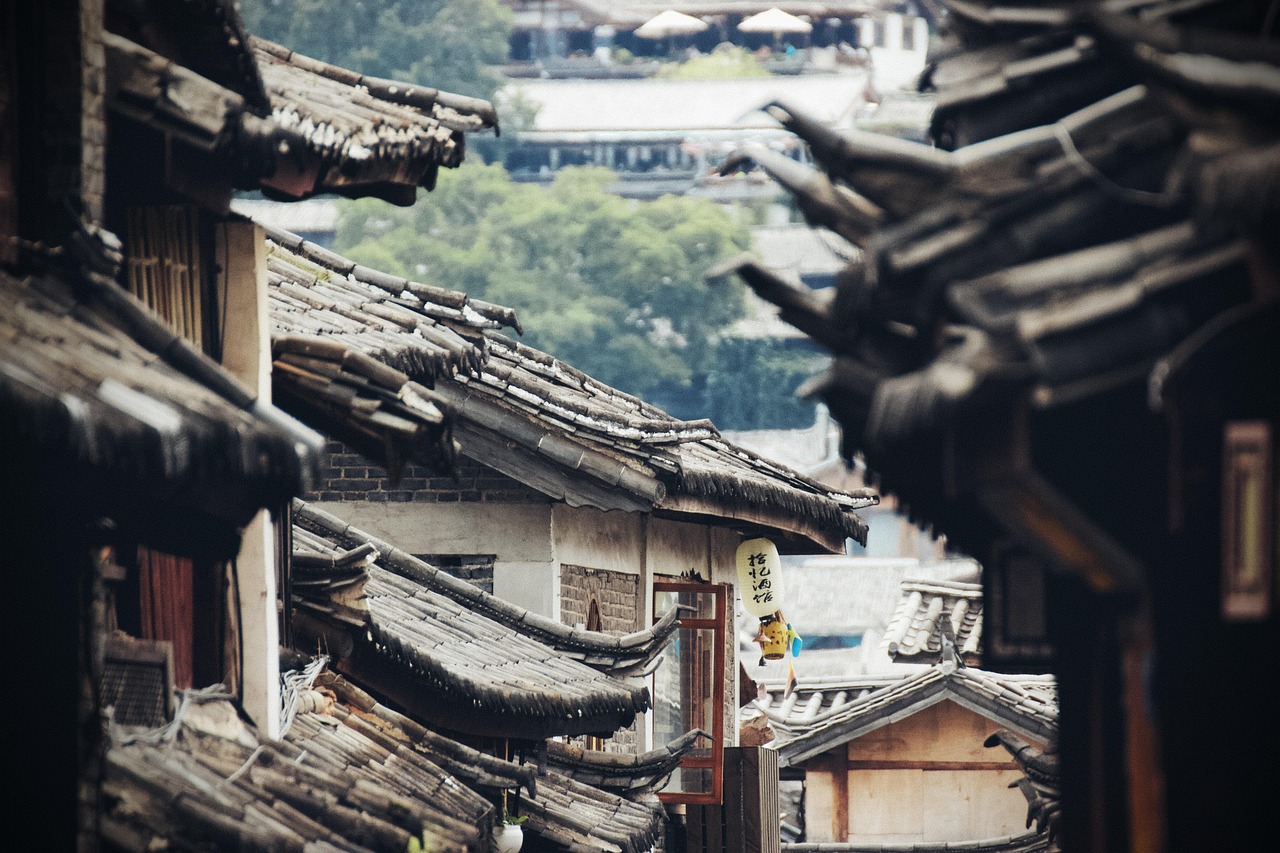
Strolling through the ancient city of Chaozhou, from the old town to Kaiyuan Temple through the archway street
For a human-scale day, follow a Chaozhou ancient city, old town, Kaiyuan Temple guide approach: slow-walk the centre of Chaozhou through archway streets, into narrow lanes, and past small courtyards where everyday life feels close. The markets are lively without being overwhelming, and they’re a beautiful place to discover tea, ceramics, and embroidered goods that make meaningful souvenirs.
Temple etiquette with trust and care
Kaiyuan Temple offers a Buddhist calm that settles the mind. Dress modestly, speak softly, and follow incense etiquette—your concierge or guide can explain what to do so you never feel unsure. A solo traveller described her early morning visit to Kaiyuan Temple as pure serenity: friendly monks, quiet courtyards, and a moment of personal reflection that made Chaozhou feel welcoming from the first hour.
Nearby, Confucian learning traditions and an ancestral heritage thread through the neighbourhood, and you may even catch a hint of Chaozhou opera—an opera tradition that surfaces in community spaces and evening programmes when the timing is right. For fewer coach crowds, go early or late, and let a local guide handle respectful access so you don’t rush.
Chaozhou Woodcarving Embroidery and Ceramics as Intangible Cultural Heritage
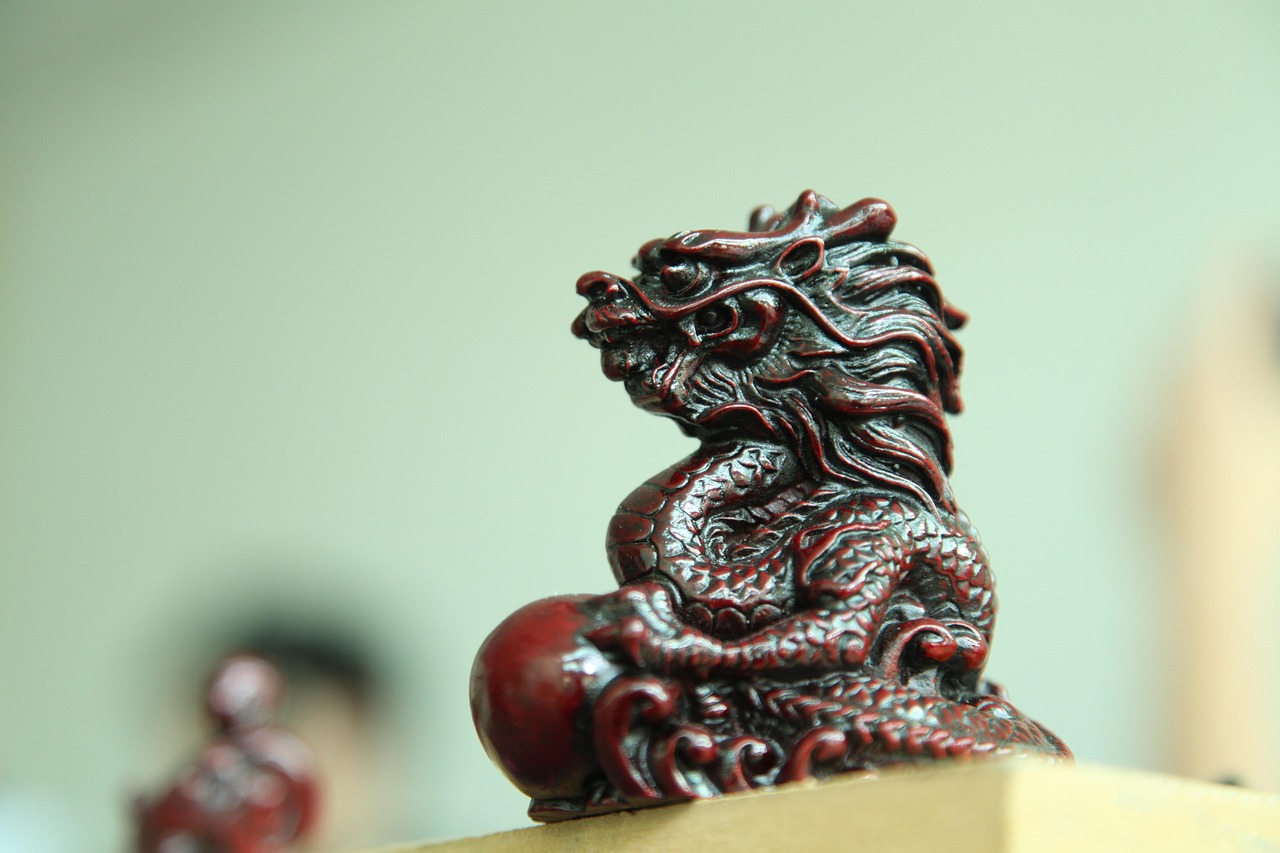
Crafted Heritage Woodcarving, Embroidery, and Ceramics in Chaozhou
A luxury adventure in Guangdong often becomes a story of hands and patience, and this Chaozhou woodcarving embroidery intangible cultural heritage scene is its heart. Look for deep relief carving, precise lines, and symbolic motifs—dragons, florals, and auspicious scenes—crafted for temples, traditional homes, and increasingly for contemporary design collectors.
Meet the people of Chaozhou through making
A couple once recounted learning traditional Chaozhou woodcarving with master artisans, working together at a bench with careful tools and even more careful listening. They said the real souvenir was insight: seeing the culture of Chaozhou not as “old”, but as a living skill passed forward with pride.
If you plan to buy, do it with confidence. Ask for a certificate or maker’s mark, verify the workshop’s reputation, and request care instructions; your hotel can arrange shipping and insurance so everything feels seamless. For ceramics, a private studio appointment helps you uncover provenance—what clay was used, how the kiln is run, and which details distinguish a true ceramic piece from mass-produced lookalikes. Across Southeast Asia and Taiwan, Teochew people have carried these aesthetics into overseas Chinese communities, which is why Chaozhou’s craft language can feel both local and recognisable.
Phoenix Dancong Tea Ceremony, Chaozhou, Fenghuang Mountains
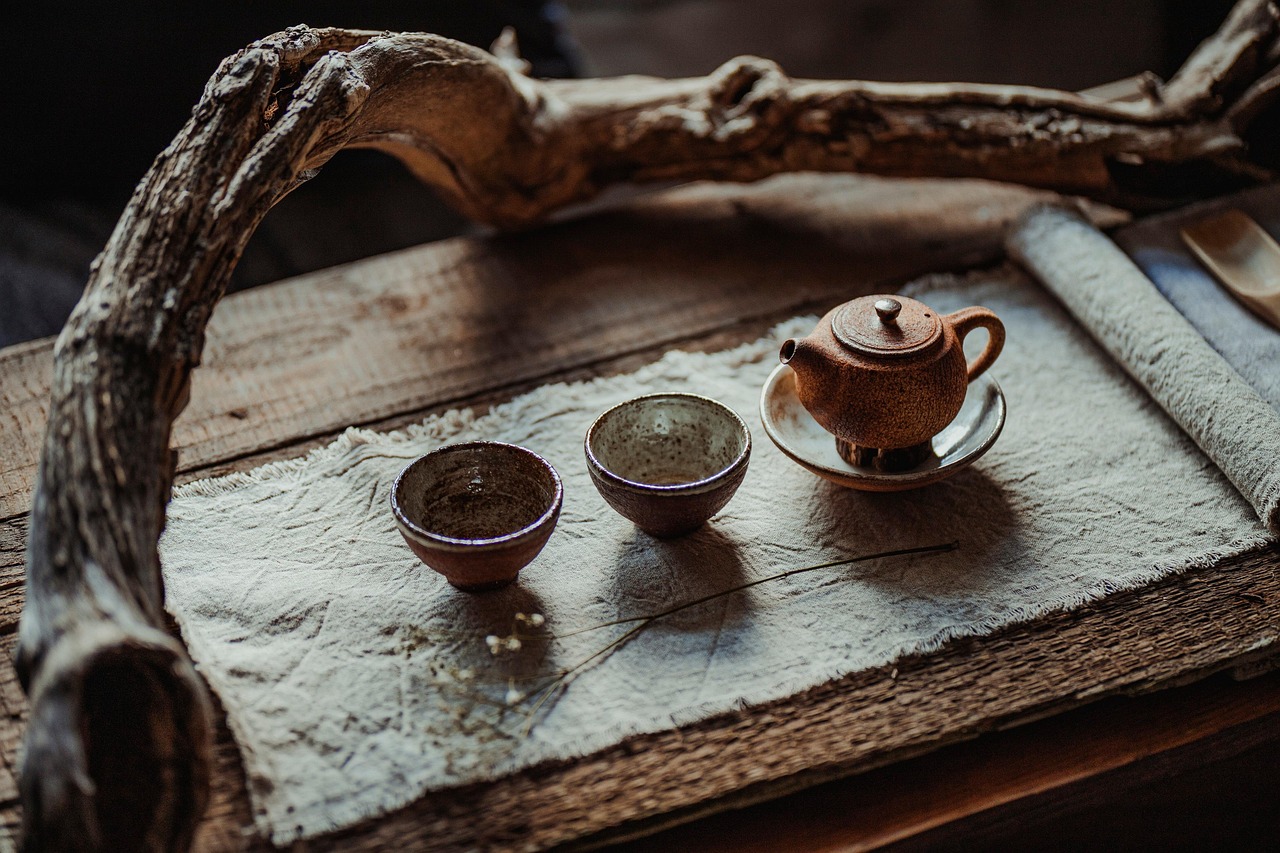
Phoenix Dancong Tea in the Fenghuang Mountains with a private tea ceremony
For a slower, more intimate interlude, design a Phoenix Dancong tea ceremony Chaozhou Fenghuang experience that centres on time rather than spectacle. Phoenix Dancong is prized for its distinctive aroma—orchid, honey, or stone-fruit notes—shaped by careful harvest and precise roasting, a ritual of attention that feels like the truest form of luxury.
Fenghuang hillsides and a crafted tasting
A scenic drive towards Fenghuang reveals fertile slopes and quiet viewpoints for photography, with space for conversation that doesn’t need filling. You might taste in a specialist tea house, a hotel salon, or during a plantation visit, with guides translating meaning between Mandarin and local dialects without interrupting the calm.
If you’re sensitive to caffeine, say so—your host can adjust the steeping and suggest pairings. For taking tea home, choose airtight tins and ask your concierge for customs considerations, so the experience stays seamless long after you’ve left Chaozhou.
Chaoshan Cuisine Luxury Dining in Chaozhou and Local Delicacies
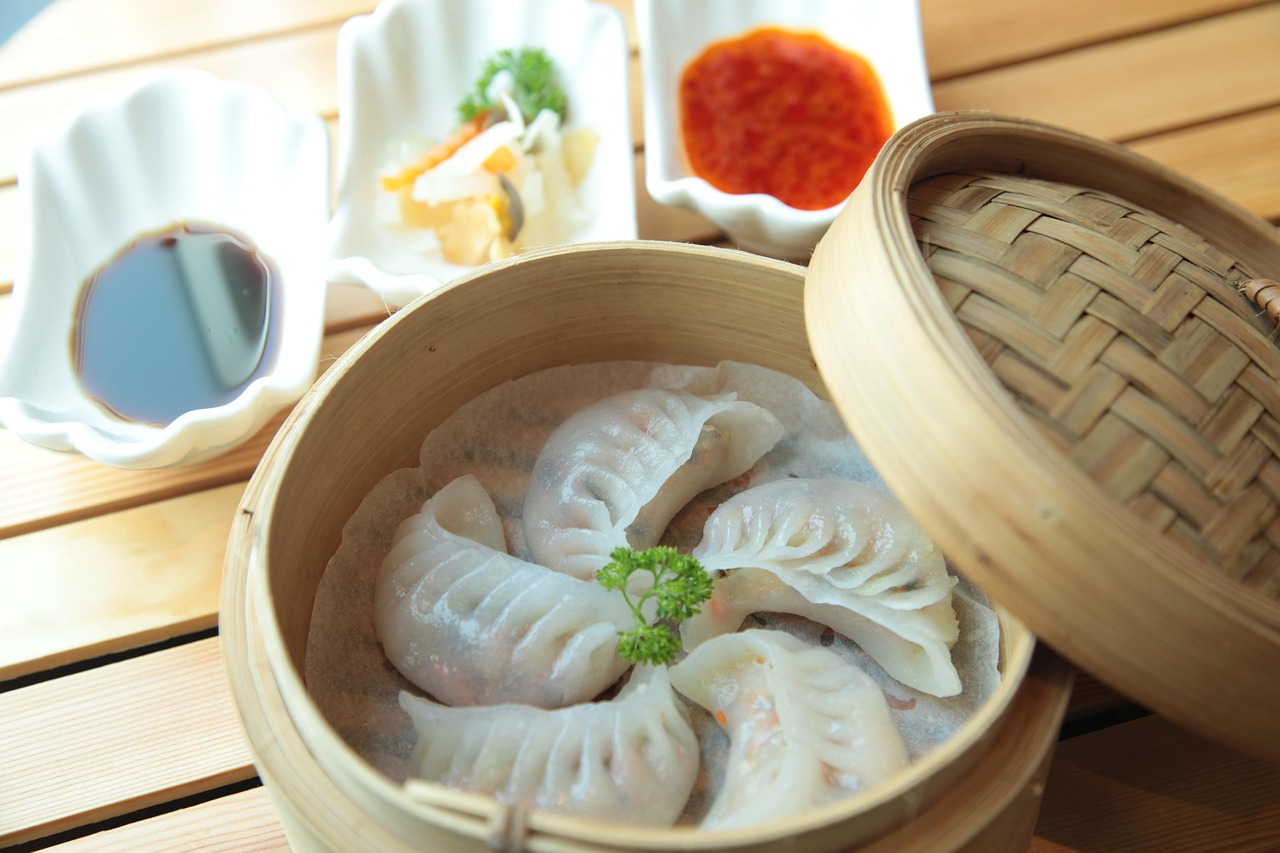
Chaoshan Cuisine From Refined Tables to Local Delicacies in Chaozhou
This Chaoshan cuisine luxury dining Chaozhou beef hotpot seafood chapter matters because the local cuisine is a masterclass in restraint. In Chaozhou, freshness leads, seasoning is subtle, knife-work is precise, and seafood is treated with reverence. Think pristine oyster preparations, gentle braise dishes, and market-led plates that taste like the coastline without shouting about it.
Refined tables and street insight, both with trust
For high-end dining, book a tasting menu with tea pairings and, when possible, a private room; ask for seasonal seafood and chef’s specials, and let your hotel create the reservation with quiet confidence. For something more candid, a gastronomic enthusiast once described a street food tour led by a local guide: hidden stalls, stories behind each bite, and the feeling of being welcomed into daily life rather than shown a performance.
One iconic dish to seek is Chaozhou beef hotpot, prized for the quality of the cut and the quick, attentive cooking. Choose a premium venue known for impeccable hygiene, and pace yourself across the day—several small tastings often feel better than one large meal.
- Dietary needs: Share allergies early; many kitchens will adapt with care when given clear guidance.
- Market-to-table: With an expert guide, you can explore a morning market, then create a chef-led lunch around what looks best.
- Comfort: Safety is excellent, and locals are courteous—still, carry small Yuan notes for quick, seamless transactions.
F.A.Qs: Chaozhou City, China
What is Chaozhou famous for?
Chaozhou is famous for its heritage sights and artistry: Guangji Bridge on the Han River, the calm of Kaiyuan Temple, and intangible cultural heritage crafts such as Chaozhou woodcarving and embroidery. It’s also well known for Chaoshan cuisine, where freshness and precision matter, and for Phoenix Dancong tea from the Fenghuang area.
Is Chaozhou worth visiting?
Yes—especially if you value a more intimate, design-led journey. Chaozhou offers a well-preserved old town in Xiangqiao, refined dining, and deep cultural encounters that feel personal rather than crowded. With a private guide and curated reservations, it becomes a seamless luxury adventure with strong local character.
What language does Chaozhou speak?
Mandarin is widely understood, particularly in hotels and transport. Locally, many people speak the Chaozhou dialect, which is part of Teochew culture, and you may also hear Cantonese in the wider region. For ease and confidence, arrange bilingual support through your hotel, especially for markets and craft workshops.
How far is Chaozhou from Hong Kong?
Chaozhou is a few hours from Hong Kong, depending on your routing. Many luxury travellers connect via Shenzhen or Guangzhou, then continue by flight into Jieyang Chaoshan International Airport and a private transfer into the city. If you prefer minimal friction, your hotel can organise a door-to-door plan with clear timings.
What Stayed With Me After Chaozhou Ancient City Memories
This Chaozhou ancient city’s memories of Guangji Bridge tea feeling don’t arrive all at once—it gathers quietly. I think of Kaiyuan Temple at first light, when the courtyards held a hush that felt protective, and of Guangji Bridge standing steady as if it has always known how to wait. In Chaozhou, welcome is not loud; it’s a gentle confidence offered by people who seem to understand that travellers carry their own pace.
What lingers is made of small things: the aroma of Phoenix Dancong on the breath, a craftsman’s hands turning skill into a relic of patience, and the soft glow along the Han River as evening settles. It’s not something you can buy or hurry—only receive, with care, when you slow down enough to notice.
And sometimes, long after you’ve left Guangdong, you may find yourself imagining another return to this ancient city of Chaozhou—not to repeat a list, but to uncover one more quiet layer.