Post Contents
- Crossing Tokyo’s iconic Shibuya Crossing 渋谷スクランブル交差点 landmark intersection
- Shibuya Station JR Yamanote Line Tokyo Metro Ginza Hanzomon Fukutoshin Japan for a seamless arrival
- How to cross Shibuya scramble Tokyo Japan busiest crossing tips with confidence
- Shibuya Crossing view Starbucks Shibuya Scramble Square observation deck Tokyo Japan video
- Near Shibuya Crossing Hachiko statue Shibuya 109 shopping nightlife Japan
- What stayed with me after Shibuya Crossing Tokyo Japan personal reflection
- F.A.Qs: Shibuya Crossing Tokyo landmark answers
Crossing Tokyo’s iconic Shibuya Crossing 渋谷スクランブル交差点 landmark intersection
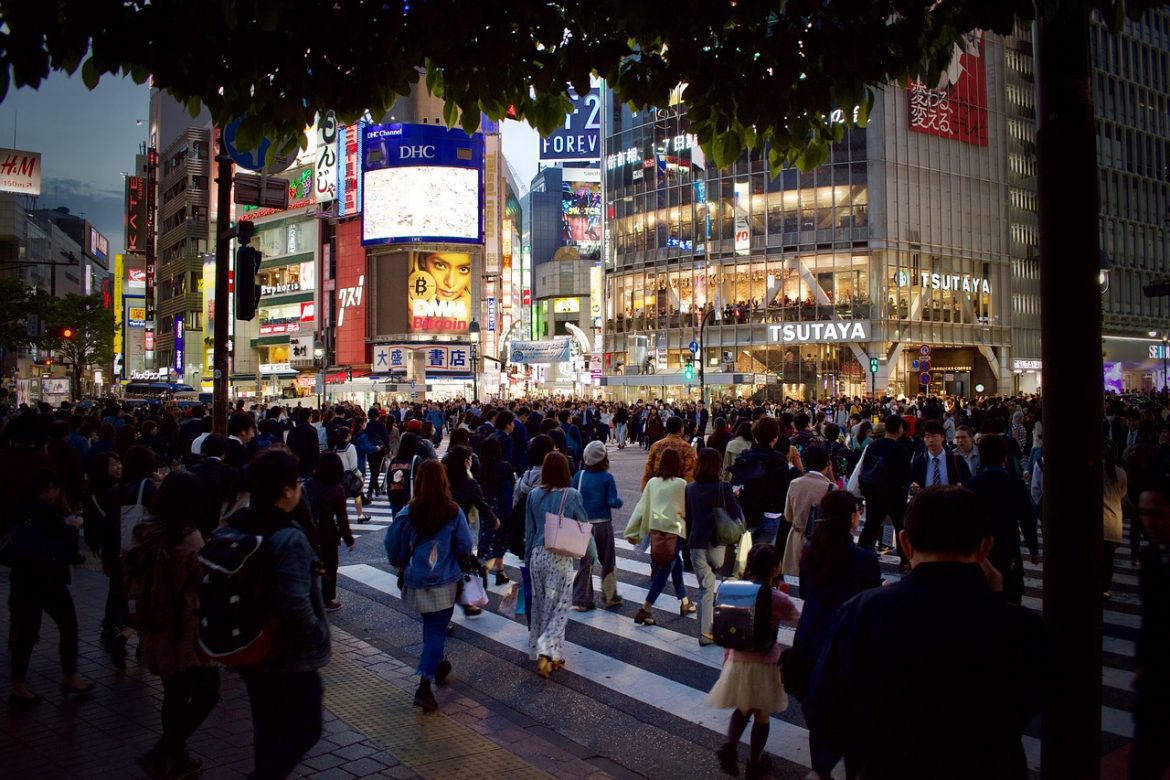
Crossing Tokyo’s iconic Shibuya Crossing outside Shibuya Station
Shibuya Crossing Tokyo Japan landmark intersection is the moment many travellers imagine long before they land—because it’s known as the busiest pedestrian crossing in the world, yet it rarely feels aggressive. In Tokyo, the lights change, the cars pause, and a whole crowd seems to breathe in together. One estimate you’ll hear is that the signal cycle can reset roughly every two minutes, which makes the rhythm feel constant without being exhausting.
Stand just outside Shibuya Station and you’ll see the logic of it: multiple flows meet, then separate again, as if the city has choreographed its own calm scramble. The first time Shibuya Crossing every green light feels like this, it can be surreal—busy, yes, but never panicked. With a little trust in the pattern, you simply join the stream and let it support you.
Shibuya scramble energy you can step into
There’s a cinematic sensation to it that’s hard to describe until you cross: the giant screen ads flare, the intersection lines glow, and the movement becomes a backdrop you can physically enter. It’s a classic Tokyo scene—organised chaos with a human pulse—and it stays with you because it feels both enormous and personal at once.
What to expect when you cross
If you’re an adventure seeker, the key is to commit smoothly. Don’t stop mid-stream, don’t zigzag, and don’t try to outrun the pace. In this crossing in Tokyo, confidence looks like a steady walk, eyes up, and an easy respect for the people beside you.


Shibuya Station JR Yamanote Line Tokyo Metro Ginza Hanzomon Fukutoshin Japan for a seamless arrival
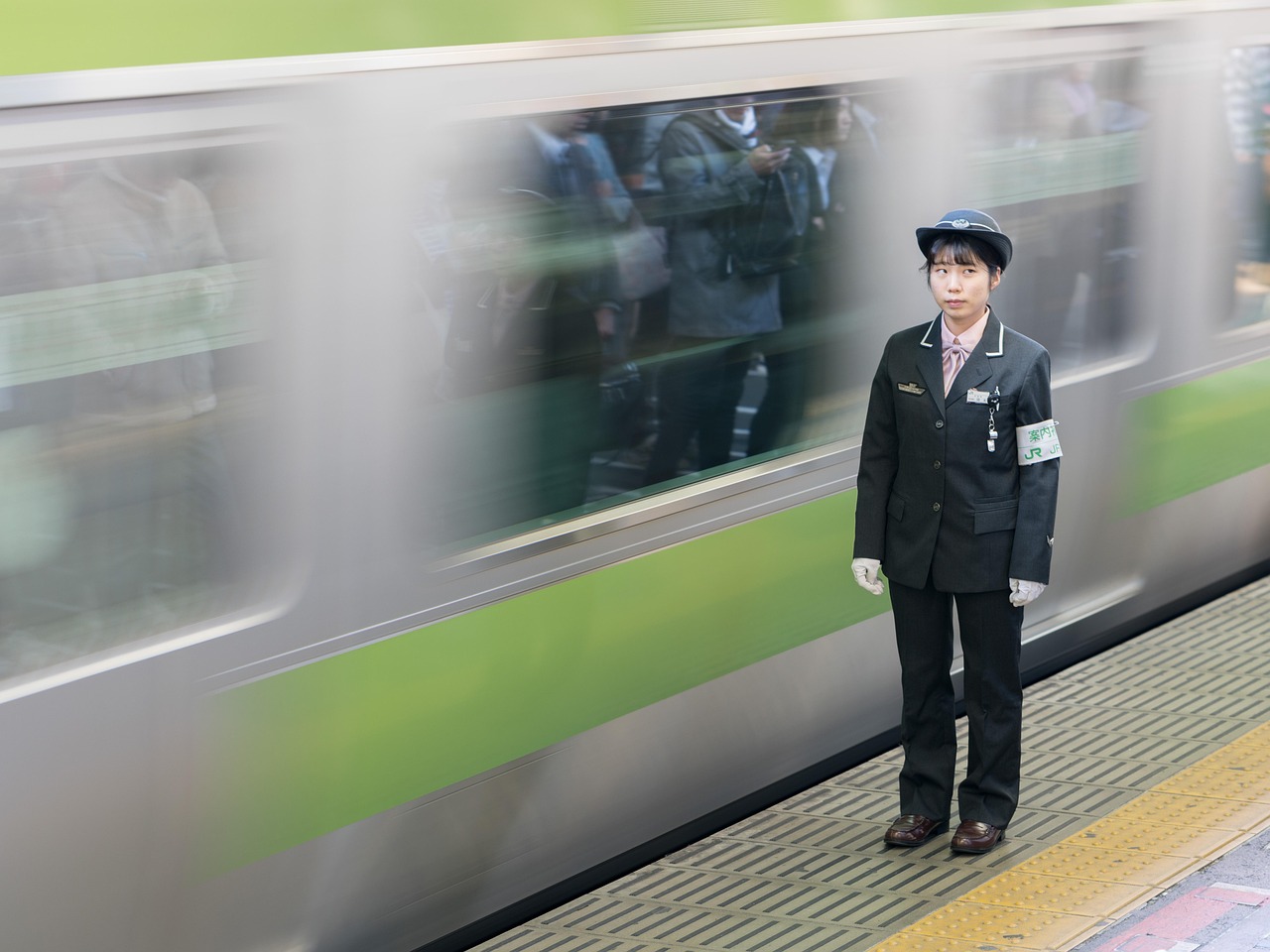
Shibuya Station arrival for a seamless walk to Shibuya Crossing
Shibuya Station JR Yamanote Line Tokyo Metro Ginza Hanzomon Fukutoshin Japan is a mouthful, but it’s the reality of why arrival can be so seamless. The simplest design is to take the JR Yamanote Line—an orbital route with roots reaching back to 1885—and follow the signs towards the scramble area. In Tokyo, good signage is quiet reassurance: you’ll see clear English, colour coding, and exits that funnel you towards the famous crossing.
The easiest meeting logic is to choose one exit and name it clearly before anyone taps through the ticket gates. If you’re coordinating a group, pick a popular meeting spot you can describe in one sentence, then keep everyone together until you reach daylight.
Major lines and quickest routes in Tokyo
If you’re coming from Shinjuku, you can design a quick hop via JR, or use the subway depending on your hotel. The Tokyo Metro Ginza line, plus Hanzomon and Fukutoshin connections, can be brilliant for avoiding transfers during rush hour. In a city this size, “seamless” often means fewer changes rather than fewer minutes.
Outside Shibuya Station exit etiquette and calm solo planning
Outside Shibuya Station, walk with purpose and keep left where appropriate, especially in the dense corridors. Avoid abrupt stop-and-go, and if you need to check your map, step to the side so the flow can continue. Solo travellers often find it reassuring to create a simple plan: choose a landmark corner by a big screen, note the exit number, and then cross when you feel ready.
If you want to explore Japan’s wider design-led journeys after Tokyo, you can browse our Trip gallery for crafted routes that balance culture, comfort, and discovery.
How to cross Shibuya scramble Tokyo Japan busiest crossing tips with confidence
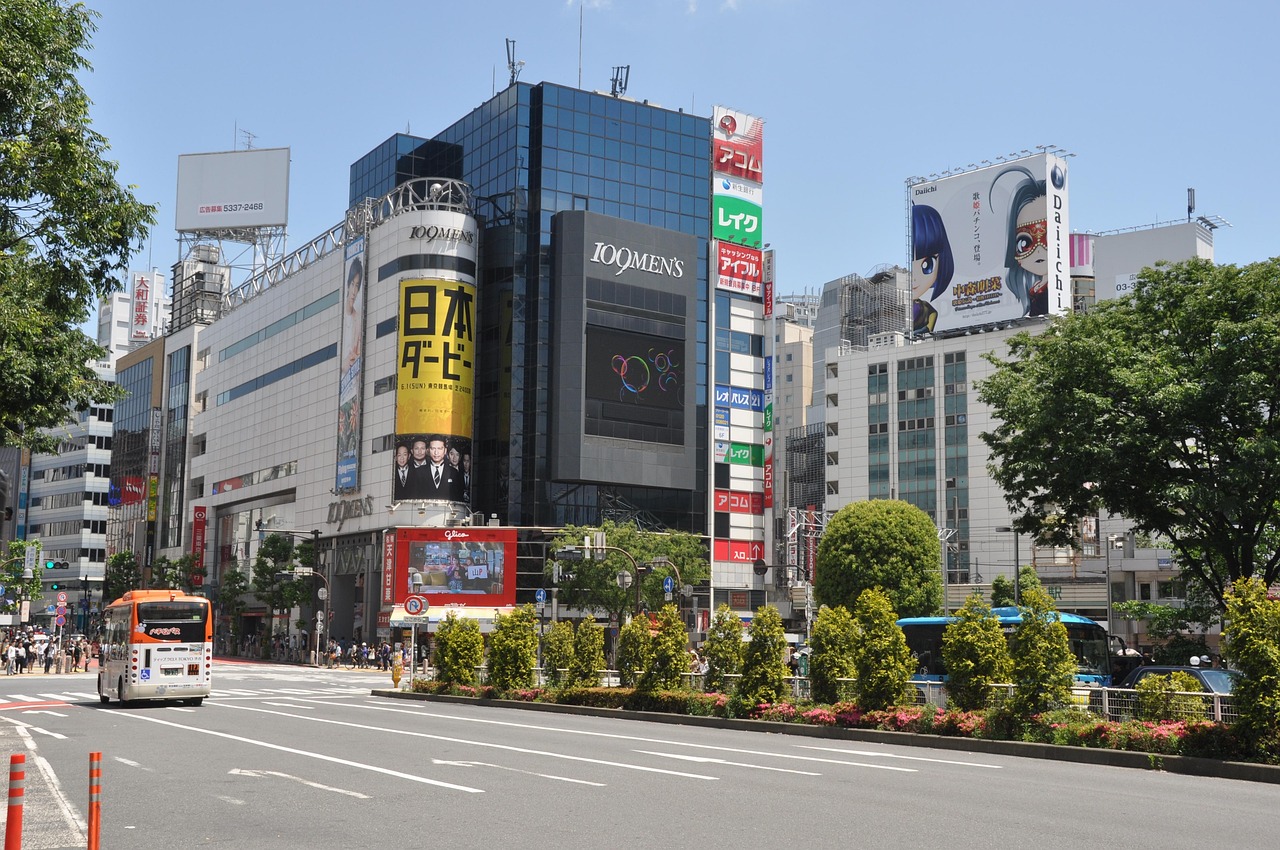
How to cross Shibuya scramble in Tokyo with confidence and care
How to cross Shibuya scramble Tokyo Japan busiest crossing tips start with one simple truth: the crowd does most of the work for you. Watch the pedestrian signals, start smoothly, and match the pace—there’s no need to rush or shove. This is the busiest crossing many travellers ever experience, but it’s also one of the most surprisingly peaceful when you move together.
For atmosphere, early evening on weekdays is prime: you get the energy of Tokyo without the deepest peak hours crush. The light is kinder for photos, the neon lights begin to glow, and the mood feels lively rather than frantic.
Safety and care while you cross
Use a small checklist before you step off the kerb, especially if you’re carrying luxury gear:
- Keep valuables close and zipped; crowds are dense.
- Stay aware of your surroundings and give personal space where you can.
- Don’t stop for photos in the middle of the walkway—step aside after.
- Hold your line and keep a steady direction so others can read your movement.
A smart way to capture video without disrupting the flow
If you want a short video, keep your phone chest-level and angled slightly down, or use hands-free if you have it. Start recording just before the light changes, then simply walk—your movement creates the shot. A group of adventure seekers once told me their favourite clip was the one they nearly didn’t take: crossing at night, timing it perfectly, the intersection in Tokyo sparkling as if the city had switched into a brighter gear.
There’s always a micro-moment of commitment: you step forward, and suddenly you’re part of it—people crossing in a living pattern. That’s when it clicks that Tokyo isn’t pushing you along; it’s carrying you.
Shibuya Crossing view Starbucks Shibuya Scramble Square observation deck Tokyo Japan video
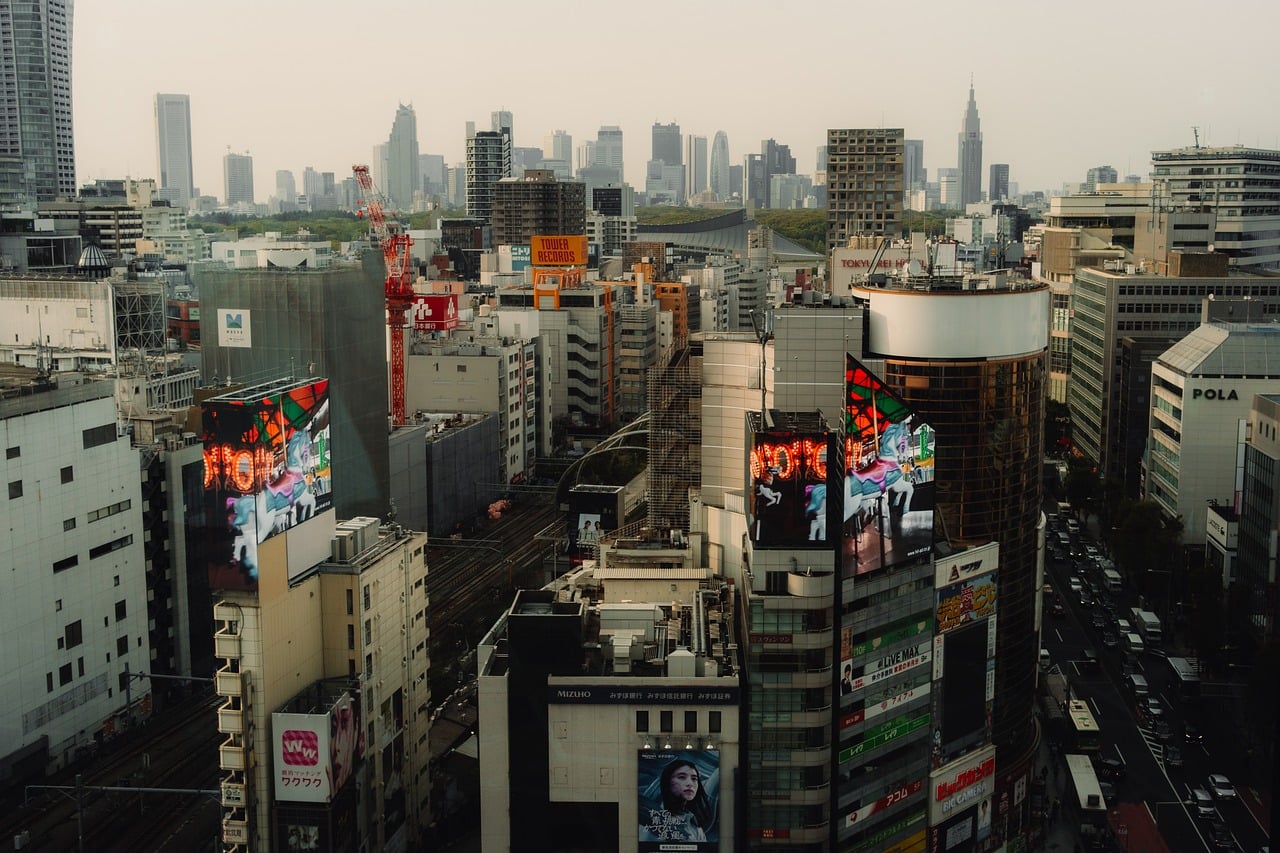
Best Shibuya Crossing view in Tokyo from Starbucks and Shibuya Scramble Square
Shibuya Crossing view Starbucks Shibuya Scramble Square observation deck Tokyo Japan video is the classic trio for travellers who want perspective as well as action. Street-level is thrilling, but an elevated vantage point lets you appreciate the geometry: the lines, the timing, the way pedestrians cross like waves that never collide.
The Starbucks overlooking the scramble is famous for a reason: it gives you a clean angle without needing a ticket. For something more expansive, the Shibuya Scramble Square observation deck delivers a full panorama of the iconic intersection and surrounding building tops—an expert-level view that helps you understand how Tokyo is designed for movement.
Photo strategy for the best crossing in Tokyo shots
Arrive at blue hour and stay as night settles in. Frame the crossing stripes, include a screen or two for scale, and wait for the traffic to pause so the scene reads clearly. If you like a crafted look, try a slight motion blur at street level after you cross, then reset to sharp from above.
Why the famous crossing feels like a movie set
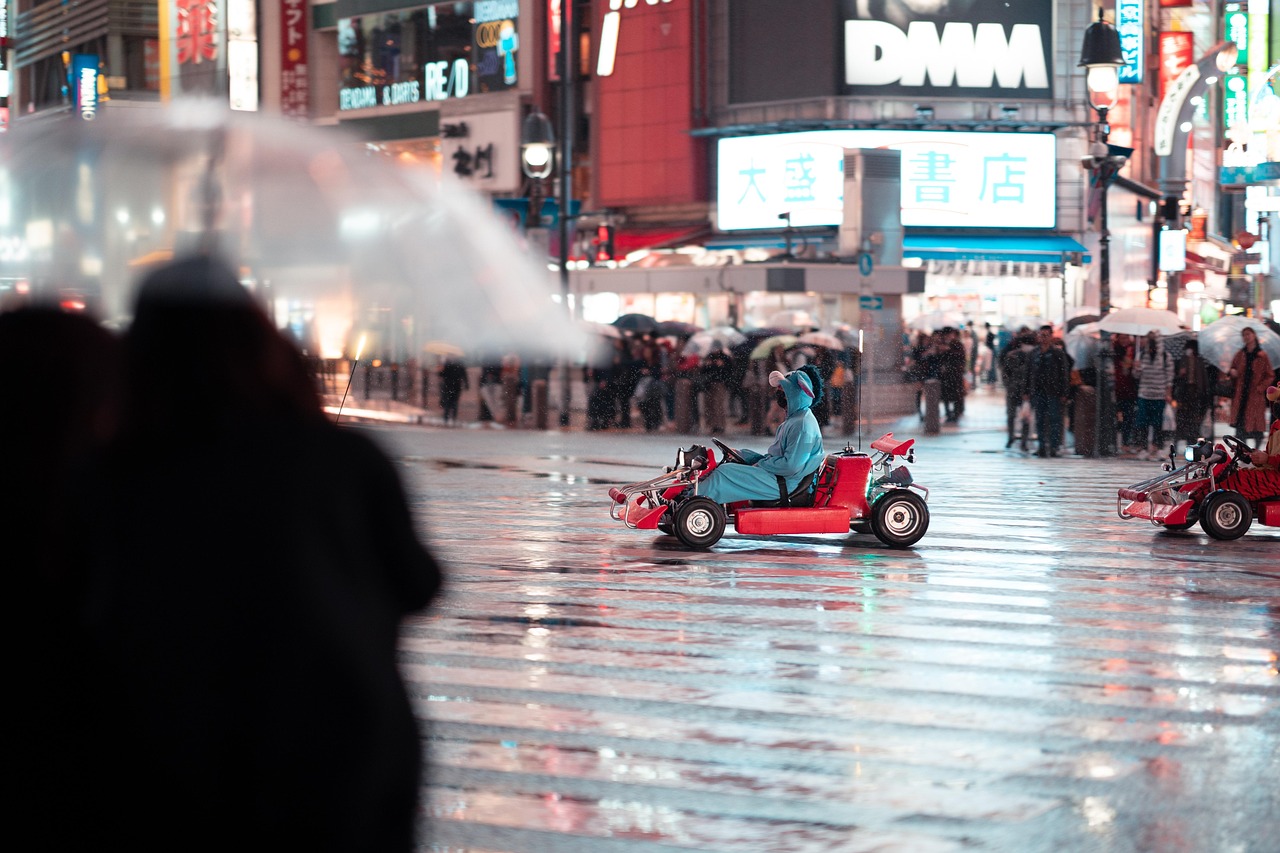
The mythos is real: movies and television, music videos, and glossy travel edits have turned this place into shorthand for “Tokyo at full volume”. You might even feel a flicker of Tokyo drift energy—minus the danger—simply from the lights and movement. Pop culture has played here too, from Fast and the Furious fantasies to the occasional Resident Evil-style neon mood in rainy weather, but the real magic is kinder: ordinary life, made cinematic.
If the perfect shot doesn’t happen, take that as permission to just watch. The deeper insight is in how the city moves, and how quickly you learn to trust it.
Near Shibuya Crossing Hachiko statue Shibuya 109 shopping nightlife Japan
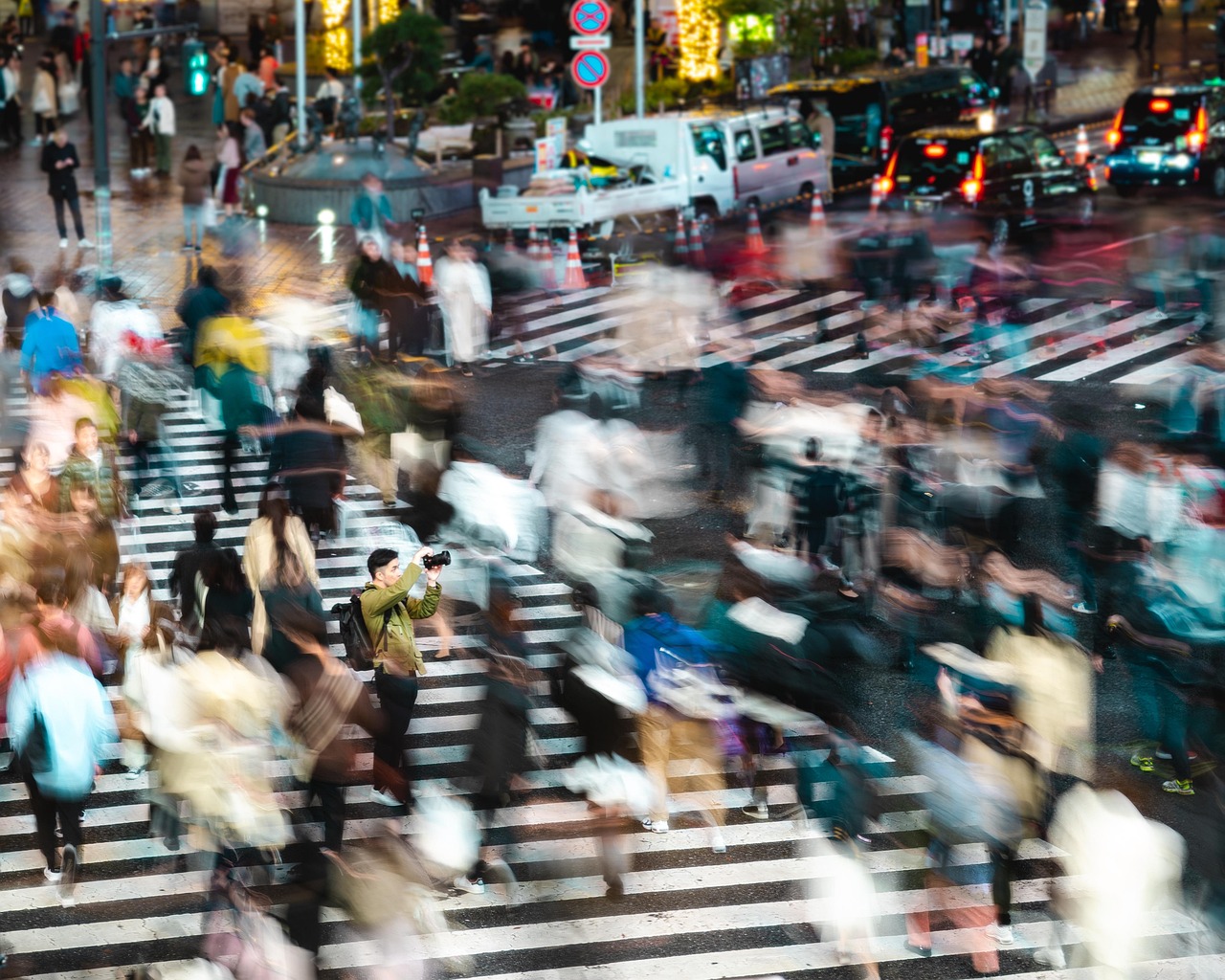
Near Shibuya Crossing explore Hachiko statue and Shibuya 109 shopping
Near Shibuya Crossing Hachiko statue Shibuya 109 shopping nightlife Japan is where the energy becomes more personal. Start with the Hachiko statue, a symbol of loyalty that has quietly anchored generations of meetings. One solo traveller once shared how it became their calm point in the crowd—kind strangers helped them orientate, and that small care softened the scale of Tokyo.
From there, explore Center Gai, where youth culture spills into the street with performers, playful fashion, and a sense that the scene can change every time you return. It’s an entertainment corridor that rewards curiosity: look up at the signage, then duck into side lanes to uncover smaller cafes and local favourites.
Shopping district style from Shibuya 109 to across the street
Adventure seekers often love Shibuya 109 because it’s trend-spotting in real time—Japanese street style as a living gallery. Across the street, you’ll find a wider hub of department stores and smaller boutiques with “hundreds of shops” energy, from accessories to design-forward basics. Even if you don’t buy, it’s a cultural deep-dive into how Tokyo dresses itself.
Nightlife and a simple wind-down plan
Keep your evening seamless by choosing one cosy restaurant for a comforting meal, then one bar for a gentle finish. This is a district built for wandering, but you’ll enjoy it more if you design your own pace and stop before you’re overtired. And if you’re visiting at Halloween, expect a costume parade mood—go with patience, stay alert in the crowd, respect residents, and step away to quieter streets when you need a breather.
A small tip for sharing later: if you post a clip, you’ll often see the hashtag shibuyacrossing used by travellers who are still trying to describe what the moment felt like.
What stayed with me after Shibuya Crossing Tokyo Japan personal reflection
Shibuya Crossing Tokyo Japan personal reflection begins with a feeling I didn’t expect: being one small part of Tokyo’s rhythm, yet never alone in it. The city asks you to move, but it also teaches you how to move—how to cross with attention, how to trust a pattern you’ve never seen before, and how quickly confidence can arrive when you stop fighting the flow.
I remember the instant I stepped off the final stripe and the noise softened, as if someone had turned down the volume. A turn into a quieter back street changed everything: bright screens behind me, a calmer Tokyo ahead, and a sense of being both brave and grounded. It was the contrast that stayed—speed and stillness, side by side.
And then there were the small kindnesses: a quick gesture from a stranger making space, a shared laugh when someone realised they’d chosen the wrong exit, a moment of orientation that felt oddly personal in a place so vast. The landmark meeting point didn’t just organise plans; it held stories.
Now, when I think of Shibuya, I don’t picture only the crowd. I picture the pause before it, the breath as the lights change, and the quiet after—when you realise you can carry that steady feeling into any busy place, anywhere. Imagine returning one day, under different light, and uncovering a new version of the same crossing, with a different you.
F.A.Qs: Shibuya Crossing Tokyo landmark answers
F.A.Qs on Shibuya Crossing in Tokyo Japan for first-time visitors
Why is the Shibuya Crossing so famous?
It’s famous because it captures Tokyo’s scale and precision in a single scene: traffic stops, and huge waves of pedestrians cross from multiple directions at once. The bright screens, surrounding buildings, and constant rhythm make it feel cinematic, yet it remains orderly and surprisingly easy to experience.
Is the Shibuya Crossing worth seeing?
Yes—especially if you enjoy cultural moments that are both iconic and genuinely lived-in. Crossing costs nothing, and the best part is how it feels: a shared human flow that’s thrilling without being unsafe when you follow the signals and keep a steady pace.
How far is Tokyo to Shibuya Crossing?
Shibuya is one of Tokyo’s central districts, so the distance depends on where you’re staying. From major areas like Shinjuku, it’s a short ride on JR or the Metro. Once you reach Shibuya Station, the crossing is immediately outside, so you’re there within minutes.
What happens at Shibuya Crossing?
At each signal cycle, vehicles stop and the pedestrian lights turn green, allowing people to cross in every direction at once—including diagonally. Then the lights change back, traffic moves again, and the pattern repeats. It’s busy, but the routine is clear and easy to follow.