Post Contents
- Shinjuku area guide Shinjuku Station Haneda Airport transport with confidence
- Things to do in Shinjuku Shinjuku Gyoen Tokyo Metropolitan Government Building and see in Shinjuku
- Samurai Museum Shinjuku attractions cultural insight for tokyo shinjuku
- Kabukicho nightlife Golden Gai neon lights safety with confidence
- Shopping in shinjuku hotels in shinjuku hotel in tokyo for a crafted stay
- Shinjuku City Japan reflection travel guide close
- F.A.Qs: Shinjuku City Japan travel guide
Shinjuku area guide Shinjuku Station Haneda Airport transport with confidence
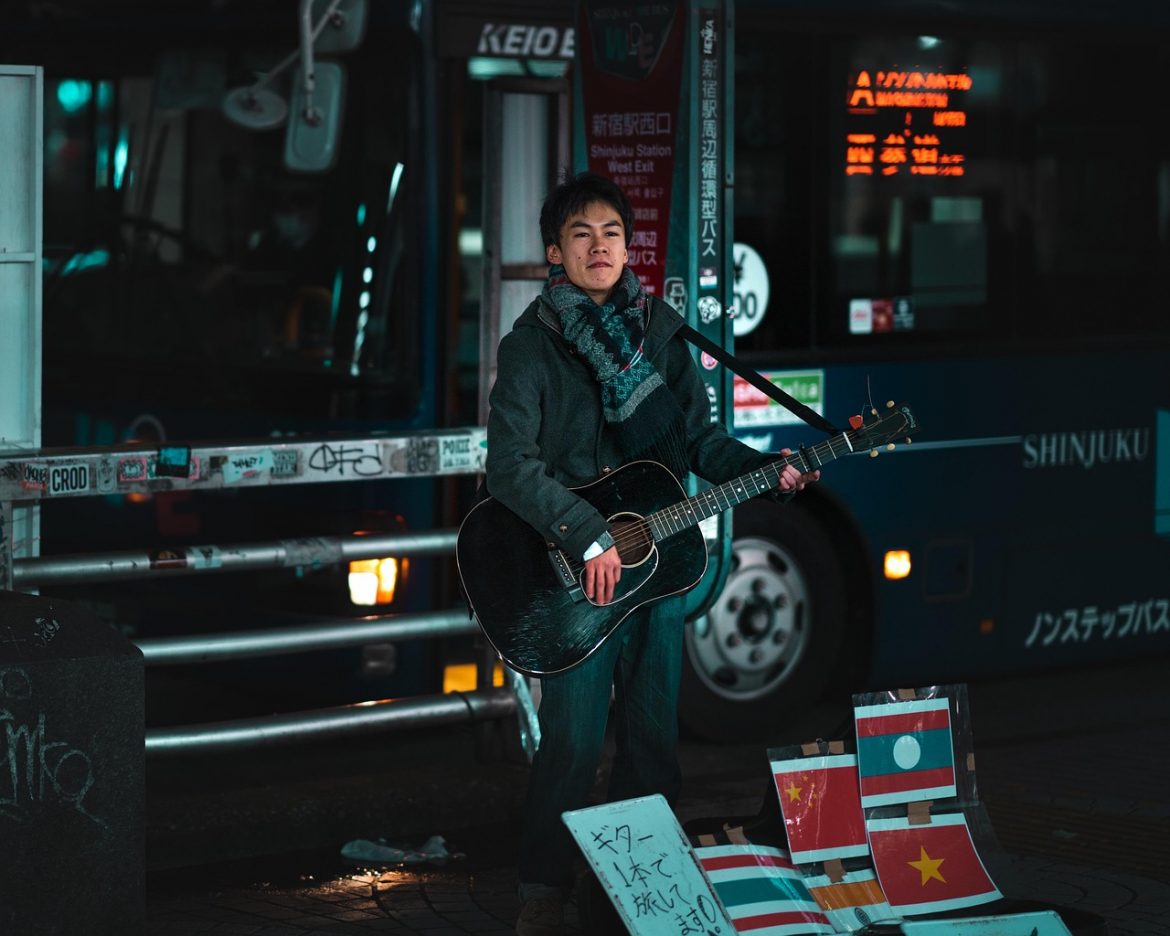
Shinjuku area guide arriving via Shinjuku Station
This Shinjuku area guide covers Shinjuku Station and Haneda Airport transport in a way that feels steady, not stressful. If you’re visiting for the first time, the station can feel like a living organism—fast, loud, and endlessly branching. With a simple mental map and a few anchor landmarks, you can move through Shinjuku with the same ease you’d expect from a well-run hotel concierge.
Think of the area around Shinjuku Station as three clear zones. West Shinjuku is the skyscraper side, with big business towers and wide pavements. East of Shinjuku is where the nightlife pulse gathers. North of the station leans into smaller streets and easy-to-miss local corners.
Arriving via Haneda Airport and finding the bus terminal
From Haneda Airport, the goal is to arrive calmly and keep your luggage plans simple. Japan Rail connections can work beautifully if you’re already set up for train travel, but many high-end travellers prefer the airport limousine bus for its door-to-door ease to major hotel stops. If you’re heading for day trips near Shinjuku, note the Shinjuku Expressway Bus Terminal—often referred to as the bus terminal at Busta Shinjuku—directly integrated with the station complex.
If you’re coming across the city from Tokyo Station, allow extra time the first time you transfer; it’s central Tokyo, and platforms can be a walk. Once you arrive, aim for signage in English and follow the colour-coded lines rather than trying to “wing it” at street level with luggage.
How to move around Shinjuku Station and nearby districts
Shinjuku Station’s exits are the great riddle, but you don’t have to solve it all at once. Choose one clear objective—your hotel, a landmark department store, or a meeting point—and let that be your compass. The west exit of Shinjuku Station is often the cleanest gateway into West Shinjuku, while the northeast of Shinjuku Station can place you closer to smaller streets.
In practice, the walk from Shinjuku Station to most major zones is manageable, but crowds can slow you down. If you’re pressed for time or carrying shopping, it can be faster to hop the subway once you’ve located the right subway lines. Tokyo Metro and other rail signage is excellent—trust it, move with care, and you’ll feel the city start to support you rather than test you.
- Quick orientation: west side of Shinjuku Station for towers, east for neon evenings, north for quieter lanes.
- Time your crossings: commuter peaks can make even short distances feel long around Shinjuku.
- Hotel tip: if your hotel is close to Shinjuku Station, ask which exit is nearest before you arrive.
One reassuring truth: Shinjuku Station is home to a kind of organised chaos. Once you’ve done one successful entry-and-exit loop, your confidence rises quickly—and the area begins to feel like a hub you can design your days around, not a maze you endure.


Things to do in Shinjuku Shinjuku Gyoen Tokyo Metropolitan Government Building and see in Shinjuku
Things to do in Shinjuku from gardens to skyline views
When you’re weighing up things to do in Shinjuku, begin with two signature contrasts: Shinjuku Gyoen and the Tokyo Metropolitan Government Building. Together, they create a beautifully crafted rhythm—garden hush first, then skyline wonder—without needing to criss-cross the city. It’s an attraction pairing that suits adventure seekers who also value design, detail, and a sense of place.
Shinjuku Gyoen National Garden is one of Tokyo’s most loved green spaces, built around traditional Japanese landscape ideas as well as wider lawns and seasonal plantings. Shinjuku Gyoen is one of those rare city “pause points” where you can hear your own footsteps again. Shinjuku is one of the best places in Tokyo to experience that contrast: calm beside motion.
Visit Shinjuku Gyoen National Garden for traditional Japanese calm
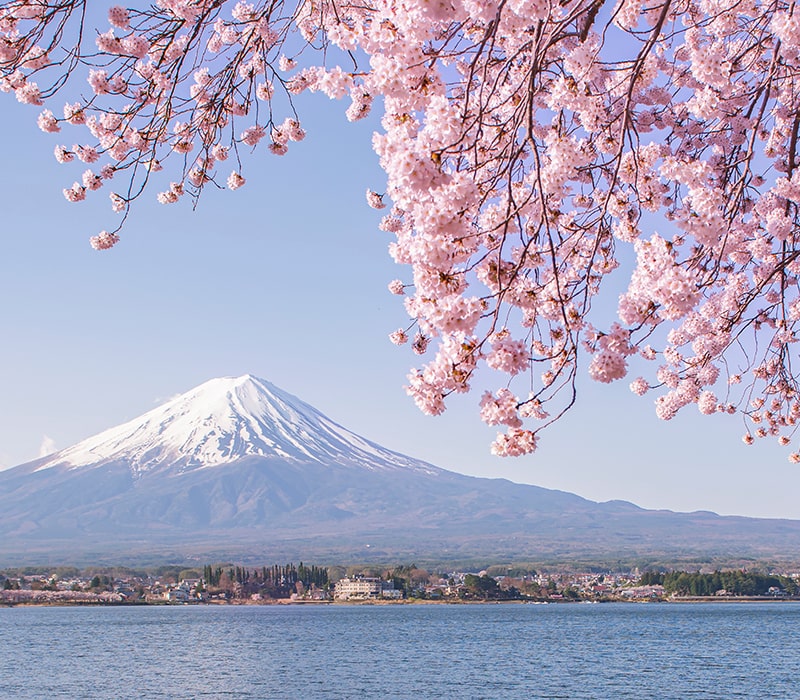
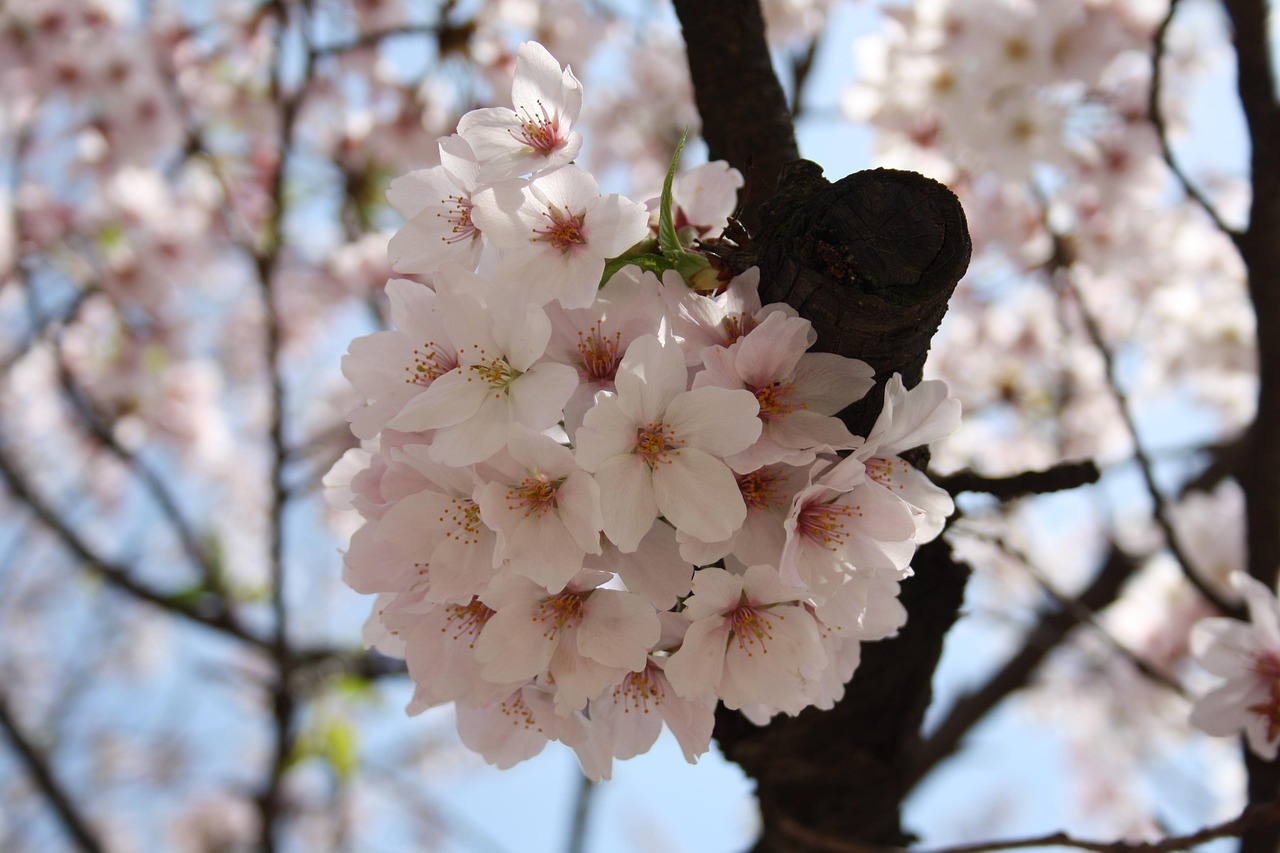
A traveller once told us about wandering here during cherry blossom season—late afternoon, a soft breeze, petals drifting like quiet confetti. They described the magical feeling of stepping away from the city’s speed and into a Japanese garden mood where time felt slower and kinder. That personal moment stays with people, precisely because it’s only minutes from Shinjuku Station.
Plan for an easy entry fee (around ¥500) and arrive earlier in the day if you want space to photograph without crowds. Bring water, wear comfortable shoes, and give yourself permission to do less: sit, watch, and let the garden design reveal itself gradually. Shinjuku Gyoen is one of those places where “doing nothing” becomes the point, in the best possible way.
Tokyo Metropolitan Government Building deck at sunset
Later, head west of Shinjuku Station towards the towers. The Tokyo Metropolitan Government Building offers a viewing deck that feels like a gift—an elevated perspective over the city that helps you understand Tokyo’s scale. Time it for sunset if you can; the light turns warmer, and the views of the city become quietly cinematic.
A visitor once recalled standing at the windows as the sky shifted to amber, then rose, then indigo—spotting Fuji as a distant silhouette on a clear evening. That moment can feel unreal: a vast modern metropolis, and then that single iconic peak anchoring the horizon.
- Comfort cue: if Shinjuku Station’s exits feel overwhelming, pick one landmark (a tower or a hotel) and navigate in small steps.
- Crowd rhythm: late afternoons can be busiest; mornings are often more seamless.
- Design your route: garden first, skyline second—your body will thank you.
Between these two stops, you’ll start to feel what you can truly see in Shinjuku: a district that holds both softness and scale without asking you to choose only one.
Samurai Museum Shinjuku attractions cultural insight for tokyo shinjuku
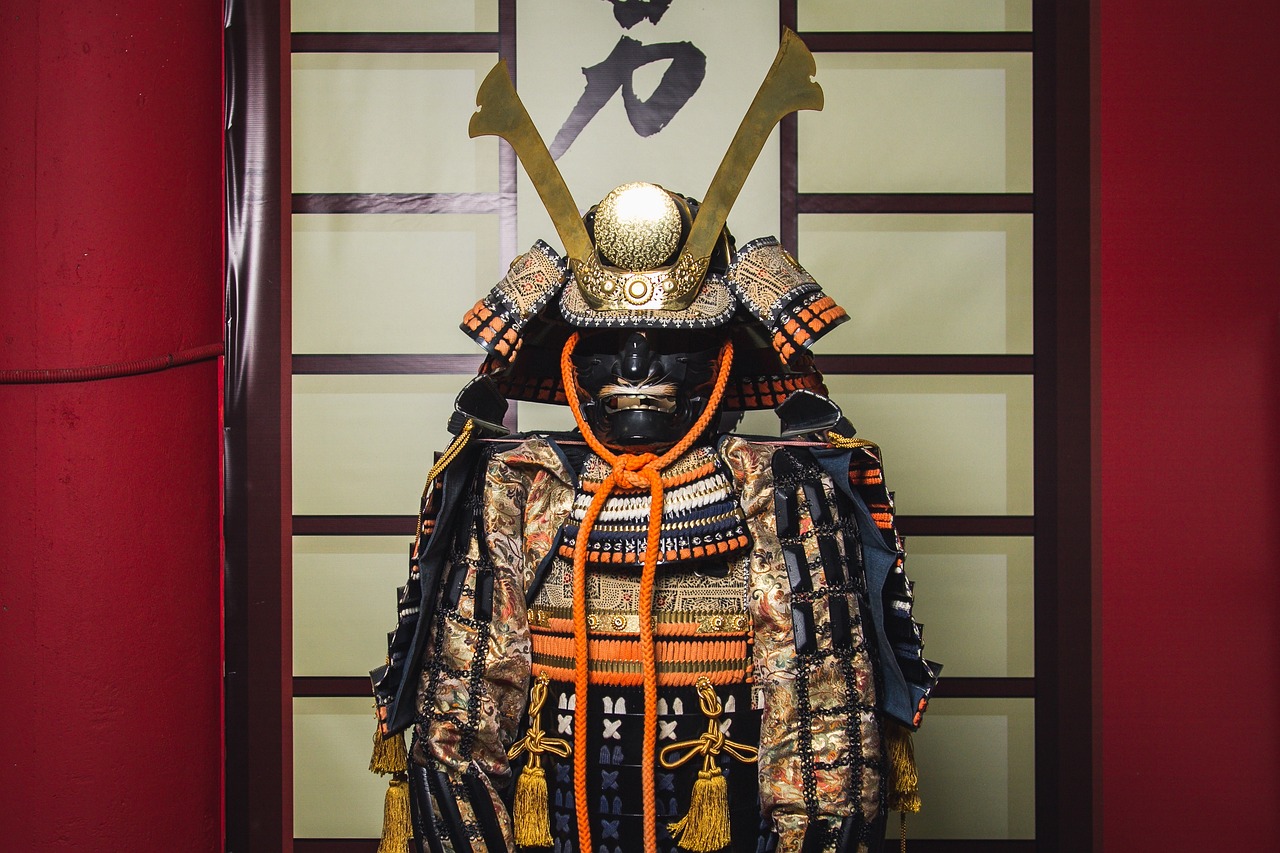
Samurai Museum and cultural insight in tokyo shinjuku
The Samurai Museum experience is one of the most memorable Shinjuku attractions for travellers who want cultural insight without needing a full-day excursion. In the heart of tokyo shinjuku, it lets you uncover Japan’s warrior history through armour displays, curated stories, and hands-on moments that feel surprisingly personal.
A history enthusiast once shared the jolt of trying on replica armour—how the weight changed their posture instantly, and how the craftsmanship made the past feel near. They described it as being transported, not by theatrics, but by detail: lacing, lacquer, and the quiet pride embedded in the design.
Shinjuku attractions that connect culture to craft
This is also where Shinjuku’s cultural layers become more visible if you look for them. After the museum, browse Kinokuniya for art, photography, and literature; the Kinokuniya Shinjuku branch is a joy for anyone who loves thoughtful souvenirs. Keep an eye out for Japanese crafts in nearby boutiques—small objects that carry texture and meaning rather than mass-produced shine.
In these moments, etiquette becomes part of the experience. A polite greeting, a calm tone, and a little patience in queues can open the door to warmer local exchanges. If you’ve ever smiled at the small humanity of lost in translation, Shinjuku has plenty of gentle opportunities to experience it—with trust and humour.
Cost, timing, and layering a seamless half day
Set expectations clearly: Samurai Museum admission is often around ¥1900, and you’ll want at least 60–90 minutes to enjoy it without rushing. Pair it with a nearby café stop and an easy walk back towards Shinjuku Station, especially if you’re heading into a more energetic evening later.
This kind of half-day plan is particularly supportive if you’re balancing museum time with a hotel check-in. A well-chosen hotel nearby can make the day feel more spacious, because you can drop bags, refresh, and return with renewed confidence rather than pushing through fatigue.
Kabukicho nightlife Golden Gai neon lights safety with confidence
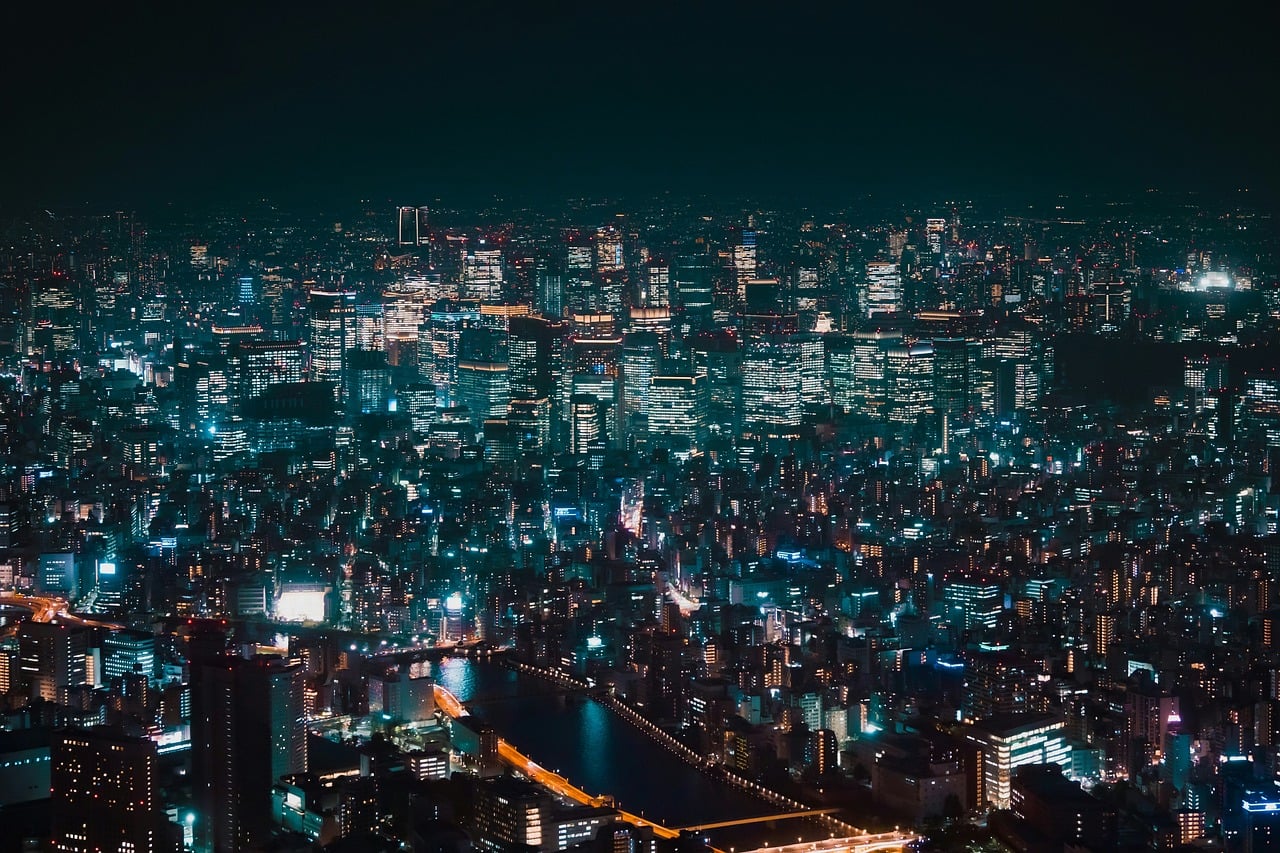
Kabukicho nightlife and neon streets with confidence
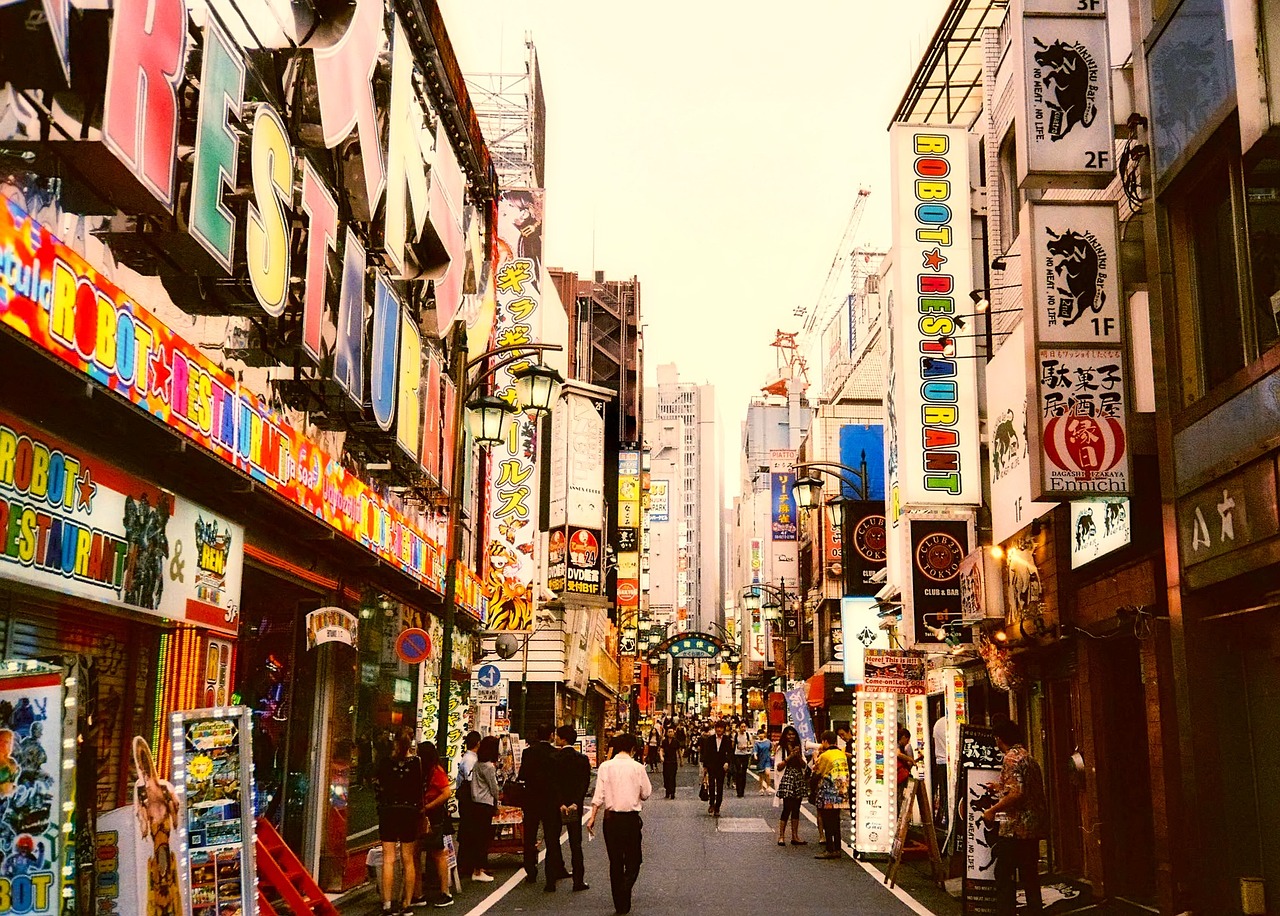
Kabukicho nightlife is a Tokyo rite of passage, and this guide to Golden Gai, neon lights, and safety is designed to help you explore with ease. Kabukicho is lively, theatrical, and sometimes overwhelming—yet with a few expert boundaries, it can be an unforgettable evening that still feels respectful and secure.
Begin by reading the mood of the street. Bright signs and busy pavements are normal; the groove Shinjuku offers after dark is part of its identity. The key is choosing venues with clear pricing and a welcoming feel, rather than being pulled into anything uncertain.
Nightlife that feels local and crafted rather than chaotic
A backpacker once recounted an unforgettable night here: meeting local performers outside small theatres, laughing with new friends, and trying street bites that felt like a snapshot of modern Japanese food culture. Later, they ended the evening with ramen—simple, restorative, and exactly what the night needed.
Golden Gai is the nearby micro-world that many travellers remember most. Tiny bars, intimate conversations, and a sense that each doorway is its own story. It’s a very different experience from large clubs or the food floors of a department store, and that contrast is part of the charm.
Safety and respect notes for Kabukicho and love hotels
Keep close attention to personal belongings in crowds, especially around busy crossings and late-night streets in Kabukicho. Stay alert, avoid unlicensed establishments, and trust your instincts if a situation feels pushy. You’ll also notice love hotels in the area; they’re a visible part of the district’s adult landscape, and you can simply treat them as background scenery unless they’re relevant to your own plans.
When you’re returning to your hotel, keep voices low on public transport and be mindful of others—quiet conversation on late trains is part of local courtesy. Shinjuku also has a way of rewarding respectful travellers: a staff member who helps you find the right exit, a bartender who explains a drink with care, a stranger who points you in the right direction without fuss.
- Choose well: clear menus and posted prices are your friend.
- Move calmly: crowded streets are easier when you don’t rush.
- Hotel mindset: know your route back before you commit to the last stop.
The best nights here aren’t about ticking off venues—they’re about designing an evening that feels adventurous, local, and still grounded in confidence.
Shopping in shinjuku hotels in shinjuku hotel in tokyo for a crafted stay
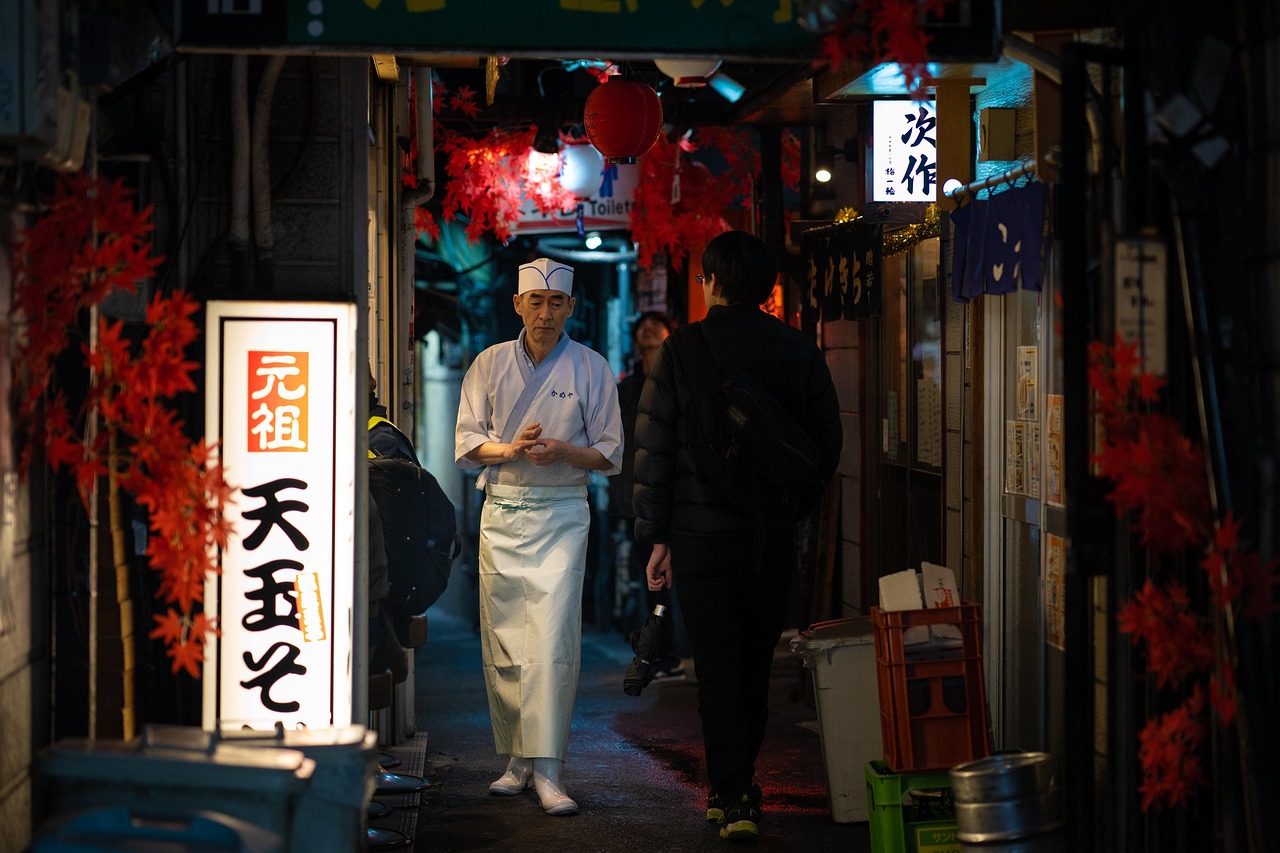
Shopping in Shinjuku and hotels in Shinjuku for a crafted stay
If you’re planning shopping in shinjuku, and weighing hotels in shinjuku as a hotel in tokyo decision, start by designing a loop that’s easy on your feet. This part of the city is built for browsing: department stores, underground corridors, and stylish streets that can carry you for hours—especially if your hotel is within walking distance of Shinjuku Station.
High-end travellers often find that shopping feels more seamless when you anchor it to one or two landmarks. Takashimaya is a classic for fashion and polished gifts, while Keio is a reliable stop for everything from travel essentials to Japanese snacks. Between them, you can create a relaxed circuit rather than zig-zagging across crowds.
Shopping in Shinjuku and places to eat in Omoide Yokocho
For something more intimate, step into Omoide Yokocho. The plan is simple: go early morning to see the lanes before the crowds, then return later to sample the places to eat when the lanterns come on. It’s a reminder to eat in Shinjuku with curiosity, not as a checklist—one skewer, one conversation, one small discovery at a time.
This area around Shinjuku Station can shift dramatically by hour. In the morning, it feels almost nostalgic; by evening, it becomes a lively corridor of restaurants and bars. If your hotel is nearby, you can dip in and out with ease, keeping the experience comfortable and unhurried.
Hotels in Shinjuku and luxury hotels versus budget hotels
Choosing a hotel shapes everything: your mornings, your return route at night, and how confident you feel navigating crowds. Luxury hotels in the area offer calm lobbies, excellent soundproofing, and thoughtful concierge support—ideal if you want the city’s energy outside and a quieter world within. Park Hyatt Tokyo is often used as a reference point for refined service and skyline romance, though many newer options also deliver exceptional design and comfort.
If you’re travelling more spontaneously, business hotels can be brilliantly efficient, while budget hotels often trade space for location. For adventurous sleepers, a capsule hotel can be a uniquely Japanese experience—surprisingly tidy, very local, and best enjoyed when you pack light and value novelty. Whatever you choose, aim for a hotel that suits your tempo, not just your map pin.
- Best seasons: spring (March to April) and autumn (October to November) bring the most beautiful colours.
- Entries and costs: plan for Shinjuku Gyoen costs around ¥500 and build museum tickets into your day.
- Etiquette basics: quiet conversation on the subway and simple polite greetings go a long way.
If you want to imagine your wider Japan travel in a more curated way, you can browse our Trip gallery for crafted itineraries that pair city intensity with restorative escapes. It’s often the small design choices—like the right hotel base—that make a Tokyo stay feel truly yours.
For clarity, here’s what “near Shinjuku” really means in day-to-day experience: within ten minutes on foot you’ll feel close, within fifteen you’ll start thinking about the weather, and beyond that you may prefer trains—especially if you’re returning late. Around Shinjuku, the right location is a kind of quiet luxury.
Shinjuku City Japan reflection travel guide close
This Shinjuku City Japan reflection is a travel guide close in spirit, not a checklist—because what stays with you isn’t a list of stops, but the way the place reshapes your sense of pace. You remember the garden hush as much as the neon rush, and you realise both can belong to the same evening, held together by the city’s strange, elegant logic.
There’s a particular confidence that arrives after you’ve navigated Shinjuku Station’s complexity and found your own rhythm. The district stops being “busy” in the abstract and becomes personal: a familiar corner outside your hotel, a favourite crossing, a small café where the staff recognise you with quiet warmth. Shinjuku is a major intersection of lives, yet it still allows for private moments.
Later, the memory that lingers may not even be a headline sight. It could be the hush of footsteps on a shaded path, or the comfort of returning to a hotel room where the city sound softens to a distant hum. It could be the way a stranger offered help without making it a story, or how you learned—almost without trying—to move a little more gently in shared spaces.
And then there’s the light: that last glow on glass and concrete, a single line of colour sliding across the skyline, and the idea of Fuji somewhere beyond the far edges of the map. You leave with the sense that Japan will always have another layer to uncover, waiting patiently for the next time you choose to look.
F.A.Qs: Shinjuku City Japan travel guide
What is Shinjuku famous for?
Shinjuku is famous for its sheer energy and variety: Shinjuku Station as one of the world’s busiest hubs, major shopping and department store complexes, and contrasting scenes like Shinjuku Gyoen’s calm and Kabukicho’s neon streets. It’s also known for skyline viewpoints in West Shinjuku and a nightlife culture that ranges from tiny bars to big entertainment venues.
What was the Shinjuku incident about?
The “Shinjuku incident” usually refers to events from different periods that occurred in the district, including protests and clashes linked to political and social tensions in post-war Japan. When researching, it helps to check the date and context because the phrase can be used for more than one event, reflecting Shinjuku’s long role as a public stage in modern Tokyo history.
How far is Shinjuku from Tokyo?
Shinjuku is part of Tokyo itself, located on the west side of the city’s central area in Tokyo prefecture. From Tokyo Station, the journey is typically a straightforward train ride, often around 15–25 minutes depending on the line and transfers. Travel time can vary at peak hours, but connections are frequent and well signposted.
Is Shinjuku a red district?
Parts of Shinjuku are associated with adult nightlife, especially Kabukicho, which is widely known as an entertainment and red-light area. However, Shinjuku is far broader than that: it includes business towers, parks, shopping, cultural venues, and many family-friendly spaces. With basic awareness and by avoiding unlicensed establishments, most travellers experience it confidently and safely.