Post Contents
- Da Nang Vietnam Travel Guide 2025 Is Da Nang Worth Visiting for Culture, Beach and City Life
- Top Things to Do in Da Nang Han River Dragon Bridge Nightlife and Riverside Calm
- Marble Mountain Da Nang Caves Pagoda Views of Da Nang at Sunrise
- Cham Museum Da Nang Museum of Cham Sculptures Vietnam Culture and Heritage
- Son Tra Peninsula Da Nang Motorbike Linh Ung Pagoda Lady Buddha and Coastal Views
- What Stayed With Me After Da Nang Vietnam Personal Reflections Cultural Adventure
- F.A.Qs: Da Nang Vietnam Travel Guide Questions
Da Nang Vietnam Travel Guide 2025 Is Da Nang Worth Visiting for Culture, Beach and City Life
Da Nang Vietnam Travel Guide 2025 Is Da Nang Worth Visiting with coastal city views
If you’re searching for a da nang vietnam travel guide 2025 da nang worth visiting, here’s the honest answer: yes—Da Nang is worth visiting, especially if you love culture but still want movement, open skies, and a little polished city energy. Nang is one of Vietnam’s coastal hubs where you can swim at sunrise, step into incense-scented sanctuaries by mid-morning, and end the day with river lights and iconic landmarks.
For a cultural enthusiast with an adventurous streak, Da Nang is a great fit because the experiences are close together and easy to stitch into a crafted, seamless itinerary. You can explore caves and pagodas, uncover ancient sculpture, then reset with sea air and a calm drink. It’s also reassuringly navigable—ideal when you want freedom, but still value support and trust in the logistics.
Best time to visit Da Nang Vietnam and what the seasons feel like
The best time to visit is February to May, when Da Nang tends to be warm and dry, with clear mornings that flatter viewpoints and make long walks feel comfortable. June to August is hotter and busier on the beach, especially around school holidays, and the humidity can rise quickly after midday.
If you’re planning a trip with a high-end pace—early starts, long lunches, and slower evenings—those shoulder-season months let you create days that feel full but never frantic. Pack sun protection, stay hydrated, and treat the midday heat as a reason to pause, not push.
Arrivals, onward travel and where to stay in Da Nang
Da Nang is accessible via Da Nang International Airport, with direct connections from major Asian cities; it’s also easy to arrive by bus from nearby Hue and Hoi An. Ho Chi Minh City is a common onward or return flight hub for cities in Vietnam, so it’s simple to build Da Nang into a broader route through central Vietnam.
Where you base yourself changes the whole feel of your days. If you want a gentle start, choose a place to stay near My Khe Beach for sunrise swims and a breezy promenade; if you’re drawn to riverside evenings, go central for walkable cafés and bridges. Some stretches can feel touristy, but step a street back from the main drag and the local rhythm returns quickly.
To keep it confident and clear, here’s a simple first-time outline you can design around:
- Day 1: Settle in, stroll the Han River at dusk, then watch the famous Dragon Bridge on the weekend.
- Day 2: Marble Mountain at sunrise, then an easy afternoon by the beach or at your beach resort.
- Day 3: Cham Museum in the morning, then Son Tra Peninsula for coastal roads and viewpoints.
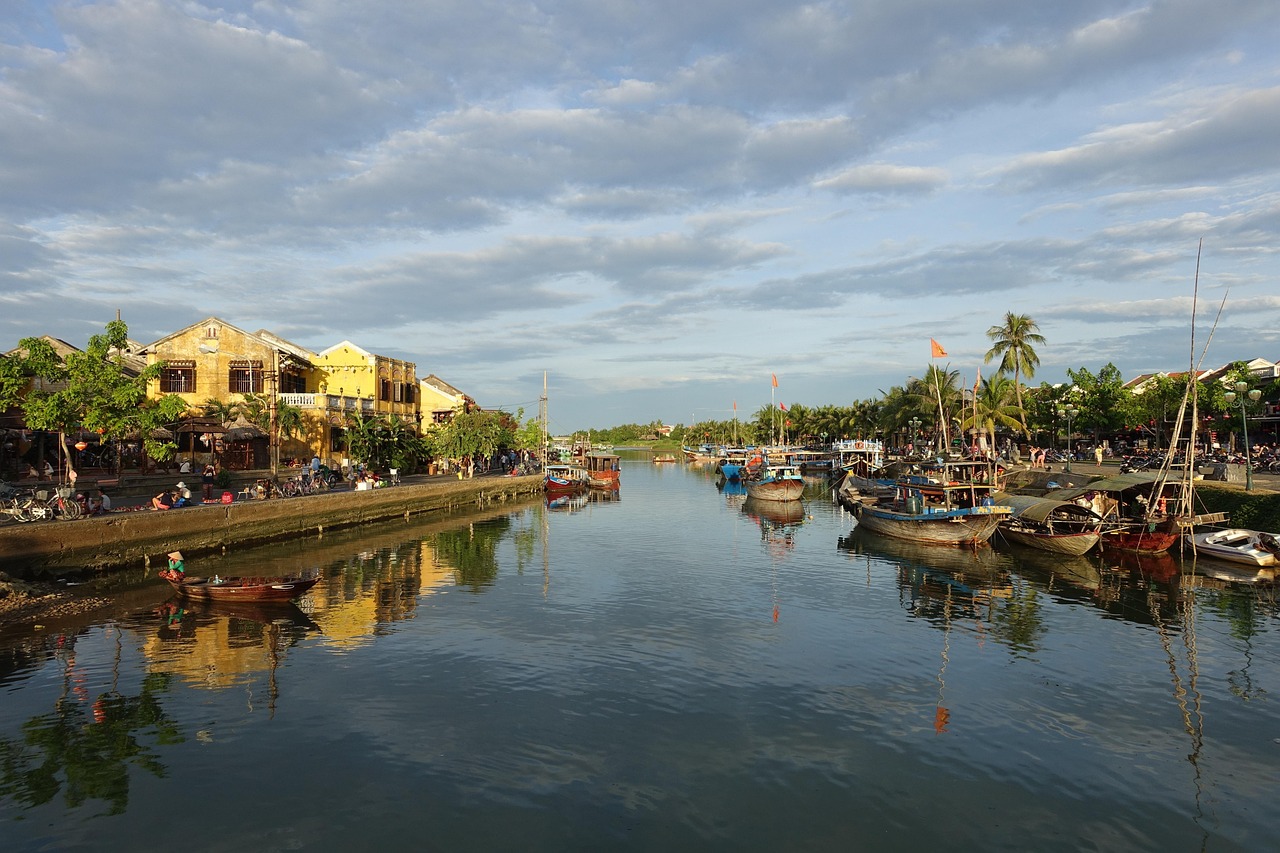
And if you want one beautiful extension around Da Nang, take a day for the da nang to hoi An route—Hoi An is a UNESCO World Heritage Site with an atmospheric ancient town that pairs perfectly with Da Nang’s modern sparkle. When you’re ready for more visual inspiration, browse our Trip gallery for designer-led ideas you can adapt together.


Top Things to Do in Da Nang Han River Dragon Bridge Nightlife and Riverside Calm
Top Things to Do in Da Nang Along the Han River with evening reflections
For anyone searching top things to do in da nang han river dragon bridge nightlife, begin at dusk: walk along the water, pause at a riverside cafe, and let Da Nang introduce itself slowly. The Han River is the city’s soft edge—warm lights, couples strolling, and a reassuring sense that you can dip into the buzz or step back whenever you like.
There’s a particular kind of luxury in unhurried evenings: a well-chosen drink, a good camera, and time to notice details. Da Nang’s bridges aren’t just infrastructure; they’re the city’s personality made visible, a landmark you can orient yourself around as the sky darkens.
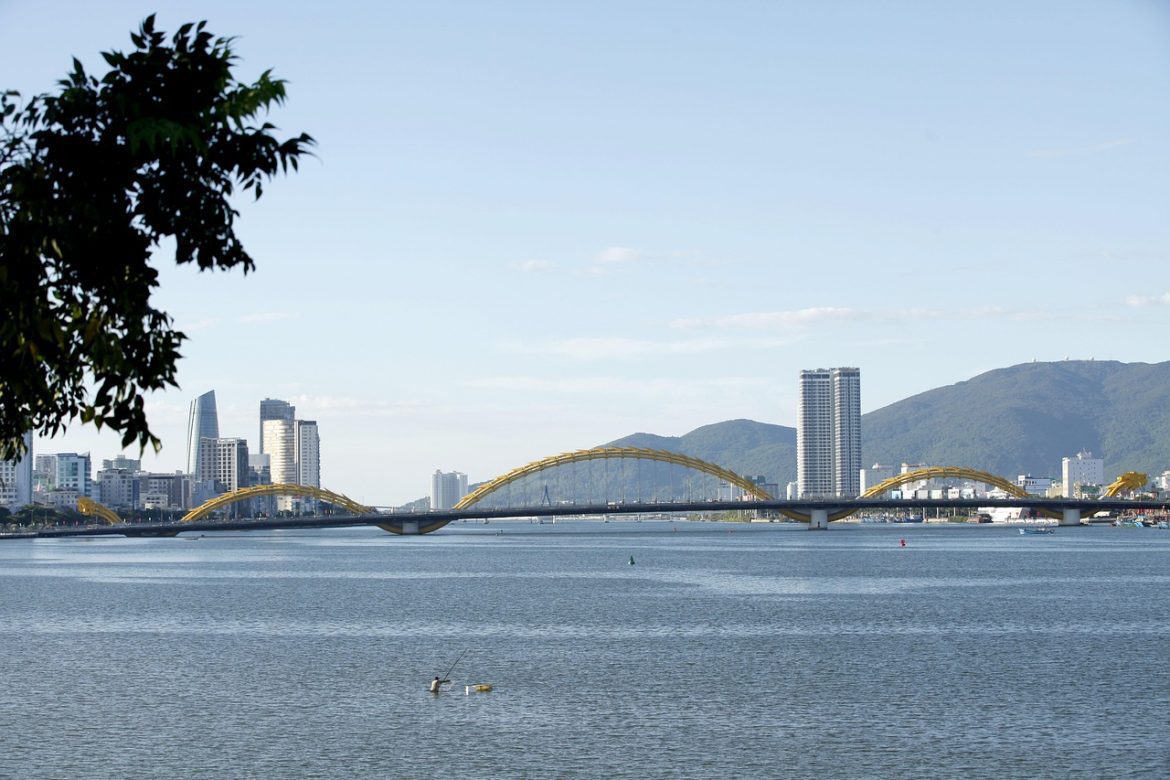
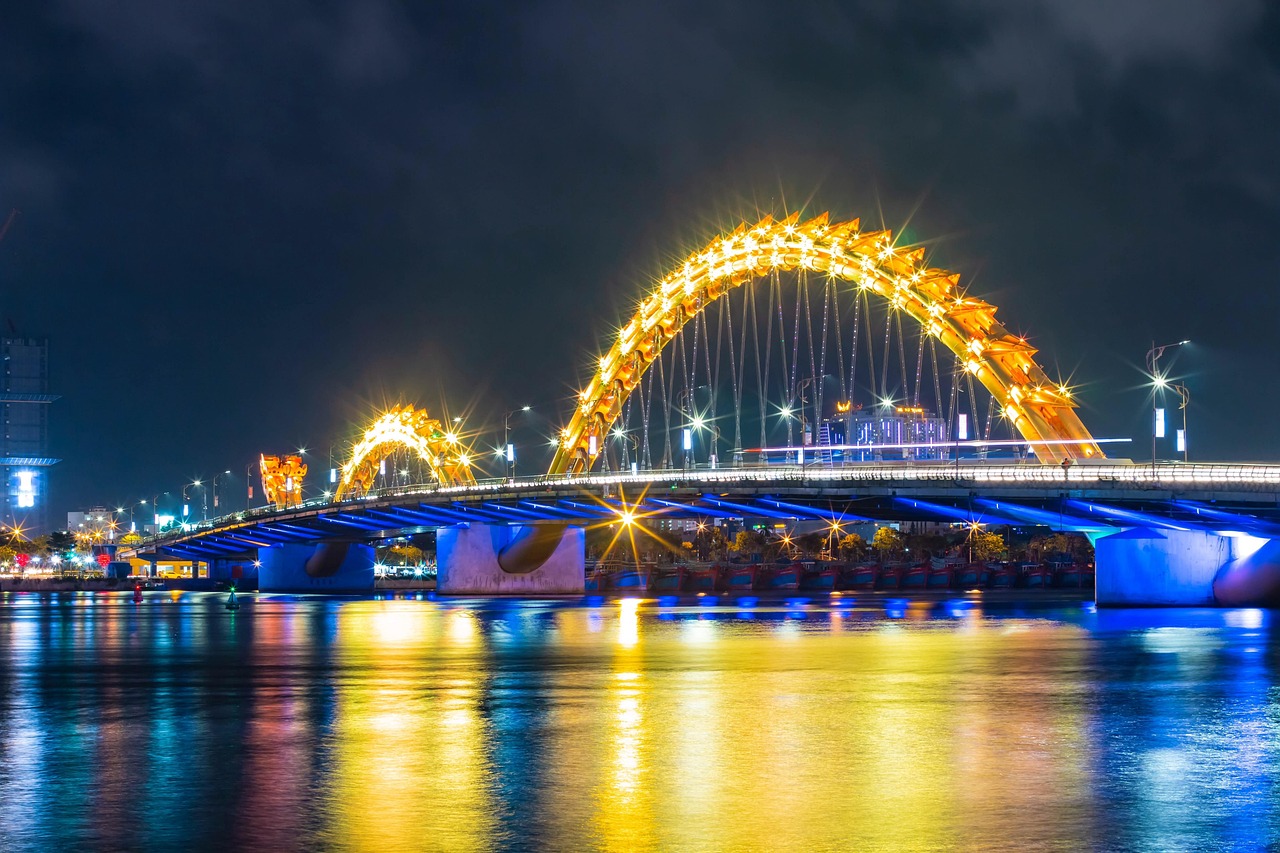
The famous dragon bridge is the headline act. On weekend evenings, the dragon bridge show draws locals and travellers together—children on shoulders, friends sharing snacks, and cameras angled towards the water. At the key moment it breathes fire and then sprays water, and the cheer that rises feels less like a performance and more like belonging.
An adventurer once told me the highlight wasn’t the flames at all—it was standing shoulder-to-shoulder with residents who welcomed them warmly, explaining the bridge’s symbolic meaning as a sign of Da Nang’s confidence. Hearing those personal stories turns a quick photo stop into insight you carry with you, long after the smoke clears.
Practical viewing tips and a gentle note on nightlife
For the easiest view, choose the riverside promenade near the han river bridge approaches, and arrive early if you want space and a clean line for photos. A taxi works well if you’re dressed for dinner, but it’s equally seamless to book a Grab and let someone else do the navigating while you enjoy the evening air.
Da Nang’s nightlife can be as calm as you want it to be—think rooftop lounges, jazz-leaning bars, and unshowy spots where the conversation matters more than the volume. If you’re solo, keep your plans comfortable: choose well-lit streets, share your ride details, and trust your pace.
If you want the phrase you came for in one place, here are things to do in da at night: a Han River walk, the bridge show, street snacks, and night photos with the city’s glow behind you.
Marble Mountain Da Nang Caves Pagoda Views of Da Nang at Sunrise
Explore Marble Mountain Caves and Pagodas at Sunrise above Da Nang
If your notes say marble mountain da nang caves pagoda views of da nang, you’re on the right track—this is one of Da Nang’s most mood-shifting experiences. A traveller once described hiking up Marble Mountains at sunrise and feeling a profound connection to Vietnam’s spirituality, simply from the quiet rhythm of footsteps, bells, and breath between ancient walls.
Arrive early and you’ll understand why it’s so cherished. The light is softer, the stone is cooler, and the day hasn’t yet become loud. It’s an attraction that rewards your effort with stillness first, and spectacle second.
What to expect inside Marble Mountain in Da Nang
Marble Mountain is a weave of stairways, cave routes, and temple pockets where devotees pause in genuine devotion. You’ll step from bright viewpoints to shadowed chambers, then emerge again into panoramic views of Da Nang—sea on one side, rooftops on the other, and the sense of being held between elements.
Move slowly and pace yourself as humidity rises. If you’re travelling in a high-end style, you can still keep it adventurous: hire a driver for the morning, then take your time on foot where it matters, returning to comfort once the sun intensifies.
Costs, etiquette, and comfort with confidence
Entry is about 40,000 VND, and it’s well worth it for the variety of spaces you can explore. Dress modestly when entering each temple area, and keep your voice low near worshippers; it’s a simple form of care that also deepens your experience.
For a safe, supportive climb, bring the right kit:
- Footwear: grippy soles for slippery stone and uneven steps.
- Water: small bottle you can refill later; sip often.
- Sun protection: hat and SPF for exposed stairways and viewpoints.
- Pauses: take breaks in shaded corners; there’s no prize for rushing.
For photos, the best frames often come after you’ve stopped trying to “collect” them. Look for shafts of light in caves, incense smoke lifting into open air, and quiet faces in prayer—moments that feel personal, not performative, and set the tone for the rest of your trip to Da Nang.
Cham Museum Da Nang Museum of Cham Sculptures Vietnam Culture and Heritage
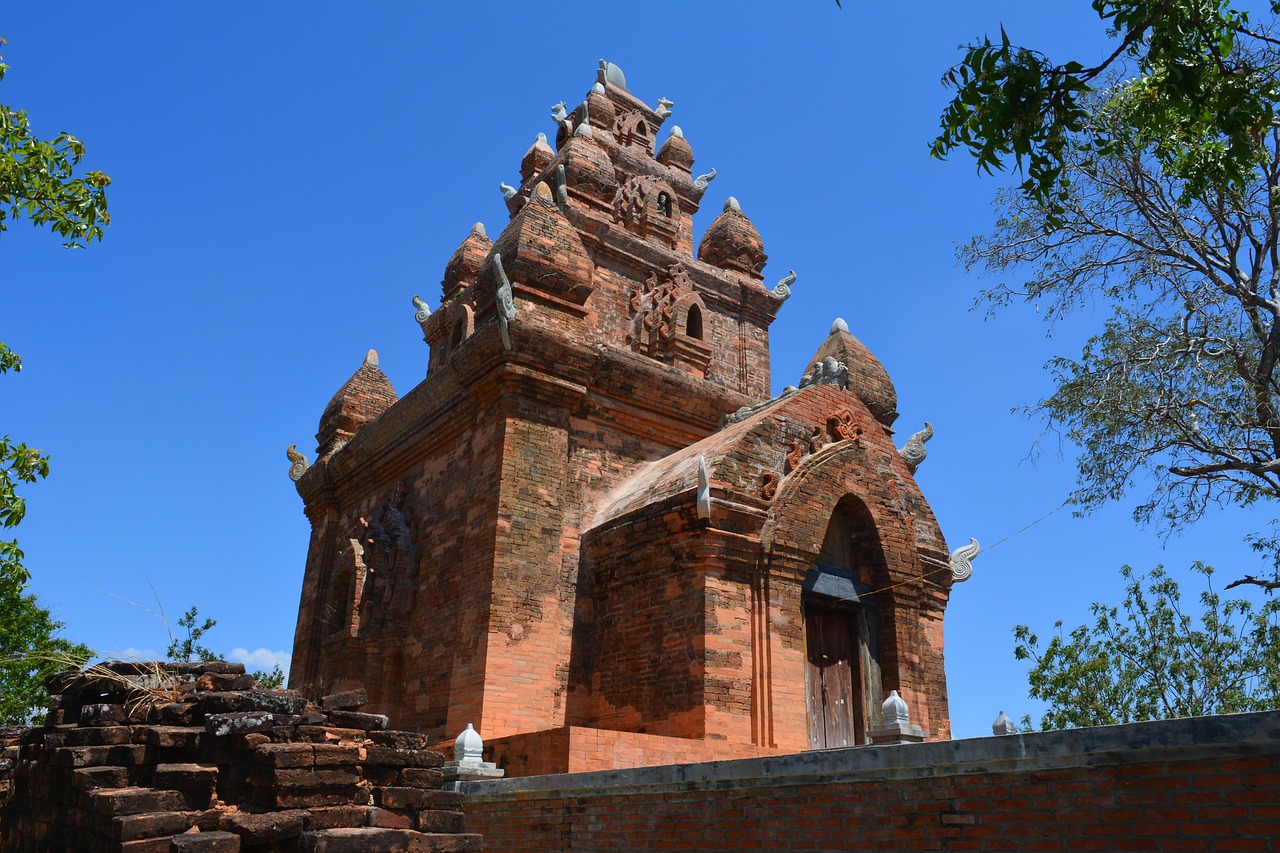
Uncover Cham Art at the Cham Museum in Da Nang with historic sculpture galleries
For travellers searching cham museum da nang museum of cham sculptures vietnam culture, this is the cultural centrepiece to prioritise. The Museum of Cham Sculpture (often shortened to the Cham Museum) helps you uncover the story of the Cham civilisation through intricate carvings, sacred symbolism, and craftsmanship that feels both precise and alive.
A cultural enthusiast once told me they walked in expecting “a quick museum hour” and left awed—stopped in their tracks by the detail in stone and the depth of history behind it. It’s a quietly powerful reminder that Vietnam is layered, and that beauty here is often made from time itself.
Tickets, timing, and how to move through the galleries
Tickets are around 40,000 VND, and an unrushed visit usually takes 60–90 minutes, depending on how much you linger. Start with a slow lap to find what pulls you in, then return to the pieces that keep calling you back; it’s a simple way to create your own narrative arc without rushing.
To make it feel seamless, go in the morning while your mind is fresh, then step outside and let the city return gradually. If you’re curious about living in Da Nang, this museum is also a clue: it shows how strongly the city values heritage even as it grows.
What to look for and why this collection matters
Look for recurring motifs—deities, guardians, and stylised movement in the figures that hints at ritual and dance. Notice how the same material can feel soft in one sculpture and commanding in the next; that range is part of why this collection is globally significant for Vietnamese heritage.
Afterwards, take a riverside pause so the insight can settle. Choose a calm spot with restaurants and cafes nearby, order something light, and let your next plan arrive naturally rather than forcing it.
Son Tra Peninsula Da Nang Motorbike Linh Ung Pagoda Lady Buddha and Coastal Views

Son Tra Peninsula Adventure Motorbike Loop and Lady Buddha above Da Nang
If you’ve bookmarked son tra peninsula da nang motorbike linh ung pagoda lady buddha, you’re thinking like an adventure seeker with taste. Son Tra is Da Nang’s wild edge—forest air, sudden viewpoints, and coastal roads that feel designed for freedom. Da Nang is famous for being easy, but Son Tra Peninsula proves it can also be thrilling.
One visitor recalled a motorbike loop here as the highlight of their time in Da Nang: rare langurs in the trees, then a stop where the ocean opened wide and quiet below. That mix—wildlife and wide horizons—lands deep, especially when you ride with care and keep your speed modest.
Getting around Da Nang for Son Tra and key stops
For getting around Da Nang on this day, you have two strong options: rent a motorbike if you’re experienced, or hire a driver for a more relaxed, high-end flow. Either way, wear a helmet and drive cautiously—roads can be slick after rain, and corners appear quickly under shade.
Build your route around a few meaningful stops rather than trying to “do everything”:
- Linh Ung Pagoda: a calm pause, with the Linh Ung Pagoda grounds offering space to breathe.
- Lady Buddha: the lady buddha statue stands watch over the bay—serene, immense, and unexpectedly comforting.
- Ban Co Peak: on clear days, Ban Co Peak delivers sweeping panoramas that feel almost unreal.
If rain rolls in, don’t fight it. Swap viewpoints for a slower lunch, then return later; Da Nang’s weather often passes in waves, and your best day comes from trust, not stubbornness.
Two optional thrills from Da Nang for dramatic scenery
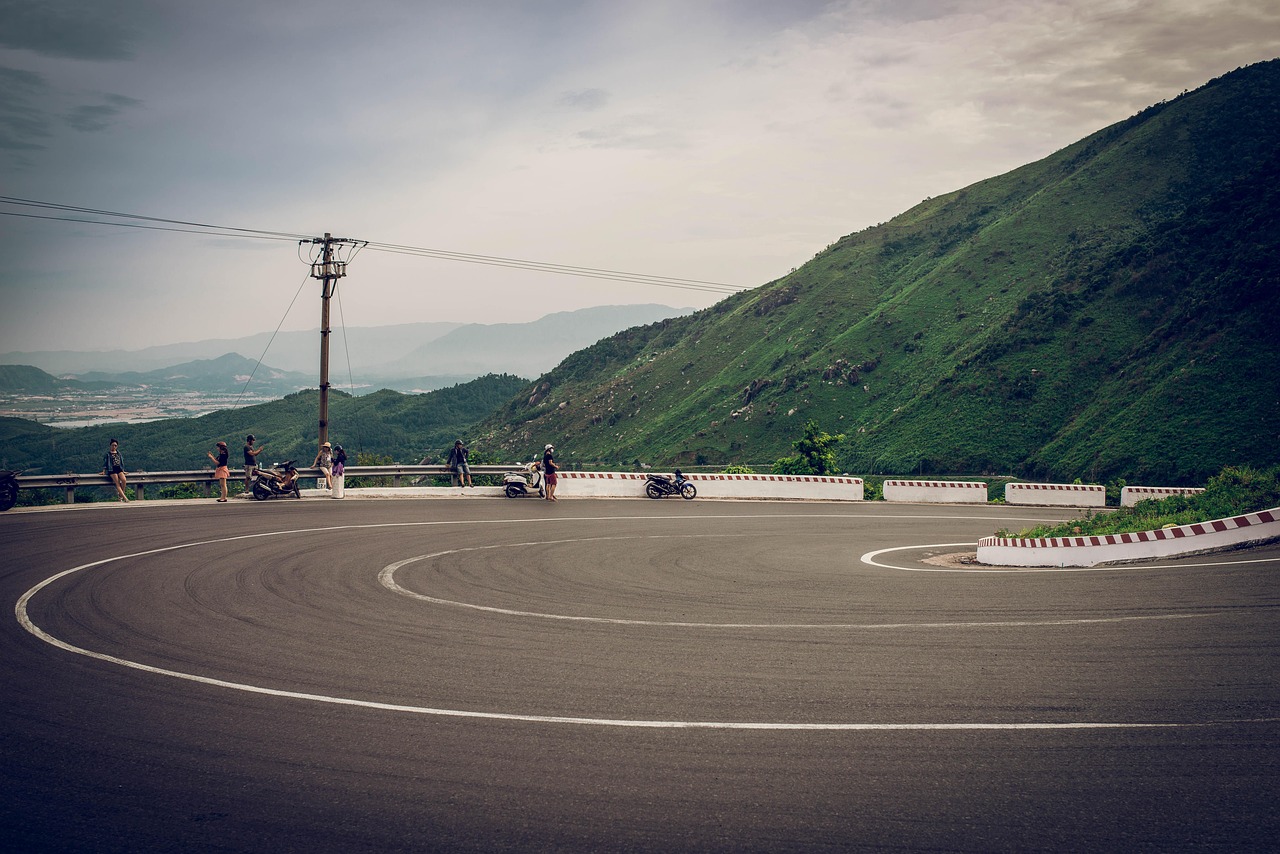
If you want to add one more surge of scenery, choose a trip from Da Nang over Hai Van Pass, where the road curves between mountain and sea like a ribbon. Alternatively, Ba Na Hills offers a cooler escape with a cable car ride that floats above the forest, and the Golden Bridge waiting at the top like a piece of modern myth.
Both are popular, so the luxury move is to go early and keep the day spacious. Ba Na Hills can be particularly smooth with a pre-arranged car and timed entry, turning crowds into background rather than a barrier.
What Stayed With Me After Da Nang Vietnam Personal Reflections Cultural Adventure
When I think back on da nang vietnam personal reflections cultural adventure, it isn’t the itinerary that returns first—it’s the texture. It’s the way Da Nang’s contrasts meet without clashing: river glow against night air, incense drifting from a shrine, and sea wind rinsing the day clean.
There’s a particular warmth in the small kindnesses here. A smile offered without expectation, a shared story on the promenade, a guiding hand from a vendor when you hesitate—these moments are quiet support, and they build confidence in unfamiliar places without demanding anything in return.
I remember the city as a series of gentle thresholds: stone steps that lead into stillness, museum rooms where time feels close, and coastal bends where the horizon seems to widen. Even the sounds stay with you—scooters softening into distance, laughter rising near the water, and the hush that falls inside sacred spaces.
Long after you leave, Da Nang’s stays with you less as a list and more as a feeling: that you can explore bravely while being held by comfort, care, and an expert sense of flow you’ve learned to create for yourself. And sometimes, on an ordinary evening elsewhere, you’ll catch the thought of lights on water—and wonder what else is waiting, quietly, just beyond the next bend.
F.A.Qs: Da Nang Vietnam Travel Guide Questions
What is Da Nang famous for?
Da Nang is famous for its riverside atmosphere along the Han River, the Dragon Bridge weekend show, and easy access to standout day trips. It’s also known for My Khe Beach, the Marble Mountains, and the Son Tra Peninsula, where wildlife and coastal viewpoints sit surprisingly close to the city. For many travellers, the appeal is how smoothly you can combine culture, sea air, and outdoor adventure in one place.
What to be careful of in Da Nang?
Be careful with road safety—traffic can feel fast, so if you hire a motorbike, wear a helmet and ride cautiously. In markets, keep cash secure and carry Vietnamese dong for small purchases. When visiting a pagoda or temple, dress modestly and move respectfully around worshippers. Lastly, mind the sun: hydrate often and use sun protection, especially from late morning onwards.
Is $1000 enough for 2 weeks in Vietnam?
$1000 can be enough for 2 weeks in Vietnam on a mid-range or budget style, especially if you use local transport and simpler hotels. For high-end travellers, it usually won’t cover premium stays, private drivers, and elevated dining. A smart approach is to prioritise what matters most—perhaps a few luxury nights in Da Nang and Hoi An—then balance with comfortable, well-reviewed choices elsewhere.
When should I avoid Da Nang?
If you dislike heat and crowds, you may want to avoid June to August, when the beach is busiest and afternoons can feel intense. You might also consider avoiding periods of heavier rain later in the year if your priority is long outdoor days and viewpoint visibility. For the most comfortable blend of clear skies and gentle pacing, February to May is often the sweet spot.