Post Contents
- Ha Long Bay Vietnam overview of a mythic seascape UNESCO World Heritage Site Vietnam
- Best time to visit Ha Long Bay Vietnam travel from Hanoi
- Cruise options that feel crafted not crowded for halong bay travel guide Vietnam
- Caves and islets to explore beyond the postcard Sung Sot Cave Thien Cung Cave Ha Long Bay Vietnam
- Kayaking Lan Ha Bay and Halong Ha Long Bay Vietnam hidden lagoons
- Cat Ba Island trekking Cat Ba National Park Ha Long Bay Vietnam
- Cua Van floating village local culture Ha Long Bay Vietnam
- Ha Long Bay Vietnam personal reflection seascape
- F.A.Qs: Ha Long Bay Vietnam travel guide
Ha Long Bay Vietnam overview of a mythic seascape UNESCO World Heritage Site Vietnam
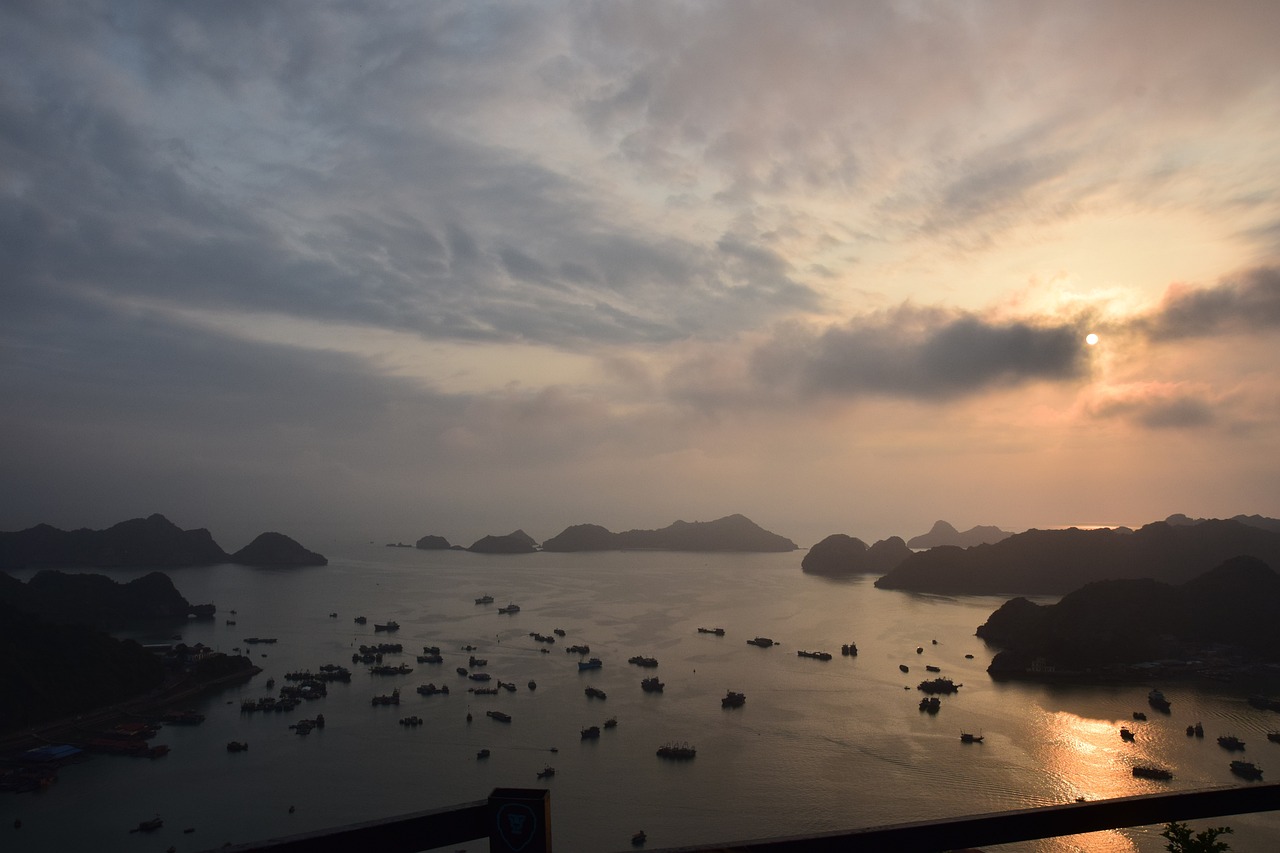
Ha Long Bay Vietnam overview of a mythic seascape with limestone karsts at sunrise
An overview of Halong Bay seascape UNESCO World Heritage Site Vietnam is best understood as both geography and feeling: a protected bay in Quang Ninh Province, set in the Gulf of Tonkin, where horizons turn theatrical without ever feeling staged. Ha Long Bay is one of Vietnam’s true bucket list places, yet it rewards travellers who arrive with curiosity rather than hurry.
From the deck of a small boat tour, you’re surrounded by limestone islands that seem to rise mid-thought from the water—an arrangement so improbable it reads like a myth. This world heritage site isn’t simply “pretty”; it’s a place where the landscape sets the pace, inviting you to slow down and notice.
Geological formation behind the karst landscape
The bay’s famous karst landscape is the outcome of an immense geological story: water, time, and limestone shaped into thousands of rugged islands. Seen up close, the rugged islands and islets have sharp edges softened by mist and distance, as if nature designed them to be discovered in layers.
In the quietest moments, the bay becomes almost serene—light rippling across emerald channels, birds cutting the air above hidden coves. Take a breath here: this is the “overview of halong bay” that matters most, because it’s felt in your body, not just captured on a phone.
Vietnamese legend and temple culture to read the bay
Vietnamese stories often explain what maps cannot. Legends speak of dragons shaping the coastline, and whether you take them literally or poetically, the myth helps you read the bay with deeper insight: islands become punctuation marks in a long cultural sentence.
If your itinerary includes time onshore, look for small temples near the bay’s gateways. Even a brief visit adds context to Vietnam tourism in this region—how people have long navigated water, weather, and spirit together, with care.
To explore confidently while protecting natural beauty, start with small actions: refill a bottle, keep distance from wildlife, and follow marked routes in caves and lagoons. It’s a gentle kind of trust—between you, the crew, and the place itself—that keeps Ha Long Bay Vietnam luminous for those who come after.


Best time to visit Ha Long Bay Vietnam travel from Hanoi
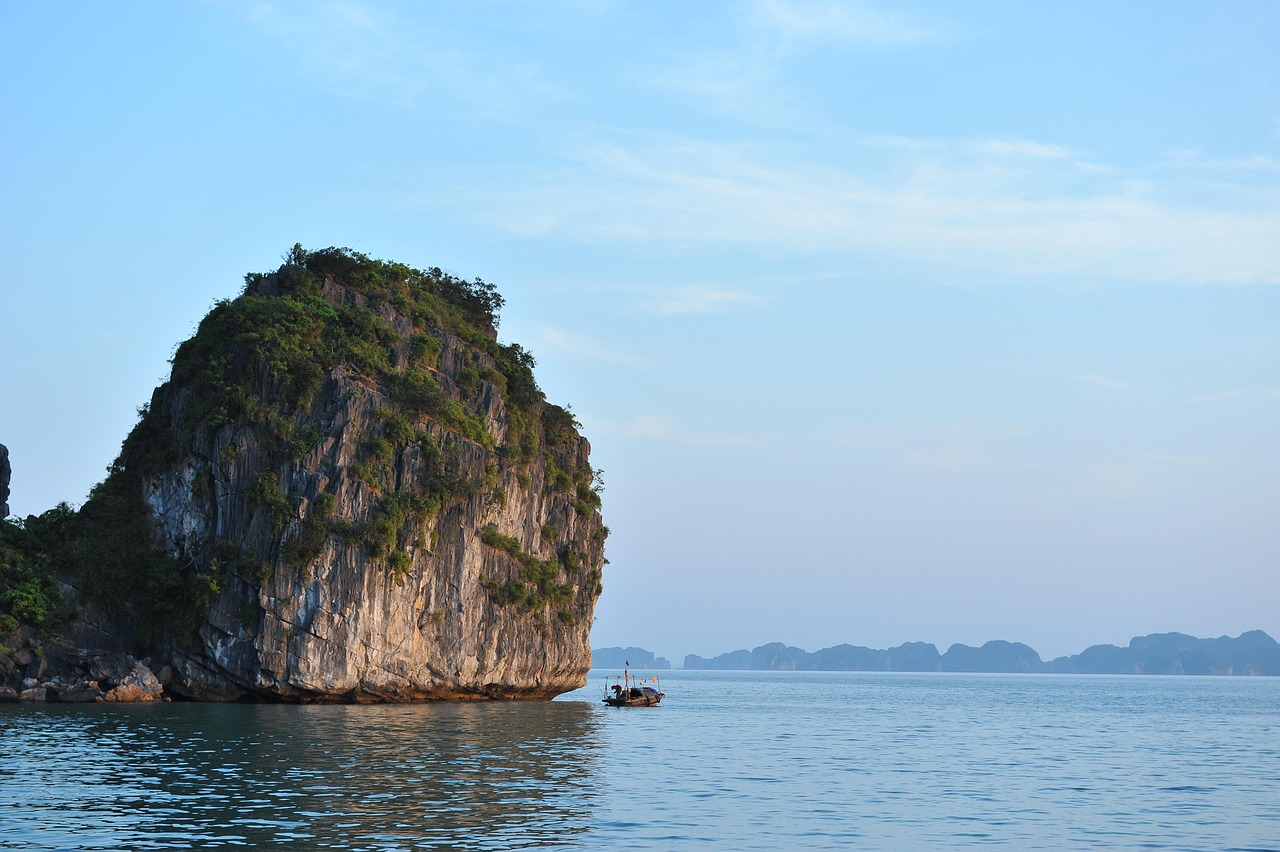
Best time to visit and travel from Hanoi to Ha Long Bay Vietnam by private boat and cruise pier
Best time to visit Ha Long Bay Vietnam travel from Hanoi planning is where a trip shifts from stressful to seamless. The best time to go is typically October to December or March to May, when temperatures are mild and skies are clearer, making the bay feel open and welcoming.
Vietnam’s tropical monsoon climate shapes everything on the water. There’s always a chance of rain, but the monsoon risk is most disruptive in late summer; many travellers also enjoy September to November for warm days that still feel manageable if you choose an uncrowded route.
Travel from Hanoi with confidence and realistic timing
Travel from Hanoi is straightforward: most journeys take around 2.5 to 3 hours by private car or organised shuttle buses. If you’re flying in, Noi Bai International Airport is your main entry point; from there, you can design a direct transfer that avoids backtracking through the city.
Some routes go via Hai Phong, which can be useful if you’re combining bay time with Cat Ba Island. For a higher-end arrival, a seaplane can turn the transfer into part of the experience—an aerial glimpse of the bay’s pattern before you meet it at water level.
Where you actually board a bay cruise
Most cruises board around Ha Long City or the Halong City waterfront areas, with common departure points at Tuan Chau and Bai Chay. It helps to know this before you book, because the “bay from Hanoi” timing depends on pier location and check-in windows rather than the distance alone.
Use this quick framework to decide what fits your travel style:
- Day trip: best if your Hanoi schedule is tight and you still want a powerful first impression of Ha Long Bay Vietnam.
- Day cruises: ideal for travellers who want a curated itinerary without packing an overnight bag.
- Overnight: worth it if you want dawn light, quieter water, and evenings that feel unhurried.
Whichever you choose, plan an early departure from Hanoi so your first moments on the bay are uncompressed. That little bit of preparation is what keeps the magic intact.
Cruise options that feel crafted not crowded for halong bay travel guide Vietnam
Cruise options that feel crafted not crowded on Ha Long Bay Vietnam
Ha Long Bay cruise options halong bay travel guide Vietnam research can feel overwhelming, because “best” depends on what you want to feel on the water. For Adventure Seekers, the most rewarding choice is often the one that balances active days with calm evenings—without the sense of being funnelled through the same stops as everyone else.
A classic Halong Bay route offers iconic scenery and social energy, while Bai Tu Long Bay tends to feel quieter and more spacious. For many travellers, the best Halong Bay experience is less about ticking landmarks and more about designing a route where the bay still feels personal.
What a well-crafted cruise itinerary looks like
A good cruise itinerary usually blends a cave visit, kayaking or a smaller boat transfer, a beach or viewpoint stop, and downtime on deck. The difference between “fine” and crafted is the rhythm: clear briefings, equipment that fits, and a schedule that leaves room to simply sit with the view.
If you like dependable comfort with a sociable vibe, a larger operator such as Ambassador Cruise can suit you—particularly if you appreciate polished service and organised activities. At the other end of the spectrum, boutique vessels (including heritage-style names like Au Co) often focus on atmosphere and fewer passengers, which can make the bay feel more intimate.
Trust and safety checklist for a seamless bay cruise
Choose an operator that earns trust through transparency. Entry fees to the bay and caves are often included, but always verify what’s covered so you’re not handling surprises at the pier.
- Safety briefings: clear instructions for tender boats, kayaking, and cave steps.
- Cabin standards: good ventilation, steady hot water where possible, and quiet at night.
- Sanitation realities: facilities vary; bring hand sanitiser and personal essentials.
- Crew support: guides who watch the water and your comfort, not just the clock.
One traveller told us that waking at dawn on a traditional wooden junk boat felt like returning to themselves: mist curling between karsts, tea warming their hands, and nothing to do but breathe. Later, a couple joined a sunrise Tai Chi session on deck—gentle movement, shared smiles, and the steady confidence that comes from being looked after well.
If you’d like to explore further across Vietnam, you can browse our Trip gallery to imagine how Ha Long Bay Vietnam might fit into a broader, high-end journey.
Caves and islets to explore beyond the postcard Sung Sot Cave Thien Cung Cave Ha Long Bay Vietnam
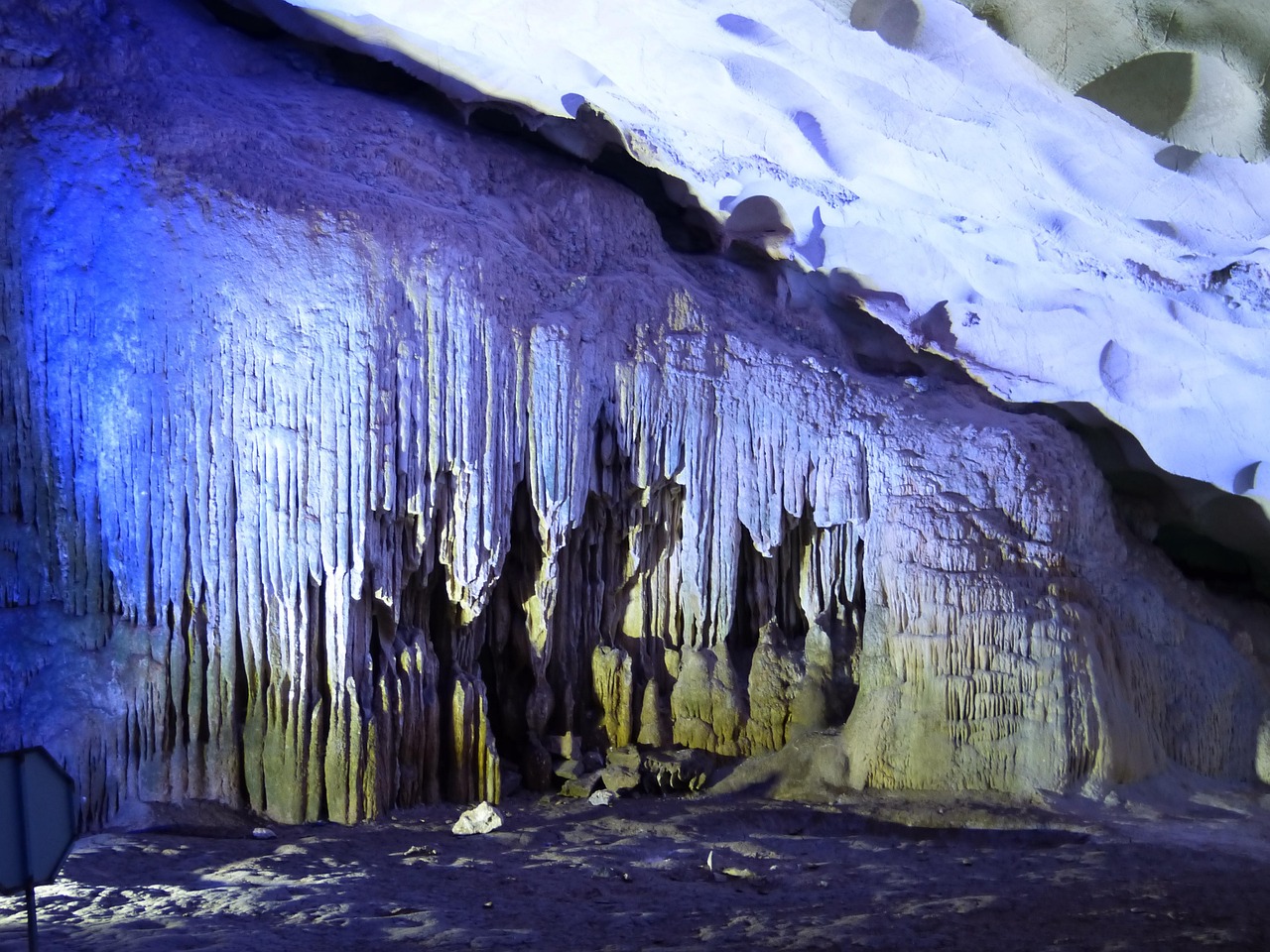
Caves and islets to explore beyond the postcard in Ha Long Bay Vietnam
Sung Sot Cave Thien Cung Cave Ha Long Bay Vietnam planning is where many travellers realise the bay is more than a surface spectacle. These caverns are cathedral-like, and stepping inside changes the scale of the landscape—from wide seascape to intimate stone architecture.
In Sung Sot Cave, pathways lead you through chambers where the air cools and the sound of footsteps becomes part of the experience. In Thien Cung Cave, formations feel almost theatrical, with stalactites and stalagmites creating a natural gallery that glistens under soft lighting.
Islands and islets for viewpoint pauses
To break up the cruise rhythm, pair a major cave with an open-air stop. Soi Sim Island is a popular choice for a viewpoint: a short climb, a wide inhale, and suddenly the bay feels like an unfolding map below you.
For a quieter counterpoint, ask your guide about a smaller islet stop where you can simply sit, listen to water against rock, and watch light move across the surface. If your route extends into Bai Tu Long Bay, Cong Do Island is a highlight that often feels calmer than the famous Halong Bay circuit.
Practical tips for caves and steps without strain
Caves are humid, steps can be slick, and the pace varies by group. A little preparation keeps it enjoyable even with moderate fitness:
- Wear trainers with grip; avoid smooth soles on wet stone.
- Carry water and take pauses—there’s no prize for rushing.
- Expect narrow passages and handrails; move one step at a time.
- If you’re sensitive to heat, choose earlier time slots when possible.
Done well, these cave visits don’t feel like crowded “must-dos”. They become a chance to uncover the bay’s inner textures—cool air, mineral scent, and the hush that makes you speak more softly without being asked.
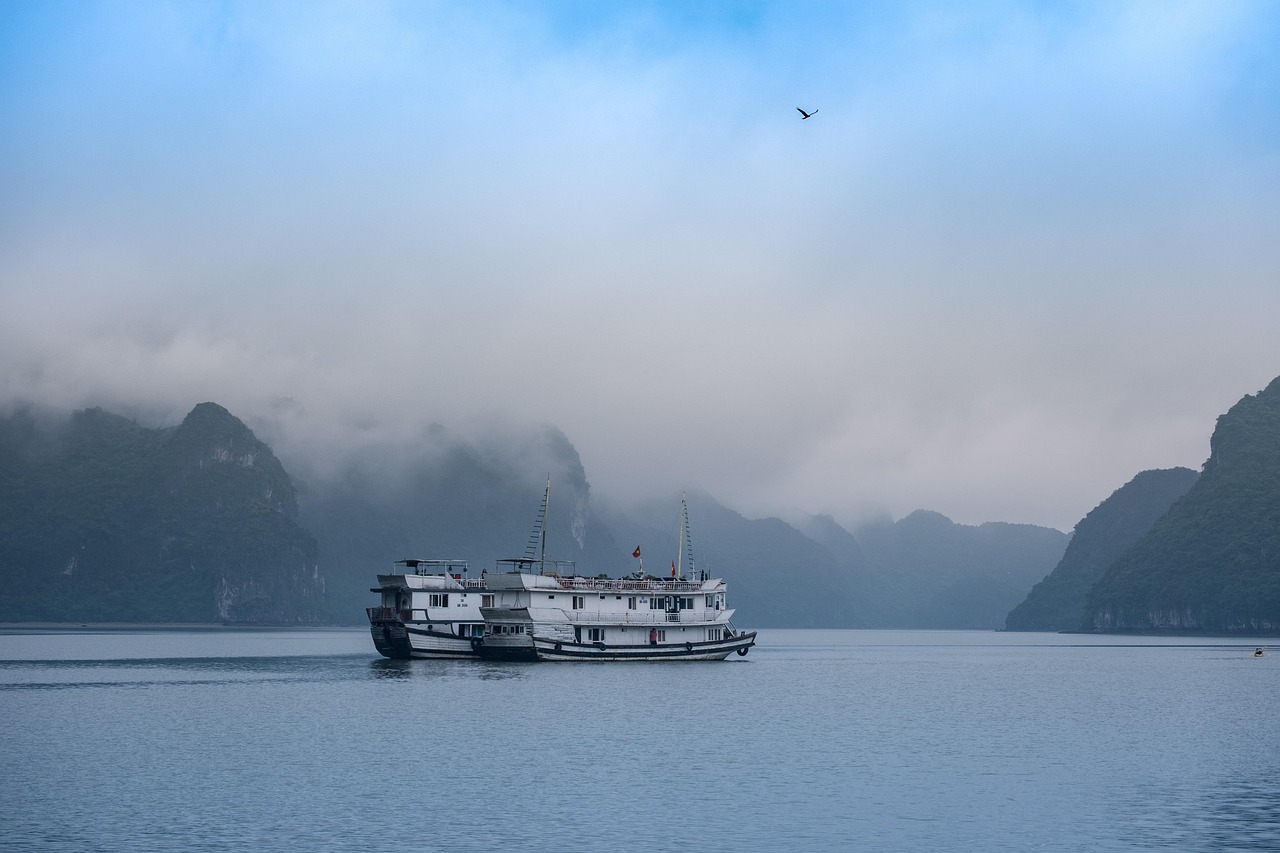
Kayaking in Lan Ha Bay and hidden lagoons near Ha Long Bay Vietnam
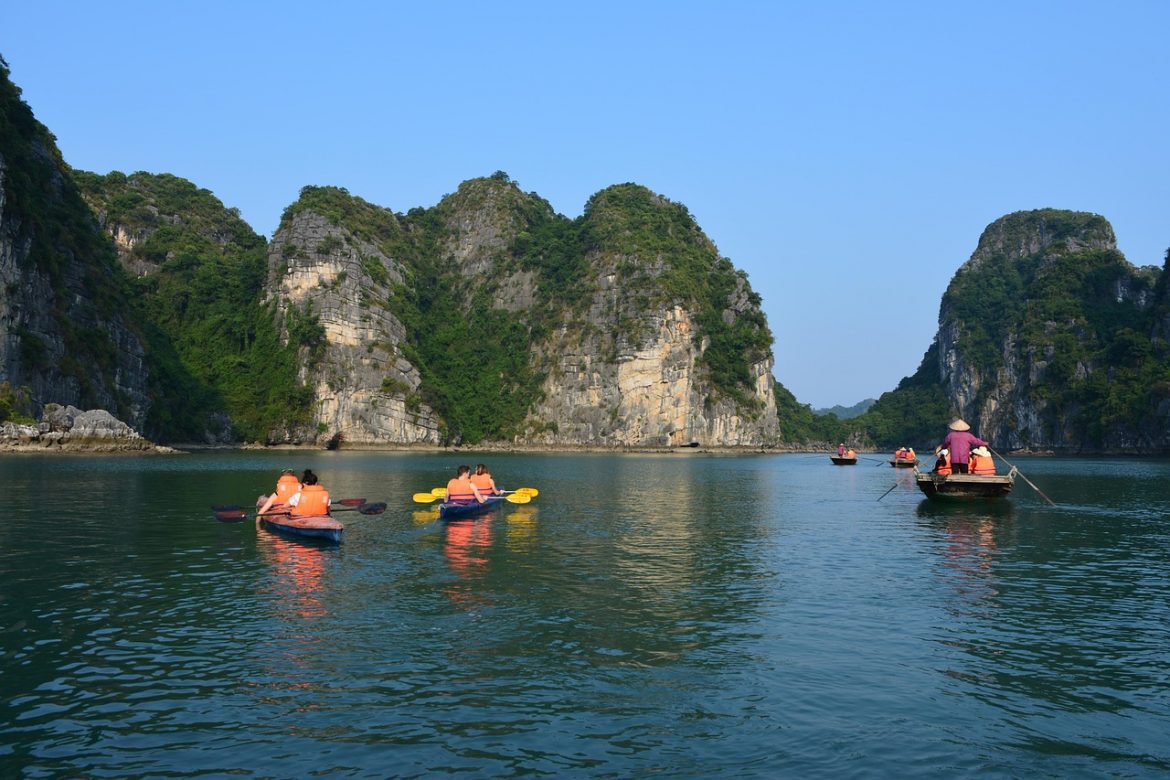
Kayaking Lan Ha Bay and Halong Ha Long Bay Vietnam is the closest you can get to the landscape without leaving a trace. On the right morning, the water can be calm water, and every paddle stroke feels like a private conversation with the bay—quiet, steady, and surprisingly grounding.
A solo adventurer once described slipping into hidden grottos where voices disappeared and the world narrowed to drip sounds and reflected light. Their awe wasn’t performative; it was simple, personal, and deeply reassuring—proof that adventure can be soft-edged, not only extreme.
Why Lan Ha Bay feels like a softer alternative
Lan Ha Bay sits close to Ha Long Bay Vietnam but often feels less busy, with greener edges and more sheltered corners. Many travellers pair bay and Lan Ha on a 2D1N itinerary, which lets you sample iconic karsts while still finding quieter lanes where you can explore at your own pace.
It’s also a smart design choice if you’re sensitive to crowds: lan ha and halong together can deliver variety without sacrificing comfort.
What to wear and how guides support you
Kayaking is usually moderate effort, but conditions change quickly. Guides provide support by checking wind, timing departures, and offering a tow if someone tires—ask for help early, not late, and you’ll feel the difference in confidence.
- Wear quick-dry clothing and water shoes or trainers you don’t mind wetting.
- Use a dry bag for phone, passport copy, and any medication.
- Bring hydration; sun on the bay can feel stronger than expected.
- Move slowly into caves or arches—let your eyes adjust to the shade.
When you return to the boat, there’s a particular satisfaction in knowing you created that experience under your own power, yet never outside the circle of expert care.
Cat Ba Island trekking Cat Ba National Park Ha Long Bay Vietnam
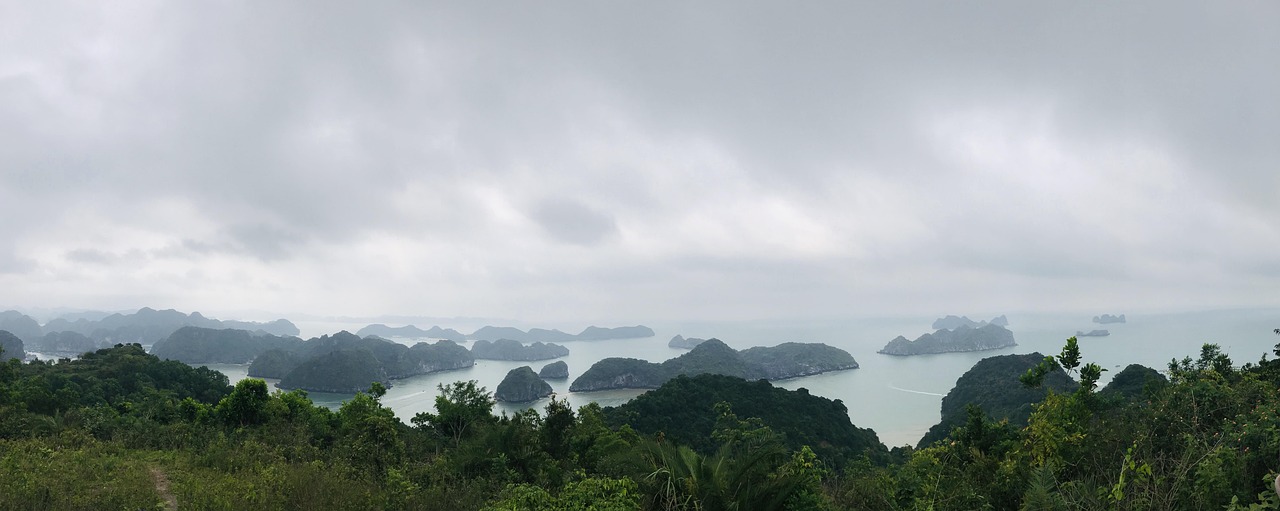
Cat Ba Island trekking and the wilder side of Ha Long Bay Vietnam
Cat Ba Island trekking Cat Ba National Park Ha Long Bay Vietnam is the add-on that changes a beautiful cruise into a fuller northern Vietnam story. Within the cat ba archipelago, Cat Ba offers height, forest, and a feeling of moving through ecosystems rather than simply viewing them.
If you’re the kind of traveller who wants to earn a panorama, this is where the bay becomes three-dimensional. From above, the water channels look like brushstrokes and the islands become a pattern you can finally read.
Trek options and shifting light from the viewpoints
In Cat Ba National Park, you’ll find routes that range from short, steep hikes to longer trails that feel properly immersive. Your guide can help you design a trek that fits your fitness and the day’s heat—early starts often bring cooler air and better visibility.
The reward is not only the view, but how the bay’s light changes as the day moves on. Even seasoned hikers find themselves pausing more than expected, simply to watch shadow lines slide across distant ridges.
Homestay warmth without romanticising hardship
One group we spoke with stayed with a local family on Cat Ba and described the evening as the heart of their trip to Halong Bay. There was laughter in the kitchen, shared gestures across language, and home-cooked Vietnamese dishes that tasted of herbs, broth, and generosity.
Comfort matters, especially for high-end travellers: choose a homestay experience arranged through reputable partners, with clear expectations around facilities. The point is connection and insight, not discomfort—together, you can create a memory that feels human and respectful.
Logistics that keep the day balanced: hike in the cooler hours, pack insect repellent and a light rain layer, and keep the afternoon for recovery. With the right pacing, your cruise still feels restorative rather than relentless.
Cua Van floating village local culture Ha Long Bay Vietnam
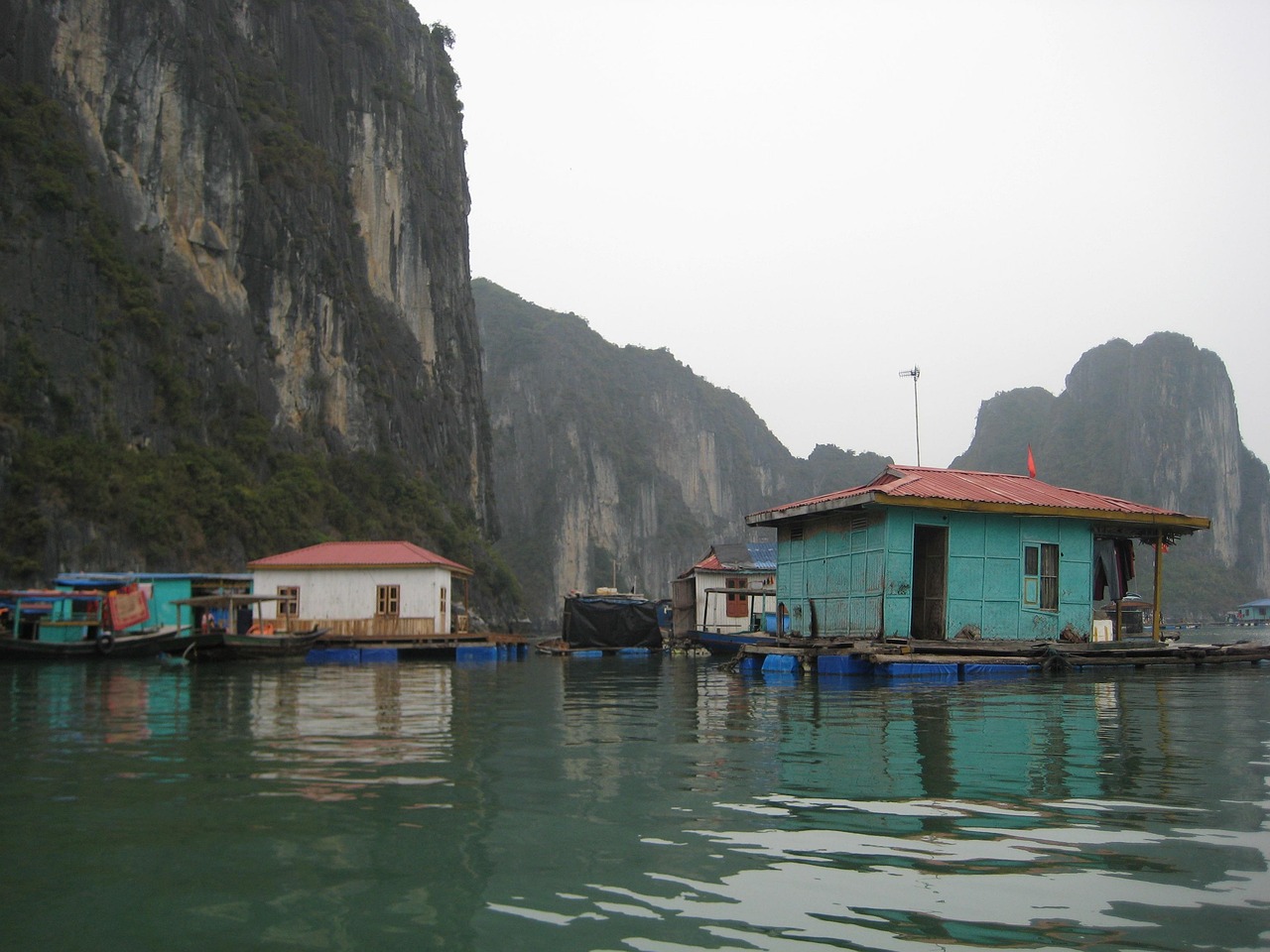
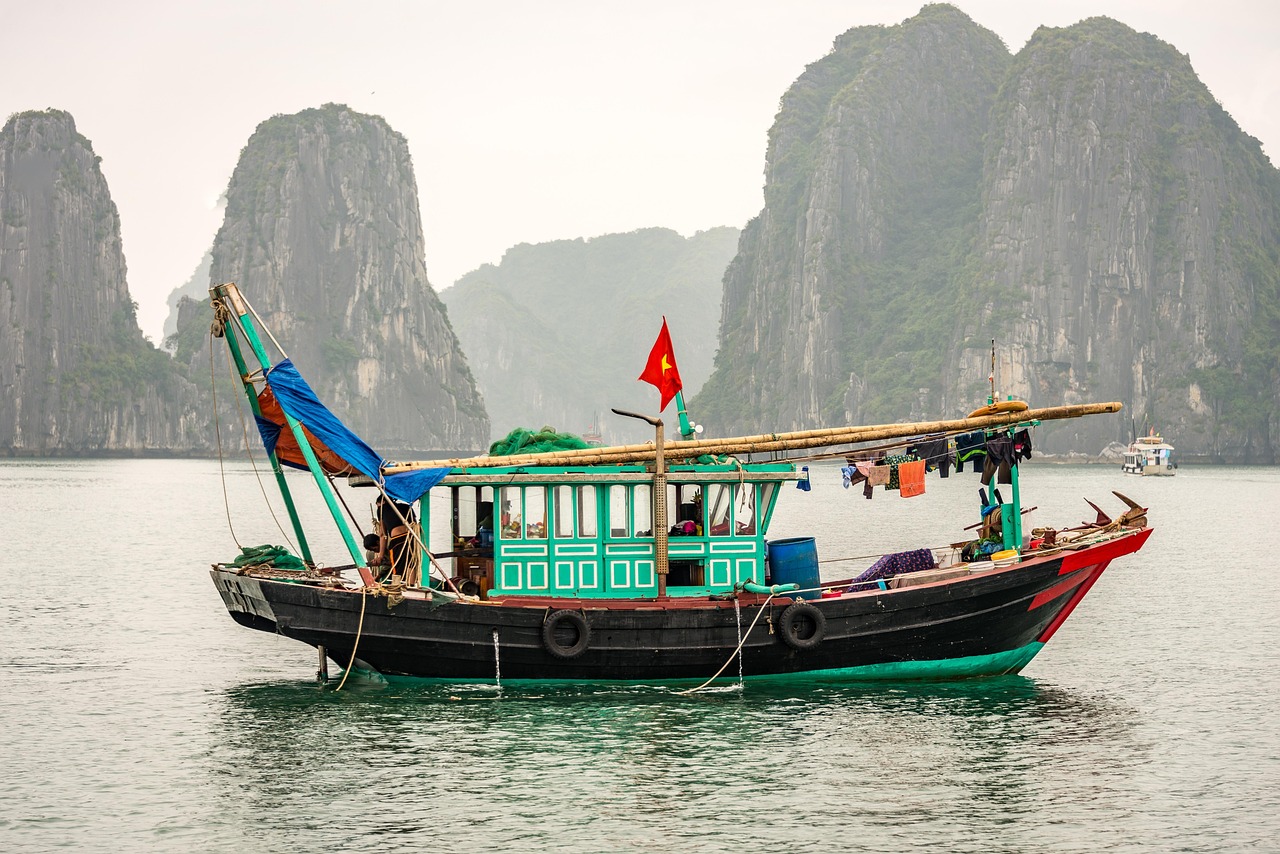
Floating village culture in Cua Van on Ha Long Bay Vietnam with boats at dusk
Cua Van floating village local culture Ha Long Bay Vietnam experiences can be genuinely moving when approached with quiet respect. A floating village is not a performance; it’s a working community, and the most meaningful visits are the ones that prioritise consent, space, and dignity.
Ask before photographing people, keep your voice low, and let your guide interpret context rather than assumptions. “Local” here means daily rhythms shaped by water: school runs by boat, fishing nets drying in the sun, and small exchanges that keep life afloat.
Some evenings, fishermen invite guests to join night squid fishing. The story travellers remember isn’t the catch; it’s the camaraderie—laughter under a dark sky, patient instructions, and a sense of trust that grows when you try something new with kind support.
It’s also an antidote to shallow tourism: you’re not consuming a culture, you’re meeting people, briefly, on their terms.
Local flavours and a simple environmental promise
Food on board is often straightforward and satisfying—seafood, vegetables, rice, and soups that taste especially good after salt air. For a small bridge between hanoi and halong travel days, look out for steamed rice rolls onshore: delicate, warm, and quietly addictive.
- Avoid single-use plastics and bring a refillable bottle.
- Dispose of waste properly, even small items like wrappers.
- Choose operators who support conservation and responsible practices.
When you travel with care, the bay gives back more than scenery. It offers the deeper reward of feeling connected—briefly, respectfully—to a way of life shaped by tides and resilience.
Ha Long Bay Vietnam personal reflection seascape
Ha Long Bay Vietnam personal reflection seascape moments don’t always announce themselves. Often, what stays is dawn: mist loosening its grip on the water, limestone silhouettes appearing one by one, and the small sound of a kettle somewhere on deck.
In that quiet, you may notice how movement can return you to stillness. The bay’s scale makes your own thoughts feel less crowded, and the rhythm of the water gives you permission to stop narrating everything.
The cultural thread lingers too—myth held lightly, local voices remembered accurately, and those modest moments of trust: a guide offering a steady hand on steps, a shared smile with a fisherman, a calm nod across a dining table when language runs out.
Later, back in Hanoi or on domestic flights onwards, you might find the bay’s influence in ordinary mornings. You open curtains, see a patch of sky, and remember how wonder doesn’t require drama—only attention. Somewhere ahead there will be another horizon, and it can arrive in its own time.
F.A.Qs: Ha Long Bay Vietnam travel guide
Is Halong Bay in Vietnam worth visiting?
Yes—Halong Bay in Vietnam is worth visiting for its limestone karsts, quiet lagoons, and cultural encounters that go beyond scenery. A well-chosen cruise can feel crafted rather than crowded, with caves, kayaking, and sunrise moments that are genuinely moving. If you travel with care—choosing reputable operators and respecting communities like floating villages—the experience often feels both adventurous and restorative.
What movie was shot in Halong Bay?
Several films have featured the bay’s seascape; one widely referenced example is Indochine (1992), which used Vietnam locations including Ha Long Bay. You may also see the bay mentioned in travel media because the landscape is so distinctive. On the water, it’s less about recognising a scene and more about the feeling of drifting between karsts at dawn.
Why is Halong Bay so famous?
Ha Long Bay is famous for its UNESCO World Heritage status and its dramatic formation of thousands of rugged islands rising from the Gulf of Tonkin. The combination of emerald water, caves, and ever-changing light creates a landscape that feels mythic and real at once. It’s also accessible from Hanoi, making it one of Vietnam’s most iconic natural journeys.
Is Halong Bay a day trip from Hanoi?
Yes, Ha Long Bay is a feasible day trip from Hanoi, with typical road transfers of about 2.5 to 3 hours each way depending on the pier and traffic. Day cruises can still include a cave visit and time on deck, but the day will be long. If you can, an overnight cruise adds early-morning calm and a more spacious pace.