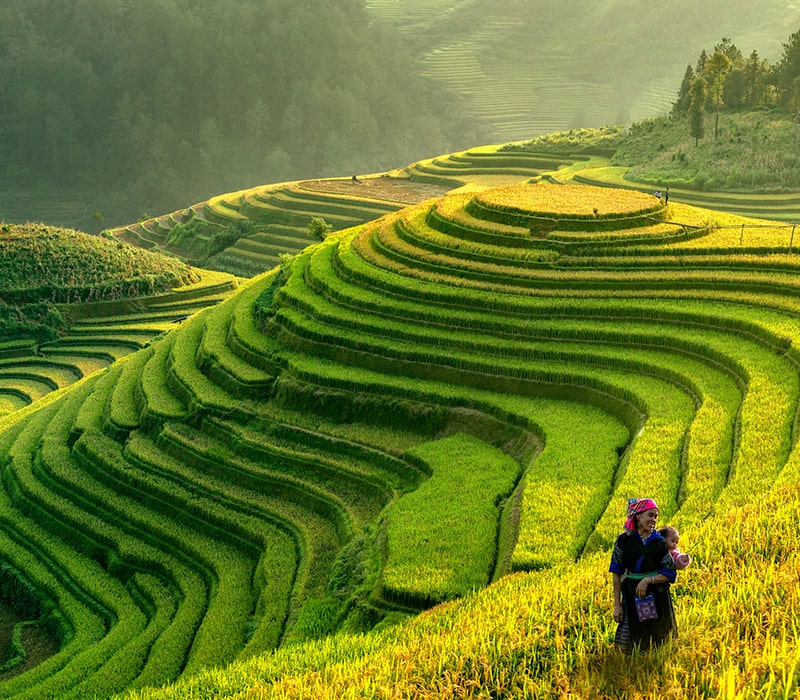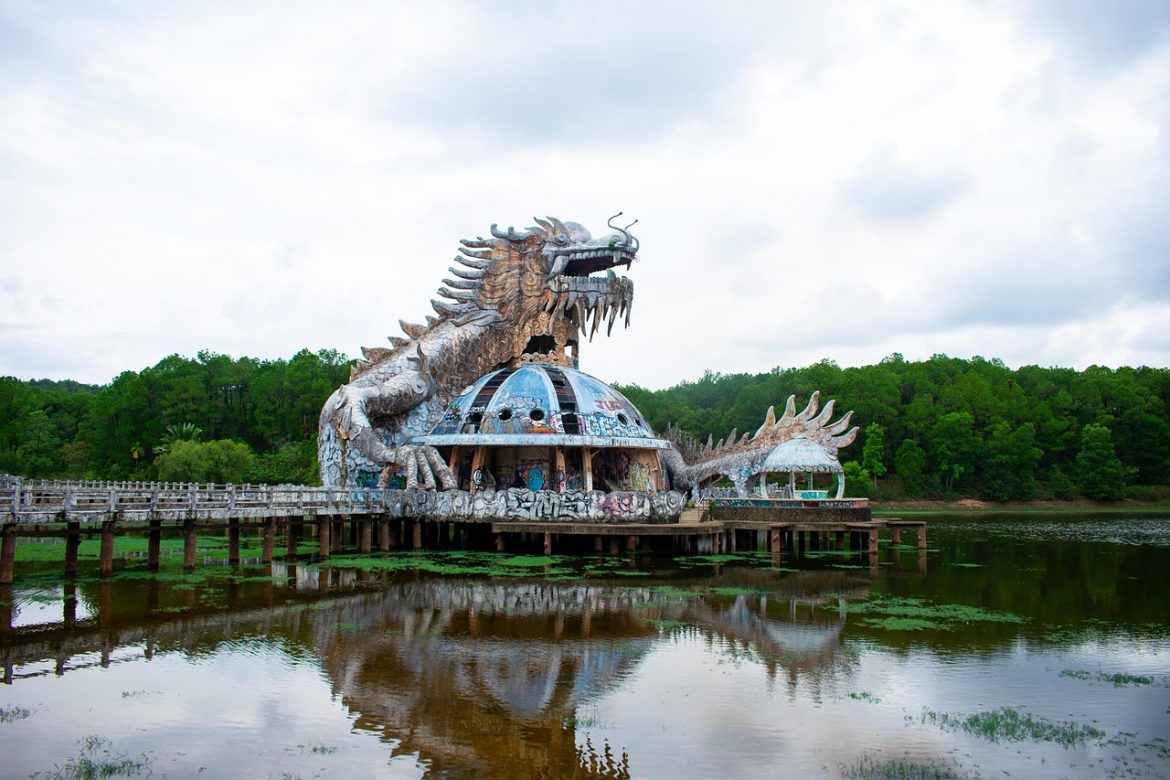
Post Contents
- Central Vietnam Travel Guide to the Heart of Vietnam
- Best Time to Visit Central Vietnam for Weather and Calm
- Central Vietnam Itinerary Design Da Nang Hoi An Hue
- Hoi An Ancient Town Luxury Evenings and Local Flavours
- Hue Imperial City Private History and Perfume River Romance
- After Central Vietnam What Stays With You
- F.A.Qs: Central Vietnam travel guide essentials
Central Vietnam Travel Guide to the Heart of Vietnam
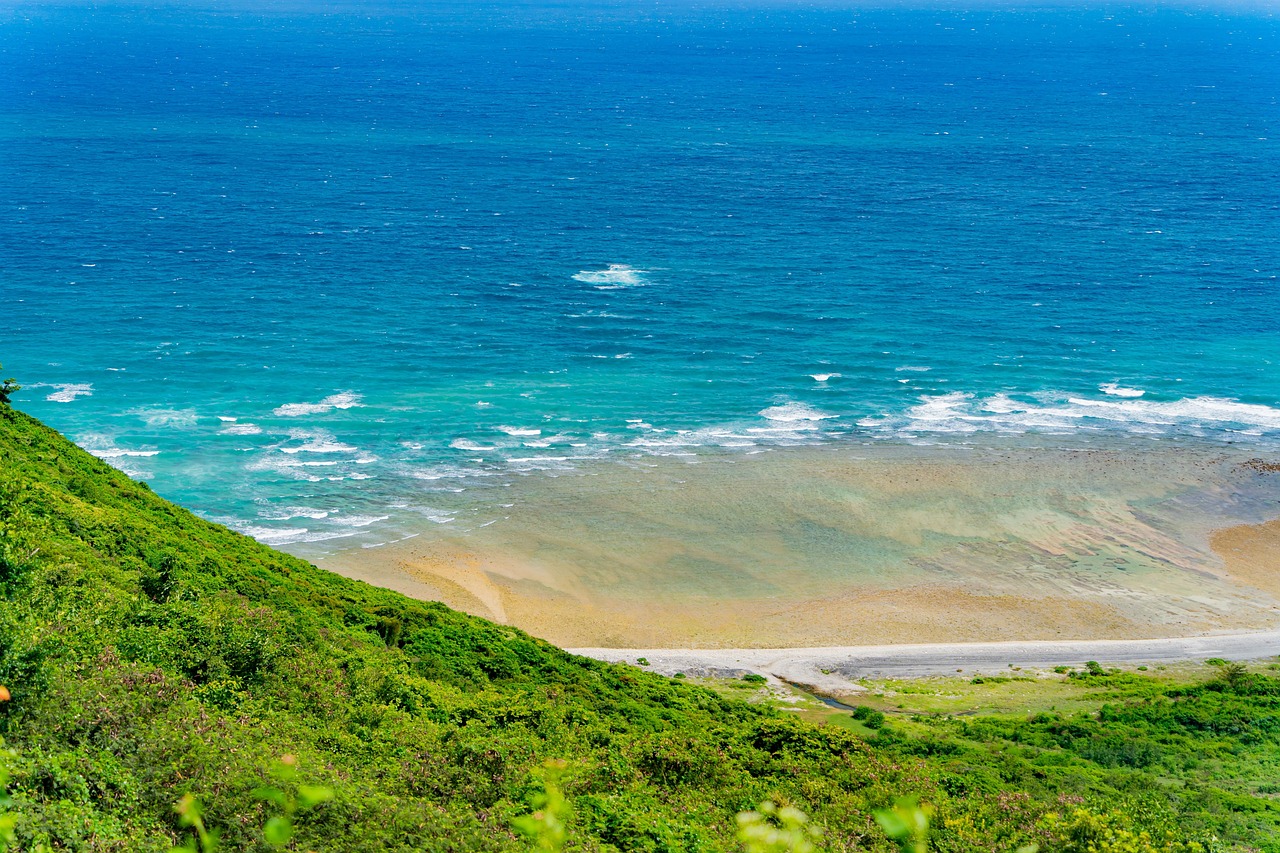
Central Vietnam Travel Guide to the Heart of Vietnam
This central Vietnam travel guide top destinations overview begins with a simple idea: the region of Vietnam between the north central coast and the south central coast is made for travellers who want heritage sites and coastal ease in the same journey. In central vietnam, mornings can be imperial and museum-quiet; afternoons can be salt-air and sun-warmed.
For high-end travellers, the most reassuring route connects the city of Da Nang, Hoi An, and Hue—the imperial capital—without feeling rushed. With thoughtful pacing, central vietnam becomes the heart of vietnam: graceful architecture, light-on-the-water evenings, and a gentle sense that someone is looking after the details.
Top destinations in central Vietnam for a designer-paced journey
Here are the top destinations we see working beautifully together, especially if you’re arriving after the energy of Hanoi or Ho Chi Minh City. The trio of da nang, Hoi An, and hue creates a polished arc—each distinct, each close enough for a seamless transfer.
- Da Nang: a modern base with curated dining, easy beachfront access, and quick links to nearby attractions.
- Hoi An: lantern-lit evenings, well-preserved shophouses, and a slower pace that feels immediately personal.
- Hue: layered history, the imperial city, and river moments that invite stillness.
If you’re designing a longer stay, add Phong Nha for a cave-and-jungle contrast, or consider the central highlands for cooler air and creative calm. These are destinations in central vietnam that reward travellers who like to explore beyond the obvious—without sacrificing comfort.
Central Vietnam is known for hospitality and well-preserved beauty
Central vietnam is known for its well-preserved streetscapes, sincere Vietnamese hospitality, and an unshowy elegance that sits between dynastic history and coastal living. Vietnam tourism often highlights the big-city bookends, but the central region is where many travellers feel most held by the country’s cadence—especially when your days are designed with space.
How to use this guide: imagine each day as a crafted sequence—one anchor experience, one unhurried meal, and one pocket of rest. Create room for discovery, and you’ll uncover the kind of insight that only arrives when you’re not chasing a checklist. This is travel with support, built on confidence, trust, and care.


Best Time to Visit Central Vietnam for Weather and Calm
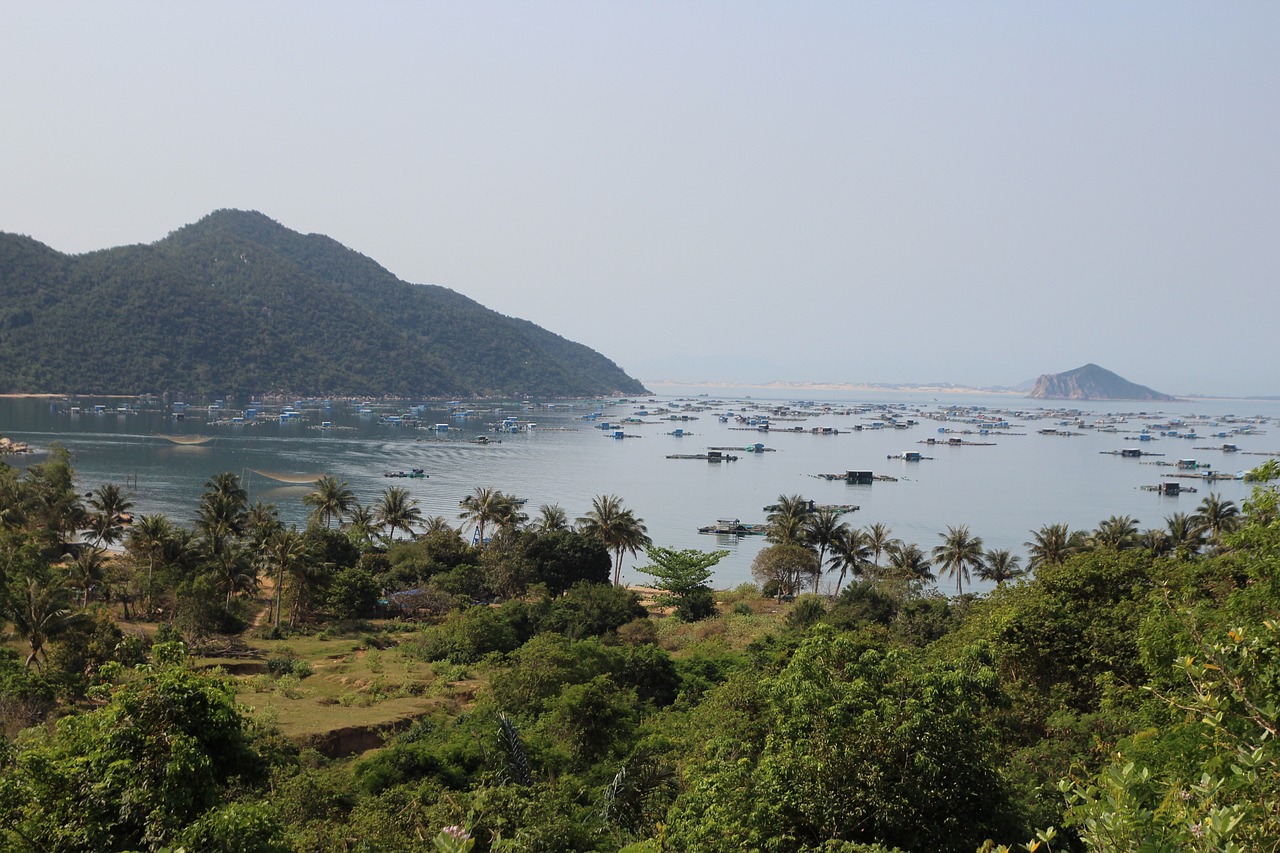
Best Time to Visit Central Vietnam for Weather and Calm
When people ask the best time to visit central Vietnam, the most consistent answer for comfort is February to August—often the dry season window along much of the central coast. This best time to visit central Vietnam time to visit central Vietnam dry season rainy season guidance matters because your experience of lantern evenings, river cruises, and beach days changes completely with the weather.
The rainy season typically arrives later in the year and can bring heavy showers and occasional flooding around Hoi An. If you must travel then, an expert planner can design more sheltered attractions, flexible timing, and calm indoor experiences so the journey still feels seamless.
Time to visit Central Vietnam for lantern nights and sunset water
For high-end travellers, timing is less about “seeing everything” and more about arriving at the right hour. Choose your time to visit so Hoi An’s lantern glow lands on a dry, warm evening, and schedule a Perfume River cruise when the light softens and the air cools.
If you’re planning a trip to central with beach time in mind, aim for mornings on the sand and cultural exploration later in the day. Heat and humidity can surprise even seasoned travellers, so build in pool breaks, shaded cafés, and slow lunches—wellness is part of the luxury.
Booking with care for peak season calm
Peak months bring limited inventory for exclusive villas and boutique resorts, particularly around Da Nang and the coast. Reserve early, and add “soft days” between major excursions—your body will thank you, and your photos will look effortless rather than hurried.
- Carry water and rehydration salts; staying hydrated is the simplest comfort upgrade.
- Pack breathable layers and sun protection, even when your itinerary is mostly chauffeured.
- Keep travel insurance in place, especially if you’re combining flights, boating, or day trips.
With the right season and pacing, central vietnam travel becomes calm rather than a race—exactly how the region reveals its best self.
Central Vietnam Itinerary Design Da Nang Hoi An Hue
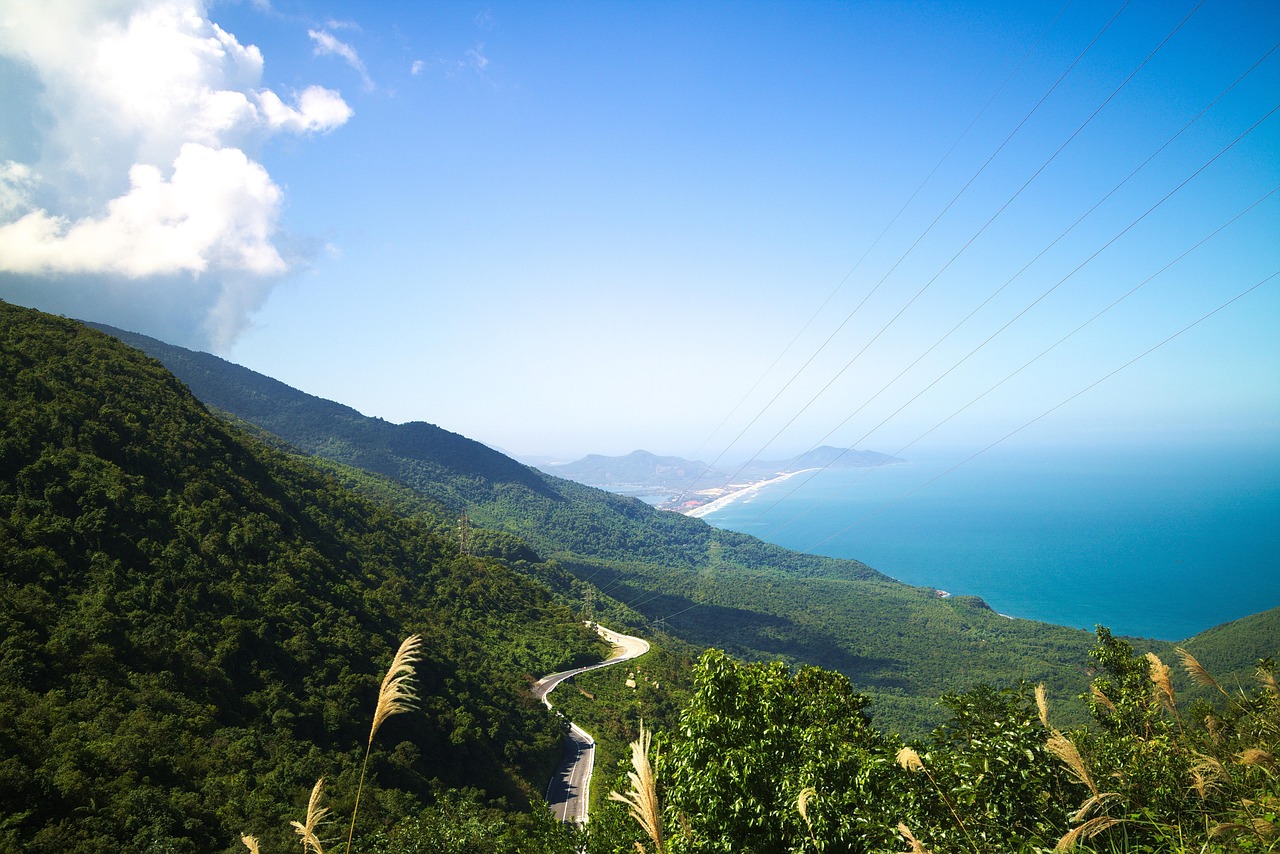
Central Vietnam Itinerary Design Da Nang Hoi An Hue
This central Vietnam itinerary planning a trip to central Vietnam places to visit framework is ideal for 5–8 days, especially if you’re linking in via hanoi and ho chi minh connections. Fly into Da Nang, settle, then drift down to Hoi An; continue north to Hue for history and river romance, and return with ease depending on your flights.
The goal is a trip to central vietnam that feels curated: a polished base, private transfers, and just enough structure to relax into the moments. If you’d like visual inspiration before you design, browse our Trip gallery for central vietnam tours and the styles of stays that suit a high-end pace.
Getting around with confidence via the scenic Hai Van Pass
Between hue and hoi, many travellers choose a private car over the scenic hai van pass—comfort, control, and the freedom to stop for viewpoints. For ultimate efficiency, a helicopter transfer can turn a travel day into something quietly thrilling, especially if you’re short on time but still want the scenic sweep.
A motorbike day can be tempting, particularly in good weather, yet it’s not always the safest match for luxury travel. If you do want the experience, consider riding as a passenger with a vetted driver rather than self-driving—support and safety keep the day enjoyable.
Places to visit from Da Nang to Hue with curated add-ons
Da Nang is a polished base with easy evenings and quick access to top attractions. Enjoy Dragon Bridge after dark, then take a gentle morning to Son Tra and the lady buddha statue at Linh Ung Pagoda, where the city and sea open out below you. If you like panoramic, picture-perfect viewpoints, Sun World Ba Na Hills can be a fun, curated attraction when timed early to avoid crowds.
For extensions, keep a flexible “menu” rather than overbooking every day trip:
- Marble Mountains: limestone routes through a cave, temple spaces, and high viewpoints—best with a guide and good footwear.
- Lang Co Beach: quiet luxury and a softer shoreline mood, ideal for an unhurried lunch and swim.
- Phong Nha: for travellers who want a bold contrast—cave landscapes and national-park scale that feels like a different Vietnam.
If you’re staying longer, you can pair the route with the beaches of Nha Trang on the south central coast for a resort-forward finish, or head into the central highlands to a “city of eternal spring” feel—cooler evenings, coffee culture, and creative calm. Vietnam offers extraordinary variety, and central vietnam sits right at the centre of it.
Hoi An Ancient Town Luxury Evenings and Local Flavours
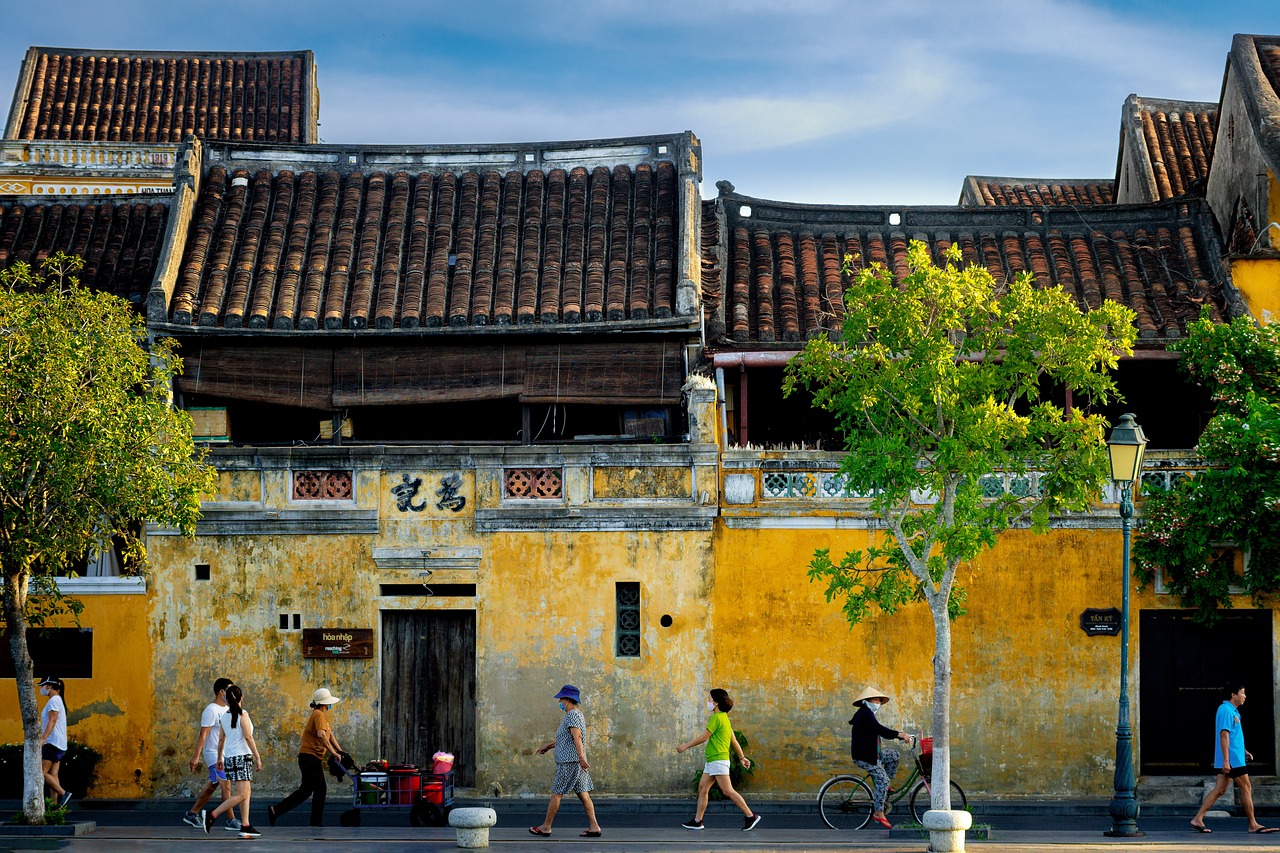
Hoi An Ancient Town Luxury Evenings and Local Flavours
Hoi An’s ancient town things to do in central Vietnam places to visit Hoi An luxury begins with its atmosphere: a UNESCO world heritage site of hoi an ancient town where mustard walls, old timber shutters, and riverside reflections feel almost cinematic. The world heritage site of hoi an is compact, yet it carries centuries lightly—best enjoyed with slow steps and a little intention.
Rather than charging through, design your days around texture: an early stroll before the streets warm, a long lunch behind a courtyard door, then dusk in the ancient town when lanterns ignite and the air turns soft. Many high-end visitors describe this hour as unexpectedly moving—serenity and inspiration arriving as they wander the well-preserved alleys, quietly lit at their own pace.
Things to do in central that feel crafted not crowded
For things to do in central that feel personal, start with an early-morning photography walk—before the tour groups arrive and when the river mist still lingers. Then create time for private tailor fittings, where craftsmanship becomes a story you bring home, not a transaction you forget.
One luxury traveller told us their favourite memory wasn’t a headline attraction at all, but a bespoke cooking class in Hoi An. They visited the market with a local chef, learned to balance herbs and heat, and returned to a calm kitchen to cook Vietnamese classics with gentle instruction. It was intimate, reassuring, and deeply local—exactly the kind of insight that changes how you taste a place.
Markets are a joy when approached with care: dress modestly, bargain politely, and carry cash for smaller vendors. A guide can help you feel confident about what to try and where to shop, so the experience stays seamless.
Local cuisine and the Thu Bon River at a softer pace
Anchor your time with Cao Lau—noodles, greens, and depth of flavour that feels like Hoi An itself. Follow with fresh herbs, delicate seafood, and a refined tasting path that balances authenticity with comfort. A sunset pause by the Thu Bon River is often where the town’s energy shifts; it’s a small moment, but it changes the whole evening.
When you want a reset, slip out to An Bang (Bang Beach) for a slow afternoon. Choose a relaxed beach club, order something crisp and cold, and let the horizon do what it does best—make everything feel simpler. Return to town for lanterns and an unhurried nightcap, and you’ll understand why central vietnam holds people longer than they expect.
Hue Imperial City Private History and Perfume River Romance
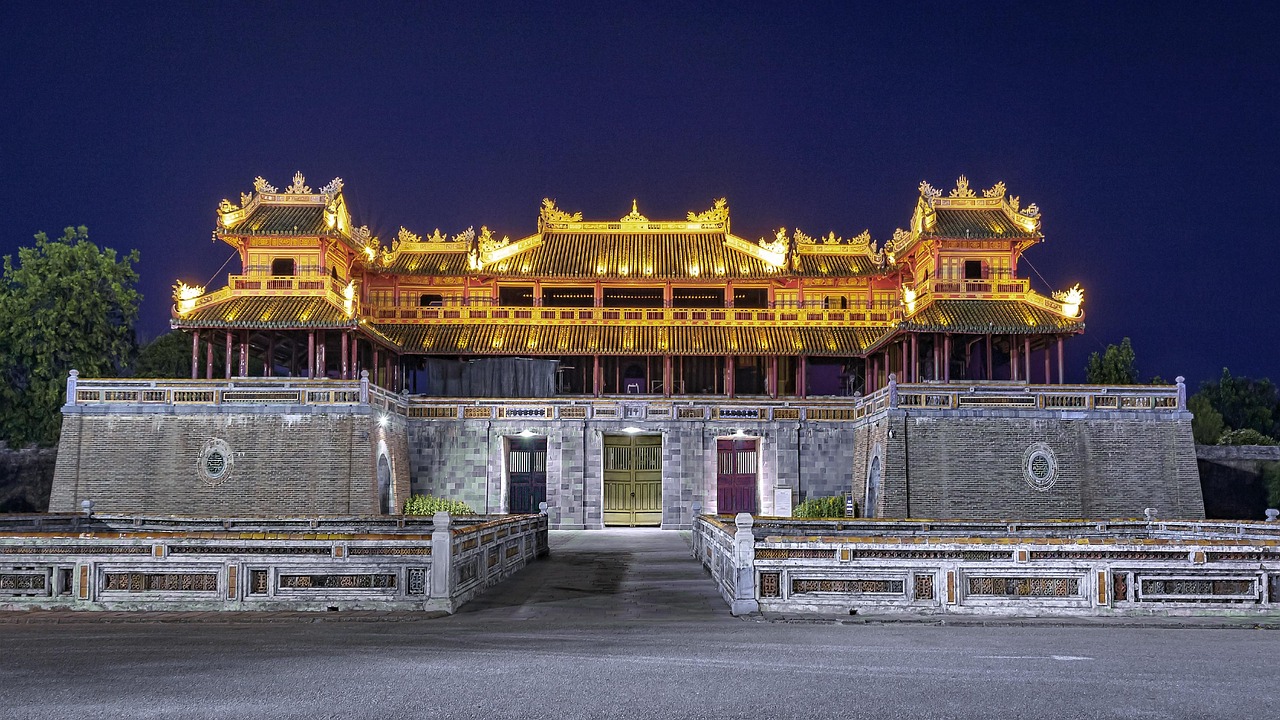
Hue Imperial City Private History and Perfume River Romance
Hue imperial city Perfume River cruise Bun Bo Hue private tour is the phrase to remember if you want Hue at its most elegant: a private guide for the Citadel, quiet timing for the tomb route, and a river experience that feels made for you. Hue was the capital of the Nguyen, and walking its historical sites with an expert transforms stone and symmetry into living narrative.
Start early at the Citadel within the imperial city, when the courtyards are cooler and the light is kind. Ask your guide about the days of the nguyen dynasty and you’ll begin to see how Hue’s geometry—gates, walls, waterways—was designed to express power and harmony. Travellers often tell us the thrill is not in rushing, but in understanding, without crowds pressing at your shoulder.
Private tours of tombs and a serene pagoda perspective
For a deeper layer, take a private guided circuit beyond the Citadel. Plan the tomb visits for early hours, and let your guide choose the sequence based on shade and traffic. The experience feels less like a tourist loop and more like a curated gallery of landscapes and symbolism.
Finish with Thien Mu Pagoda, a calm pagoda stop with a wide river view that brings perspective. In hue, these pauses matter; they make space for reflection, not just photographs.
Perfume River luxury at sunset with a personal story
The signature high-end experience is a private luxury boat tour on the Huong River at sunset, gliding along the banks of the perfume river as the city quietens. One honeymoon couple shared how the peaceful boat ride created an unforgettable romantic memory: no music, no script—just warm air, a gentle wake, and the feeling of being completely present together.
For dinner, try Bun Bo Hue in a trusted setting—either a well-regarded local spot your hotel recommends or a guide-selected kitchen known for consistency. You can explore local eateries without sacrificing comfort when someone you trust helps you choose wisely.
If you want broader context, an optional day trip can touch on Vietnam War history with sensitivity. Done thoughtfully, it’s not spectacle; it’s a measured understanding that adds depth to everything you’ve seen.
After Central Vietnam What Stays With You
Visit central Vietnam travel guide reflection is, in the end, less about what you ticked off and more about what returns to you later. It might be the lantern glow drifting across your memory at an ordinary hour, or the hush of water as a boat slides into dusk, or the way a beach afternoon made time feel kinder.
In central vietnam, the details are often small: a guide’s gentle insight when a courtyard suddenly makes sense; a shared table where a dish tastes like someone’s home; a moment of stillness inside a temple where you realise you’ve stopped hurrying. These are the textures that stay, long after the photographs are filed away.
Perhaps that’s why the journey feels so personal. When your days are crafted with care—built on support, trust, and quiet confidence—you’re free to explore without bracing yourself. You don’t just discover a place; you uncover a softer way of travelling, and it follows you.
And somewhere between light, water, and stillness, central vietnam becomes a feeling you can return to—whenever you’re ready to imagine what else the world might offer, together.
F.A.Qs: Central Vietnam travel guide essentials
What areas are in Central Vietnam?
Central Vietnam generally includes the central coast and inland stretches between the north and south of the country. Key areas travellers focus on are Da Nang, Hoi An, and Hue, with extensions such as Phong Nha’s national-park landscapes and the central highlands for cooler, quieter escapes.
Is it worth going to Central Vietnam?
Yes—especially if you value heritage, atmosphere, and a slower rhythm. Central Vietnam blends UNESCO-listed architecture, refined local food, and restorative beach time. With a private guide and thoughtful pacing, it can feel more personal and less pressured than larger, headline cities.
What is the main city in Central Vietnam?
Da Nang is often considered the main city in Central Vietnam, thanks to its airport, modern infrastructure, and easy access to nearby highlights. Many high-end travellers use Da Nang as a comfortable base, then explore Hoi An and Hue with private transfers.
Is it safe to visit Central Vietnam right now?
Central Vietnam is generally considered safe for travellers, particularly in established destinations like Da Nang, Hoi An, and Hue. As with any trip, check current official travel advice, use reputable transport and guides, keep valuables secure, and ensure you have appropriate travel insurance for peace of mind.