Post Contents
- Japanese tea-making ceremony in Japan: tea ceremonies, chanoyu, and the art of tea through refined utensil craft
- History of the Japanese tea ceremonies: origins, Zen influence, and today’s tea schools
- Kyoto tea ceremonies at Kodai-ji Temple: intimate guidance and a private tea experience
- Kanazawa tea ceremonies at Nomura Family Samurai Residence: Ishikawa matcha and quiet refinement
- Booking tea ceremonies in Japan: etiquette, costs, rail planning, and matcha workshops
- FAQs about tea ceremonies in Japan
- Tea ceremonies in Japan: zen calm, tranquillity, and matcha memories that linger
Japanese tea-making ceremony in Japan: tea ceremonies, chanoyu, and the art of tea through refined utensil craft
Tea ceremonies in Japan: chanoyu’s calm hospitality and meticulous handcraft
For many first-time visitors, tea ceremonies in Japan can sound formal, even intimidating—but a Japanese tea-making ceremony is, at its heart, a carefully composed welcome. Known as chanoyu, it is also called the way of tea: a ritual of hospitality where tranquillity is shaped through attention, restraint, and trust. For travellers short on time and rich in curiosity, this is often the most human kind of luxury—being guided, unhurried, and fully present.
What resonates is not only what you drink but also how you are cared for. A skilled host helps you relax even when you don’t know the steps, so you can simply follow the rhythm and enjoy the green tea moment. If your days are filled with galleries, temples, and reservations, these tea ceremonies become a counterpoint that restores balance—quiet, personal, and unexpectedly warm.
What happens in a traditional tea ceremony: entry, room flow, and matcha.
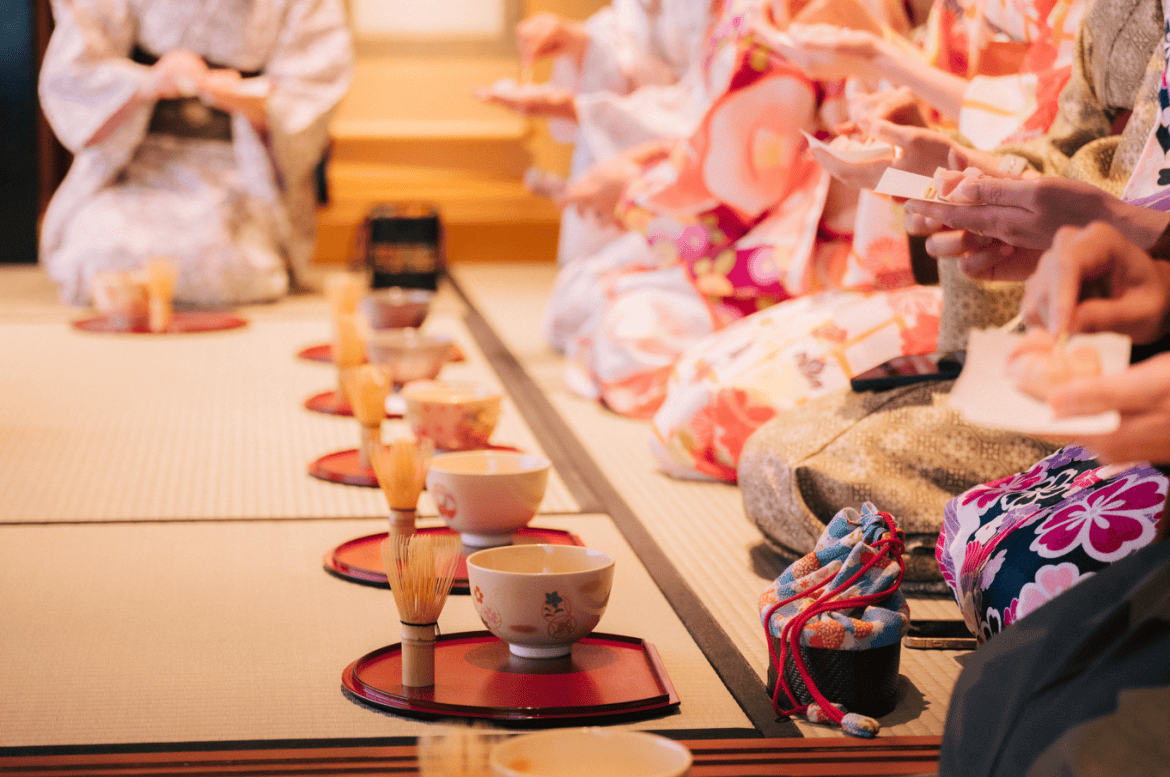
In a traditional tea ceremony, the experience begins before any green tea is served. You enter a tea house via a garden path with a gentle sense of leaving the outside world behind, pausing to cleanse your hands at a stone basin. Inside the tea room, you remove your shoes and settle on tatami, letting your breathing match the space’s unspoken pace.
A tea master leads the preparation, movements precise yet welcoming—less performance, more presence. Water is heated in a kettle, the tea bowl is warmed, and the host prepares matcha with measured grace. There is usually a quiet moment of tea appreciation before drinking, and then you drink the tea—often in a few sips—turning the bowl slightly as a sign of respect.
Tea utensil essentials for tea ceremonies: tea bowl, tea scoop, tea whisk, kettle, and tea container
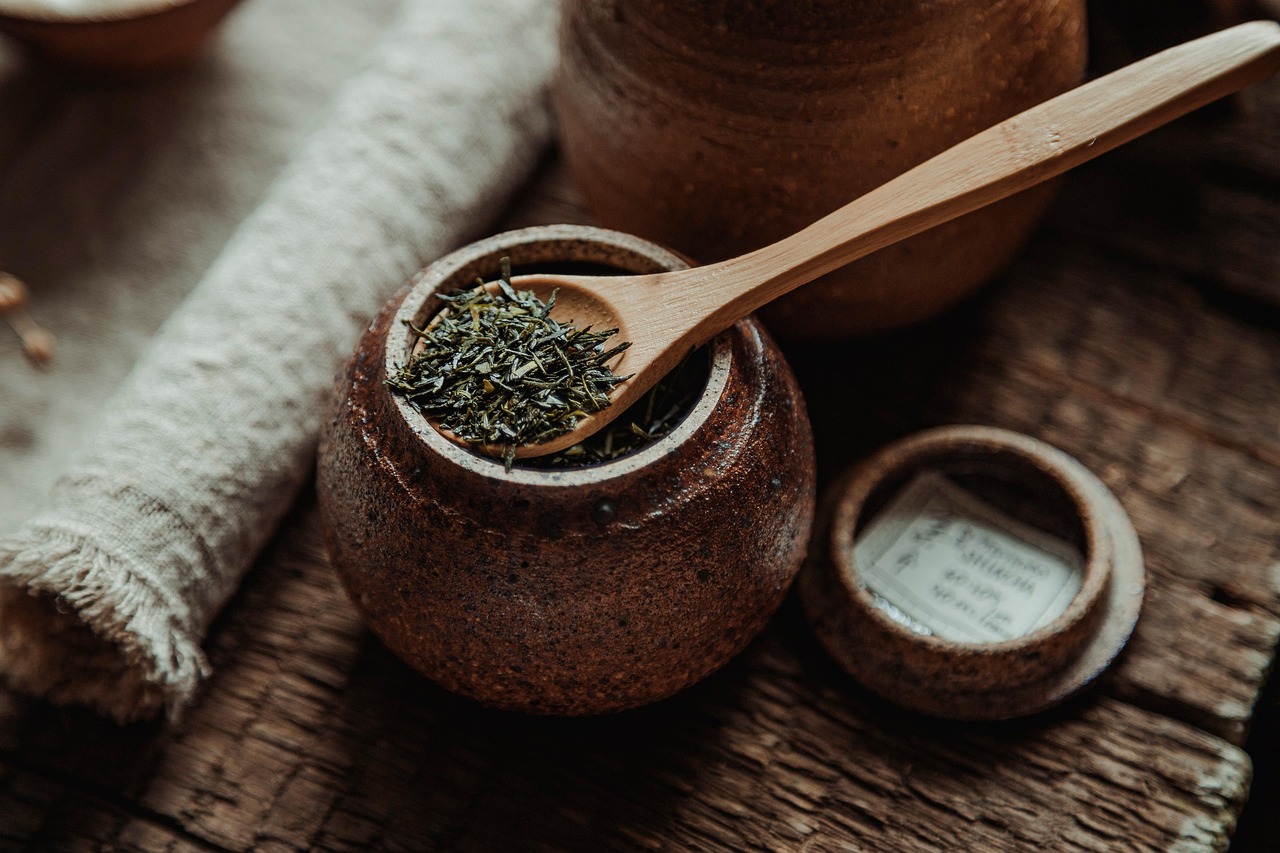
The objects are not decorative; each utensil is part of the conversation between host and guest. You’ll quickly start recognising a few essentials: the tea bowl (often the emotional centrepiece), the tea scoop, the tea whisk, the kettle, and a tea container for the powdered green tea (matcha). Collectively, these tea utensils express season, lineage, and taste as much as they serve function.
Here is a gentle lens to carry with you: you do not need to “know” everything to belong in the room. Explore with quiet curiosity, watch how the host creates order from simplicity, and allow the ceremony’s pace to guide you. In tea ceremonies, confidence comes from being present—not from speaking or doing more.


History of the Japanese tea ceremonies: origins, Zen influence, and today’s tea schools
From Zen practice to refined gatherings: the long history of Japanese tea
The history of tea ceremonies in Japan is not a straight line—it is a layering of belief, aesthetics, and social change. Tea was introduced to Japan through contact with Chinese tea, and early tea drinking was closely tied to study and contemplation. Over time, tea leaves moved from monastery life to elite salons, evolving from lively tea parties into a quieter, more intentional form of gathering.
Understanding the history of Japanese tea changes how it feels in your hands when a warm bowl is offered. It turns a simple act into a living Japanese tradition—one you can sense even if you only visit once.
Zen monk beginnings: Zen Buddhism, green tea, and Buddhist simplicity
One thread begins with a Zen monk and the wider monk tradition: tea supported long hours of meditation, and Zen Buddhism shaped a preference for simplicity and clarity. In this context, green tea is not merely refreshment; it is a companion to attention and a quiet form of discipline. The structure of tea ceremonies still carries a Buddhist sensibility—less about display, more about awareness.
You’ll notice the setting rewards soft focus: listening for water, noticing light, and appreciating what is not said. That is why many guests leave feeling unexpectedly grounded—even if they didn’t come seeking anything “spiritual”.
Development of the tea ceremony in the 16th century: etiquette, a formal tea ceremony, and schools of tea
This turning point is closely associated with tea master Sen no Rikyū, whose ideals centred on simplicity, respect, and restraint. You may also see the name written as Sen no Rikyu’ in modern materials, but the underlying shift is the same: humble materials and deep intention mattered more than lavish display. These principles helped define the formal tea ceremony and still shape how guests move, bow, and speak today.
Today, the tea ceremony is practised across Japan through living lineages—schools of tea and tea schools that preserve technique while adapting to modern guests. You may also hear the term sado, another name for the way of tea, reflecting a path of learning rather than a single event. This history of Japanese tea ceremonies continues to shape what visitors see, hear, and feel in the tearoom.
- Luxury insight: even a short lesson in the history of Japanese tea can make the next sip feel like a pause in time, not just consumption.
- What to listen for: the subtle sound of the kettle and the hush that settles when the host begins.
- What to notice: how your own pace naturally slows, without being told to slow down.
Kyoto tea ceremonies at Kodai-ji Temple: intimate guidance and a private tea experience
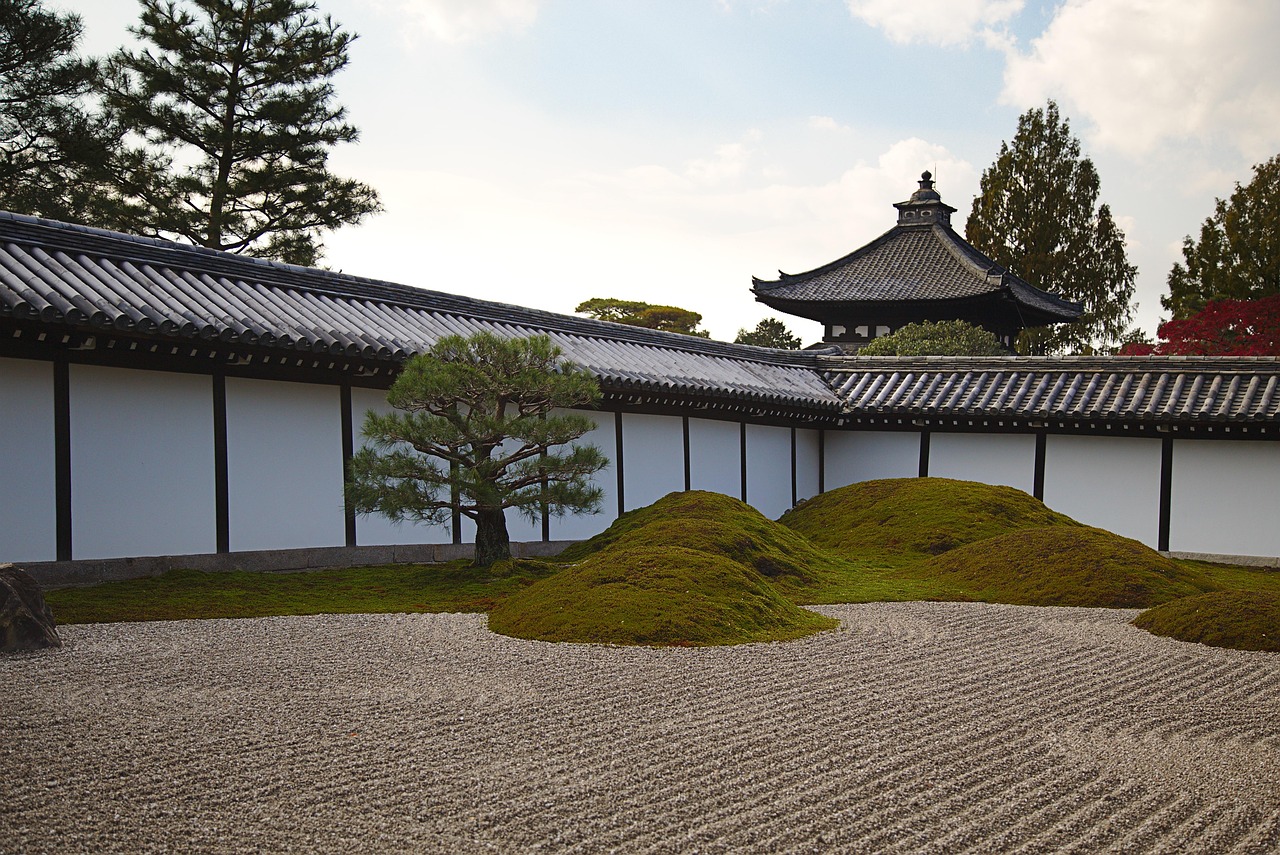
Kyoto tea ceremonies: Kodai-ji’s quiet atmosphere and intimate tea houses
Kyoto tea ceremonies at Kodai-ji Temple are where many discerning travellers begin—and for good reason. Kyoto holds the texture of old Japan in a way you can feel underfoot: lantern-lit lanes, temple gardens, and small rooms that make stillness feel natural. Kodai-ji, in particular, offers an atmosphere of quiet reverence that suits the ritual’s gentle gravity.
If you’re designing a premium journey, Kyoto also offers seamless access to high-quality guidance. Many hosts offer English support without diluting what feels authentic Japanese, so you can relax into the moment instead of worrying about every detail.
Designing a private traditional Japanese tea ceremony in Kyoto
The difference between a standard demonstration and a memorable private session is intimacy. A small-group or private traditional Japanese tea ceremony allows you to settle, ask a question softly, and feel the host’s care without an audience’s pressure. A tea master may introduce the setting, explain how matcha tea is prepared, and guide you through the gestures of receiving and returning the tea bowl with calm assurance.
One luxury traveller described their private ceremony in Kyoto as “a shared silence that felt strangely together”. There was quiet bowing, a sense of harmony and respect, and the warmth of being welcomed by someone who seemed genuinely pleased you had come—local, poised, and human in equal measure.
Inside the tea room: tokonoma alcove details, scrolls, and seasonal flowers
Part of the magic is visual, but never showy. In the tea room, your eyes may be drawn to the tokonoma alcove, where a hanging scroll sets the theme and a simple arrangement of seasonal flowers echoes the time of year. These details are small, yet they carry the weight of Japanese culture: a belief that meaning can be held lightly.
Watch for the moment the tea bowl is placed before you—often aligned with quiet precision. You might also see the host pause to admire a utensil’s patina or to check the water’s readiness. It invites you to slow down, practise tea appreciation, and let the room’s balance do the work.
Kanazawa tea ceremonies at Nomura Family Samurai Residence: Ishikawa matcha and quiet refinement
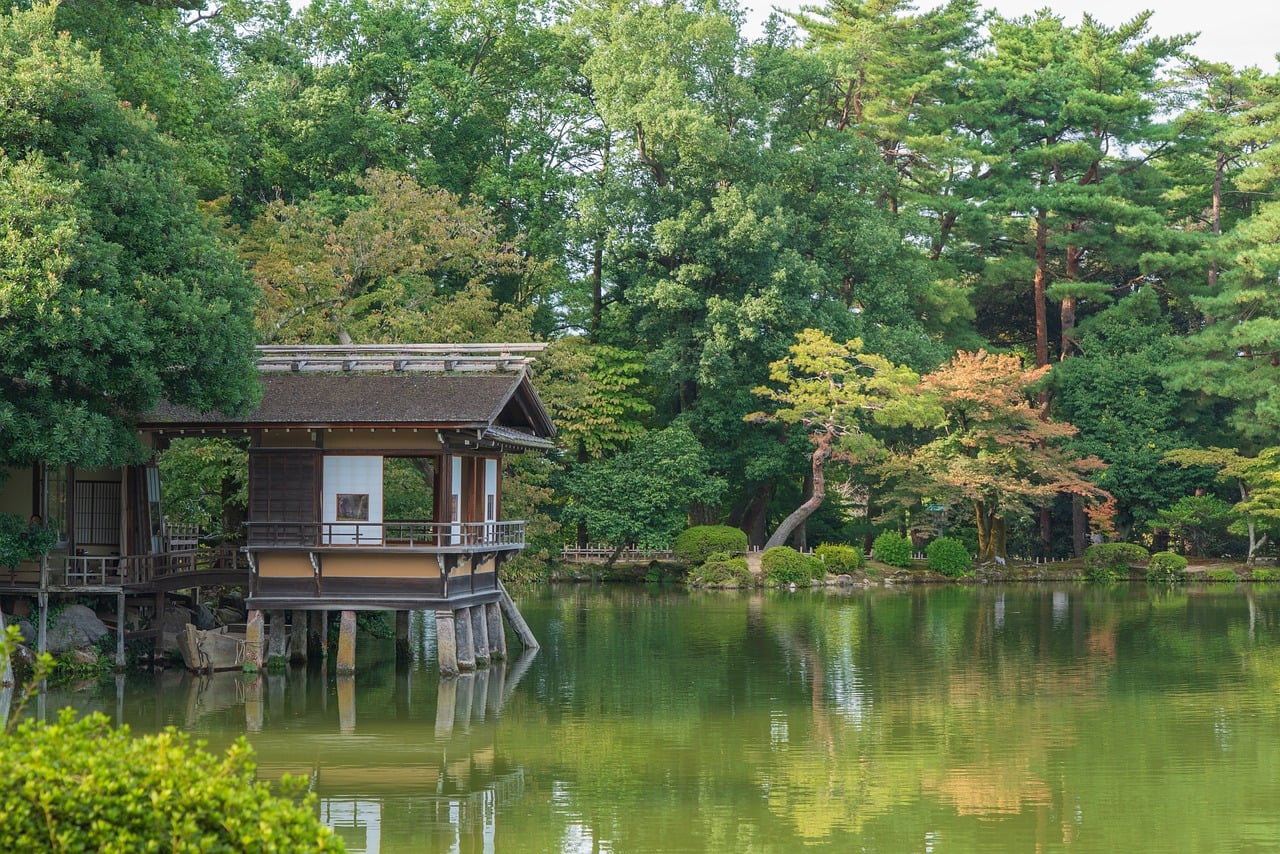
Kanazawa tea ceremonies: a refined Nomura Residence tea experience
Kanazawa tea ceremonies at the Nomura Family Samurai Residence in Ishikawa offer a refined complement to Kyoto—less crowded, deeply atmospheric, and ideal if you prefer space to explore with confidence. In Ishikawa Prefecture, tea culture feels unhurried: gardens are contemplated rather than collected, and heritage houses encourage a slower kind of attention.
Kanazawa is also a place where Japanese aesthetics feel intact—clean lines, careful materials, and a sense that beauty is a form of care. If Kyoto is the classic gateway, Kanazawa can be the quiet chapter that travellers remember most vividly.
Matcha green tea paired with a Japanese sweet in a samurai residence
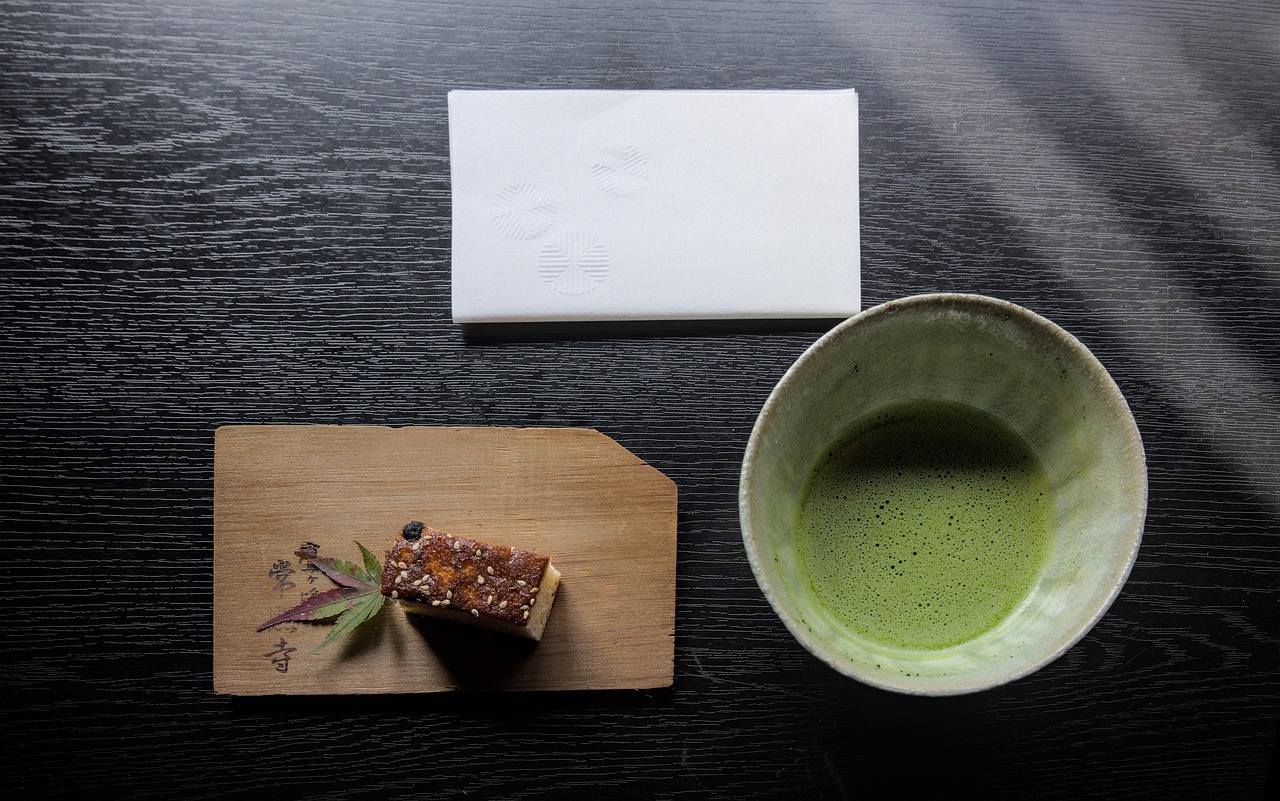
The Nomura Family Samurai Residence is a particularly resonant setting, linking tea culture to restraint and calm geometry. In such spaces, matcha green tea is usually served with a Japanese sweet, and the pairing is intentional: the sweetness supports matcha’s bitterness, allowing its grassy depth to feel balanced rather than sharp. You taste not just flavour but decision-making—what to soften and what to let stand.
As you sip, notice how green tea sits on the palate differently here. The ambience changes perception: the garden’s stillness, the filtered light, the careful simplicity. It becomes less about “trying matcha” and more about tea drinking as a kind of noticing.
Local hosts, simple guidance, and respectful etiquette
One visitor told us the most lasting part wasn’t the architecture but the welcome. Their host explained a few gestures, offered reassurance with a smile, and created a space where questions felt safe. The atmosphere was undeniably formal, yet the kindness was genuine—hospitality as both structure and heart.
In tea ceremonies, that blend of formality and warmth is the point: the guidelines aren’t there to exclude you but to support you. When you bow, when you pause, when you lift the bowl carefully—those actions become a shared language, even without many words.
- Design note for luxury travellers: pair Kanazawa with a quiet evening stroll so the ceremony’s tranquillity isn’t immediately replaced by noise.
- Tasting cue: let the Japanese sweet melt slowly, then return to the matcha for contrast.
- Atmosphere cue: sit long enough to notice how the room’s calm changes your breathing.
Booking tea ceremonies in Japan: etiquette, costs, rail planning, and matcha workshops
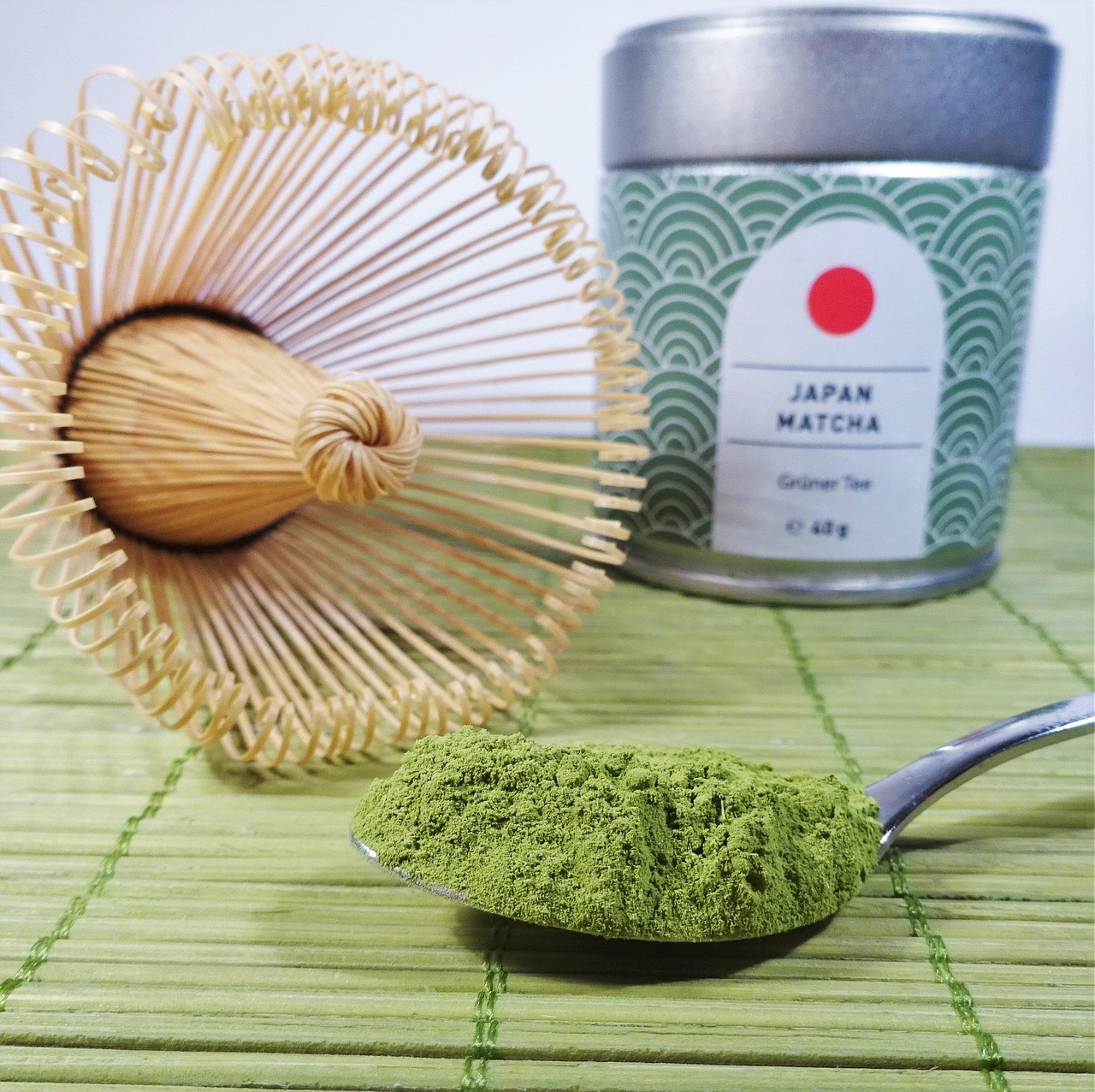
Plan tea ceremonies with ease: booking, etiquette, and costs
Planning tea ceremonies in Japan is where a beautiful idea becomes a seamless reality. The most sought-after tea ceremonies—especially in Kyoto and Kanazawa—often have limited seating, and the best hosts keep groups small to preserve intimacy. For high-end travellers, booking ahead is less about scarcity and more about protecting the mood of the day: no rushing, no compromises, just a calm arrival and a quiet welcome.
If you’d like inspiration for routing and style, you can explore our Trip gallery for journeys designed with breathing space built in.
Seasonal tea ceremonies: hanami spring gatherings and autumn chrysanthemum themes
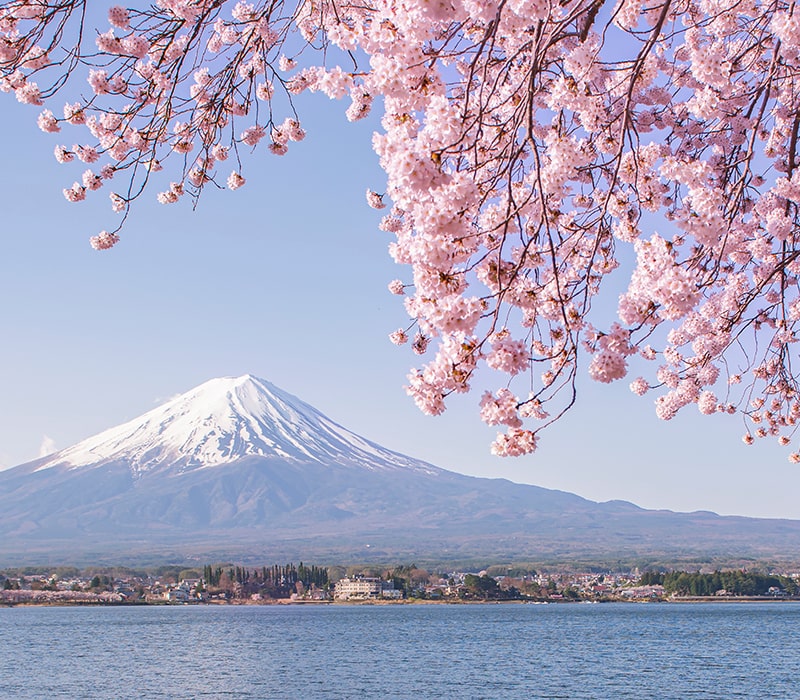
The best time to experience tea ceremonies is spring and autumn, when seasonal themes are most vivid. In spring, you may find cherry blossom viewing gatherings—hanami tea occasions that reflect fleeting beauty with a lighter palette and gentle motifs. In autumn, chrysanthemum festivals bring a different mood: contemplative, golden, and grounded.
Seasonal cues can appear everywhere: in the scroll’s calligraphy, in the sweet’s shape, and even in the way a tea master speaks about the day. If you love design, this is where Japan excels—nature and tradition woven together with care.
Etiquette and costs: dress, tatami mat seating, and a hands-on matcha workshop
For budgeting, expect premium pricing for exclusive sessions—roughly 5,000 to 15,000 yen per person (historically broken into smaller units like sen)—especially for private guidance and English interpretation. Plan to reserve in advance, particularly for central Kyoto and Kanazawa, and build buffer time around trains so you arrive settled rather than hurried. Japan’s rail network makes this easy; the luxury is in not cutting it fine.
Etiquette is simple when you think of it as kindness. Bow upon entering, sit quietly on a tatami mat, follow the host’s rhythm, and avoid disruptive behaviour (including loud photos or constant movement). Dress modestly and comfortably for shoe removal; some guests find looser sleeves helpful for not brushing objects in the small space.
For an insider upgrade, choose a workshop where you whisk powdered matcha tea yourself. You’ll handle a tea scoop and learn how the chasen and whisk work through the bowl—lightly, quickly, and controlled. Some tea masters will gently correct your angle and speed and explain what may damage the tea if handled poorly, including overheating water or pressing too hard. If you’ve ever wanted to move from observation to participation, this is where tea preparation becomes personal.
- Seamless arrival: arrive 10–15 minutes early to reset your pace before stepping into the tearoom.
- Small detail with big impact: keep fragrance minimal; strong perfume can distract in an enclosed space.
- What to bring: curiosity, patience, and a willingness to be quietly guided by an expert.
FAQs about tea ceremonies in Japan
What happens during a Japanese tea ceremony in Japan?
A host welcomes guests into a small tea room, often with tatami flooring, and prepares matcha with deliberate, calm movements. You’ll usually observe the cleansing of utensils, the whisking of tea, and the offering of a Japanese sweet before you sip. Guests bow, receive the tea bowl with care, and follow the host’s rhythm in a few quiet moments. The focus is on hospitality, respect, and presence rather than conversation.
How much do tea ceremonies cost in Kyoto and Kanazawa?
Costs vary by venue and group size. In Kyoto and Kanazawa, premium tea ceremonies commonly range from around 5,000 to 15,000 yen per person, especially for private or small-group sessions with English guidance. Some tea experience options include a sweet and a short cultural explanation, while hands-on matcha workshops can cost more. Booking in advance helps you secure the most refined options.
What not to do during tea ceremonies?
Avoid disruptive behaviour such as talking loudly, moving around unnecessarily, or taking constant photos. Don’t wear shoes onto tatami, and try not to touch a utensil unless invited to do so. Strong perfume can be distracting in a small room. Most importantly, don’t rush: follow the host’s pace, bow when appropriate, and handle the tea bowl gently to maintain an atmosphere of calm and respect.
What are the four principles of the way of tea?
The four principles are harmony, respect, purity, and tranquillity. They guide how the space is prepared, how guests are welcomed, and how matcha is shared. You’ll feel these values in small details—quiet bows, careful cleaning, and the unhurried pace of preparation. Even as a visitor, you can honour the principles by arriving settled, observing attentively, and responding with simple gratitude.
Tea ceremonies in Japan: zen calm, tranquillity, and matcha memories that linger
Long after the end of the ceremony, what returns is often sound: the water’s soft hush, the pause before the first sip, the gentle weight of the tea bowl warming your hands. Tea ceremonies can feel like stepping into Zen—not an abstract idea, but a lived experience of attention. In a world that rewards speed, the ritual offers a different kind of confidence: permission to move slowly without apology.
What stays with you is not a checklist of steps, but a changed relationship with small rituals. You might find yourself noticing how you place a cup on a saucer or how morning light falls across a table. That is the quiet gift of this Japanese tea-making ceremony tradition: it teaches you to uncover meaning in ordinary moments, without needing to make them grand.
One traveller remembered the moment they learnt to whisk matcha under a master’s calm gaze. Their first attempt was clumsy, then steadier; the foam gathered and the surface smoothed. They left with a simple insight—grace is built through patience and care, and the most beautiful things are often created by doing less, more thoughtfully.
Back home, you may not have tatami or temple gardens, yet you can still return to that feeling – hands around a warm bowl, breath slowing, attention settling. Even a simple cup of traditional Japanese tea can bring you back to that sense of quiet, shared presence.