Post Contents
- Planning a Forbidden City Day in Beijing for first-timers.
- Meridian Gate Forbidden City Beijing palace complex first view and outer court arrival
- Hall of Supreme Harmony, Forbidden City, Beijing, showcases imperial power and the wooden palace structure.
- Inside the Forbidden City, inner court imperial living quarters, Beijing route
- Imperial Garden Forbidden City Beijing feng shui quiet spots and hidden pavilions
- F.A.Qs:
- What Stayed With Me After Leaving the Forbidden City, Beijing, Reflection Palace Museum Experience
Planning a Forbidden City Day in Beijing for first-timers.
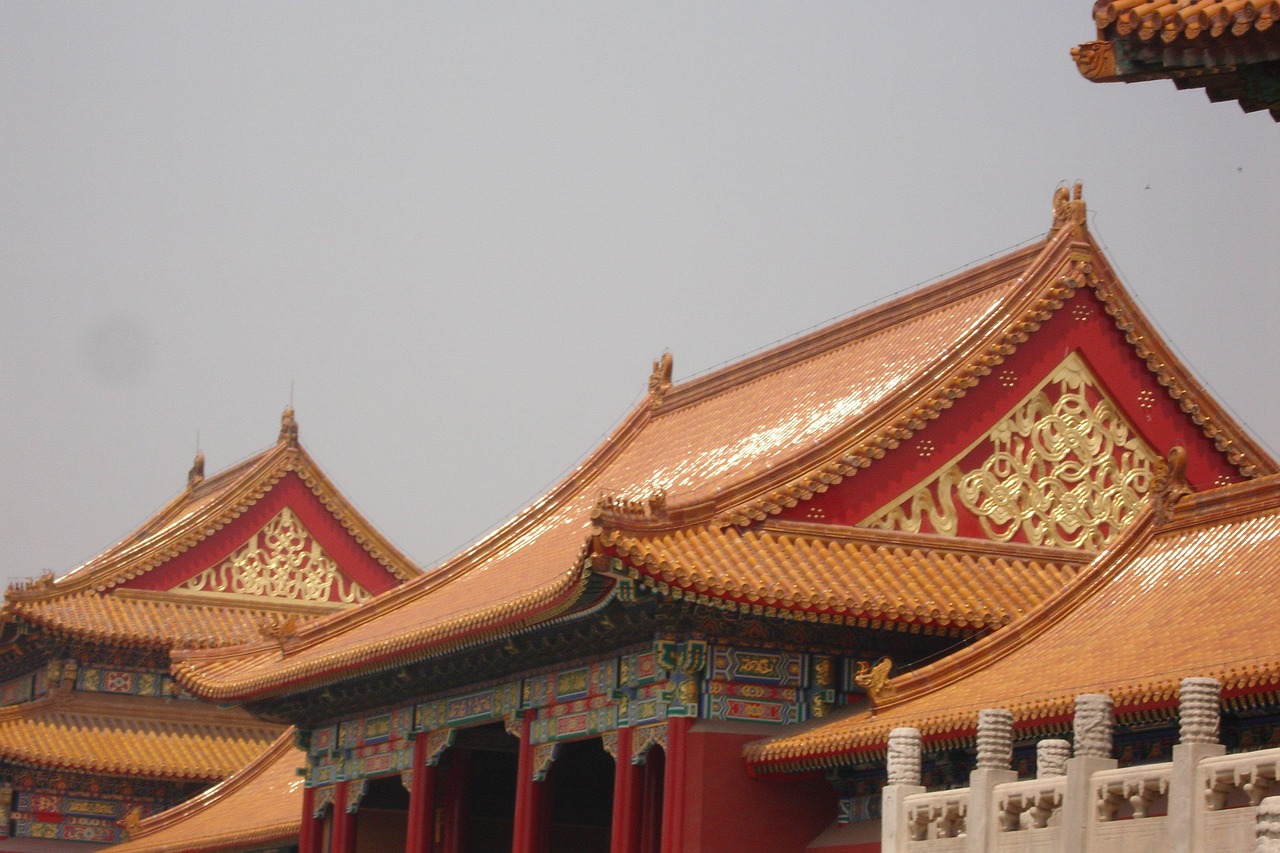
Designing a Forbidden City Day in Beijing and planning a booking for a seamless Palace Museum visit
To visit the Forbidden City in Beijing, China, planning a booking is less about ticking rooms and more about designing a route that protects your energy. The Forbidden City rewards an early start because the courtyards feel wider, the light is kinder, and your first impressions land with clarity. Think of it like a crafted expedition through an imperial palace complex: you’ll move from ceremonial grandeur to private calm, and each shift in atmosphere becomes part of the insight.
A gentle reassurance before you go: the scale can look daunting on a map, but on the ground it’s wonderfully legible if you commit to a simple northbound flow. Your job is to keep the pace seamless—pause when the place earns it, and keep walking when the crowds begin to gather behind you.
Booking and the entrance to the Forbidden City near Tiananmen Square
For many travellers, the first question is booking. In peak periods, pre-arranging your ticket is a form of care for your future self, especially if you’re balancing a busy Beijing itinerary with other attractions in Beijing. The entrance to the Forbidden City sits by Tiananmen Square, and the approach funnels everyone through security in a very orderly way.
Security can feel strict, yet it’s manageable with a calm mindset: expect a bag check, keep your passport or ID accessible, and follow staff instructions with trust. This is a world heritage site holding an extraordinary legacy, and the protective measures are part of how the Palace Museum safeguards its million artefacts.
Getting there with confidence from the metro and building in breaks
Getting there is refreshingly simple: the metro via Tiananmen East or West Gate stations puts you close enough to walk in with confidence. Signage is clear, staff are present, and the crowd naturally flows towards the gates—so you can focus on the moment rather than logistics.
Two timing choices tend to serve adventure seekers best. Aim for early morning for clean photographs and cooler air, or late afternoon for softer light that warms the golden roofs. For an even more tranquil experience, consider the off-peak season from November to March—crisper days, calmer courtyards, and more space to explore the Forbidden City at your own pace.
One more gentle design note: if you’re also considering the Temple of Heaven the same day, keep it light. Let the Forbidden City be your main story, and treat other icons as supporting chapters rather than competition.
If you’d like visual inspiration for a higher-end route through China, you can browse our Trip gallery and imagine how Beijing can connect beautifully with the wider country.


Meridian Gate Forbidden City Beijing palace complex first view and outer court arrival

Meridian Gate arrival for a first panoramic view over the Forbidden City palace complex in Beijing
Your opening scene matters, and Meridian Gate Forbidden City Beijing palace complex outer court is where the day clicks into place. The Meridian Gate was the symbolic threshold where an emperor would enter the Forbidden City, and you can still sense the choreography of power in the way the space guides your gaze forward. As you pass beneath it, you’re not just arriving—you’re uncovering the logic of an imperial city designed to impress and control.
One traveller once described a hush that surprised them: even with people around, the architecture creates a kind of focus. Then the sun broke through, and the golden roofs seemed to gild the skyline—an instant of awe that transported them into ancient Chinese imagination without needing any theatrics.
Know about the forbidden and what the first view is really showing you
If you want to know about the forbidden beyond the headlines, notice how the first vistas aren’t random. The outer court is designed as a sequence of expansions: bigger courtyards, higher terraces, longer lines. The Golden Water River curves through the approach in a gentle, bow-shaped arc, both decorative and symbolic, as if inviting you to slow down and look properly.
It helps to imagine the rhythm of arrival centuries ago: banners, attendants, ceremonial order, and the weight of expectation. You’re stepping into a court of the Forbidden City that once shaped national decisions, and your body understands the grandeur before your mind catches up.
Pacing tips for photos without losing the seamless flow
For adventure seekers, the trick is to pause with intention. Step to the side edges of a courtyard, take your shot quickly, and then move on—especially when tour groups surge. A practical support cue: if you feel the flow pressing behind you, use the river bridges and balustrade corners as photo points; they’re natural “pull-outs” that keep pathways clear.
As you continue north, you’re moving towards the heart of what many people came for: the great halls where imperial power was performed in full daylight.The
Hall of Supreme Harmony, Forbidden City, Beijing, showcases imperial power and the wooden palace structure.
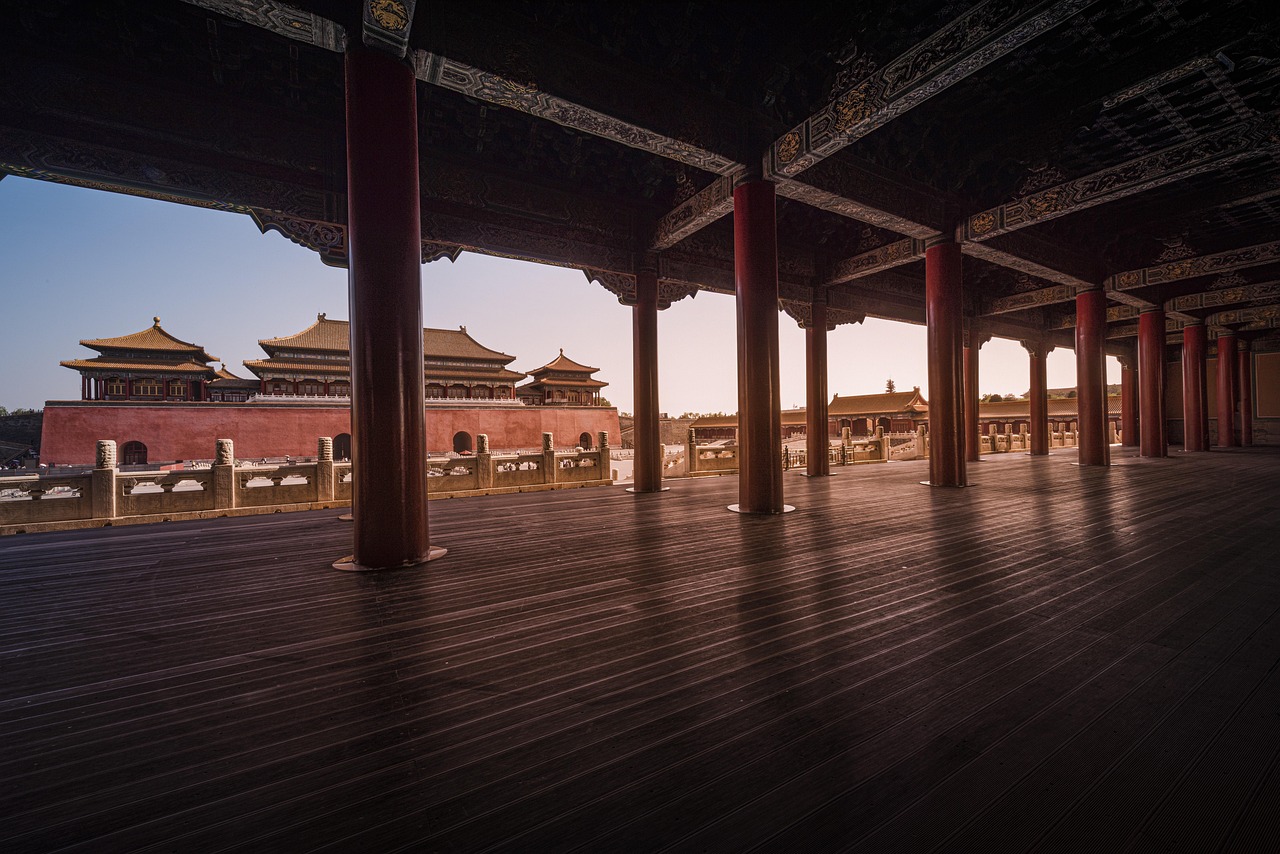
Hall of Supreme Harmony in the Forbidden City palace in Beijing is the largest wooden structure in China
The moment you reach the Hall of Supreme Harmony, Forbidden City palace, Beijing, a wooden structure, history becomes three-dimensional. The Hall of Supreme Harmony is the political stage of the Forbidden City and, famously, the largest wooden structure in China. Even high-end travellers who have seen grand palaces elsewhere often pause here longer than expected—because the scale is disciplined, not chaotic, and the symmetry feels almost musical.
This is the heart of the Forbidden City for state ceremony: enthronements, birthdays, victories, the formal theatre of rule. In the Ming and Qing dynasties, scale wasn’t just aesthetic—it was a language of authority, a clear statement of imperial power.
Building a mental map through the outer court and gate sequence
To keep your experience grounded, link the landmarks in a simple chain. You’ll move from the Gate of Supreme Harmony towards the big trio: the Hall of Supreme Harmony, the Hall of Central Harmony, and the Hall of Preserving Harmony. Together, they form the backbone of the outer court, the public face of the imperial court.
Look down as much as you look up: the white marble terraces lift the halls like mountains, and the carved ramps carry dragon designs that pull your eye forward. When the light shifts, the gilded bronze accents flicker quietly—details that reward patience and create a more personal encounter with the palace buildings.
Local etiquette inside hall areas and respectful exploration
The halls can feel almost sacred in their restraint, so adopt a local rhythm: speak softly, don’t touch artefacts, and let staff guidance support your movement. If you’re travelling together, this is a lovely place to pause and simply watch—listening to footsteps, noticing how people naturally lower their voices, and letting the place set the tone.
From here, you’ll sense a pivot coming. The ceremonial world begins to soften, and the route draws you towards the more intimate spaces within the Forbidden City.
Inside the Forbidden City, inner court imperial living quarters, Beijing route
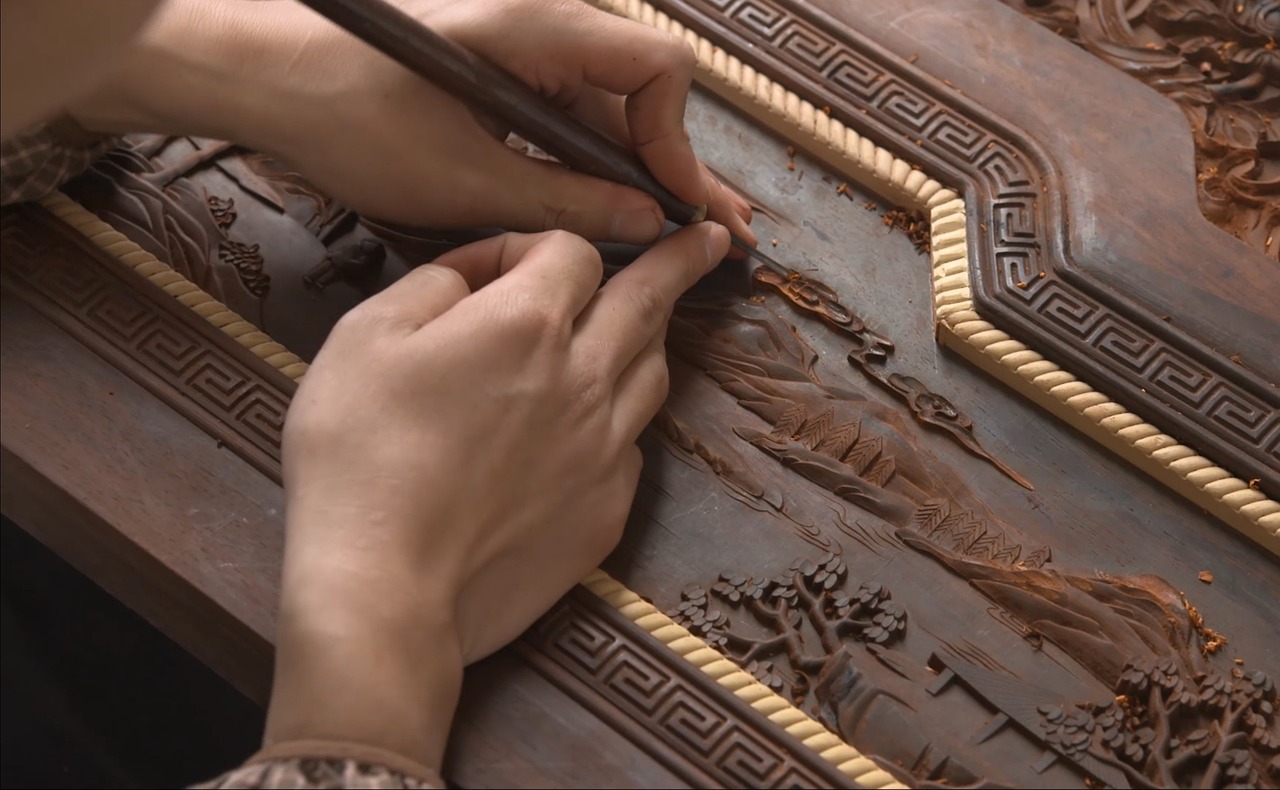
Inside the Forbidden City inner court in Beijing, shifting from the outer court ceremony to the imperial living quarters
As you continue north, the atmosphere changes, and inside the Forbidden City inner court, the imperial living quarters, Palace of Earthly Tranquillity, become the story. The outer court’s public grandeur gives way to a more private, human scale. The courtyards feel slightly more contained, and the details invite closer looking—door studs, painted beams, and the quiet order of daily life.
This is the inner court, where the imperial family lived, where routines mattered, and where power had a domestic face. If you’ve toured the Summer Palace, you’ll notice a contrast: that later landscape setting feels airy and expansive, while the Forbidden City’s inner spaces feel deliberate and inward, like a carefully held breath.
What is worth your time in the inner court of the Forbidden City
Adventure seekers do best with a simple framework: choose two or three spaces to linger, then keep moving to protect your curiosity. The Palace of Earthly Tranquillity is a meaningful stop—less about spectacle, more about the intimate symbolism of imperial continuity. The Palace of Tranquil Longevity (closely tied to the Qianlong era) adds another layer: refinement, ageing, and how an emperor’s tastes shaped the mood of rooms.
It’s also a place to notice transitions in Chinese history without needing a lecture. You’re walking through layers: the Ming dynasty plan, the later Qing aesthetic adjustments, and the lingering echoes of the last Qing emperor, Puyi. Names like Empress Dowager Cixi are not distant figures but presences that shaped how these spaces were used and remembered.
Modern support that deepens insight without rushing the experience
A group of travellers once told me their favourite detail wasn’t a roofline—it was how technology helped them listen better. With audio guides available, the mix of modern support and ancient architecture can feel seamless: you learn, then you look again, and the second glance is always richer. For high-end travellers who value calm, an official audio guide creates a private narrative even when the corridor is busy.
For context, the scale of the project is astonishing: commissioned by the Yongle emperor, construction began in 1406 and was completed in 1420. The third emperor of the Ming dynasty set in motion a palace that would outlast the Ming-to-Qing dynasty shift, becoming China’s Forbidden City in the world’s imagination—known in older texts as Peking’s imperial heart.
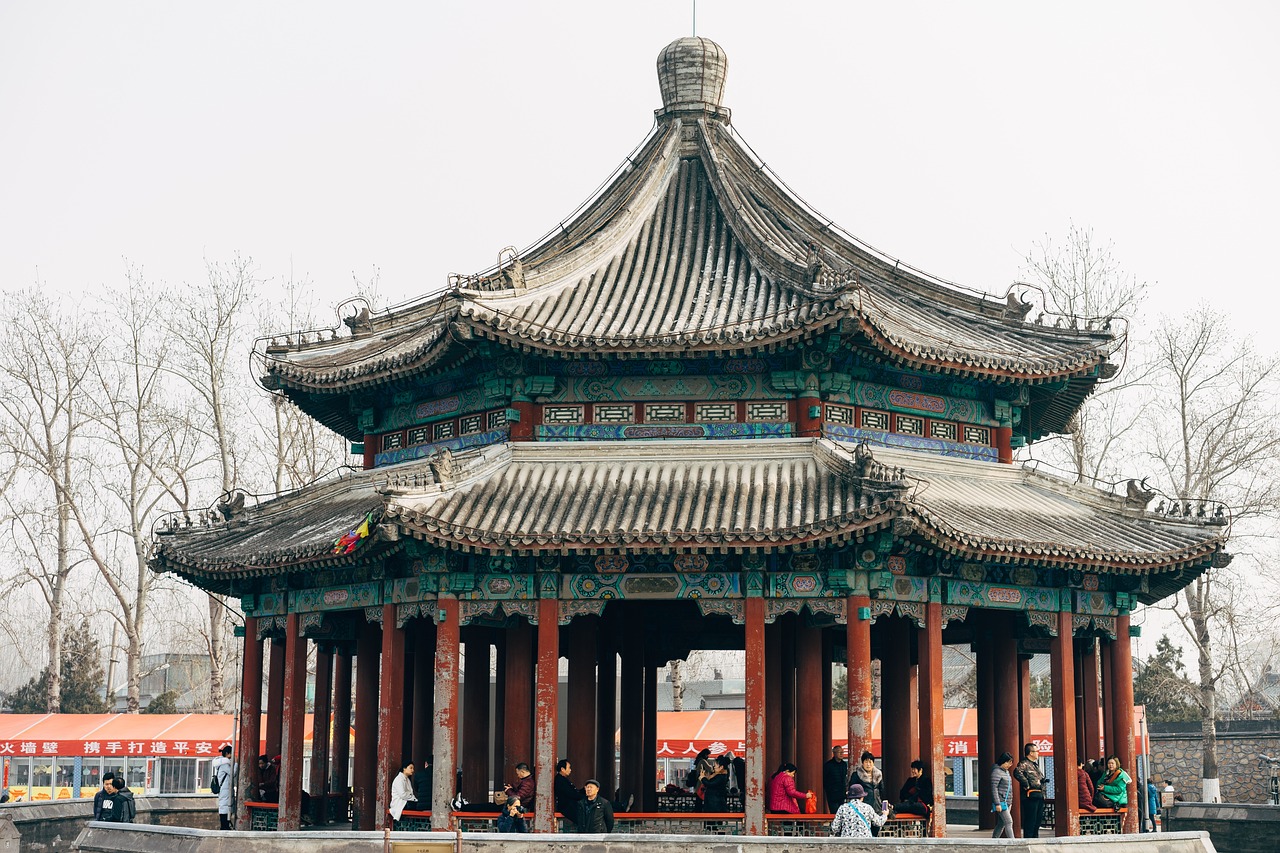
Imperial Garden tranquillity in the Forbidden City in Beijing, with feng shui landscaping and hidden pavilions
By the time you reach the Imperial Garden Forbidden City, Beijing, feng shui quiet spots, your body may be ready for a softer chapter. This is where the Forbidden City surprises many first-timers: after monumental halls, you find ancient landscaping that feels intentionally gentle. The rockeries, cypress trees, and pathways follow feng shui logic—balancing the route so the day ends in tranquillity rather than fatigue.
For travellers who like both motion and stillness, this is the reward. You can explore the edges, uncover little stone compositions, and then choose a single quiet moment on a bench to let the experience settle.
Hidden pavilion moments and imagining private imperial pauses
The garden’s smaller structures are perfect for imagination. Step to the side and you’ll find a hidden pavilion framing the sky like a miniature stage. It’s easy to picture an emperor’s quieter routines here—less ceremonial, more reflective—away from the outer court. Even if you’re visiting on a crowded day, these corners offer a tranquil reset before you step back into modern Beijing.
One visitor shared a memory of attending a traditional Chinese cultural performance held within the palace grounds. They described the music echoing lightly against old walls, as if the palace museum briefly became a living room of Chinese culture rather than a static display. It’s a reminder that heritage isn’t only something you study; sometimes, it meets you.
Light, crowds, and a graceful exit through the Gate of Divine Might
If you’ve timed your visit for late afternoon, the garden becomes a photographer’s friend. The best strategy is simple: use side angles, avoid the central choke points, and let people move through your frame rather than fighting the flow. This is also where you can feel the day’s design working: big halls earlier, calm corners now, and a final exhale as you leave.
When you exit through the Gate of Divine Might, the transition can feel strangely intimate—like stepping out of a story and back into the present. Some travellers continue onwards to the nearby park for views towards the palace tower lines, while others head for a quiet tea and let the day settle with care.
F.A.Qs:
F.A.Qs: Visiting the Forbidden City in Beijing and understanding the Palace Museum
Why is the Forbidden Palace called Forbidden?
It was “forbidden” because access was strictly controlled for centuries: only the emperor’s household, officials on duty, and authorised servants could enter. For everyone else, it was an off-limits imperial palace at the centre of power, with rules reinforced by walls, gates, and ceremony. Today, as the Palace Museum, the space is open to visitors—but the name still reflects how exclusive and protected it once was.
What are 5 facts about the Forbidden City?
It is located in the heart of Beijing and was built in the early 15th century. Construction began in 1406 and finished in 1420. It served the Ming and Qing dynasties as the main imperial residence and ceremonial centre. The Hall of Supreme Harmony is its most famous state hall and a remarkable wooden structure. Today it operates as the Palace Museum, preserving vast collections of historic objects and architecture.
Is the Forbidden City in Beijing worth visiting?
Yes—especially if you enjoy culture with a sense of adventure. The palace complex is immersive: vast courtyards, layered gates, and an evolving mood from the outer court to the inner court and garden. Even with crowds, a well-timed visit (early or late) can feel surprisingly personal. Many travellers leave with a deeper understanding of Chinese history and a new appreciation for how space, symbolism, and daily life were designed around imperial authority.
Why does the Forbidden City have 9999 rooms?
The number is traditionally linked to symbolism rather than a simple room count. In Chinese culture, the number nine is associated with imperial authority, and repeating it conveys supreme status. Legend suggests the emperor’s palace should be just short of the heavenly realm, which was associated with 10,000 rooms—so 9,999 implied greatness without surpassing the celestial order. The story reflects how meaning and myth were woven into architecture and rule.
What Stayed With Me After Leaving the Forbidden City, Beijing, Reflection Palace Museum Experience
After the gates close behind you, the Forbidden City Beijing reflection palace museum experience doesn’t fade in a neat, summarised way. It returns in fragments: the weight of a threshold underfoot, the hush inside shadowed halls, the way sunlight slid across lacquer and stone. The Palace Museum spans five centuries, and somehow your own day fits within that scale without feeling insignificant.
I think what stays with most people is not a single fact, but a change in tempo. Confidence grows when you move slowly enough to notice—when you let curiosity lead rather than forcing yourself to cover everything. In a place built for imperial messaging, choosing your own pace becomes quietly brave.
There’s also a lingering sense of togetherness. Whether you travelled with a guide, relied on an audio narrative, or simply shared glances with a companion, history becomes easier to trust when it’s held in company. Even in the busiest moments, you can create a small circle of calm—one shared observation, one private laugh, one silent agreement to pause.
And then Beijing carries on around you, as it always does—lively, modern, endlessly layered. Yet sometimes, later, you’ll remember a single image: golden roofs beyond a courtyard hush, glowing for a moment as if the city is still telling its stories, just softly enough that you have to lean in.