Post Contents
- Why the peace memorial Hiroshima Peace Memorial Japan meaning for visitors feels memorable
- Arriving in Hiroshima City with Hiroshima Station to Peace Memorial Park transport Japan local trams
- Atomic bomb dome Hiroshima Peace Memorial Japan UNESCO World Heritage Site and the dome you cannot forget
- Peace Memorial Museum Hiroshima Peace Memorial Museum exhibition survivor testimonials that convey truth
- Peace Memorial Park Hiroshima Peace Memorial Park cenotaph lantern ceremony Miyajima day trip Japan
- Hiroshima peace memorial reflection Japan personal journey
- F.A.Qs: Hiroshima Peace Memorial Japan
Why the peace memorial Hiroshima Peace Memorial Japan meaning for visitors feels memorable
Why the Peace Memorial in Hiroshima Changes Travellers
For many travellers, the peace memorial Hiroshima Peace Memorial Japan meaning for visitors becomes clear in a single, quiet moment: you are still moving, still curious, yet suddenly aware you’ve stepped into the history of Hiroshima. This is not “adventure” in the loud sense; it’s inner courage—uncovering how the city of Hiroshima carried unbearable loss after 1945, then rebuilt a life that refuses to surrender its soul.
What makes the Hiroshima peace memorial so powerful is its balance. It holds grief and resilience together, without asking you to perform emotion. You’re invited to slow your breathing, to trust the silence, and to let your own thoughts arrive in their own time.
How Hiroshima City became an international symbol of world peace
In Hiroshima City, the peace memorial is more than a site on a map. It is an international symbol of world peace—not as a slogan, but as a lived, daily practice. You’ll feel it in the careful landscaping, the gentle movement of visitors, and the way school groups are guided towards empathy rather than spectacle.
Imagine arriving with a crafted plan and warm support: you will explore history without being pushed to your limits. The memorial park offers space to pause, sit, and simply look—an approach that suits adventure seekers who value depth as much as momentum.
A first glimpse of the dome and the courage of contemplation
Many people describe a stillness that surprises them as they first see the dome in the distance. One traveller told me they expected to feel only sadness, but instead felt a steadier clarity—an insight that courage can be quiet, and that hope can sit beside horror without denial.
As you design your day, let the emotional rhythm be gentle: short walks, respectful silence, and moments of contemplation that allow meaning to land without overwhelm.


Arriving in Hiroshima City with Hiroshima Station to Peace Memorial Park transport Japan local trams
Arriving in Hiroshima City From Hiroshima Station to Peace Park by tram
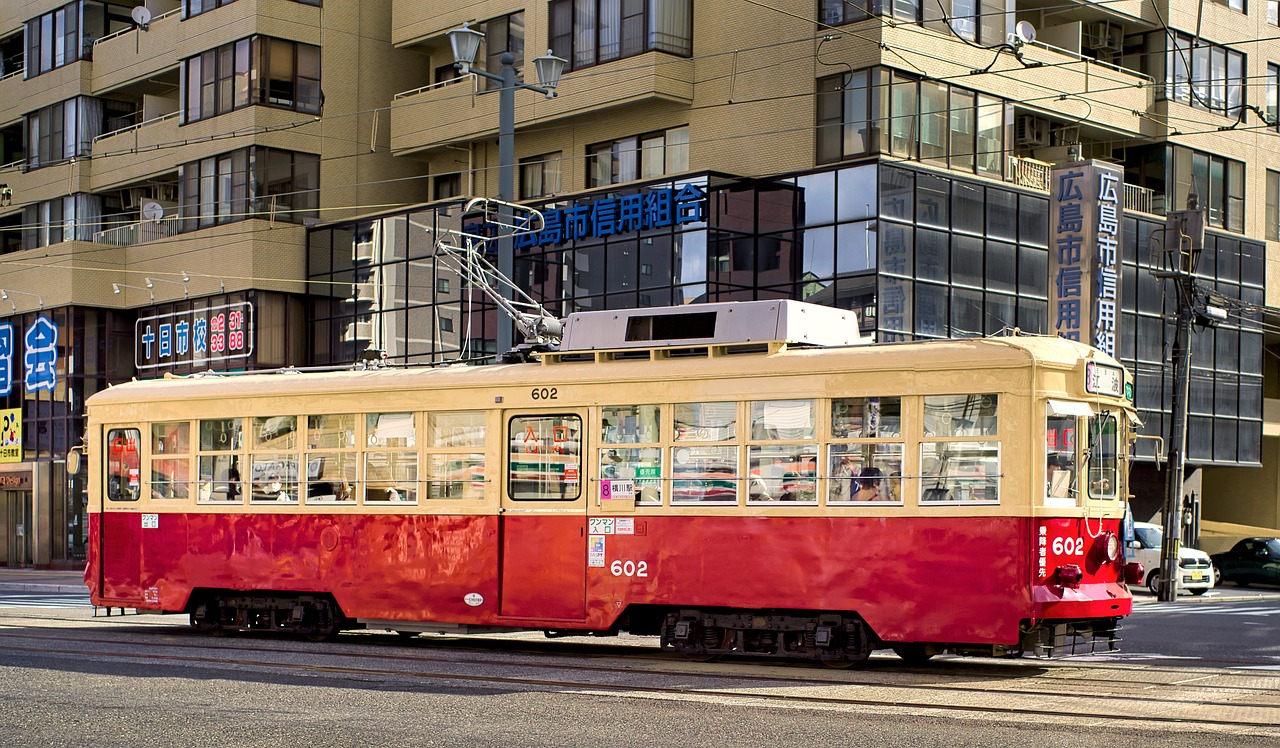
If you’ve been wondering about Hiroshima Station to Peace Memorial Park transport Japan local trams, you’ll find it refreshingly straightforward. Arrive by Shinkansen into Hiroshima Station, then take the local tram towards the city centre for the most relaxed approach—especially in spring or autumn when the air is crisp and the light feels kinder.
For high-end travellers and planners at heart, a smooth arrival isn’t about rushing; it’s about confidence. Aim for an early morning start so you can walk into the peace park before the day fills, giving yourself space to settle emotionally.
A confidence-building route into the peace memorial park
From the station, local trams connect you to the memorial park area with minimal fuss. If you prefer, a taxi is easy and quietly comfortable, but the tram ride offers a more local perspective—everyday Hiroshima moving alongside you.
Set a simple meeting point in the centre of the park (near the main axis through the gardens) so your group can stay together without stress. If you’re travelling solo, that “meeting point” becomes your own anchor: a place to return to after the museum.
- Best pacing: arrive early, walk the park first, then step into the museum when you feel ready.
- Tickets and value: admission is low-cost and worth every yen; the park is free.
- Opening hours: check seasonal times before you go, especially around commemorative dates.
- Guided option: for peak dates, a reservation may be wise for guided tours.
Etiquette that shows trust and care
Design your day around respect: quiet voices, mindful movement, and minimal phone use near memorial spaces. Carry water, and give yourself permission to take breaks—support is part of travelling well here. If you’d like to browse a curated Japan itinerary before you arrive, our Trip gallery can help you imagine a seamless route that includes Hiroshima without feeling rushed.
Atomic bomb dome Hiroshima Peace Memorial Japan UNESCO World Heritage Site and the dome you cannot forget
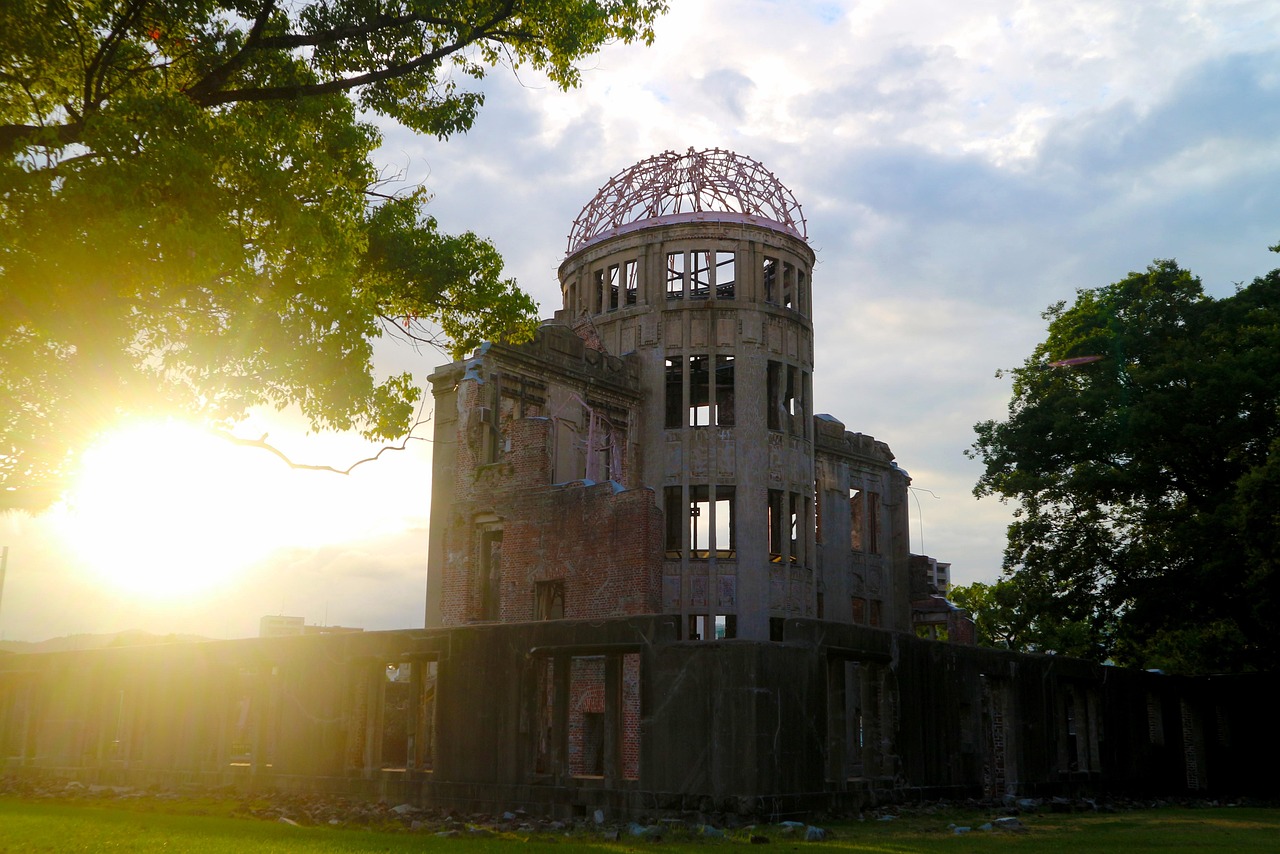
Atomic Bomb Dome the UNESCO World Heritage Site you cannot forget in Hiroshima
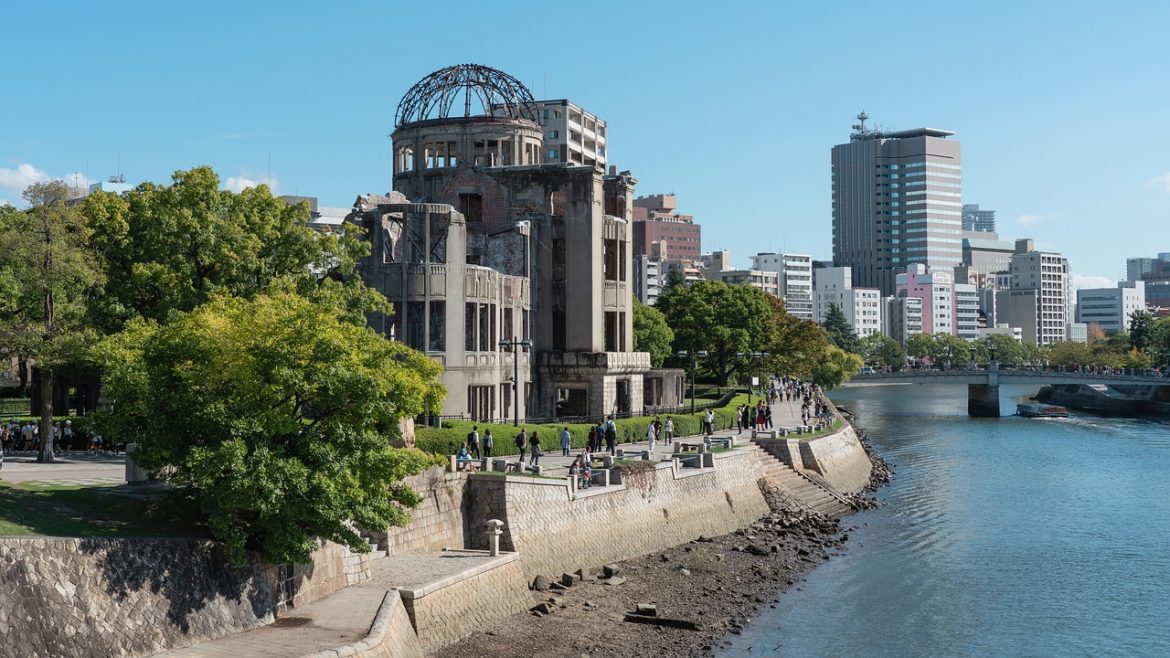
The phrase atomic bomb dome Hiroshima Peace Memorial Japan UNESCO World Heritage Site barely prepares you for the first approach. The silhouette is stark: a damaged building frame against the sky, standing in the vicinity of the hypocenter. This is the Atomic Bomb Dome, preserved not to shock, but to preserve memory—and to create a visible symbol of resilience.
In plain language, the bomb was dropped over Hiroshima in 1945, and when the bomb exploded the initial blast tore through the surrounding streets. The area that once formed the commercial heart of the city, including the Nakajima district, was reshaped in seconds by the bombing. Standing here, you don’t just learn facts; you feel scale.
Understanding the Prefectural Industrial building and why it stands
Before the bombing, the structure was known as the Hiroshima Prefectural Industrial Promotion Hall—sometimes shortened in local storytelling to the prefectural industrial hall. Today it is a UNESCO world heritage site, a marker that the world chose to register this place as a shared responsibility, not a local burden.
Local guides often share stories passed down through generations: how families searched for missing relatives, how communities organised help, and how Hiroshima’s recovery became a form of peace culture lived in daily choices—school education, public spaces, and careful remembrance.
Photography by the river with respectful awareness
Adventure seekers with an eye for composition can create striking images by framing the dome with the waterline and reflections. Keep your camera low-key: avoid intrusive photography of other visitors, particularly during commemorations. If you hear a bell, a prayer, or a pause in conversation, let the moment lead—sometimes the most powerful “shot” is the one you don’t take.
Peace Memorial Museum Hiroshima Peace Memorial Museum exhibition survivor testimonials that convey truth
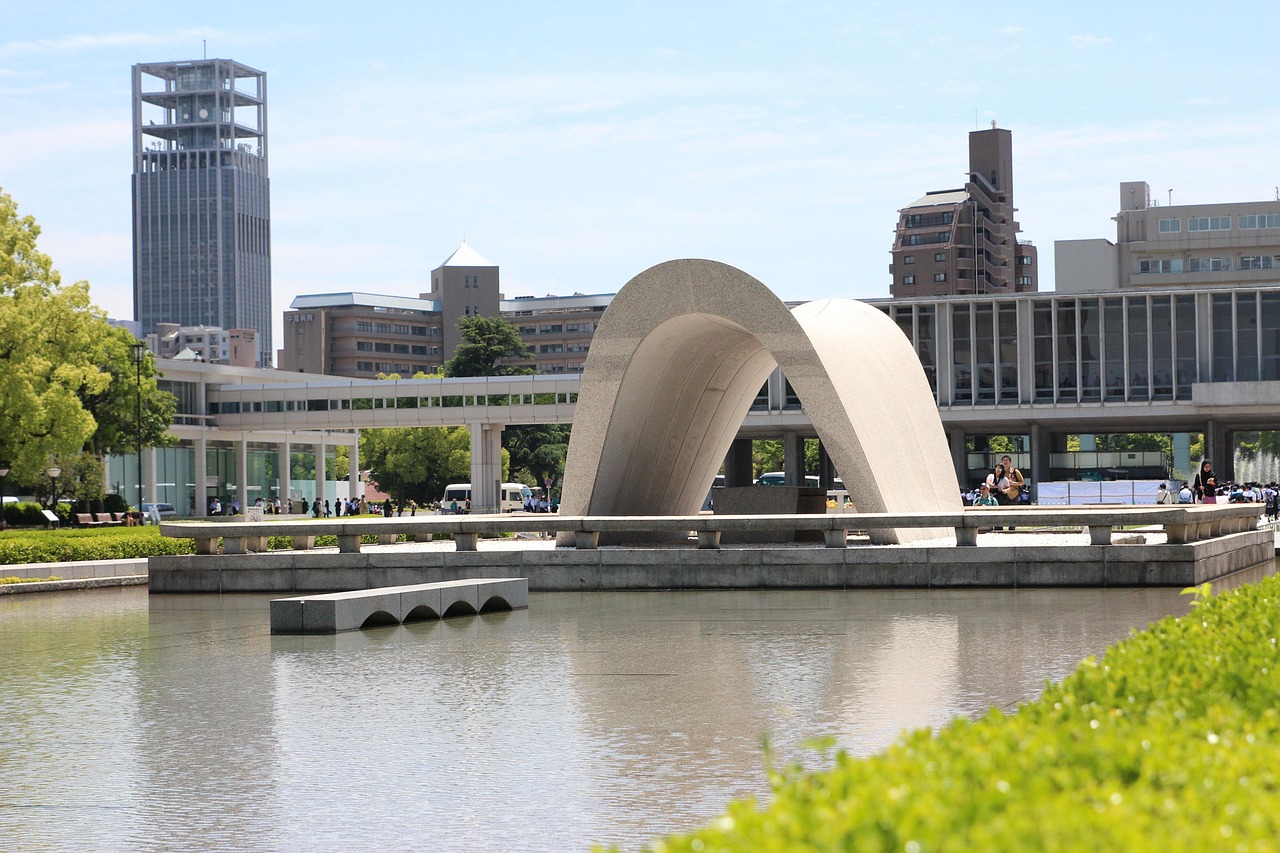
Inside the Peace Memorial Museum exhibitions that convey truth in Hiroshima
The Peace Memorial Museum Hiroshima Peace Memorial Museum exhibition survivor testimonials experience can be intense, and that intensity is part of its integrity. Step inside slowly. The Hiroshima Peace Memorial Museum (often called the peace memorial museum or simply the memorial museum) invites you to witness the human cost of the bombing with clarity, not sensationalism—so give yourself time, and take breaks when you need them.
Visitors often share touching moments here: an artifact like a scorched lunch box, a child’s clothing, or a melted bottle that makes “history” personal. It’s normal to feel your throat tighten. Let that be human, and let it pass at its own pace.
How to explore each exhibition without rushing
Rather than trying to absorb everything, move through the exhibition in chapters: timelines, photographs, personal belongings, and first-person accounts. Interactive elements and testimony stations are designed to convey nuance—how a nuclear bomb alters lives long after the blast, and how radiation shaped the months and years that followed.
- Go gently: read one panel fully, then pause before the next.
- Choose depth: pick a few stories and stay with them.
- Step outside: the gardens offer air and perspective when you need support.
- Return if needed: you can revisit sections rather than pushing through.
The hall of remembrance and peace memorial facilities nearby
Next door, the Hiroshima National Peace Memorial Hall offers a quieter, dignified space: a hall of remembrance that honours victims of the atomic bombing. Names, photographs, and the feeling of stillness can be just as affecting as the museum’s displays, in a different key.
This cluster of peace memorial facilities is designed to hold both information and grief with care. As a visitor, you’re not asked to “cope”; you’re invited to witness, to trust your own boundaries, and to leave with insight that feels earned rather than forced.
Peace Memorial Park Hiroshima Peace Memorial Park cenotaph lantern ceremony Miyajima day trip Japan
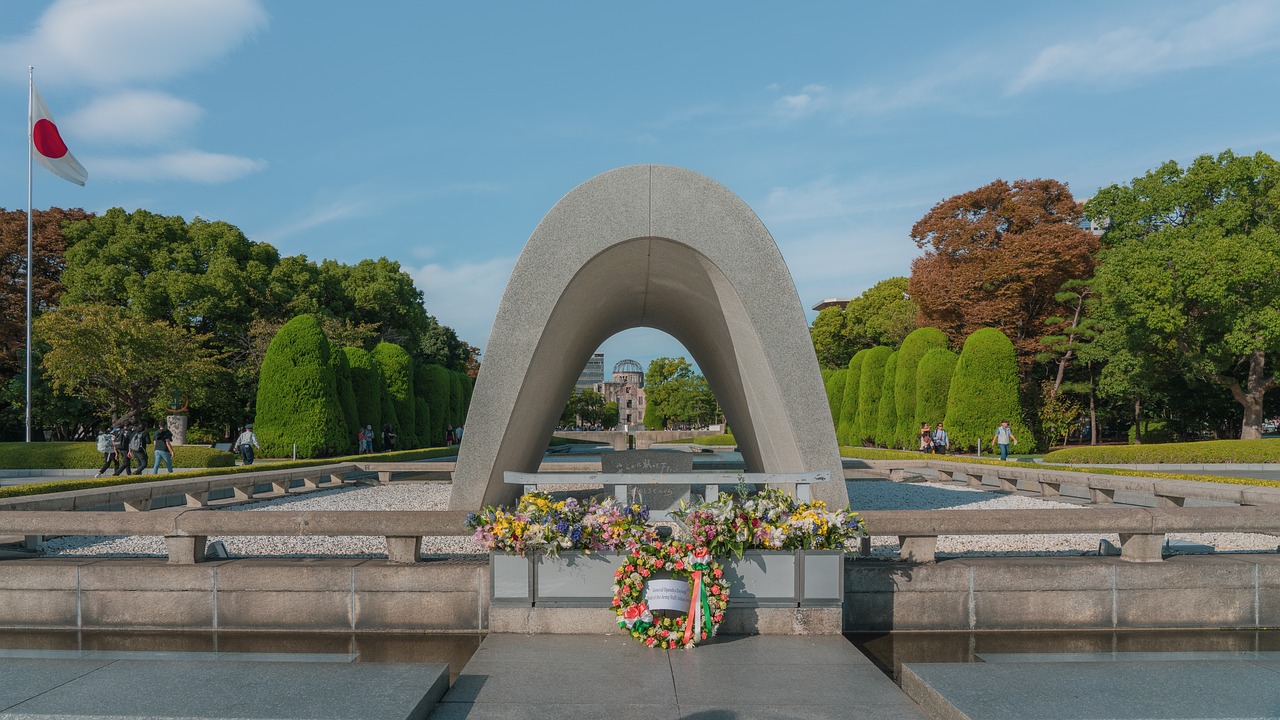
Peace Memorial Park monuments lanterns and a seamless Miyajima extension
To make sense of Peace Memorial Park Hiroshima Peace Memorial Park cenotaph lantern ceremony Miyajima day trip Japan, think of the park as a walkable, healing narrative. The peace memorial park (also known as Hiroshima Peace Memorial Park or hiroshima peace memorial park) is open and airy, guiding you through monuments and gardens that let emotion rise and settle naturally.
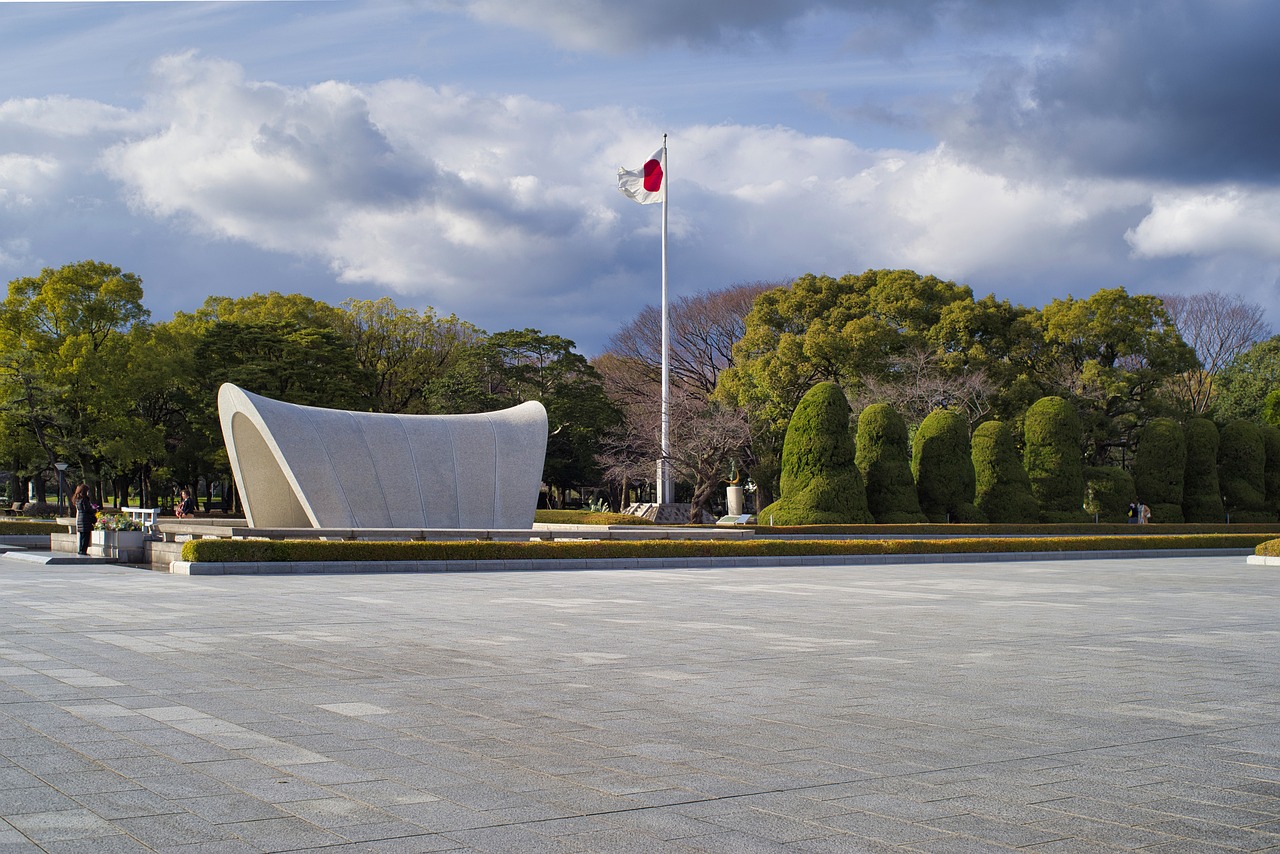
A simple loop works beautifully: begin with the central axis, pause at key sites, then drift towards quieter paths. You’ll encounter more than one monument, each offering a different way to hold memory—some intimate, some sweeping. The cenotaph is a core stop: the cenotaph for the a-bomb victims, where the names of the dead are remembered and where the inscription asks for humility rather than blame. It is a place many people instinctively lower their voice.
Kenzo Tange, the 1949 designation, and the open axis of the peace park
The park’s form was shaped by architect Kenzo Tange, and the area was designated in 1949 as a peace-focused urban space. The open line of sight feels deliberate—solemn yet not claustrophobic. One guide offered an estimate that the park spans around 120,000 square meters, and that scale matters: it gives the city room to breathe.
Even if you only name it once, you’ll feel the peace park as a design choice: a centre that invites people to stand together without crowding, and to remember without being trapped by the past.
August 6 lanterns by the river and standing together in silence
On August 6, the lantern floating ceremony brings the city into a shared hush. Thousands of paper lanterns are released to the river, and school students often participate, placing messages of peace with careful hands. If you attend, arrive early, keep photography discreet, and let respectful silence do the speaking. Many adventure seekers describe feeling an unexpected unity here—a personal reminder that lasting world peace is built from small acts of care.
- Where to pause: choose a spot with clear sight lines and stay put.
- How to behave: quiet voices, no intrusive filming, and mindful movement.
- What to bring: water, a light layer, and a small notebook for private reflection.
A crafted, seamless Miyajima reset for the next day
After a day of witness, a seamless next-day idea is Miyajima Island—close enough to feel easy, different enough to feel restorative. Explore nature trails, coastal views, and shaded paths that let your nervous system soften. The aim isn’t to “move on”; it’s to give yourself space to integrate what you learned, while still travelling with confidence and trust in your own pace.
Hiroshima peace memorial reflection Japan personal journey
I still think about Hiroshima peace memorial reflection Japan personal journey in moments when the world feels too quick. Leaving the memorial park, I remember the light changing on the pathways, and the sound of footsteps becoming gentler as people drifted apart without speaking much. It wasn’t a dramatic ending—just a calm, human exit.
What stayed with me wasn’t horror alone. It was the quiet proof that a city can be wounded and still choose to create spaces of care; that trust can be rebuilt in small, deliberate ways; that empathy can feel like a steadier kind of strength. One survivor account in the museum lingered for days, not as a lesson to repeat, but as a presence that made everyday choices feel more meaningful.
As the dome receded behind trees, I felt an unfamiliar confidence—one shaped by witness rather than adrenaline. The peace memorial doesn’t demand that you carry the weight forever. It simply asks that you notice how you speak, how you listen, how you move through crowded places, and how you protect what is fragile.
And sometimes, on the journey home, you find yourself wondering—what would it look like to practise peace so quietly that it becomes part of who you are?
F.A.Qs: Hiroshima Peace Memorial Japan
What is the significance of the Hiroshima Peace Memorial?
The Hiroshima Peace Memorial is significant because it preserves the memory of the atomic bomb and the bombing’s human impact, while expressing a clear commitment to peace. The Dome, museum, and park work together as a place of remembrance, learning, and dignity—encouraging visitors to reflect on nuclear weapons, resilience, and the value of every life.
How many Hiroshima survivors are still alive?
The number of Hiroshima survivors (hibakusha) changes each year as the population ages. Many are now elderly, and official figures are maintained by Japanese authorities and survivor organisations. If you want the most accurate, current count, check recent publications from Hiroshima City or related peace institutions before your visit.
Can you visit where the bomb was dropped in Hiroshima?
Yes. You can visit the area near the hypocenter in central Hiroshima, marked with a memorial plaque and located within walking distance of Peace Memorial Park. While the exact point in the sky where the bomb detonated cannot be “visited,” the ground location is clearly indicated, allowing visitors to understand proximity and scale with respect.