Post Contents
- Ho Chi Minh City Vietnam Travel Guide luxury District 1 in HCMC
- things to do in ho chi minh city reunification palace war remnants museum central post office in Vietnam
- ben thanh market district 1 luxury shopping bespoke tailor tour ho chi minh city in Vietnam
- saigon opera house walking street nightlife bitexco financial tower 49th floor in Ho Chi Minh City
- around ho chi minh city cu chi tunnels mekong delta luxury day trip from ho chi minh city in Vietnam
- What Stayed With Me After Saigon ho chi minh city saigon vietnam reflections luxury journey
- F.A.Qs: Ho Chi Minh City Vietnam
Ho Chi Minh City Vietnam Travel Guide luxury District 1 in HCMC
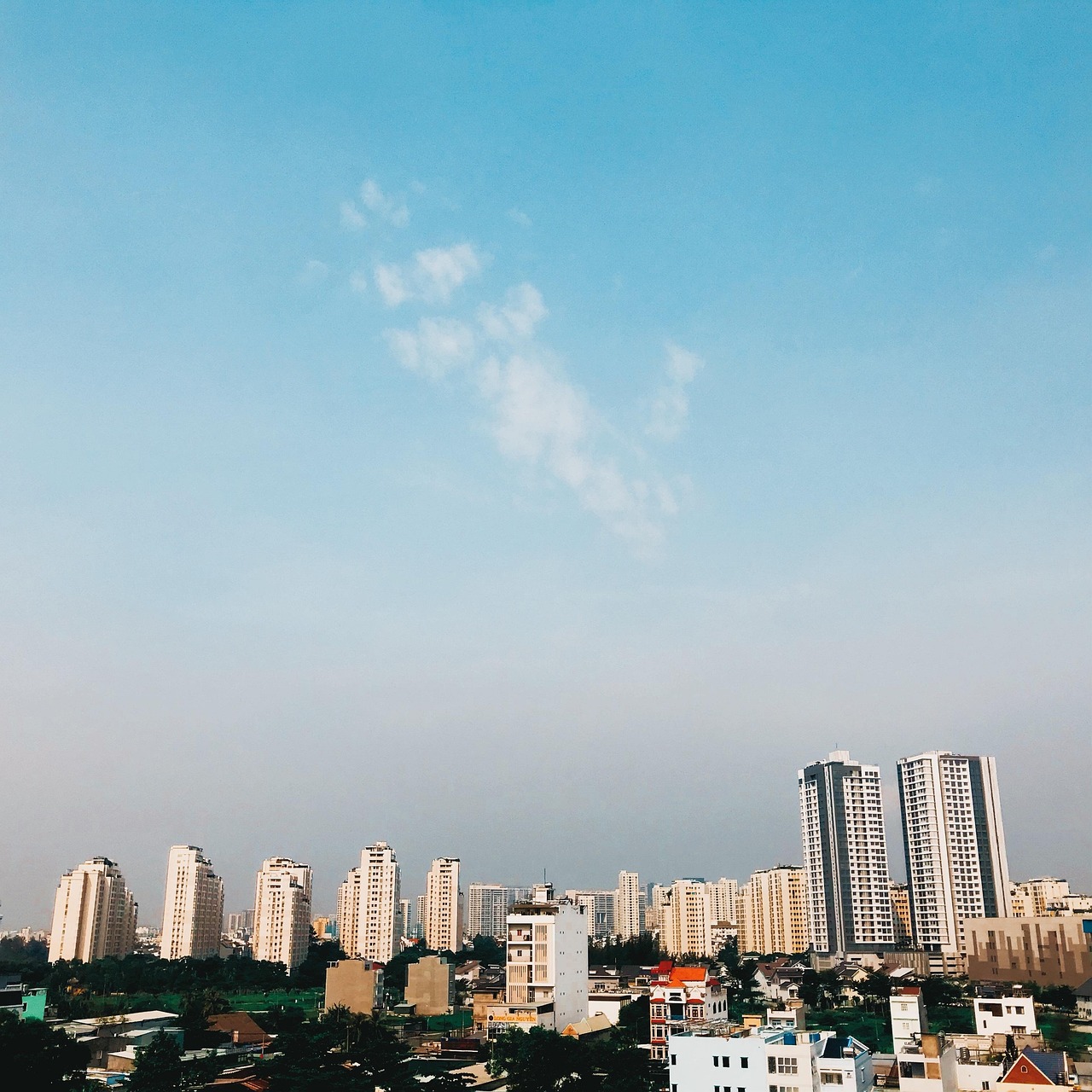
Ho Chi Minh City Vietnam Travel Guide for the High End Traveller with District 1 skyline
If you’re seeking a ho chi minh city vietnam travel guide luxury District 1 travellers can truly rely on, start by letting the city’s rhythm meet you where you are. Ho Chi Minh City (HCMC), known as Saigon, moves quickly at street level, yet it’s surprisingly easy to design a calm, high-end pace with the right support. District 1 is your elegant base for galleries, restaurants, and refined nightlife, while other neighbourhoods reveal the city’s creative energy across the city in smaller, more local scenes.
Ho Chi Minh City sits at the southern gateway of Southeast Asia, and it often feels like a place where old façades and new towers hold hands. One moment you’ll pass colonial-era balconies and a quiet cafe, the next you’ll watch a motorbike river flow past a modern skyscraper. The secret is not doing more—it’s doing the right things, together, with confidence.
Best time to visit and how to plan around the rainy season
The best time to visit is the dry season from December to April, when days feel brighter and evenings invite rooftop dining. During the rainy season, especially May to November, showers can arrive fast—then vanish just as quickly—so it’s less about disruption and more about packing thoughtfully and keeping plans flexible.
For high-end travellers, a reassuring approach is simple: choose a hotel with a sheltered arrival, strong concierge service, and a bar you’ll actually enjoy if the clouds roll in. A city break in Ho Chi Minh City doesn’t need perfect weather to feel seamless.
- Comfort: breathable layers, quality sunscreen, and a light rain layer in your day bag.
- Timing: start sightseeing earlier, keep afternoons for spa time or a long lunch.
- Reservations: book signature dining and shows ahead during peak season.
Arrivals, connections, and the best way to get around
Most guests arrive in ho chi minh through Tan Son Nhat International Airport; pre-booking a private transfer is the simplest upgrade you’ll feel immediately. There’s something deeply calming about being met, greeted, and taken straight to spacious rooms, a rooftop pool, and a view that reorients you after a long flight. Add travel insurance for premium peace of mind, especially if you’re connecting onwards to Hanoi or the coast.
Once you’re in town, pick up a sim card on arrival so you can message drivers, confirm reservations, and keep maps handy. A taxi or ride-hailing service is the practical way to get around for short hops, but most luxury travellers prefer a reputable private car service for longer days—cool interiors, chilled water, and an expert driver who reads the city’s patterns. For context, there is a public bus network and even bus and train options, yet they rarely match the comfort and timing you’ll want on a high-end itinerary. If you’re tempted by the back of a motorbike, try it only with a trusted operator and a helmet that fits; it can be exhilarating, but comfort and care come first.
From here, we’ll explore the best things framework—icons, food, art, and nights that feel crafted rather than chaotic—so your time in Ho Chi Minh City stays elevated, personal, and wonderfully easy.
For visual inspiration as you design your route through Vietnam, browse our Trip gallery.


things to do in ho chi minh city reunification palace war remnants museum central post office in Vietnam
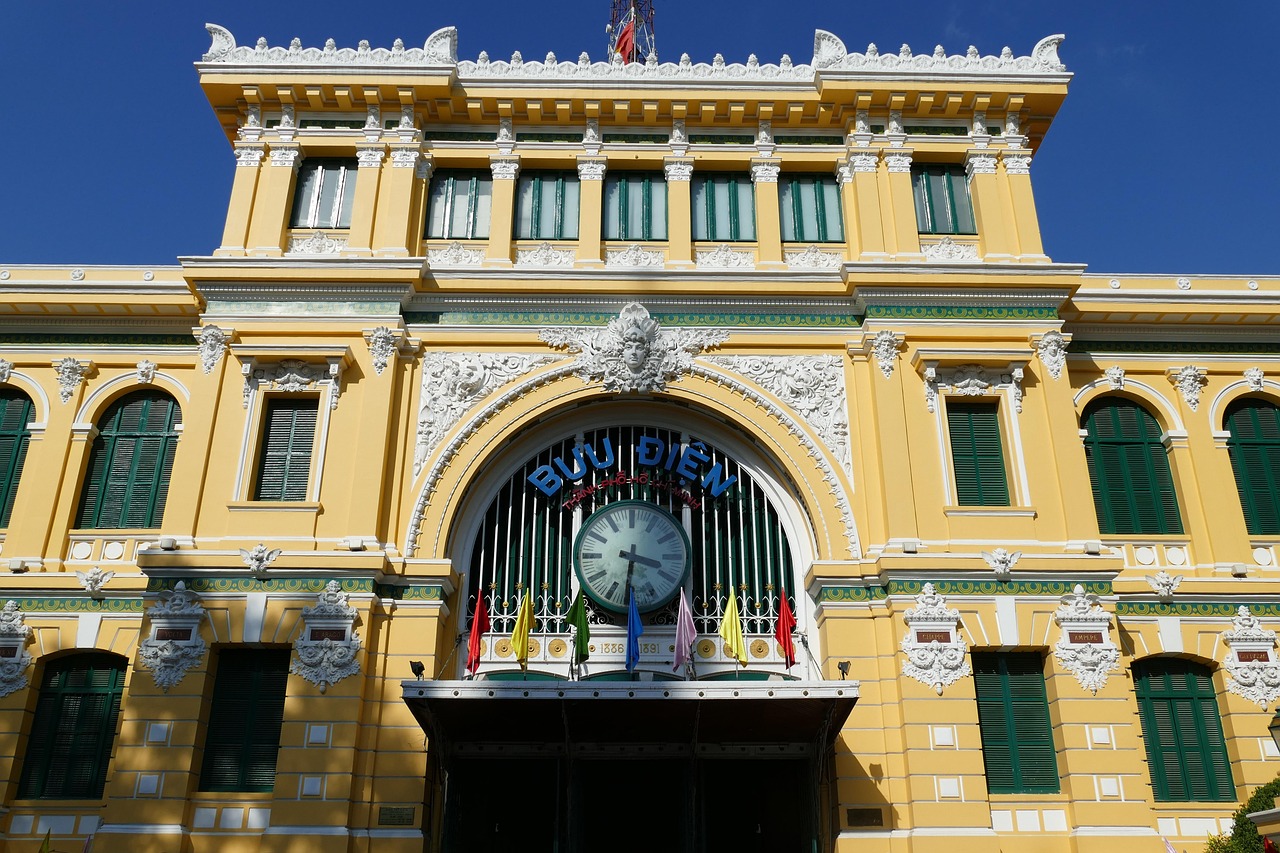
Saigon’s Landmark Buildings and Post War Vietnam Stories near Reunification Palace
For travellers mapping out things to do in ho chi minh city reunification palace war remnants museum central post office in one thoughtful day, Ho Chi Minh City offers powerful context without sacrificing comfort. This is where Saigon’s modern confidence meets the city’s recent history, and where gentle expert guidance can help you absorb what you’re seeing at your own pace.
Independence Palace and the city’s defining attraction
Begin at the Independence Palace, often called the Reunification Palace—an attraction that still shapes how people understand post-war Vietnam. It is open to the public, and walking its corridors can feel like stepping into a preserved moment: meeting rooms, communication spaces, and the quiet symbolism of a country turning a page. Take your time here; the experience is richer when you don’t rush the details.
War Remnants Museum, Saigon Central Post Office and French-era calm
Next, the War Remnants Museum is a deeply moving experience. If you’re a sensitive traveller, it helps to go with a private guide who can offer care and context—particularly around the Vietnam War, Agent Orange, and difficult chapters such as the Lai massacre. You’re not there to be overwhelmed; you’re there to understand, with trust and support, and to leave space for reflection afterwards in a quiet cafe.
Then soften the pace with the French colonial axis. The Saigon Central Post Office, built in 1909, is a beautiful pause—arched ceilings, warm light, and an elegance that still feels lived-in. Nearby, the Notre Dame Cathedral area is worth a visit even if you can only admire restoration views from the outside; it’s a reminder of how French-era design layered itself into the city’s identity.
For serenity, step into the Jade Emperor Pagoda, a Taoist sanctuary where incense, carved altars, and hushed corners invite calm. Dress modestly, keep greetings simple (a polite nod is perfect), and let the quiet do its work.
A collector once shared an insight with me after an exhibition near these landmarks: he had come searching for contemporary work, yet found himself drawn to Vietnamese lacquer pieces that “hold the city’s memory” in their gloss and depth. It was a personal reminder that Ho Chi Minh City’s stories aren’t only told in museums—they live in design, craft, and the way light falls on a surface.
ben thanh market district 1 luxury shopping bespoke tailor tour ho chi minh city in Vietnam
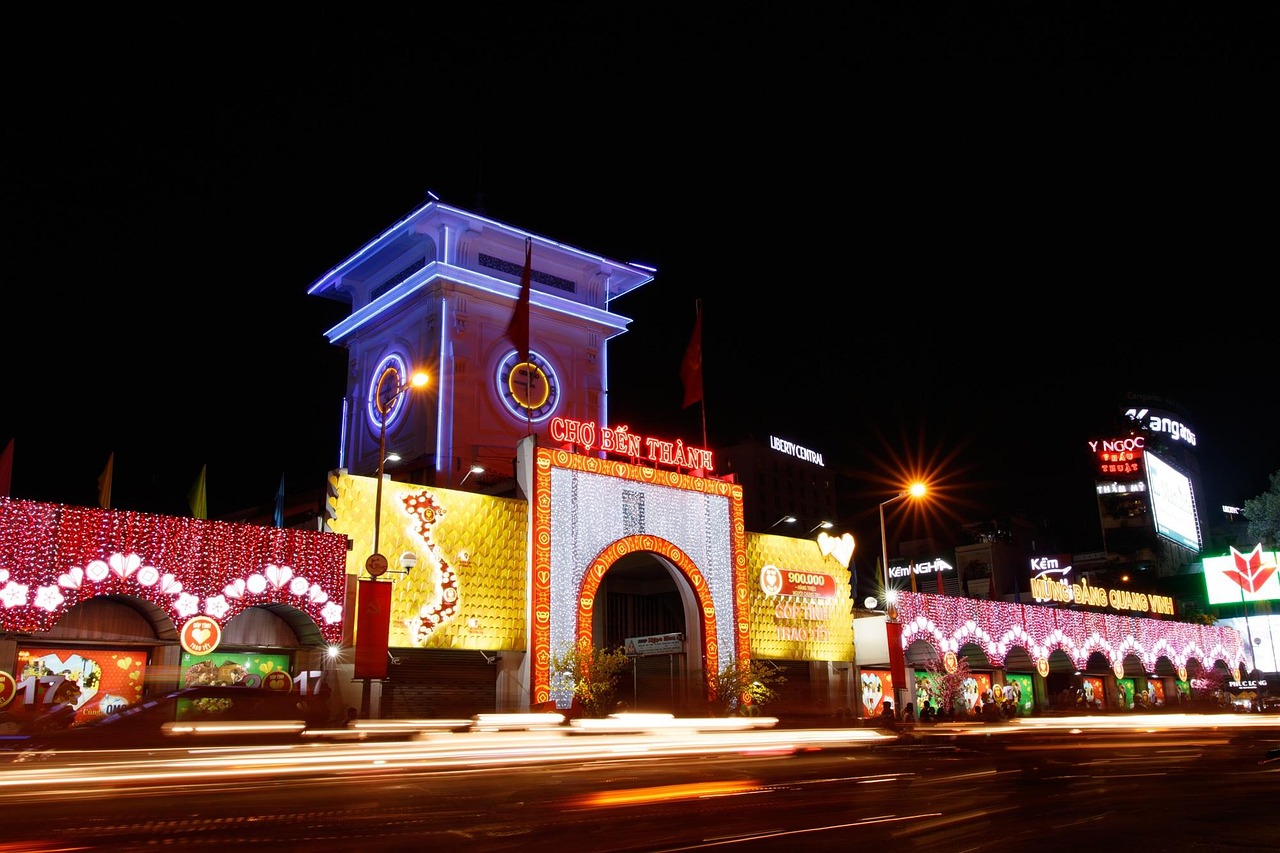
Ben Thanh Market and District 1 Fashion Designed for You in Ho Chi Minh City
To experience ben thanh market district 1 luxury shopping bespoke tailor tour ho chi minh city style, think of your day as a curated circuit rather than a spree. Ho Chi Minh City rewards the traveller who enjoys craft, conversation, and the confidence of knowing where quality lives—especially when you’re supported by a guide or stylist who understands finishes, fit, and provenance.
Ben Thanh Market with a luxury lens, near Ben Thanh
Ben Thanh Market is iconic, and the bustle is part of the charm—spices, textiles, lacquerware, and gifts you’ll actually want to take home. Focus on fewer, better pieces: silk accessories, polished homeware, or small artisan items that feel local rather than mass-produced. Keep your phone and wallet secure in the crowd (a crossbody bag worn in front helps), and step into calmer aisles when you want space to browse.
District 1 bespoke tailoring as a half-day tour
Now, create a bespoke tailored fashion tour around District 1. With an expert designer or stylist, fittings become a half-day tour: coffee first, then fabric selection, then a first measurement—punctuated by air-conditioned pauses in elegant cafés. This is where “luxury” becomes personal: you’re not buying a logo, you’re commissioning something that fits your body and your life.
An executive once described the thrill of negotiating the final details of bespoke suits in District 1—premium wool, hand-finished buttonholes, the exact lapel roll he wanted, and a lining that nodded to Vietnam without being loud. His key lesson was trust: agree pricing clearly, ask what’s included in alterations, and tip generously when service is exceptional. Transparency keeps the experience warm, respectful, and genuinely enjoyable.
Beyond the market, let your stylist guide you around district 1 through concept stores and boutiques where local ateliers reinterpret traditional Vietnamese motifs with modern lines. Bargaining can be respectful when it’s done gently; if the price feels fair and the craftsmanship is strong, paying it supports the maker and keeps the day seamless.
- Budget confidence: premium shopping days still fit within a $150 to $500 per day approach when you prioritise experiences and choose a few standout pieces.
- Comfort upgrade: a private car between appointments keeps fabrics crisp and energy high.
- Quick tastings: try pho for lunch or a crisp bánh mì between fittings—simple, delicious, and very Saigon.
saigon opera house walking street nightlife bitexco financial tower 49th floor in Ho Chi Minh City
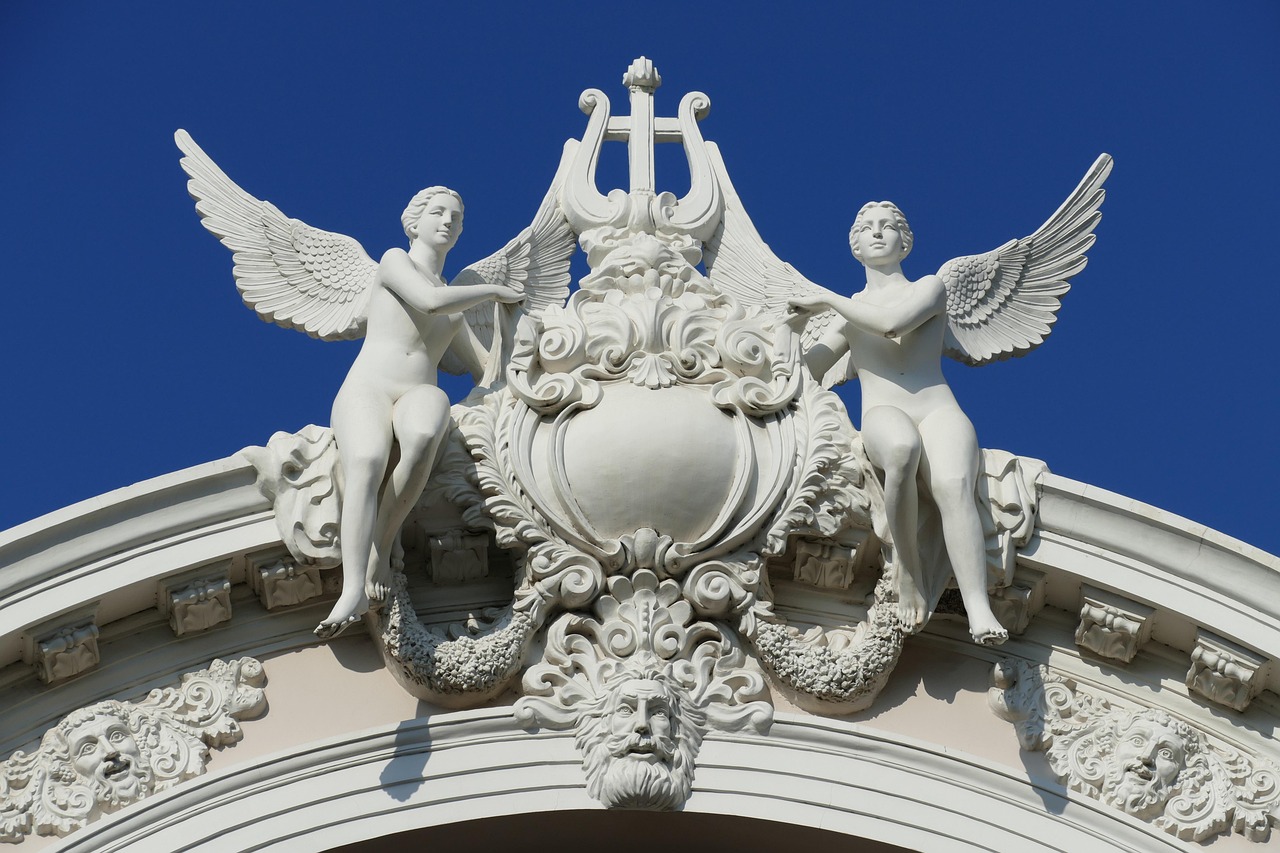
Saigon Opera House Nights, Hidden Art, and Rooftop Views in Ho Chi Minh City
Plan your evening around saigon opera house walking street nightlife bitexco financial tower 49th floor highlights, and Ho Chi Minh City becomes an elegant stage. The goal isn’t to chase every address—it’s to uncover a sequence that feels crafted: performance, art, skyline, and one final drink where you can actually hear each other speak.
Saigon Opera House and Vietnamese food with a modern twist
The Saigon Opera House is a jewel of French colonial design, and a performance here can be the most graceful way to enter the city’s nightlife. Pair it with a pre-theatre tasting menu where Vietnamese food is presented with a modern twist—thoughtful plating, seasonal herbs, and service that feels quietly expert. If you’re curious, ask your concierge about the bamboo circus; it’s a contemporary show that blends artistry and athleticism without losing warmth.
Hidden art, a walking street choice, and Bitexco’s skyline drama
One renowned travel blogger told me a private guide changed his entire view of Saigon by leading him into back alleys he would never have chosen alone. Behind unmarked doors, he discovered hidden art galleries and studio spaces, and the insight stayed with him: the city’s creativity often lives a few steps away from the obvious.
For your own night, choose a walking street moment carefully. If you’re curious, you can pass Bui Vien for a quick look at the backpacker energy, but most high-end travellers prefer cocktail lounges and terrace bars where the ambience is calmer. A great guide will read the room for you—keeping the buzz, leaving the chaos.
For skyline drama, head to the Bitexco Financial Tower. The lift whisks you up, and on the 49th floor you’ll feel how quickly the city has grown—yet from this height it still looks human, threaded by rivers and boulevards. It’s not the tallest building now, but it remains a defining viewpoint of Ho Chi Minh City’s skyscraper era.
A couple once described their honeymoon night from a 5-star rooftop hotel: panoramic views, a hint of colonial architecture in the distance, and a quiet pause before returning to the city’s sparkle. That’s the magic of doing Saigon well—you can step in and out of the energy with complete confidence.
around ho chi minh city cu chi tunnels mekong delta luxury day trip from ho chi minh city in Vietnam
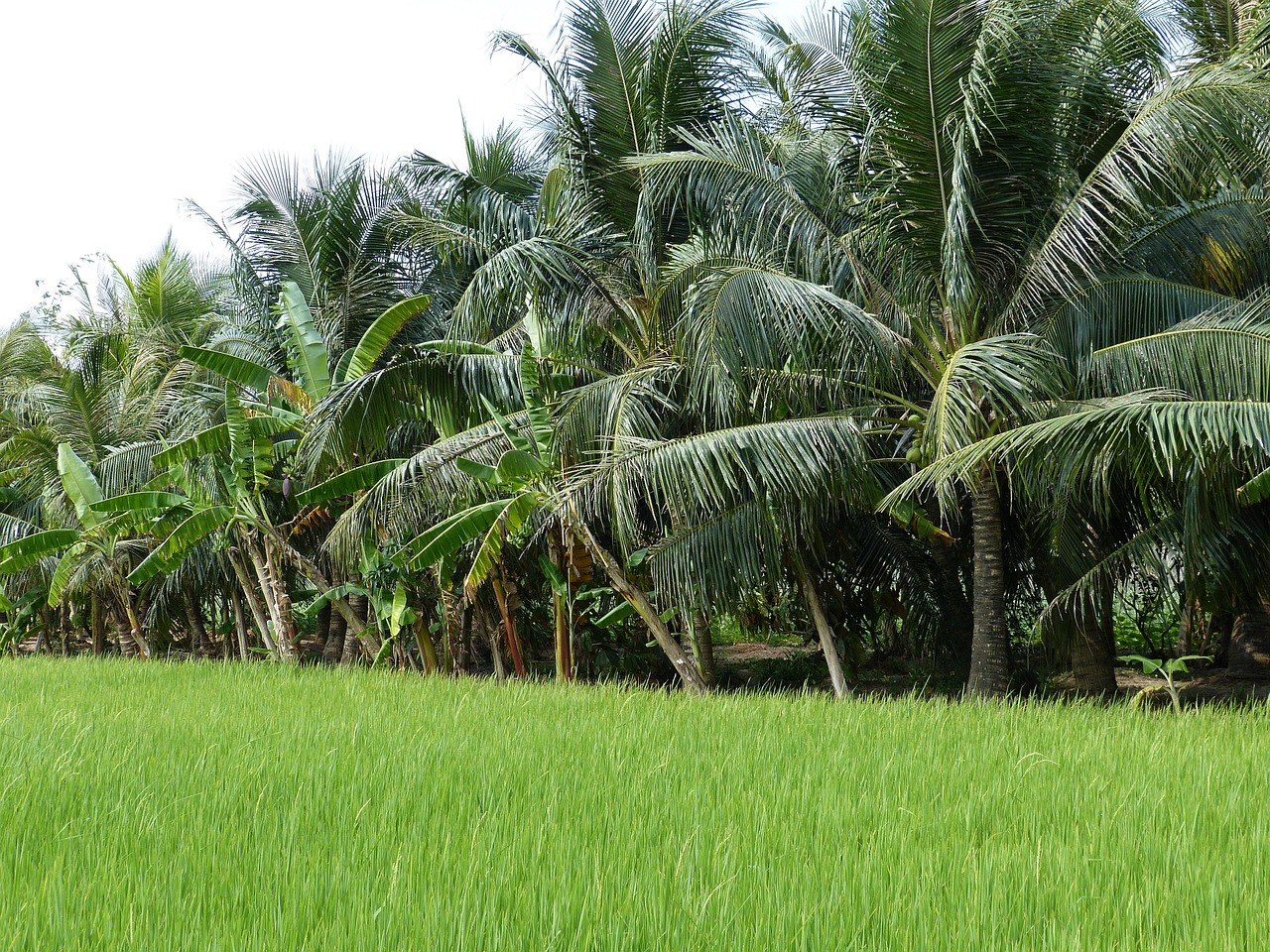
Around Ho Chi Minh City Private Escapes to Cu Chi Tunnels and Mekong Delta
When you’re planning around ho chi minh city cu chi tunnels mekong delta luxury day trip from ho chi minh city, the difference is in how the day is designed. A private driver, chilled water, an early start, and a guide who offers support without over-scripting the experience—this is what turns a long outing into something effortless.
Cu Chi Tunnels with respectful context and crowd timing
The Cu Chi Tunnels are one of the region’s most intense historical sites, and visiting with care matters. The chi tunnels speak to wartime engineering and resilience; a good guide will keep the tone respectful and help you decide what to engage with and what to skip. Although many sites are open daily, peak-season crowds can build quickly—so depart early, aim to arrive near opening, and return to Ho Chi Minh City before the hottest part of the afternoon.
Mekong Delta comfort, what to pack, and optional extensions
For a softer day, design a luxury Mekong Delta escape: a private sampan, orchard tastings, and a quiet riverside lunch where the pace slows naturally. The Mekong Delta can feel like a different Vietnam entirely—greener, gentler, and deeply photogenic. Choose comfort over speed; fewer stops, better moments.
Practical comfort is simple but important: stay hydrated, wear quality sunscreen, and choose light breathable layers you can move in. This is where a private car earns its place—air-con resets your energy between humid stretches, and your guide can time each stop for shade.
- Easy essentials: refillable water bottle, sunglasses, insect repellent, and a small towel.
- Footwear: supportive sandals or trainers that handle uneven paths.
- Family options: if it suits your group, Suoi Tien can be a playful detour on a different day.
If your itinerary is more expansive, there are optional extensions that high-end travellers sometimes love: a short hop towards Phnom Penh (always check visa/logistics), or a slower, multi-day river experience that lets the landscape open up gradually.
What Stayed With Me After Saigon ho chi minh city saigon vietnam reflections luxury journey
In the end, ho chi minh city saigon vietnam reflections luxury journey moments are rarely the ones you can photograph cleanly. What stayed with me were the small human textures: the nod from a doorman who somehow remembered my name, the scent that drifted from a cafe just as the rain cooled the pavement, the hush that settled in my chest after a performance when applause faded and the night resumed.
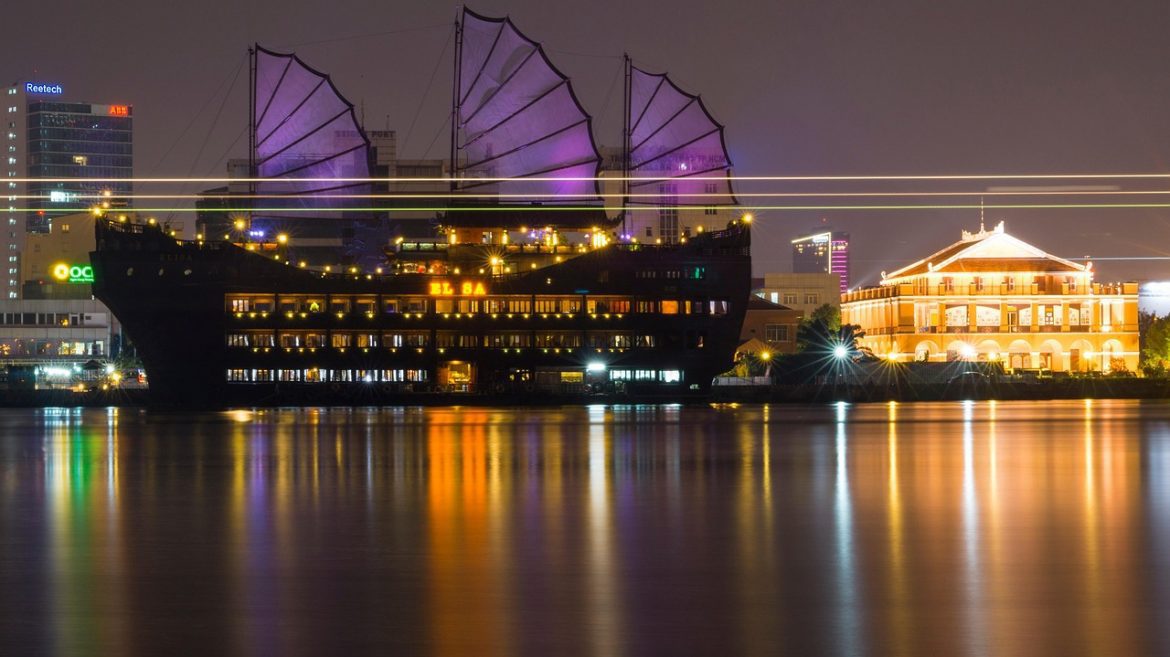
At dusk, the Saigon River became my memory container. On a private sunset cruise, the city softened at the edges—lights loosening into reflections, conversations lowering into something more honest. I watched towers glow, then disappear behind palms and riverside silhouettes, and felt both held and free at the same time. Luxury, at its best, is not excess; it’s the gift of serenity.
I also noticed how personal choices shaped the experience: a guide who offered quiet insight without taking over, crafted meals that respected traditional Vietnamese flavours, and museum visits handled with care so history could be met without fear. Even the simple rituals—cold water placed in my hand before I realised I needed it—added up to trust.
Now, when I think of Ho Chi Minh’s creative spirit in Vietnam and the main boulevards that carry it forward, I don’t remember a checklist. I remember atmosphere, detail, and the feeling that the city still has another layer waiting—whenever you choose to look again.
F.A.Qs: Ho Chi Minh City Vietnam
What to be careful of in Ho Chi Minh?
In Ho Chi Minh City, be careful with personal belongings in busy areas such as Ben Thanh Market and crowded pavements. Cross roads slowly and confidently—traffic flows around you, and motorbike movement can be surprising at first. Use reputable taxi or ride-hailing services, and keep valuables out of sight. When visiting temples, dress modestly and speak softly. In high-end zones the city is generally safe, but a little awareness keeps everything relaxed.
Why is Ho Chi Minh City famous?
Ho Chi Minh City is famous for its role in modern Vietnam’s history, particularly sites like the Reunification Palace and the War Remnants Museum. It’s also known for French colonial architecture such as the Central Post Office, for energetic shopping in District 1, and for a food scene that ranges from street classics to fine dining. Many travellers love how Saigon blends heritage, creativity, and a fast-moving modern skyline.
Does Ho Chi Minh City speak English?
English is widely spoken in Ho Chi Minh City’s hotels, restaurants, and tour services, especially in District 1 and other central areas. Staff in high-end properties often speak excellent English, and menus commonly have English translations. Outside the main districts, English can be more limited, so having a private guide or a translated address on your phone helps. A friendly approach goes a long way, and locals are usually welcoming.
Is it safe to visit Ho Chi Minh City now?
For most travellers, Ho Chi Minh City is considered safe to visit now, particularly in central and high-end areas. As with any big city, take standard precautions: watch for pickpocketing in crowded markets, use reputable transport, and be mindful when crossing roads. If you book trusted hotels, private transfers, and guided experiences, the trip feels more seamless and reassuring. Check current travel advisories and personal health needs before departure.