Post Contents
- Visiting Hoa Lo Prison Hanoi Vietnam Guide for Adventure Seekers
- History of Hoa Lo Prison Hanoi Vietnam Maison Centrale 1896 and the prison story
- Hoa Lo Prison prisoner living conditions Vietnamese revolutionaries Hanoi Vietnam
- Hanoi Hilton American prisoners of war POW stories Hoa Lo Prison Hanoi Vietnam
- See at Hoa Lo Prison night tour tunnels Hanoi Vietnam tips
- What Stayed With Me After Hoa Lo Prison in Vietnam
- F.A.Qs: Hoa Lo Prison and Hanoi Hilton practical answers
Visiting Hoa Lo Prison Hanoi Vietnam Guide for Adventure Seekers
Visiting Hoa Lo Prison in Hanoi What Adventure Seekers Should Know
Use this visiting hoa lo prison Hanoi Vietnam guide for adventure seekers as a steady hand: Hoa Lo Prison is emotionally heavy, yet deeply meaningful, and the museum is designed to support understanding rather than shock. If you’re used to adrenaline-led travel, this is a different kind of adventure—one where curiosity, patience, and empathy carry you through each room.
The site sits close to the Hoan Kiem District, on Hoa Lo Street, making it simple to weave into a day of design-forward wandering in the capital. Tickets are typically purchased at the entrance for a few dollars, and arriving early on a weekday gives you breathing room to read, listen, and reflect without feeling hurried.
Visiting Hoa Lo Prison with a seamless start
For high-end travellers who value a crafted rhythm, it helps to set expectations before you step inside: you’ll encounter prison cells, stark displays, and personal accounts that can land unexpectedly. Give yourself time afterwards—perhaps a quiet coffee nearby—so the experience has somewhere to go.
- Best time: early morning on weekdays for a calmer flow through the prison galleries.
- What to bring: water, a light layer, and a patient pace that lets the stories arrive naturally.
- How to plan: pair the museum with a gentle walk back towards Hoan Kiem for contrast and decompression.
How the prison layout helps you explore with confidence
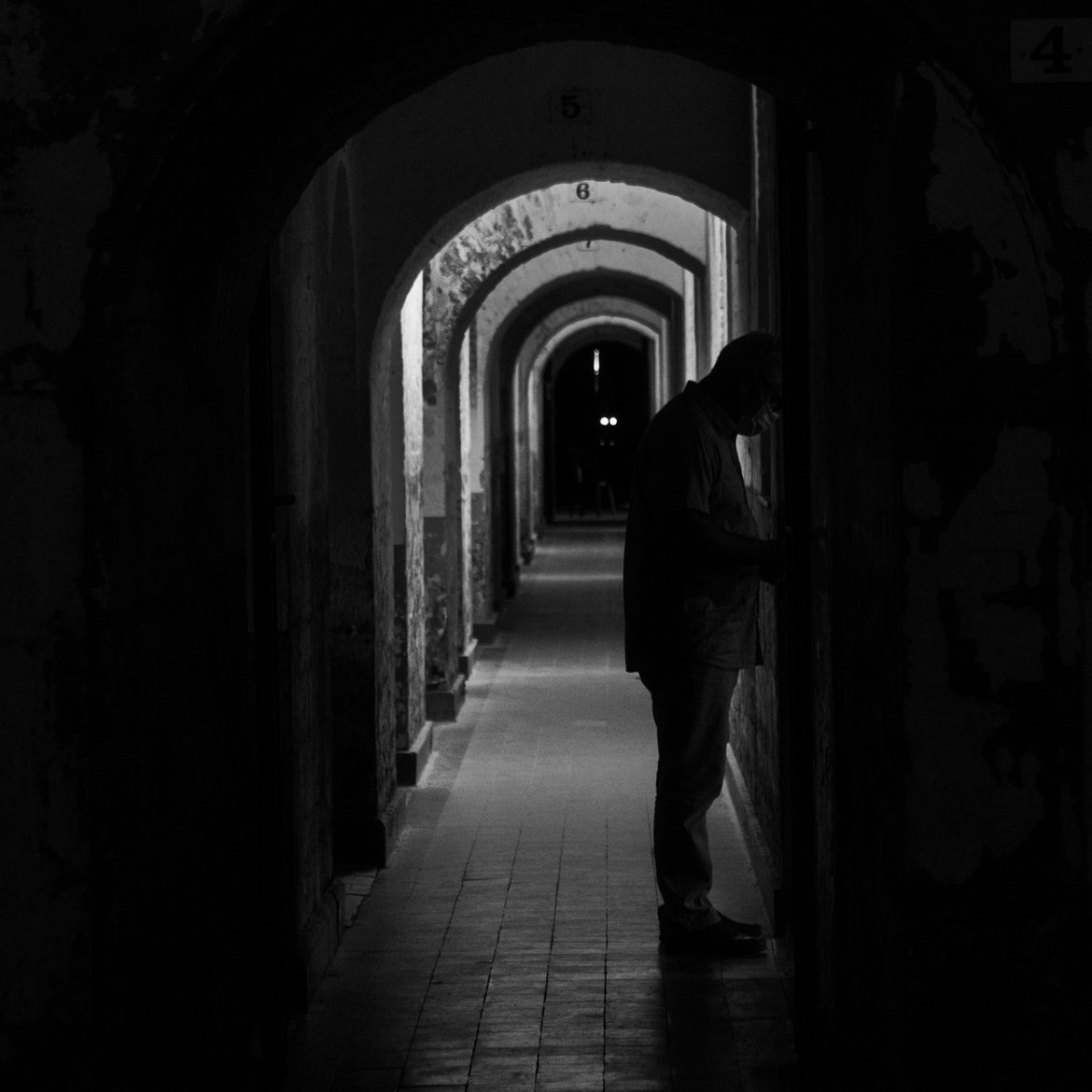
The museum’s flow generally moves from the French colonial era into the Vietnam War period, with courtyards and exhibition rooms that act like chapters. Imagine each room as a page in Vietnam’s history: pause, read slowly, and uncover the human detail behind every artefact—names, dates, and the small traces of daily survival.
If you’re building a wider itinerary, you can browse our Trip gallery for inspiration that balances culture with comfort, without losing the edge of discovery.


History of Hoa Lo Prison Hanoi Vietnam Maison Centrale 1896 and the prison story
History of Hoa Lo Prison From Maison Centrale to a Museum
This history of hoa lo prison Hanoi Vietnam Maison Centrale 1896 begins under French Indochina, when the site was built by the French in 1896 as part of a larger prison complex. On-site plaques often reference the former scale in square meters, reminding you that what you see today is only a portion of what once stood here.
During colonial rule, it was known as Maison Centrale—maison centrale in French—reflecting a model of central detention and control. Understanding that context matters, because the justice system and colonial oppression shaped who was imprisoned and how harsh conditions were normalised within the walls.
History of Hoa Lo and the French colonial era
As you move through the earlier rooms, you’ll see how Hanoi by the French was governed through authority and intimidation. The museum describes political prisoners and revolutionary networks, but it also reveals a broader reality: this was a detention center designed to make resistance feel impossible.
It’s worth holding a gentle, expert mindset here. Any museum interpretation can vary—especially at sites tied to war and national memory—so trust the primary details you can verify on labels, and add context through a local guide if you can.
Guillotine and prison artefacts handled with care
What many visitors remember most from this era are the physical remnants: cramped communal rooms, iron restraints, and solitary confinement cells. The guillotine display is confronting, and it’s best approached slowly; allow the historical fact to land without sensationalising it. The point is not spectacle, but a clearer insight into what imprisonment meant under colonial power.
Hoa Lo Prison prisoner living conditions Vietnamese revolutionaries Hanoi Vietnam

Inside the Prison Cells Living Conditions and Vietnamese Revolutionaries
To understand the site beyond dates, focus on Hoa Lo Prison prisoner living conditions Vietnamese revolutionaries Hanoi Vietnam as they’re presented inside the cells. You’ll read about cramp quarters, lack of hygiene, and the oppressive heat—sometimes described like a furnace—turning each day into endurance rather than routine.
Standing close to the stone floors and barred windows, it becomes easier to imagine the daily reality of an inmate: sleep, hunger, illness, and the constant pressure of surveillance. One detail that stays with many travellers is the sight of the long floor fixtures where a shackle once fixed bodies into stillness.
Prisoner stories and Vietnamese revolutionaries
Local Vietnamese historians often share how networks of Vietnamese revolutionaries formed even in confinement—whispered lessons, coded notes, and an insistence on dignity. These stories are not tidy; they sit in the space between struggle and hope, reflecting the wider struggles for independence and the sacrifices that shaped modern Vietnam.
You may also notice references to female prisoners, a reminder that resistance and punishment were not confined to one gender. For many visitors, this is where empathy deepens: you’re no longer looking at “history”, but at individuals who sacrificed their lives or lived with the consequences of refusing to comply.
Prison artefact details that help you uncover identity
Look for the quieter artefacts: prisoner artwork, letters, and handmade objects that bring faces and personalities into view. Each artifact is a small act of selfhood, and together they create a more intimate narrative than any headline could.
- Move through each room at a steady pace; there’s no prize for speed in a place like this.
- Keep your voice low and avoid joking or theatrical posing for photos, especially near cell entrances.
- If you see someone visibly affected, give space—processing grim material is part of travelling with care.
Hanoi Hilton American prisoners of war POW stories Hoa Lo Prison Hanoi Vietnam
The Hanoi Hilton Era American Prisoners of War and North Vietnam
The Hanoi Hilton American prisoners of war POW stories Hoa Lo Prison Hanoi Vietnam chapter is where global memory often becomes personal. During the Vietnam War, Hoa Lo became nicknamed “Hanoi Hilton”, and the museum’s war gallery places the POW narrative alongside Vietnamese accounts that began decades earlier.
This is where contrasting perspectives matter most. The exhibitions touch on North Vietnam, south Vietnam, and the political framing of the period, including propaganda context. Rather than trying to “pick a side” inside the first ten minutes, it helps to simply gather information, note what surprises you, and keep space for complexity.
POW accounts, American prisoners, and the war gallery
Many displays focus on American prisoners of war, including interviews and photographs. Several former American POWs have recounted harrowing yet inspiring tales of resilience, camaraderie, and survival—stories that travellers often recognise as acts of mutual support in conditions no one should face.
You may see references to well-known figures such as John McCain, depending on the exhibit materials at the time of your visit. Some accounts mention American pilots captured after being shot down; reading those testimonies next to Vietnamese revolutionary narratives can be emotionally challenging, but it also widens your understanding of how national memory is built.
North Vietnam and north Vietnamese context in simple terms
In simple language, the site presents a story of a divided country and competing systems of power, with the U.S involved on one side and north Vietnamese governance on the other. Your role as a traveller is not to deliver a verdict; it’s to listen closely, compare sources where possible, and let your insight mature over time.
See at Hoa Lo Prison night tour tunnels Hanoi Vietnam tips
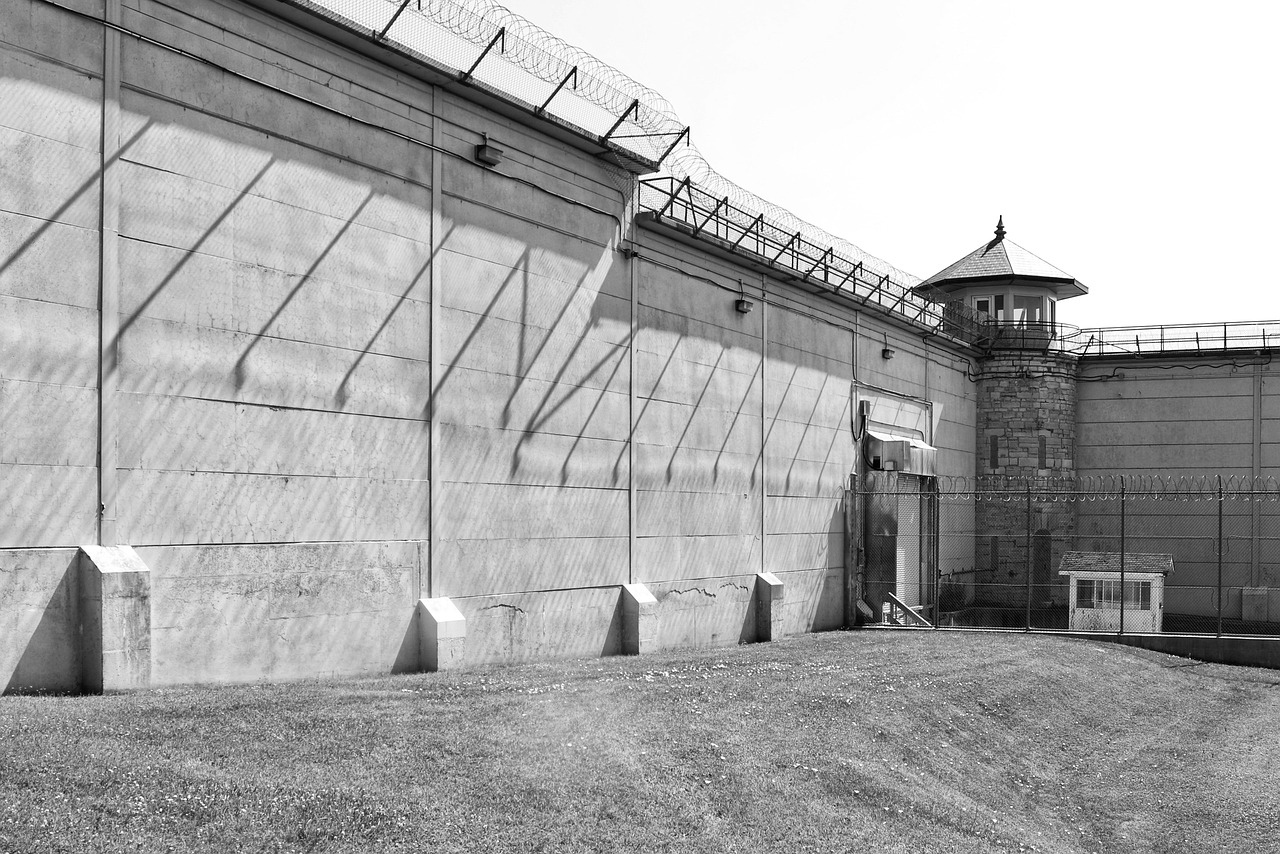
What to See at Hoa Lo Prison Night Tour Tunnels and Practical Tips
If you’re wondering what you’ll actually encounter on the ground, use this see at hoa lo prison night tour tunnels Hanoi Vietnam tips section to design a smooth visit. Hoa Lo Prison was one of the most formidable sites of confinement in the city, and today it’s recognised as a historical place where education is delivered through guided tours, multimedia, and carefully staged rooms.
Expect preserved prison cells, solitary areas, and courtyard spaces that shift the atmosphere as you pass through them. Where torture is referenced, it’s presented as historical evidence—sometimes including brutal torture descriptions—so it’s wise to take breaks and avoid pushing through on sheer momentum.
See at Hoa Lo Prison highlights and the courtyard flow
Move through the museum like a sequence of crafted scenes. A courtyard can feel oddly calm after the darker rooms, and that contrast is part of the storytelling: light, air, and distance are suddenly visible, even if they weren’t accessible to many prisoners.
Keep an eye out for original objects that anchor the narrative—restraints, bed platforms, and personal items. Each artefact works best when you give it time; a single label can open an entire layer of Vietnam’s history you hadn’t considered.
Night tour and tunnels with a respectful, safe approach
If a night tour is available during your visit, it’s often the most immersive option. The lighting and sound create an immersive night atmosphere that feels reflective rather than performative—ideal for travellers who want depth without crowds.
Some visitors also seek out the underground tunnels used by prisoners, where accessible. If you choose to explore them, move slowly, pause to breathe, and imagine the confined reality without turning it into a dare. Closed spaces can amplify emotion; going gently is part of travelling with trust and care.
- Timing: arrive early on weekdays; it can feel far more personal.
- Language: English signage can be limited, so a local guide adds expert context and balance.
- Getting there: the central location makes taxis and motorbikes seamless, and several bus routes may stop nearby depending on the current network (some travellers connect via Hai Ba Trung).
- Comfort: modest dress, hydration, and a steady pace help you stay present.
What Stayed With Me After Hoa Lo Prison in Vietnam
This Hoa Lo Prison reflection Vietnam travel feelings and insight is the part that begins after you leave. Stepping back into the street noise, the scooters, the ordinary errands of Hanoi, I felt a strange hesitation—like my body had walked out, but my attention was still in the corridor behind me.
I kept thinking about how easily a single building can hold opposing truths together. Vietnamese prisoners and American POWs are often spoken about in different tones, yet their experiences share the same fundamentals: fear, boredom, hope, and the stubborn will to stay human. Holding both narratives side by side isn’t about forcing agreement; it’s about allowing complexity to exist without turning away.
The detail I returned to was small: a hush in a passageway, where even other visitors seemed to soften their steps. The marks of confinement are not only physical; they live in the way a space teaches you to lower your voice. Walking out, I felt a quieter respect for resilience—and a deeper sense that memory, like travel, asks us to pay attention with care.
Long after the museum fades, the question remains gentle and open: what does it mean to really see a place, and to carry its stories with you—together, honestly, and with confidence?
F.A.Qs: Hoa Lo Prison and Hanoi Hilton practical answers
What is the famous prison in Hanoi?
The most famous prison in Hanoi is Hoa Lo Prison (Hỏa Lò), a preserved museum site known for its French colonial era history and later Vietnam War exhibits. It’s often visited for its original prison architecture, artefacts, and storytelling that covers Vietnamese revolutionary prisoners as well as foreign detainees.
Were American prisoners in Hanoi Hilton?
Yes. During the Vietnam War, American prisoners were held at Hoa Lo, which became widely known as the Hanoi Hilton. The museum includes displays and interviews about American prisoners of war, while also presenting Vietnamese perspectives from earlier periods of incarceration.
How long do you need for Hanoi prison?
Most travellers spend around 60 to 120 minutes at Hoa Lo Prison, depending on how deeply they read the labels and engage with the exhibits. If you prefer a slower, more reflective visit—or you join a guided experience—plan closer to two hours and allow time afterwards to decompress.
Are there any American prisoners still in Vietnam?
There are no verified reports of American POWs still being held in Vietnam. When people ask this, it usually reflects the lasting impact of the war and unresolved grief for some families. For accurate updates, rely on official government and archival sources rather than rumours or informal claims.