Post Contents
- Xi’an City Wall in China is an ancient fortification that still protects the city
- South Gate sunsets and lantern nights on the ancient city wall
- Cycle the city wall circuit in Xi’an for an active adventure
- City gates and hidden insight from small museums on the wall
- Local Shaanxi flavour around the city wall markets and the Muslim Quarter
- F.A.Qs: Xi’an City Wall
- What stayed with me after the Xi’an City Wall
Xi’an City Wall in China is an ancient fortification that still protects the city
Xi’an City Wall in China is an ancient fortification that still protects the city
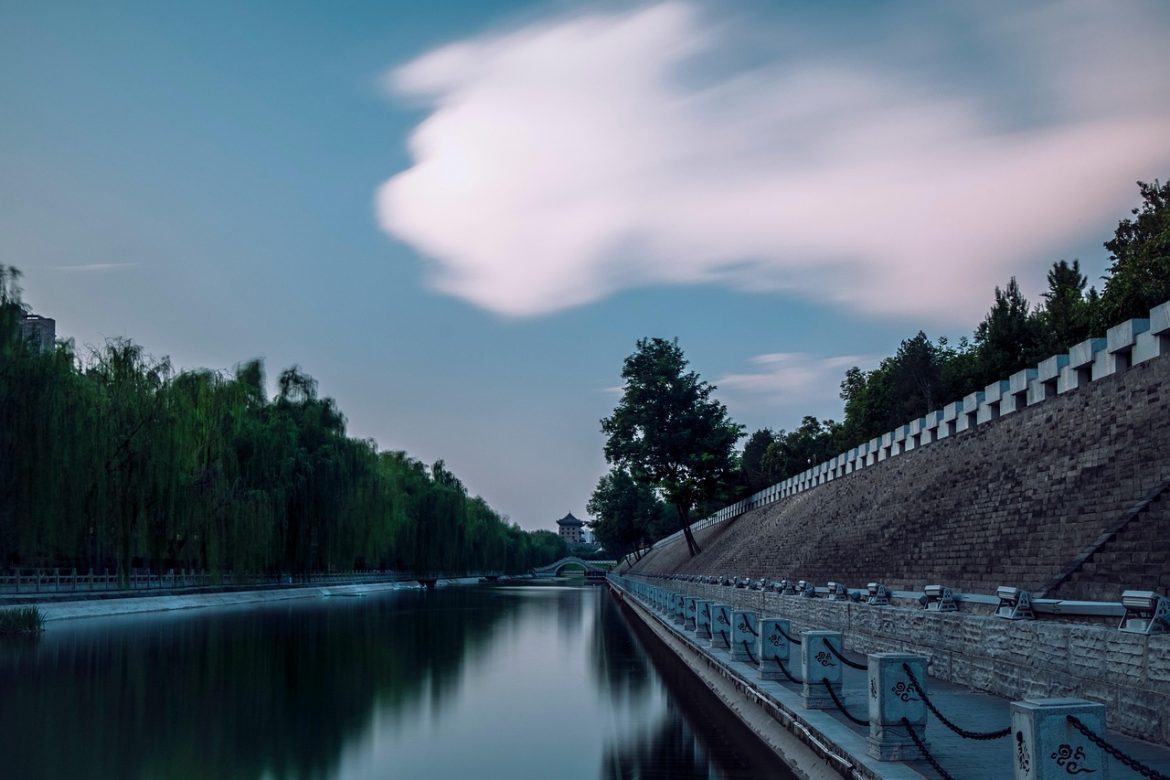
Xi’an city wall history is best understood as a Ming dynasty fortification in China that still shapes daily life, not just a landmark you tick off. The city wall is one of the most well-preserved walled fortifications in China, and it frames the ancient city at the city centre with a calm, protective presence. If you’re the sort of traveller who likes to explore with both heart and curiosity, this historical city wall offers that rare blend of scale and intimacy.
Step closer, and you can feel how the wall was built for function before it became a symbol: a wide top for patrols, a strong base, and a moat that once made approach difficult. It’s easy to imagine the fortifications of Xi’an as a living system rather than a single structure—designed to protect the city, guide movement, and signal power.
How the city wall was built in the Ming dynasty
The wall dates to the 14th century, when the first Ming emperor, Zhu Yuanzhang, consolidated defences across cities in China. Xi’an had already been an important centre for centuries (with earlier foundations linked to the Sui and beyond), but the Ming dynasty reshaped the urban outline into something deliberately fortified. The result was a fortified wall paired with a moat, layered gates, and towers positioned to control sightlines and access.
From an expert perspective, what makes the city wall in Xi’an so compelling is its completeness: you can read the logic of defence in the brickwork and the spacing of structures. Look for the battlements—those rhythmic crenellations along the top—and picture archers and guards scanning the approaches below.
Rectangular shape, towers, and a mental map of the four main gates
The Xi’an city wall is rectangular, making orientation wonderfully simple for first-timers. As you walk the ramparts, create a mental map of the four main gates—each city gate opening into a different beat of the Xian city: neighbourhood streets, traffic arteries, and pockets of parkland around the city wall. You’ll see how the old city still breathes through these openings.
For scale, a quick comparison helps: Beijing’s famous sites can feel vast and ceremonial—think of the long axes around the Temple of Heaven—whereas this wall in China feels closer to the street and more communal. Here, you’re not just looking at ancient walls from afar; you’re standing on a high wall that continues to shape the city of Xi’an below, tower by tower, block by block.


South Gate sunsets and lantern nights on the ancient city wall
South Gate sunsets and lantern nights on the ancient city wall
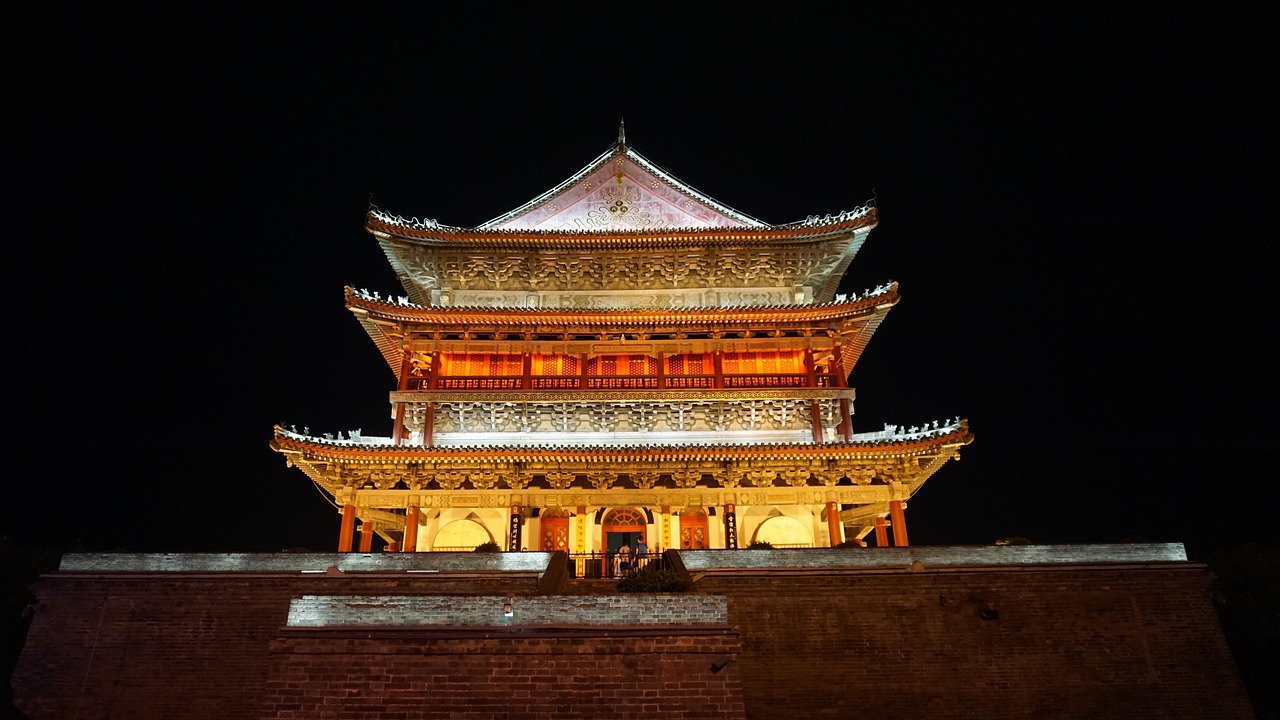
South Gate Yongning Gate on the Xi’an City Wall is where sunset and night illumination in China come together in a way that feels quietly cinematic. The gate complex rises in layers—arched entry, courtyards, and strong silhouettes—so your first steps up onto the ancient city wall feel like crossing into another tempo. This is the entrance many travellers choose when they want a crafted, iconic beginning with an easy sense of support.
From the top, the view of the city widens: old rooftops and narrow lanes on one side, modern towers and broad avenues on the other. The city wall becomes your balcony between centuries, and you don’t have to rush to feel it.
Golden-hour guidance for the best South Gate views
For photos and atmosphere, arrive early morning or late afternoon—softer light flatters the brickwork and keeps the climb comfortable. Around sunset, the skyline turns gentler, and the wall seems to glow from within; it’s one of those personal moments that gives you confidence you chose well. If you’re travelling in spring or autumn, the air tends to be clearer, and the colours feel more precise.
A traveller once described it to me as a “magic hour payoff”: they watched the city lights flicker on while the sky still held a trace of gold. Nearby families paused for pictures, then continued their evening as if the wall had always been part of their living room—together, relaxed, and unforced.
Lantern-lit ramparts and Lantern Festival possibilities
After 7 pm (seasonal timings vary), lantern-style lighting brings the ramparts and tower roofs into crisp relief. You may spot red lanterns near the gate areas, but it’s wise to treat specific displays as a bonus rather than a guarantee—check locally for current schedules. If your visit coincides with Lantern Festival, the city wall park and surrounding streets can feel especially celebratory, yet still family-friendly and calm.
What I love here is the sense of trust you can place in the scene: even at night, the wall feels reassuringly open, and the lighting makes navigation straightforward. Walk slowly, take your time, and let the ancient city hold your attention without demanding it.
Cycle the city wall circuit in Xi’an for an active adventure

Cycle the city wall circuit in Xi’an for an active adventure
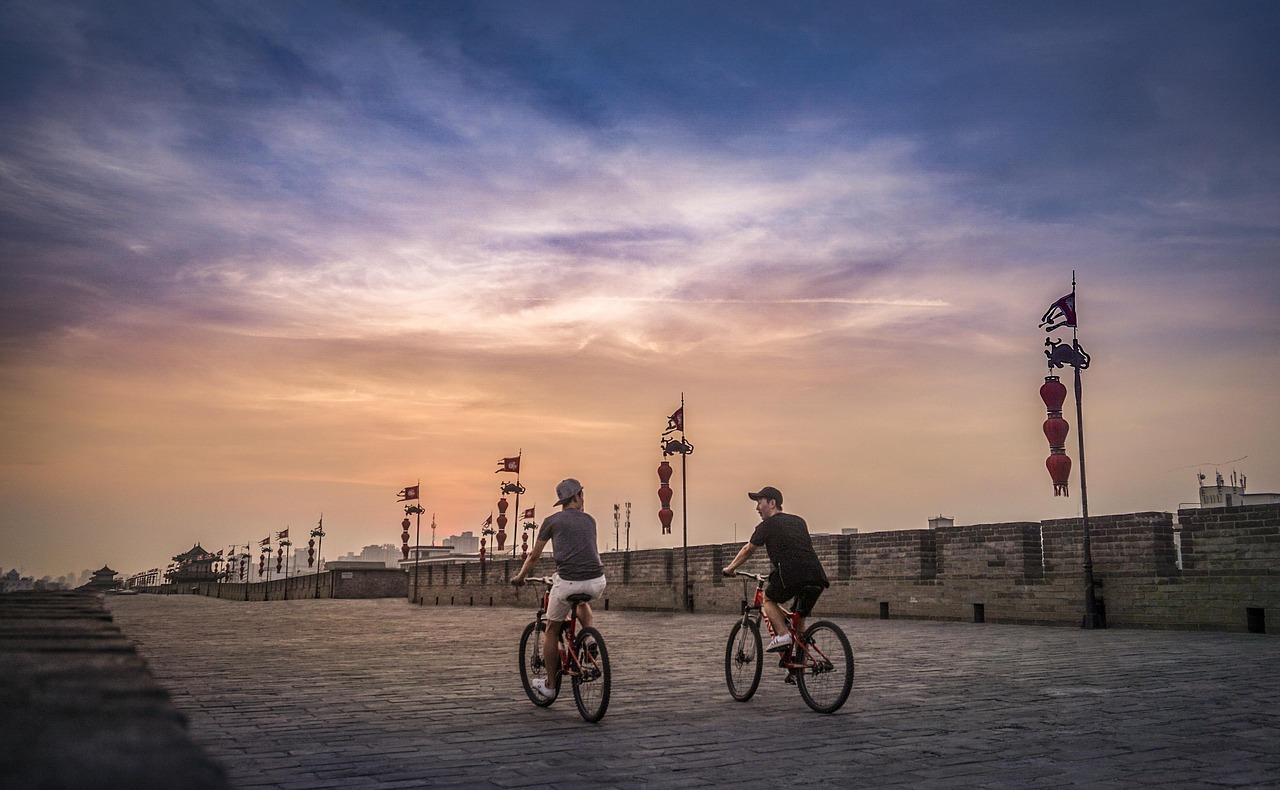
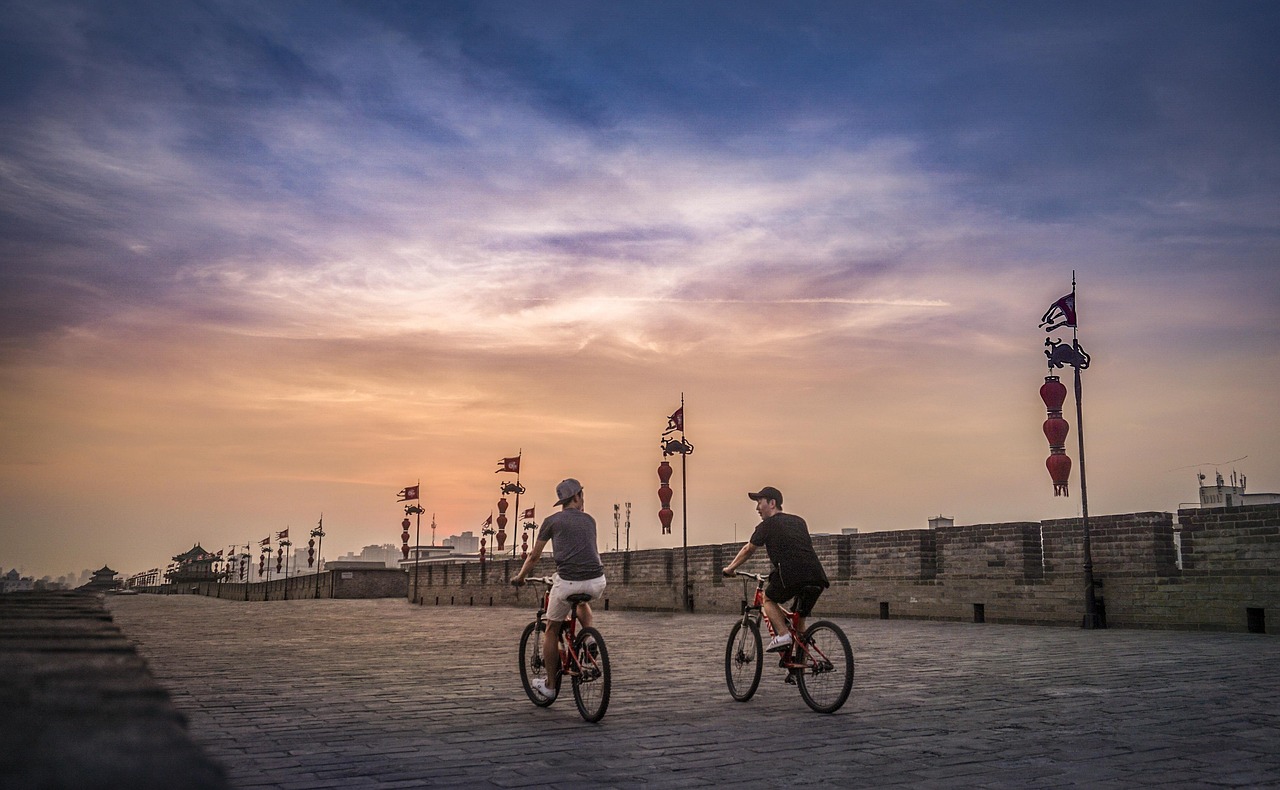
To cycle the Xi’an city wall 13.7km circuit with a simple bike rental in China is to turn history into motion. The city wall becomes your track: broad, steady under your wheels, with towers appearing at intervals like milestones. Even if you’re a casual rider, this is a confidence-building adventure—because the route is contained, mostly flat, and easy to pace.
Many travellers talk about the thrill of completing the full loop and, for a moment, feeling like they’ve stepped back in time. It’s not a race; it’s a way to explore with your body as well as your eyes.
Bike hire logistics and a safe pace on the wall
Bike hire is typically available on-site for around 30–50 CNY, and it’s worth taking one minute to check the basics: brakes that bite cleanly, a seat height that lets you stop confidently, and tyres that feel firm. If you’re travelling as a couple or family, choose a pace that lets you stay close together—there’s something quietly joyful about moving as a small team along a city wall that once guarded an entire population.
Bring water, and consider gloves if you’re sensitive to grips. In warmer months, the midday sun reflects off stone; late afternoon is usually more comfortable, and the light is kinder.
Route texture, towers, and etiquette with local residents
As you ride, you’ll pass approaches to gates, occasional watchtowers, and glimpses of the moat below—details that make the city wall feel textured rather than monotonous. Slow down near crowded ramparts and be mindful of local residents who come up for a breath of fresh air, photos, and gentle exercise. This is not only a monument; it’s a miniature walled city experience.
One adventurer told me, “I pedalled past families and tai chi gatherings, and the wall felt like a living walled city rather than a museum piece.” That’s exactly the right mindset: show care, avoid restricted areas, don’t climb on fragile sections, and let the wall’s age earn your respect.
City gates and hidden insight from small museums on the wall
Hanguang Gate Relic Museum and other Xi’an city wall museums near the city gate towers in China offer a deeper layer of meaning—especially if you like your cultural travel with insight that feels crafted, not academic. On and around the city wall, small exhibits explain how it was built, restored, and how defenders once coordinated across towers and gatehouses. When you understand the ‘why’, each brick suddenly has a human story.
This is also where a guide can be transformative: with the right expert, you start to notice subtle changes in materials, repairs from different eras, and how the wall’s geometry controlled movement around the city.
Hanguang Gate and the Hanguang Gate Relic Museum: a deeper dive
Hanguang Gate is a strong choice if you want to uncover layers you might otherwise walk past. The Hanguang Gate Relic Museum (as it’s often referred to in English) helps connect the city wall to earlier city layouts and archaeological finds, so you’re not just admiring the fortification—you’re understanding the city’s long continuity. If timelines ever feel confusing, a guide can offer gentle clarity without overwhelming you.
It’s also a useful reminder: while the city wall is one of Xi’an’s signature experiences, nearby sites like the Terracotta Army are a UNESCO World Heritage Site—different places, different stories, the same sense of deep time.
If you enjoy designing your own route, think in ‘gate chapters’. The East Gate (Changle), West Gate (Anding), North Gate (Anyuan), and the South Gate each open onto different energy and streetscapes. Optional waypoints like Wenchang Gate, Zhongshan Gate, and Zhuque Gate add flexibility if you want shorter, more curated stretches rather than the full circuit.
It also helps to place Xi’an in context: during the Tang dynasty, the city was known as Chang’an, an imperial city of astonishing influence along early Silk Road networks. The Tang era predates the Ming dynasty wall; the reassurance is this: different dynasty layers can coexist in one place. You can stand on a Ming wall and still sense the older city beneath it, like faint music under a modern song.
Local Shaanxi flavour around the city wall markets and the Muslim Quarter
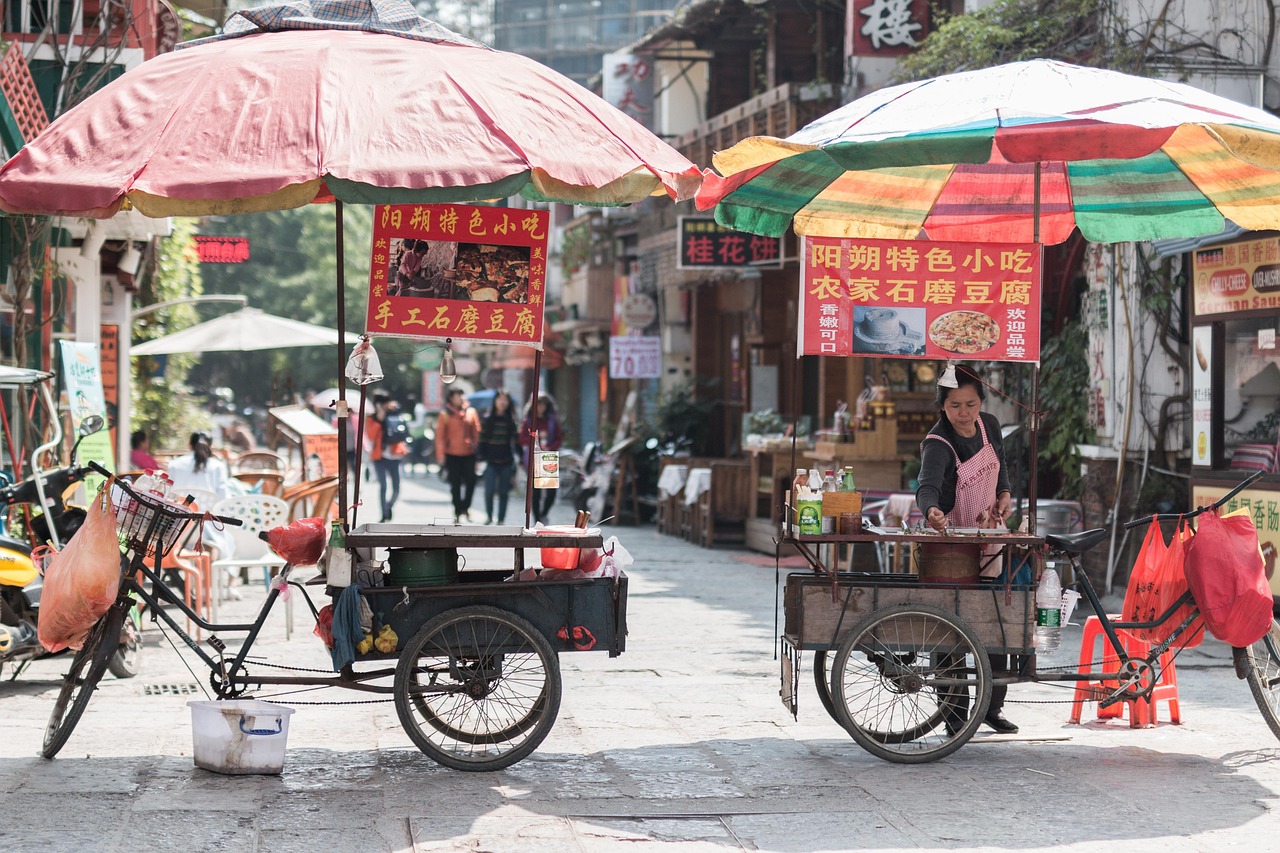
Local Shaanxi flavour around the city wall markets and the Muslim Quarter
Local markets near Xi’an City Wall, Shaanxi snacks, and the Muslim Quarter in China are the perfect ‘off-the-wall’ continuation—seamless if you time it right. After you explore the city wall, slip into adjacent lanes for crafts, small souvenirs, and food that brings you straight back into modern life. This pairing—ancient stones, then lively stalls—makes the experience feel whole.
For high-end travellers who still want street-level authenticity, the key is pacing: choose a leisurely route, keep your belongings close, and let your senses lead without feeling pressured to try everything at once.
Street food with care and confidence
Shaanxi cuisine is hearty and satisfying, and the Muslim Quarter is famous for its evening buzz. If you’re new to street food, a simple rule builds trust: pick busy stalls with quick turnover, and choose foods served hot. That’s not alarmist—just good travel care that keeps the adventure light and enjoyable.
One adventurer told me their happiest moment was linking eras in a single evening: the city wall at sunset, then cumin-scented skewers and warm bread in the market afterwards. It’s a personal way to connect Chinese history to daily life, bite by bite.
Practical tips for entry, transport, and a walkable route
Plan your route so it feels calm rather than complicated. A classic pairing is the wall, the Bell Tower area, and then onwards to the Muslim Quarter—close enough to feel walkable, especially if you take breaks. For transport, metro Line 2 to Yingbinmen Station brings you neatly to the South Gate area.
- Tickets: entry fee is approximately 54 CNY, with discounts for students and seniors.
- Timing: early morning or late afternoon helps you avoid midday heat; night illumination is best after 7 pm (check seasonal times).
- Comfort: wear comfortable shoes and carry water, whether you walk or cycle.
- Respect: keep noise low at historical spots and don’t climb on restricted sections of the wall.
If you want more inspiration for designing a broader journey through China, you can browse our Trip gallery for curated routes that balance comfort, culture, and adventure.
And don’t underestimate the softness of the scene around the city: local families laughing near the moat, couples pausing for photos, friends sharing snacks on a bench. Even if you arrive feeling nervous, the rhythm around the city wall often meets you with quiet support.
F.A.Qs: Xi’an City Wall
What is the Xian City Wall?
The Xian City Wall is a large, well-preserved defensive wall encircling Xi’an’s historic centre. Built and expanded in the Ming dynasty, it includes gates, towers, battlements, and a surrounding moat, and today you can walk or cycle along the top for panoramic city views.
How long does it take to walk the Xian City Wall?
Walking the full circuit typically takes around 3 to 4 hours at an easy pace, depending on stops for photos, towers, and viewpoints. Many travellers choose a shorter section between gates, especially in warm weather or if visiting near sunset.
How much does it cost to go to Xian City Wall?
The standard entry fee is approximately 54 CNY, and discounts are often available for students and seniors. Bike hire is usually extra, commonly around 30–50 CNY. Prices and opening times can vary by season, so it’s sensible to confirm details on arrival.
How do I get onto the Xian City Wall?
The South Gate (Yongning Gate) is the most iconic access point, with clear entry facilities and strong views. Public transport is straightforward: the metro Line 2 to Yingbinmen Station brings you close to the South Gate area, and you can also enter from other gates around the wall.
What stayed with me after the Xi’an City Wall
Xi’an city wall reflection, ancient city atmosphere, and China travel feelings are not something you ‘complete’—they’re something you carry. What stayed with me was the quiet weight of the stones and the softened sound of footsteps along the top, as if the wall absorbed noise and returned it as calm. It wasn’t dramatic; it was steady, like the city had learned how to hold time.
I keep thinking about the breath of air at sunset, when the day’s heat finally loosened its grip, and the skyline shifted from gold to ink. The lantern-lit towers didn’t ask for attention, yet they offered it—gentle points of light that made the path feel sure underfoot.
The most lasting memories were human-scale. A shared smile with local residents as we passed on the rampart, the simple ease of families out for an evening stroll, the small patience of people making room for one another. Those moments made the ancient city wall feel less like an exhibit and more like a living edge where past and present meet without friction.
There’s a particular kind of trust that grows from places like this. You realise you don’t need to do it all to feel it: one gate, one tower, one quiet pause above the traffic can be enough. And long after you’ve stepped back down into the streets, it’s easy to imagine returning in another season—different light, different crowds, the same wall, waiting to reveal a new shade of Xi’an.