Post Contents
- Meet the Snow Monkeys of Jigokudani in Japan and the Japanese Macaque in Nagano
- Best Time to See Snow Monkeys in Japan at Jigokudani Snow Monkey Park in Winter
- Planning a Trip to Jigokudani Monkey Park from Nagano Station to Yudanaka Station, Japan
- Snow Monkey Park Walk Trail Leading to Jigokudani Snow Monkey Park Japan
- Jigokudani Snow Monkey Park Hot Spring Onsen Monkeys Bathing, Japan
- Near Jigokudani Shibu Onsen and Yudanaka Onsen Ryokan, Japan
- Explore Nagano, Japan, Zenkoji Ski, Shiga Kogen near Jigokudani Snow Monkey Park
- FAQs: Jigokudani Monkey Park, Japan
- What Stayed With Me After Jigokudani Snow Monkeys Reflection, Japan
Meet the Snow Monkeys of Jigokudani in Japan and the Japanese Macaque in Nagano
Meet the Snow Monkeys of Jigokudani in Japan and the Japanese Macaque in Nagano
When travelers search for snow monkeys in Jigokudani, Japan, or Japanese macaques in Nagano, they’re usually picturing a single iconic frame. But the real magic begins earlier as you reach the Jigokudani Valley in Nagano Prefecture, tucked inside Joshinetsu Kogen National Park, where cliffs pinch the river corridor, and the air carries a faint mineral edge.
This landscape is why many people visit Jigokudani with such high hopes: it feels otherworldly in a grounded, elemental way. The valley can be hushed under winter light or richly green in warmer months, yet the sense of enclosure stays the same—like nature has drawn the curtains so you can focus.
Snow monkeys and the wild Japanese macaque you’re meeting
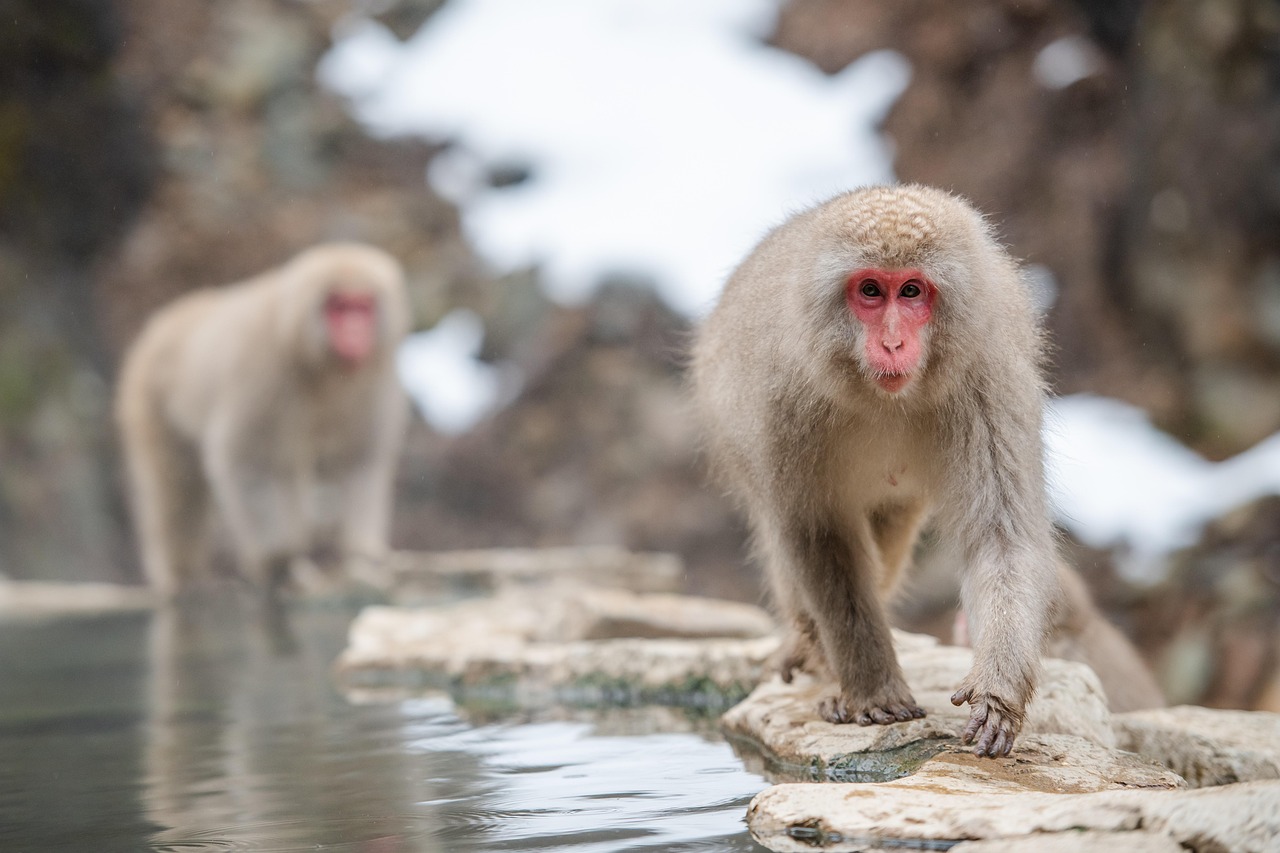
The residents here are the wild Japanese macaques—known as snow monkeys—and they’re far more than a photo opportunity. Watch for the rhythm of the troop: the confident adults who hold the center, the adolescents testing boundaries, and the younger ones darting between legs as if the forest were their playground.
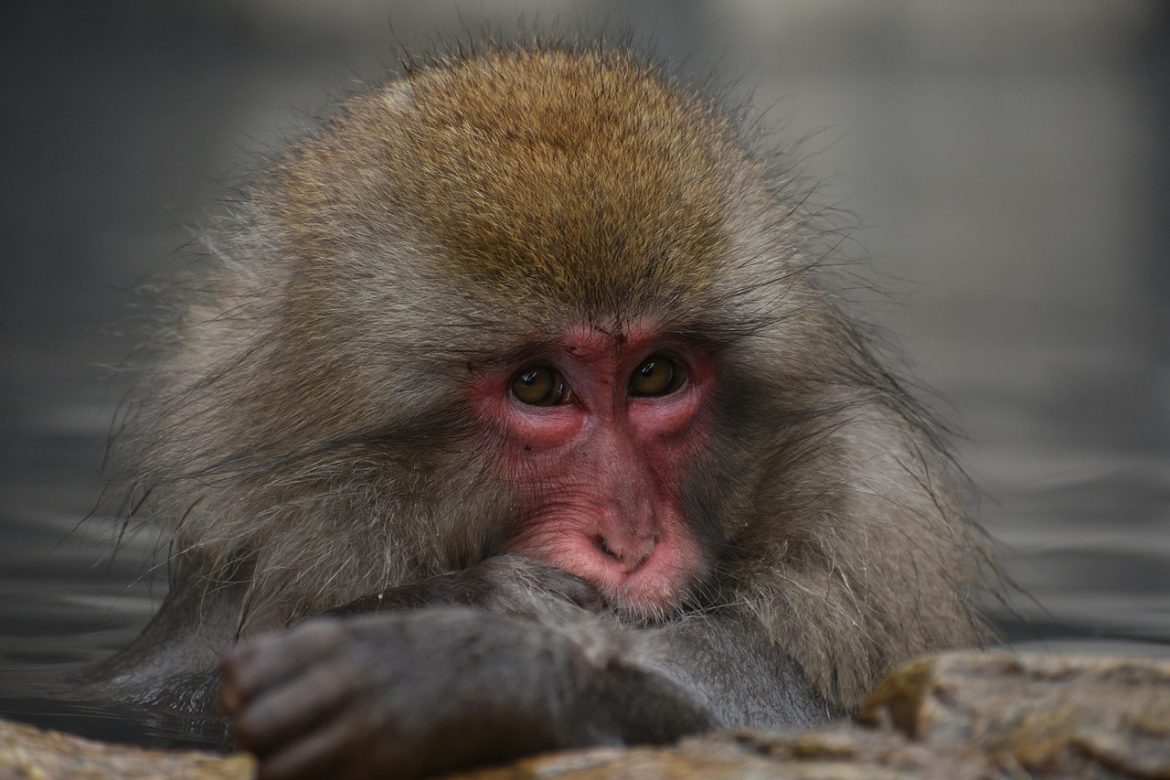
Those expressive faces are what people remember. A slow blink, a tilted head, a look that seems almost human—and suddenly you’re not just watching wildlife; you’re sharing space with another society. That quiet connection is often what transforms a day trip into a personal memory you can’t quite explain, only feel.
Jigokudani Yaen Koen and why the park exists
The site is respectfully known as Jigokudani Yaen Koen (you may also see it written as Jigokudani Yaen). The park was established to protect and observe this population, creating a place where monkeys live in a largely natural setting while visitors can watch with care.
Many travelers share an unexpected, meditative calm when they first see Japan’s snow monkeys gathered near the steaming water. There’s a sense you’re witnessing harmony rather than performance—nature, weather, and community moving together and inviting you to do the same.


Best Time to See Snow Monkeys in Japan at Jigokudani Snow Monkey Park in Winter
Best Time to See Snow Monkeys in Japan at Jigokudani Snow Monkey Park in Winter
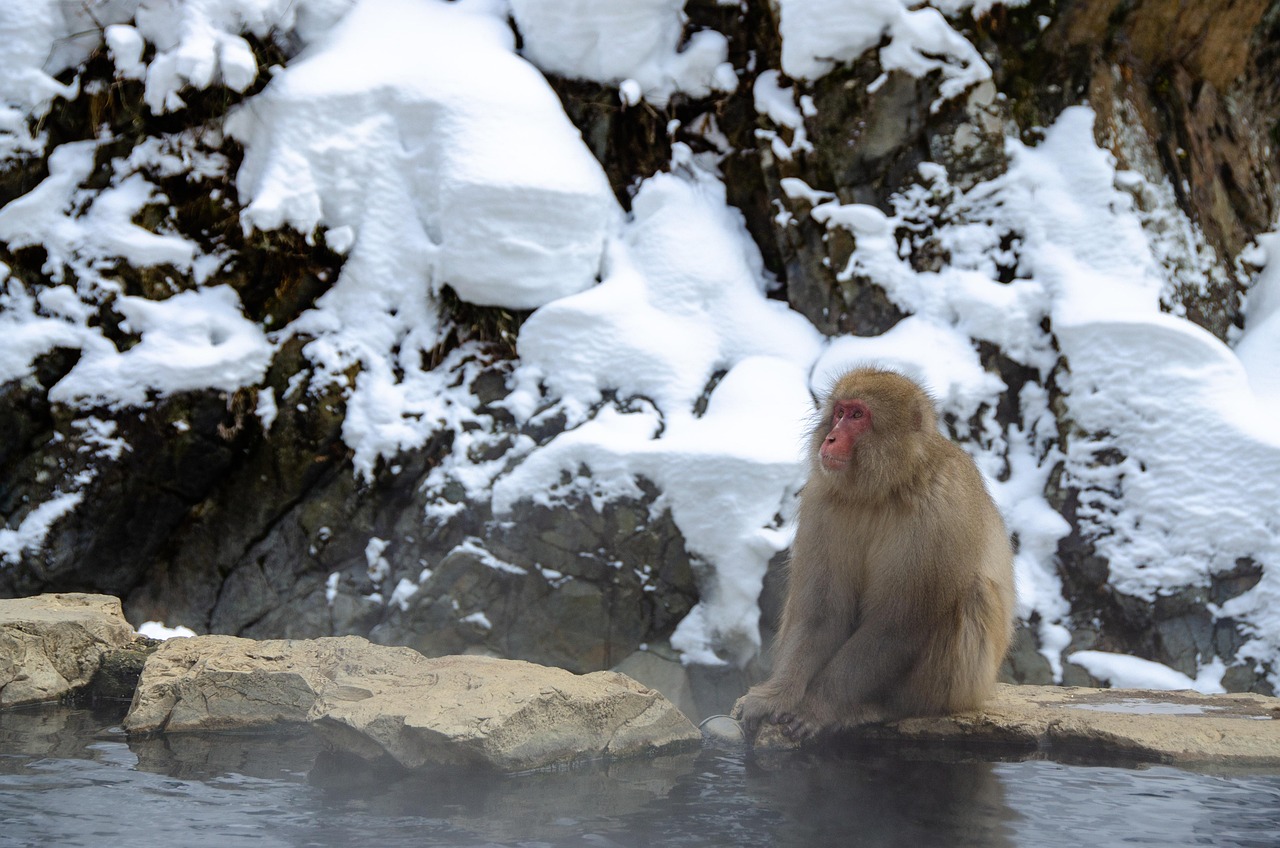
If you’re asking the best time to see snow monkeys in Japan, the classic answer is the Jigokudani snow monkey park winter window—especially from December to March. These are the winter months when the valley is most likely covered in snow, and the scene you’ve imagined—steam rising, fur dusted white, eyes half-closed in contentment—has its best chance of unfolding.
That said, conditions change quickly in the mountains. A single cold snap can bring cinematic Jigokudani snow, while a warmer week might deliver wet paths and mist instead. Either way, the experience can still be crafted into something beautiful if you plan with confidence and a little flexibility.
Seasonal contrasts for seeing snow monkeys and photography
Spring and autumn are often the sweet spot for travelers who want a calmer pace. The forest is softer and greener, crowds tend to thin, and you can focus on behavior—grooming, play, hierarchy—rather than just weather drama. Summer is lush and humid and still rewarding for those who want to watch monkeys without the rush; it’s a different mood but no less real.
It truly is a place you can enjoy year-round, but your creative lens changes with the season. In winter, you’re photographing contrast and steam; in warmer months, you’re capturing texture, movement, and the intimacy of the forest.
- Quietest feel: early morning on weekdays, when the valley seems to hold its breath.
- Busiest times: late morning to mid-afternoon, plus weekends and Japanese holidays.
- Time to visit: arrive early for calmer viewing, or later if you prefer warmer light.
One practical insight: planning to envision weekends can shape your day more than you expect. If you can, choose a weekday and design your schedule for unhurried moments.
Planning a Trip to Jigokudani Monkey Park from Nagano Station to Yudanaka Station, Japan
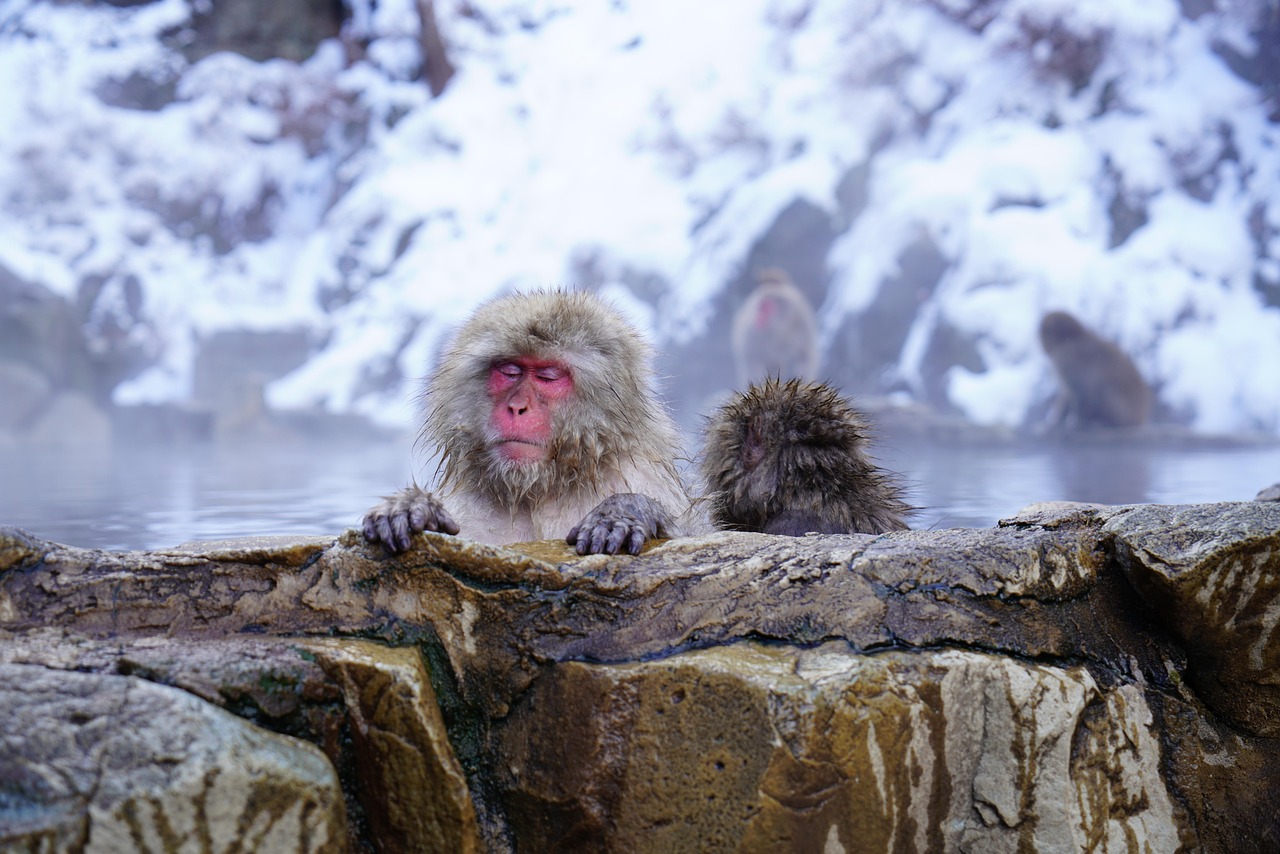
Planning a Trip to Jigokudani Monkey Park from Nagano Station to Yudanaka Station, Japan
Planning a trip to Jigokudani Monkey Park from Nagano Station to Yudanaka Station in Japan is reassuringly straightforward once you see it as a sequence. Many luxury travellers arrive from Tokyo on the bullet train to Nagano Station, while others fold it into a longer trip to Japan via Kanazawa and then connect onwards through Nagano.
From Nagano, you’ll transfer to local lines towards Yudanaka Station. It’s not difficult, but it’s worth building in buffer time for winter weather, platform changes, and the simple pleasure of travelling without rushing.
Step-by-step to Yudanaka and the Snow Monkey Park bus stop
Once you arrive at Yudanaka Station, you can take a shuttle or public bus to the onsen area. Look out for the Snow Monkey Park bus stop signage, and then continue to the drop-off near the trailhead. If you prefer not to walk as far from town, ask about the bus to the Snow Monkey option—small decisions like this can make your day more seamless, especially in icy conditions.
To explore more curated routes and inspiration before you arrive, you can browse our Trip gallery and then tailor the pace to match your style.
A day trip from Nagano with calm decision points
A well-shaped day trip from Nagano often looks like this: an early train, an unrushed transfer at Yudanaka, the walk into the valley, and enough time at the hot spring to watch social dynamics settle. Later, you can return via the same route without pressure, even if queues or snow slow the rhythm.
- Costs: entry fee is modest (around 800 yen), but bring cash just in case.
- Facilities: limited onsite options, so pack water and a small snack.
- Action anchor: Visit Jigokudani Monkey Park once here and let yourself slow down.
This is where expert planning builds trust: think warm layers, transport timing, and a little margin for wonder.
Snow Monkey Park Walk Trail Leading to Jigokudani Snow Monkey Park Japan
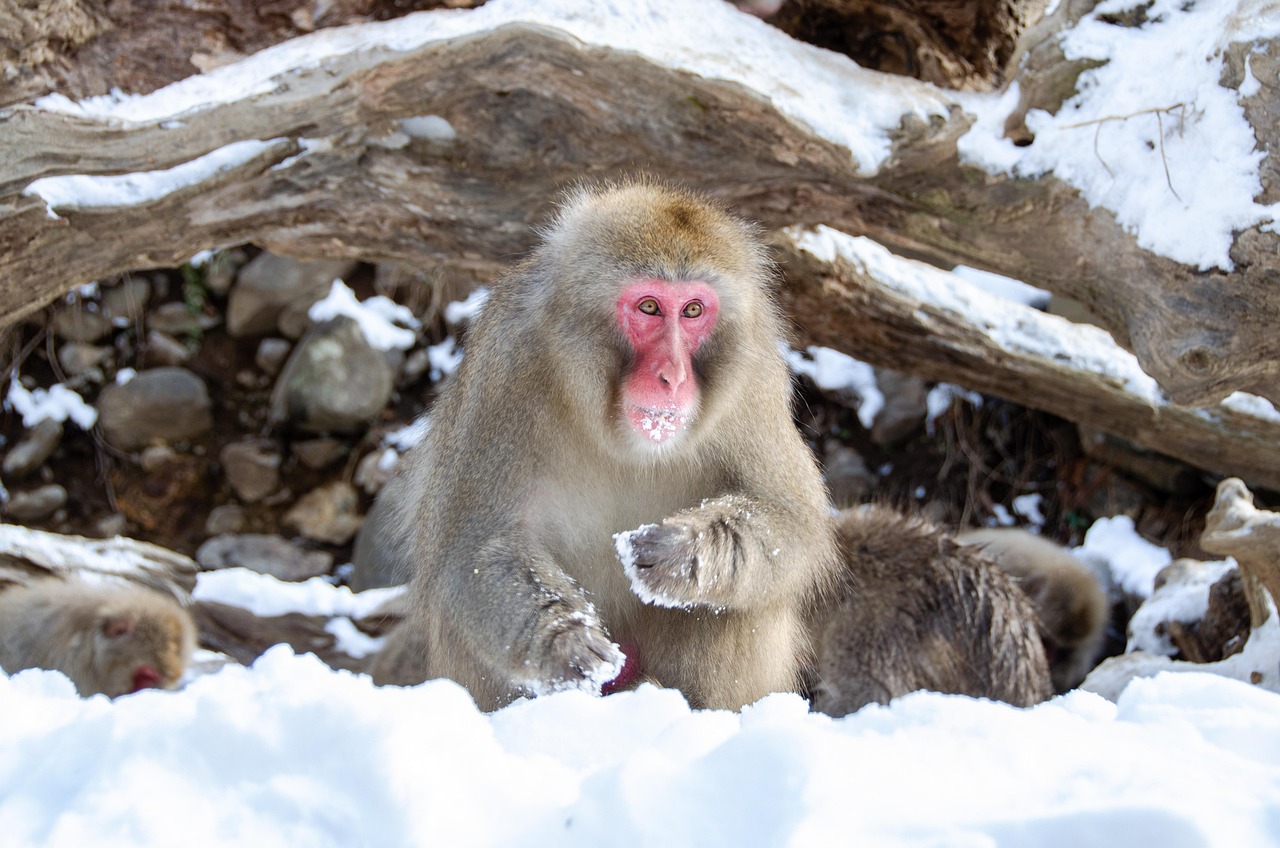
Snow Monkey Park Walk Trail Leading to Jigokudani Snow Monkey Park, Japan
The snow monkey park walk trail leading to Jigokudani Snow Monkey Park in Japan is part of the experience, not merely a route. Most visitors begin near Kanbayashi Onsen, where the forest closes in gently, and the Yokoyu River threads the valley. Along the path, the scenery feels deliberately composed—cedar trunks, small bridges, and mountain contours that reward slower steps.
For adventure seekers, this walk is a small, satisfying effort: just enough to feel earned, never so demanding that it steals the joy. The typical time is around 30 minutes from the transport drop-off to the park entrance, though snow and foot traffic can stretch it.
Winter traction and confidence on the Snow Monkey Park Trail
In winter, the trail is passable with care and the right kit. Wear sturdy, waterproof hiking shoes, and consider simple traction grips if you’re visiting after fresh snowfall. The surface can be icy in shaded areas, so pace yourself and keep your hands free rather than buried in pockets.
- Footwear: waterproof boots with grip (and warm, non-slip socks).
- Warmth: layers you can adjust as your body heats up on the walk.
- Hands: gloves that still let you handle your camera or phone safely.
Signage is clear, and you’re rarely alone, which adds reassurance without spoiling the feeling of wilderness. If conditions shift suddenly—wind, freezing rain, or heavy snow—prioritize safety: slow down; follow the main track, and be willing to turn back if you lose confidence.
As you approach Jigokudani, the anticipation builds. Notice the hush of snowfall, the scent of cedar, and the way the valley seems to narrow as if guiding you towards the steam.
Jigokudani Snow Monkey Park Hot Spring Onsen Monkeys Bathing, Japan
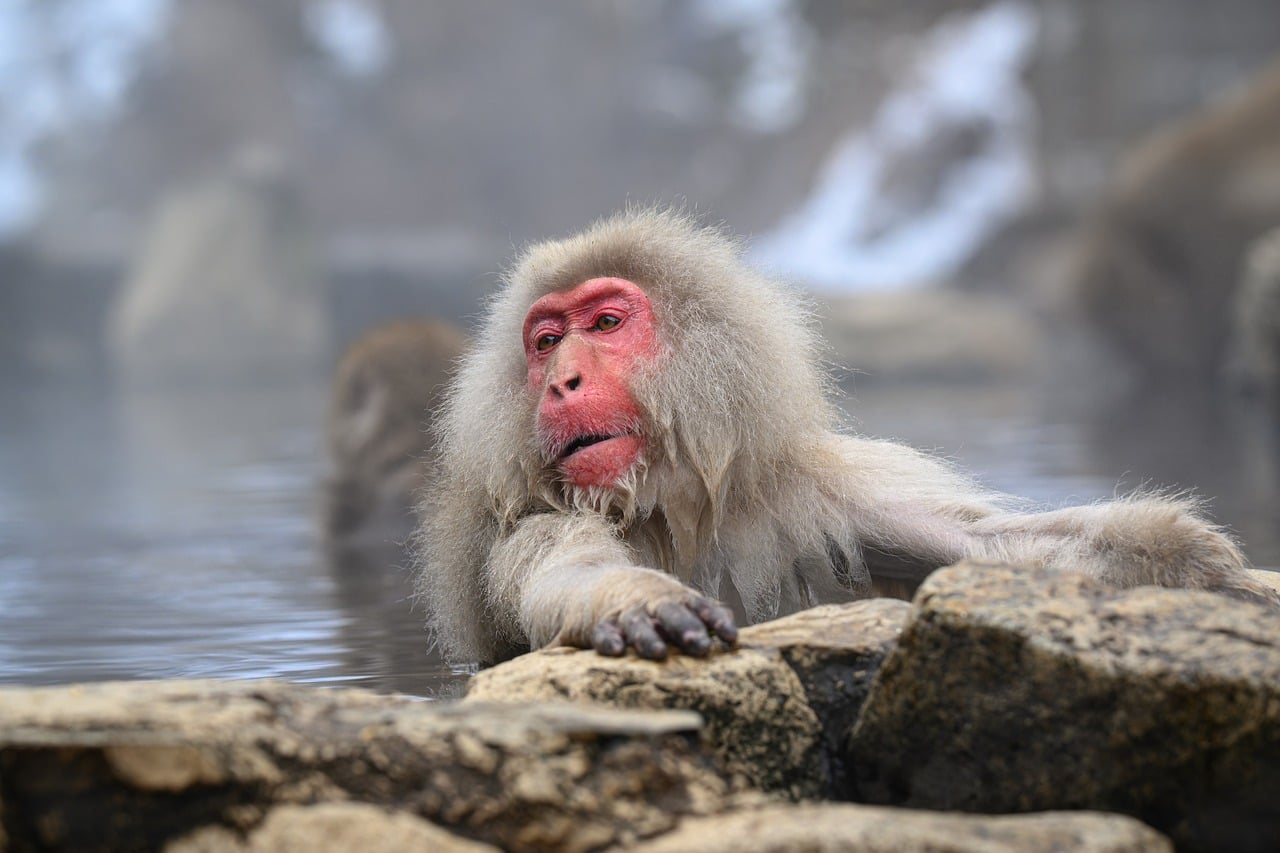
Jigokudani Snow Monkey Park Hot Spring Onsen Monkeys Bathing Japan
At the heart of Jigokudani Snow Monkey Park, the hot spring onsen monkeys bathing in Japan are a single, unforgettable stage: the outdoor hot spring where you can see them bathing. Most first-time visitors instinctively lift their cameras, then lower them again—because the atmosphere asks for quiet attention. If you visit the park once here with patience, the scene often opens like a slow curtain rather than a sudden reveal.
You might witness bathing in hot water as steam curls into cold air. Or you might see them hovering at the edge, choosing the moment, reading the social cues, deciding when to step in. Either way, it’s intimate precisely because it is not guaranteed.
Onsen etiquette and care for wild monkeys
Think of etiquette as an act of care—towards the animals, the staff, and every traveller trying to find their own quiet moment. Do not feed or touch the monkeys, and keep a safe distance even if they come close. Avoid flash photography and speak softly; the calmer the humans, the calmer the viewing space becomes.
- No feeding, no touching, no attempts to pose with the snow monkeys.
- Keep bags zipped and food tucked away to avoid tempting curiosity.
- Photograph without flash, and let silence do the work.
With a little observation, you’ll uncover patterns. Grooming can signal alliance and reassurance; a higher-ranking adult may claim the warmest spot; youngsters test the rules with playful shoves. On lucky days, you’ll spot baby macaques wrestling in the snow—travellers often describe this as unexpectedly joyful, like catching a private glimpse of childhood.
Why do they appear? In colder snaps, they may come down from the mountains to conserve warmth, and the hot spring becomes a social hub as much as a bath. If you want to watch monkeys before setting out, the park’s live camera can help you gauge conditions and activity. Also, remember to check the official website for updates and confirm the park is open, as hours can shift with the weather.
And when the moment arrives—steam, snow, and stillness—you may find yourself simply breathing, grateful to see the monkeys bathing without needing to do anything more.
Near Jigokudani Shibu Onsen and Yudanaka Onsen Ryokan, Japan
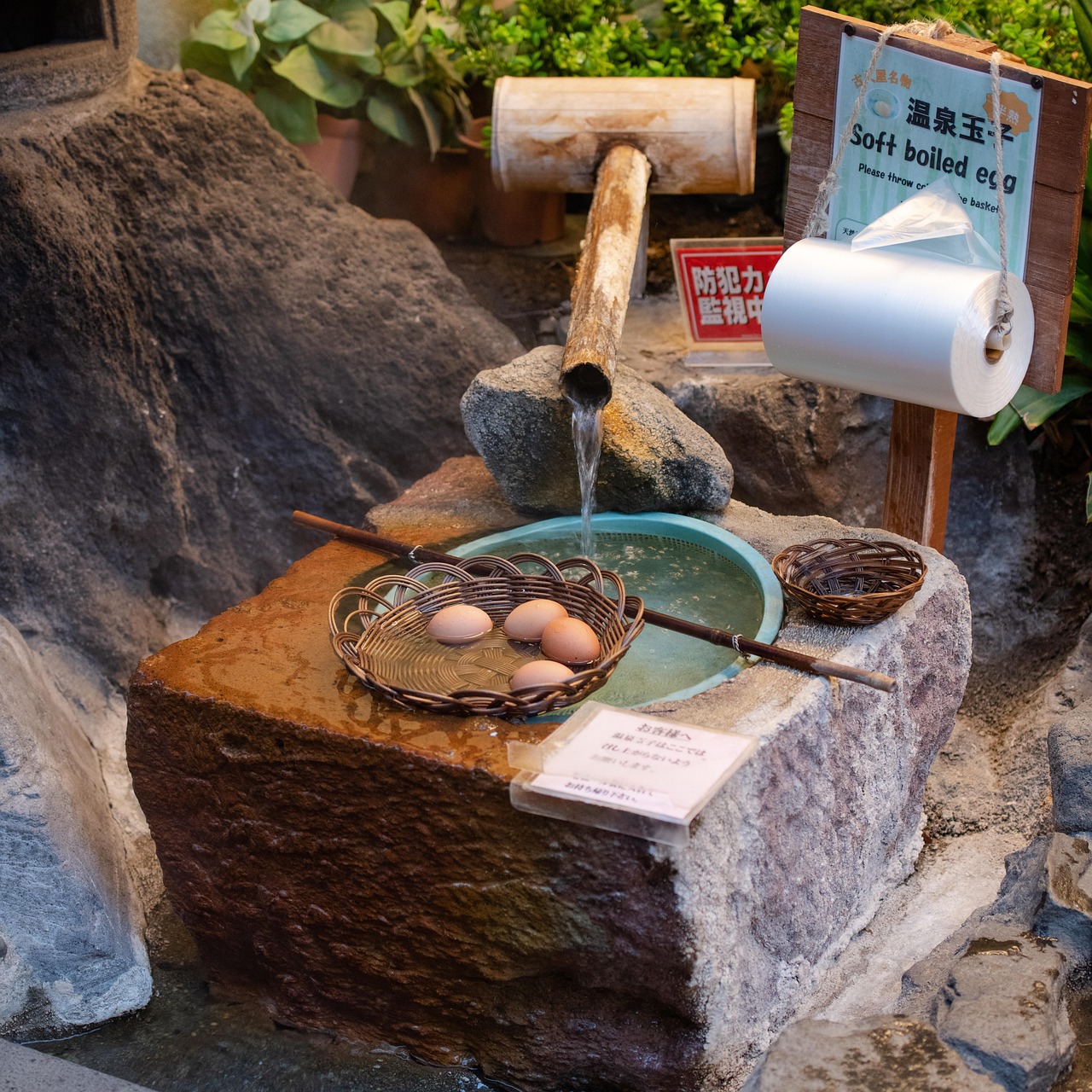
Near Jigokudani Shibu Onsen and Yudanaka Onsen Ryokan, Japan
For travellers searching for the Jigokudani Shibu Onsen Yudanaka onsen ryokan in Japan, the appeal is simple: you can pair an early park visit with an evening soak and wake up to mountain air without the stress of commuting. Shibu Onsen and Yudanaka feel like a cozy base—lantern-lit streets, timber facades, and that gentle, local rhythm that encourages you to slow down.
Staying nearby also gives you a choice. If the morning forecast looks clearer, you can head out early. If snow falls harder than expected, you can adjust your plan without losing the day—this is where comfort supports adventure.
Choosing a ryokan stay with confidence
A good ryokan experience is quietly crafted: seasonal meals, attentive hospitality, and bath rules explained with patient clarity. You’ll usually have set dinner times, a calm atmosphere after hours, and a chance to step into onsen culture in a way that feels respectful rather than intimidating.
- Vibe: traditional and tranquil, or more modern with boutique design touches.
- Food: confirm dinner timing if you expect to arrive late from Nagano.
- Bathing: check any bathing restrictions in advance, especially for tattoos.
Two name-checks for research and local etiquette
If you’re comparing options, start by looking up Yudanaka Onsen Yamazakiya and Onyado Hishiya Torazo, then confirm availability and onsen policies directly with them. In winter, bring warm layers for the walk between buildings—after a bath, even short distances can feel sharp in the cold.
Local etiquette is simple: speak softly in corridors, keep towels neatly managed, and dress respectfully after your bath—often a yukata robe is provided. The reward is a sense of being held by place and tradition, not rushed through it.
Explore Nagano, Japan, Zenkoji Ski, Shiga Kogen near Jigokudani Snow Monkey Park
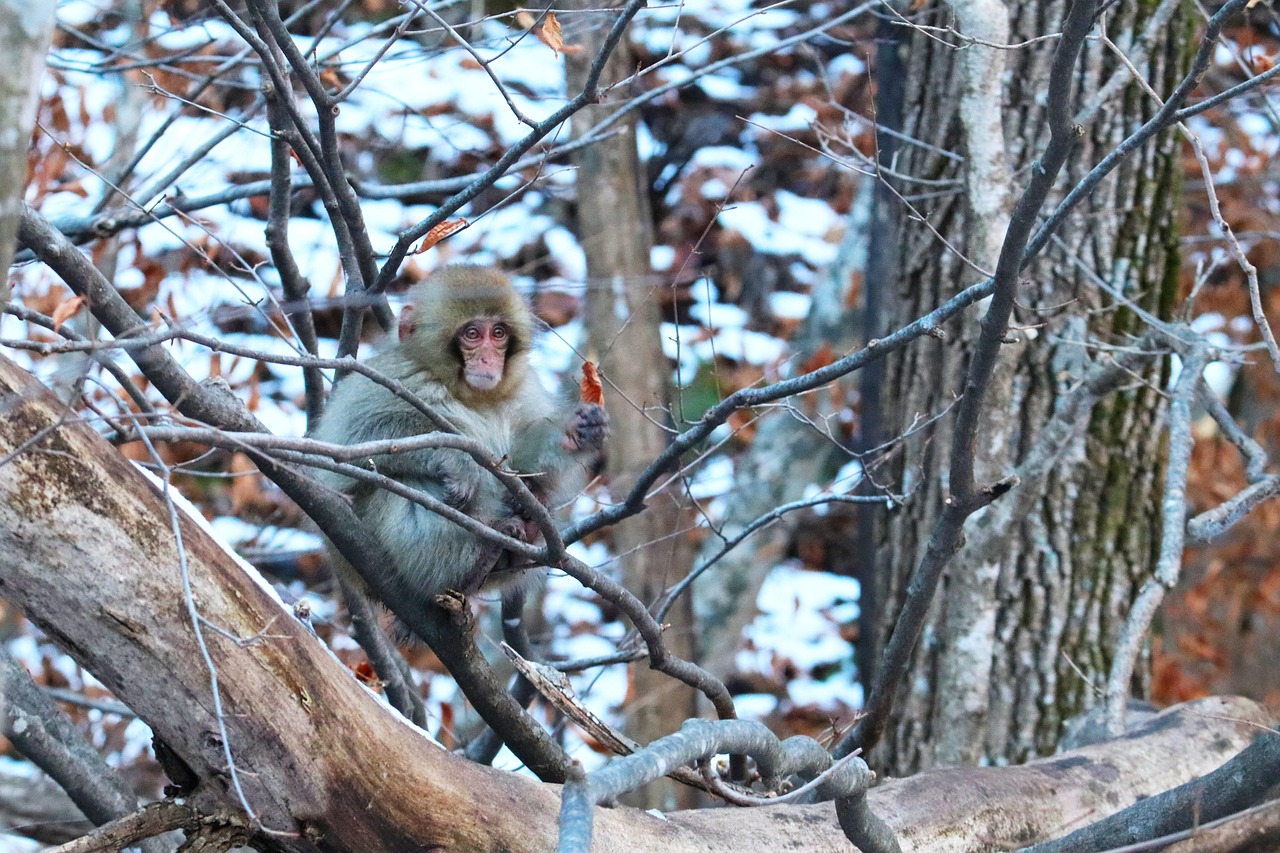
Explore Nagano, Japan, Zenkoji Ski, Shiga Kogen near Jigokudani Snow Monkey Park
If you’re keen to explore Nagano, Japan, Zenkoji Ski Shiga-Kogen near Jigokudani Snow Monkey Park, you’re in the right region to create a day that blends cultural depth with outdoor life. The northern part of Nagano Prefecture is wonderfully varied: one moment you’re in a cedar forest watching steam rise, and the next you’re stepping into a temple precinct filled with incense and history.
Start with a morning at the Snow Monkey Park in Nagano, then return to the city for a change of pace. This contrast is part of the region’s charm—wildness and refinement, side by side.
Zenkoji and Zenko-ji Temple for a cultural counterpoint
In Nagano City, Zenkoji is an essential stop, and the Zenko-ji Temple precinct offers a quietly powerful atmosphere. Even if you’re moving briskly, the approach feels ceremonial: shops, lanterns, and the steady flow of visitors. Take a moment to notice the details—wood grain, smoke, the rhythm of footsteps—and let the experience become more than a tick on a list.
Ski Shiga-Kogen when the mountains call
For adventure seekers in winter, a ski day around Shiga-Kogen adds altitude and exhilaration. Weather can reshape your plan—whiteouts, closed lifts, or softer snow—but it rarely erases the magic. In fact, embracing the conditions often becomes the story you tell later.
- Flexible design: morning monkeys, afternoon culture, and evening onsen calm.
- Weather buffer: keep a margin so the day stays seamless.
- Gentle invitation: if you want to see the snow monkeys, do it with respect for wildlife and space.
When you build a day with intention, you don’t just collect sights—you travel with trust, supported by a route that feels personal.
FAQs: Jigokudani Monkey Park, Japan
Is Jigokudani Monkey Park worth visiting?
Yes—especially if you value respectful wildlife encounters and atmosphere. Seeing snow monkeys choose to bathe in a natural hot spring, surrounded by forest and mountain air, feels rare and deeply calming. Even when the monkeys aren’t in the water, observing their social behavior up close can be surprisingly moving.
What is the closest city to Jigokudani Monkey Park?
Nagano is the main nearby city and the most common base for transport planning. From Nagano, you can connect to Yudanaka, then take a bus or taxi to the trailhead. Staying in Yudanaka or Shibu Onsen can make the visit even easier, particularly in winter.
Why is Jigokudani Monkey Park famous?
It’s famous for the wild Japanese macaques—often called snow monkeys—that soak in outdoor hot springs during cold weather. The combination of wildlife, steam, and winter scenery creates an iconic, uniquely Japanese experience that’s also rooted in conservation and careful viewing.
How much time should be spent at Jigokudani Monkey Park?
Plan for 2 to 3 hours for the park itself, plus the return walk on the forest trail. If you’re visiting in peak winter or on weekends, add extra time for slower walking conditions and crowds. A relaxed pace usually leads to better viewing and a more peaceful experience.
What Stayed With Me After Jigokudani Snow Monkeys Reflection, Japan
Long after Jigokudani, I remember the stillness more than any single photograph: steam lifting into cold air, footsteps muffled, and my own breathing slowing to match the valley. The snow monkeys didn’t perform; they simply existed—resting, grooming, drifting in and out of the bath as if time were softer here. In that quiet, I felt a small lesson in patience, in belonging, in how the world carries on beautifully without needing our approval.
Travellers often talk about the obvious wonder—those human-like expressions, the calm faces turned towards warmth—but what lingers is usually smaller. A baby tumbling and then scrambling back to its mother. A tired elder offering a slow blink from the waterline. The way strangers nearby instinctively lowered their voices, as if we all understood that reverence was part of the ticket.
It’s humbling to realise how restorative a single, shared moment can be: wildlife, water, winter, and the gentle balance between them. When you leave, you don’t take the hot spring with you, but you can carry a more tender relationship with nature—one that trusts small moments to reset perspective. And if the memory returns on an ordinary day, it may not call you to rush back, only to wonder what other quiet corners of the world are waiting to be noticed.