Post Contents
- Jiuzhaigou Valley National Park at a Glance with a China Overview and UNESCO World Heritage
- Lakes of Jiuzhaigou Valley with Five Flower Lake and Mirror Lake Photography in China
- Waterfalls and Boardwalk Adventures with Jiuzhaigou Waterfall Views from Nuorilang to Pearl Shoal
- Ancient Forests in Jiuzhaigou National Park with Wildlife, Altitude and Panda Habitats
- Visit Jiuzhaigou Tour Planning with Tibetan Villages, Qiang Culture and the Best Time to Visit
- F.A.Qs: Jiuzhaigou Valley National Park, China
- What Stayed With Me After Jiuzhaigou with Valley Reflection and Personal Travel Insight in China
Jiuzhaigou Valley National Park at a Glance with a China Overview and UNESCO World Heritage
Jiuzhaigou Valley National Park at a Glance across Aba in Sichuan province
This Jiuzhaigou Valley National Park, China, overview and UNESCO world heritage snapshot begins with the place: Jiuzhaigou National Park is located in Aba, in northern Sichuan province, where high mountains and forested slopes shelter a remarkable valley of water and light. Jiuzhaigou is renowned for stunning scenery—glacial-blue lakes, bright mineral terraces, and clean air that feels like a reset button for the mind.
For Adventure Seekers with a cultural lens, it’s an ideal pairing: you can design a day that’s physically satisfying, yet still crafted and seamless. The boardwalks support steady pacing, while local heritage adds human depth, so you can explore without feeling you must “conquer” anything to earn the experience.
UNESCO World Heritage status and how conservation shapes the visit
Jiuzhaigou holds UNESCO World Heritage status, and this site, as designated in 1992, continues to shape how you move through the park today. Visitor flow is managed through shuttles and defined paths, which protect fragile habitats and ensure the experience feels safe and respectful.
That structure is reassuring for high-end travellers: the journey feels expertly planned, but never clinical. You still get quiet pockets for personal reflection—especially early and late in the day—while knowing that conservation rules are in place to build trust in long-term care.
Jiuzhaigou Valley is organised into three main arms—Shuzheng Valley, Rize Valley, and Zechawa Valley—each with its own mood, colour and altitude. Park shuttles connect the main stops, and boardwalks link viewpoints so you can linger where the scenery speaks to you.
Think of it like a well-designed gallery: you can choose a highlights route or slow-browse the “exhibitions” together. If you’re travelling with families and kids or a mixed-fitness group, this layout is superb for keeping everyone comfortable while still delivering a sense of adventure.


Lakes of Jiuzhaigou Valley with Five Flower Lake and Mirror Lake Photography in China
Lakes of Jiuzhaigou Valley featuring Five Flower Lake colours and Mirror Lake reflections
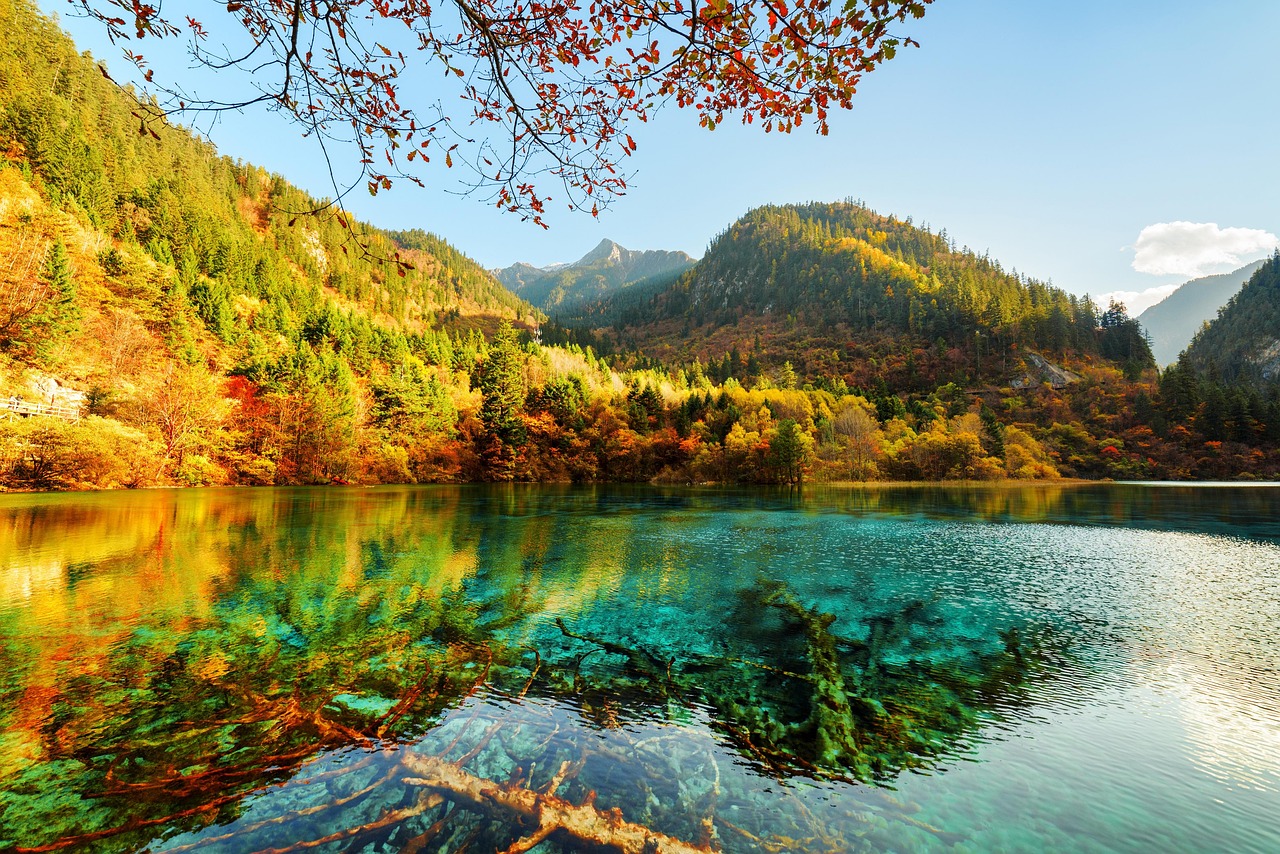
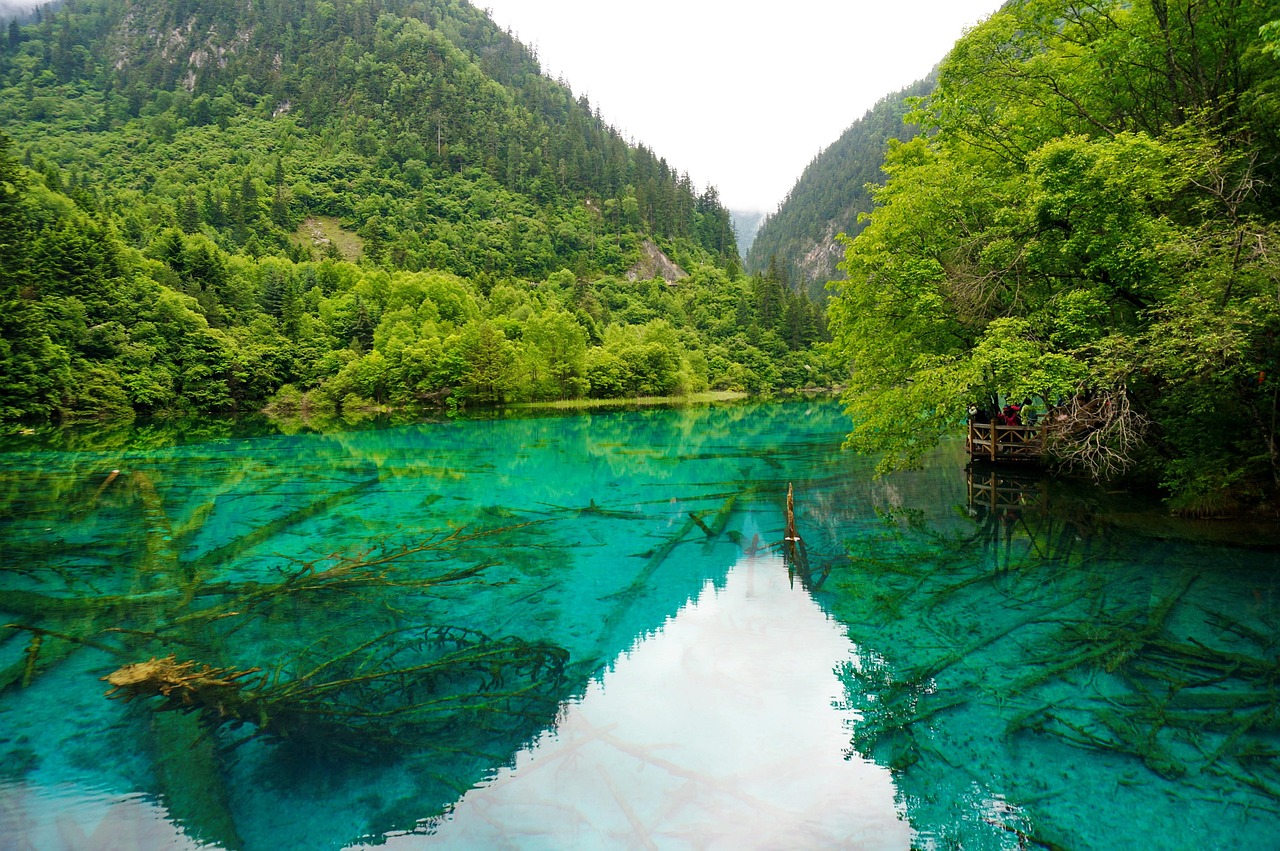
If you’re chasing the signature water palette, start with a simple truth: Jiuzhaigou Lake landscapes are the headline act, and Five Flower Lake and Mirror Lake photography in China is as close as it gets to stepping into a fairyland. Each lake reveals something different—clarity, depth, minerals, and the way the surrounding forest “paints” the surface.
Begin in the Rize Valley circuit for those iconic colours. Five Flower Lake is famous for its crystal-clear water and vivid underwater scenery—fallen trunks and mineral deposits that look like a natural mosaic. Arrow Bamboo Lake has an open, cinematic feel, while Panda Lake (panda lake) often appears jewel-toned in changing light.
Mirror Lake sunrise with calm timing and warm reassurance
A traveller once told me that waking early for sunrise over Mirror Lake felt like being let into the valley’s secret: no chatter, just breath, birdsong, and a perfect reflection. The reassurance is that you don’t need to rush—aim to arrive just before first light, wear layered clothing, and bring a small thermos so your hands stay warm as the surface brightens.
In those minutes, the valley feels personal. You can stand quietly, take photos with intention, and let the stillness support your own sense of confidence—especially if you’ve been craving nature that doesn’t demand performance.
Photographer’s notes for reflections, underwater detail and story
For a gentle “photography tour” feel, treat each viewpoint like a scene with character. Look for foreground texture (boardwalk rails, branches, limestone edges), then let the lake become your canvas. Reflections work best at a low angle and with a steady hand; underwater detail pops when the sun is higher, and the wind is calm.
Context deepens the wonder: Jiuzhaigou has 114 individual lakes, and the turquoise tones come from mineral-rich water filtering through karst formations and forested slopes. It’s not just colour—it’s geology and time, curated by nature.
Don’t try to shoot everything. Choose two or three lakes—Mirror Lake, Five Flower Lake, and Long Lake (Long Lake)—and create a small visual story, rather than a crowded memory card.
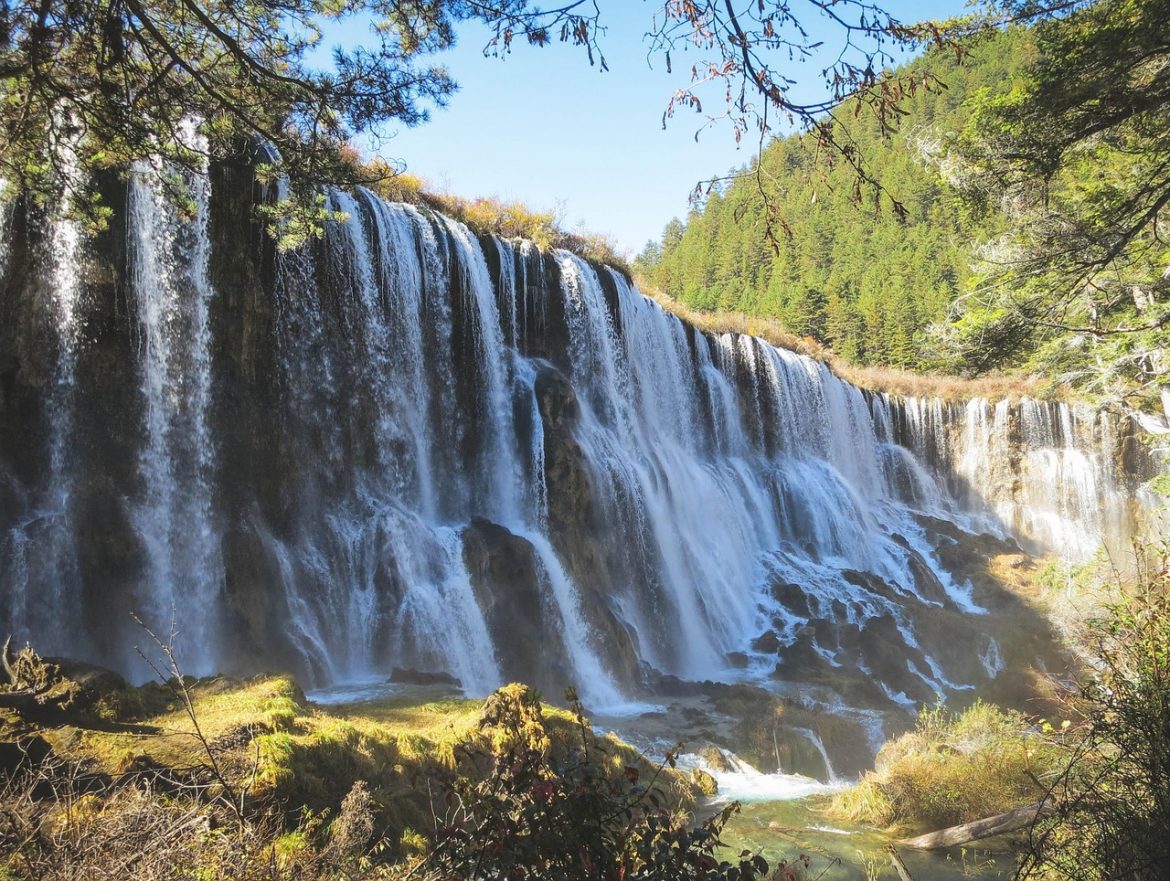
Waterfalls and Boardwalk Adventures with Jiuzhaigou Waterfall Views from Nuorilang to Pearl Shoal
Waterfalls and boardwalk adventures from Nuorilang to Pearl Shoal in Jiuzhaigou
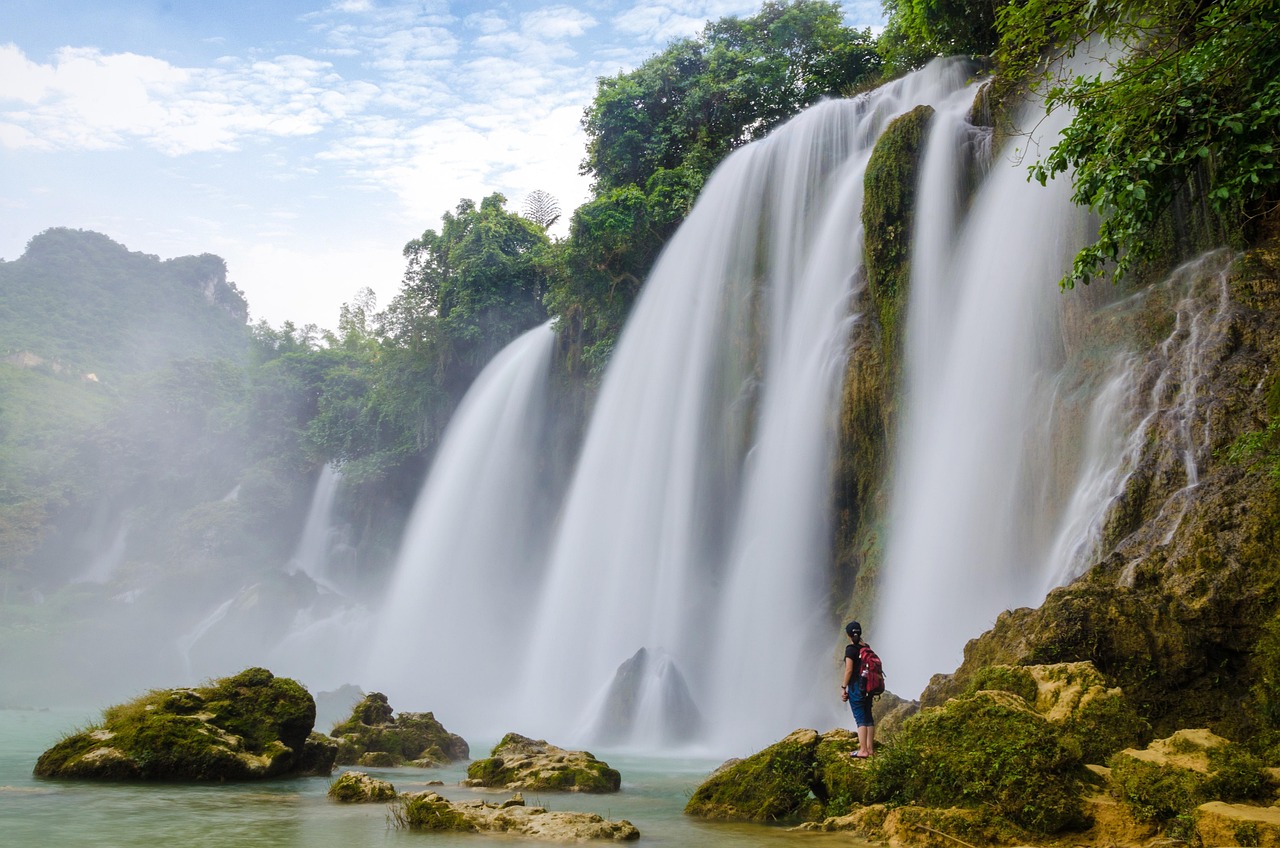
For pure movement-and-awe, the Jiuzhaigou waterfall trail from Nuorilang to Pearl Waterfall and the Pearl Shoal boardwalk hike delivers that exhilarating, mist-on-your-face energy. Here, the valley changes tempo: you hear the water before you see it, and the boardwalk keeps the approach safe even when the rocks look deceptively inviting.
Nuorilang (nuorilang) is one of the park’s largest cascades, broad and theatrical, and it earns its reputation for spectacular waterfalls without feeling overhyped. Pearl Waterfall (pearl) and the Pearl Shoal (pearl shoal) section offer wide-angle views where the water seems to skim the rock in a luminous sheet.
Seasonal texture from frozen waterfalls to summer roar
Conditions reshape the experience. In deep winter, you may see frozen waterfalls (frozen waterfalls) that turn the gorge into a sculpture gallery, with quieter footfall and crisp air. In contrast, summer is the rainy season, and flows can become louder and more dramatic—beautiful, but with slicker boardwalk sections and stronger spray.
Whatever season you choose, let safety set the rhythm. Pause at designated pull-outs, keep both hands free on steeper steps, and avoid leaning past railings for “one more angle”. The best views are usually the safest ones.
Boardwalk pacing and a highlights rhythm for all energy levels
A simple pacing trick: alternate “power walks” with stillness. Walk with purpose between viewpoints, then give yourself two full minutes of quiet at each major cascade. This creates a crafted flow that keeps fit hikers engaged while making it easy for families with kids to enjoy the spray and sound without fatigue.
- Carry: water, snacks, a small towel for mist, and a light rain shell.
- Footwear: hiking shoes with grip; surfaces can be damp even on sunny days.
- Comfort: take short breaks before you feel tired—your day stays seamless.
When you stand at the rail and feel the ground vibrate with water’s force, it’s hard not to smile. It’s an adventure, yes—but also a reminder of how nature can hold you steady and strong.
Ancient Forests in Jiuzhaigou National Park with Wildlife, Altitude and Panda Habitats
Ancient forests and wildlife in Jiuzhaigou National Park with altitude transitions
Beyond the lakes and waterfall viewpoints, Jiuzhaigou National Park’s wildlife and altitude are part of the deeper story—this is also a place shaped by breath, weather and patience, with panda and Sichuan golden snub-nosed monkey habitats in the wider region. The valley is home to layered forest ecosystems that climb into alpine terrain, where temperature shifts can surprise you even in mild months.
Altitude affects everything: your walking pace, how quickly you dehydrate, and how the air feels on steep sections. Dress in layers, sip water regularly, and take slightly shorter strides on climbs so your body settles into a comfortable rhythm.
Altitude awareness with calm, confident movement
Rather than pushing through, treat altitude as part of your day’s design. If you feel lightheaded, stop, breathe slowly, and let the forest support you. Your goal isn’t speed; it’s sustained attention—so you can actually notice the moss textures, the scent of pine, and the way light lands on the boardwalk.
This approach is especially reassuring if you’re used to sea-level adventures. A little care early on protects your energy for the moments that matter.
Wildlife insight and respectful distances
One hiker described the thrill of spotting a Sichuan golden snub-nosed monkey during a forest trek—an unforgettable flash of colour and movement high in the trees. Encounters like that are rare precisely because the park prioritises respect: keep your distance, minimise noise, and never feed animals.
While the giant panda is famously elusive, the presence of giant panda habitat in Sichuan adds significance to conservation efforts here. You may also hear about the Sichuan takin (Sichuan takin), and the valley’s richness is often noted through its 220 bird species (bird species) recorded across seasons.
The forest is also a refuge for endangered plant and animal species, which is why staying on paths matters. Ethics here aren’t restrictive—they create trust that the landscape will remain generous for future travellers, local communities, and wildlife alike.
Visit Jiuzhaigou Tour Planning with Tibetan Villages, Qiang Culture and the Best Time to Visit
Visit Jiuzhaigou tour planning with Tibetan villages and Qiang heritage near the valley
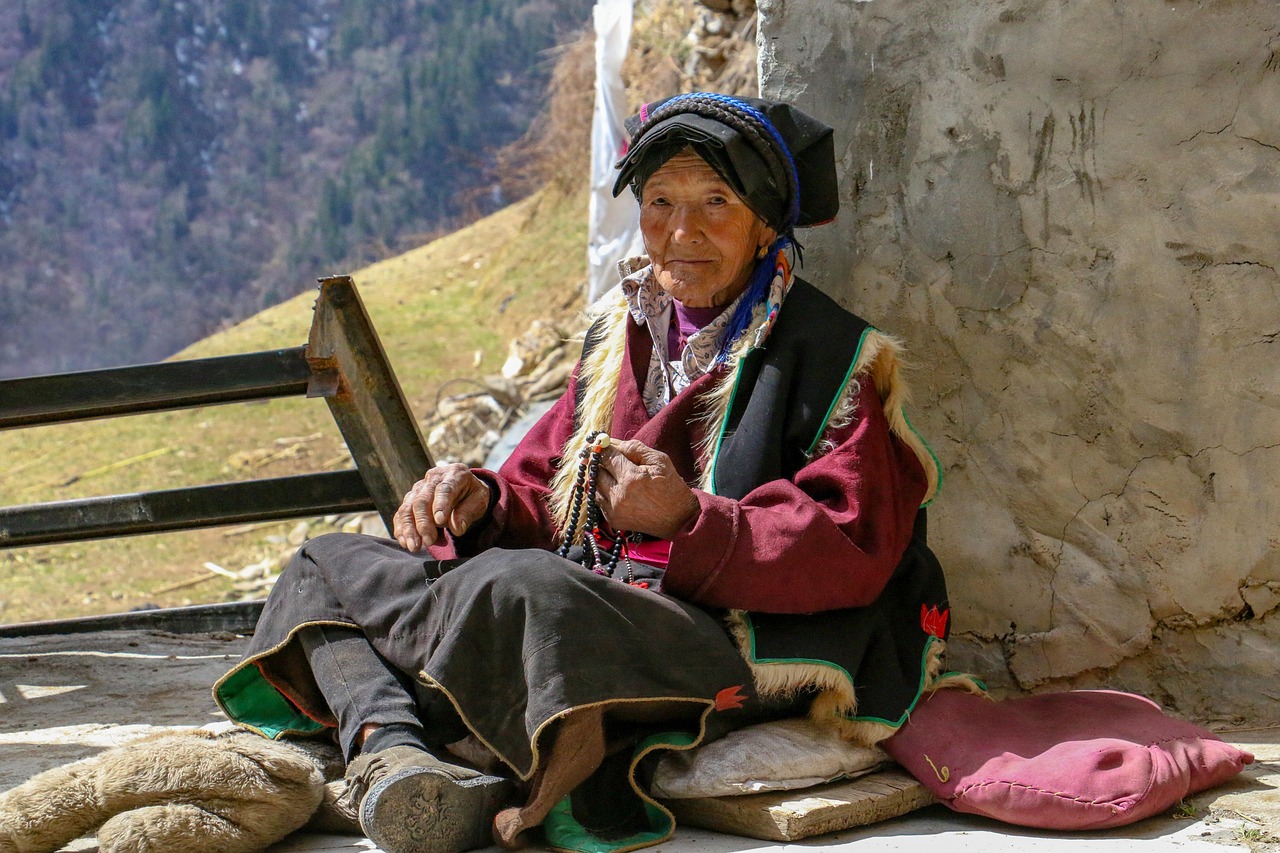
If you want your adventure to feel grounded, visit Jiuzhaigou tour routes that include Tibetan villages and nearby Qiang culture—then let the best time to visit and a few travel tips shape a smoother experience. This is where a Cultural enthusiast can uncover the human story that supports the landscape, and where local connection turns scenery into meaning.
A friend once shared a festival memory with a Tibetan family: traditional music drifting into the night air, laughter around shared food, and a warmth that felt genuinely welcoming. What stayed with them wasn’t a performance—it was the feeling of being included, briefly and respectfully, in someone else’s world.
Local etiquette for Tibetan culture and Qiang heritage
Small gestures create trust quickly. Ask permission before portraits, accept tea with gratitude, and listen more than you speak when stories are shared. If you’re invited to participate in a celebration, follow the host’s lead—your curiosity can be confident and still gentle.
Consider hiring a local guide for insight into crafts, symbols, and rituals you might otherwise miss. It’s one of the simplest ways to support communities and keep your journey personal rather than transactional.
Best time to visit and peak season strategy
The best time to visit is autumn, when colours peak—especially october to early november—followed by spring (March to May) for fresh blooms and clear days. Autumn is also peak season, so book entry tickets in advance and aim for early starts to experience the lakes before the mid-morning rush.
If you’re travelling for photography, build in a “quiet morning” and a “late afternoon” to catch softer light. If you’re travelling for movement, focus on one valley arm per day to keep the experience spacious.
Chengdu to Jiuzhaigou logistics and pairing with Huanglong
Most high-end itineraries route through Chengdu, with a flight to Jiuzhai Huanglong Airport (also known as Jiuzhaigou Airport). From there, a shuttle or short drive brings you to the park gates—this is the classic Chengdu to Jiuzhaigou connection, and it’s usually the most time-efficient for travellers coming from Beijing, Shanghai, or even Hangzhou via domestic transfers.
Many travellers also combine Jiuzhaigou and Huanglong in a single itinerary, pairing the lakes and forests with the Huanglong scenic area’s terraces for a contrasting colour story. If you’re planning a trip to Jiuzhaigou, check the latest news on road conditions, confirm what’s open to tourists, and review the weather forecast before you commit to timing.
- Tickets: entrance fees vary by season; look for student and senior discounts, and book online where possible.
- Rules: check current policies on drones, bag sizes, and shuttle routes; follow on-site laws and regulations without exception.
- On the day, carry water and snacks, and keep to the designated paths to protect the scenic area.
If you’d like inspiration for how to design this with other China classics, browse our Trip gallery and imagine a route that balances alpine calm with city energy.
However you organise it, the aim is the same: explore Jiuzhaigou with ease, so your attention stays on colour, sound, and the quiet confidence that comes from feeling well looked-after.
F.A.Qs: Jiuzhaigou Valley National Park, China
What is special about Jiuzhaigou?
Jiuzhaigou is special for its unusually clear, mineral-rich lakes, layered forests, and dramatic cascades set within a protected UNESCO-listed landscape. The colours can shift from deep blue to green and pale gold depending on the light and season, and the boardwalk-and-shuttle system makes it easy to take in big scenery with a sense of comfort and safety.
Which city is closest to Jiuzhaigou?
Chengdu is the main gateway city most travellers use for Jiuzhaigou, thanks to flight connections and straightforward onward transport. From Chengdu, you can fly to Jiuzhai Huanglong Airport and continue by shuttle or car to the valley. Nearby county towns are closer, but Chengdu is usually the most practical starting point.
What is the most beautiful national park in China?
“Most beautiful” is subjective, but Jiuzhaigou is often considered among China’s most beautiful national parks for its lake colours, forest depths, and waterfall scenes. If you love luminous water and mountain ecosystems, it can feel almost unreal. Many travellers also rate Huanglong highly for its terraces, especially when combined with Jiuzhaigou.
How long is the train ride from Chengdu to Jiuzhaigou?
There isn’t a direct train that takes you all the way into Jiuzhaigou Valley National Park itself. Most people travel from Chengdu by plane to Jiuzhai Huanglong Airport, or by road, which can take several hours depending on conditions. Always check current transport options and road conditions near your departure
What Stayed With Me After Jiuzhaigou with Valley Reflection and Personal Travel Insight in China
This Jiuzhaigou Valley reflection and personal travel insight in China isn’t about ticking off viewpoints—it’s about what lingers when you’re home again, and the world is noisier. I still remember the hush of morning light on a lake surface, the way forest shade cooled my face after a long boardwalk stretch, and the distant, steady voice of a waterfall threading through the trees.
There’s a particular kindness in this valley: it invites you to move at your own pace, to notice what you usually rush past, and to feel restored rather than tested. You don’t need to prove anything here. You simply arrive, and the landscape quietly supports you—until your shoulders drop and your curiosity returns.
And perhaps that is the most lasting gift: travel as attention. When you treat a place with care, you create space for local culture and protected nature to exist together, without turning either into a checklist. You leave with photographs, yes, but also with a softer way of looking at water, at times, at the people who call these mountains home.
Even now, when I catch a reflection in an ordinary puddle after rain, a part of me returns to Jiuzhaigou—wondering what other colours might be waiting, quietly, in the next fold of the world.