Post Contents
- Milan tourist attractions overview – a must-see first day itinerary flow in the heart of Milan
- Duomo di Milano (Milan Duomo) – roof of the Duomo terraces, Piazza del Duomo, and golden-hour views
- Pinacoteca di Brera – a Milan museum masterpiece and the quiet power of Brera
- Last Supper, Milan – Santa Maria delle Grazie and Leonardo da Vinci’s masterpiece
- Galleria Vittorio Emanuele II – luxury shopping, a landmark arcade, and Via Montenapoleone style
- La Scala in Milan (Teatro alla Scala) – evening performances, museum visits, and a backstage story
- Castello Sforzesco – Milan attractions, Sforza history, and a museum courtyard, calm
- Navigli district – Milan aperitivo canals and things to do in Milan at night
- Visit Milan travel tips – Milan Metro ease, ticket strategy, and a Lake Como day trip
- F.A.Qs: Milan, Italy attractions and planning
- What stays with you after the journey – the Milanese details behind the checklist
Milan tourist attractions overview – a must-see first day itinerary flow in the heart of Milan
Central Milan overview for a first day of must-see sights
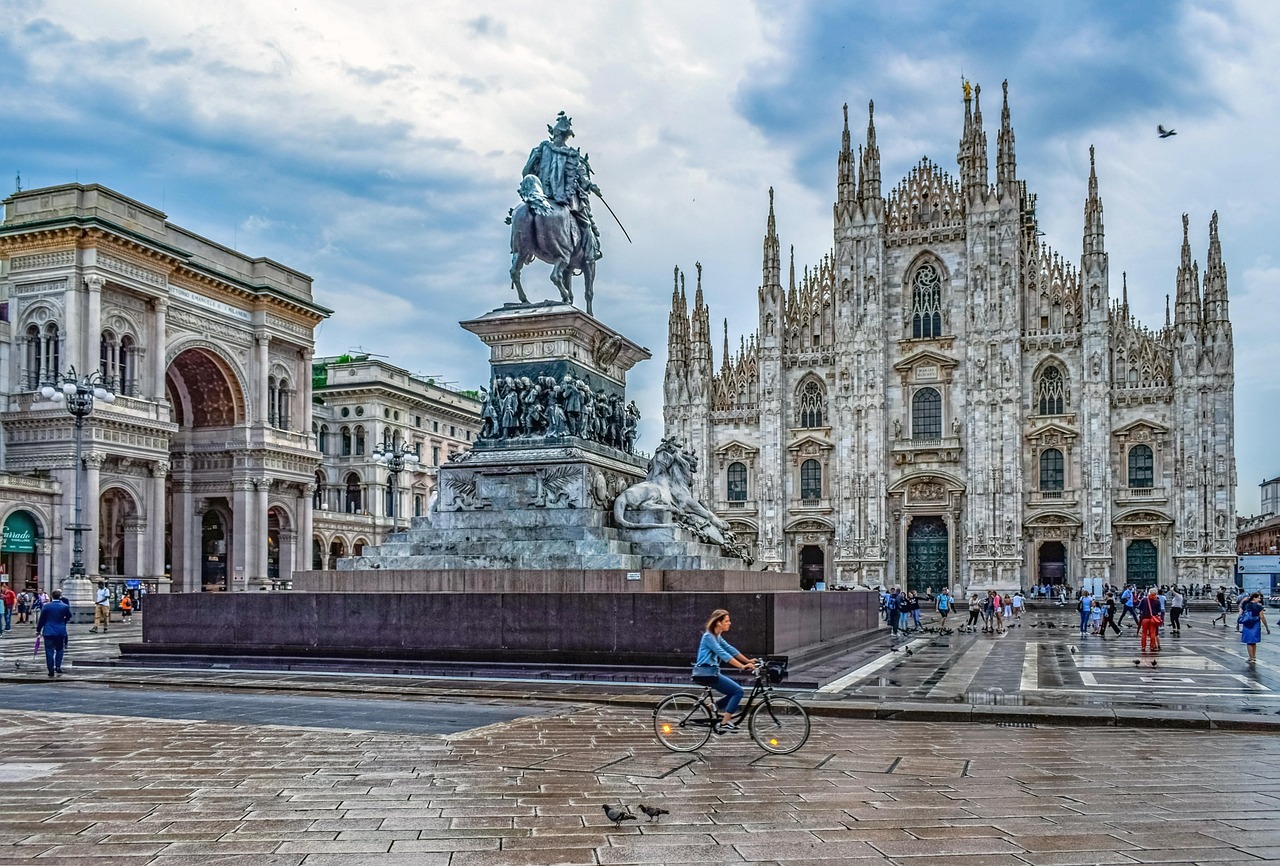
If you’re planning Milan, Italy attractions with an elegant rhythm, start by orienting yourself around the heart of Milan: the Duomo area and the streets that radiate outward. In the city of Milan, a few compact blocks hold centuries of fashion and design, so the most luxurious approach is to move slowly rather than widely. Think of day one as a gentle spiral that returns you to the centre whenever you want a pause, a coffee, or a quiet reset.
Begin at the piazza near the cathedral, then let the day unfold through gallery-lined streets, a refined lunch, and an early evening aperitivo. It’s one of the simplest ways to sightsee without chasing “things to see” across town, and it keeps the main tourist attractions within easy reach. For many travellers, these are the defining sights in Milan—and a graceful way to decide what else you’d like to see in Milan tomorrow.
Choose your own first day in Milan with high-end pacing and main attractions
Rather than locking yourself into a rigid timetable, create a simple structure and leave space for surprise. These are classic things to do in Milan with a pace that feels curated and personal—especially if you want to visit multiple neighbourhoods without feeling rushed.
- Grand centrepiece: the Duomo and rooftop (book ahead), then a gentle walk into the Galleria.
- Art-led mood: Brera for a slow museum visit, then a long lunch and a short design-focused wander.
- Music and theatre: an afternoon around the centre, then an evening performance near La Scala.
- Food and atmosphere: an unhurried day of central sights, finishing by the canals in Navigli.
Whichever route you choose, you’ll still touch the main attractions while keeping your energy protected. That’s the secret: you’re not trying to “win” Milan—you’re letting it meet you, gracefully.
Arrivals and getting around with seamless support for sightseeing in Milan
For central areas, walking is ideal; you’ll notice small details that taxis simply glide past. The Milan Metro is efficient and clean—perfect for moving between districts when you want a seamless reset between sights and sightseeing in Milan. Taxis make sense when you’re dressed for an evening performance, carrying shopping, or returning late, especially if you’d rather not think about routes.
In crowded zones (particularly near famous landmarks), keep valuables secure and avoid displaying passports or high-value items. This isn’t about alarm—it’s about care. A discreet crossbody bag, zipped pockets, and calm awareness are usually all you need to feel at ease.
One practical note that builds trust: some museums in Milan close on Mondays, so avoid stacking major indoor visits at the start of the week. With that simple expectation set, the attractions of Milan become easier to enjoy—and far easier to remember.




Duomo di Milano (Milan Duomo) – roof of the Duomo terraces, Piazza del Duomo, and golden-hour views
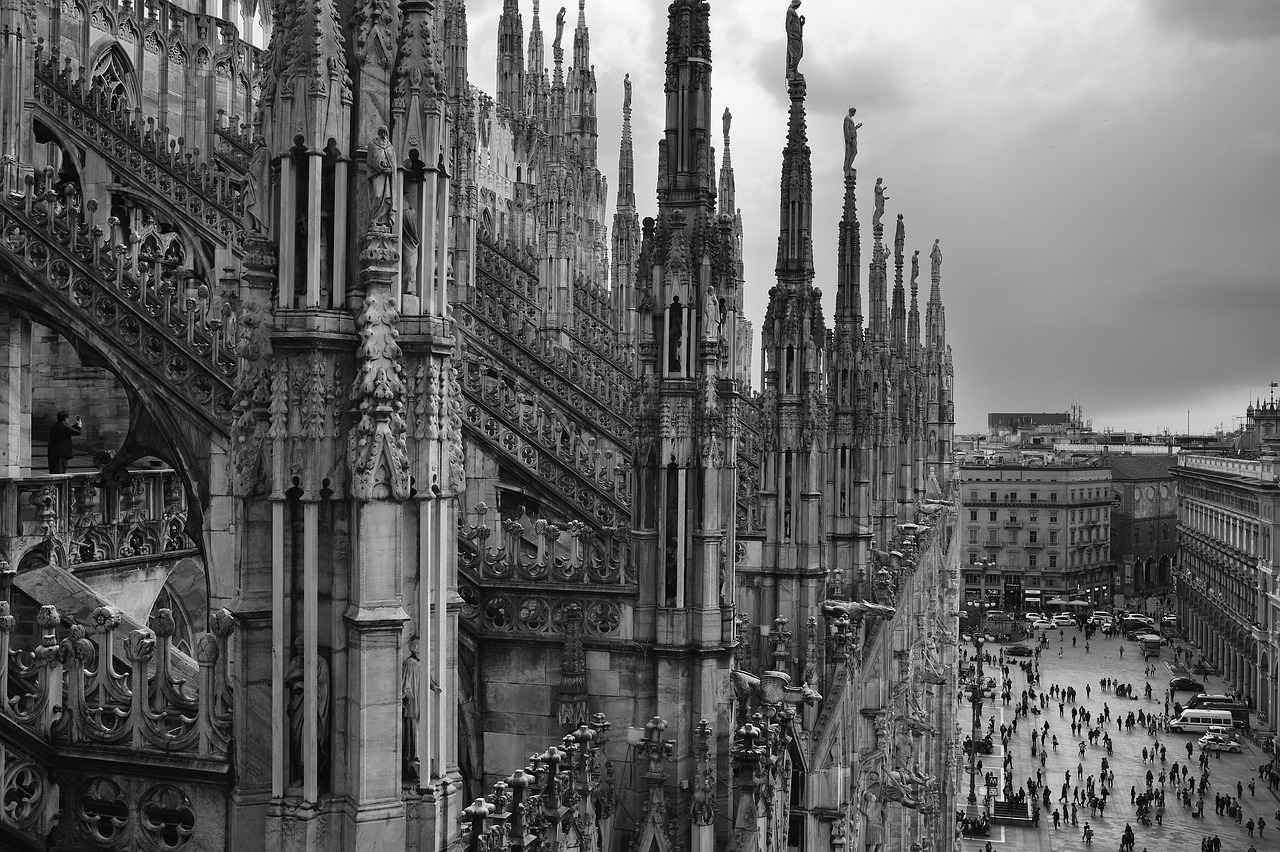
Duomo di Milano and the roof terraces at golden hour
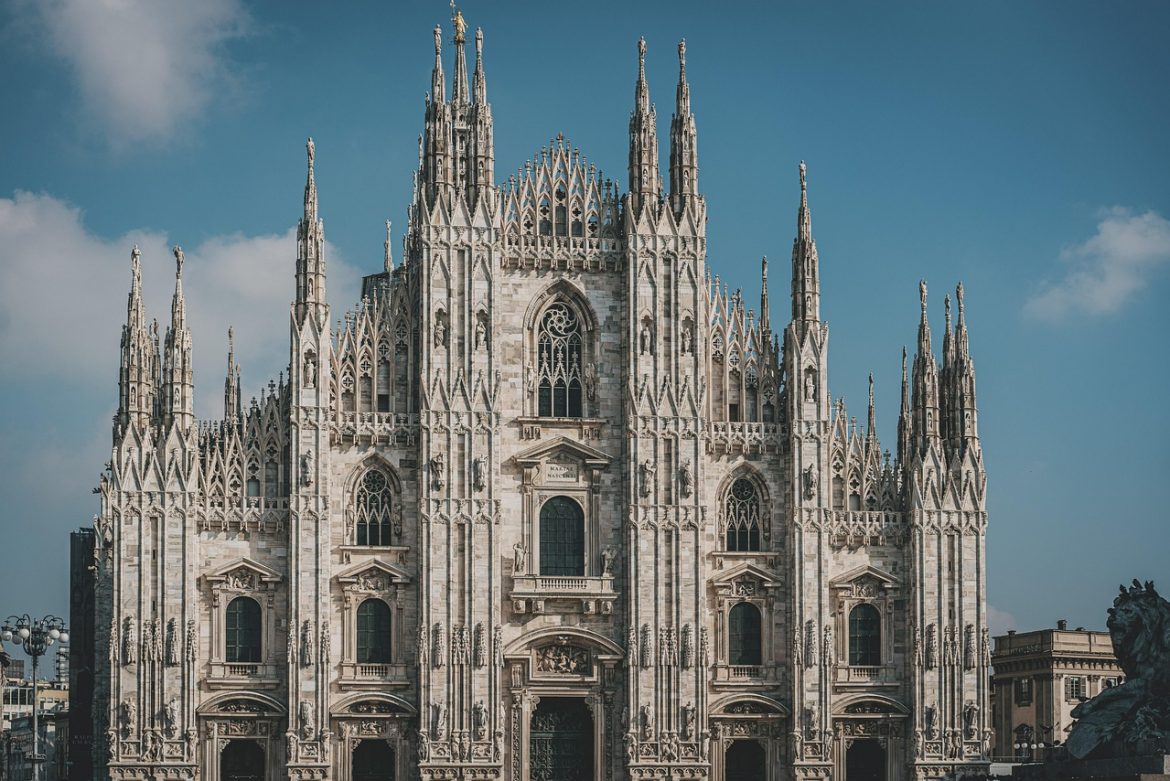
The Duomo experience is the scene most travellers carry home in their minds: the grand cathedral rising over the square, the lace-like spires, and the city stretching outward in every direction. The Duomo di Milano is a Gothic cathedral built in luminous marble, and it remains an iconic landmark even for those who think they’ve “seen enough churches”. On a first visit, it’s less about ticking a box and more about letting Milan set its tone—bold, precise, and unexpectedly tender.
The piazza is lively, but there’s a calm waiting inside the cathedral and above it. If you want one must-see moment that feels both cinematic and grounding, plan the terraces for golden hour, when the city softens, and the sky does half the work for you.
Plan your visit to the Duomo with rooftop tickets, dress code, and timing
For a smooth visit to the Duomo, book rooftop tickets online in advance, especially for spring and early autumn. Choose lift access if you’d like to arrive fresh for photos and lingering; choose stairs if you enjoy a sense of ascent and don’t mind the effort. Either way, aim to enter the terraces about 60–90 minutes before sunset so you can watch the light change without rushing.
In Piazza del Duomo, the energy can feel intense—so treat your timing as part of the experience. Arrive early, pass security calmly, and let the first minutes inside the Milan Cathedral slow your breathing before you head up.
What to notice on the Duomo terraces near the Duomo and around the piazza
On the rooftop, pause for detail. Look for statues that seem to lean into the wind, lace-like stonework, and the way the spires frame the distance. If you’d like a gentle add-on, consider stepping into the cathedral interior either before the roof (for cool, contemplative shade) or after (for a calmer atmosphere as crowds thin).
When you come down, stay near the Duomo for a refined break: a coffee, a gelato, or a celebratory toast next to the Duomo before you explore the city further. This is also a lovely moment to glance across at the Museo del Novecento, which offers a modern counterpoint to the old stone outside.
Pinacoteca di Brera – a Milan museum masterpiece and the quiet power of Brera
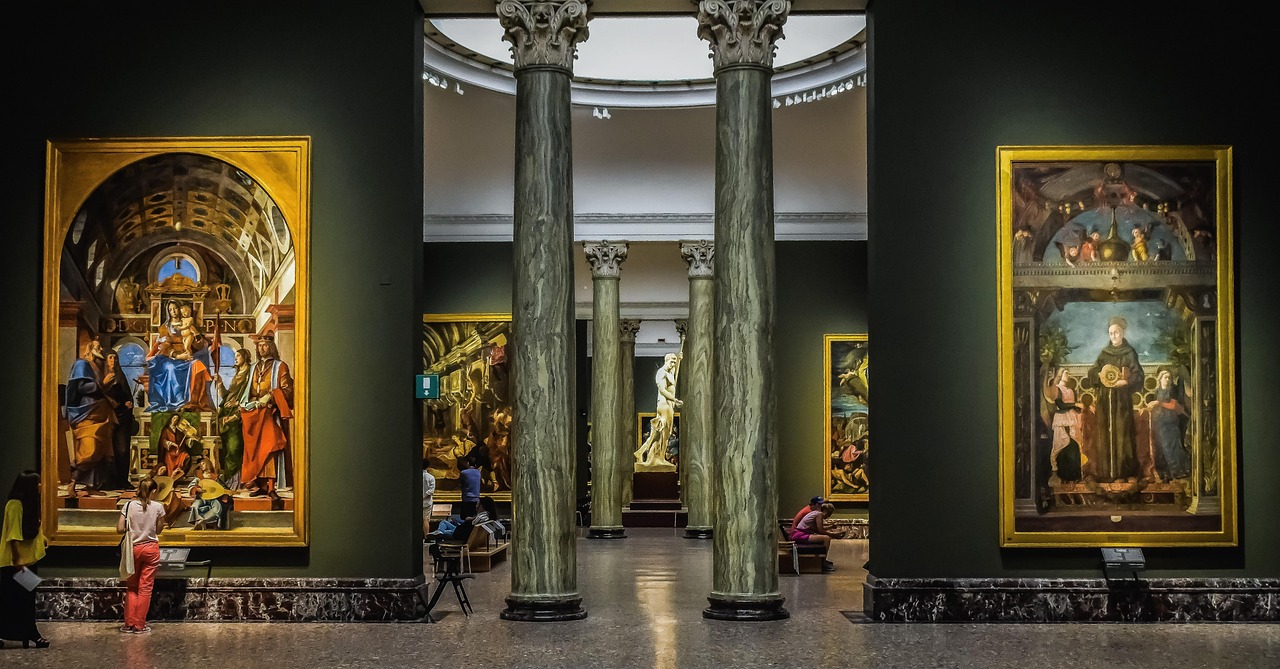
Pinacoteca di Brera and the calm confidence of Brera
Pinacoteca di Brera is one of the finest museums in Milan, and it suits travellers who want depth rather than a frantic circuit of rooms. It’s a celebrated tourist attraction, certainly, but it often feels more like an intimate conversation with Italian painting—one that rewards your attention. If you’re building a short list of places to see, this is the kind of stop that changes the tone of an entire trip.
Brera itself is a pleasure: elegant streets, a gentle hum, and the sense that creativity here is part of daily life. If the centre feels intense, this district is where you can breathe, slow down, and discover your own way of looking.
How to look slowly in the Pinacoteca di Brera gallery for a richer museum visit
Instead of racing through, choose a handful of works and give them time. Stand back, then move in close; notice where light lands, how a hand is painted, and what a face is trying not to reveal. One art lover described encountering Caravaggio here as a quietly emotional experience—even in a public room. That’s the power of a masterpiece when you allow it to reach you.
To keep your museum time crafted, aim for a morning slot or a later afternoon when energy is lower and your focus is clearer. High-end travel isn’t about doing more; it’s about feeling more.
Milan’s art galleries and why the city became a creative crossroads
Milan’s wealth and influence made it a crossroads of Renaissance ambition and modern innovation. You can sense this in the museum’s collection, and also in nearby art galleries and design spaces that sit naturally within the neighbourhood. If you’d like to extend the theme, ask your hotel concierge for a current exhibition suggestion—Milan often changes its creative wardrobe.
Practicalities: admission for many museum sites tends to sit around 10–20 euros, with occasional discounted or free days. Book ahead when you can, and always trust your pace; your best insight arrives when you’re not trying to outsmart the clock.
Last Supper, Milan – Santa Maria delle Grazie and Leonardo da Vinci’s masterpiece
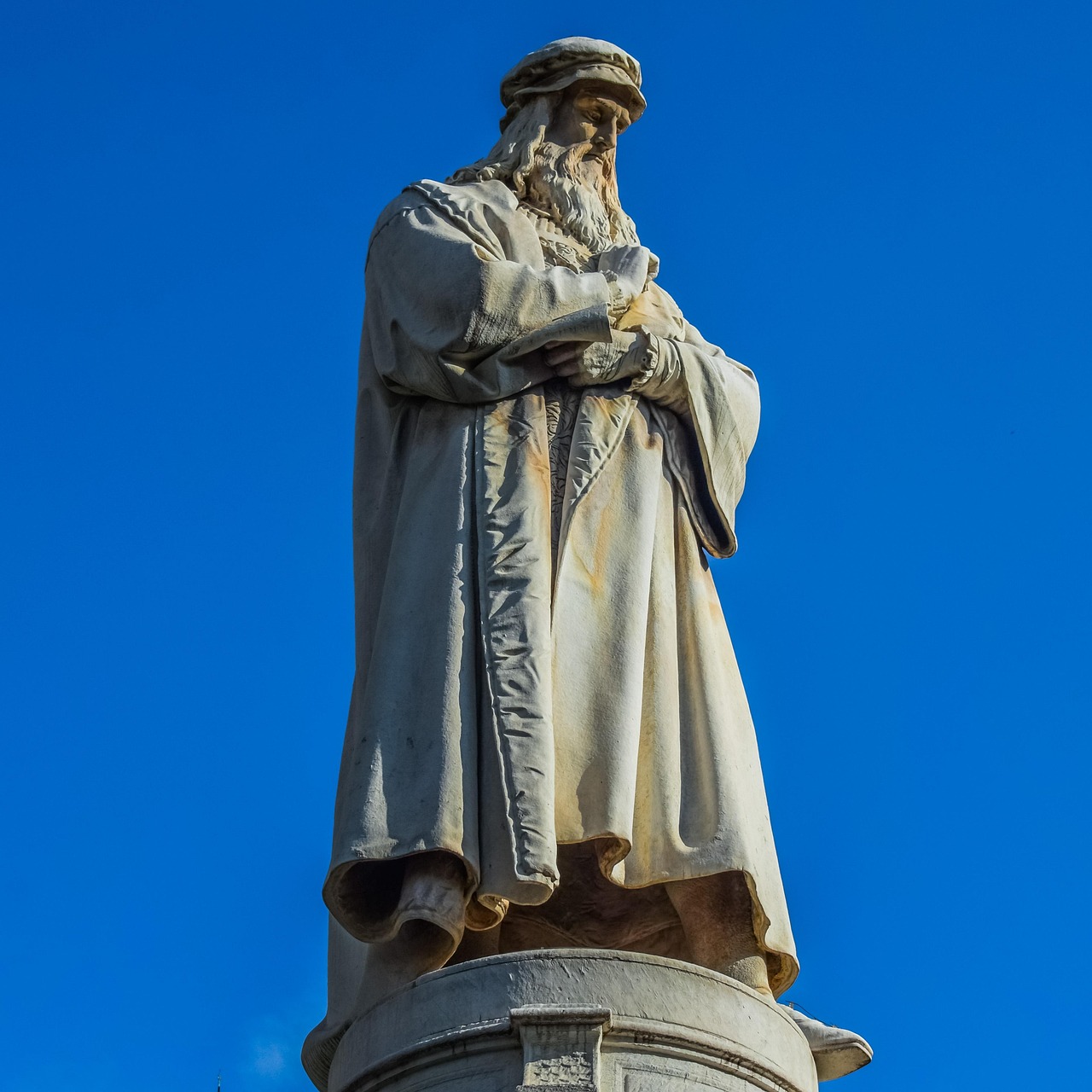
Leonardo da Vinci and The Last Supper at Santa Maria delle Grazie
For art history, Last Supper viewing at Santa Maria delle Grazie is non-negotiable—if you can secure a timed entry. Leonardo da Vinci created an image that is fragile, famous, and emotionally charged, which is why the experience is so carefully managed. The Last Supper isn’t a quick glance; it’s a short, intense encounter with a work that shaped Western visual storytelling.
There are plenty of attractions in Milan, but this is one of the must-see sights that benefits from preparation and a calm mind. When done well, it feels less like a crowd event and more like a quiet appointment with history—and one of the standout tourist attraction experiences for first-timers.
Timed tickets and viewing windows at Santa Maria delle Grazie (arrive early)
Plan for strict timing: entry is in small groups with a limited viewing window, and late arrivals are rarely accommodated. Book as early as possible, particularly in peak seasons, and build in a cushion for transport.
You’ll also be visiting the convent of Santa Maria delle, so treat the space with respect. Keep voices low, silence your phone, and allow the room to feel like what it is: a working site of memory as well as a cultural landmark.
What to notice in the Last Supper, plus churches in Milan worth your time
In the refectory, let your eyes settle. Notice the geometry, the psychological tension, and the way the figures form a human wave across the table. You don’t need to “understand” everything; you only need to look long enough to feel the intelligence in the composition. This is Leonardo da Vinci’s masterpiece, not because it is perfect, but because it is alive with ideas.
For a refined pairing afterwards, step into San Maurizio al Monastero Maggiore, one of the most beautiful churches in Milan and definitely worth a visit for its frescoes and stillness. It’s an elegant counterbalance: less famous than the Last Supper, yet quietly extraordinary. In a different register, you also feel the same sensitivity in Leonardo da Vinci’s attention to human emotion and gesture.
If you want to visit with ease, keep this checklist: timed ticket confirmed, arrive early, shoulders covered for church spaces, and plan a gentle lunch nearby rather than a rushed dash back to the centre.
Galleria Vittorio Emanuele II – luxury shopping, a landmark arcade, and Via Montenapoleone style
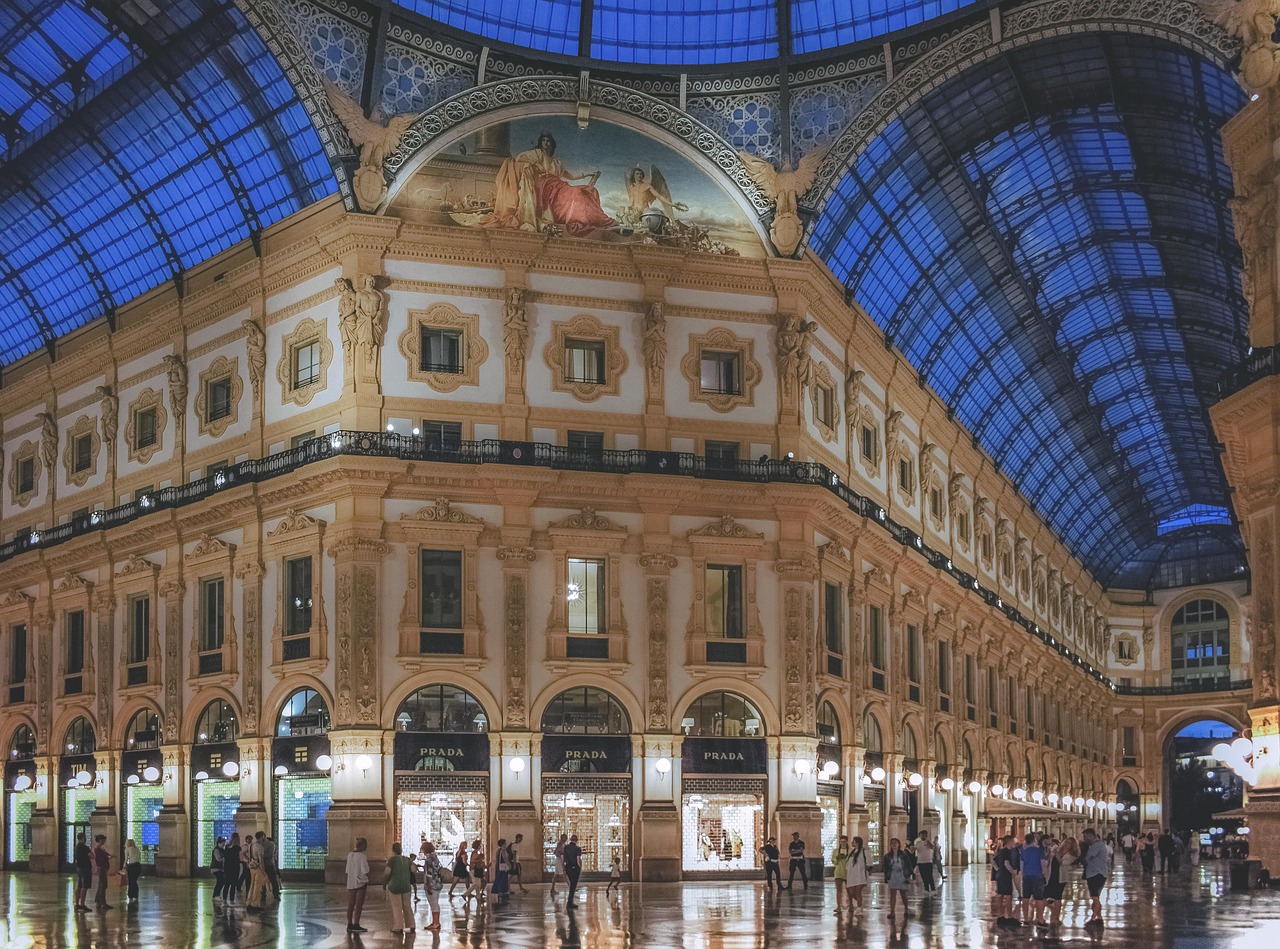
Galleria Vittorio Emanuele II and the Quadrilatero della Moda
Galleria Vittorio Emanuele II is the classic Milan pairing of architecture first, then couture-level temptation. The arcade is a neoclassical icon that feels like the city’s living room—arched glass, mosaic floors, and an atmosphere that encourages you to slow your stride. Even if you don’t intend to buy, it remains a celebrated landmark because it stages everyday elegance so beautifully.
From here, the transition into the fashion district is effortless. This is Milan’s sense of design in motion: crafted, confident, and surprisingly warm once you meet it on its own terms.
Walk with intention through the Galleria Vittorio Emanuele and its central dome
Enter from the Duomo side and pause under the central dome for the best upward view. Then choose a discreet café moment—espresso at the bar if you want to feel local, or a longer sit-down if you’d like to watch the city’s choreography. An elegant lunch can be wonderfully simple here: seasonal plates, good glassware, and service that doesn’t hurry you.
If you’re collecting images, look for reflections in the glass ceiling and the symmetry that frames passers-by like a film scene. This is Milan Galleria Vittorio at its best: a space that makes even a short walk feel intentional. For a quick extension, step through the archway toward Galleria Vittorio Emanuele cafés and boutiques before you continue.
Quadrilatero della Moda boutiques, Milan Fashion Week, and seamless shopping
Continue into the quadrilatero della moda, where via Montenapoleone and via della Spiga run like polished threads between streets lined with boutiques. If you’re visiting around Milan Fashion Week, you’ll notice style feels like a local language, not a costume. Dress well, yes—but dress like yourself, with confidence.
- Appointments: for jewellery or leather goods, ask your hotel to arrange a boutique time slot.
- VAT refund: keep receipts, ask for tax-free paperwork in-store, and allow extra time at the airport.
- Seamless pacing: choose two or three stores, then stop for a restorative tea or aperitivo rather than pushing through fatigue.
Shopping here can be pure pleasure when it’s designed around your day, not forced into it.
La Scala in Milan (Teatro alla Scala) – evening performances, museum visits, and a backstage story
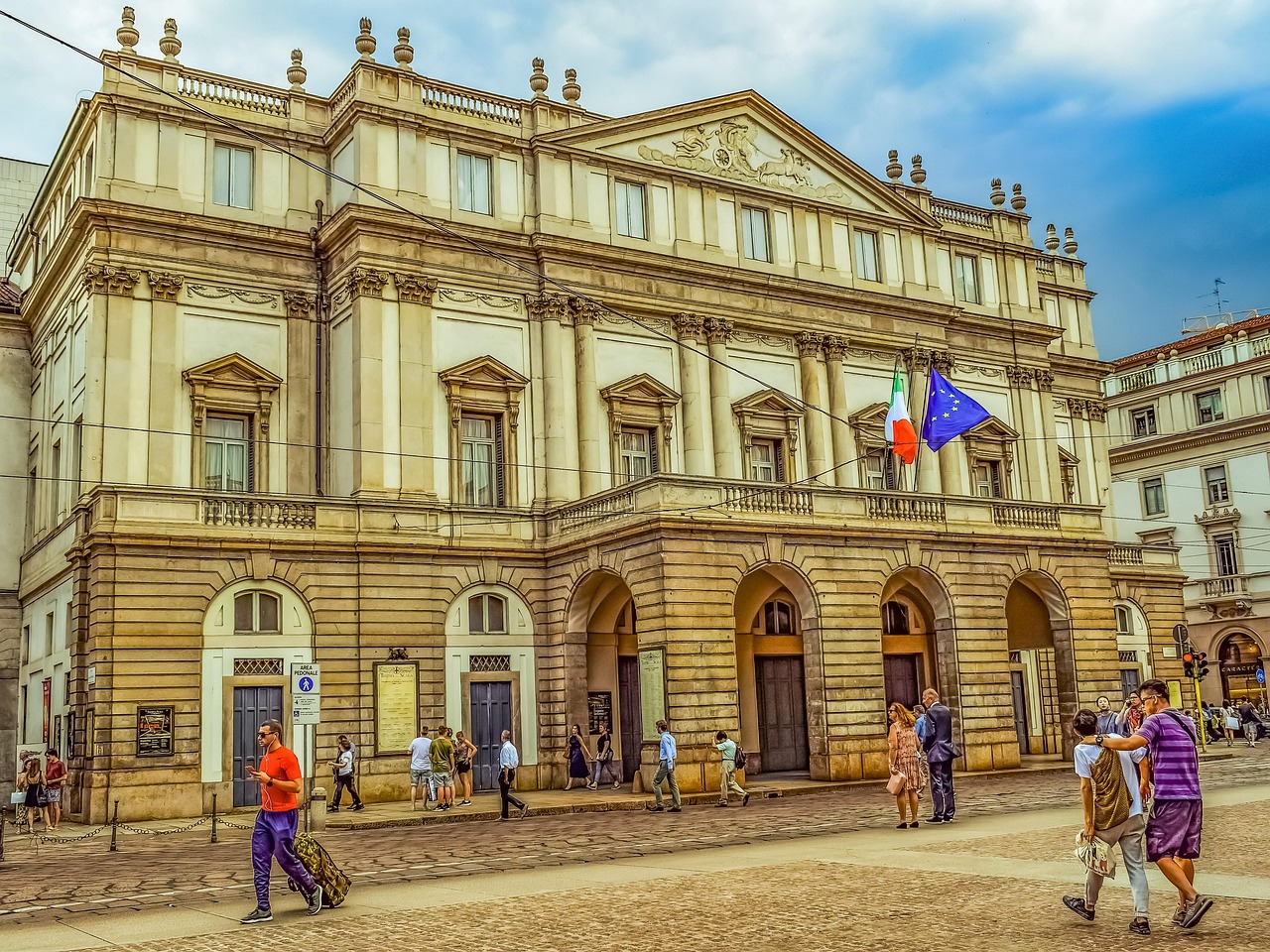
A Milan evening at La Scala and the surrounding streets
Planning a night at La Scala Opera House can turn a beautiful day into an unforgettable experience. La Scala is a world-class attraction in Milan, not only for its performances but for its ritual: the anticipation, the velvet glow, the collective hush before the first note. This is where the city’s love of craft becomes audible—and where even non-opera fans can feel the magic.
Even if opera isn’t usually your world, the building’s grace and history can draw you in. And if you already love music, it may feel like coming home to an address you’ve only known in imagination.
Backstage tours at La Scala for a once-in-a-lifetime Milan memory
A luxury traveller once described an exclusive backstage tour as a once-in-a-lifetime memory: impeccable service, hidden corridors, and the thrill of seeing the stage up close. They spoke about the atmosphere changing from public grandeur to private focus within a few steps—tailors’ marks, rehearsal schedules, and the quiet intensity that keeps excellence alive. It’s the kind of insight that makes the evening performance feel deeper, as if you’re hearing the building breathe.
If you want that level of access, book ahead and ask for a guided visit. Availability can be limited, and the best experiences are carefully curated rather than crowded.
Dress, dinner, and the walk from the Duomo to La Scala
Dress elegantly—think understated polish rather than drama—and you’ll feel completely at ease. Plan a refined pre-theatre supper, then enjoy the short walk from the duomo through the central streets; it’s one of the easiest routes in Milan for an effortless evening. After the show, a taxi is often the most seamless choice, particularly if the night is late or the weather turns.
No performance on your dates? The theatre museum and guided visits can still be a must-visit for music lovers and a graceful addition to your list of key experiences.
Castello Sforzesco – Milan attractions, Sforza history, and a museum courtyard, calm
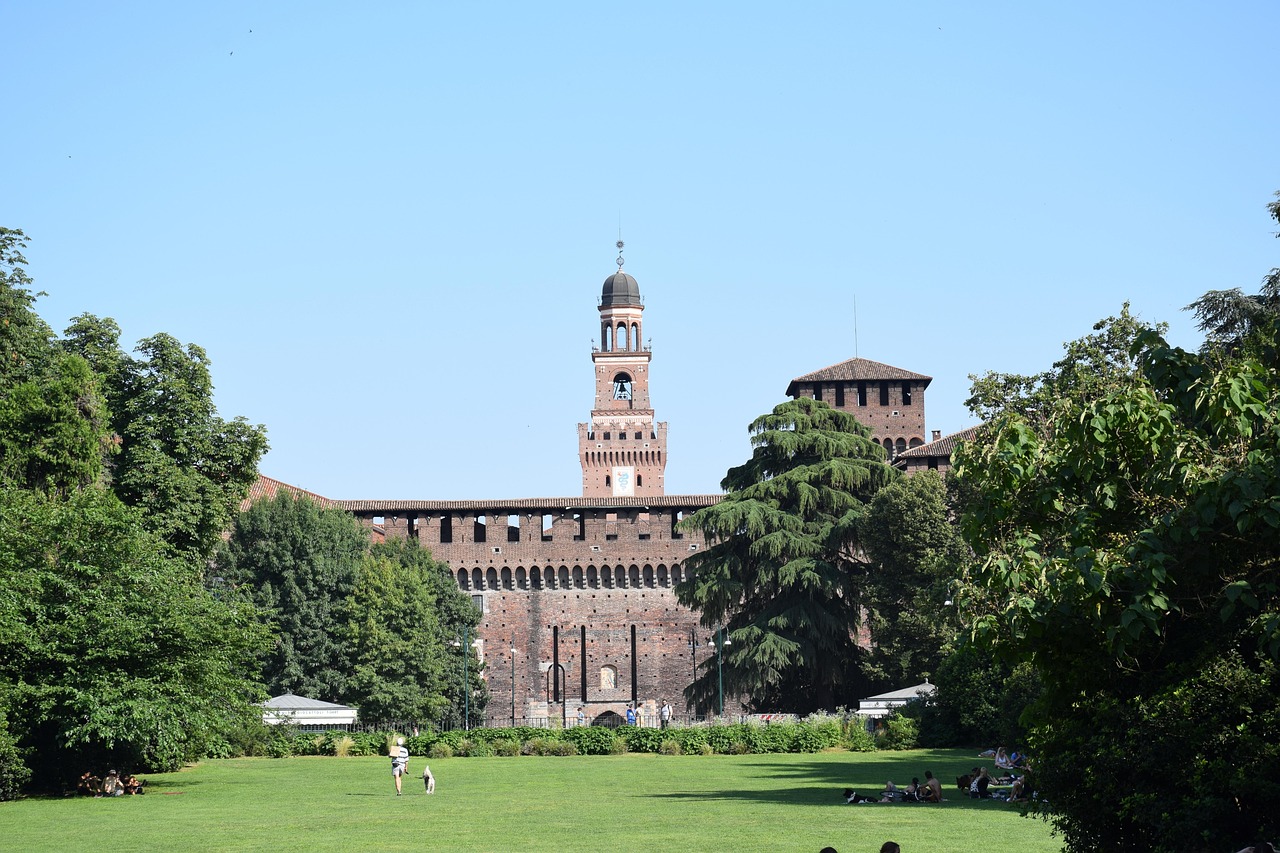
Castello Sforzesco and Parco Sempione for history and air
Castello Sforzesco is your invitation to exhale. After the bright intensity of the centre, the castle offers a calmer rhythm: expansive walls, layered history, and a sunlit courtyard that holds quiet like a secret. It’s a landmark that feels both significant and surprisingly restful, especially in the morning.
This is one of those experiences people remember as part of Milan’s attractions because you can shape it. You can come for one collection, one courtyard, and one café pause—then leave feeling nourished rather than depleted.
The Sforza dynasty, the duke of Milan, and a story in stone
You don’t need a textbook to appreciate the castle, but a little context helps. The Sforza dynasty shaped the city’s fortunes, and the era of the Duke of Milan left an imprint on architecture, politics, and art. As you move through the spaces, notice how power was expressed through scale, fortification, and ceremonial geometry.
That historical thread also explains something modern about Milan: the city still values excellence, structure, and the ability to reinvent without losing its core.
Parco Sempione strolls and a flexible museum approach
Inside, choose one collection that matches your interests—music instruments, decorative arts, or Renaissance works—so your museum time feels crafted. Then step into Parco Sempione for a breath of fresh air, and take a short stroll to reset your senses.
- Best light: early morning for softer photos and fewer people in the courtyard.
- Quiet corners: mid-afternoon in the park when many return to the centre.
- Care: in busier zones, keep personal belongings close and zipped.
It’s an easy place to create a gentle rhythm between architecture, greenery, and café pauses.
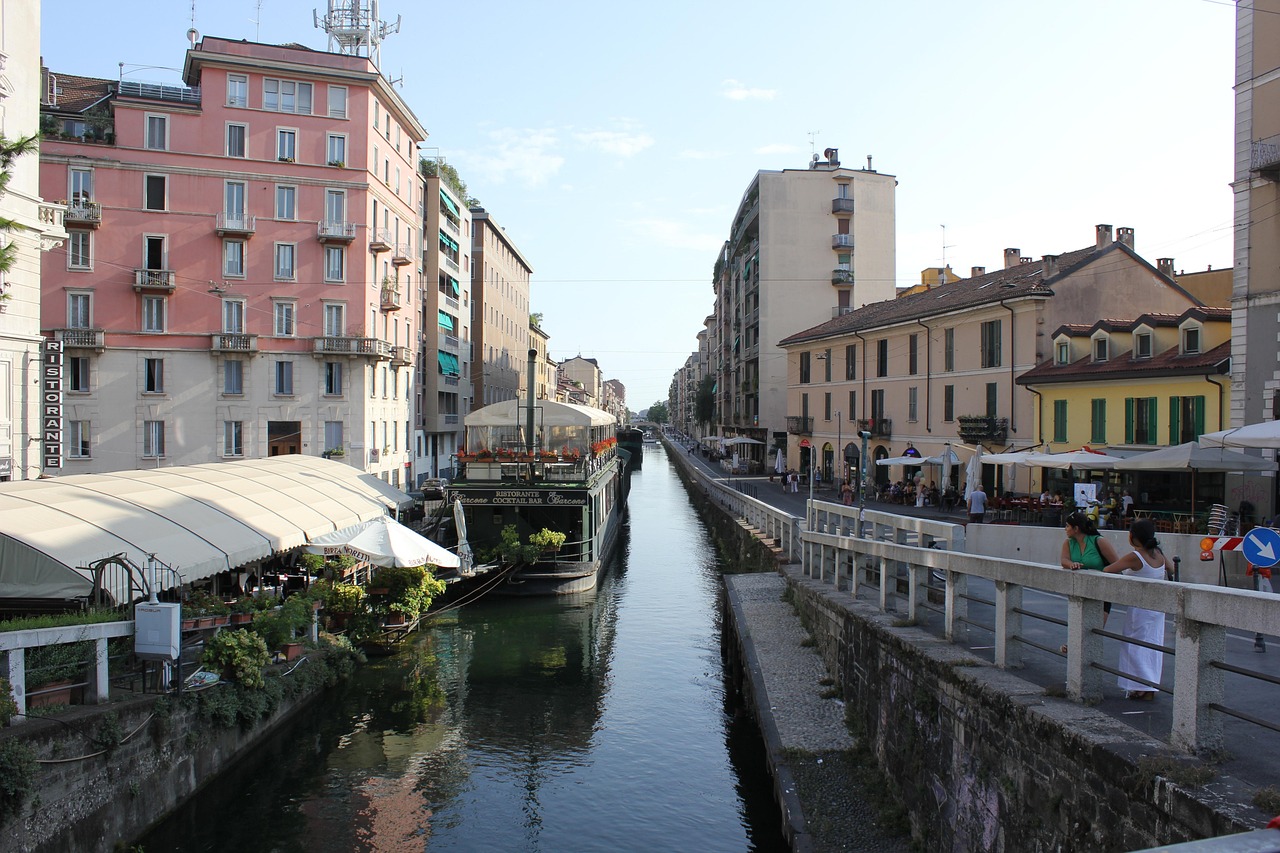
Navigli district aperitivo and a taste of Milanese nights
The Navigli district is where many travellers fall in love with the city in a more personal way. Navigli is Milan’s evening heartbeat: water catching warm light, conversation spilling out of doorways, and the feeling that you can become local within an hour. It’s unmistakably Milanese—stylish, social, and a little theatrical—but it’s softer around the edges.
Come when the day begins to loosen its collar. After museums and monuments, this is where you can simply enjoy being in Milan, together, without needing a reason.
The classic ritual is simple: go after 6 pm, order a drink, and enjoy complimentary snacks that range from olives and crisps to more generous small plates depending on the venue. Choose a bar that feels both welcoming and well-dressed; the best places combine good lighting, thoughtful music, and service that makes you feel looked after.
If you’d like reassurance, avoid the most crowded corners at peak time and step back onto a street where the atmosphere is still lively but calmer.
Risotto by the canal and a shortlist for refined Milanese nights
A visitor once wrote about savouring authentic Milanese risotto by the canal, watching groups drift past in the early night. They described warm hospitality, laughter from neighbouring tables, and that particular glow Milan gets when the city moves from work to pleasure. It’s a vivid reminder that the best travel memories often come with a fork in your hand and nowhere urgent to be.
For a refined evening, consider: a classic spritz or a well-made Negroni, a glass of Lombardy wine, and a few shared plates. Reserve for sought-after spots on weekends, especially in warmer months.
For a seamless return, use the Metro while it’s still frequent, or take a taxi if it’s late. Keep valuables secure, stay aware without anxiety, and let the night feel relaxed rather than restless.
Visit Milan travel tips – Milan Metro ease, ticket strategy, and a Lake Como day trip
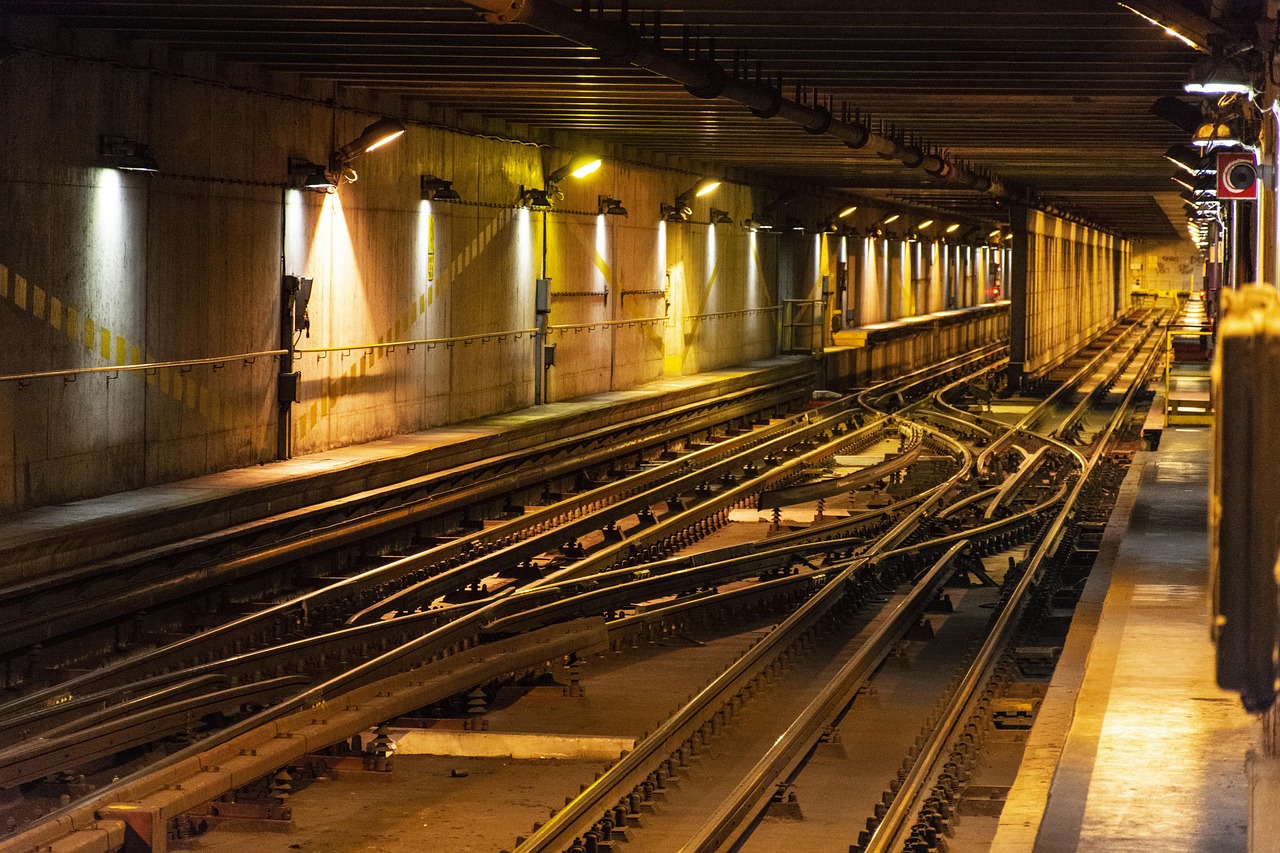
Seamless ways to sightsee Milano plus a Lake Como day trip
For visiting Milan, planning and timing are your greatest luxury. The best time to travel is typically April to June and September to October, when the light is kind, and the streets feel less compressed. Milano in these months invites you to sightsee with ease—mornings for iconic landmarks, afternoons for museum stops, evenings for aperitivo.
If you’re building a multi-city itinerary, remember Rome is the capital of Italy, while Milan is the country’s style-forward business and cultural engine. Each city asks something different of you; Milan rewards precision and pause.
Tickets, closures, and a Plan B near the Duomo that keeps confidence intact
Pre-booking matters for top sights, especially the terraces and the Last Supper. Admission commonly ranges between 10 and 20 euros, with occasional reduced days depending on the venue. Also note: avoid major sights on Mondays when some museums are closed; it’s the simplest way to prevent disappointment.
Create a Plan B list for time near the Duomo, so last-minute changes feel easy. A café with a view, a slower wander through the Galleria, or time in a nearby church can turn a logistical wobble into something unexpectedly lovely.
Etiquette in luxury spaces and a curated Lake Como day trip
Milan’s upscale venues respond warmly to elegant dress and quiet courtesy. You don’t need to be formal—just thoughtfully presented. A simple “buonasera”, patient service interactions, and respect for shared spaces go a long way in earning local trust.
For an elevated escape, design a Lake Como day trip: train or private transfer to the lake, a boat on the water, a villa visit, and a long lunch that stretches into the afternoon. If you’d like inspiration for how this can look as part of a wider journey, explore our Trip gallery. With expert support—private guides, reserved tables, and thoughtful timing—logistics disappear, and the day feels effortless.
F.A.Qs: Milan, Italy attractions and planning
What is Milan, Italy, best known for?
Milan is best known for being Italy’s fashion capital, for design and architecture, and for major cultural treasures like the Duomo, the Last Supper, and La Scala. It’s also known for aperitivo culture and a polished, business-like elegance that still feels warm once you find your rhythm.
What is the main tourist attraction in Milan?
The Duomo di Milano is widely considered the main tourist attraction. Travellers come for the cathedral’s scale and detail, and for the rooftop terraces, which offer unforgettable views over the city—especially at sunset when the skyline looks at its most cinematic.
What should you not miss in Milan?
Don’t miss the Duomo rooftop, Pinacoteca di Brera for a slower art experience, the Galleria Vittorio Emanuele II for architecture and atmosphere, and an evening in Navigli for aperitivo by the canals. If you can secure tickets, the Last Supper is also essential for art lovers.
Is 2 days enough for Milan?
Yes, two days are enough to enjoy Milan’s highlights if you plan with care. Focus on a central first day around the Duomo, the Galleria, and La Scala, then dedicate time to Brera and either the Last Supper or Castello Sforzesco. Book key tickets in advance to keep the experience seamless.
What stays with you after the journey – the Milanese details behind the checklist
The moments that last are rarely the loudest parts of the trip. They’re quieter textures: stone under softened light, the hush of a gallery as you stop trying to impress yourself, and the way Milan invites you to notice design in everyday life. You may remember the exact sound of your steps in an arcade, or the moment you realised you’d been holding your breath—then let it go.
There’s a particular reassurance in Milan when you travel well: you feel supported without being shepherded. Between the Duomo, a room in Brera, and a late table by the canal, you uncover what your own pace looks like when it’s honoured. That’s not a souvenir you can pack, but it’s one you can carry.
You might also find that the city changes how you see yourself as a traveller. Perhaps you discover you prefer one excellent work of art to ten rushed rooms, or that you’re happiest when an evening is designed with care but left open to chance. Confidence grows quietly here, not from knowing every street, but from trusting your ability to create beauty in motion.
And when you’re home again, it may not be the checklist of attractions that returns to you. It may be a fleeting kindness from a local, the glow of water in Navigli, or the stillness of a church you stepped into simply because the door was open. Milan’s must-see places can become inner markers—gentle reminders that attention is its own kind of luxury, and a reason to visit Milan again with even more intention.