Post Contents
- Milan travel guide, city centre orientation in Italy’s central Milan
- Duomo di Milano rooftop tickets and Piazza del Duomo Milan Italy.
- Galleria Vittorio Emanuele II luxury shopping in Milan, Italy, showcases Milanese style.
- Museum guide Milan Brera Fondazione Prada Leonardo da Vinci Italy and the museum day
- Teatro alla Scala tour Navigli aperitivo Milan Italy with effortless glamour
- F.A.Qs: Milan city Italy essentials
- Reflection on a luxury city break in Milan, Italy.
Milan travel guide, city centre orientation in Italy’s central Milan
For a first-time arrival, this Milan travel guide city centre orientation in Italy begins with a simple truth: Milan is a modern city with a classic profile, and the contrast is the point. The capital of the Lombardy region is a financial centre, yet it’s never purely corporate—its façades, courtyards, and cafés are designed for pleasure as much as productivity. As you begin getting to know Milan, you’ll notice how quickly the city shifts from grand to intimate: one turn reveals marble spires, another a discreet wine bar.
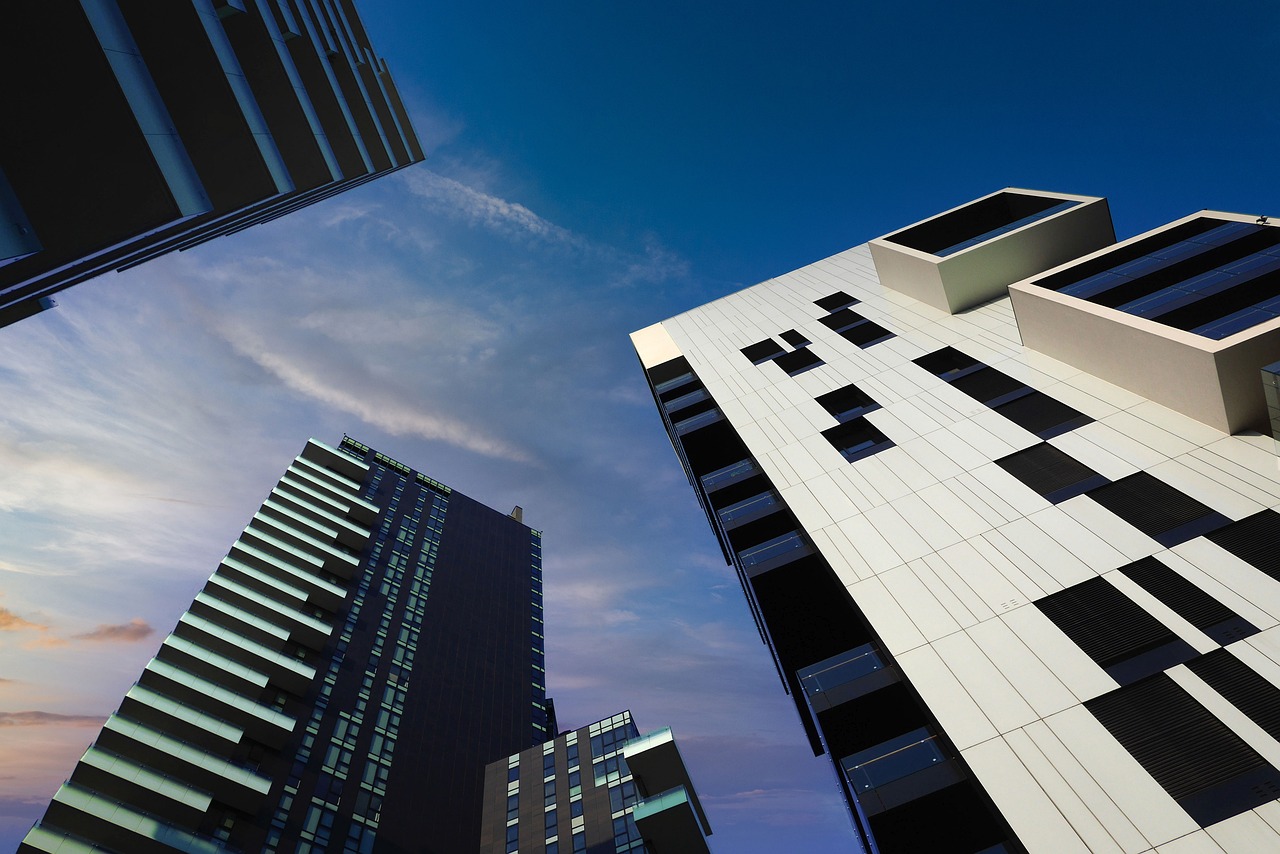
Milan travel guide: first impressions in central Milan with elegant architecture and city life
Geographically, Milan lends itself to a luxury lens because the best neighbourhoods sit close together. Brera offers art-lined lanes and a softly stylish mood; Porta Nuova brings glassy architecture and skyline confidence; and the city centre keeps you anchored to the Duomo and the main shopping arteries. Metro lines are efficient, but for a calm rhythm—especially if you’re carrying purchases or dressing for dinner—private car service or a pre-booked taxi keeps transitions seamless.
Central Milan flows from Piazza to gallery streets.
Start your first hours with an easy anchor point: a piazza where you can orient yourself without pressure. From here, the natural flow is towards Piazza del Duomo, then outward into the shopping streets and on to the museum quarter, so you can gently build your own “see and do in Milan” map as you walk. If you like a little structure, save key addresses in your phone and let your day unfold between them—Milan’s centre is compact enough that it feels designed for wandering.
To add early heritage texture, make time for Castello Sforzesco. The castello’s scale and stonework bring the Visconti and Sforza families into focus, including the Duke of Milan, and suddenly the architecture around you feels like a living timeline rather than background. Walk on to Parco Sempione for a breather—this is one of those Milan moments that restores your sense of pace, especially after arrival.
Practical support for planning to visit Milan
If you’re planning to visit Milan with comfort in mind, aim for April to June or September to October for softer light and fewer crowds. Arrivals via Milan Malpensa or Linate are straightforward, and a private transfer is one of the simplest upgrades you can choose: it creates calm from the moment you arrive. Most major sights run on standard daytime opening times, but they can change by season—so a concierge or an expert guide helps you design an itinerary with confidence, and with real information on the city rather than guesswork.
- Arrival ease: book a private car so your hotel check-in, lunch, and first stroll feel unhurried.
- Dress code cues: pack one elegant layer for churches and high-end venues—Milanese style is about care, not excess.
- Day-one pacing: plan one marquee sight and one slow neighbourhood, so your trip to Milan begins with balance.
And a grounding note: while Rome is the capital of Italy, Milan is also the city many travellers return to for its daily rhythm—clean lines, excellent service, and a sense of creativity you can trust. If you’d like inspiration for extending your route through Italy, you can browse our Trip gallery and imagine how Milan might pair with Lake Como or the rest of Italy.




Duomo di Milano rooftop tickets and Piazza del Duomo Milan Italy.
To explore Milan at its most luminous, your next step is clear: Duomo di Milano rooftop tickets and Piazza del Duomo in Milan, Italy, are the heart of the experience. The Duomo is a Gothic masterpiece, and it holds a particular kind of hush inside—one that makes even seasoned travellers slow down. Dress respectfully (covered shoulders and knees are a safe choice), and time your visit for early morning or late afternoon when the light feels gentle and the atmosphere is calmer.
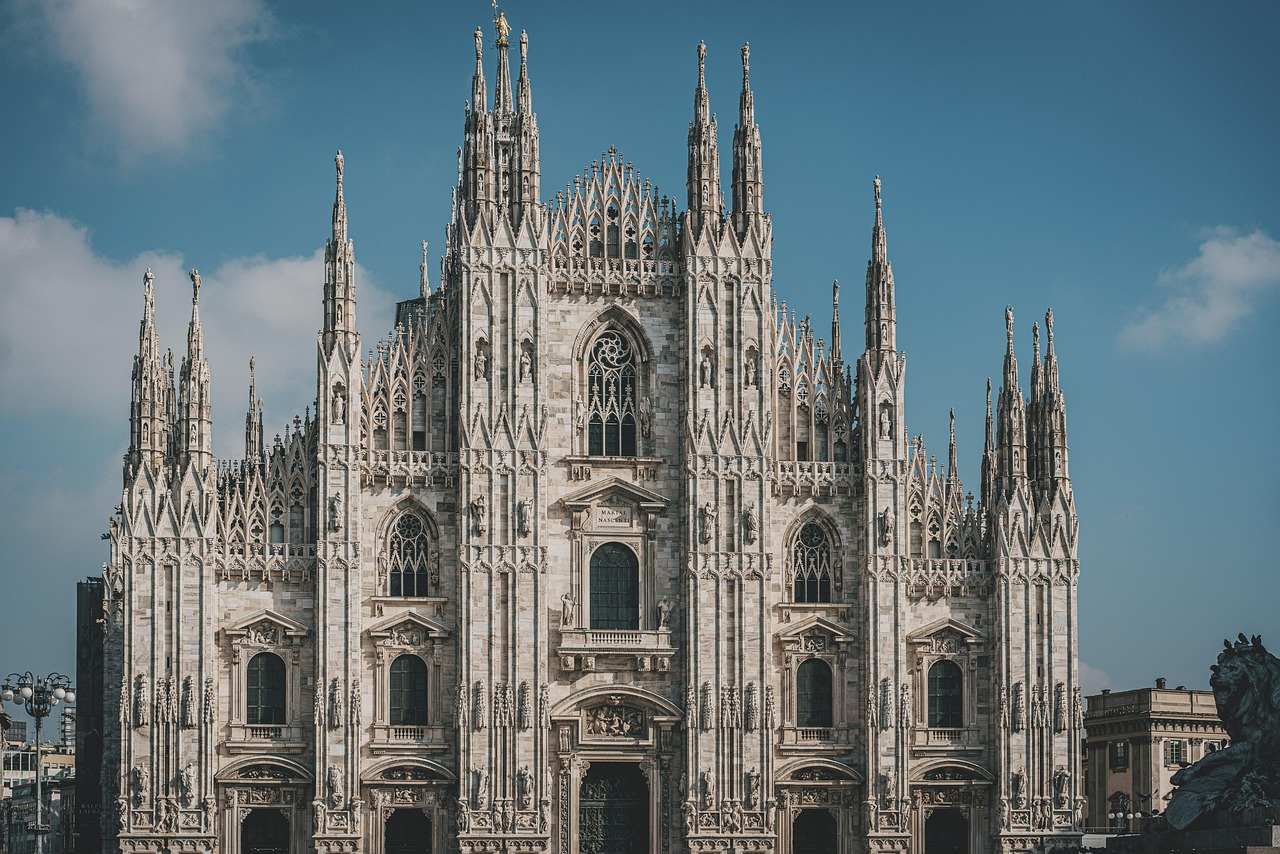
Duomo and Piazza del Duomo, the Gothic heart of Milan, with rooftop views
Duomo rooftop planning for crafted ease
Rooftop access is where the cathedral becomes personal. Choose your ticket type thoughtfully: lift access is a stress-free upgrade if you want to save energy for lunch, museums, or shopping; stairs are rewarding if you enjoy a more physical ascent. Book ahead whenever you can—Milan runs beautifully when you decide early, and it’s the simplest form of support you can give yourself.
Up on the terraces, the details become astonishing: carved spires, marble textures, and the feeling of being inside an artwork rather than merely observing it. For photographs and breathing room, arrive at the opening or travel in the shoulder season; it’s the best way to capture the views of the city without crowds pressing in around you.
A personal lunch above the piazza
One of my favourite personal stories from Milan comes from a traveller who planned a special meal with quiet intention. They booked a Michelin-starred lunch overlooking the Duomo and described the moment the plates arrived—precise, beautiful, and comforting—while the cathedral served as a backdrop, like a stage set. It wasn’t just about cuisine; it was the reassurance of being exactly where they wanted to be, celebrating something meaningful together.
Afterwards, keep it local and unhurried: take a slow promenade through the surrounding streets, pause for an espresso or a gelato, and let the city settle around you. This part of Milan is full of little thresholds—doorways into courtyards, polished shop windows, a glimpse of a cloister—that make the centre feel intimate rather than overwhelming.
Galleria Vittorio Emanuele II luxury shopping in Milan, Italy, showcases Milanese style.
For a true Milanese fashion moment, step into Galleria Vittorio Emanuele II, a luxury shopping in Milan, Italy, and treat it as a living salon rather than a corridor. The glass dome, mosaic floors, and steady hum of conversation feel theatrical in the best way—Milan performing itself, effortlessly. Slow your pace, look up, and simply enjoy the choreography of the arcade.
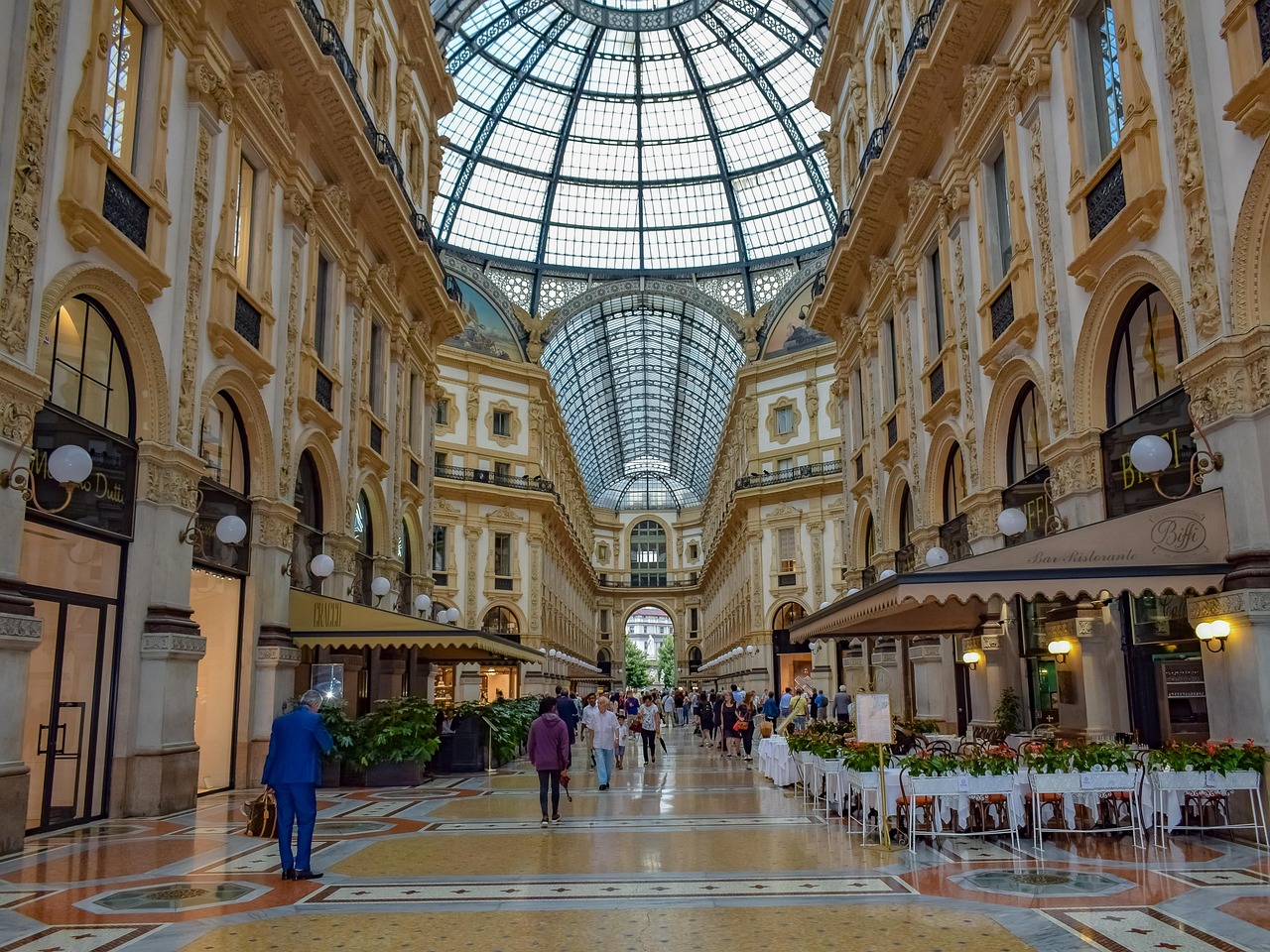
Galleria Vittorio Emanuele II and Milanese fashion moments beneath the glass dome
Boutique etiquette and designed shopping
Luxury shopping here is at its best when it’s designed, not impulsive. If there’s a specific boutique you love, ask your hotel to arrange an appointment—service becomes warmer, and you’ll have space to explore craftsmanship and fit. Think in terms of a capsule of Milan finds: leather goods with impeccable finishing, tailoring that sits cleanly, or a fragrance that becomes a memory you can wear.
- Appointments: ideal for iconic houses and new-season pieces, especially at peak times.
- Considerate browsing: greet staff, ask before photographing, and enjoy the consultation as part of the experience.
- Meaningful souvenirs: choose one item you’ll use often—quiet luxury travels further than a crowded suitcase.
As a narrative flourish, Milan Fashion Week is when the city’s creativity feels turned up by a few degrees. A luxury traveller once told me about attending a private fashion show: not for status, but for the joy of seeing designers take risks in a room that felt focused, respectful, and alive with ideas. That is Milan’s real confidence—celebrating craft and imagination, then sending you back into the streets feeling inspired to create your own style.
Dining and aperitivo around the arcade
Within and around the Galleria Vittorio Emanuele, elegant cafés and aperitivo spots do book out, especially on weekends. Ask your concierge to secure a table so the afternoon feels seamless, and so you can arrive knowing you’re expected. From here, Corso Vittorio Emanuele II becomes the natural bridge between grand architecture and contemporary fashion—vibrant, bustling, and home to famous brands.
A gentle reminder in crowded areas: keep belongings close and your awareness soft but present. In a city this magnetic, the best kind of trust is paired with a little practical care, so your attention stays on beauty rather than logistics.
Museum guide Milan Brera Fondazione Prada Leonardo da Vinci Italy and the museum day
This museum guide to Milan—Brera, Fondazione Prada, and Leonardo da Vinci in Italy—is designed for travellers who want culture without fatigue. Begin with Brera in the morning when the lanes feel fresh, and let the district’s quiet elegance set the tone. The Pinacoteca di Brera is a highlight not just for masterpieces, but for the way it invites you to look slowly, with confidence in your own taste.
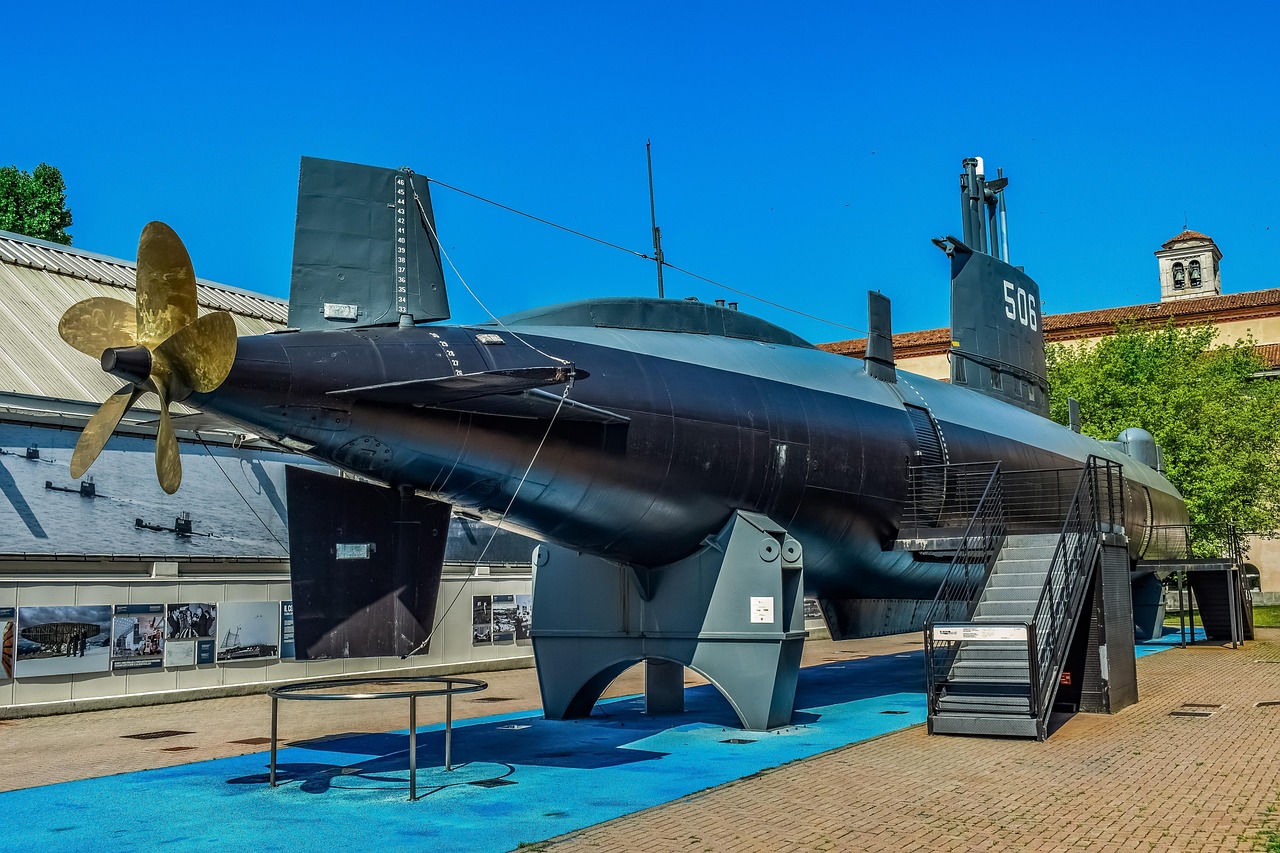
Museums and contemporary art from Brera to Fondazione Prada in Milan
Brera, Pinacoteca and art galleries with a calm rhythm
Give yourself permission to do less, better. A slow morning in Brera might include the Pinacoteca, a few art galleries, and a coffee where you can watch the neighbourhood come to life. It’s refined and quietly local, and it balances beautifully with Milan’s grander statements elsewhere.
For a Da Vinci thread, plan ahead for Da Vinci’s The Last Supper at Santa Maria delle Grazie. Tickets are limited and time slots are strict; booking far in advance is not a luxury, it’s a necessity. It’s both a UNESCO World Heritage site and a private guide can deepen the experience with context—composition, restoration, and the human story behind the image—without turning it into a lecture.
Fondazione Prada and contemporary art with space to breathe
For “culture meets innovation”, the Museo Nazionale Scienza e Tecnologia Leonardo da Vinci is a wonderful counterpoint—especially if you enjoy craft, invention, and design thinking. You’ll sometimes see it referenced as the Leonardo da Vinci National Museum, or even the Vinci National Museum of Science, but what matters is the feeling: objects built with purpose, and ideas that still feel modern.
Then shift gears at Fondazione Prada, a luxurious cultural hub where contemporary art sits inside striking architecture with its own sense of theatre. An art enthusiast once described their afternoon here as serene—almost meditative—moving from room to room, letting each exhibition land without rushing to the next. One standout moment was stepping into a bright, unexpected space and realising how Milan can be bold and gentle at once; Prada doesn’t compete with the city, it quietly reframes it.
- Pre-book where possible: timed entries protect your day from queues.
- Transfers: a car between stops keeps the mood light and your wardrobe pristine.
- Lunch strategy: choose one quiet lunch, then let your afternoon be spacious.
If you have energy for one more stop, add a small gallery visit or simply return to Brera’s lanes for a final browse. Museum days in Milan feel best when they’re designed like a string of moments—never a march.
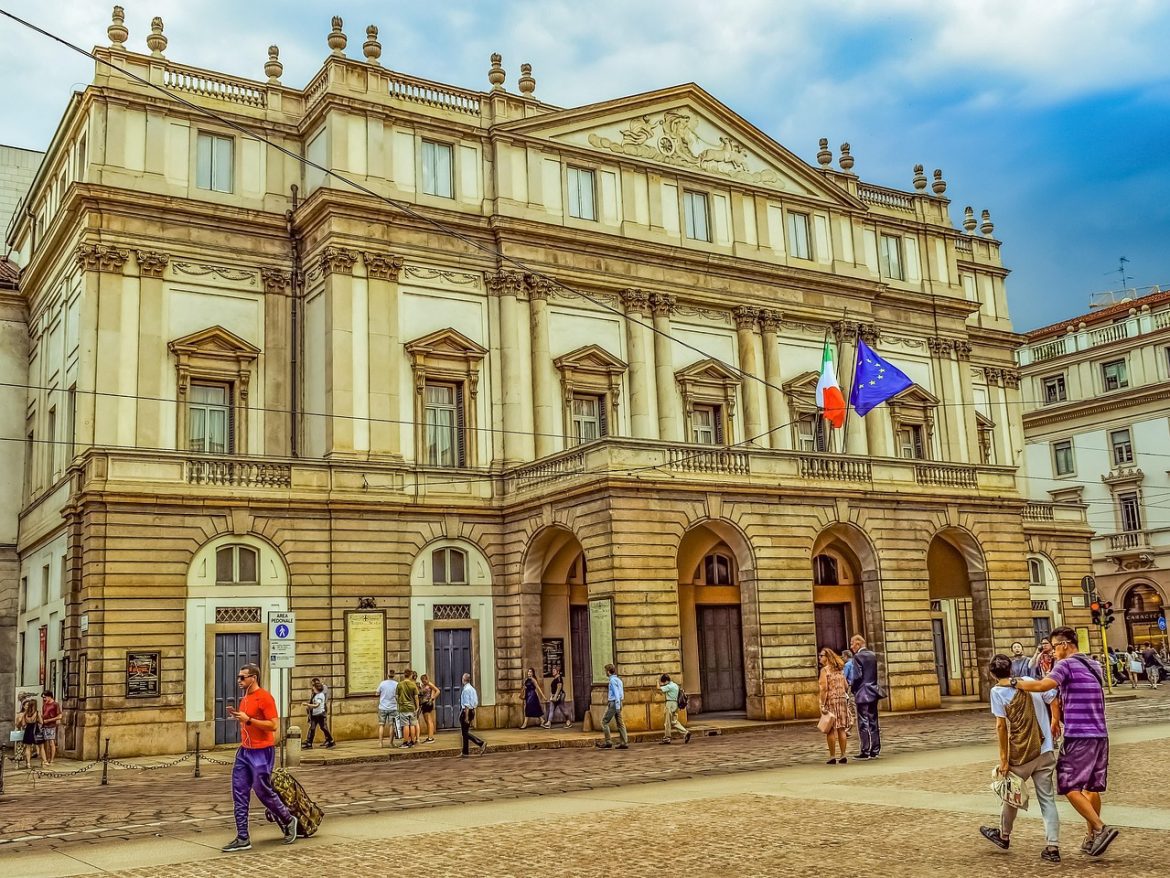
For a night that feels truly designed, this Teatro alla Scala tour and Navigli aperitivo in Milan, Italy, brings together heritage and sparkle with minimal effort. Start with exclusive-access options at the theatre: behind-the-scenes visits can include the grand boxes, backstage stories, and a sense of how the building holds memory. Book with confidence through an official channel or a trusted concierge, and choose a time that lets you linger rather than rush.
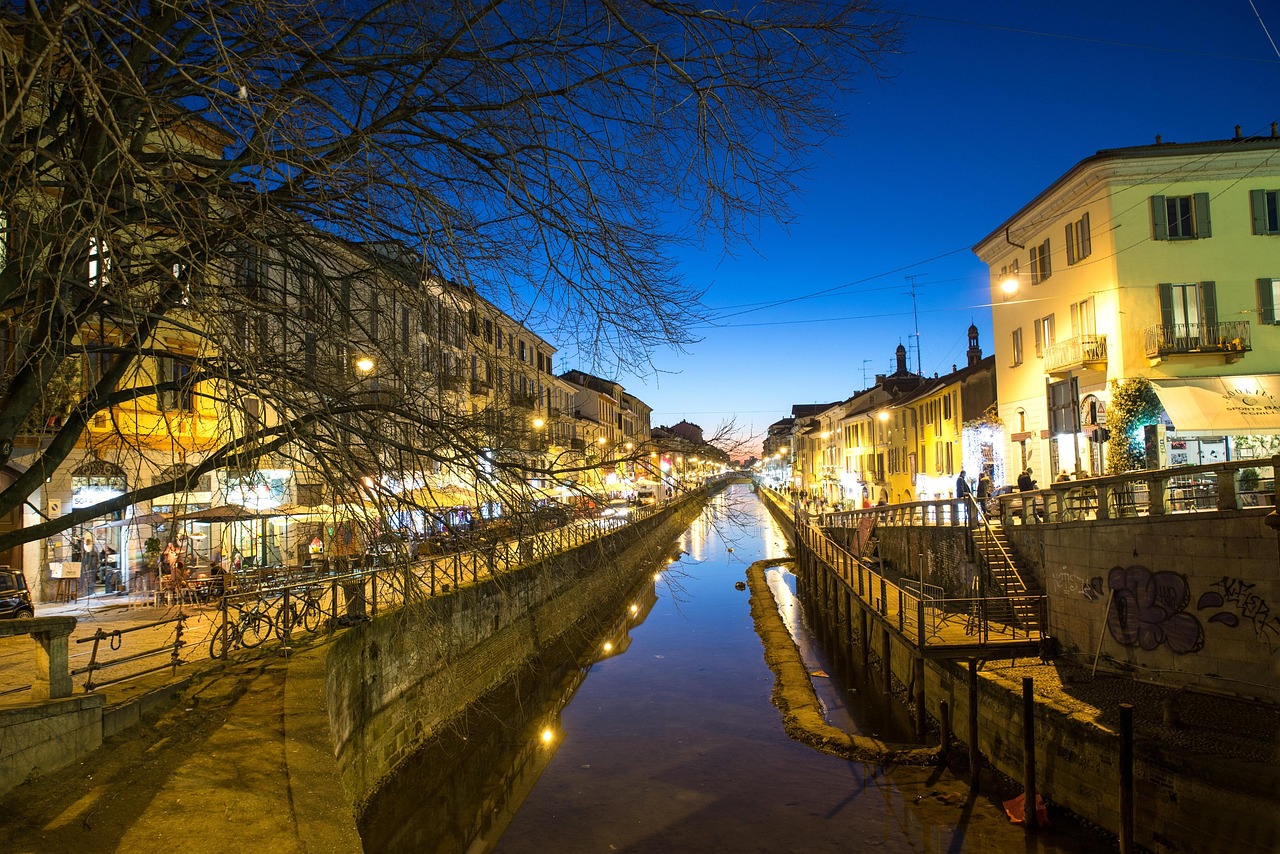
La Scala and Navigli evenings are designed for effortless glamour in Milan
Teatro stories and the emotional texture of La Scala
A couple once shared their experience of an exclusive guided tour: they expected beauty, but not the emotion. Standing in the hush of La Scala, they felt opera history up close—velvet, gilding, and the sense of countless voices that had filled the room before them. It was a warm reminder that luxury can be quiet: not about being seen, but about feeling connected.
From the city centre, move to the Navigli area for an aperitivo with ease. This is where a driver or pre-booked taxi is more than convenience; it’s continuity. You arrive still feeling composed, ready to enjoy the evening rather than navigate it.
Navigli is at its most atmospheric after sunset, when reflections sharpen, and conversation softens. One traveller fondly remembers sipping a bespoke cocktail on a Navigli canal boat, with Naviglio Grande and Naviglio Pavese as the backdrop—elegant, cinematic, and yet distinctly local. It’s a different Milan: less monumental, more intimate, a place where the city’s social life feels playful and sincere.
As ever, a little care keeps the glamour effortless. Dress elegantly for high-end venues, keep belongings close, and trust your instincts when choosing quieter streets or stepping into a bar that feels right. Milan after dark is full of possibilities, and you deserve to enjoy it with both confidence and comfort.
F.A.Qs: Milan city Italy essentials
What is Milan, Italy, best known for?
Milan is best known for fashion and design, its outstanding architecture, such as the Duomo, and a world-class cultural scene that includes opera, galleries, and contemporary art. It’s also a major business hub, which gives the city a confident, energetic rhythm that many travellers find inspiring.
Is Milan city expensive?
Milan can feel expensive, especially in the city centre around landmark sights and luxury shopping streets. That said, you can design your spend: prioritise one or two high-end experiences (a rooftop ticket, a special dinner, a private guide) and balance them with simple pleasures like neighbourhood walks and café stops.
Is Milan, Italy, close to Rome?
Milan isn’t particularly close to Rome, but it is well-connected. High-speed trains link the two cities in a few hours, which makes it feasible to combine them in one itinerary if you enjoy moving between very different Italian atmospheres—Rome’s ancient grandeur and Milan’s modern elegance.
What language do they speak in Milan?
The main language in Milan is Italian. In hotels, luxury boutiques, and many restaurants, English is commonly spoken, but learning a few polite Italian phrases is always appreciated. A warm greeting and a simple “please” and “thank you” go a long way in creating friendly, respectful exchanges.
Reflection on a luxury city break in Milan, Italy.
In the quiet afterglow of Milano, what stays with you is rarely the checklist. It’s the texture of marble under your fingertips, the soft shift of light across a courtyard, and the way good design makes a day feel simpler—almost kinder. Milan gives you beauty, yes, but it also gives you renewed confidence in your own discernment: what you choose to linger over, what you let pass, and what you decide to remember.
I think of small thresholds: stepping from a bright piazza into a warm gallery, letting your eyes adjust, and feeling your thoughts slow down. I think of the hush you carry out with you after the theatre, and the soft clink of glasses by the water, where conversation becomes the evening’s main event. Even the city’s edges feel poetic—the way northern Italy opens out towards the Alps, or how a day trip can drift towards Lake Como, a famous lake that seems to hold its own light.
And then there’s the wider map that Milan quietly suggests. It sits among the great cities in Italy without needing to compete, connected by rail and imagination to places like Florence, and by waterways and history to the Ticino, the Ticino River, and the Po River—routes shaped by trade, craft, and Italian unification. None of this needs to be rushed. Milan invites you to discover your own pace, to explore with trust, and to return when the season—and your curiosity—changes.