Post Contents
- Why Pistoia in Tuscany Suits Adventure Seekers and a Travel Guide for Them
- Piazza del Duomo and the Heart of Pistoia with Things to Do
- Piazza della Sala hosts local markets and artisans, showcasing artisan encounters and local flavors in Pistoia.
- Pistoia Underground and Spedale del Ceppo for Curious Explorers.
- Marino Marini and Creative Pistoia showcase the Marino Marini Museum Pistoia Museo Marino Marini, highlighting beyond the obvious.
- After Dark Pistoia Blues and Festival Nights with Pistoia Blues Festival Italy Nocturnal Adventure
- Botanical Calm and Active Days Near Pistoia with Botanical Garden University of Pistoia Tuscan Hills Hiking Biking
- A Day in Pistoia Itinerary with Day Trip Options and Day in Pistoia Itinerary Day Trip from Florence, Italy
- F.A.Qs: Pistoia, Italy travel guide essentials
- What Stays With You After Pistoia with Pistoia Italy Travel Memories Tuscany
Why Pistoia in Tuscany Suits Adventure Seekers and a Travel Guide for Them
Why Pistoia in Tuscany Works for Adventure Seekers and a Pistoia Tuscany Travel Guide for Adventure Seekers
If you’re craving a cultured rush without the crowds, think of this as your Pistoia Tuscany travel guide for adventure seekers—crafted for travellers who want to discover Italy with confidence. Pistoia sits in the province of Pistoia, a city in Tuscany that feels lived-in rather than staged, where the old town still belongs to locals as much as visitors. The result is reassuring: you can explore deeply, but never feel like you’re performing a “perfect” Tuscany.
Adventure here is subtle and surprisingly varied. One hour might be a micro-exploration through the streets of Pistoia, following a quiet side lane that opens into a sunlit piazza; the next could be a night festival where music spills across the city centre. By day, you can swap stone for trail with rides and walks in the Tuscan hills, then return to an aperitivo that feels earned.
For first-timers, the geography is a gift. The city of Pistoia is located between bigger-name neighbours, making it ideal for a day trip, but also calm enough to use as a base outside of Florence. You’ll find it easy to stitch into a wider route that includes Florence and Lucca, without the constant packing and unpacking that can drain the joy from an otherwise beautiful journey.
I still remember the magic of wandering early, when shutters are only just lifting, and the air carries espresso aromas from the first cafés. Imagine arriving before the main square fully wakes, letting your pace settle, and creating a private moment of Tuscany that feels entirely your own.
This guide is here to support you with the details that make a trip feel seamless: suggested timings, what to book, where to slow down, and how to design walking loops that feel adventurous yet comfortable—especially if you’re travelling together with mixed energy levels.
- Best seasons: late spring or early autumn for mild weather and fewer crowds.
- Style of adventure: hidden routes, night events, and active days near Pistoia with panoramic views.
- Comfort essentials: supportive shoes for cobblestones, and a light layer for cool evenings.




Piazza del Duomo and the Heart of Pistoia with Things to Do
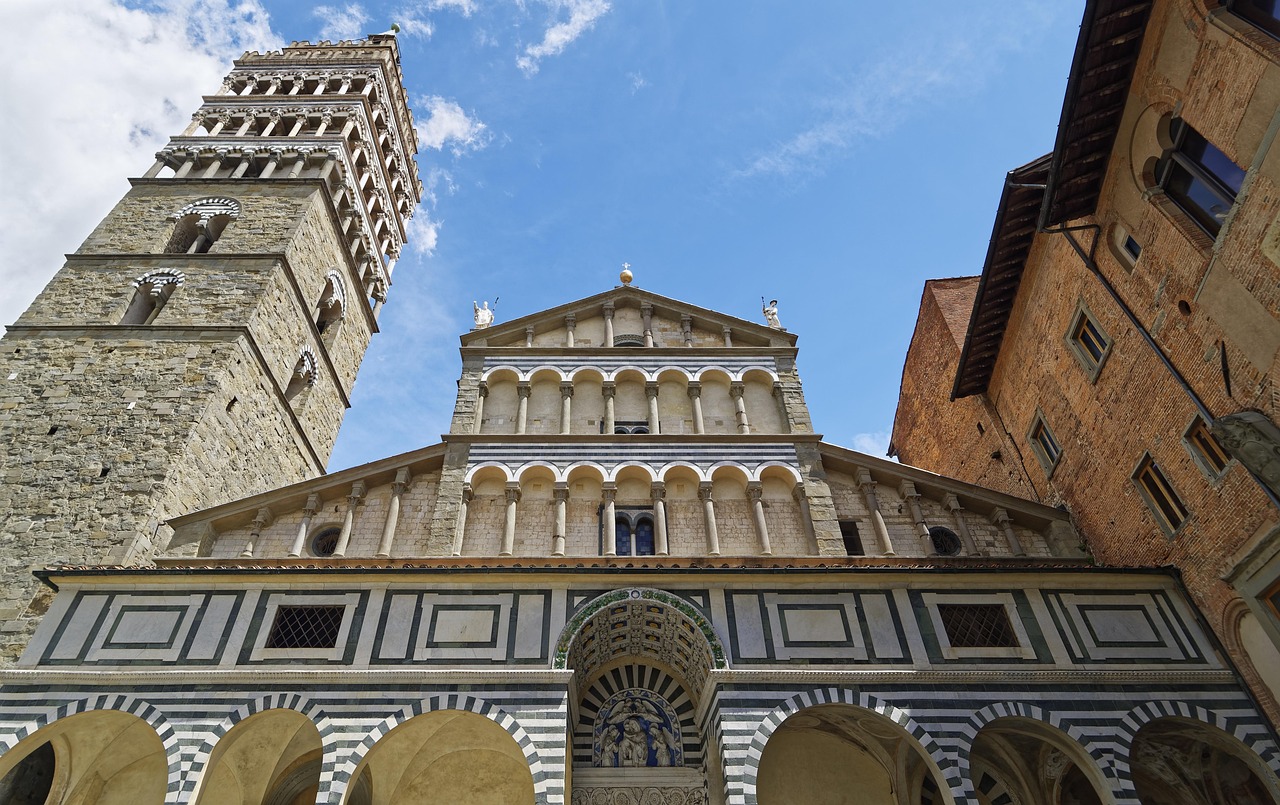
Piazza del Duomo and the Heart of Pistoia with Things to Do in Pistoia Piazza del Duomo Cathedral of San Zeno
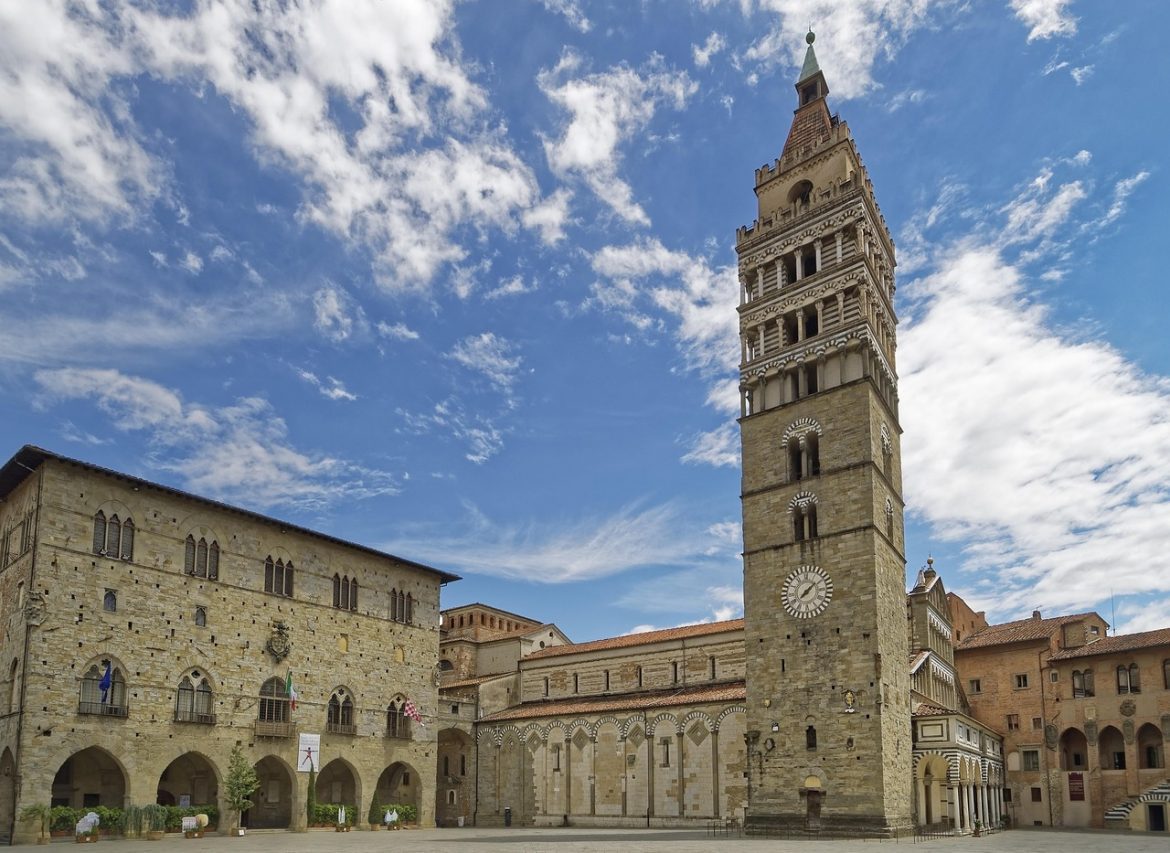
Begin with what many travellers quietly call the centre of Pistoia: this chapter follows a “things to do in Pistoia Piazza del Duomo Cathedral of San Zeno” loop that’s easy, elegant, and deeply atmospheric. Think of Piazza del Duomo as your compass point, and Piazza del Duomo as the feeling—stone, light, and a gentle hush that invites you to look closer. It’s the heart of Pistoia, and it’s perfect for adventure seekers who like their thrills threaded with beauty.
Piazza Duomo loop and the Duomo of Pistoia
Start with a slow circuit of the main square, ideally before mid-morning. You’ll spot details that disappear once the day gets busy: the subtle changes in stone colour, the way footsteps sound against the buildings, and the calm choreography of locals crossing with purpose. This is where you explore without rushing, letting the city centre reveal itself on your terms.
Step inside the Cattedrale di San Zeno—also known as the Cathedral of San Zeno—and let your eyes adjust. Dress modestly, speak softly, and consider a small pause before photos; it’s an act of care that often earns a warmer welcome. Look for façade details outside, then notice the interior atmosphere: cooler air, filtered light, and the sense of layers built over centuries. If you enjoy a story within the stones, listen for the name di San Jacopo, a thread of devotion that anchors local identity.
Baptistery of San Giovanni and crafted cultural context
Across the piazza, the Baptistery brings geometry and grace. The Battistero di San Giovanni is often most photogenic when the square is quieter; aim for early morning or the golden edge of late afternoon. If you want the classic angle, stand near San Giovanni in Corte and frame the Baptistery of San Giovanni with the surrounding façades for a more intimate, less postcard-perfect view.
Inside, notice the pulpit and the baptismal font as more than “objects”: they’re touchpoints of civic faith and artistic confidence. Names to remember—without turning your visit into a lecture—include Fra Guglielmo da Pisa and Lanfranco di Como. Their work feels crafted rather than academic when you simply stand still and let the space do its work.
Before you leave the square, glance at the civic landmarks that hold the scene together: Palazzo dei Vescovi, Palazzo del Comune, with its town hall, and Palazzo del Podestà. Look for lancet arches and mullioned windows, a weathered coat of arms or two, and a whisper of Ghibelline history in the severe elegance of the lines. It’s a quick lesson in power, but delivered as atmosphere—exactly the kind of cultural insight that stays with you.
Piazza della Sala hosts local markets and artisans, showcasing artisan encounters and local flavors in Pistoia.
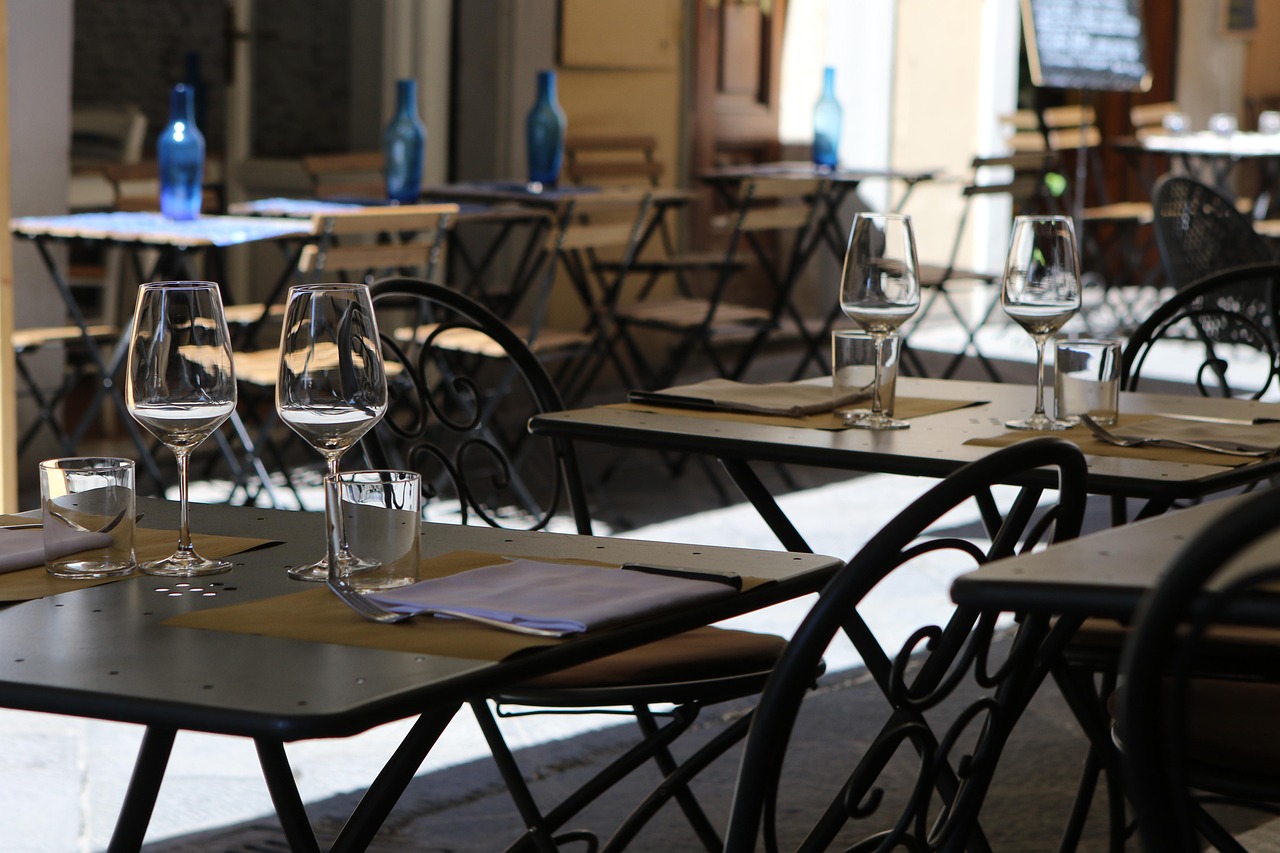
Piazza della Sala, Artisan Encounters and Local Flavours with Pistoia Piazza della Sala Local Markets and Artisans
For a grounded taste of everyday Tuscany, follow the pull of “Pistoia Piazza della Sala local markets and artisans” towards the city’s more conversational side. Piazza della Sala is where the rhythm changes: fewer grand façades, more real life. You’ll hear vendors calling out, smell seasonal fruit, and sense how quickly trust grows when you shop, taste, and greet people well.
Piazza della Sala market moments and local confidence
If you’re travelling as adventure seekers, this is your cultural adrenaline—small, human, and immediate. Try a simple approach: purchase one ingredient you don’t recognise, ask how it’s used, then create a tiny ritual around it later (a picnic bite, or a snack between stops). Pistoia also rewards travellers who choose curiosity over speed.
One visitor told us about a heartfelt encounter in the medieval quarter: they paused to watch an artisan at work, asked a respectful question, and were invited to learn a few steps in the craft. That kind of personal exchange is hard to plan, but easy to invite—by slowing down and showing genuine care.
Via Cavour, Via Roma and the Tau thread
To stitch this area into the rest of your day, wander via Via Cavour and return through Via Roma. The routes are simple, the cobblestones are uneven, and the beauty is in the gentle wandering that keeps you oriented without feeling managed.
Along the way, look for the Tau symbol—an emblem that appears like a visual whisper on walls and signs—and make time for Palazzo del Tau. The tau motif connects faith, identity, and the city’s quiet pride, and it’s a satisfying “uncover” moment for travellers who love noticing what others pass by.
Practical reassurance: a polite “Buongiorno” in shops goes a long way, and having a little cash helps at market stalls. If you’re moving together as a couple or small group, agree on a simple meet-point (a café corner, a fountain edge) so the experience stays seamless even when the piazza is busy.
Pistoia Underground and Spedale del Ceppo for Curious Explorers.
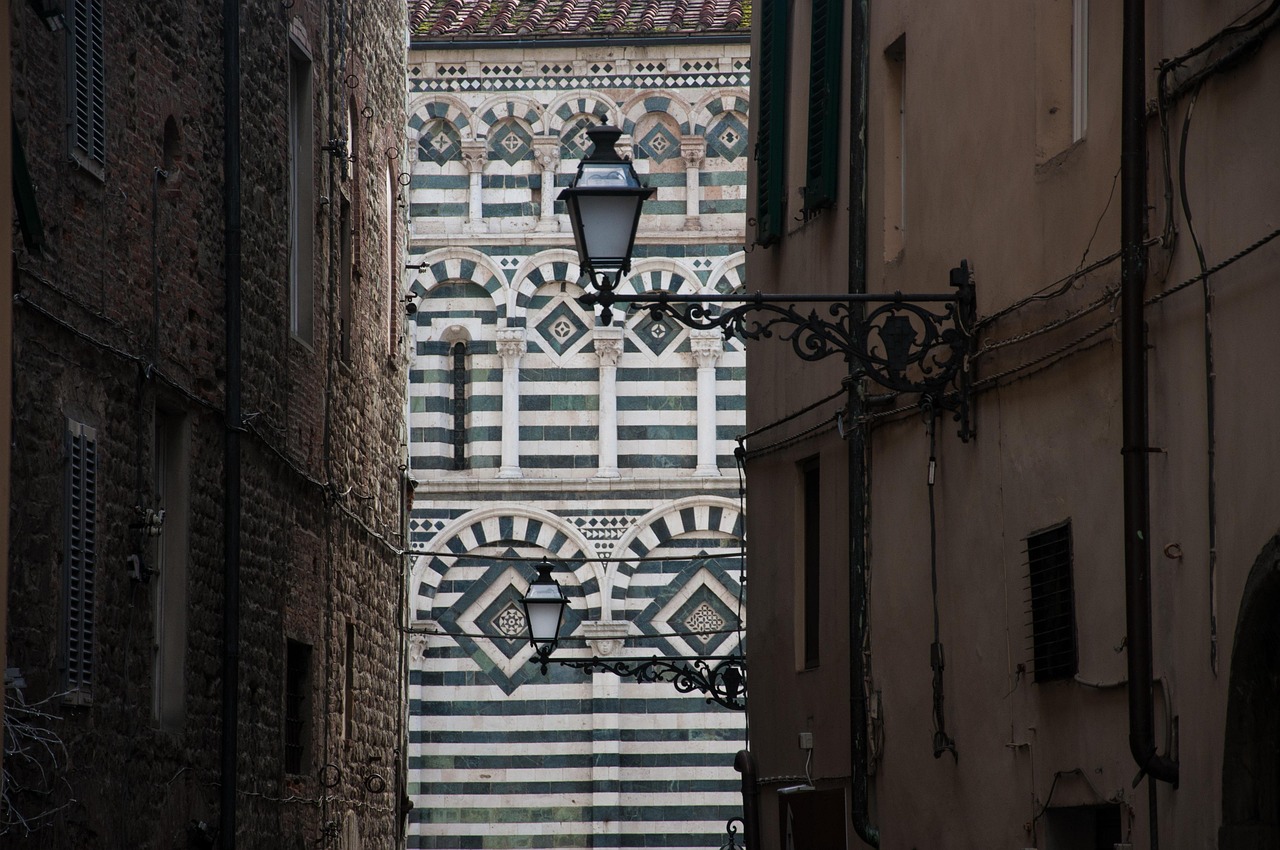
Pistoia Underground and Spedale del Ceppo for Curious Explorers with Pistoia Underground, Pistoia Sotterranea, Spedale del Ceppo
When the sun brightens the stone streets, “Pistoia Underground Pistoia Sotterranea Spedale del Ceppo” becomes an entirely different kind of adventure: cool air, echoing steps, and history that feels close enough to touch. This is one of the most memorable experiences in Tuscany for travellers who like to explore beyond the obvious, without needing extreme effort or technical skill.
Pistoia Underground and Pistoia Sotterranea in summer
Pistoia Underground is a guided visit through passages beneath familiar streets, and it’s especially satisfying in warmer months when the temperature drop feels like relief. Because the spaces are enclosed, it can also be a gentle test of confidence—perfect for anyone who wants a small thrill with expert guidance and a clear beginning and end.
Book ahead if you can, especially at weekends. Wear closed-toe shoes, bring a light layer, and keep your bag compact so you feel comfortable in narrower sections. If you’re travelling with mixed abilities, ask about accessibility before you commit; it’s a simple step that keeps the day supportive and stress-free.
Spedale del Ceppo and street-level beauty
Pair the underground with Spedale del Ceppo (also known as Ospedale del Ceppo) in one walk, so you can rise back into daylight and immediately reconnect with art in the open air. The famous frieze by Giovanni della Robbia is a vivid counterpoint to the subdued tones below—an instant shift from shadow to colour that feels almost theatrical.
For planners, this is a smart way to balance your day: open piazza scenes around the Duomo, then the hidden layer beneath, then a visual reward above ground. It’s also one of those “things to do in Pistoia” choices that feels curated, because it links story, place, and sensation rather than ticking a box.
- Timing: allow around 60–90 minutes for the underground tour, then 20–30 minutes to linger at the hospital façade.
- Photos: ask before using flash; keep your phone close and hands free on steps.
- Group care: set a steady pace and agree on who walks first and last if you’re together.
A final note on etiquette: keep voices low, follow the guide’s route, and treat the space as fragile. That respectful approach protects the site—and quietly deepens your own sense of connection.
Marino Marini and Creative Pistoia showcase the Marino Marini Museum Pistoia Museo Marino Marini, highlighting beyond the obvious.
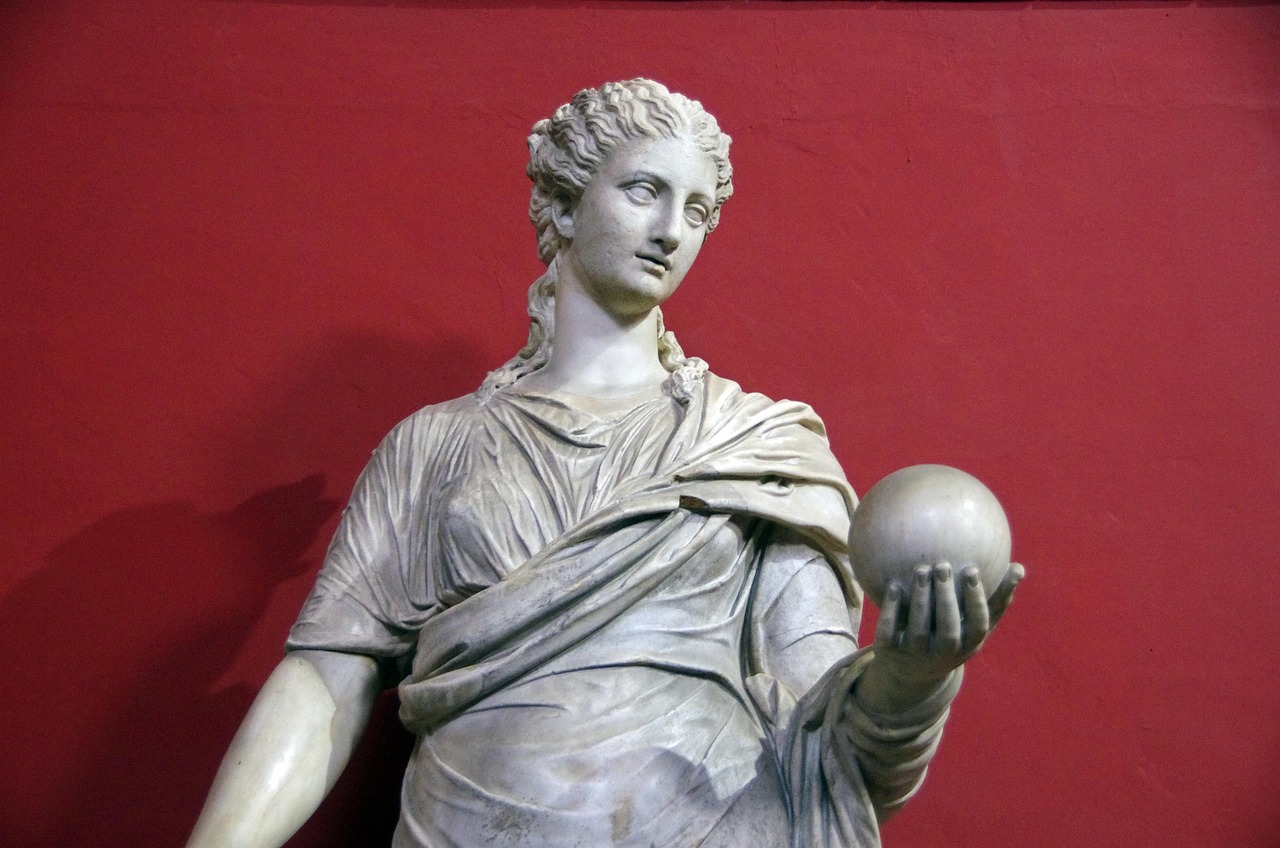
Marino Marini and Creative Pistoia Beyond the Obvious with Marino Marini Museum Pistoia Museo Marino Marini
To keep your cultural day feeling fresh, weave in “Marino Marini Museum Pistoia Museo Marino Marini” as a modern counterpoint to medieval stone. Marino Marini adds creative pulse to Pistoia: his work carries motion, tension, and tenderness—qualities that speak directly to adventure seekers who like their art to feel alive rather than purely decorative.
Marino Marini Museum pacing and what to look for
Plan a short, intentional visit to the Marino Marini Museum (Museo Marino Marini), rather than trying to “do it all”. Allow about 45–75 minutes, and choose a few pieces to stay with—especially figures that seem to balance strength and vulnerability. It’s a surprisingly personal way to build insight: you start noticing what emotions you’re drawn to, and why.
If you enjoy layering history, remember that this part of Tuscany has older roots too—stories that reach back towards an Etruscan goddess of fertility and the region’s enduring relationship with earth and craft. You don’t need a lecture; just let the idea add depth to what you’re seeing.
Culture-to-café rhythm and your own souvenir
After the museum, design a “culture-to-café” reset: one espresso, or a gelato, taken slowly. This is how high-end travel feels seamless—moments of intensity balanced by pauses that keep the day inspiring rather than exhausting.
Bring a small notebook and spend five minutes journaling or sketching. It’s a gentle practice that helps you stay present in Pistoia and becomes a souvenir entirely yours. If you’re an architecture lover, notice how interiors, stonework, and light shape your viewing experience—Pistoia’s buildings often feel like they’re collaborating with the art.
After Dark Pistoia Blues and Festival Nights with Pistoia Blues Festival Italy Nocturnal Adventure
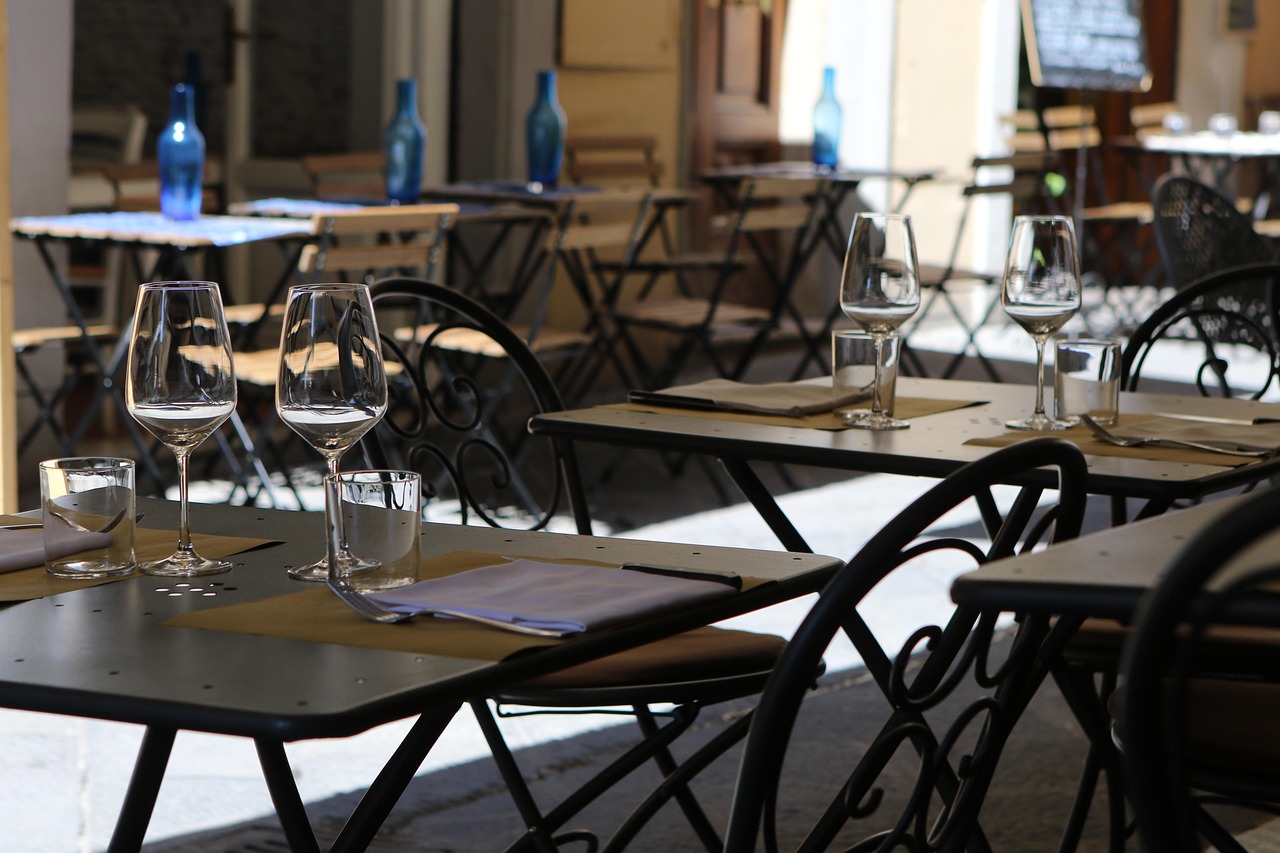
After Dark Pistoia Blues and Festival Nights with Pistoia Blues Festival Italy Nocturnal Adventure
If you’re ready to swap quiet lanes for shared electricity, “Pistoia Blues festival Italy nocturnal adventure” is where Pistoia turns up the volume. The atmosphere is warm and open: crowds move in gentle waves, the city centre feels both festive and safe, and the music gives you a different kind of cultural access—one that’s physical, immediate, and joyfully communal.
Pistoia Blues under the stars
One traveller described their evening at Pistoia Blues as electrifying: local and international audiences dancing together, with the stage lights reflecting on old stone as if the architecture itself was part of the show. Imagine arriving early enough to find your bearings, then letting the night take over—sound, laughter, and that rare sense of being exactly where you’re meant to be.
For the most seamless experience, plan your arrival and meeting points with care. If you’re travelling together, choose a simple landmark for reunions, and consider a light dinner beforehand so you’re not hunting for food when the streets are at their busiest.
Joust of the Bear, Giostra tradition and festival energy
Pistoia’s cultural calendar has other pulse-points too, including the joust of the bear and the wider Giostra tradition. These events reshape the same familiar piazza you explored by day, proving how a Tuscan town can hold centuries of ritual and still feel current.
- Tickets: buy in advance when headline artists are announced; keep a digital and printed copy if possible.
- Comfort: bring discreet hearing protection and a light layer for later hours.
- Late-night care: agree on your route back, keep valuables close, and stay respectful in residential lanes.
With thoughtful planning, the night remains open-hearted rather than overwhelming—and you’ll carry the warmth of it long after the last song fades.
Botanical Calm and Active Days Near Pistoia with Botanical Garden University of Pistoia Tuscan Hills Hiking Biking
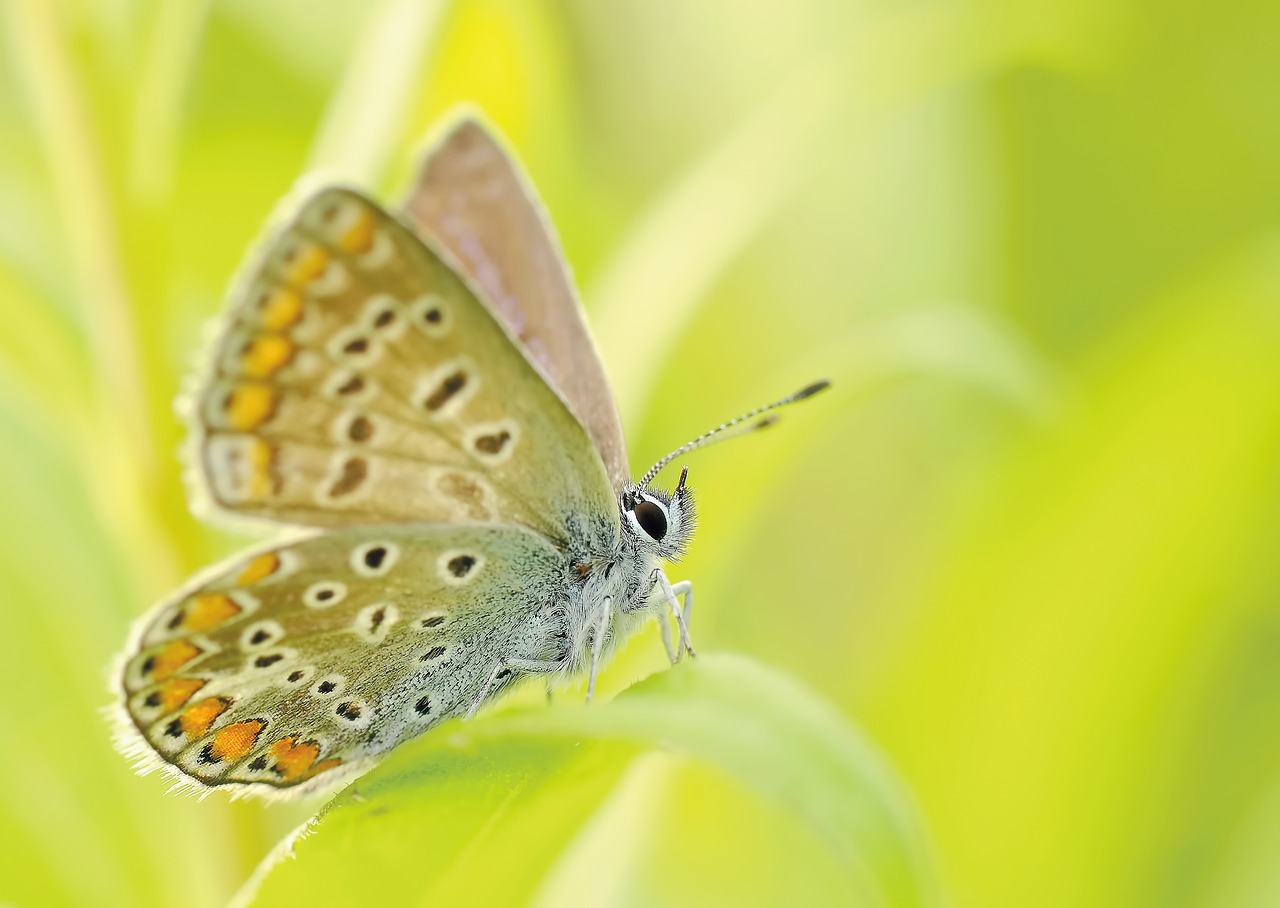
Botanical Calm and Active Days Near Pistoia with Botanical Garden University of Pistoia Tuscan Hills Hiking Biking
For a softer adventure that still feels vivid, “Botanical Garden University of Pistoia Tuscan hills hiking biking” makes a perfect contrast to the stone-heavy Duomo quarter. The Botanical Garden of the University of Pistoia is serene but alive: rare plant species, surprising textures, and the occasional flutter of small wildlife that reminds you this is Tuscany, not a museum set.
Botanical Garden at the University of Pistoia: a peaceful exploration
An adventurer once told us they felt unexpectedly enchanted here—moments of peace among exotic flora, then an unplanned wildlife encounter that made them laugh out loud. That’s the charm: the garden gives you permission to slow down while still offering that spark of discovery.
Go in the morning for cooler air and calmer paths. Keep voices low, stay on marked routes, and treat the space with the same care you’d bring to a historic chapel—different setting, same respect.
Near Pistoia hikes, biking and restorative add-ons
When you’re ready to move, plan an active half-day near Pistoia in the countryside lanes and foothills. Choose a hike or bike route that matches your confidence level: some paths are gentle, others have uneven trail surfaces that reward steady footing. Bring water, wear proper footwear, and build in time to stop—those panoramic views are part of the point.
If you want to add a refined touch, include a villa stop along the way for a glass of something local or a simple lunch with a view. For recovery, a spa session can be a wonderfully grown-up way to end an active day—especially if you’re combining multiple bases in Tuscany and want your body to feel as cared for as your plans.
Prefer something softer than a long climb? Walk sections near the city walls, and include the Santa Barbara fortress (Fortezza Santa Barbara) viewpoint for a gentle, scenic alternative that still feels earned.
A Day in Pistoia Itinerary with Day Trip Options and Day in Pistoia Itinerary Day Trip from Florence, Italy
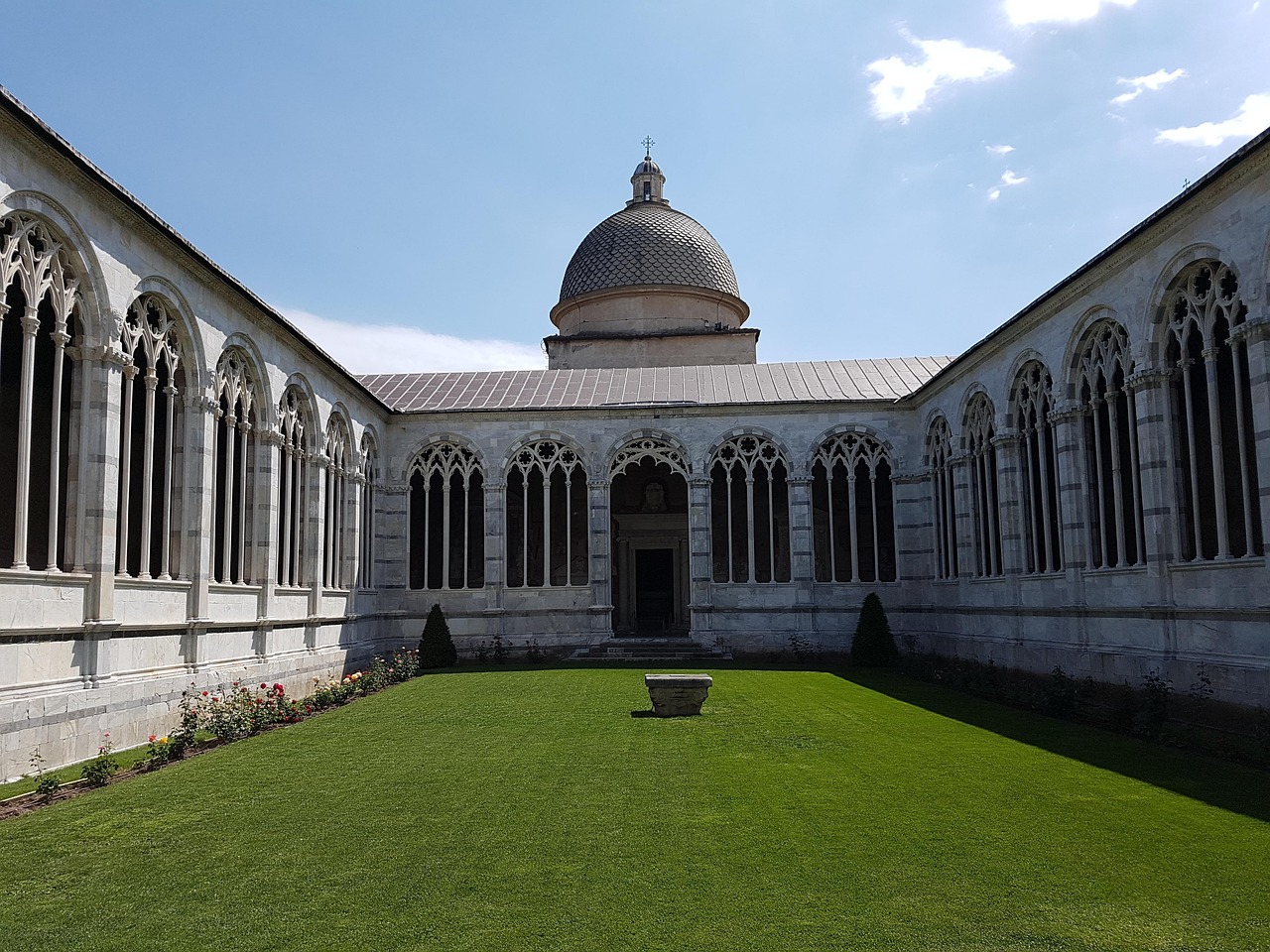
A Day in Pistoia Itinerary with Day Trip Options and Day in Pistoia Itinerary Day Trip from Florence, Italy
If you’re planning with precision, this “day in Pistoia itinerary day trip from Florence, Italy” is designed to feel both curated and free. It keeps the morning focused on the Duomo area, lets midday unfold in Piazza della Sala, then offers a flexible afternoon choice before an evening aperitivo—or Pistoia Blues in season. It’s a confident framework you can adjust without losing the thread.
Day in Pistoia itinerary for culture and adventure
Morning: start at Piazza del Duomo, step into the Cathedral of San Zeno and the Baptistery, then linger by Palazzo dei Vescovi. If you want an extra church stop, San Giovanni Fuorcivitas is an easy addition for those who enjoy Romanesque detail without a detour.
Midday: walk to Piazza della Sala for market energy and lunch. Keep it simple: seasonal produce, a small treat, and a seat where you can watch the city move.
Afternoon: choose one: Pistoia Underground for hidden history, or the Museo Marino Marini for modern creative charge. This is where you design the day around your mood—more mystery, or more reflection.
Evening: aperitivo in the old town, then either a gentle stroll back through the lit streets or a festival night if the calendar aligns.
Logistics, budget and easy connections for a day trip
Arriving is straightforward: take the train from Florence and step off at the Pistoia train station, then walk into the historic centre in around 15–20 minutes (or take a quick taxi if you prefer to stay polished for dinner). Walking distances within the city centre are compact; bikes can be useful if you’re extending out towards greener edges.
Budget for museum entries and certain festivals, but remember many of the most beautiful moments—piazza light, civic architecture, evening wandering—are free. Keep plans flexible: allow space for a shop conversation, a quiet chapel, or a gelato pause that turns into your favourite memory.
- Respect: modest dress in churches, and a soft voice indoors.
- Courtesy: greet with “Buongiorno” or “Buonasera”; it builds instant local trust.
- Food: Use markets for authentic tastes and insider recommendations.
To extend your map, connect onwards to Pisa for another day trip, or loop back through Florence for galleries and dinners. If you’re building a wider route, consider a calm evening in Pistoia before moving on—it can be the breath between bigger cities.
For inspiration on designing a longer, high-end route through Italy, browse our Trip gallery and imagine how Pistoia might slot into your own crafted journey.
F.A.Qs: Pistoia, Italy travel guide essentials
F.A.Qs: Pistoia, Italy travel guide essentials
Is Pistoia, Italy, worth visiting?
Yes—Pistoia is worth visiting if you want Tuscany with more local texture and fewer crowds. You can explore the Duomo area, artisan markets, and museums in a relaxed day, then add bolder experiences like Pistoia Underground or festival nights. It’s compact, walkable, and quietly high-end in the sense that it feels authentic rather than staged.
Why is Pistoia famous?
Pistoia is famous for its beautifully preserved medieval core, with Piazza del Duomo, the Cathedral of San Zeno, and the Baptistery of San Giovanni creating one of the most striking ensembles in Tuscany. It’s also known for cultural events such as Pistoia Blues, which turns the historic centre into a lively night-time stage.
Is Pistoia a good base for Tuscany?
Pistoia can be an excellent base if you want to stay outside Florence while still having easy rail access to major highlights. The town has a calmer evening rhythm, strong local food, and straightforward day-trip connections. It also places you near countryside routes for hikes or biking, so you can balance culture with active days.
What to do in Pistoia?
Start at Piazza del Duomo for the cathedral and baptistery, then wander to Piazza della Sala for markets and local flavours. Add an afternoon choice between the Marino Marini Museum and Pistoia Underground, and finish with an aperitivo. If you’re there in season, Pistoia Blues is a standout after-dark experience.
What Stays With You After Pistoia with Pistoia Italy Travel Memories Tuscany
Long after you leave, “Pistoia Italy travel memories Tuscany” rarely arrive as a checklist of sights. Instead, it’s the hush of early mornings—cups clinking behind a café counter, a doorway opening, the faint scent of espresso drifting across stone. It’s the quiet confidence you gained by navigating a new place with care, and noticing that your pace became gentler without you forcing it.
You might remember the warmth of local exchanges in Piazza della Sala, where a small purchase became a small conversation, and that conversation became a sense of belonging. Or the feeling of stepping out of shadow after Pistoia sotterranea, blinking into daylight with a renewed awareness of how many layers a city can hold. Even the music nights linger differently here—less like noise, more like shared lightness.
In Pistoia, scale changes. A grand cathedral can sit beside ordinary errands; a work of art can feel as approachable as a loaf of bread. Time changes too: not slowed for effect, but softened, as if the city is gently reminding you that depth is found by returning attention to the present.
When your footsteps fade across a piazza and the evening air turns cooler, you may sense that Tuscany still has countless small doors waiting—quietly, patiently—until you next need beauty and breath.