Post Contents
- Naples to Amalfi Coast day planning for adventure seekers for a Naples to Amalfi Coast day trip plan in Italy
- Naples offers street life, pizza, and the bay before heading to Amalfi Coast from Naples, Italy.
- Pompeii day trip and Naples to Sorrento link for visiting Pompeii, Naples to Sorrento, and reaching the Amalfi Coast in Italy.
- Get from Naples to the Amalfi Coast by ferry bus or car for getting from Naples to Amalfi ferry bus rental car SITA bus Salerno Italy
- Explore the Amalfi Coast’s Positano, Amalfi, Ravello, and hidden gems. Includes Capri guided tour in Italy.
- F.A.Qs: Naples to Amalfi Coast
- What stayed with me after Naples and the Amalfi Coast for Naples and the Amalfi Coast: personal reflection on Italy.
Naples to Amalfi Coast day planning for adventure seekers for a Naples to Amalfi Coast day trip plan in Italy

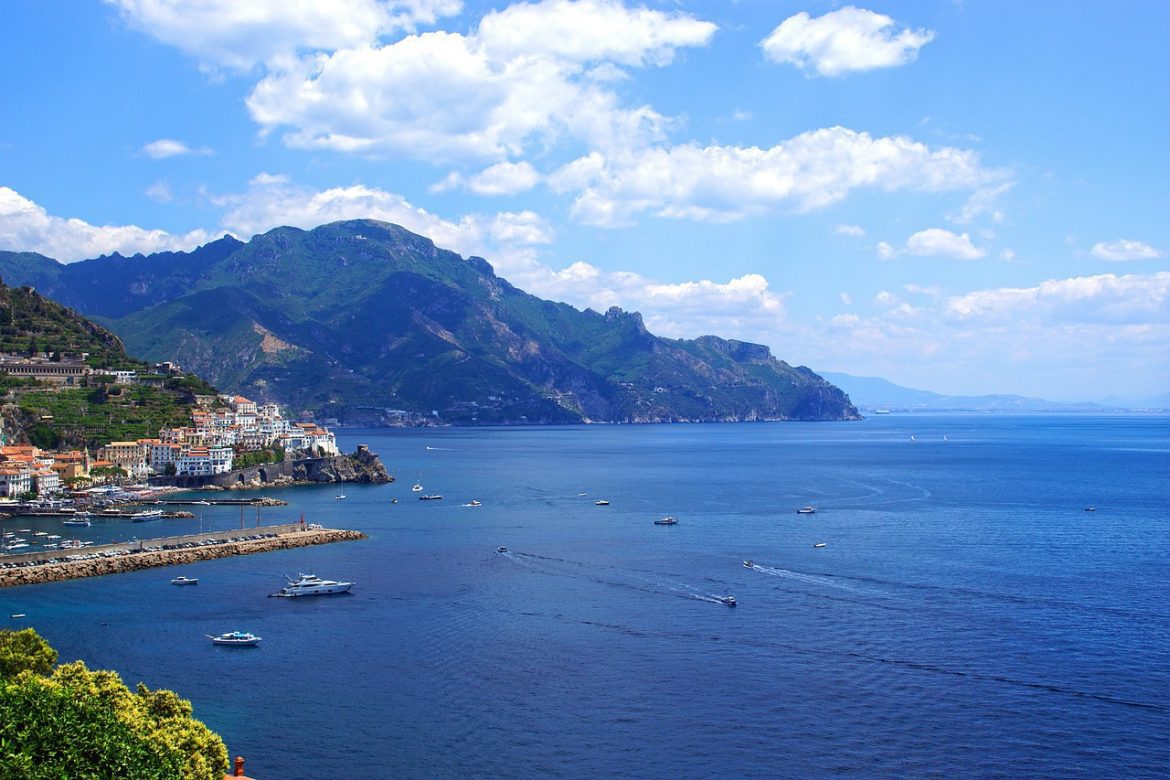
Naples to Amalfi Coast day planning for adventure seekers with dramatic Campania coastal views
This Naples to Amalfi Coast day trip plan in Italy starts with a simple, confidence-giving choice: are you creating an Amalfi Coast day trip, or designing a 2–3 night Amalfi Coast trip that leaves space to breathe? A day trip from Naples suits travellers who want a bold taste of Campania—coastal drama, a ferry glide, a quick town-to-town rhythm—then a return to Naples or onward travel. A short stay suits those who want to catch the sunrise in Positano, a slower Ravello morning, and one longer hike without watching the clock.
To make it feel personal rather than rushed, begin by deciding what matters most. The Amalfi Coast is one of those rare places where you can chase culture and adventure together—yet it rewards restraint. Imagine your day as a crafted sequence of two “big moments” and one small, local surprise.
Three route archetypes to get to the Amalfi Coast from Naples
Via Sorrento is the classic gateway to the Amalfi Coast: easy to navigate, with frequent connections, and a natural bridge between Naples and Positano. Via Salerno is often calmer for ferries and can feel more seamless in high season. A guided tour (or structured day tour) suits travellers who want support with timing, tickets, and the “where do we stand?” logistics—especially if you’re visiting with family or you value a low-friction experience.
A quick reality check before you commit to a day trip to the Amalfi
Travelling from Naples means early starts and decisive choices. In high season, roads narrow, parking is tight, and the bus queues can grow quickly—yet a little planning creates a calmer day, even for adventure seekers. If you want the coast to see at its best, aim for the first ferry or an early train and bus combination, then slow down once you arrive along the coast.
- Create your priorities: Pompeii ruins, Positano or Amalfi, Ravello views, a ferry ride, plus one hidden gem.
- Design your pace: Two towns in depth often feel richer than four towns in a sprint.
- Choose your comfort: car freedom versus public transportation simplicity.
- Built-in care: heat, hydration, and shoes that trust uneven stone.
With those choices made, you’re ready to discover Naples properly—because the energy of Naples makes the coast feel even more luminous.




Naples offers street life, pizza, and the bay before heading to Amalfi Coast from Naples, Italy.
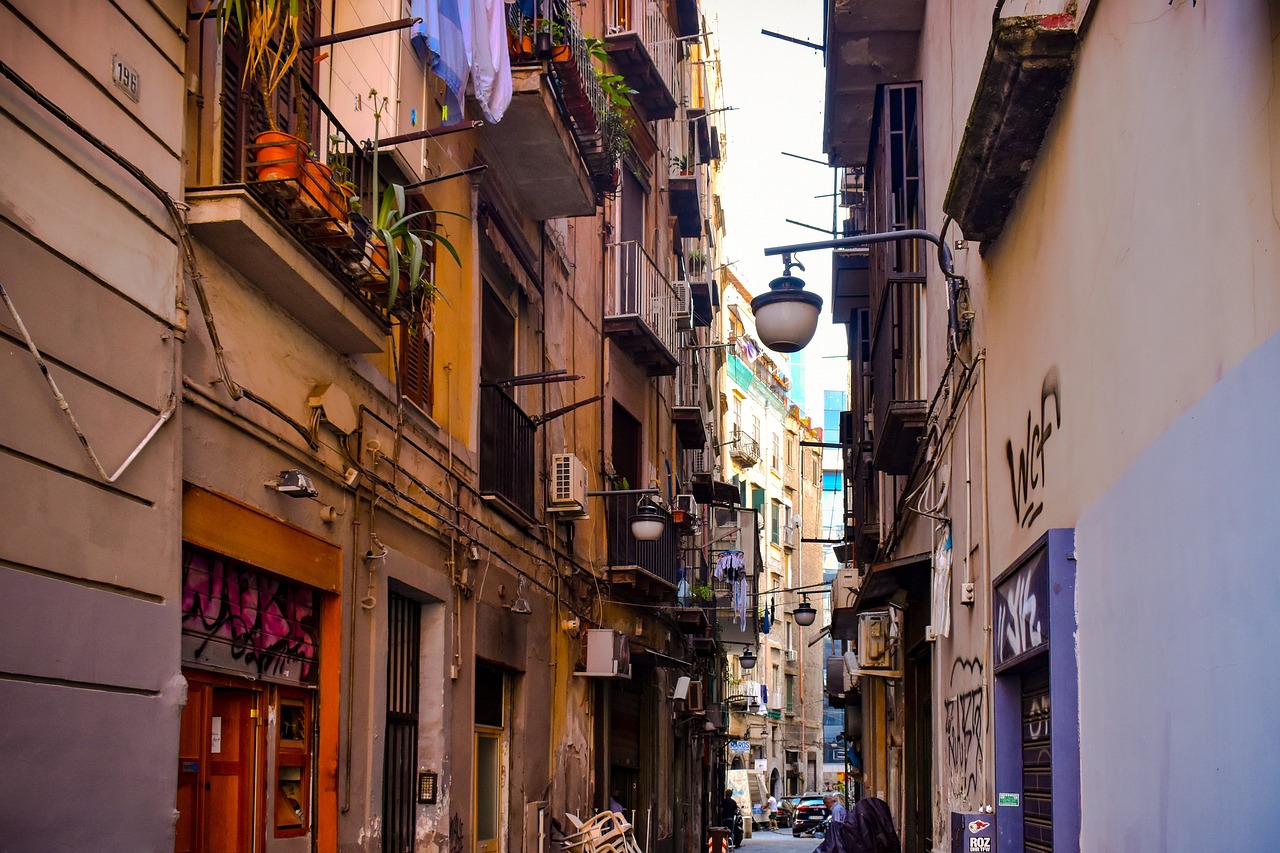
Naples, before you go, street life, pizza and the bay of Naples in the historic streets
Begin with Naples, Italy’s street food culture, before the Amalfi Coast, in a short, vivid loop that sets the tone for your trip. Step into a standing espresso bar, offer a friendly Buongiorno, and let the city’s street-level theatre wake you up—scooters, laundry lines, and the first scent of warm pastry. Then drift through a local market where you can taste a piece of everyday Campania: fruit piled like still-life paintings, seafood counters gleaming, and vendors calling out prices with effortless rhythm.
For a cultural enthusiast, Naples is also a museum without walls. Duck into a small church you didn’t plan to see, notice the layers of history in a single doorway, and look for street art that speaks to modern Naples—proud, complicated, and brilliantly alive. It’s worth holding this contrast gently: Naples and the Amalfi Coast can feel like two worlds in one region, and that’s precisely the point of the journey.
Practical jump-off points for the Amalfi Coast from Naples
If you’re arriving at Napoli Centrale train station, give yourself a little extra time: finding the right platform, validating tickets when needed, and navigating peak crowds. Your train station rhythm becomes the foundation for a smooth transfer—especially if you’re taking the local train towards Pompeii or Sorrento. If you’re flying into Naples via an international airport, know that Naples airport transfers can be straightforward, but morning traffic can slow you down; plan a buffer so you don’t start the day already tense. For some travellers, flying into Naples via Naples International Airport the night before is the smartest decision of the whole itinerary.
An optional mini-itinerary for a late arrival in Naples
If you land late, create an evening that feels restorative rather than demanding: a gentle walk near the bay of Naples, a simple pizza (Naples does “simple” like nowhere else), and an early night. The goal is trust in your own timing—so the next morning’s departure feels calm and seamless. If you want a little inspiration for what’s possible across Italy afterwards, here’s our Trip gallery.
Next, we’ll explore the moment when the story shifts—from city energy to history frozen in time.
Pompeii day trip and Naples to Sorrento link for visiting Pompeii, Naples to Sorrento, and reaching the Amalfi Coast in Italy.
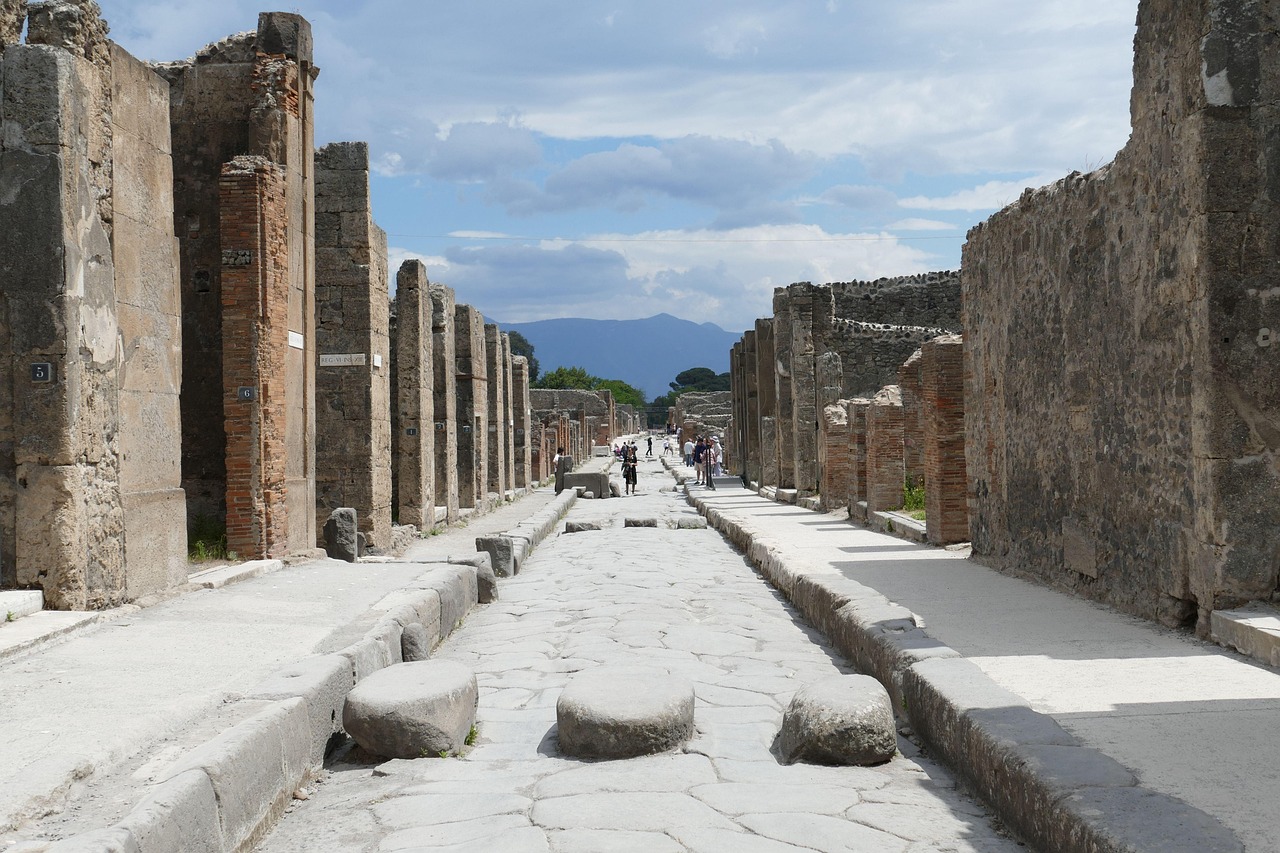
Pompeii day trip and the Naples to Sorrento link with ancient streets and Mount Vesuvius
The beauty of a Pompeii day trip, Naples to Sorrento, and get to the Amalfi Coast, Italy, is how naturally it strings together: urban Naples, archaeological awe, then sea air. Take a train from Naples on the Circumvesuviana (a practical local train) and arrive at Pompeii with the day still young. Once inside the ruins, pace yourself like an expert: choose a handful of key streets and houses, pause for shade, and let the silence do some of the storytelling. This is history frozen in time, and it asks for attention, not speed.
To avoid burnout, think in chapters: an early sweep through the Forum area, a slower wander to frescos and courtyards, then a deliberate break. If you’re visiting in warmer months, you’ll have to get serious about water—Pompeii’s stones reflect heat, and the uneven ground can be tiring even for fit hikers.
How Pompeii fits the Naples to Sorrento connection
After your ruins visit, continue the Naples to Sorrento thread: board the train again and train to Sorrento for a quick seaside reset. Sorrento is the gateway to the Amalfi Coast for many first-timers because transport options are clearer, signage is easier to follow, and you can choose between a ferry and a bus depending on your mood and the sea. If you’re carrying bags, look for luggage storage near the station so you can explore without dragging your bags.
Budget and comfort notes for a confident day trip
Entrance fees at Pompeii are a must in your budget, and it’s wise to set aside extra for a gelato stop and an occasional taxi when connections don’t align. Pack with care so you can explore longer:
- Comfortable footwear with grip for stones and steps
- Sun protection and a refillable bottle
- Cash for small purchases and quick snacks
- A light layer if you’re starting early or staying out late
From here, the journey becomes about movement and choice—ferry, bus, or car—each offering a different relationship with the coast.
Get from Naples to the Amalfi Coast by ferry bus or car for getting from Naples to Amalfi ferry bus rental car SITA bus Salerno Italy
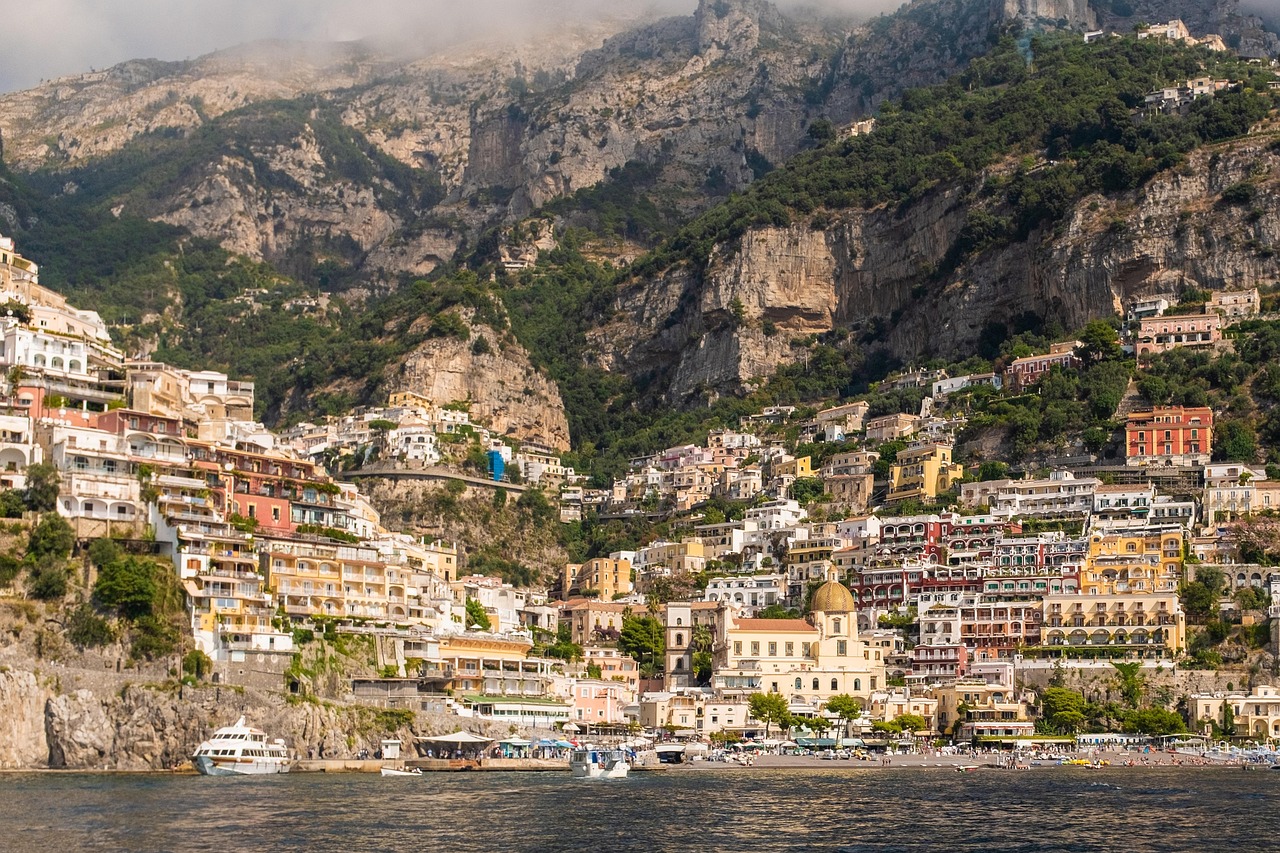
Get from Naples to the Amalfi Coast by ferry bus, or car, with views over Naples harbour
If you’re comparing routes, this is the practical heart of it: get from Naples to Amalfi ferry, bus rental, car, SITA bus, Salerno, Italy. The best way to get there depends on what you value—speed, scenery, flexibility, or simplicity. Many high-end travellers prefer to design a day that reduces friction: fewer transfers, less queueing, and more time in a town on the Amalfi Coast with a table by the sea.
Train and bus routes via Sorrento or Salerno
The backbone of public transportation is the combination of train and bus. You can go from Naples to Sorrento, then connect onward by bus (often the SITA bus) to Positano, Amalfi, and other towns. Alternatively, going via Salerno can be smoother for some travellers, especially for ferry connections and those balancing Naples and Salerno as a wider base. When people ask for the way to get from Naples that feels most predictable, this is often it: train and bus, with a little patience at stops.
If you’re tempted by a bus from Naples directly, be mindful that it can be slower and more variable in traffic. For many, getting there from Naples works best by reaching Sorrento or Salerno first, then switching to local coast connections.
Ferry-first strategy for a smoother Amalfi Coast day trip
For a more seamless ride, prioritise the ferry where possible. In season, ferries run between Sorrento, Positano, Amalfi and Salerno, and they can transform your mood: sea air instead of hairpin turns. If you’re considering a ferry from Naples, you’ll likely use the Beverello port area; it’s efficient, but schedules can be limited, and seas can change plans. A ferry port day is about timing—check the weather, build a buffer, and stay flexible.
As a useful benchmark, the ride from Sorrento to Positano can be under 1 hour in calm conditions, making it a satisfying way to begin along the Amalfi Coast without arriving frazzled.
Driving and scooters along the coast
A rental car can make sense if you want to uncover small villages, stop for viewpoints, and travel on your own rhythm. But the Amalfi drive is narrow, winding, and mentally demanding—especially in peak months. If you drive from Naples, plan for motion sickness (ginger sweets help), expect parking to be expensive, and avoid tight schedules. Scooters can feel thrilling, but they require real confidence and calm judgement on busy bends.
If you’re arriving on a Mediterranean cruise, it’s possible to visit the coast as a day trip from Naples, but keep port return times sacred. Many cruise ship excursions choose a guided tour because it reduces risk; if you go independently, build generous buffers for traffic, the bus, and ferry delays. The goal is adventure with care, not anxiety.
Now, let’s move into the dream sequence: the towns, the terraces, and the hidden coves that make much of the Amalfi Coast feel like art you can walk through.
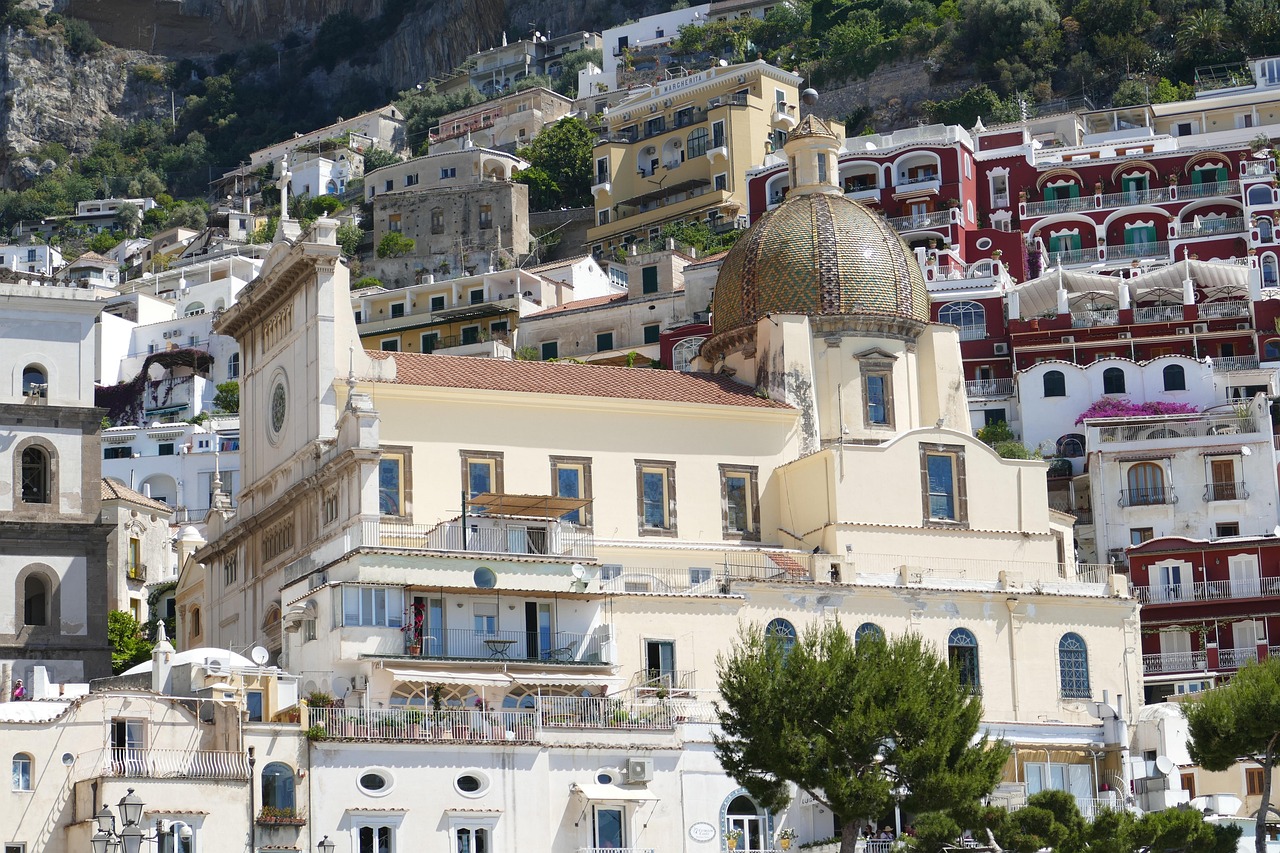
Along the Amalfi Coast, Positano, Amalfi, Ravello, and hidden gems with colourful cliffside towns
This Amalfi Coast trip, Positano, Amalfi, Ravello, Capri guided tour, Italy chapter is where you can truly create your own tempo. If you’re doing towns of the Amalfi Coast in a single day, design a flow that keeps transfers to a minimum and joy high: Sorrento to Positano, then Positano and Amalfi, ending with Ravello. It’s the difference between “ticking off” towns in one day and actually feeling the side of the coast—light, scent, sound, and texture.
The scenic towns of the Amalfi Coast flow without sprinting
Start early and aim for Sorrento to Positano by ferry if you can; it’s often the most calming way to arrive. If you’re timing it precisely, remember that Naples to Positano takes longer than you might expect when you factor in connections, queues, and walking down into town. In Positano, choose one strong viewpoint and one small street to explore rather than trying to cover every staircase. Then continue to the town of Amalfi, where the waterfront is lively yet compact, making it easier to navigate on a short timeline.
If you want a cultural anchor, step into the Amalfi Cathedral for a moment of cool hush and gold detail before you head back into the sun. This is the kind of contrast Campania does beautifully: grandeur and intimacy, side by side.
Ravello cliffside terraces and Villa Rufolo at sunset
Many travellers share their awe when they reach Ravello—those cliffside terraces feel like balconies over the Mediterranean. I still think about a friend’s story from a magical evening at Villa Rufolo: live classical music drifting into warm air, the sun lowering slowly, and the Amalfi Coast below turning from bright to honeyed gold. It was inspiring in the simplest way—proof that culture can be adventurous too, if you let it move you.
Even if you don’t stay for a concert, give Ravello time. Find a quiet spot, order something cold, and watch the light change. It’s a softer kind of thrill, and it stays with you.
Hidden gems Fiordo di Furore and the Emerald Grotto
To uncover the coast beyond the headline towns, consider Fiordo di Furore—a dramatic little fjord-like inlet that feels half natural wonder, half cinematic set. Access depends on your route: by bus, you’ll need careful timing and comfort with steps; by boat, it can feel effortless. The Emerald Grotto is another distinctive stop, best approached with realistic expectations: it’s beautiful, but queues and timing matter, especially mid-day.
For adventure seekers, these stops add texture without requiring a full re-route—just a little intentional planning and the confidence to say yes to something smaller and more local.
Capri add-on from Amalfi and the Blue Grotto
If you’re tempted by glamour, a boat tour from Amalfi to Capri can be a wonderful add-on. The Blue Grotto is iconic, but it’s sensitive to sea conditions, and queues can be long; treat it as a possibility rather than a promise. When it works, it feels like a secret door into luminous blue.
Culture-forward shopping and a personal seaside dinner
Between Amalfi and Positano, look for artisan shops selling handmade ceramics—pieces that carry the coast’s colours home with you. And yes, limoncello: treat a tasting like a small cultural ritual, not a shot to rush through. If you can, end the day with a leisurely seaside dinner in Positano’s harbour—fresh seafood, a glass of local wine, and that particular evening hush that arrives when day-trippers leave, and the town exhales.
- Best time to visit for comfort and beauty: late spring (May–June) or early autumn (September).
- For fewer queues, aim for early ferries and late lunches.
- Book accommodation well ahead if you’re turning a day trip into a longer stay.
And then, quietly, the journey turns inward—because some places don’t just impress you; they change the way you notice the world.
F.A.Qs: Naples to Amalfi Coast
How do I get from Naples to Amalfi?
You can get from Naples to Amalfi by combining a train and a ferry, or a train and a bus. Many travellers go from Naples to Sorrento first, then take a ferry to Amalfi or connect by SITA bus. Another smooth option is travelling via Salerno, where ferries to Amalfi are frequent in season. A guided tour can also simplify timing if you want extra support.
Is Amalfi a day trip from Naples?
Yes—Amalfi can work as a day trip from Naples, especially with an early start and a clear plan. The most seamless days usually prioritise one or two towns, such as Amalfi and Ravello, and use a ferry where possible to reduce road stress. If you want slower meals, more viewpoints, or a hike, a 2–3-night stay often feels more rewarding.
How long is the ferry ride from Naples to the Amalfi Coast?
Ferry times vary by season, route, and sea conditions. Direct services from Naples are more limited, so many travellers take a ferry from Sorrento or Salerno instead. As a guide, Sorrento-to-Positano can be under an hour, and continuing to Amalfi adds time. Always check schedules and weather, particularly if you’re connecting the same day.
Which is better, Positano or Amalfi?
It depends on the experience you want. Positano feels glamorous and dramatic, with steep lanes, fashion boutiques, and standout views. Amalfi is more compact and historic, with an easy waterfront feel and the cathedral as a cultural centre. For many travellers, Positano is the “wow” arrival, while Amalfi is the place to slow down and explore local history.
What stayed with me after Naples and the Amalfi Coast for Naples and the Amalfi Coast: personal reflection on Italy.
In Naples and the Amalfi Coast, personal reflection, Italy, what returns to me isn’t a checklist—it’s atmosphere. The way the light moves along the Amalfi Coast as the afternoon leans towards evening. The sound of the sea below the cliffs, steady and patient, as though it has witnessed every era that Campania carries. And the feeling of walking through living history: from Naples’ raw, creative pulse to the coast’s poised beauty, all in the same breath of southern Italy.
I think often about human connection, too—the kind that arrives without fanfare. Travellers speak of local families in small villages who invite strangers into celebrations, offering food, stories, and a seat at the edge of a dance. Trust is built in tiny gestures: a careful direction given at a bus stop, a shopkeeper wrapping ceramics as though they’re protecting memory itself, a waiter recommending the wine that best fits the fish, not the price.
Adventure memories sit alongside that softness. There are the Path of the Gods moments hikers describe—wind against the face, stone underfoot, and the surprising sensation of being connected to nature and history at once. It’s a confidence that doesn’t shout. It simply settles into you, and later, when you’re back in Naples or far from Italy, it nudges you to explore again with the same calm courage.
That’s the quiet gift of this area of Italy: every return feels less like repeating a trip, and more like uncovering a new story you weren’t ready to see the first time—slowly, in your own time, together with the place.