Post Contents
- China’s National Park System: why it matters and a practical guide for travellers exploring national parks in China
- Zhangjiajie National Forest Park: sandstone pillars, rock formations, and a Zhangjiajie dreamscape adventure
- Jiuzhaigou Valley National Park: lakes, culture, and autumn light in Sichuan
- Wolong National Nature Reserve: the giant panda story and conservation near Chengdu
- Beyond the big three: top national parks to discover—Sanjiangyuan, Tiger and Leopard, Hainan tropical rainforest, Wuyishan, and Qilian
- Sanjiangyuan plateau grassland and the three great rivers source areas
- Tiger and Leopard National Park: northeast China tiger and leopard conservation at scale
- Hainan Tropical Rainforest National Park: hainan tropical contrast and rainforest immersion
- Wuyishan National Park: Wuyi tea culture and cultural heritage in Fujian province
- Qilian Mountain National Park: glaciers, snow-capped peaks, and desert edges across Gansu and Qinghai
- F.A.Qs: National Parks in China
- Final Thought
China’s National Park System: why it matters and a practical guide for travellers exploring national parks in China
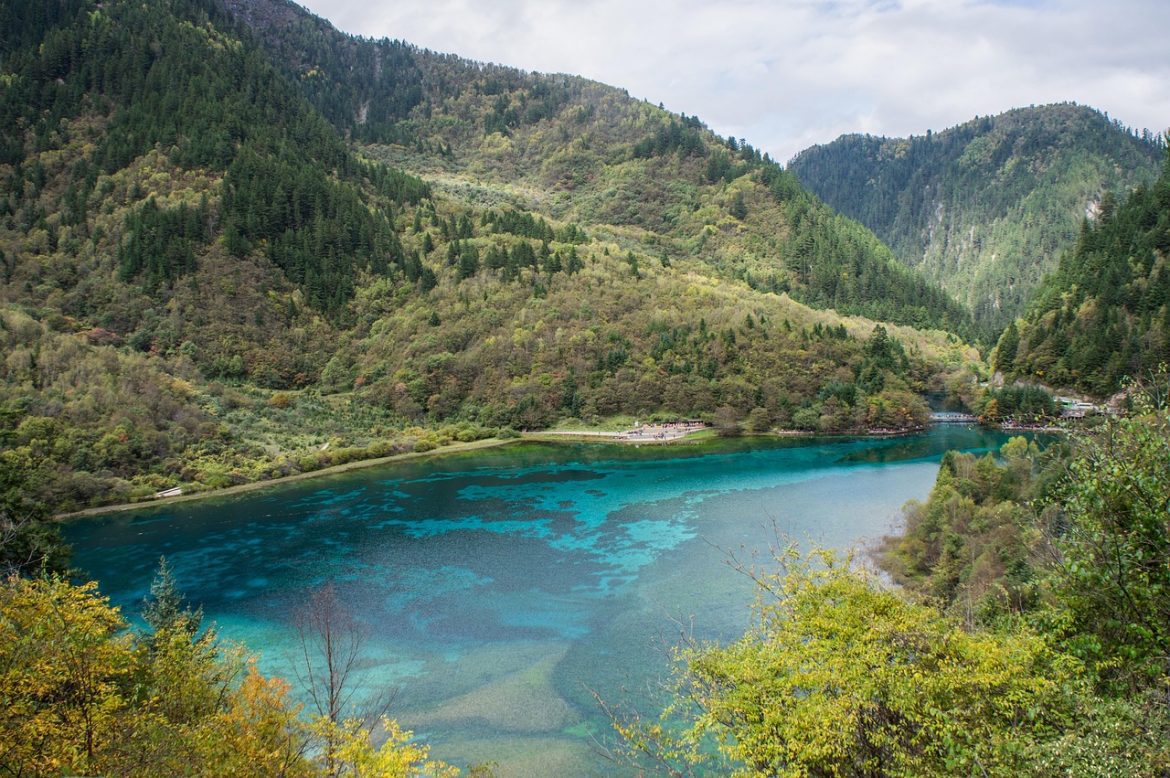
China’s national park system and why it matters for travellers across China
Think of this as your on-the-ground national park system guide for travellers: a plain-language way to understand what’s changing, and why a visit now often feels more protected, more organised, and more meaningful. In recent years, a new national park model has been evolving, with clearer boundaries, stronger conservation goals, and more consistent visitor rules that affect ticket prices, shuttle routes, and where you can walk.
The Chinese government has framed this shift around environmental protection and long-term stewardship, with a growing public emphasis on environmental awareness. For travellers, the most useful lens isn’t politics—it’s the renewed relationship between humans and nature, and how that philosophy shows up in boardwalks, timed-entry systems, and wildlife recovery zones.
Five national parks as a turning point in the national park system
The five national parks pilot model helped set benchmarks for sustainable development, visitor management, and science-led monitoring. You’ll notice it in clearer signage, shuttles that reduce traffic, and seasonal guidance that steers you away from sensitive ecosystem zones at particular times of year.
Many protected sites also align with international standards through international conservation bodies, such as the International Union for Conservation of Nature, often simply referred to as the Union for Conservation of Nature. The takeaway for you is reassuring: there’s a shared language of protection, so you can travel with trust and understand why certain areas are off-limits.
Designer-style route planning across provincial distances and changing landscapes
China is vast, and moving between a misty mountain national park and a high plateau can mean major altitude and climate swings. A crafted itinerary typically blends domestic flights with pre-arranged ground transfers, turning long distances into a seamless flow—hotel to airport, airport to park gate, gate to trailhead—without you having to negotiate every step.
To design your journey with confidence, keep these ethical foundations close (they also help you blend in with respectful local travellers):
- Stay on marked routes and boardwalks to protect vegetation and reduce erosion.
- Keep noise low—quiet voices are a genuine form of care in wildlife areas.
- Support local guides and community-run eateries where possible; local communities benefit when visitors travel thoughtfully.
- Photograph with respect: no drone use where prohibited, and no intrusive close-ups of people without consent.
If you’d like visual inspiration while you plan, you can explore our Trip gallery and imagine how the pieces can fit together.


Zhangjiajie National Forest Park: sandstone pillars, rock formations, and a Zhangjiajie dreamscape adventure
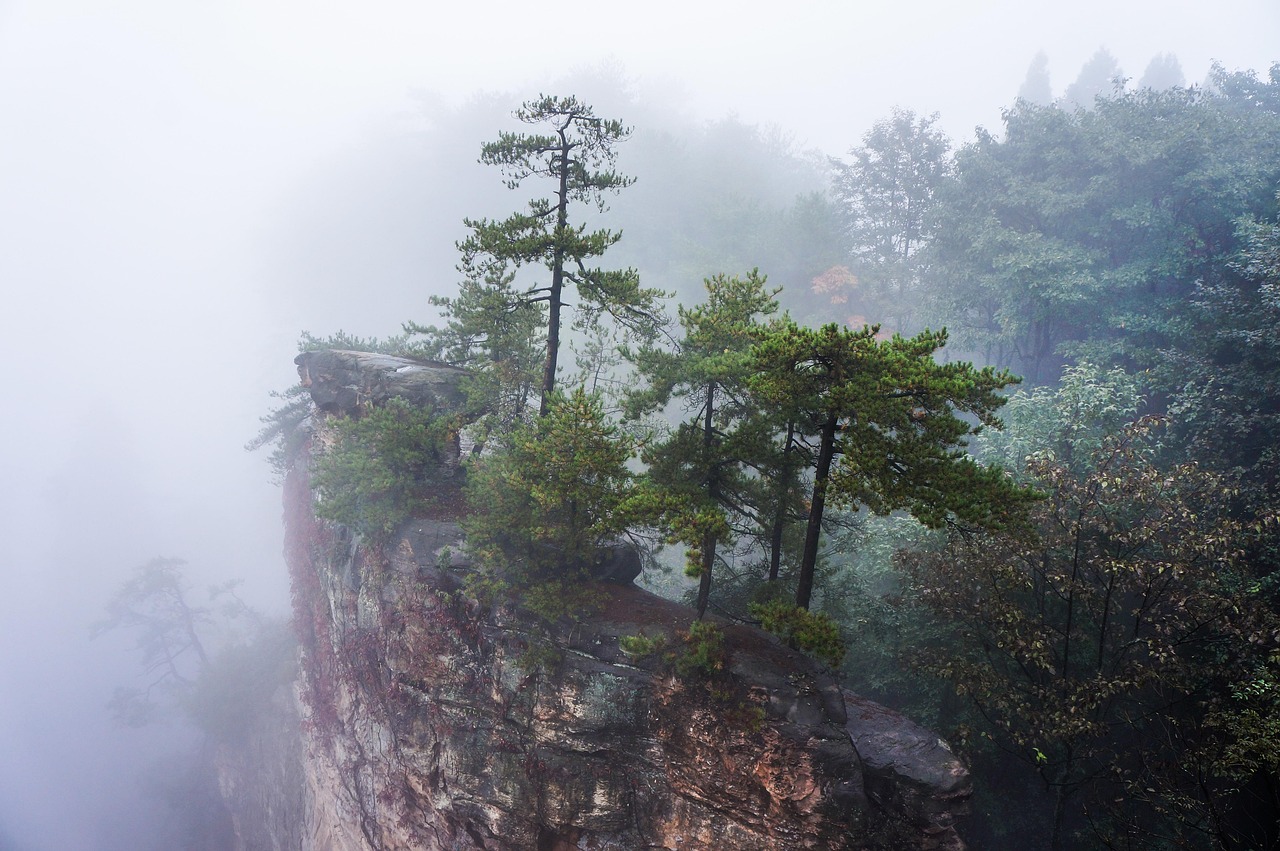
Zhangjiajie National Forest Park, the sandstone dreamscape rising through mist
For a Zhangjiajie National Forest Park China national park adventure, one traveller told me about hiking the Avatar Hallelujah Mountain trail at dawn—and feeling as if the world had been quietly reimagined overnight. Mist curled around the pillars, viewpoints emerged and disappeared, and the Zhangjiajie skyline felt suspended between earth and sky.
That surreal beauty is best enjoyed at a gentle pace. If you can, pause at a viewpoint for ten minutes rather than chasing the next photo; the light shifts quickly here, and the sandstone spires reveal new depth as the fog thins.
Zhangjiajie landscape geology and national forest interpretation
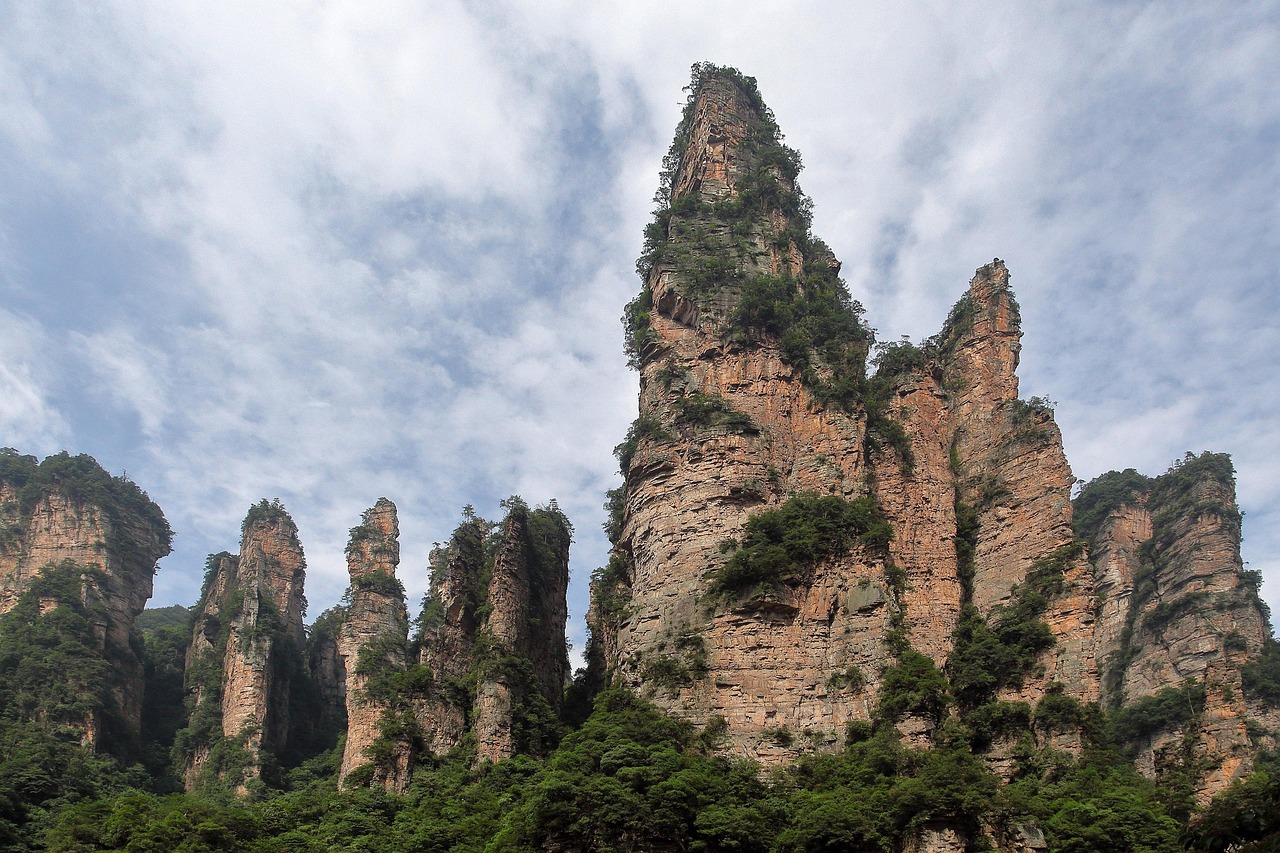
Zhangjiajie is often described through a cinematic lens, but it’s also a serious geological story: vertical sandstone pillars, nearby limestone peaks, and dramatic valleys that create a layered landscape. Although it’s called a national forest, the visitor experience is thoughtfully interpreted, with boards that feel like those in a national geopark—helping you understand what you’re seeing, not just tick off viewpoints.
If you’ve visited Guilin for karst scenery, you’ll recognise the thrill of limestone forms—yet Zhangjiajie feels wilder and more vertical, with a different sense of scale underfoot.
Practical access and timing for a national park in China
The best time to visit is April to October, when the weather is milder, and views are more likely to open up. Aim for early starts; those first hours often yield the clearest layers of ridge-and-pillar before midday haze.
Getting here is straightforward: fly to Zhangjiajie Hehua Airport, then take local buses or a taxi to the park entrances. Once inside, balance the convenience of lifts and shuttle buses with quieter walks—there are many trails beyond the busiest corridors, and even a short detour onto a less-used path can feel wonderfully personal.
After a big day outdoors, the reward is local food: look for simple Hunan dishes—warm broths, fresh greens, and a little spice—to restore energy. As always, photograph respectfully, especially when vendors or elders are part of your frame; a smile and a small nod build trust faster than any camera lens.
Jiuzhaigou Valley National Park: lakes, culture, and autumn light in Sichuan
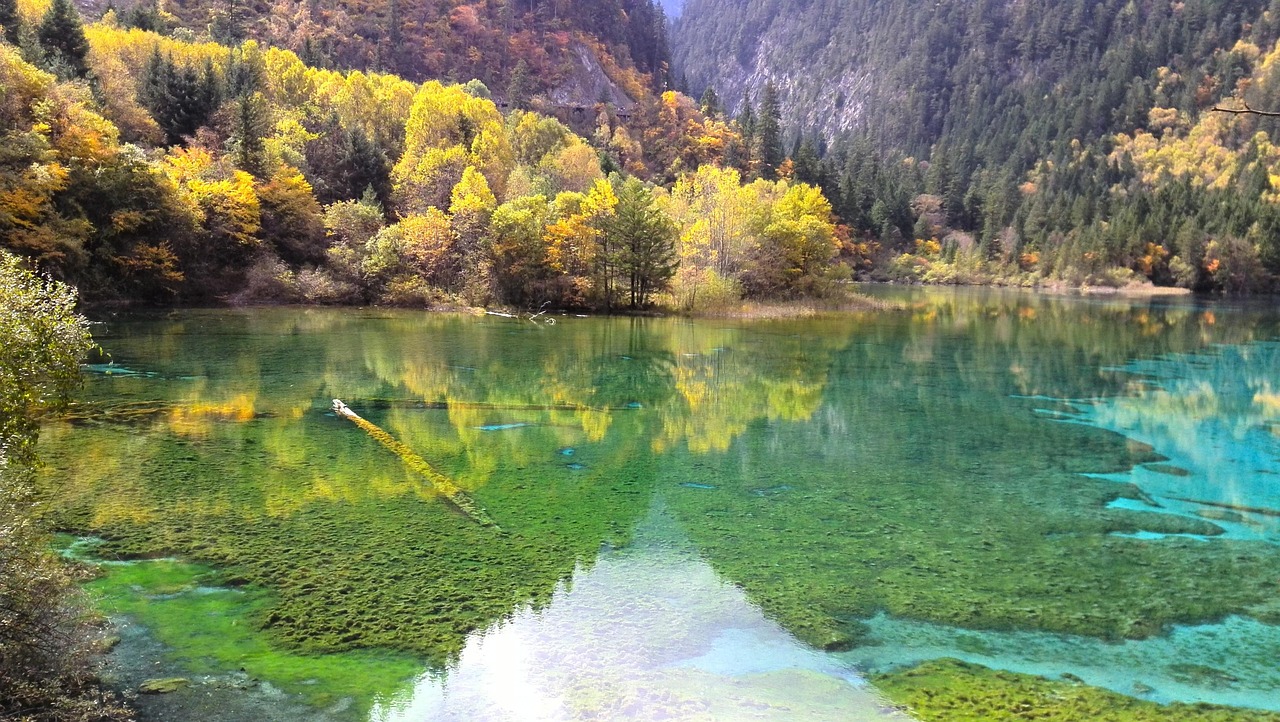
Jiuzhaigou Valley National Park, lakes culture and autumn light in Sichuan
If you’re drawn to Jiuzhaigou for autumn colour and highland culture, start with this image from an adventurer who went in late October: flame-red foliage reflected in glassy water, and a quiet conversation with villagers that turned scenery into insight. They didn’t just “see” the valley; they felt its cultural heritage in how people spoke about seasons, prayer, and the patience of living with the mountains.
Jiuzhaigou sits in Sichuan, and its colours are famously changeable—emerald one moment, sapphire the next—depending on sun angle and cloud. Give yourself time to simply stand still; the calm is part of the experience.
Signature lakes, one waterfall, and a glacier-shaped valley light
What makes Jiuzhaigou so vivid is the valley structure—glacier-carved forms that guide water through terraces and pools, filtering it into extraordinary clarity. Plan your day around a handful of signature lakes (rather than trying to “do it all”), and choose one standout waterfall to linger beside when the crowds thin.
In autumn, the contrast between bright leaves and pale limestone creates an almost painterly atmosphere. It’s not just pretty—it’s a reminder that protected places are living, seasonal systems.
Arrival, cash, and high-altitude care for visitors
For planning reassurance, September to November is ideal for fall colours. Fly to Jiuzhai Huanglong Airport, then take the shuttle buses to the park; it’s efficient and reduces pressure on roads.
Bring cash, as card use can be limited in smaller shops and stops. Also, remember this is high-altitude country, so dress in layers and keep your pace kind—especially if you’re coming straight from a lower province.
Simple etiquette goes a long way in local communities: greet calmly, observe temple manners (quiet voices, no flash where discouraged), and avoid touching religious items. Jiuzhaigou is a UNESCO World Heritage Site and a heritage site in the fullest sense—its protection depends on visitor flow rules, and your care helps that protection feel shared rather than enforced.
Wolong National Nature Reserve: the giant panda story and conservation near Chengdu

Wolong National Nature Reserve and the giant panda story in the mountains near Chengdu
When travellers ask about seeing a giant panda near Chengdu, I share a wildlife enthusiast’s story that still feels hushed with reverence. They caught a rare, quiet glimpse of a mother giant panda and cub—no crowding, no calling out, just stillness—and left with a new respect for how easily human excitement can disturb an animal’s rhythm.
That’s the honest expectation to carry: sightings are never guaranteed, and that uncertainty is part of what keeps the experience genuine. Your best “skill” here is calm observation and a willingness to let the forest set the pace.
Why this reserve matters for panda habitat and endangered species recovery
This protected nature reserve is built around steep valleys, dense vegetation, and a fragile ecosystem that supports many animal species. It is famous for its panda habitat, but it also safeguards a wider list of endangered species, where even small disruptions can endanger feeding and breeding success across the seasons.
This is conservation you can feel in the air—cool, clean, and quietly monitored. Travel here with the mindset of support: you’re a guest in a living system, not a spectator in a zoo.
Seamless route design via Chengdu and the Giant Panda National Park network
Design your arrival through Chengdu, which works beautifully as a base for supplies, comfortable hotels, and a gentle transition to mountain terrain. From the city, continue by bus or taxi; spring and autumn usually offer the best walking conditions, with clearer paths and less extreme weather.
The reserve also connects conceptually to the wider Giant Panda National Park vision, where protected corridors at scale help wildlife move between suitable areas. Not every zone is open to visitors, and that’s a good thing—it signals that protection comes first.
Keep this practical care checklist close, especially if the weather shifts:
- Carry water and a small snack even on short walks.
- Wear layers and pack rain protection; mountain forecasts change quickly.
- Follow park regulations closely—no feeding, no litter, no off-trail shortcuts.
- If trails close for conservation or safety, accept it without frustration and ask staff for alternative viewpoints.
Beyond the big three: top national parks to discover—Sanjiangyuan, Tiger and Leopard, Hainan tropical rainforest, Wuyishan, and Qilian
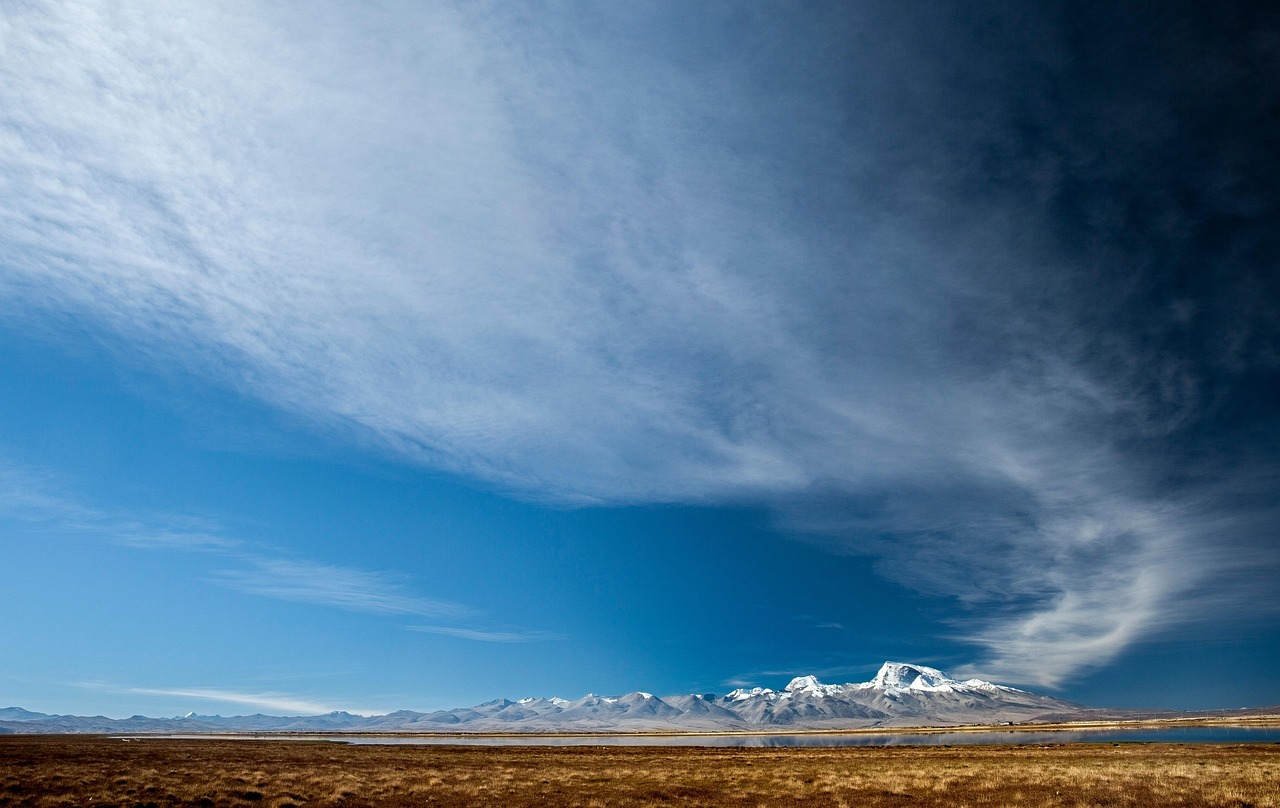
Beyond the big three, other top national parks to discover across China’s provinces
This chapter is for travellers researching top national parks in China, Sanjiangyuan, Hainan tiger and leopard, Wuyishan, Qilian, and wondering how to expand the story beyond the headline classics. Protected areas here are deeply regional: each province brings different climates, cultures, and transport realities, and with expert planning, you can build a route that feels both ambitious and unhurried.
Below are five places that add breadth—plateau to rainforest, tea country to snowfields—without losing that sense of crafted continuity.
Sanjiangyuan plateau grassland and the three great rivers source areas
Sanjiangyuan in Qinghai province is a high-altitude plateau of vast skies and resilient grasslands, known as the source area of the three great rivers: the Yellow River, the Yangtze, and the Mekong. It’s less about dramatic viewpoints and more about spaciousness—the kind that slows your breath and resets your internal pace.
In season, Tibetan antelopes here become a symbol of resilience, a reminder of what protection can restore when pressure is reduced and habitat is respected.
Tiger and Leopard National Park: northeast China tiger and leopard conservation at scale
In the far northeast, this protected forest borderland is tied to the story of the northeast China tiger and leopard. The most responsible way to understand this China tiger and leopard national effort is through habitat—not guaranteed sightings—because conservation success is measured in breeding, movement, and reduced conflict, not tourist photos.
When you hear “leopard national park” in conversation, treat it as shorthand for a much larger system of monitoring and forest protection. It’s a humbling example of how a national park can be about patience rather than spectacle—and how a leopard can remain unseen while protection still succeeds.
Hainan Tropical Rainforest National Park: hainan tropical contrast and rainforest immersion
Hainan Tropical Rainforest National Park is a complete change of mood: Hainan tropical humidity, deep canopy shade, and rich biodiversity that feels almost orchestral at dawn. Hainan’s coast makes a natural pairing—design a route with a few restorative beach nights, then commit to rainforest days where early walks and slower afternoons help you adjust to the heat.
Luxury here is often about comfort through simplicity: breathable clothing, a good guide, and well-timed transfers that keep you cool and unflustered.
Wuyishan National Park: Wuyi tea culture and cultural heritage in Fujian province
For a softer adventure day with cultural heritage at its centre, this protected landscape in Fujian province brings granite peaks, river-valley walks, and the gentle ceremony of Wuyi tea culture. You can hike in the morning, then sit with local producers to understand how place shapes flavour—a slow, sensory kind of discovery that complements harder hikes elsewhere.
It’s also a reminder that a national park can protect both land and living tradition, without needing constant adrenaline to feel profound.
Qilian Mountain National Park: glaciers, snow-capped peaks, and desert edges across Gansu and Qinghai
In the northwest, Qilian Mountain National Park spans Gansu and Qinghai, with snow-capped peaks, glacier edges, and a desert fringe that makes the air feel startlingly clean. Distances are bigger here, and the gansu provinces transport rhythm can be slower—so build in buffer time and choose a base that reduces daily driving.
For a grounded benchmark, think of Yellowstone for scale and services—then imagine something wilder and less uniform, where facilities can be simpler, and the reward is that raw sense of space at the edge of climate zones.
F.A.Qs: National Parks in China
What is the most famous national park in China?
Zhangjiajie is often considered the most famous national park-style destination in China because its sandstone pillars inspired the “Avatar” scenery. It’s highly accessible, visually dramatic, and offers a mix of viewpoints, shuttles, and walking routes, making it suitable for many travel styles.
Can an American live comfortably in China?
Yes, many Americans live comfortably in China, especially in major cities with strong international services and healthcare options. Comfort depends on your lifestyle needs, language confidence, and how you handle local digital ecosystems, payments, and visa requirements.
Which month is not the best time to visit China?
There isn’t one single month to avoid everywhere, because China’s regions vary hugely. However, national holidays such as early October can bring heavy crowds and higher prices, and some areas face summer heat or winter closures, so it’s best to plan by region and purpose.
What’s the prettiest place in China?
“Prettiest” is subjective, but many travellers rank Jiuzhaigou among the most beautiful for its crystal lakes and autumn colours. Others choose Zhangjiajie for its otherworldly peaks, or rainforest and highland regions for a quieter, more immersive natural beauty.
Final Thought
It’s hard to describe the afterglow of a trip like this without returning to atmosphere: mist clinging to Zhangjiajie pillars, the clear hush beside Jiuzhaigou water, and the calm forest air where panda protection is taken seriously. Long after the photos, what remains is the feeling of moving gently through protected places—an unforced humility that doesn’t ask for performance.
Somewhere along the way, adventure becomes less about proving yourself and more about trusting your own pace. You begin to notice how confidence can be quiet: choosing the slower trail, stepping aside to let others pass, lowering your voice because the place deserves it.
There’s also a lingering gratitude for small human moments—the quiet strength of communities living close to wild boundaries, a warm bowl of food after a cold walk, a patient explanation from a ranger, a shared smile when weather changes the plan. Travel like this reminds you that care is not separate from discovery; it’s what allows discovery to last.
And perhaps that’s the most beautiful part of China’s national parks, and China’s national parks too: they don’t only give you scenes to remember, they gently reshape how you look at the world. When the time is right, you may find yourself imagining a return—not to repeat the same route, but to meet a new season, and notice what else it has to say.