Noto, Italy, Sicily: worth the trip and how to arrive for adventure seekers in southeastern Sicily
Noto Italy travel guide: why it’s worth the trip in the Val di Noto
If you’ve been wondering, “Is Noto Italy worth the trip for adventure seekers?”, the answer becomes clear the moment you arrive in the Val di Noto. Consider this a guide to Noto—a Baroque gem where town planning, artistry, and everyday Sicilian rhythm come together. Noto is a UNESCO World Heritage Site and a true destination for slow travel: carved stone, long vistas, and doors left open to small, local stories.
Noto is known for its planned beauty, born from upheaval. The city was destroyed by an earthquake, and the earthquake of 1693—sometimes simply called the earthquake in 1693 in local conversation—reshaped the entire region in 1693; the decision to rebuild created the harmonious avenues and theatrical façades you see today. For context, residents may also point to the older hill settlement, once called Noto Antica, as a poignant reminder that beauty in Sicily can be hard-won. If you’ve only heard of Noto in passing, this backstory makes the city’s calm grandeur feel even more earned—and makes “noto worth visiting” an easy conclusion.
Trip to Italy arrival routes: Catania to Syracuse/Siracusa, and an easy day trip start
For most travellers, a trip to Italy connects neatly through Catania, then onward across eastern Sicilia into southeastern Sicily. From Catania airport, you can connect by train or bus via Syracuse (listed as Siracusa on timetables), then continue to Noto; taxis are available for the final stretch if you prefer not to juggle bags. If you’re planning a broader trip to Sicily with beaches and hill towns, renting a car in Sicily adds flexibility—though the centre of Noto itself is wonderfully walkable once you arrive, especially for a first evening stroll.
To keep things seamless, I like to arrive with enough time for a first-night stroll and an unhurried dinner. Many travellers remember that first view when the sandstone turns honey-gold, as if the whole city has been gently lit from within. Give yourself that soft landing: check in, breathe, and let Noto come to you—because it really is worth visiting at a slower pace.
- Best timing: late spring for festival energy, or early autumn for mild days and quieter streets.
- Transport comfort: pre-book a taxi from Siracusa if you’re arriving after dark.
- First-night pacing: choose one restaurant, one gelato stop, and one viewpoint—then stop.
If you’re curating a wider itinerary, you can also browse our Trip gallery for design-led inspiration and expert support.




Things to do in Noto, Sicily: explore Noto along Corso Vittorio Emanuele to the cathedral landmarks
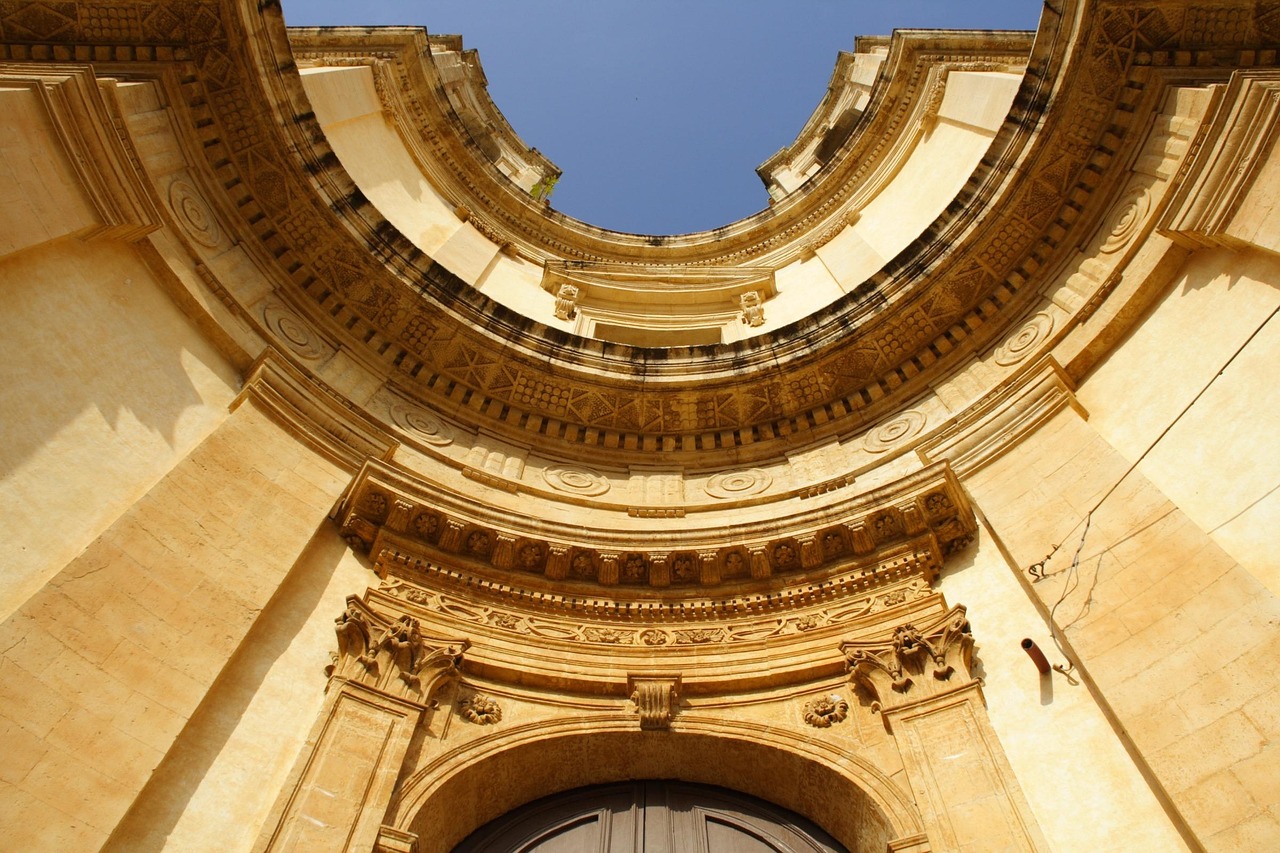
Explore Noto in the Sicilian Baroque style along Corso Vittorio Emanuele
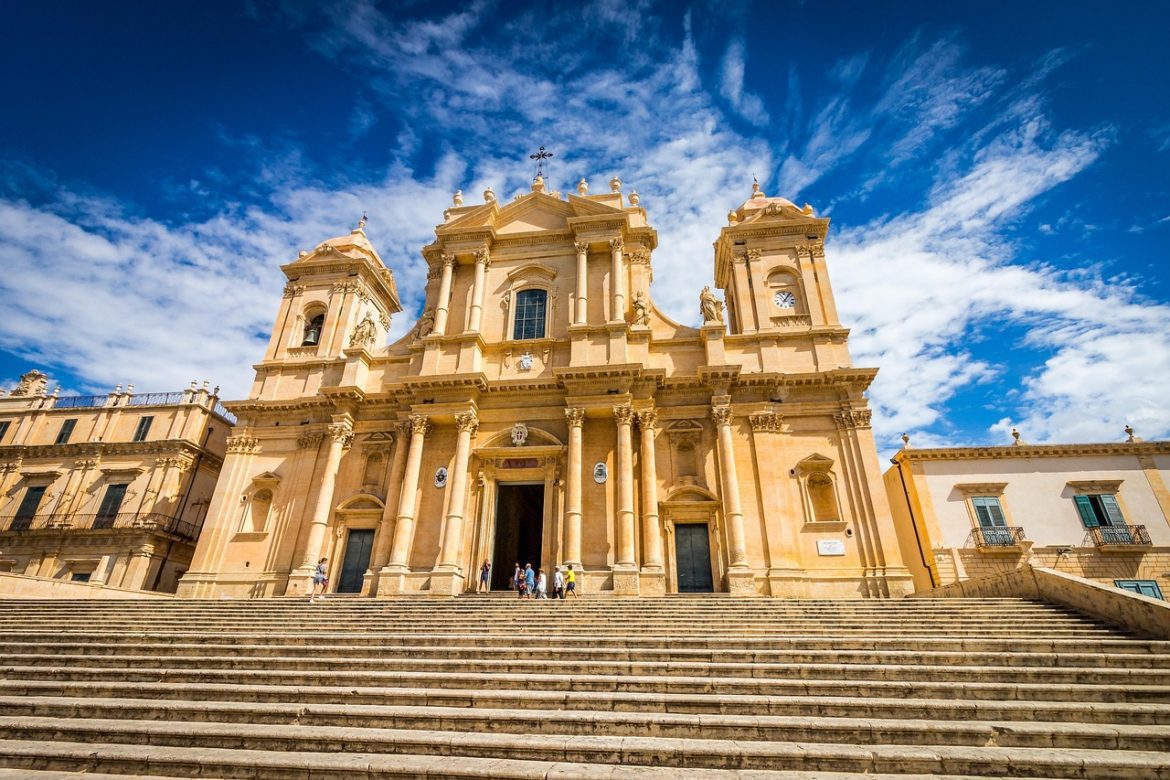
When people search for things to do in Noto, they’re usually asking how to experience the heart of Noto in one graceful line. Begin along Corso Vittorio Emanuele and let the city unfold at an easy pace—café tables, artisan windows, and small thresholds that invite you to uncover detail. Even first-timers find it feels seamless, because the street was designed to lead the eye from one beautiful church façade to the next, with the main square acting like a stage set you can wander through.
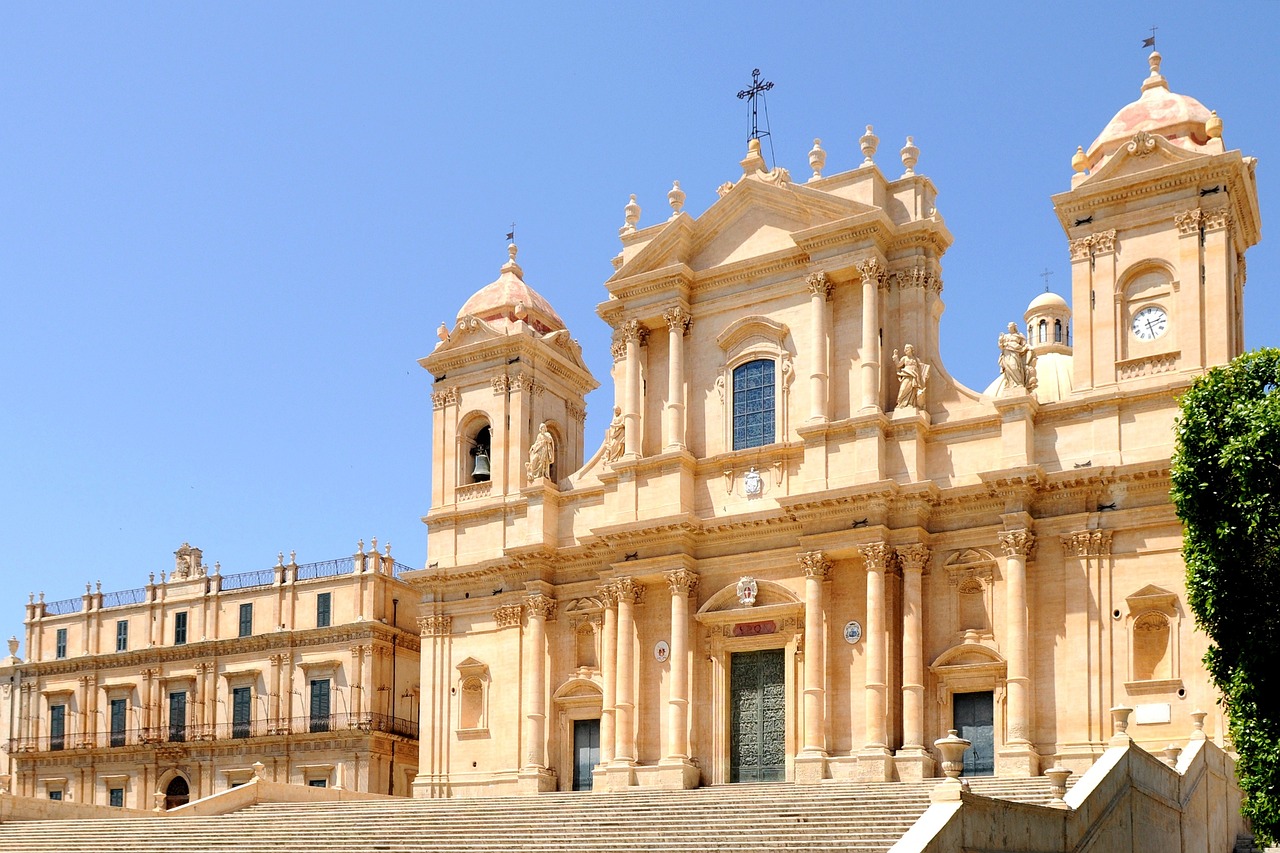
Cathedral of San Nicolò: Noto Cathedral steps and the best view of the cathedral
The Cathedral of San Nicolò anchors the historic centre, and Noto Cathedral remains the most recognisable landmark in town. For the best view of the cathedral, step back to where the square opens, wait for a lull, and watch how the light changes the stone. Then take the main staircase slowly—part photo opportunity, part quiet ritual—especially as the sun slides lower.
Entry is free, which feels like a small kindness; it lets you wander in without the pressure of “getting your money’s worth”. Dress modestly inside, and notice how the interior light softens the drama into something surprisingly intimate, even when the piazza outside is busy.
Sicilian Baroque architecture highlights: palaces, churches, and San Carlo on Corso
Continue along Corso, and you’ll meet a compact gallery of baroque buildings: Palazzo Ducezio (the town hall), the church of Santa Chiara, and the church of San Carlo. If you have time for one extra pause, choose the church of San Francesco for atmosphere; it’s a quick stop that adds depth without overload. In between, make space for the lived-in pleasures—an espresso, a browse, a brief chat with a shopkeeper—and you’ll feel why Noto is also such an easy place to settle into.
So what does this look like in practice? The baroque architecture of Noto is precise and theatrical, but never cold: curves, balconies, and carved faces catch the shadows. The architects of the time, including Gagliardi, refined a baroque style that feels both geometric and emotional, built in the 18th century to be admired from many angles. Look for one especially ornate baroque church doorway, then step aside and let the street do the rest of the storytelling.
Palazzo Nicolaci in Noto, Sicily: palace tour, hall of mirrors, and iconic balcony craft
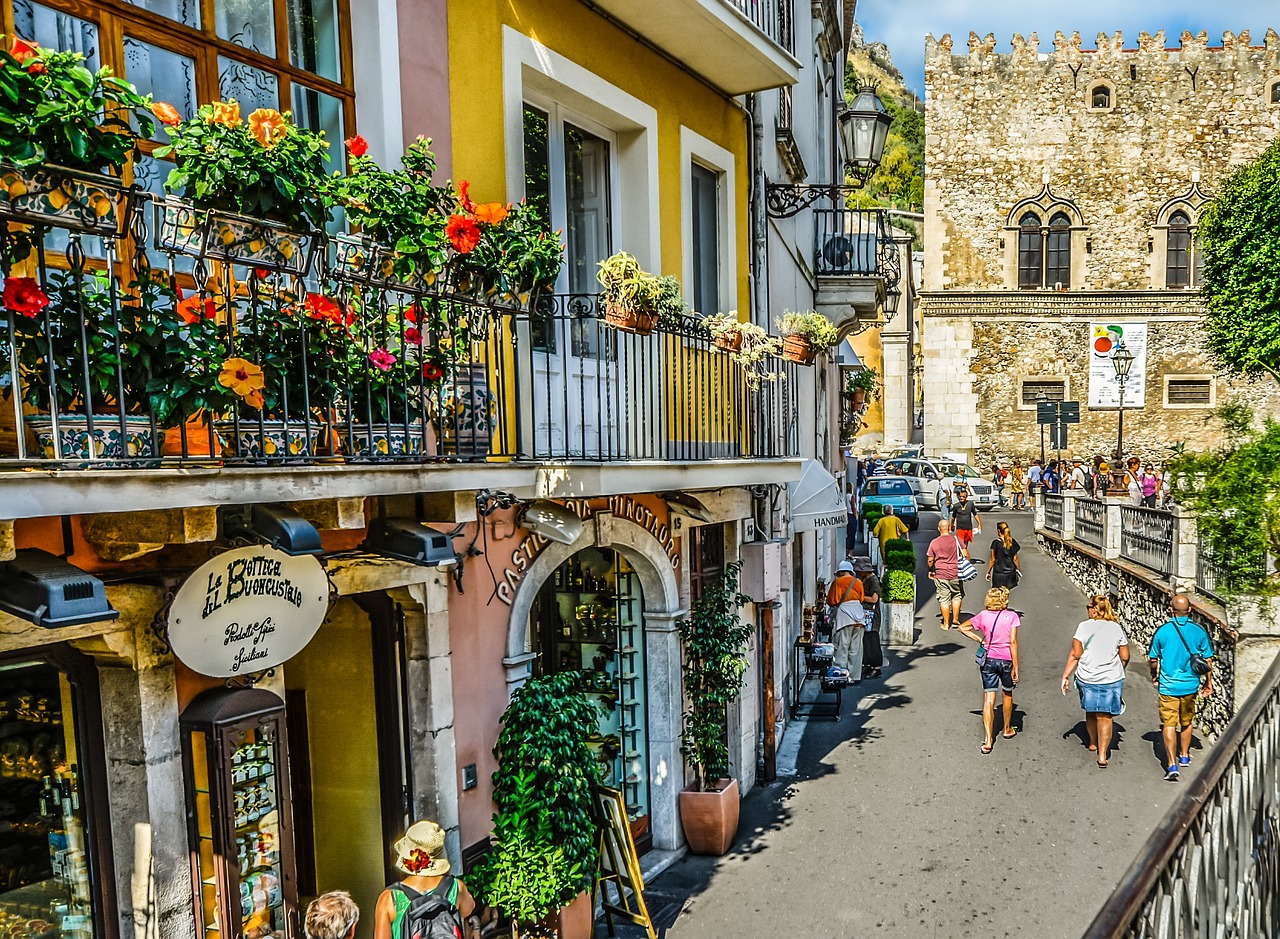
Palazzo Nicolaci: a design-led stop for craft details and local stories
If you’re searching for “Palazzo Nicolaci Noto”, you’re already tuned to the city’s most tactile pleasures. Palazzo Nicolaci is the palace experience that rewards curiosity—rooms that feel composed, ornamental details that look hand-finished, and a sense of family history woven into the walls. If you can, linger in the hall of mirrors; it’s one of those spaces that makes you slow down and notice proportion, reflection, and light.
Via Nicolaci balcony carvings and the Nicolaci signature
Step outside and take a slow, upward gaze along Via Nicolaci. The famous balcony carvings—dramatic figures, flourishes, and ironwork—invite you to explore Noto with your gaze rather than your feet alone. This is also where “Noto is famous” becomes tangible: the street teaches you to lift your attention above shop height and discover story in stone, one detail at a time.
Local makers, Caffè Sicilia, and a designer’s food pause
One of the most reassuring parts of Noto is how willing people are to share. I’ve watched visitors linger at a ceramics counter as a maker explained glazing choices and local motifs; that warmth turns shopping into insight, and it builds trust quickly. If you pass a small D’Ercole workshop sign, pop in—sometimes the best support you can offer a place is choosing something made locally, then learning the story behind it.
For a delicious pause, Caffè Sicilia is a classic stop, and Corrado Assenza’s approach to flavour feels as considered as the city’s façades. Order an almond granita when the day is warm, or a gelato when you want something playful, then take your time—this is high-end travel in the best sense: not flashy, just deeply well-composed.
- Notice patterns: repeat shapes in ironwork and carved brackets.
- Capture palettes: honey stone, chalk-white trim, and shadow-grey accents for your journal.
- Photograph details: door handles, tiled thresholds, and textile textures—small, portable memories.
Infiorata di Noto in May: flower festival planning guide for Sicily with respectful photo tips
Infiorata di Noto: a May flower festival that transforms the street into art
If you’re looking for an “Infiorata di Noto May flower festival planning guide”, it helps to know what you’re stepping into: a brief, exquisite transformation where intricate floral carpets take over a street and scent the air. This flower festival is culture you don’t just observe—you move through it, gently, together with residents and visitors who are trying to do it properly. In Noto, the artistry feels both celebratory and surprisingly tender.
Joining locals and feeling Noto’s cultural heartbeat during Infiorata
One adventurer told me their most personal moment came before the crowds: joining locals to help lay petals, learning where colours should soften, and when to step back. The act was simple, but the connection was profound—like being invited behind the curtain of a tradition the town genuinely cares for. It’s a rare kind of access, the sort you remember long after you’ve left the island.
Practical planning for photos, viewpoints, and respectful care
Arrive the day before if you can, so you’re not rushing from Catania or Siracusa on the morning itself. Go early for photos, then return later when the atmosphere becomes more social; for a wide perspective, look for an elevated angle rather than pushing into the centre. During busy dates, book tours in advance for a smoother day and a bit of expert guidance—small logistics that help protect your confidence and keep the experience seamless.
Keep the tone warm and respectful: modest dress for churches, a friendly “buongiorno” to shopkeepers, and careful steps around the artwork. Noto is a UNESCO World Heritage Site of real homes, not just a backdrop, and your care is part of what keeps the celebration beautiful.
Vendicari Nature Reserve day trip from Noto, Sicily: beach time at Calamosche plus Syracuse and Catania add-ons

Vendicari Nature Reserve: an easy day trip for trails, lagoons, and a quiet beach
For “Vendicari Nature Reserve day trip from Noto, Sicily”, think of it as the perfect counterbalance to city strolling. The Vendicari Nature Reserve offers trails that range from gently scenic to satisfyingly long, with quiet observation points for wildlife spotting; flamingos can appear like a brushstroke of pink against the water. Some travellers also share stories of spotting turtles when conditions allow, a reminder to slow down and watch the edges.
Beach calm at Calamosche with adventure-ready comfort
Build your day trip with a generous pause at Calamosche, one of the area’s most loved coves. The paths can be sandy with rocky edges, so footwear matters, and sun protection is non-negotiable in midsummer. Bring more water than you think you need, then let the afternoon become simple: swim, read, and let the coastline reset your sense of scale.
- Pack smart: water, hat, high-SPF, and comfortable shoes for mixed terrain.
- Wildlife etiquette: keep distance, stay quiet, and avoid sudden movement near the lagoons.
- Timing tip: arrive earlier for parking and cooler trail conditions.
Syracuse, Catania, Taormina, and Val di Noto pairings for a longer stay
If you’re building a longer base, pair Noto with Syracuse for a layered history and an evening promenade that feels effortlessly elegant. Catania is useful for airport logistics and provides a lively urban contrast—gritty, energetic, and full of character. If you have extra time, Taormina makes a stylish detour, especially for travellers who love a polished view paired with a good aperitivo.
To round out the Val di Noto circuit, consider Ragusa and Modica for more churches and palaces and a different pace—less “main boulevard”, more small discoveries. This flexibility is the luxury: you design the rhythm, and Sicily meets you where you are.
F.A.Qs: Noto, Italy, and Sicily travel essentials (worth visiting, planning, and day trips)
Is Noto, Sicily, worth visiting?
Yes—Noto is worth visiting for travellers who want culture with a touch of adventure. You get dramatic streets, an easy central stroll, and quick access to nature and the coast, which makes it feel worth the trip even on a shorter itinerary. Many people visiting this part of Sicily also use Noto as a calm base for a beach day or a nearby day trip.
What is Noto famous for?
Noto is famous for its golden stone and its harmonious baroque architecture. Highlights include the cathedral, elegant palaces, and the balcony-lined streets around the historic centre, plus the springtime Infiorata di Noto. Noto is also known for the food: pastries, seafood, and standout gelato stops that feel genuinely local.
How many days do you need in Noto, Sicily?
Two to three days is ideal. One day lets you explore the main centre, including Corso Vittorio Emanuele and the cathedral. A second day gives you time for Palazzo Nicolaci, slower café breaks, and a relaxed evening; add a third day if you want Vendicari for a beach escape or another nature outing.
What is the most beautiful town to stay in Sicily?
“Most beautiful” depends on your style, but here’s a guide to the best things to match your mood. Noto suits travellers who love design-led streets and Baroque harmony; Syracuse is wonderful for layered history and waterside evenings; and Taormina offers a more polished, resort-like feel. Many people choose one base and add day trips for variety, especially across the wider Val di Noto.
What stays with you after Noto, Sicily: golden hour memories in a Baroque town
If you search for personal memories of Noto at golden hour, it’s because the place lingers in ways that don’t fit neatly into an itinerary. The echo of footsteps on stone becomes a kind of music, and there’s a moment when the sky turns rose over the main square and everything feels both grand and gentle. That’s often when travellers realise they didn’t just visit Noto—they felt held by it, and they understand why it’s worth a visit.
What stays is rarely the headline sight. It’s a local greeting that made you smile when you were slightly lost, an artisan’s story offered without performance, and the taste of granita on a warm afternoon when time seemed to loosen. It’s the calm after the crowds, when you can finally hear your own thoughts—and when you realise how good this time in Noto has been.
There’s a White Lotus kind of mood to this corner of Sicily—Mediterranean glamour brushing up against real life—yet Noto never feels like a set. Noto is also quietly confident: lived in, cared for, and beautiful without trying too hard. Later, you may notice you keep replaying details you didn’t expect to love, and you’ll smile at the thought that you’ve truly visited Noto.
And when you think back to that honey light on stone, you may find yourself wondering which nearby town might cast a different shade on the same afternoon sky.