Post Contents
- Kaiyukan, Osaka: why this aquarium feels like an adventure – a visitor guide to Osaka Aquarium Japan
- Signature central tank moments at Kaiyukan: best viewpoints, rays, and the feeding talk
- Arctic-to-Antarctic habitats at 海遊館: an immersive Kaiyukan experience around the Pacific rim
- Getting to Osaka Aquarium Kaiyukan: JR Osaka to Osakako Station via the Chuo subway line
- Tempozan after the aquarium: local food at sunset and ferris wheel panorama
- What stayed with me after Kaiyukan in Osaka: reflections from Osaka Aquarium Japan
- FAQs: Osaka Aquarium Japan (Kaiyukan visitor guide)
Kaiyukan, Osaka: why this aquarium feels like an adventure – a visitor guide to Osaka Aquarium Japan
Kaiyukan in Osaka: an aquarium that unfolds like an adventure
If you’re looking for Osaka Aquarium Japan inspiration that still feels personal, Kaiyukan is a place you don’t just observe—you move through it. The Osaka Aquarium Kaiyukan experience is designed like a quiet journey, with lighting and sound shifting as you descend, then return to daylight at the end. Instead of rushing between displays, you naturally slow down and notice the details in the marine life.
The thrill here is gentle and deliberate: the building sets the pace, so the visit feels calm even on busy days. Treat it like a self-guided tour—follow the spiral route, pause when something catches your eye, and let the story build without constantly checking signs.
Kaiyukan route by floor: how to pace your visit in an hour or two
The route typically spirals down from upper levels, circling the central tank, then guides you back up toward the exit. That steady rhythm makes the visit feel intuitive—especially if you’re arriving with limited time and want a seamless plan without juggling maps.
Give yourself one unbroken hour for the main viewing platforms, then add extra time for smaller habitats and interpretive moments. In the quieter corners, you’ll notice things that disappear at a faster pace: a fin’s shadow, a slow turn, the soft choreography of a drifting creature.
Who will enjoy Kaiyukan: couples, solo visitor, and families seeking a calm experience
Solo visitors often love it for reflection; couples tend to share a quiet sense of awe; groups can keep it smooth by agreeing on two meet-up points (one mid-way, one near the exit). The easiest approach is to trust the flow, support each other’s curiosity, and let the design do the guiding.
If your Osaka itinerary is short, this is still a high-impact stop: the facility delivers scale, beauty, and insight in one continuous loop—without demanding a full-day commitment.


Signature central tank moments at Kaiyukan: best viewpoints, rays, and the feeding talk
Central tank moments at Kaiyukan: views, rays, and the feeding talk
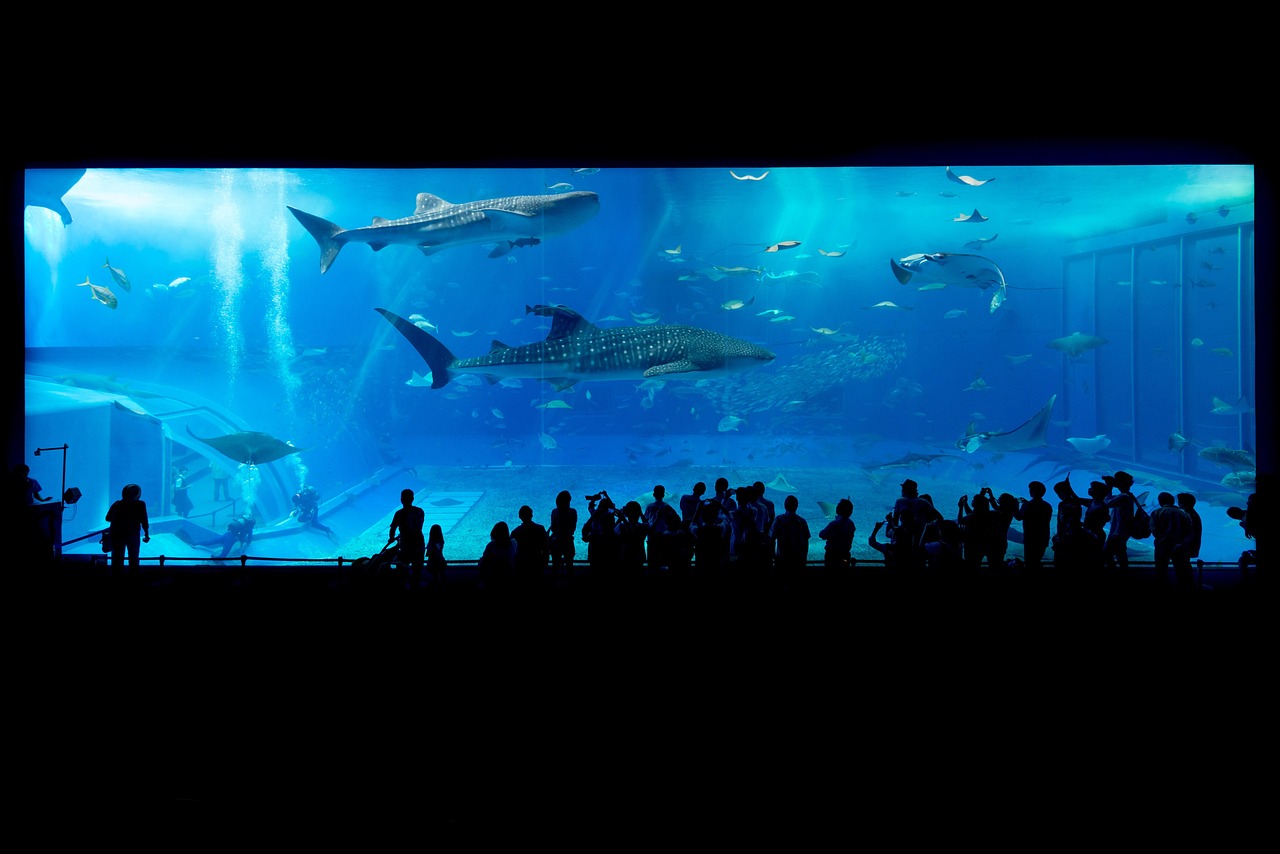
The centrepiece is the Pacific Ocean tank—widely regarded as one of the largest anywhere—and a view that makes even seasoned explorers fall silent. At points it reads as nine meters deep, and that sense of depth is what gives the scene its calm power: manta rays pass like calligraphy, sharks trace a clean line through the blue, and reef textures add intimacy to the scale.
Stand there long enough and the city fades. The scene becomes a slow, living mural—grand, but strangely soothing.
Best Kaiyukan viewing platforms for a calmer tank view
For a less crowded experience, arrive on a weekday morning and head straight for the wider platforms where the glass curves. Let others filter past, then settle into a respectful spot that doesn’t block anyone else’s view—this small care changes everything, especially for families.
- Choose a corner angle for a broader view of rays sweeping across the frame.
- Wait for a lull between school groups, then take 5–10 minutes in stillness.
- Keep photography gentle: no flash, and avoid hovering at the glass.
What the feeding session feels like and why it can turn personal
The signature feeding is unforgettable: staff commentary carries across the crowd, explaining behaviours with expert warmth as the whale shark glides in, unhurried and astonishingly close. You’ll hear the soft shift in the room—people stop narrating their own day and simply watch.
Many visitors describe this as unexpectedly moving, and it can catch you off guard. If that happens, step back for a moment, breathe, and let the silence do its work—wonder doesn’t need a caption to feel real.
Arctic-to-Antarctic habitats at 海遊館: an immersive Kaiyukan experience around the Pacific rim
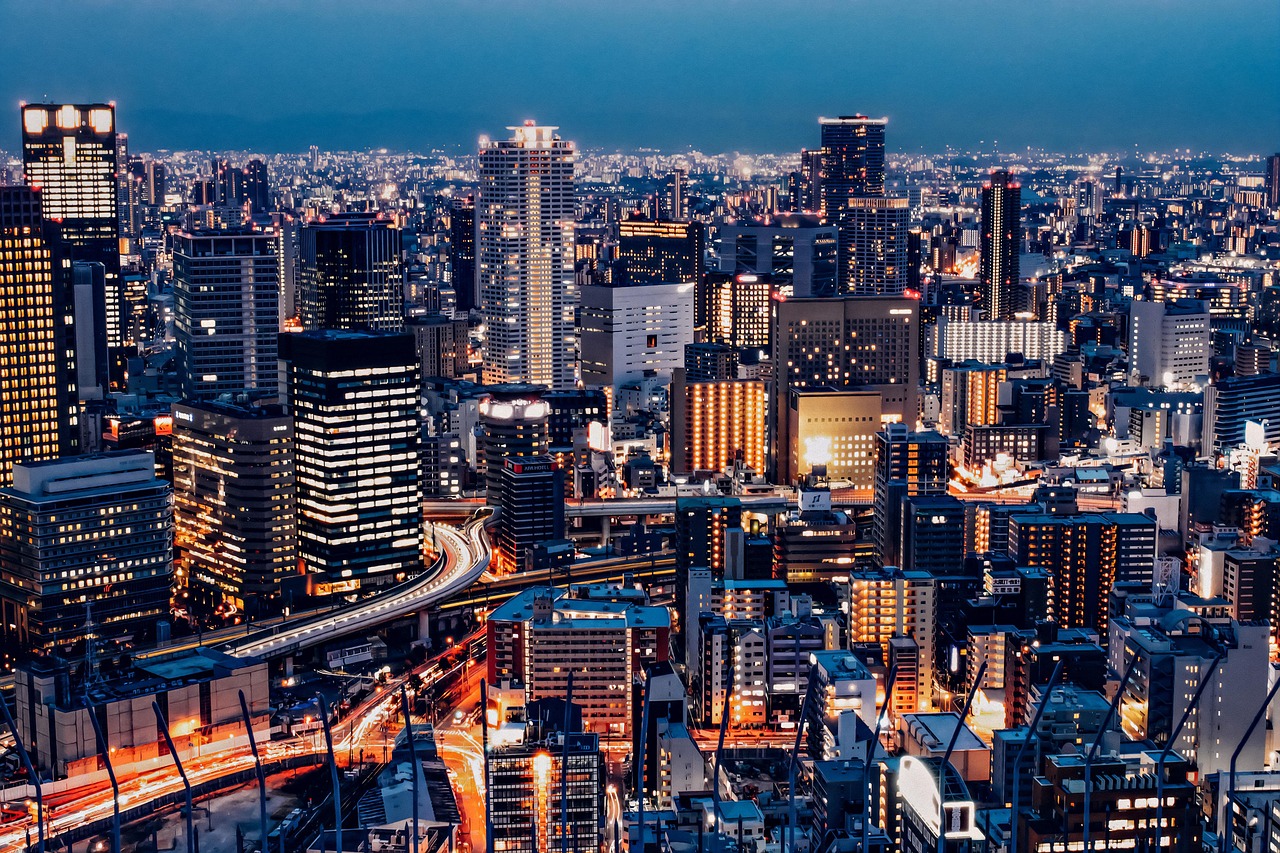
Arctic-to-Antarctic habitats at Kaiyukan: immersive themed zones
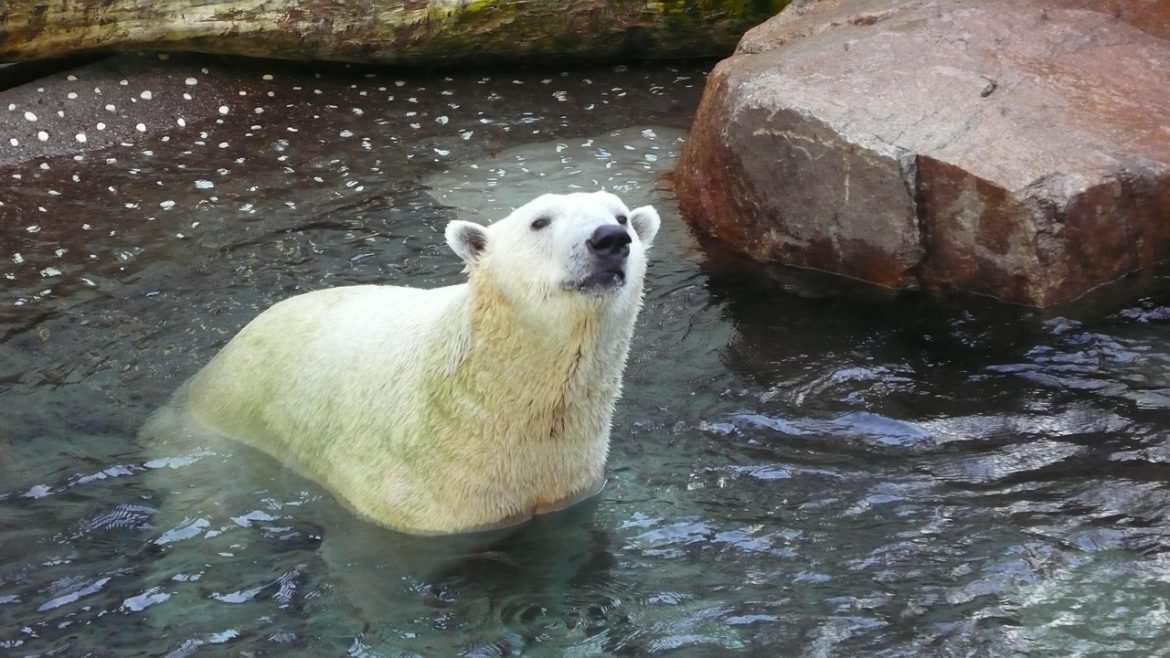
Beyond the central tank, the themed habitats feel like a world tour told through environments. One moment you’re in icy stillness, the next in a bustling coastal scene—without leaving Osaka, and without losing the thread of the main exhibit’s scale.
This is where curiosity becomes part of the experience: you start noticing how each environment shapes movement, sound, and even how quietly visitors speak as they pass.
Tunnel Tank passage and a 360-degree view that feels cinematic
The Tunnel Tank is the immersive pause point: a passage where life moves above and around you, creating a 360-degree view that feels like a slow film shot. It’s the kind of moment that makes you lower your shoulders, as if your body understands the water before your mind catches up.
Small moments on each level and how to approach touch pools with care
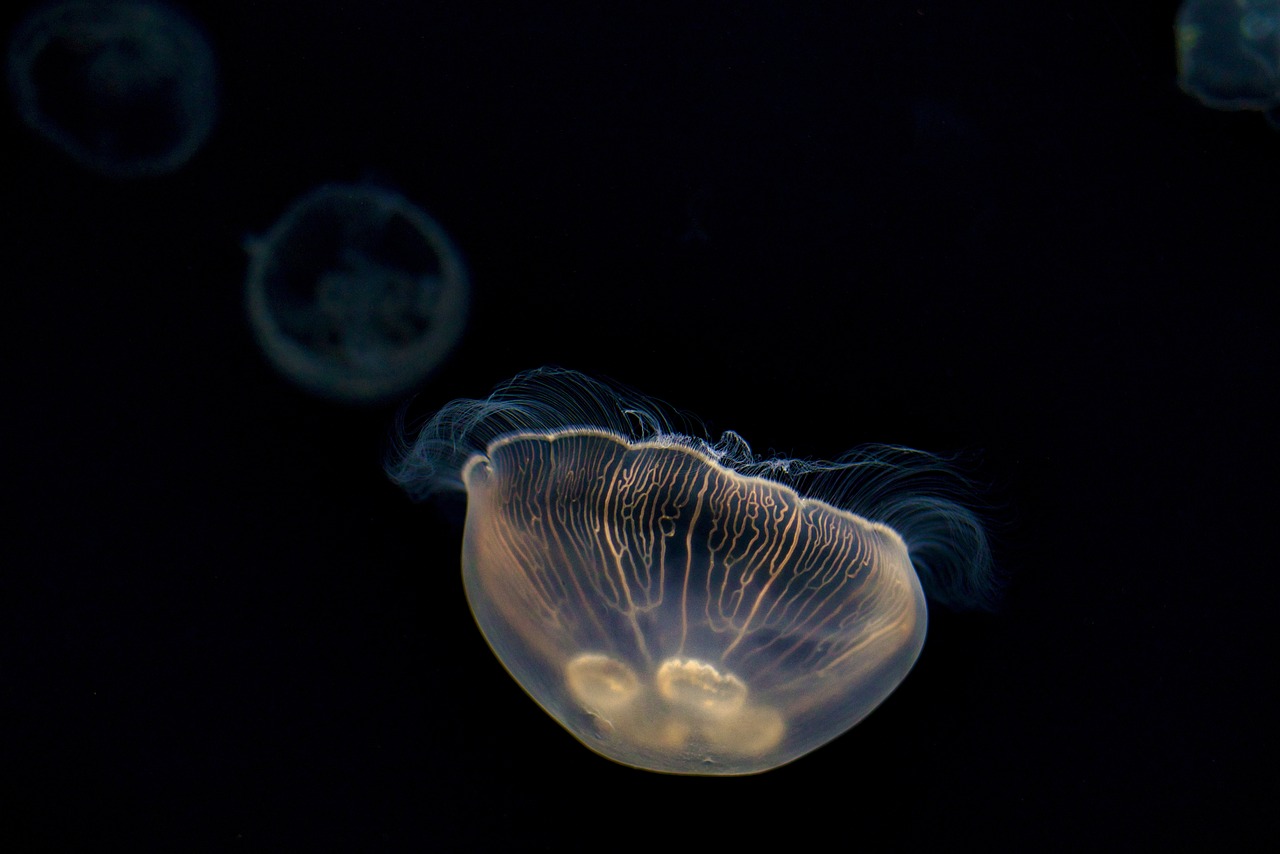
On different displays, look for the jellyfish-like drift that quiets a busy mind, then the penguin bustle that pulls laughter from even the most composed visitor. If seals or sea lions are present on your day, watch how staff interpretation adds insight—small cues about posture and play that turn simple viewing into understanding.
For hands-on discovery, the touch pools offer close encounters with starfish and small rays. Approach slowly, keep your hands low, and let the animal choose proximity; calm voices and patient behaviour protect both the creature and the overall experience. When you do see animals swim close by, it’s a reminder that gentleness gets you nearer than noise ever will.
Getting to Osaka Aquarium Kaiyukan: JR Osaka to Osakako Station via the Chuo subway line
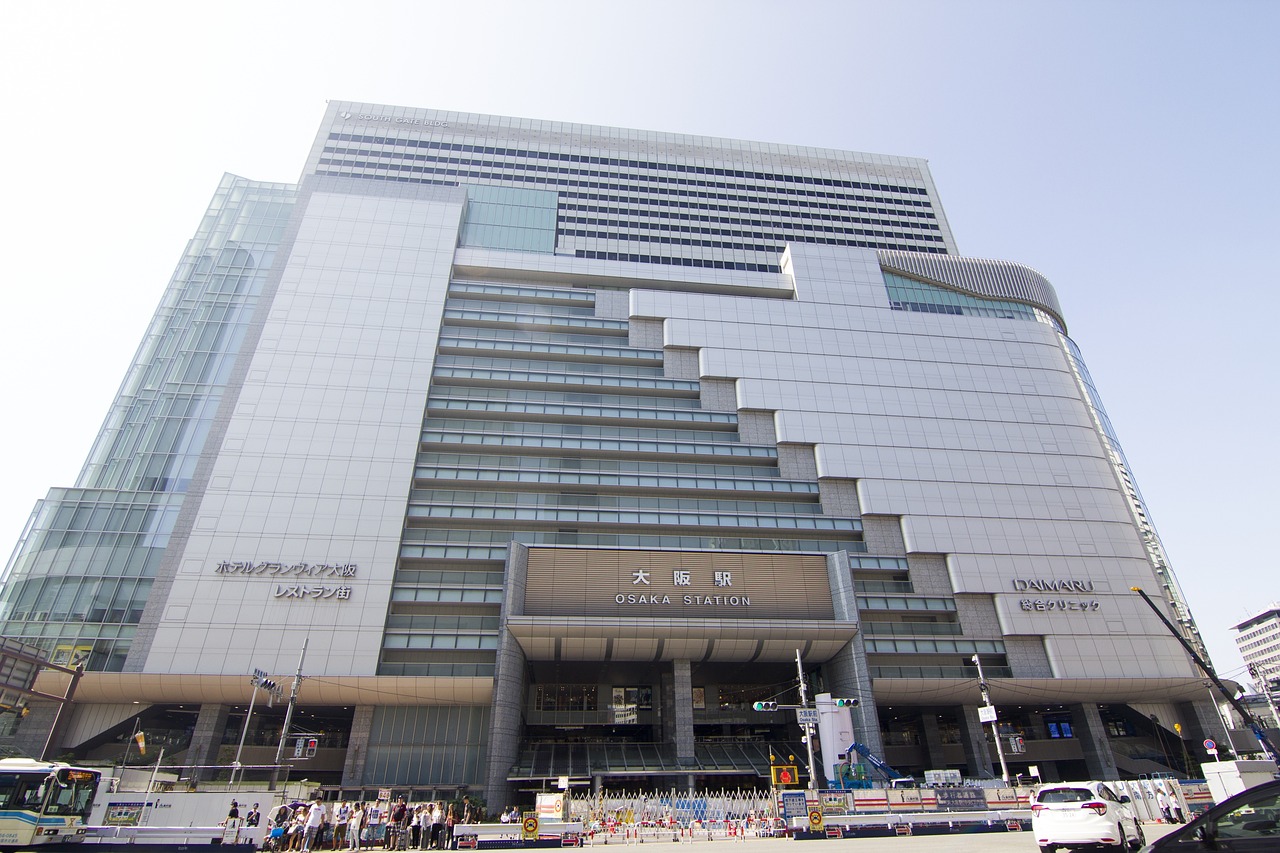
Getting to Kaiyukan from central Osaka: simple, well-signed access
If you’re figuring out directions from the JR Osaka area, it’s straightforward. Connect to the subway, take the Chuo line to Osakako Station, then it’s an easy walk to the site with clear signage and a steady stream of fellow visitors. If you prefer, you can also arrive by train first and transfer, but the route above is the simplest for most people.
For first-timers, the secret is to build in a small buffer and treat transfers as part of the day rather than a test. That mindset makes navigating a new city feel lighter—and it keeps your timing relaxed.
Best time strategy and how evenings change the atmosphere
Weekday mornings are your calmest window, especially in spring or late autumn when the pace feels more spacious. Evenings can be beautifully atmospheric too—great for softer light and an unhurried mood—just remember: photography is fine, but no flash.
Tickets, timing, and a practical care checklist for visitors
Entrance fees are typically around ¥2,400 for adults, with discounts often available for children and seniors. If you’re planning more time in the Tempozan area, combination passes can be good value; check the official site before you go for current options and timed-entry rules. For a smoother arrival, I recommend buying ahead when that option is available.
- Time inside: plan 2–3 hours for a complete experience without rushing.
- What to pack: a lightweight rain jacket in rainy season for partially exposed outdoor sections.
- Respect the space: quiet zones matter; never tap the glass—better viewing comes from patience.
- Comfort tip: take a short pause mid-route to reset your energy before the central platforms.
If you’d like to design a wider Japan itinerary with the same blend of comfort and curiosity, browse our Japan tour gallery for ideas.
Tempozan after the aquarium: local food at sunset and ferris wheel panorama
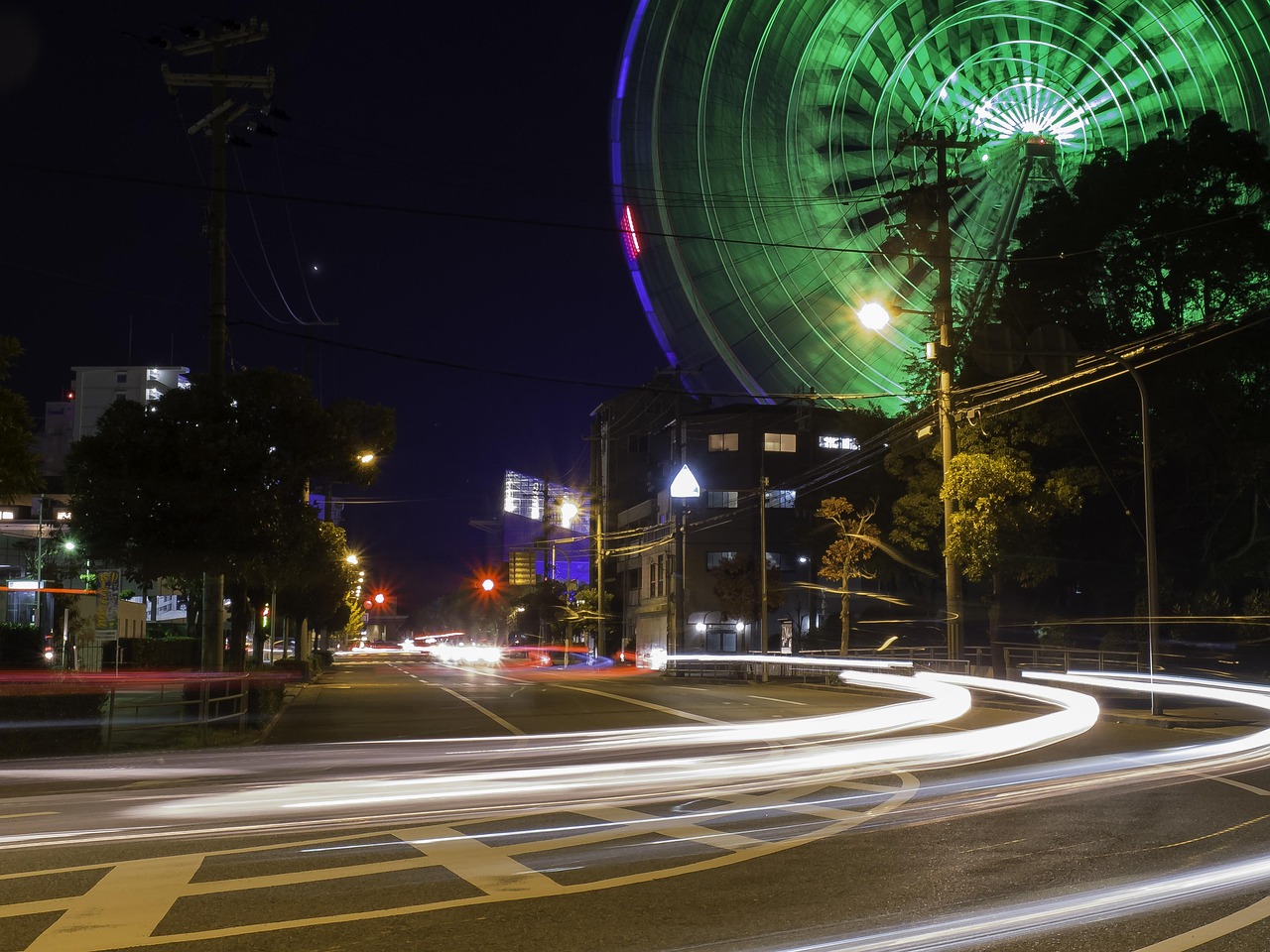
Tempozan after Kaiyukan: snacks, harbour air, and a panorama
After the indoor glow of the exhibits, Tempozan Harbour Village is a gentle second act. The harbour air, open sky, and slower pace help the day settle into memory—and as a simple waterfront attraction, it’s easy to enjoy even if you’re short on time.
Many visitors remember a quiet stroll here with snacks in hand, watching the bay turn gold. It’s the perfect contrast to the dark-blue calm inside.
A golden-hour Tempozan plan designed for sunset and panorama
Time it for late afternoon and you’ll catch the harbour at its softest. Watch the light change, then take the giant wheel for a city-and-bay panorama that echoes the day’s watery imagery—suspended, quiet, and a little dreamlike.
- Start: local street food as you wander the waterfront.
- Pause: a bench facing the bay for a shared moment together.
- Finish: the wheel when the sky begins to dim.
Optional pairings for adventure seekers with limited time
If your schedule is tight, consider a nearby museum stop to keep the cultural thread running, then save bigger thrills—like Universal Studios—on a separate full-day. That contrast works beautifully: quiet exhibits one day, roller-coaster adrenaline the next.
For groups, create a small ritual: pick a photo spot by the water, cross the little bridge on the way back, and share your favourite creature sightings over snacks. It sounds simple, but these are the moments people keep.
What stayed with me after Kaiyukan in Osaka: reflections from Osaka Aquarium Japan
When people look up Osaka Aquarium Japan reflections, they’re often trying to name something that doesn’t fit neatly into an itinerary. Long after I left Osaka, what lingered wasn’t a checklist—it was the sensation of scale from the central tank, and the way it subtly reshaped my attention to the sea back home.
The memory returns in flashes: the hush of a crowd becoming respectful without being asked, the way a child’s wonder can soften even the most seasoned adventurer, and the surprising comfort of finding quiet corners inside a popular place in the city.
I keep thinking about the symbolism of that immense presence gliding through water—quiet strength, unforced grace—reminding me that travel can be crafted with care. Small choices matter: timing your visit with patience, offering respect in shared spaces, and letting curiosity lead without demanding constant spectacle.
And perhaps that’s the gift of Kaiyukan: it doesn’t push you out with noise. It sends you back into Osaka steadier, carrying a private sense that there is always more beneath the surface—waiting, calmly, for the next time you choose to look.
FAQs: Osaka Aquarium Japan (Kaiyukan visitor guide)
Is it worth visiting Kaiyukan in Osaka?
Yes—especially if you value design-led storytelling and a calm, high-impact encounter with carefully curated habitats. The central tank can feel genuinely transporting, and the themed route makes the visit feel like a curated experience rather than a quick look around.
How many hours should you plan for Kaiyukan?
Most visitors need 2–3 hours to enjoy the main habitats, linger at the central platforms, and include touch-pool moments without rushing. Add extra time if you want a slower pace or plan to pair it with Tempozan afterward.
Is Kaiyukan one of the biggest aquariums in Japan?
Yes—Kaiyukan is often listed among the most significant in Japan for overall scale and its dramatic multi-level route around a massive central tank. The layout creates a strong sense of immersion that’s hard to match.
What makes the Osaka aquarium so special?
Its standout feature is the immense central tank and the way the spiral route keeps returning you to fresh perspectives. Combined with themed environments from cold regions to warmer seas and hands-on touch areas, it feels immersive, thoughtful, and memorable.