Post Contents
- Why the Path of the Gods feels like Italy’s most breathtaking Amalfi Coast hike.
- Bomerano to Nocelle Path of the Gods trail, Italy route for a famous hike
- How to reach Path of the Gods by bus or ferry from Sorrento to Amalfi Coast, Italy
- Tips for the Path of the Gods walk: wear suitable footwear, apply sunscreen, keep hydrated, and focus on safety while enjoying Italy.
- Positano, Agerola, Praiano after the Path of the Gods hike in Italy.
- F.A.Qs: Path of the Gods hike on the Amalfi Coast
- What stayed with me after hiking the Path of the Gods on the Amalfi Coast reflection Italy
Why the Path of the Gods feels like Italy’s most breathtaking Amalfi Coast hike.
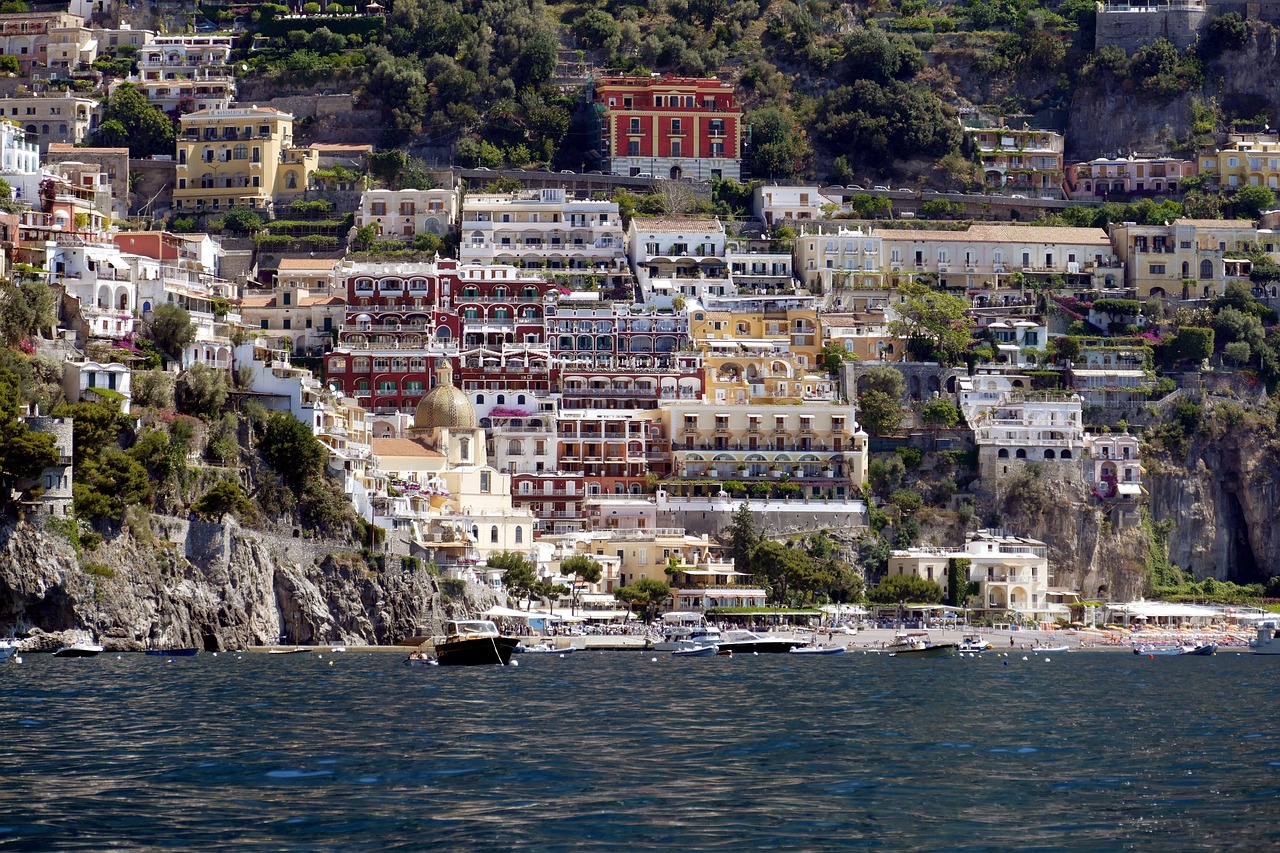
Why the Path of the Gods feels like Italy at its most breathtaking
The Path of the Gods Amalfi Coast hike overview. Italy is simple to describe and harder to forget: a high trail cut into the Lattari Mountains where the sea feels close enough to touch. The path of the gods is known locally as the Sentiero degli Dei, and its modern legend stems from what it offers—scale, silence, and perspective—without ropes or technical gear.
There’s often a particular moment when the path of the gods becomes personal. You round a bend, the vegetation thins, and the coastline opens out like a theatre set—Positano far below, boats stitching white lines into blue. Many hikers describe it as a spiritual experience, not because it’s dramatic (it is), but because it asks you to slow down and simply be present.
Ancient tracks, living culture, and a trail that still feels timeless
This trail wasn’t created for photos; it was created for life. Long before it became a famous hike, it served shepherds and farmers as a route between small communities when the coastal road was a dream. You can still sense the older rhythm in the stonework, the terraces, and the way local walkers greet you with a warm nod—small local gestures that offer insight into a place that’s proudly itself.
For adventure seekers, it’s a satisfying middle ground: real terrain, real exposure in places, yet accessible with care. Expect uneven sections, a few staircase stretches, and tripping hazards like tree roots and loose stones. The reward is not only the scenery, but the steady confidence you create step by step—especially when you choose patience over speed.
Design your day with calm adventure and a cultural finish
To hike the path well, start early for cooler air and clearer views. Decide your route in advance, keep your plan seamless, and leave room for an unhurried afternoon in Positano or Agerola. That’s where the day becomes more than a line on a map—where a shared meal, a local story, or a quiet terrace pause turns the “path of the gods” into a memory you can trust yourself to return to.




Bomerano to Nocelle Path of the Gods trail, Italy route for a famous hike
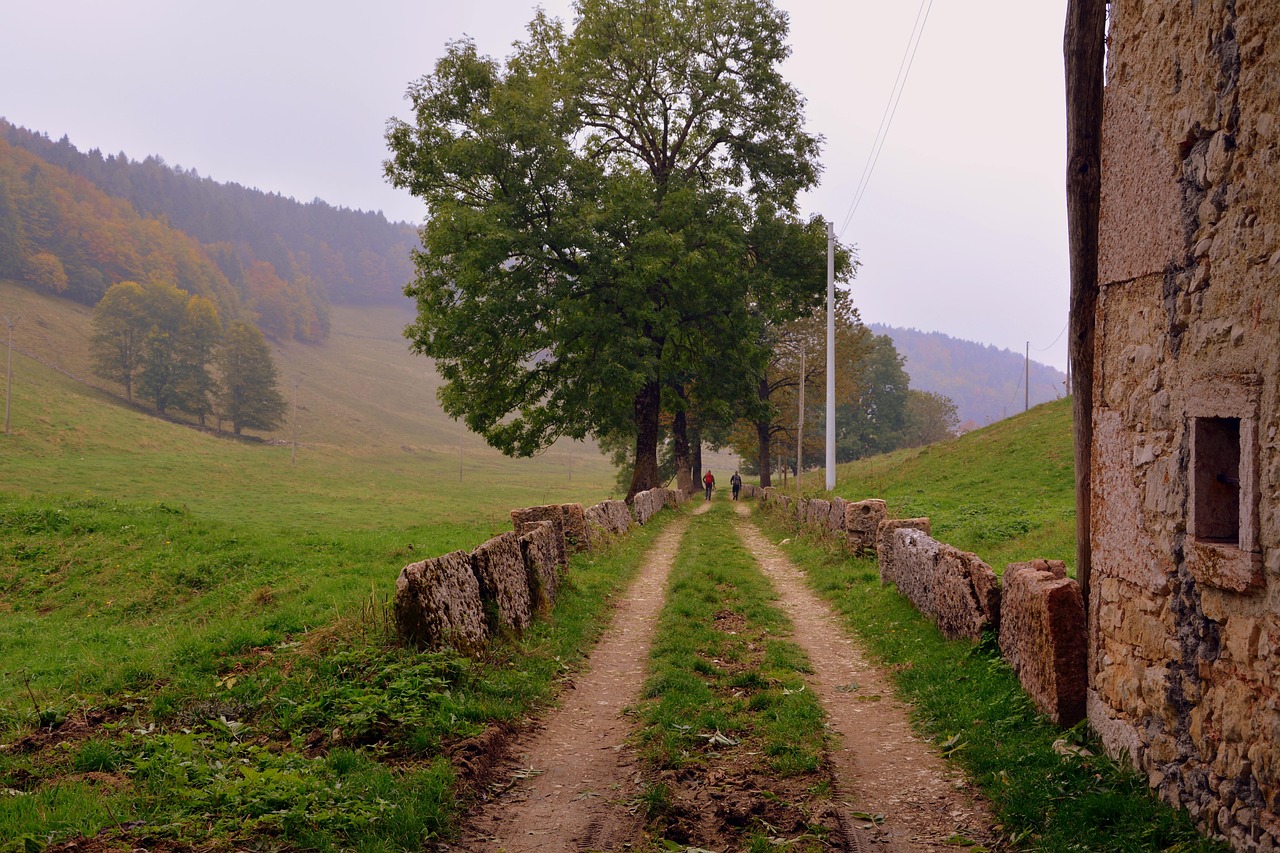
Bomerano to Nocelle route design for the famous hike
The Bomerano to Nocelle Path of the Gods trail in Italy is the classic direction for good reason: it’s intuitive to navigate, and the best views unfold naturally in front of you. There are different starting points along the Amalfi Coast, but beginning in Bomerano keeps the morning calm and the logistics straightforward.
Finding the path of the gods’ trailhead in Bomerano
Your first small win is locating the path of the gods’ trailhead without stress. In the centre of Bomerano, look for clear signage and the familiar red-and-white trail marks—here you’ll often feel the village waking up around you. The trailhead in Bomerano is also a good place to top up water, settle your backpack straps, and take a breath before the day properly begins.
Once you set off, the hike quickly establishes its rhythm. You’ll move between shaded woodland and open slopes, with a dirt path underfoot that can turn loose after dry spells. A short paved road crossing or two breaks the flow, reminding you that people still live and work here, not just visit.
Along the trail to viewpoints and the village of Nocelle
As you progress along the trail, the cliffside sections arrive—never constant, but dramatic enough to keep your attention. On clear days, you may even glimpse the faraglioni of Capri in the distance, a tiny detail that makes the horizon feel layered. This is where the hike runs above the coastline, and the views of the Amalfi Coast feel surreal rather than merely pretty.
Plan small pauses at natural terraces and hamlet viewpoints; they’re perfect for photos and for lowering your heart rate without losing momentum. Then, almost quietly, you reach the village of Nocelle. The end of the trail has a gentle, satisfied feeling: you’re above Positano, legs warmed by effort, mind clearer than it was an hour ago.
For an adventure-seeker’s personal challenge, pace the trek by landmarks rather than time. Photograph the coastal drama when the light is kind, then keep moving—steady steps build trust in your body, and you’ll finish stronger than if you rush.
How to reach Path of the Gods by bus or ferry from Sorrento to Amalfi Coast, Italy
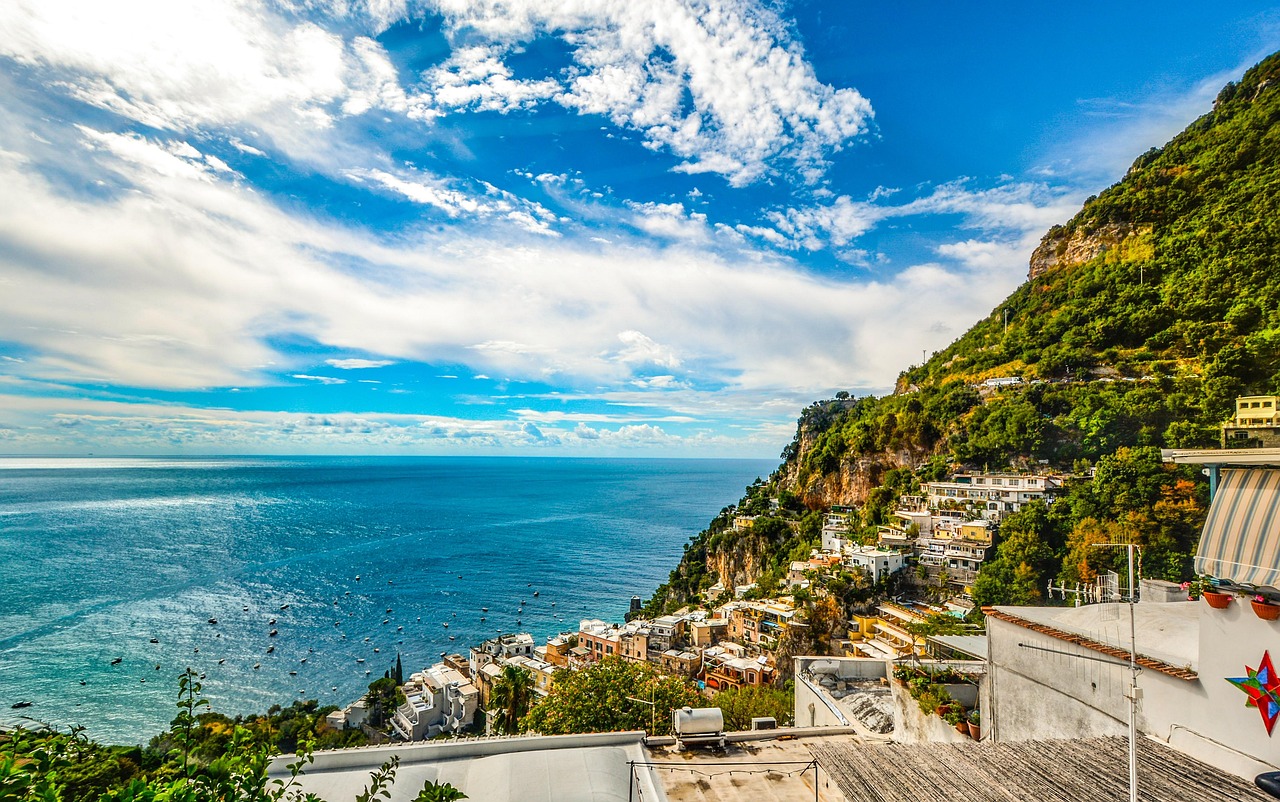
Getting there by bus and ferry from Sorrento and the Amalfi Coast
If you’re wondering how to get to Path of the Gods by bus or ferry, Sorrento, or the Amalfi Coast, Italy, think of it as two elegant bases and one mountain link. Sorrento and Amalfi are the practical hubs; from there, you can reach Agerola and Bomerano by public transportation. Once you frame it like that, the day feels designed rather than improvised.
Step-by-step arrivals from Sorrento and Amalfi
From Sorrento, you can travel towards Amalfi by road, or choose a seasonal ferry option if you’re already staying on the coast. The ferry can feel like a soft beginning to an active day—salt air, sun on the water, and the coastline revealing itself gradually.
Arriving in Amalfi, head to the bus station area and allow a timing buffer for queues in peak months. The connection you want is Amalfi to Agerola, then onward to Bomerano. Write the stop names down (paper is underrated), and keep an offline map saved—this small preparation is expert travel with care.
Reading the SITA bus system and planning your return
The local SITA bus is the backbone of travel on the hillside here. “SITA” is simply the regional operator; the key is matching the destination board to Agerola/Bomerano or to Nocelle/Positano. If you’re unsure, ask the driver or a local with a friendly greeting—people are used to helping hikers, and the exchange often adds unexpected insight.
For the return, you have choices depending on your energy. After reaching Nocelle, many travellers take the bus down to Positano, then continue by road or ferry. Alternatively, you can head back to Amalfi by bus, and later travel back to Sorrento if you’re staying inland.
One reassuring note: mobile reception can be limited on the path of the gods, and even in villages, signals can dip. Build a calm backup plan together—offline maps, written stop names, and a simple rule: if you miss a bus, you pause, hydrate, and take the next one. This is how you keep the day seamless without forcing it.
Tips for the Path of the Gods walk: wear suitable footwear, apply sunscreen, keep hydrated, and focus on safety while enjoying Italy.
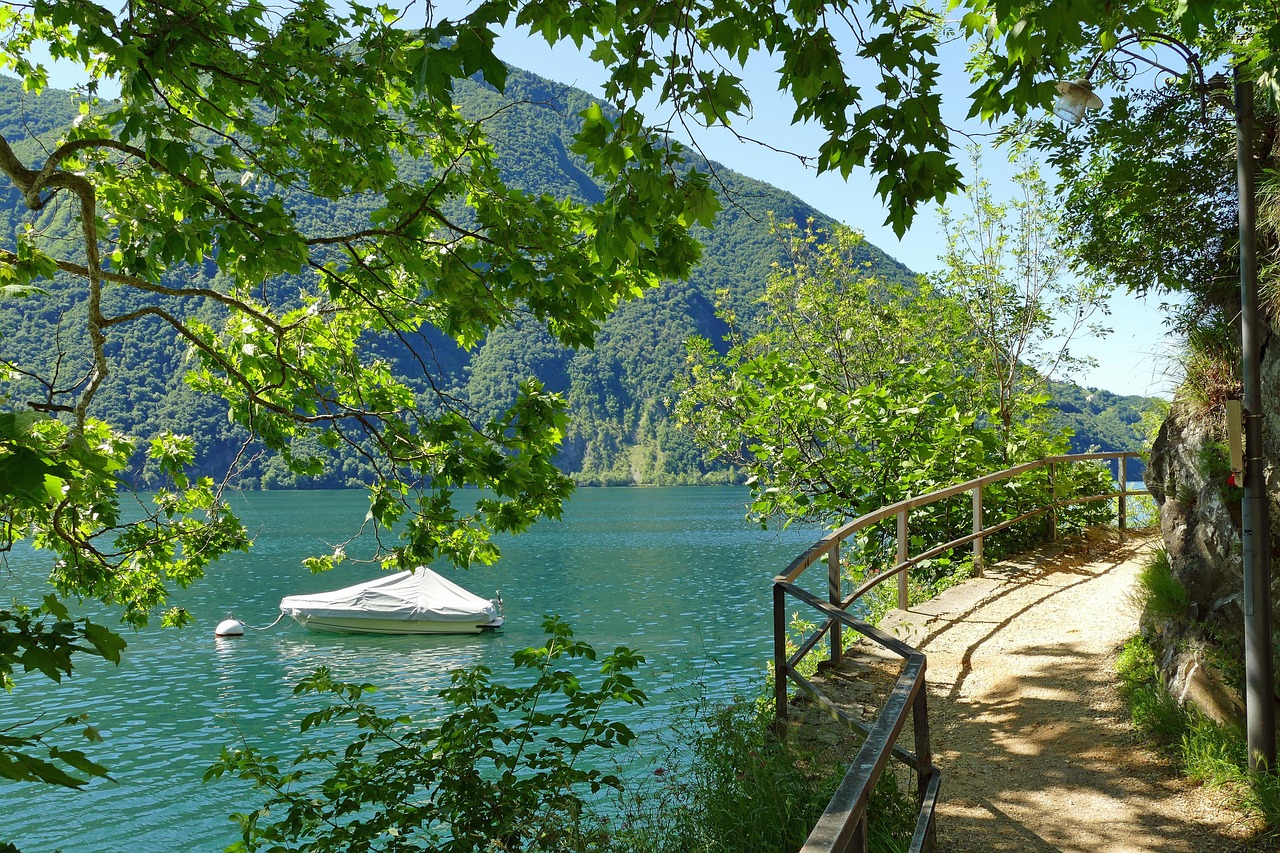
What to pack and how to hike with confidence on the Amalfi Coast
Great days on the trail are built on small, practical decisions, and these Path of the Gods hike tips, footwear, sunscreen, water safety, and Italy are what I’d share with a friend. You don’t need to over-prepare, but you do want to feel steady on your feet and supported in the sun—especially in late spring and early autumn when conditions are at their best.
Footwear and sun strategy for an uneven trail
Choose reliable footwear first. Sturdy hiking shoes are ideal for grip on loose stones; hiking boots are excellent if you like extra ankle support. Hiking sandals can be tempting on hot days, but they’re risky on uneven ground, especially where gravel shifts underfoot.
For heat, pack sunscreen, and wear a hat with breathable hiking clothes. Most importantly, bring plenty of water—enough for the full hike, plus a little extra for delays. A light snack and electrolytes can make the last kilometres feel surprisingly kind.
Trail safety, etiquette, and the best light for photographs
Follow the white and red trail marks, keep your eyes up for tripping hazards, and stay mindful around drop-offs. When the path narrows by a cliff, give space, let faster walkers pass, and keep noise low; the calm is part of the experience on Italy’s Amalfi Coast.
For photography, start early for clearer air and softer colours. If you time it well, you’ll catch Positano nestled below in a glow that feels crafted by nature. Sunrise is often quieter; sunset can be romantic if you’re confident with timing and transport.
- Trail time: the path of the gods is about 7.8 km and commonly takes around 3 hours, depending on pace and photo stops.
- Cost: There’s no entrance fee; guided experiences vary.
- Mindset: be the hiker who greets locals, respects nature, and explores with care.
One of my favourite memories is a small moment of support: a fellow walker paused by a fountain near a tiny piazza, offered a refill, and we traded route tips like old friends. It’s amazing how quickly confidence grows when you’re moving together, even briefly, along the path.
Positano, Agerola, Praiano after the Path of the Gods hike in Italy.
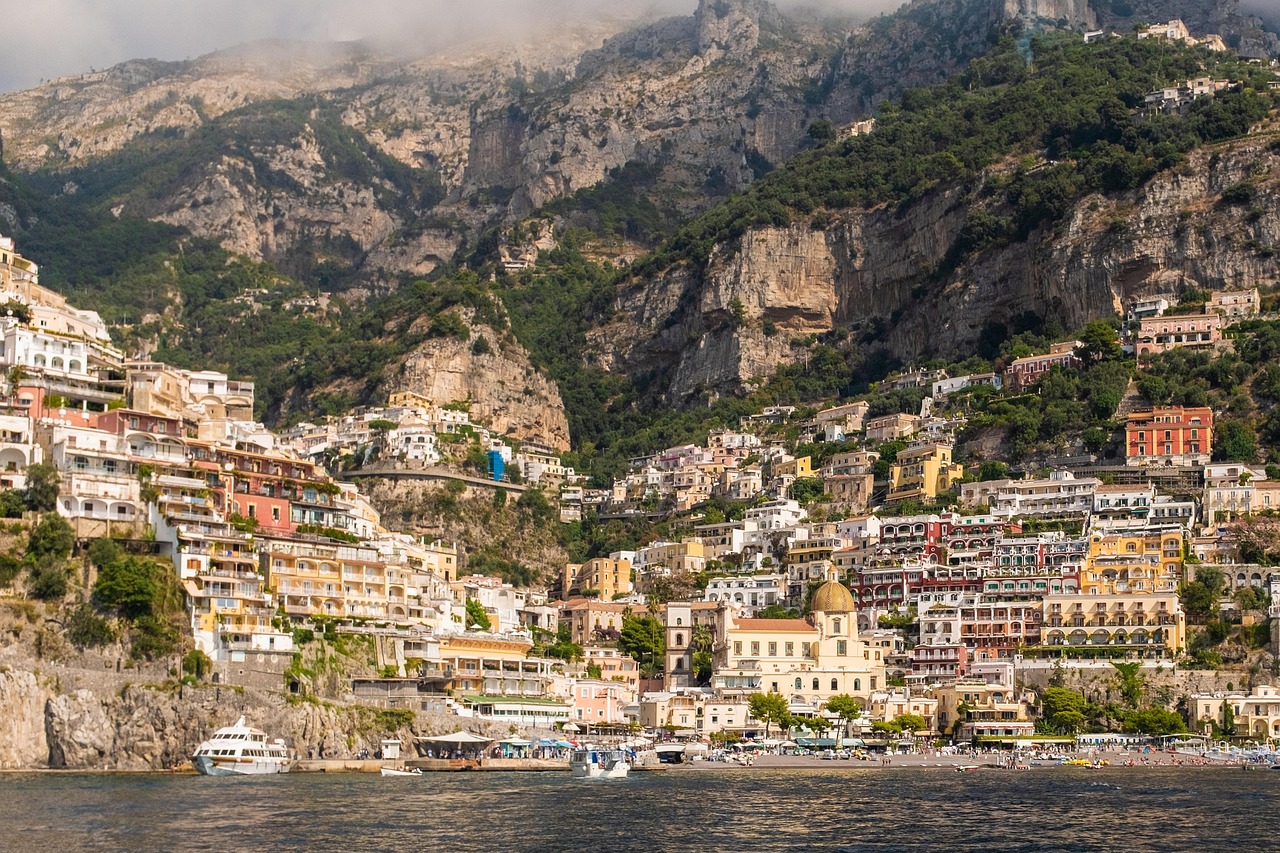
Explore Positano, Agerola and Praiano for local flavour and insight
The Positano Agerola Praiano after Path of the Gods hike Italy trip question is really about pacing: how to extend the day without turning it into a checklist. The sweet spot is a simple post-hike flow from Nocelle or Positano, built around one cultural linger and one good meal.
Positano for a cliffside pause and crafted photo spots
Positano is dazzling, and it’s also easy to overdo. Choose one viewpoint, wander a few cliffside lanes, and then pause on a shaded terrace when the crowds swell. A cold lemonade can be the reset you didn’t realise you needed after the hike, especially if you’ve been concentrating on footing all morning.
If you’re looking for stunning coastal views without jostling, step slightly away from the busiest stairs and look back towards the layered houses. It’s a reminder that the Amalfi Coast’s beauty isn’t only the sea—it’s how people built their lives into the slope.
Agerola and Praiano for quieter local insight
If you’d rather uncover a calmer side, go back up towards Agerola. The hamlet of agerola feels grounded, with small mountain eateries where conversations linger. A few travellers I’ve met still talk about shared meals there—simple plates, warm service, and that contented quiet that arrives when you’ve earned your appetite.
For food and drink, seek places that feel crafted rather than touristy. A limoncello tasting can be intimate and local when it’s offered with a story, and regional cuisine tastes different when you’re still carrying the salt-air of the Amalfi Coast in your hair.
If you have extra time, design an add-on that respects transport realities. A short detour to Praiano can feel like a soft exhale, while an evening in Ravello offers music, gardens, and high views—just keep bus frequency and fatigue in mind so the day stays seamless.
For a little inspiration before you go, you can explore our Trip gallery and imagine how to weave this hike into a wider Southern Italy journey with the right balance of comfort and adventure.
F.A.Qs: Path of the Gods hike on the Amalfi Coast
F.A.Qs: Path of the Gods hike on the Amalfi Coast
How long does it take to walk the Path of Gods?
Most people walk the path of the gods in about 3 hours for the main section, depending on pace, photo stops, and trail traffic. The full experience can take longer once you add breaks in Bomerano, time in Nocelle, and any connection down towards Positano. Starting early helps you walk comfortably and enjoy clearer air.
What is the path of the gods in Italy?
The path of the gods is a celebrated hiking route on Italy’s Amalfi Coast, also known as the Sentiero degli Dei. It follows historic shepherd and mule tracks across the mountains above the sea, linking communities such as Bomerano and Nocelle. People hike it for its cultural layers, dramatic scenery, and the feeling of walking high above the coastline.
How difficult is Path of the Gods?
The hike is moderately challenging: it’s not technical, but it includes uneven ground, steps, and occasional exposed sections where you’ll want steady footing. Good footwear, water, and a calm pace make a big difference. If you’re comfortable walking for a few hours and you take care around loose stones, it’s an achievable and rewarding day.
Is the Path of the Gods worth it in Italy?
Yes—if you enjoy active travel with a sense of place. The path of the gods delivers exceptional views, but also something quieter: the pleasure of moving through a landscape shaped by local life. Pairing the hike with time in Positano or Agerola, plus a relaxed meal, makes it feel like a complete experience rather than just a famous trail.
What stayed with me after hiking the Path of the Gods on the Amalfi Coast reflection Italy
The Path of the Gods Amalfi Coast hike reflection Italy is not a souvenir you pack away; it’s a feeling that returns at unexpected times. Days later, I still sensed the scale of the Amalfi Coast—how the cliffs hold the villages, and how the sea changes colour without asking anyone’s permission. The path of the gods becomes a quiet place in your mind, a reminder that there’s always more space in the world than your calendar suggests.
What stays, too, are the human details. A local greeting offered without fuss. A small kindness when your legs feel tired, and you choose to keep going anyway. The trust you place in yourself on a long staircase, and the gentle relief when the ground levels out again.
And then there’s the landscape itself—cliff and sky and the steady movement of light. It encourages gratitude rather than conquest, as if the coast is teaching you to explore with care. It’s hard to return to ordinary life without carrying a little of that perspective: the idea that you can move slowly, notice more, and still arrive exactly where you need to be.
I often imagine coming back in a different season, not to repeat the same day, but to discover what I would notice next time—new scents in the vegetation, different shadows on the rock, another quiet conversation along the path of the gods, waiting without urgency.