Post Contents
- A Designed First Day in Palermo Sicily travel guide for things to do.
- Markets in Palermo and a Street Food Walking Tour markets in Palermo street food tour Sicily eat in Palermo
- Norman Wonders and Palermo’s Cathedral, Palatine Chapel, Palazzo dei Normanni in Sicily.
- Teatro Massimo Nights and the Best Things After Dark at Italy’s largest opera house in Palermo.
- Visit the Capuchin Catacombs and enjoy sunset views of Palermo, including a day trip to Monte Pellegrino.
- Palermo leaves lasting impressions after visiting Sicily, reflecting personal experiences of the city.
- F.A.Qs: Things to do in Palermo, Italy
A Designed First Day in Palermo Sicily travel guide for things to do.
A Designed First Day in Palermo City with a gentle walk through the old centre
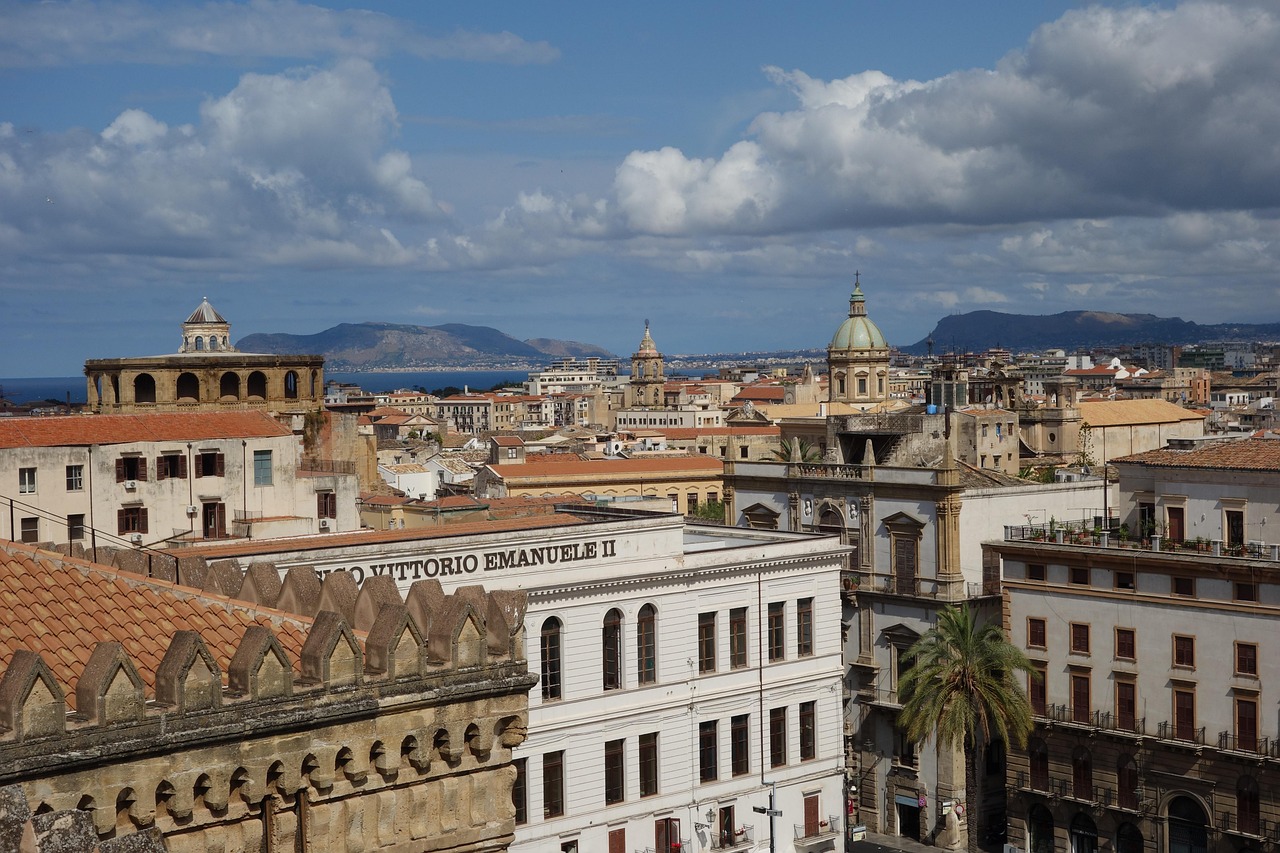
For a first day in Palermo, Sicily, travel guide moments matter: the tone of your arrival, the ease of your first coffee, and the feeling that you’re supported. Palermo is a city that meets you halfway when you wander with care—especially in the old city—where balconies lean in close, and the air carries citrus, espresso, and sea salt all at once. If you’re visiting Palermo for the first time, start gently: not as a list of things to tick off, but as a rhythm you can trust.
We often design this opening as a slow, confident walk that lets you get your bearings without over-planning. It’s one of the best things you can do in Sicily on day one: create space for the city to introduce itself, then let a few landmark moments anchor the rest.
Palermo walking tour along Via Vittorio Emanuele and Via Maqueda
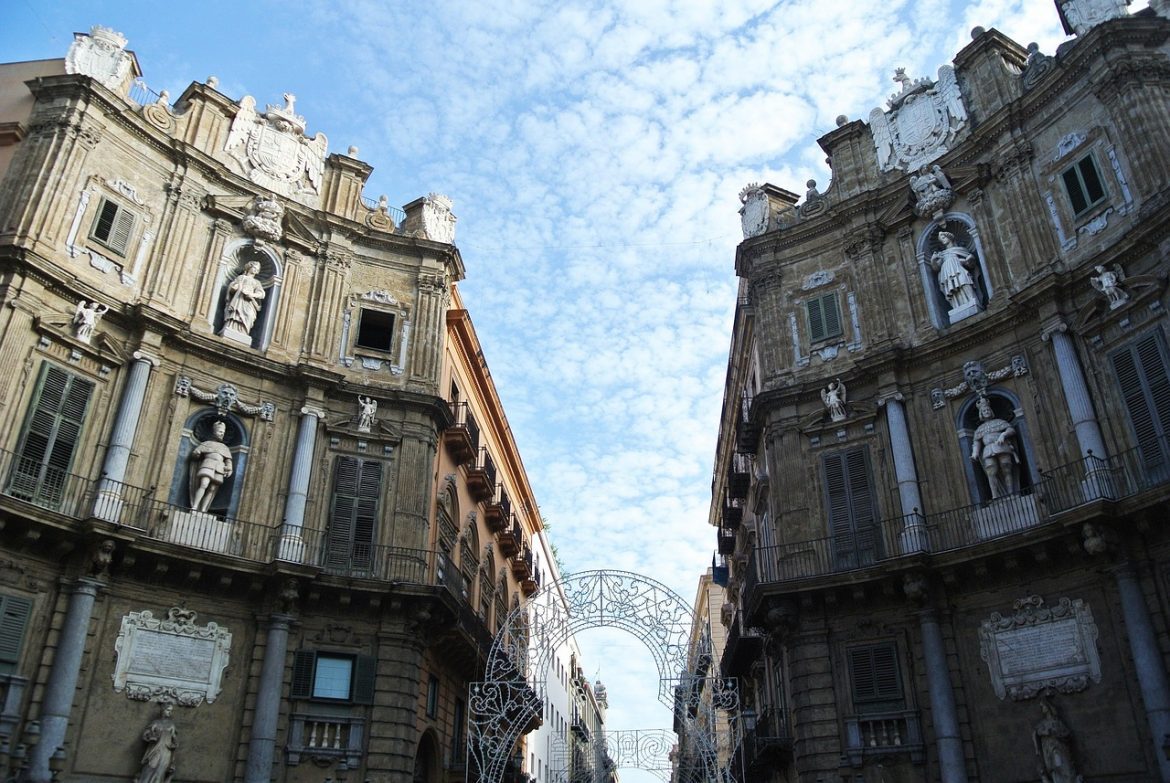
Begin in the centre of Palermo, then follow Via Vittorio Emanuele—an elegant spine through layers of history—until it meets Via Maqueda at the famous Quattro Canti. This is Palermo’s theatrical crossroads: four curved façades, statues poised above you, and the sense that the city is both stage and audience.
From here, keep the pace unhurried. Dip into a nearby piazza for a quick pause, then continue with a little curiosity: step into a side street to discover a courtyard, or linger where the light softens the stone. In Sicily, small detours often become the most personal memories, and a good local guide will offer insight without turning the experience into a lecture.
A fountain and statue pause at Fontana Pretoria della vergogna
A short stroll brings you to Fontana Pretoria, nicknamed della vergogna—the “square of shame”—for its bold, bare marble figures. The fountain is a perfect Palermo contrast: grand and slightly mischievous, formal and alive, framed by everyday city life. Take a moment to notice the statue’s details and how locals move around it as if it were part of the family.
This is where many travellers feel Palermo and Sicily “click” for the first time: the city doesn’t hide its contradictions, it holds them together. That’s also why a designed start matters—so the busier energy never overwhelms your time in Palermo.
Practical luxury pointers for where to stay. If you plan to stay in Palermo, a boutique hotel in a quieter street can be transformative—especially if you want restful sleep after market mornings and theatre nights. If you prefer nightlife and late dining, choose a stylish base closer to the historic centre, but ask for a room away from the noisiest corners. Booking earlier is wise during the shoulder seasons, when Sicily is at its most comfortable, and a concierge can design a seamless route: timed entries, trusted drivers, and dining reservations that feel effortless rather than over-orchestrated. For itinerary inspiration across Italy, you can browse our Trip gallery.
Logistics snapshot for a trip to Palermo. The best time to visit is April–June or September–October, when Sicily feels luminous but not packed. Arrivals are simple via Palermo Falcone-Borsellino Airport, with direct flights from major European hubs. In the city, walking is often the most beautiful option; buses and trams are budget-friendly; taxis are useful late at night—just agree on fares beforehand for peace of mind.
- When to go: late spring or early autumn for calm weather and fewer crowds.
- Getting in: fly into Palermo Falcone-Borsellino Airport; pre-book a transfer for ease.
- Getting around: walk the core, use taxis for comfort, and keep public transport for straight hops.
Once you’ve felt the city’s pulse, you’re ready for the most delicious part of Palermo: its markets.




Markets in Palermo and a Street Food Walking Tour markets in Palermo street food tour Sicily eat in Palermo
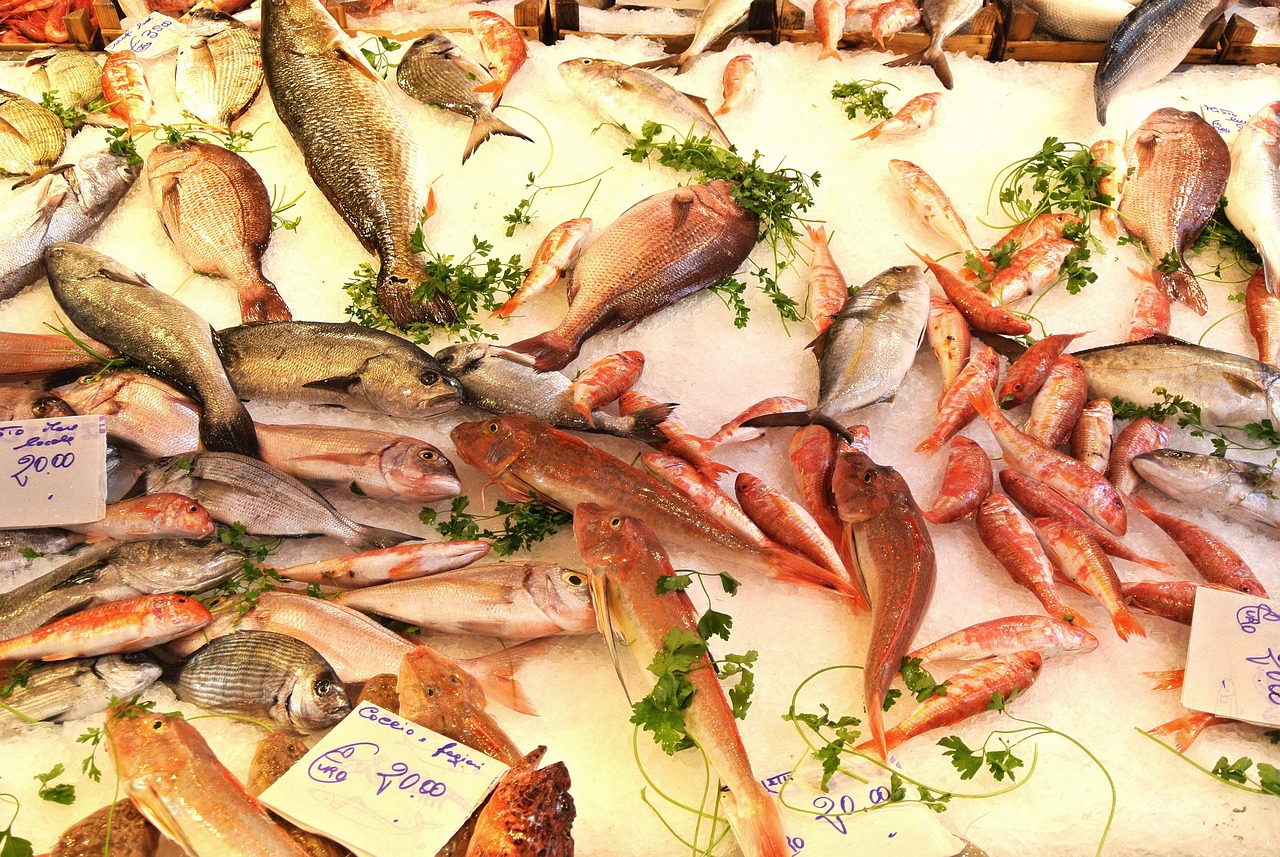
Markets in Palermo and a Street Food Walking Tour with vibrant stalls and Sicilian flavours
To understand markets in Palermo, take a street food tour in Sicily, eat in Palermo culture, and go early—before the day warms and the lanes fill. Market life here isn’t staged; it’s practical, loud, affectionate, and deeply local. Ballarò is the headline, but it’s part of a trio of historic markets that make Sicily feel immediate: a place where you can taste, talk, and learn without needing a reservation.
In crowds, keep valuables secure and stay alert for pickpockets—especially when you stop to photograph a display or count change. A private guide or a trusted fixer is less about exclusivity and more about support: they’ll lead you to the best street food, translate with warmth, and help you order with confidence.
Guide to the best things in Ballarò and other markets in Palermo
Ballarò is the sensory one: vendors calling, knives tapping, crates of citrus and tomatoes stacked like still-life paintings. Vucciria is more nocturnal in spirit, while Capo sits between the two—busy but often a little easier for first-time visitors. A good guide to the best things in the market scene is simple: arrive hungry, keep your pace relaxed, and let one or two flavours be the focus rather than attempting everything at once.
If you want to explore gently, step into a quieter lane whenever you need a breather. Sicily is generous, but it can be intense—so we design market time with small pauses built in, rather than pushing through.
Street food walking with panelle, arancini, cannoli and gelato
Build your street food walking route like a crafted tasting: start with something salty, move to something rich, then finish with something sweet and bright. Panelle—thin chickpea fritters—are your warm-up. Arancini (or arancine, depending on who you ask) bring comfort and heft, best shared so you can keep room for the finale. A refined cannoli should crack, not crumble, and the ricotta should taste clean rather than sugary.
Somewhere between bites, add gelato as a palate reset—pistachio or almond is very Sicilian, and it keeps you cool when Sicily turns up the heat. And just once, because it deserves the name: Palermo street food is at its best when you stop trying to “do it right” and simply let it be a conversation between you and the city.
Personal story, straight from the market. One traveller told us the moment Palermo became real wasn’t at a monument, but at a roadside vendor in Ballarò. They watched fresh panelle slide from oil to paper, took a bite, and heard the vendor’s joking patter—half performance, half genuine kindness. With a simple “grazie” and a smile, they felt welcomed into daily life, not kept at a distance.
When to upgrade from bites to a tasting menu. Street food is inexpensive, which makes it a joy—little pleasures without commitment. But for high-end travellers, the perfect pairing is to visit markets by daylight, then book a composed dinner in the historic centre. Expect higher prices in the most sought-after rooms, especially for tasting menus that highlight Sicilian seafood, citrus, and local olive oil. Ask your hotel to book the best tables, ideally with a late seating that suits Palermo’s pace.
An optional add-on for a deeper connection. A cooking class in Palermo can be surprisingly calming after the market’s buzz: begin with shopping, then learn technique—how to handle seasonal Sicilian ingredients, how to balance sweet and savoury, and how to recreate one dish back home as a personal souvenir. The best classes feel supportive, not performative, and leave you with practical confidence rather than a rushed recipe sheet.
After the markets, Palermo’s grandeur lands even more powerfully—because you’ve tasted the city, not just looked at it.
Norman Wonders and Palermo’s Cathedral, Palatine Chapel, Palazzo dei Normanni in Sicily.
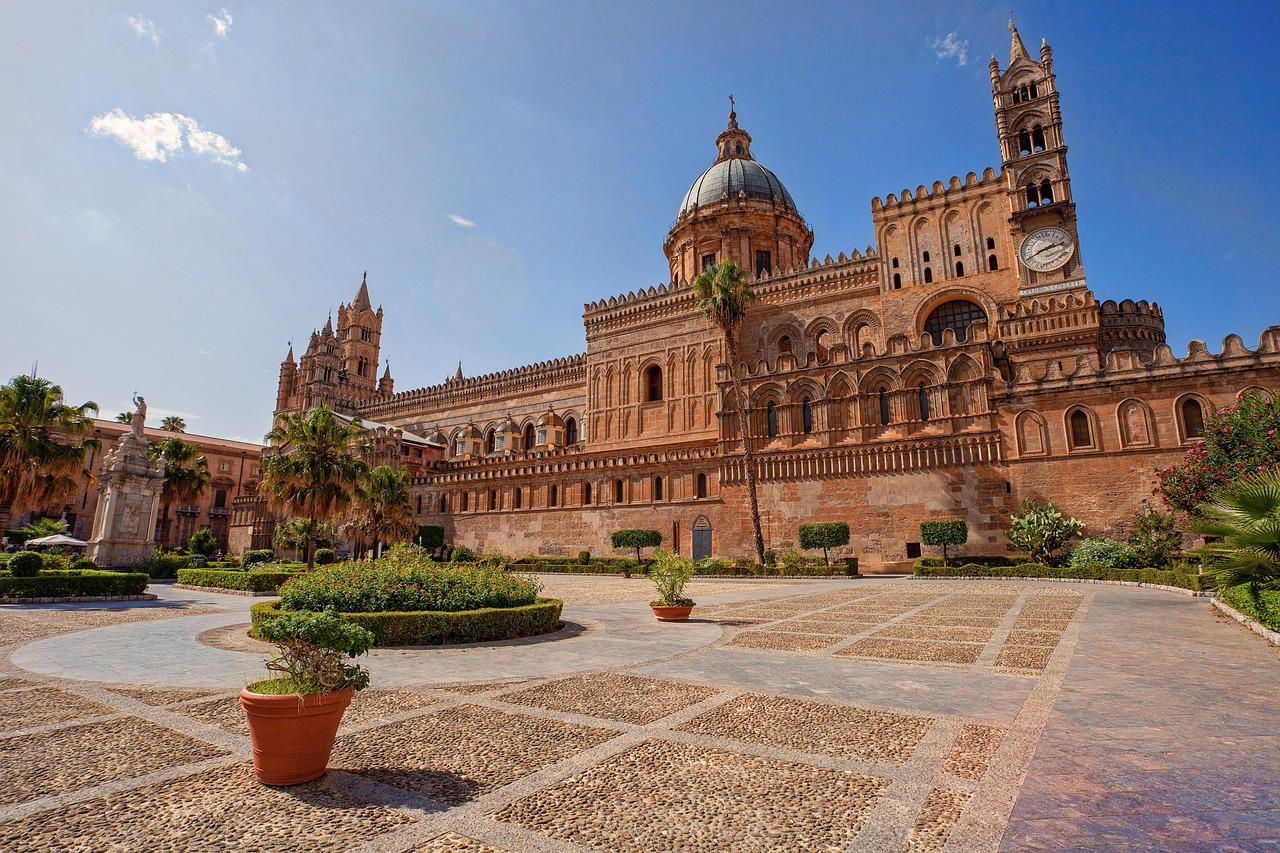
Norman Wonders and the Cathedral Heart of Sicily with Palermo Cathedral and royal architecture
Palermo Cathedral Palatine Chapel Palazzo dei Normanni Sicily—say those names out loud and you can hear the weight of history. This is the capital of Sicily at its most layered: a place where faith, power, and art overlap, and where one cathedral can hold multiple eras without apology. If you’re looking for a thing to do in Palermo that feels both beautiful and meaningful, this is the day to plan with intention.
Dress modestly for religious sites—covered shoulders and respectful hemlines—and you’ll feel immediately more at ease, moving with trust rather than second-guessing. For photography, the best light often arrives in the early hours, when stone surfaces glow rather than glare.
Palermo Cathedral is a living timeline worth a visit
Palermo Cathedral is a visual timeline: Norman strength, Moorish delicacy, and later Baroque touches woven into a single presence. It is worth a visit not just for its façades, but for the way it tells Sicily’s story without needing a caption. Take your time: step back to read the arches, then step inside to let your eyes adjust, and your thoughts slow down.
High-end travel here isn’t about rushing through “must-sees”; it’s about allowing a cathedral to be what it is—a living place—while still feeling supported by smart planning. A private guide can offer quiet context at the right moments, then step aside so you can have your own relationship with the space.
Palazzo dei Normanni and the Palatine Chapel Cappella Palatina
At the Palazzo dei Normanni, the experience narrows from city-scale grandeur to something intimate and luminous. The Palatine Chapel—Cappella Palatina—doesn’t simply “have” mosaics; it radiates them. Gold surfaces hold the light, and the figures seem to float in a glow that changes as you move.
Art-lover’s moment. An art lover once described standing very still as sunlight shifted across the Byzantine detail—faces, folds of cloth, tiny patterned borders—until the whole room felt animated. They weren’t thinking about the next stop; they were simply present. That’s the gift this chapel offers: a rare hush, even in a city that likes to speak loudly.
Understanding the history of Palermo, gently. Palermo’s story is a braid: Phoenician roots, Arab influence, Norman conquest, and later European layers. Local guides often share anecdotes that make the history human—how neighbourhood names hint at older languages, how recipes carry traces of trade routes, how architecture becomes a conversation rather than a museum piece. That kind of insight turns “facts” into something you can feel, and it helps you explore southern Italy with a more nuanced eye.
Refined extensions nearby. If you want to continue on foot, add Porta Nuova—an architectural punctuation mark—then seek out quieter churches in Palermo that offer calm after the chapel’s splendour. Santa Caterina is a beautiful counterpoint: ornate, yes, but often less crowded, and the crypt beneath adds a reflective note without the intensity of later stops in this itinerary.
Practical pacing, designed for ease. This is a day that benefits from structure. Timed tickets reduce waiting; a private guide helps you bypass friction; shaded breaks keep energy smooth and elegant.
- Book timed entry: especially for the royal complex in peak season.
- Plan a shaded pause: a quiet café stop protects your afternoon mood.
- Choose one extra church: rather than attempting every beautiful doorway.
As evening arrives, Palermo shifts again—less documentary, more cinematic. That’s when the city’s cultural confidence comes to the fore.
Teatro Massimo Nights and the Best Things After Dark at Italy’s largest opera house in Palermo.
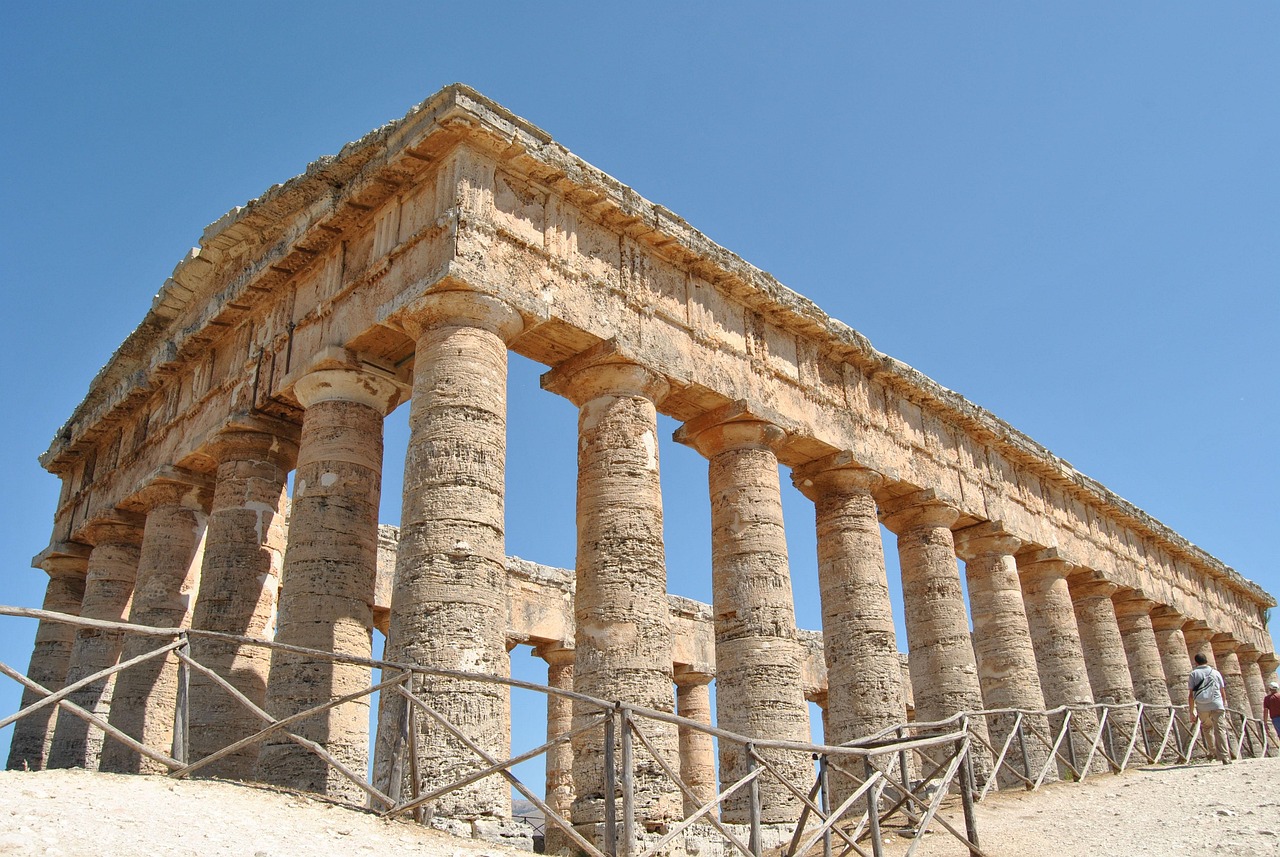
Teatro Massimo Nights and the Best Things After Dark, with grand steps and evening lights
Teatro Massimo, Italy’s largest opera house, in Palermo—this is the chapter where Sicily dresses up. Even if you’re not an opera regular, the theatre is a classic Palermo experience: velvet, marble, chandeliers, and an atmosphere that feels both grand and surprisingly welcoming. It’s one of those best things that lifts a city break into something more memorable and designed.
When you plan well, the whole evening becomes seamless: you’re not worrying about timings, taxis, or where to eat—you’re simply present for the performance, held by the space.
Teatro Massimo seating and dress notes for confidence
Teatro Massimo is renowned for its acoustics and scale, and its reputation as the largest opera house in Italy is not hyperbole—it is magnificent. For seating, central stalls or a well-positioned box offer the most immersive sound and sight lines. Dress codes are not harsh, but a lean, elegant look feels right: think smart tailoring, a silk scarf, or an evening dress that moves easily.
A couple’s memory. One couple told us their first opera here felt like stepping into another era. They arrived slightly early, watched Palermo’s evening crowd gather on the steps, and then—when the lights dimmed—experienced the shared hush of a room ready to listen. They left not just entertained, but changed: a little more open to beauty they hadn’t expected to enjoy.
Bars in Palermo, aperitivo rituals and late-night cannoli
Before the curtain, build a pre-theatre ritual. A calm aperitivo—something crisp and herbal—gives the night a gentle beginning, and people-watching in Palermo is an art form in itself. After the performance, choose one sweet stop rather than a frantic hunt: a refined cannoli, a small glass of something warming, and a slow walk that lets the music settle.
Street food can still fit after dark, but keep it comfortable: stick to busy, well-lit stalls and go where locals are already queued. That’s the simplest form of trust in an unfamiliar city.
Neighbourhood feel and practical confidence. Central streets around the theatre and the main axes of the historic centre are generally pleasant for an evening stroll. If you’re heading farther or finishing late, take taxis rather than guessing routes. A trusted local fixer can also support last-minute plans—finding a table when the city feels full, arranging a driver, or tailoring the night if your energy changes. That’s not indulgence; it’s care.
If opera timing doesn’t suit. Palermo still offers cultured alternatives: small concerts, gallery openings, and curated experiences that feel personal rather than generic. Sometimes the most fun things are the smaller rooms, where you can hear the city thinking in a different voice.
Tomorrow, we shift from Palermo’s gilded interiors to its deeper, stranger stories—and then out into open sky.
Visit the Capuchin Catacombs and enjoy sunset views of Palermo, including a day trip to Monte Pellegrino.
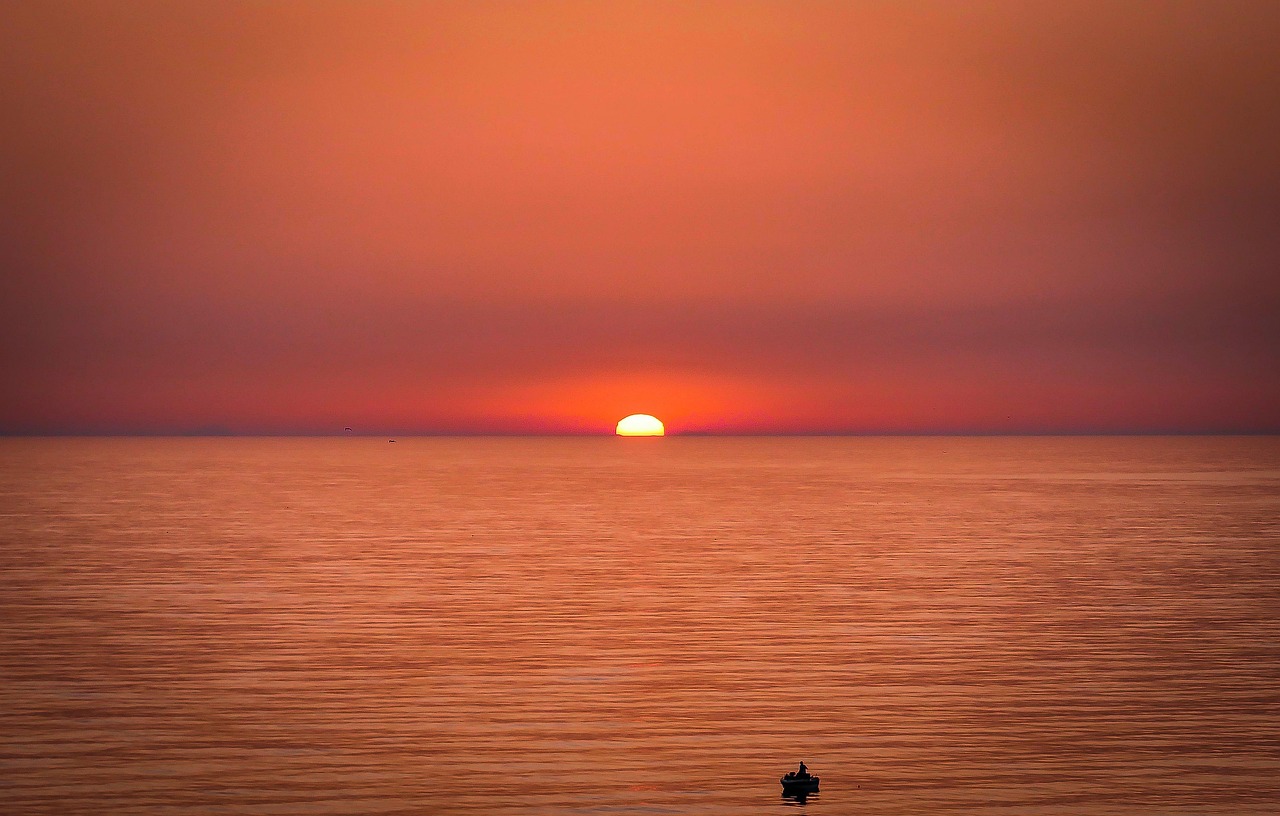
Capuchin Catacombs and Sunset Views of Palermo with sea horizons beyond the city
Capuchin Catacombs of Palermo, Monte Pellegrino day trip from Palermo—this pairing is intentional: shadow and sky, the intimate and the vast. In Sicily, contrasts aren’t a curiosity; they’re a language. For high-end travellers, the key is to experience them with sensitivity and support, so the day feels thoughtful rather than heavy.
Private guided tour of Palermo’s Capuchin Catacombs
The Capuchin Catacombs are not a casual stop, and that’s exactly why a private guided visit matters. A good guide provides context, care, and a steady tone—so you understand what you’re seeing without sensationalism. The catacombs offer an unusual glimpse into Palermo’s cultural relationship with mortality, remembrance, and status.
Solo traveller’s reflection. One solo traveller described walking slowly through the corridors and feeling, unexpectedly, calmer rather than frightened. They spoke about the quiet dignity of the space, and how Sicily can hold difficult truths without flinching. It became less about shock and more about empathy—a contemplative hour that stayed with them long after.
Monte Pellegrino at golden hour for the best views
After the catacombs, shift from enclosed stone to wind and light. Monte Pellegrino is a natural reserve above the city, and the best views arrive as the sun lowers—when the coastline softens, rooftops glow, and the water looks like brushed metal. Time it for golden hour, and make it effortless by arranging a driver. You’ll feel the benefit immediately: no navigation stress, no parking puzzle, just space to breathe and watch the city become gentle.
From here, the views of Palermo are not just pretty—they’re clarifying. You can trace where you walked, where you ate, where the theatre stands, and how close the sea really is.
Take a day trip, designed for taste and ease. If you have extra days, this is where Palermo becomes an alternative gateway to the rest of Sicily. The island is compact enough for elegant escapes, and varied enough to feel like multiple journeys.
- Western Sicily: vineyards and tastings with a polished lunch, plus coastal light that photographers love.
- Ancient sites: a private guide at a classical ruin, followed by a slow seaside meal.
- Beach town calm: a refined stretch of sand, a cabana-style lunch, and a swim before returning.
For many itineraries, the best day trips are the ones that don’t try to do too much in one sweep. Choose one theme—wine, coast, or antiquity—and let the day breathe. If you want the simplest version, a day trip from Palermo with a driver and one strong reservation can feel beautifully crafted.
A note on driving and parking. Parking in Palermo can be tricky, and the historic centre rewards travellers who stay on foot or use taxis. Most luxury itineraries use a car only on day trip days—when the roads open and the experience feels spacious rather than stressful.
As dusk arrives, Palermo’s edges soften. Sea air moves through the streets, distant bells carry, and Sicily feels less like a destination and more like a mood you can step into.
Palermo leaves lasting impressions after visiting Sicily, reflecting personal experiences of the city.
Visiting Sicily, Palermo city, personal impressions tend to arrive quietly, sometimes days later, when you’re no longer trying to remember the name of a church or the route back to your hotel. What stays is rarely a checklist. It’s the hum you heard in the streets of Palermo at midday, the way strangers offered help without making a show of it, and the patience of a city that has been many things—Phoenician, Arab, Norman, modern—without losing its own pulse.
What remains beyond the list of things and things to see
There is, of course, a list of things you can do: a cathedral that holds centuries, mosaics that seem to catch fire in the sun, markets where food in Palermo feels like a language. Yet the personal meaning is often in the smaller moments—the mosaic light that shifted as you breathed, the warmth of a vendor’s joke, the sudden opera hush as a whole room listened together. Even the city’s more confronting places can leave a surprising tenderness, if approached with care.
Perhaps that’s what Sicily and Palermo offer at their best: they don’t ask you to consume the city; they invite you to meet it. The planning—timed tickets, the right hotel, the right driver—matters because it creates space for wonder. With expert guidance, you’re not pushed through crowds; you’re supported, and you can discover what you actually feel.
A quiet hook for returning to the island of Sicily
When people speak about Palermo and Sicily after they’ve gone, they often describe a change in tempo. They remember how trust made the busy feel gentle, how travelling together—whether as a couple, with friends, or simply with the steady presence of a good guide—turned intensity into ease. And they begin to imagine coming back in another season, not for the best places to visit or to repeat the “highlights”, but to uncover a different mood: sharper winter light, a softer spring evening, a new stillness in a familiar piazza.
Palermo is a city that keeps revealing itself, slowly—if you let it.
F.A.Qs: Things to do in Palermo, Italy
What not to miss in Palermo?
Don’t miss Quattro Canti for a first sense of the historic centre, Ballarò for market culture and street food, and the Palatine Chapel for its golden mosaics. Palermo Cathedral is also essential, especially if you enjoy architecture that reflects multiple eras. In the evening, Teatro Massimo offers a glamorous cultural night, and Monte Pellegrino offers a breathtaking sunset view over the sea and rooftops.
Is it worth visiting Palermo, Italy?
Yes—Palermo is richly rewarding, especially if you enjoy history, food, and atmosphere. It’s a place where Arab-Norman architecture, lively markets, and elegant cultural venues sit side by side. With thoughtful planning—timed tickets, a good base, and taxis at night—the city feels far more seamless. For many travellers, Palermo becomes a favourite precisely because it is textured, real, and unforgettable.
What fruit is Sicily known for?
Sicily is famous for citrus, particularly blood oranges, lemons, and mandarins, as well as figs and prickly pears (fichi d’India). You’ll notice citrus everywhere—from breakfast cakes to gelato and after-dinner liqueurs. In markets, seasonal fruit is part of the everyday theatre: stacked high, intensely fragrant, and often far more flavourful than what you find elsewhere in Europe.
What is Palermo in Italy famous for?
Palermo is famous for its Arab-Norman heritage, the extraordinary mosaics of the Palatine Chapel, and the grandeur of the Teatro Massimo. It’s also known for its markets and Sicilian food culture, where simple street bites can be as memorable as fine dining. Beyond landmarks, Palermo is admired for its layered history, striking contrasts, and a sense of life lived outdoors—on steps, in squares, and at café tables.