Post Contents
- Places of Interest in Osaka Japan – A High-End Itinerary with Hidden Gems and Things to Do in Osaka
- Osaka Castle at Sunset – Private Guided Walk Through the Moats, Gates, and Park
- Dotonbori and Namba Nights – Gourmet Street Food, Michelin Dining, and the Glico Photo Stop
- Temples and Shrines in Tennoji – Shinsekai Hidden Gems, Tsutenkaku, and Retro Streets
- Shinsaibashi to Umeda – Best Places to Shop, Shinsaibashi Shopping Street, and Umeda Sky Building
- What Stayed With Me After Osaka Luxury Travel – Reflection and Osaka Bucket List
- F.A.Qs: Places of interest in Osaka Japan
Places of Interest in Osaka Japan – A High-End Itinerary with Hidden Gems and Things to Do in Osaka
A high-end itinerary overview with skyline moments across Osaka’s key districts
If you’re searching for Osaka experiences that feel polished—elevated experiences in Osaka with comfort built in—this guide to places of interest in Osaka Japan starts with the layout of the city. The heart of Osaka is compact, yet the atmosphere shifts quickly between main corridors and neighbourhood pockets, which is why a calm stay in Osaka feels so much easier with a designed plan. Think of this as your travel guide to moving smoothly, balancing headline attractions in Osaka with quieter details, and even scheduling one evening Osaka with a local to add context without stress.
For first-timers, the key areas of Osaka to anchor your days are the city center around Osaka Station, Namba for nightlife and dining energy, Umeda in the north of Osaka for towers and hotels, and central Osaka for easy access to museums and green spaces. Once you know which area matches your pace, you can build an itinerary that feels personal rather than rushed, with transitions that stay simple.
Osaka itinerary options for one day in Osaka and a week in Osaka
A refined day in Osaka is about choosing a few high-impact scenes, then keeping the flow seamless. For a single day, aim for a slow morning, one strong afternoon attraction, and an evening that’s about atmosphere rather than kilometres. If you have a full week, your time in Osaka becomes gentler: alternate “city sparkle” days with calm cultural mornings, and leave space for a thoughtful day trip around Osaka.
- Single-day plan: Osaka Castle in soft afternoon light, then Dotonbori and Namba for dinner, a canal stroll, and a quick photo pause at the Glico sign.
- Three days: Add Shinsaibashi for a curated shopping street circuit, plus Tennoji for contrasting temple and shrine moments.
- Five to seven days: Include Umeda Sky Building for skyline panoramas, a market-led food tour, and one day trip (Himeji Castle or Universal Studios Japan—often listed simply as Universal Studios).
The most reassuring approach is a “two-gear” itinerary: one day for the iconic, one day for the local—then repeat. It keeps your highlights bright, while still leaving room for small, confidence-building discoveries.
Osaka travel logistics from JR Osaka Station and beyond
Arriving through Osaka Station makes the city feel immediately legible: it’s well-signposted, efficient, and ideal for swift hotel transfers. The JR and subway lines are the backbone for getting around, and the Osaka Amazing Pass can be worthwhile for unlimited rides and attraction discounts, especially if you group sights by neighbourhood. Japan Rail can also make sense if Osaka is a good base in a wider trip to Japan, linking neatly into a larger Japan itinerary while exploring Japan beyond the city—useful context for a bigger japan trip.
For premium planning on your first trip to Osaka, decide early whether your hotel Osaka preference is Umeda (sleek, quiet, business-class convenience) or Namba (lively, walkable, late-night ease). If you want a simple guide on where to stay, choose Umeda for calm mornings and easier transfers, and choose Namba for evening energy and dining access. A strong concierge can secure restaurant reservations, timed tickets, and private transfers—protecting what matters most: your time, your comfort, and your confidence.
A simple decision framework helps: choose 2–3 headline attraction moments—Osaka Castle, Dotonbori, and Umeda Sky Building—then add one contrasting day trip around Osaka. It’s the difference between “seeing everything” and actually enjoying a place in Osaka.
If you’d like inspiration for a crafted journey across Japan, you can browse our Trip gallery and imagine how Osaka fits into a wider route.


Osaka Castle at Sunset – Private Guided Walk Through the Moats, Gates, and Park
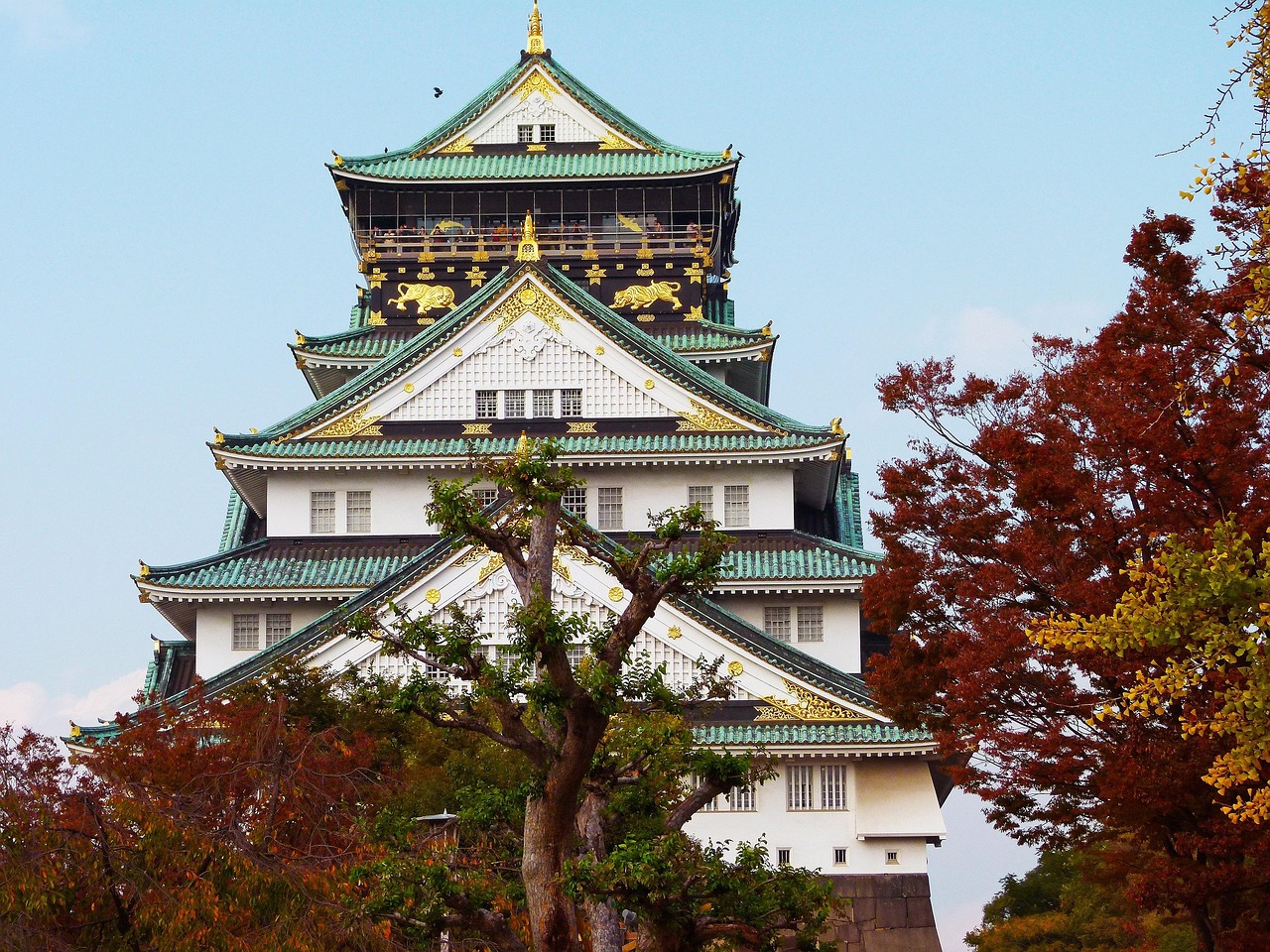
Osaka Castle at sunset, with moats, gates, and a calm park approach
For many travellers, a private guided walk at Osaka Castle becomes the defining “first scene” of the city of Osaka—cinematic, yet surprisingly approachable. What makes Osaka Castle a must is the way the castle grounds open into layered moats, stonework, and wide walkways; it’s not just a landmark to photograph, but a landscape to move through. The best timing is late afternoon into dusk, when the light softens, the crowds thin, and surrounding the castle feels calmer.
The route is easy to navigate if you arrive with a gentle plan: start wide, then move inward, and finish near the main tower as the sky shifts colour. Even with a short window, you can keep the pace unhurried by building in a quiet pause for gardens and moat-side angles at Osaka Castle Park.
Sunset walk at Osaka Castle with a private guide
A high-end traveller once told me their guided sunset visit felt like stepping into a quieter chapter of Japan’s history. Their expert guide pointed out details many people walk past—stonework patterns, defensive sightlines, and how the silhouette changes as the sun drops. With the pace adjusted to them, it became personal: less about ticking a box, more about understanding the story behind an iconic site.
If you’re travelling together, a private guide can shape the experience to your needs: more time for photos, fewer stairs if required, and thoughtful pauses for insight. That kind of support turns a headline landmark into a memory that lingers.
Best spots for views of Osaka from the castle complex
For clean, elevated viewpoints without the squeeze, choose positions that feel open rather than congested: approach paths with wide sightlines, moat-edge angles, and quieter corners of the castle park where the tower frames naturally against trees. Inside the main structure, the top-level viewpoints can be excellent—just arrive close to the late-afternoon lull for a calmer flow.
If your love of historic fortresses runs deep, consider a day trip to Himeji Castle. Pairing Himeji Castle with Osaka Castle creates a satisfying contrast: one pristine and poised, one bold and urban. Your concierge can arrange timed entry and smooth transfers so the day feels crafted, not complicated.
Book-smart notes: purchase tickets ahead when possible, keep voices low in interior exhibit areas, and allow your guide to lead on etiquette. A concierge-designed route from your hotel can also reduce queues and keep the experience calm, especially during spring and autumn peak dates.
Dotonbori and Namba Nights – Gourmet Street Food, Michelin Dining, and the Glico Photo Stop
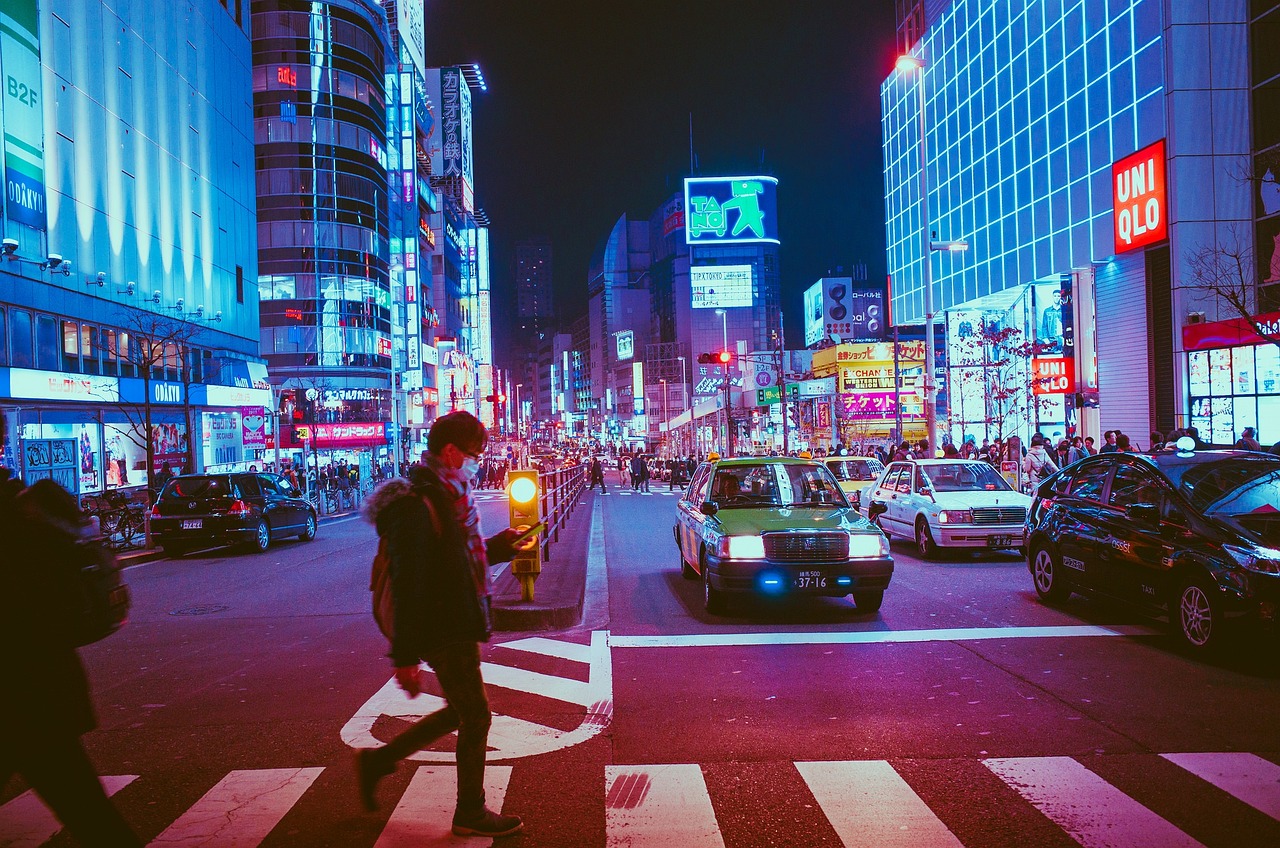
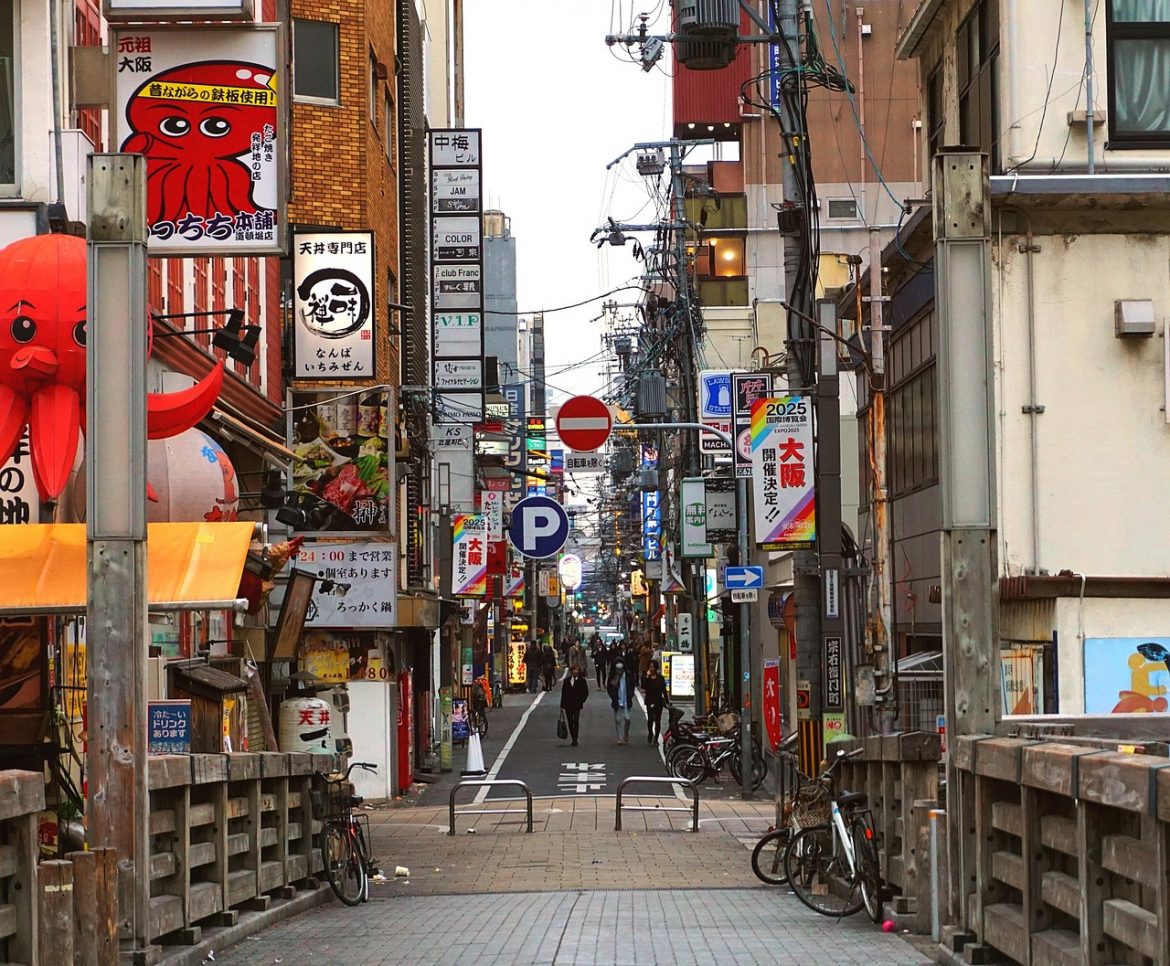
Dotonbori and Namba after dark, with neon reflections and the famous Glico sign
If you’re planning an evening that blends gourmet street tasting with a Michelin reservation, let it unfold like theatre. Dotonbori after dark is a signature attraction: neon reflections on the canal, the hum of conversation, and that iconic Glico runner as a quick, elegant photo stop before dinner. The trick is to wander with a sense of play—while still keeping the route comfortable and curated.
Namba is your natural next step: close enough to explore on foot, lively enough to feel celebratory, and connected enough to return to your hotel without friction. For high-end travellers, the sweet spot is to start early (before the thickest crowds), dine well, then drift into lounges rather than chasing the noisiest streets.
Places to eat in Dotonbori with comfort and care
A food-first itinerary can still feel refined. Yes, you’ll want takoyaki and okonomiyaki—Osaka’s classic street staples—but choose vendors with visible freshness and orderly queues, and share smaller portions so the night stays light. If you have dietary needs, a private food tour can translate, guide, and help you order with confidence while keeping the spontaneity intact.
- Street tasting: takoyaki for a quick bite, okonomiyaki for something more substantial, and a mindful pace between stops.
- Budget notes: allow roughly 5,000–15,000 yen per person for gourmet meals; reservations are recommended for top-tier counters.
- Timing: arrive before peak dinner for a smoother canal walk and less waiting.
For daytime, balance the neon energy with market craft at Kuromon Ichiba Market. The stallholders take pride in presentation, and you’ll see premium produce and beautifully prepared tastings that can feel quietly luxurious—especially with a small-group guide who explains seasonality and local favourites.
A chef-curated Michelin moment in Dotonbori
One visitor described their chef-curated Michelin-star dinner in Dotonbori as “the perfect harmony of flavour and ambience”—an intimate room, service that anticipated needs without fuss, and courses that moved like a well-paced story. What made it special wasn’t only the food; it was the calm created by planning: reservations secured, dietary notes shared in advance, and an arrival time chosen to avoid a rushed entrance. That kind of care turns a busy district into something reassuring.
After dinner, follow the neighbourhood flow into Namba for late-night bars or a luxury lounge, then take the subway or a pre-booked car back. When the city is bright and crowded, that extra support helps you relax into it.
Temples and Shrines in Tennoji – Shinsekai Hidden Gems, Tsutenkaku, and Retro Streets
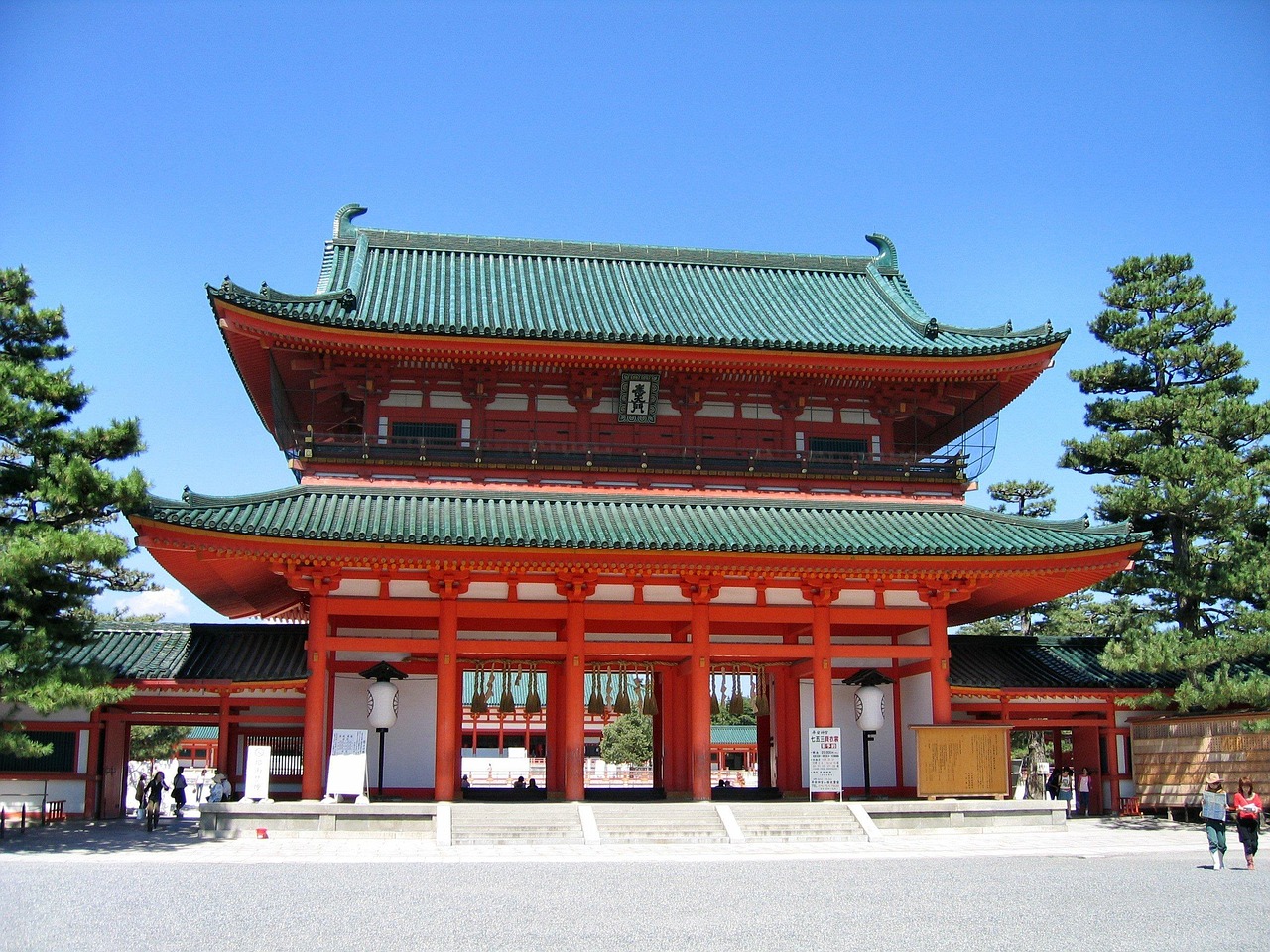
Tennoji, Shinsekai, and Tsutenkaku: the textured, old-soul side of Osaka
For travellers looking for a calmer cultural counterpoint, this pocket of the city feels textured, grounded, and deeply human. Begin in Tennoji with Shitennoji, often considered one of Japan’s oldest Buddhist temples, and you’ll immediately feel the pace change. Many visitors enjoy the simplicity of moving between Buddhist temples and nearby shrine spaces—two approaches to faith and tradition, both inviting you to slow down.
Approach any temple gently: keep your voice low, watch where you step, and let the atmosphere do the talking. Even in a vibrant Osaka city, these quieter corners can feel like a soft reset before you return to the buzz.
Shitennoji Temple and how to visit with respectful etiquette
At Shitennoji Temple, notice the symmetry, the gates, and the quiet rituals that continue regardless of who is watching. If you enter interior spaces, be ready to remove shoes indoors, and avoid flash photography. A little care goes a long way: it signals respect, and it helps you feel less like a visitor passing through and more like a guest invited to witness something living.
If you’re travelling with a guide, ask for context on what you’re seeing—small details such as incense, offertory customs, and how seasonal festivals shape the grounds. That insight can transform a temple visit from “beautiful” into genuinely meaningful.
Namba Yasaka Jinja shrine and Shinsekai streets near Tsutenkaku
For contrast, add a shrine stop that feels bold yet calm: Namba Yasaka Jinja is striking, and often quieter than the brightest main streets. It’s an easy way to experience a shrine with presence—then step back into the city without feeling overwhelmed.
From there, explore Shinsekai for a different mood. Shinsekai is retro and characterful, with a tension between nostalgia and everyday life that makes it feel real rather than staged. If you’re curious, try kushikatsu in a well-regarded spot, and treat the meal as part of the neighbourhood’s story rather than a polished dining event.
Tsutenkaku is best treated as an atmospheric marker rather than a must-do queue. If you go up, choose off-peak times so the viewpoint feels relaxed; if you don’t, you’ll still feel the area’s charm simply by walking Shinsekai’s lantern-lit streets with an unhurried mind, then popping into a small shrine corner on the way back.
Shinsaibashi to Umeda – Best Places to Shop, Shinsaibashi Shopping Street, and Umeda Sky Building
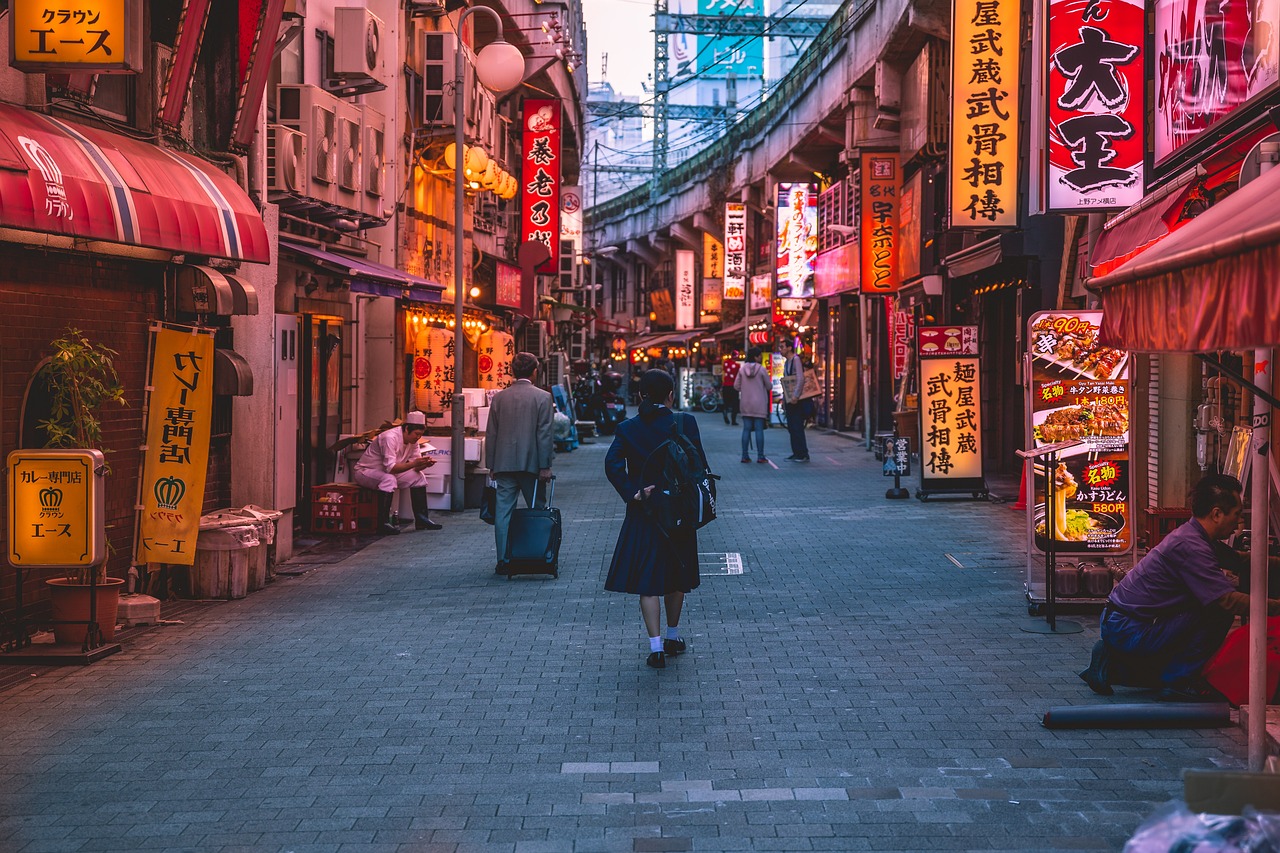
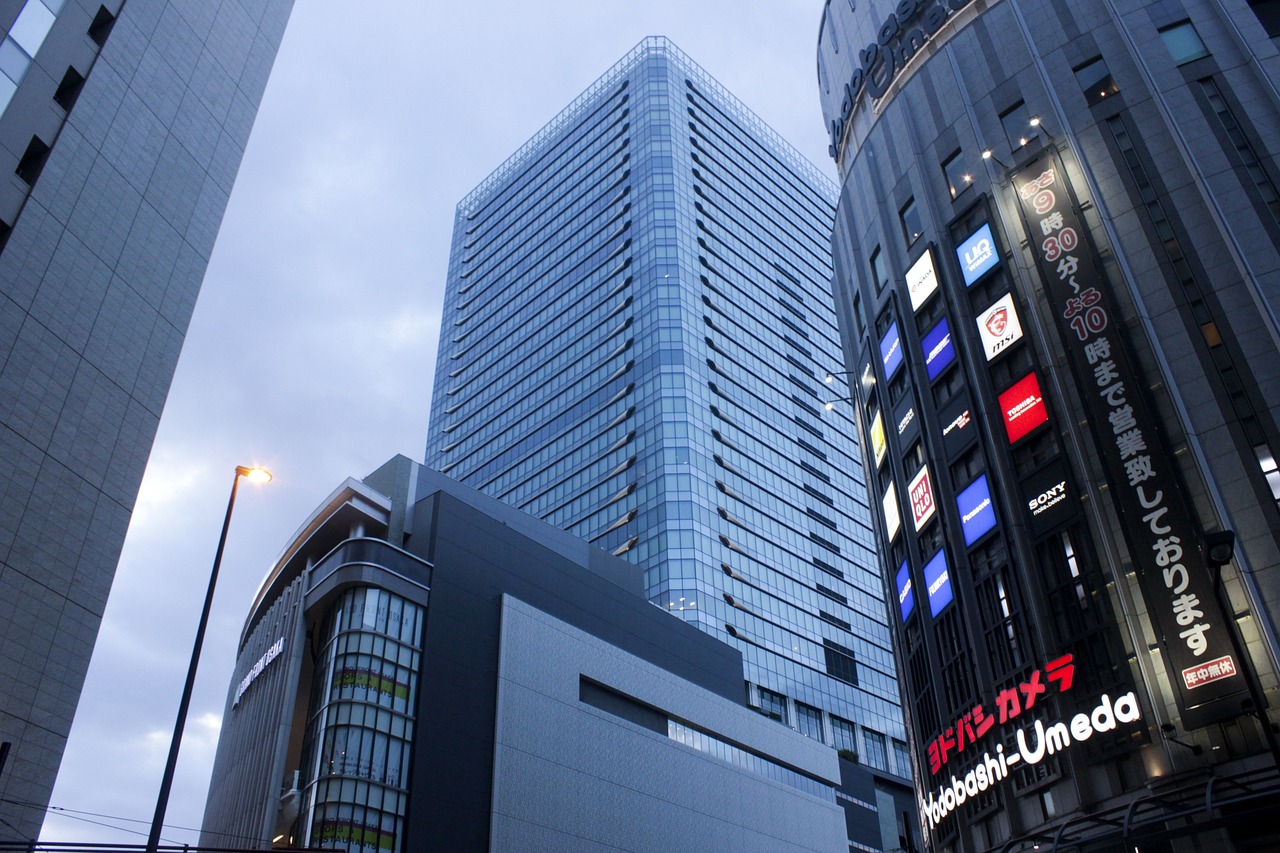
Shinsaibashi boutiques and an Umeda Sky Building finish for skyline panoramas
If Shinsaibashi luxury boutiques and Umeda Sky Building are on your radar, you’re in for a day that feels both playful and polished. This corridor is among the best places for high-end travellers to shop with purpose: global houses, Japanese labels, and the chance to discover style that feels local rather than uniform. The key is to design the day around energy—shopping first, skyline later—so you finish on a high note and avoid carrying bags through evening crowds.
In Shinsaibashi, think beyond browsing. A concierge can arrange private appointments, tax-free guidance, and tailored store-hopping so you’re not fighting crowds or decision fatigue. For travellers comparing places to shop, this is also where you can mix flagship polish with smaller labels that still feel distinctly Osaka.
Shinsaibashi shopping street with private styling and local design
A fashion enthusiast once shared a story that still makes me smile: an impromptu meeting with a local designer in Shinsaibashi turned into a personalised shopping experience, complete with a quiet back-room conversation about fabric, form, and what “modern Japan” looks like beyond the headlines. It became cultural exchange built on trust—warm, unforced, and genuinely personal. Sometimes the most memorable shopping street moments are the ones where someone takes a moment to truly see you.
- How to shop well: set two “anchor” boutiques, then allow space for smaller labels and unexpected finds.
- Comfort: wear easy shoes, keep a light layer, and plan a café pause to reset.
- Confidence move: ask your hotel team to call ahead for stock checks or appointment times.
Umeda Sky Building and Kuchu Teien Observatory for city views
Move north into Umeda for a clean, elevated finish. Umeda Sky Building is a classic viewpoint, and the Kuchu Teien Observatory is best enjoyed near golden hour—early enough to avoid queues, late enough for the sky to soften. Buy tickets in advance if you can, and aim for a midweek slot for a smoother flow.
For a softer pairing after shopping, consider the harbour area: Osaka Aquarium Kaiyukan is quietly mesmerising, and the nearby ferris wheel can feel like a gentle exhale after a busy day. It’s particularly lovely for couples who want an evening that’s calm but still special.
If you’re deciding how to split a Japan route, a quick note on Tokyo: Tokyo often feels more directional and high-speed, while Osaka’s fashion energy can feel more playful and locally textured. Many travellers enjoy Tokyo for its scale, then Osaka for its warmth—planned together, the two cities read like one coherent story rather than separate checklists.
What Stayed With Me After Osaka Luxury Travel – Reflection and Osaka Bucket List
When I think back on Osaka, what returns first is not the noise, but the hush—especially near a landmark at dusk, when the air cools and footsteps soften. I remember how the city holds contrast without apology: the calm of park paths, the sudden blaze of neon, and the way a simple exchange with a local can steady you, even when you’re far from home.
There is craft here that shows up in small places: service that is thoughtful rather than showy, streets that invite you to slow down, and creativity that quietly reshapes how you see style. The most reassuring moments often arrive unannounced—an unhurried bow, a patient explanation, a meal placed before you with care.
And if you travelled together—partner, friends, or with a guide—perhaps you felt it too: trust changes the atmosphere of a city. It turns bright districts into something you can enjoy without bracing yourself, and it makes even an unfamiliar ritual feel gentle and possible.
Osaka lingers like that: not a list completed, but a way of noticing—one you may find yourself carrying into other cities, quietly curious about what might reveal itself next time.
F.A.Qs: Places of interest in Osaka Japan
What is Osaka’s most famous attraction?
Osaka Castle is widely considered Osaka’s most famous attraction. It combines striking architecture, museum-style exhibits, and memorable viewpoints, and the surrounding parkland makes the experience feel spacious. Visiting in late afternoon is especially rewarding, when the light softens and the atmosphere becomes calmer.
What are the top 5 things to do in Osaka?
Five standout choices are Osaka Castle, Dotonbori’s canal walk and dining scene, a visit to Shinsaibashi for designer shopping, cultural time in Tennoji at Shitennoji Temple, and a retro stroll through Shinsekai near Tsutenkaku. Together, they offer history, flavour, style, and atmosphere in a way that feels distinctly Osaka.
What is the most visited place in Osaka?
Dotonbori is among the most visited areas in Osaka, especially in the evenings when the district is at its brightest. People come for the neon streetscape, the canal atmosphere, and the famous photo stops, then stay for the food—from street classics to refined reservations.
What is Osaka Japan best known for?
Osaka is best known for its food culture, friendly warmth, and bold city energy—often described as more playful than Tokyo. It’s also known for landmark experiences like Osaka Castle, nightlife in Dotonbori and Namba, and a strong shopping scene that mixes luxury with distinctive local design.