Post Contents
- Visit Osaka in Style Best Places to Stay and First-Day Flow for a Luxury Travel Guide
- Things to Do in Osaka Osaka Castle Private Tour Panoramic Views and Parkland Beauty
- Dotonbori Namba Street Food Osaka Travel Guide with Glico and Shinsaibashi After Dark
- See in Osaka Shrine Temple Sumiyoshi Taisha Shitennoji Temple and Hozenji for Sacred Calm
- Universal Studios Japan VIP National Museum of Art Osaka Day Trip Kyoto Nara and Around Osaka
- After Osaka What Stayed With Us Osaka Travel Reflections Designer Journeys Japan
- F.A.Qs: Osaka Japan things to do
Visit Osaka in Style Best Places to Stay and First-Day Flow for a Luxury Travel Guide
Visit Osaka in Style Best Places to Stay and First-Day Flow
If you plan to visit Osaka, the fastest route to confidence is a smooth arrival and a hotel base that supports your rhythm. This visit Osaka best places to stay in Osaka luxury travel guide approach begins at Kansai International Airport, where the right transfer choice can make the city feel welcoming from the first minute.
For comfort with minimal decision fatigue, the JR Kansai Airport Express is efficient and reassuring, while limousine buses feel wonderfully direct after a long-haul flight from Tokyo or onwards to Tokyo. If you’d rather keep everything seamless, a private car transfer is the most supportive option—particularly if you’re travelling with family, larger luggage, or you’d like a calm introduction to the city of lights and canals.
Arrival and orientation from Osaka Station to Namba Station
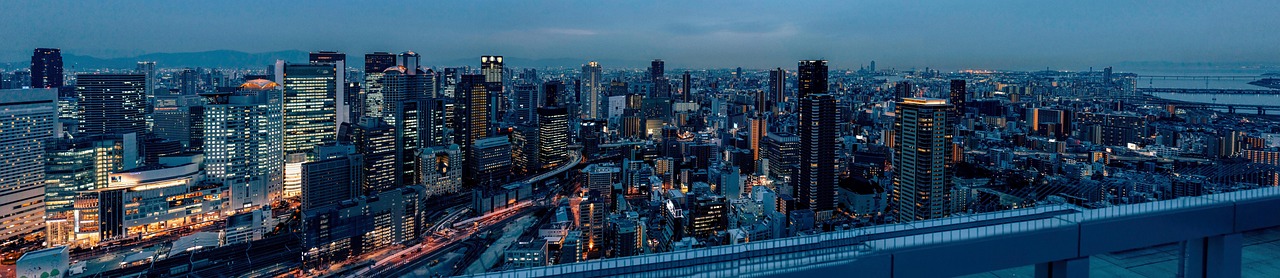
Osaka is easy to read once you understand its two anchors. Umeda (around Osaka Station) is polished and businesslike, with quick links across the region. Namba is more playful and street-level, where evenings unfold naturally and you can walk to Dotonbori without thinking twice.
If you’re arriving into JR Osaka Station, you’ll find it connects cleanly to subways and local lines. Think of it as your high-functioning hub for day trips, museum afternoons, and skyline views. By contrast, Namba Station places you closer to the shopping district and night-time energy; it’s ideal if you want to step out for a gentle wander and be in the mood instantly.
A designer guide on where to stay in Osaka with Hotel Osaka choices
For high-end travellers, where you stay in Osaka shapes the entire trip: pacing, privacy, and how easy it is to reset between experiences. Look for a hotel Osaka pick with strong concierge support (restaurant bookings, theatre tickets, hidden bars), and consider club floors for a quieter breakfast and evening refreshments.
Suites with a separate lounge area are worth it if you’re mixing city exploration with work, or if you want a calm space for a family to spread out. In Umeda, you’ll enjoy refined service and quick access to Osaka Station; in Namba, you gain walkability to galleries, food lanes, and Dotonbori’s canal.
- For first timers: Namba for walkable evenings and easy returns after dinner.
- For design and calm: Umeda for skyline hotels, quieter streets, and quick rail links.
- For concierge value: choose properties known for restaurant access and thoughtful local insight.
To get around with ease, an ICOCA prepaid card keeps trains, buses, and subways simple—tap and go, no constant ticket decisions. Taxis are excellent for door-to-door support late at night, especially if you’re dressed for a special dinner and don’t want to navigate platforms.
Timing matters too. The best places for weather and fewer crowds are March to May and September to November, when you can explore without rushing. Osaka is famously safe and polite; speak softly in public spaces and remove shoes when required, and you’ll feel trust building through small, respectful moments. If you’d like inspiration beyond this city, browse our Trip gallery for a wider Japan trip shape that pairs Osaka with Kyoto and Tokyo.


Things to Do in Osaka Osaka Castle Private Tour Panoramic Views and Parkland Beauty
Things to Do in Osaka Osaka Castle and Parkland Views
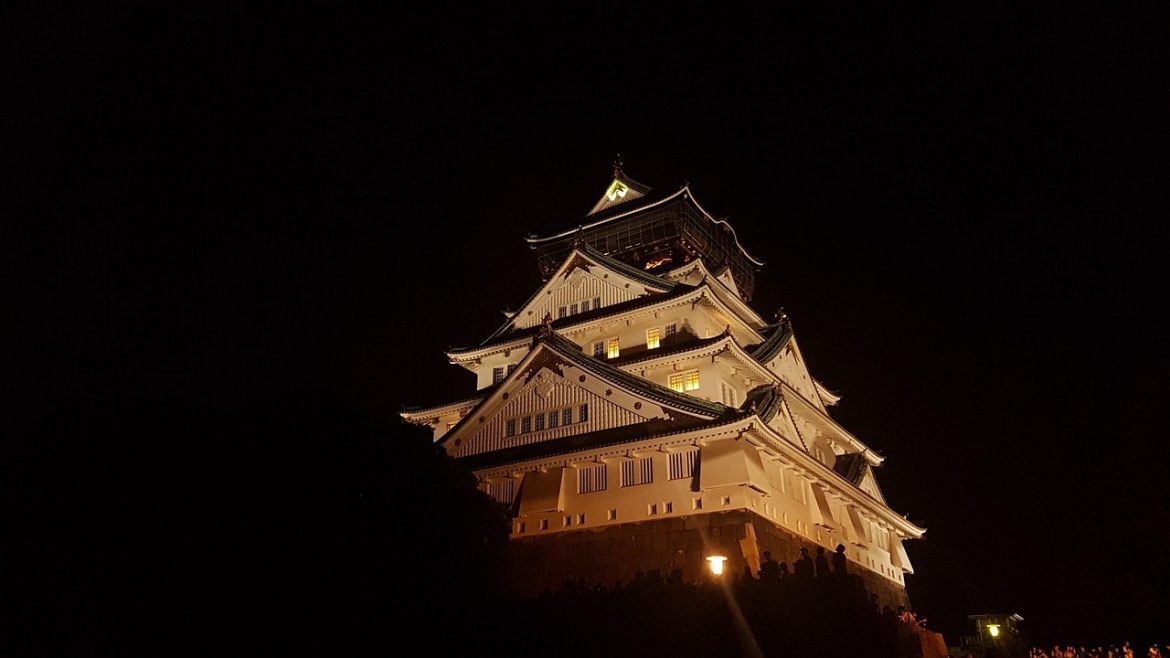
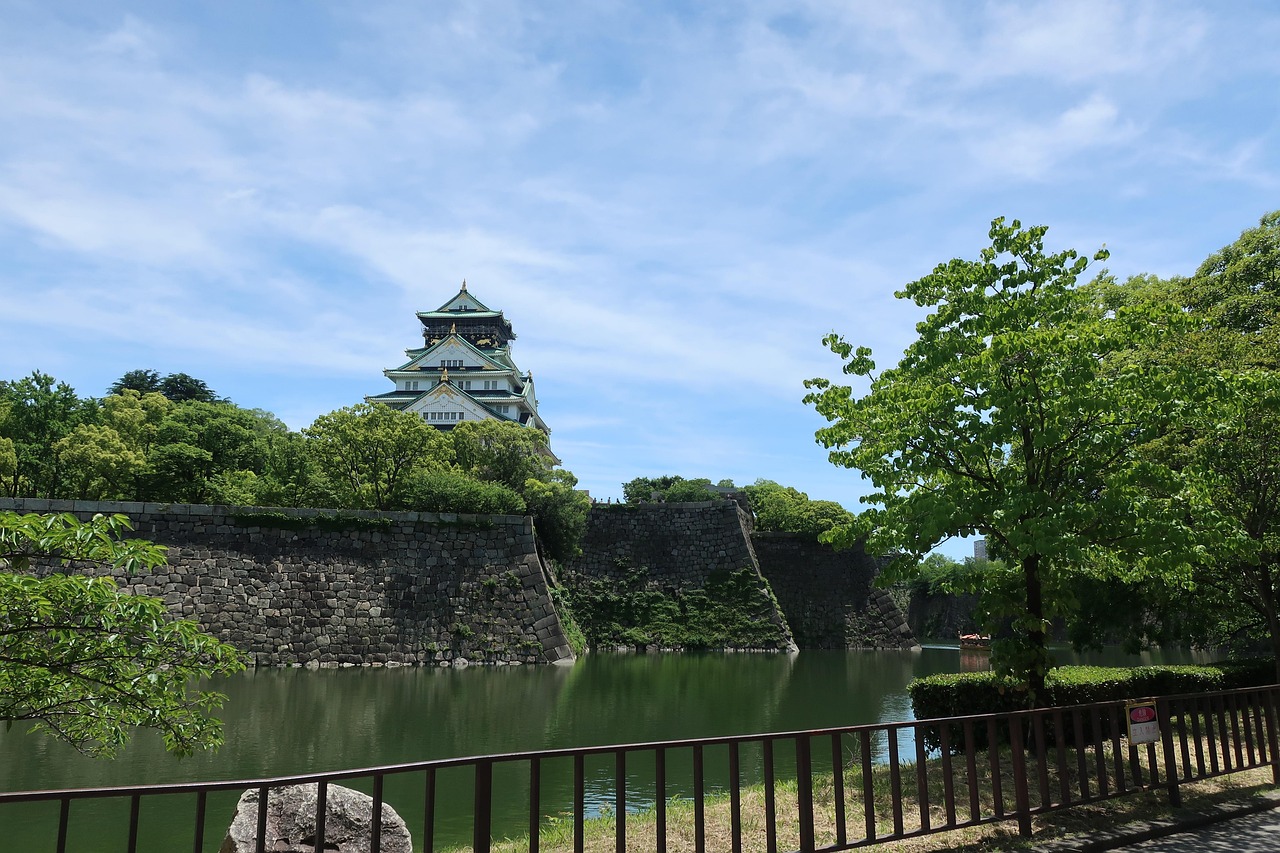
Among the most rewarding things to do in Osaka, an things to do in Osaka Osaka Castle private tour panoramic views morning offers history, design, and a sense of place. Osaka Castle is closely tied to Toyotomi Hideyoshi, whose ambitions helped shape the city’s story; what you see today reflects reconstruction and resilience, a layered narrative told in stone, moats, and carefully kept grounds.
For first-time visitors, Osaka Castle is an ideal opening chapter because it explains Osaka’s identity in one sweeping view—bold, practical, and proud. Arrive early and you’ll feel the parkland breathe: locals on morning walks, photographers waiting patiently, and the city’s tempo held at a gentler setting.
Design a high-end Osaka Castle morning with a private guide
A private entry plan is less about skipping and more about flow. Your guide can design a quiet route through the outer grounds first, building context before you step inside. It’s also the easiest way to uncover details you might otherwise miss—defensive angles, gates, and the way sightlines were designed to control movement.
A luxury traveller once shared how their private guided tour of Osaka Castle changed everything: instead of feeling herded, they paused for personalised photos at calm corners, then lingered on one exhibit that sparked genuine curiosity. The experience felt personal, not staged—crafted around what they wanted to understand.
Where to find the best views of Osaka from parklands and the observation deck
For memorable views of Osaka, take your time outside before heading up. Certain angles across the moats create a classic composition, especially when the light is softer. Inside, the observation deck provides a broad city panorama that helps you orient Namba, Umeda, and the river lines that stitch the neighbourhoods together.
To avoid peak tour groups, aim for weekday mornings, or arrive right at opening time. Tickets are straightforward on-site, and some travellers prefer to pre-book for extra reassurance. Accessibility varies by area, so if mobility support is needed, ask your hotel concierge to confirm the smoothest entry points.
Afterward, pair the castle with a light lunch—seasonal bento or a simple noodle stop—then return towards Namba or Umeda depending on your afternoon mood. It’s a calm, confident start that makes the city feel immediately yours.
Dotonbori Namba Street Food Osaka Travel Guide with Glico and Shinsaibashi After Dark
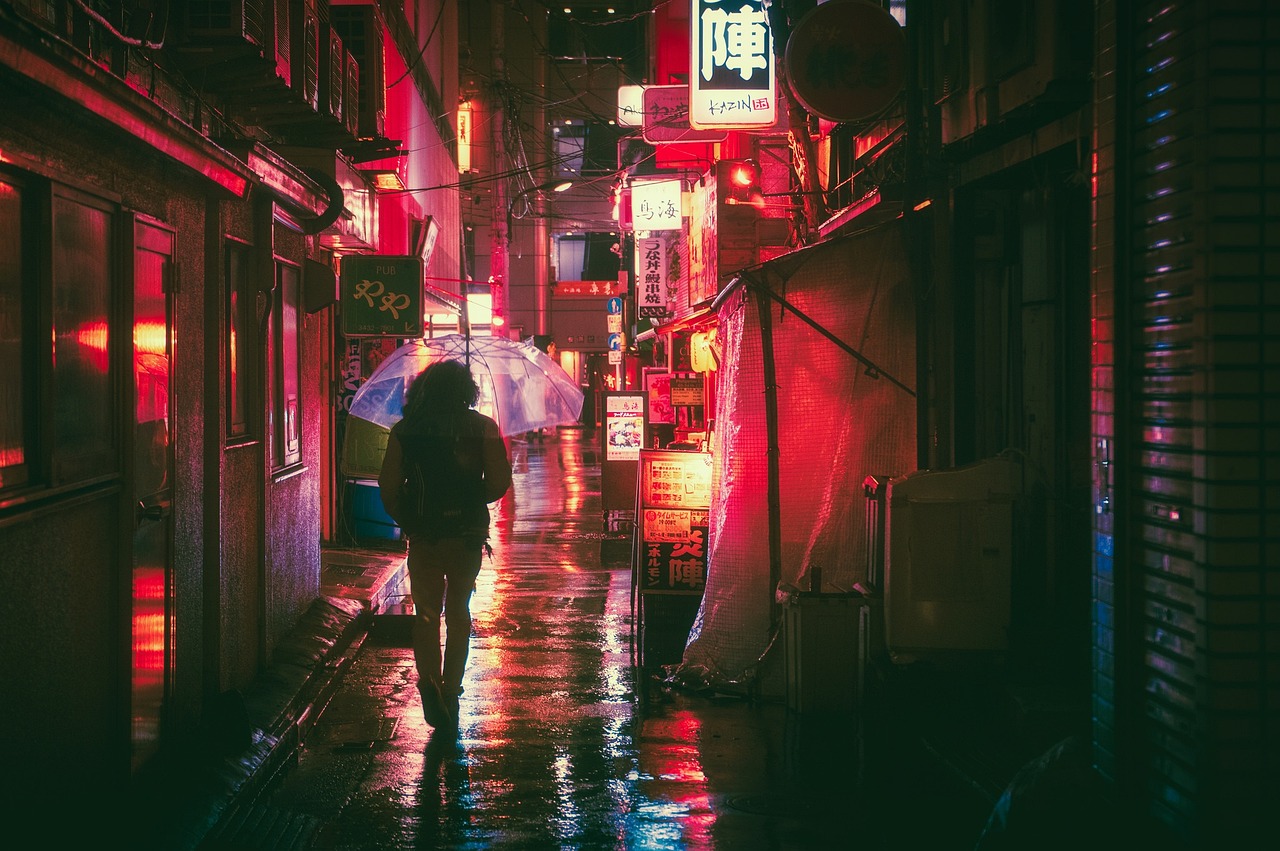
Dotonbori and Namba After Dark Street Food with Local Warmth
Even seasoned travellers can feel a flicker of overwhelm at first, which is why this Dotonbori Namba street food Osaka travel guide Glico Shinsaibashi chapter focuses on ease. Dotonbori is Osaka’s most famous evening theatre—canal reflections, laughter, queues that move quickly, and signage that turns the street into a living gallery.
Come at dusk and let the neon lights rise slowly, rather than arriving at peak late-night density. The Glico running man sign is iconic, but it’s also a helpful landmark for meeting points if you’re travelling together or finishing a guided food tour.
A crafted route from Shinsaibashi to Namba and Dotonbori
Start with the calmer glide of Shinsaibashi, where the shopping arcades feel polished and bright. From there, drift towards Namba and let the evening open naturally as you approach Dotonbori. This is the sweet spot: you’ll feel the energy without needing to force it, and you can step aside whenever you want a quieter moment by the water.
If you’re sensitive to crowds, set one small aim—one photo, one snack, one canal pause—and allow everything else to be optional. That’s how a famous street becomes enjoyable rather than demanding.
Street food done well in Dotonbori and Kuromon with local warmth
The joy here is that there’s plenty of street food without it feeling chaotic when you know what to look for. Choose stalls where you can see the cooking surface, where turnover is fast, and where locals are ordering with relaxed confidence. Queue politely, keep your voice low, and eat neatly to respect the space.
- Takoyaki: best when it’s piping hot and turned constantly.
- Okonomiyaki: look for griddles that stay busy; it’s theatre and comfort in one.
- Kushikatsu: a crisp bite that’s ideal with a cold drink—follow the house rules.
- Wagyu: a small, indulgent tasting is often all you need.
By day, Kuromon Ichiba Market is a more measured way to taste Osaka—excellent for seafood bites and careful browsing. By night, Dotonbori becomes the city’s glossy pulse. Many travellers enjoy Kuromon for lunch, then return after dark for that unmistakable glow.
One visitor told us about an evening savouring gourmet street food along Dotonbori, where friendly vendors shared culinary secrets—how long to rest batter, how to spot the perfect flip, and where locals go when they’re celebrating. That warmth is the real luxury: being welcomed into a small, human exchange on an Osaka street that’s alive with possibility.
End with a gentle nightcap near the canal, then head back to Namba at your own pace. You’ll feel the city’s energy, but you won’t take the rush back to your room with you.
See in Osaka Shrine Temple Sumiyoshi Taisha Shitennoji Temple and Hozenji for Sacred Calm
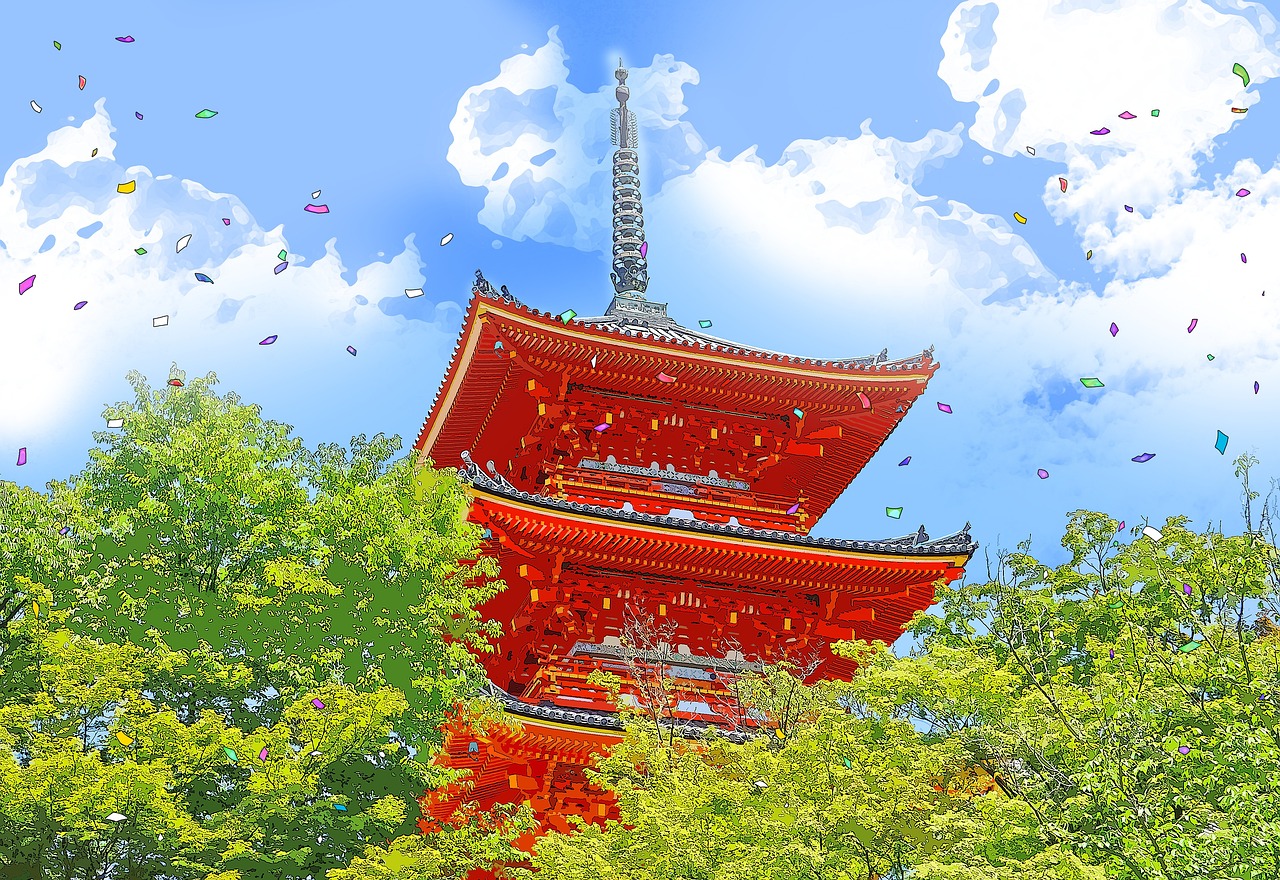
See in Osaka Sacred Calm at Shrines and Temples
For travellers who want to see in Osaka something quieter than the bright arteries of Namba, this see in Osaka shrine temple Sumiyoshi Taisha Shitennoji Hozenji morning is a gentle reset. Begin at Sumiyoshi Taisha, a distinctive shinto shrine whose architectural style feels older and more elemental than many of the shrines visitors associate with Kyoto or Tokyo.
Arrive early and you’ll hear birds and footsteps rather than tour guides. It’s an experience in stillness: bridges, clean lines, and a calm that invites you to breathe more slowly—especially after an energetic night in Dotonbori.
Sumiyoshi Taisha shrine details and respectful photography
At this shrine, notice the symmetry, the way pathways guide you, and the subtle textures of timber and stone. Photograph respectfully: keep to public areas, avoid interrupting worship, and don’t step where signage asks you not to. Some spaces are restricted; following staff guidance is an easy way to show care.
A solo traveller once reminisced about visiting Sumiyoshi Taisha on a quiet morning and feeling their shoulders drop. They loved the contrast with the city’s bustle—the sense that the city of Osaka holds sanctuary as well as sparkle, and that both can belong in the same day.
Two soulful stops Shitennoji Temple and Hozenji for a lantern-lit pause
To add depth, continue to Shitennoji Temple, one of Japan’s oldest Buddhist sites, where heritage has weight and clarity. It’s a temple experience that feels grounding—less about spectacle, more about atmosphere and continuity.
Later, return towards Namba for a smaller pause at Hozenji. The lane leading to Hozen-ji Temple (often simply called Hozenji) feels intimate and cinematic, especially when lanterns glow and the moss-covered statue is tended with devotion. It’s a reminder that sacred places can be woven into everyday streets.
If you’d like one more modern-feeling moment, Namba Yasaka is bold and memorable, with a dramatic structure that photographs beautifully. Pair it with a nearby café, then ease back into the livelier streets of Namba feeling centred rather than hurried.
Universal Studios Japan VIP National Museum of Art Osaka Day Trip Kyoto Nara and Around Osaka
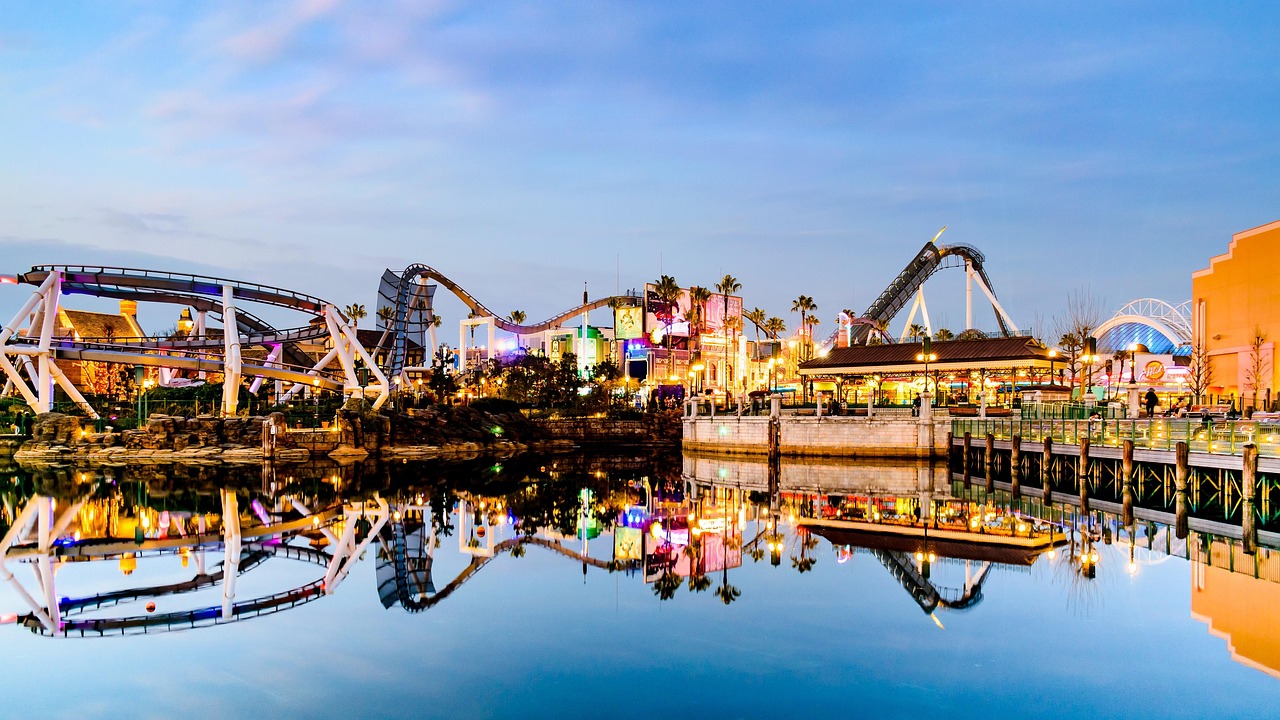
Osaka Offers Seamless High-End Experiences in Osaka and Around Osaka
When travellers say “Osaka offers” something special, they often mean how easy it is to elevate a day with the right access. This Universal Studios Japan VIP National Museum of Art Osaka day trip Kyoto Nara chapter is about seamless upgrades—high-end experiences in Osaka and beyond, designed with expert support so your energy goes into wonder, not logistics.
Whether you’re pairing Osaka with Kyoto and Tokyo, or using the Kansai region as a base before heading on a longer trip, these are the moments that tend to stay bright in memory.
Universal Studios Japan VIP for a seamless family day
Universal Studios Japan can be extraordinary, but it’s also where planning protects your day. VIP tours offer curated pacing, behind-the-scenes access on select experiences, and quieter lounges for breaks. Advance booking is essential, especially during school holidays or weekends, because the best time slots vanish quickly.
A family we spoke with described their VIP pass day as completely different from a typical theme park visit: effortless ride access, staff who guided them between attractions, and small moments of calm in exclusive spaces. The children stayed buoyant, the adults felt supported, and the day felt genuinely personal.
National Museum of Art Osaka and skyline views from Umeda Sky Building
For culture aficionados, the National Museum of Art, Osaka is a refined counterpoint to the city’s bright streets. With a private guide, you can uncover contemporary Japanese art and design details—materials, movements, and the context that makes a single piece feel alive. One art lover told us how expert commentary transformed their visit into an intimate conversation with the work, rather than a quick gallery pass.
For views of Osaka at golden hour, consider two skyline moments: the Umeda Sky Building for its floating garden observation deck, and Abeno Harukas when late-afternoon light softens the city’s edges. If you want something playful after dinner, a ferris wheel ride can be a surprisingly calm way to watch the grid of streets sparkle.
To create contrast, spend an hour in Shinsekai. This area carries retro character and a slightly gritty charm that can feel refreshing when approached with intention. Photograph Tsutenkaku from a respectful distance, then capture one clean frame with the Tsutenkaku Tower as your anchor. In Shinsekai, order kushikatsu and follow etiquette closely—especially any rules around shared sauces—so the experience stays polished and considerate. Shinsekai is at its best when you treat it like a curated vignette, not an endurance test.
If you’re wondering how to stretch your time, consider taking a day trip while keeping Osaka as your calm base. Kyoto offers classic temples and gardens, while Nara brings deer-dotted parks and a slower pace. For one longer day trip, take Japan Rail to Himeji and visit Himeji Castle, widely considered one of Japan’s finest. If you’d like to add a culinary flourish, a brief stop in Kobe on the return can feel like a graceful finishing touch.
After Osaka What Stayed With Us Osaka Travel Reflections Designer Journeys Japan
In the quiet after a trip, what remains isn’t a checklist—it’s a feeling you can return to. This Osaka travel reflections designer journeys Japan close is for the part of you that noticed the small kindnesses: a shopkeeper’s patience, a station attendant who pointed you gently in the right direction, a stranger who gave you space on a crowded platform without a word.
Osaka can be brilliantly bright, yet it also knows how to soften. One moment you’re walking beneath neon, the next you’re pausing beside water, listening to footsteps fade. The city teaches you that contrast is not conflict; it’s character. In that sense, Osaka complements Tokyo beautifully—less about spectacle at scale, more about warmth at close range—while still giving you that unmistakable Japanese confidence in detail.
What stayed with us most was how easily the days could be shaped around personal rhythm. A slow morning at a shrine, a thoughtful hour in a temple, then the rise of evening in Dotonbori where laughter and cooking smoke felt like part of the scenery. Even Shinsekai, with its nostalgia and edge, became gentle when approached with care.
If you’re planning a wider trip to japan, Osaka is the chapter that often surprises travellers most: it asks you to be present, to accept support, and to trust that joy can be both vivid and calm. And when you leave—perhaps back to Kyoto, onward to Tokyo, or home—you may find the city doesn’t quite let go. Not in a dramatic way, but in the way a place lingers when it felt truly yours, with one more street in Osaka you didn’t turn down, waiting quietly for another time.
F.A.Qs: Osaka Japan things to do
What is Osaka best known for?
Osaka is best known for its warm, outgoing local culture, bold flavours, and a love of good eating—often summed up in its street food scene around Namba and Dotonbori. It’s also famous for Osaka Castle, lively shopping streets, and easy access to Kyoto, Nara, and Himeji for day trips.
What are the top 3 things to do in Osaka?
For most travellers, the top three are exploring Osaka Castle and its parklands, spending an evening in Dotonbori for the atmosphere and food, and visiting at least one serene shrine or temple such as Sumiyoshi Taisha or Shitennoji Temple. Families often add Universal Studios Japan as a standout day.
Is 3 days in Osaka too much?
No—three days is a comfortable, high-end pace. It gives you time to enjoy Osaka Castle without rushing, design one evening for Dotonbori, and still fit in museums, skyline views, and a day trip to Kyoto or Nara. With the right hotel base in Umeda or Namba, it feels seamless.
What should you not miss in Osaka?
Don’t miss Osaka Castle for history and views, Dotonbori at night for the city’s signature energy, and at least one calm spiritual stop—Sumiyoshi Taisha is particularly distinctive. If you love design, the National Museum of Art, Osaka is excellent, and VIP planning at Universal Studios Japan can transform the day.