Post Contents
- A Crafted Things to Do in Rome Itinerary – Luxury Travel Guide to the City of Rome
- The Colosseum: Private Guided Tour of the Underground & Arena Floor in Rome
- Colosseum and Roman Forum: Palatine Hill Walk in the Heart of Ancient Rome
- Vatican Museums After-Hours Tour: Sistine Chapel Access in the Vatican
- St Peter’s Basilica & Dome View: San Pietro in the Vatican City
- Trevi Fountain to Spanish Steps: Piazza Navona Walking Loop of Top Attractions
- Trastevere: Rome Food Tour, Boutique Eateries, and Places to Eat and Drink
- What Stayed With Us After Rome: Favorite Things, Quiet Sights, and a Luxury Travel Guide Reflection
- F.A.Qs: popular attractions in Rome Italy (top sites and what to see)
A Crafted Things to Do in Rome Itinerary – Luxury Travel Guide to the City of Rome
A crafted Rome itinerary for high-end travellers, focused on elegant sights in Rome and unhurried pace
If you’ve ever searched for things to do in Rome itinerary luxury travel guide Italy, you’ll know the real challenge isn’t a lack of options—it’s choice, pacing, and how it all feels on the day. This article is designed around popular attractions in Rome Italy while still leaving room for the quieter details that make the eternal city feel personal: a ritual espresso, a shaded doorway, a small chapel that’s free to enter. Rome is a city, and Rome is a city full of layered stories; at its best, it’s also a living museum of streets, rituals, and beautiful surprises.
For a 3–5 day trip to Rome, think in “anchors” rather than a checklist: one major attraction in Rome each day, one unhurried neighbourhood wander, and one moment that’s simply beautiful—golden light, a café table, a view. If you’re visiting for a weekend, keep your heart of Rome days compact and bookend them with something gentler, like a park in Rome near Villa Borghese. If you’re mapping places to visit in Italy, this kind of rhythm also makes it easy to combine the capital with countryside or coast—without feeling rushed.
Planning a seamless Rome itinerary: tickets, timing, and guided tour support
Rome rewards preparation. Secure tickets well in advance for the Colosseum and the Vatican Museum, especially if you want early in the morning entry or after-hours access. For high-end travellers, a private transfer can be a small luxury with a big impact—particularly for dawn starts, evening finishes, or when heels and cobblestones don’t mix.
Walking is still the most intimate way to uncover the city of Rome, but we suggest a hybrid: walk your elegant loops, then let a driver collect you for dinner or a museum-to-hotel return. For deeper context at the major sites, consider a discreet guided tour with an expert who can keep you calm, on time, and well-oriented. If you’d like inspiration for a crafted approach beyond the capital—pairing it with other places to visit in Italy—our Trip gallery shows how these days can be woven together.
Best time to visit, where to stay in Rome, and how to keep the days effortless
The best time to visit Rome is often about timing within the day. Go early in the morning for top sites like the Trevi Fountain and the Spanish Steps, then slow down mid-afternoon when the streets warm and tour groups swell. Shoulder seasons bring softer light, cooler walks, and a calmer rhythm; summer can be dazzling, but you’ll want shade breaks, timed tickets, and a more generous tempo.
Where you stay in Rome shapes everything. In the historic centre—right in the center of Rome—you’re steps from fountains and piazzas, ideal for anyone who wants to step out and instantly feel the pulse. Near Villa Borghese, you gain quiet mornings and a graceful “reset” between excursions, ideal for travellers who prefer calm over commotion and want easy access to another excellent museum district.
Comfort notes, with care: Rome’s cobblestones and gentle hills are part of its charm, but they do ask something of you. Choose beautiful walking shoes you can truly trust, carry water, and build in pauses as part of the design—not as an afterthought. This is how the favorite things reveal themselves—often between the big sights.
- Hydration and shade: plan short stops inside a café or church (many are free to enter, and some basilicas are also free to visit) to cool down.
- Footwear: uneven stones around major tourist attraction zones can be tiring by late afternoon.
- Smart pacing: one major site, one long lunch, one slow wander is often the most luxurious itinerary—and the best way to actually see in Rome what you came for.




The Colosseum: Private Guided Tour of the Underground & Arena Floor in Rome
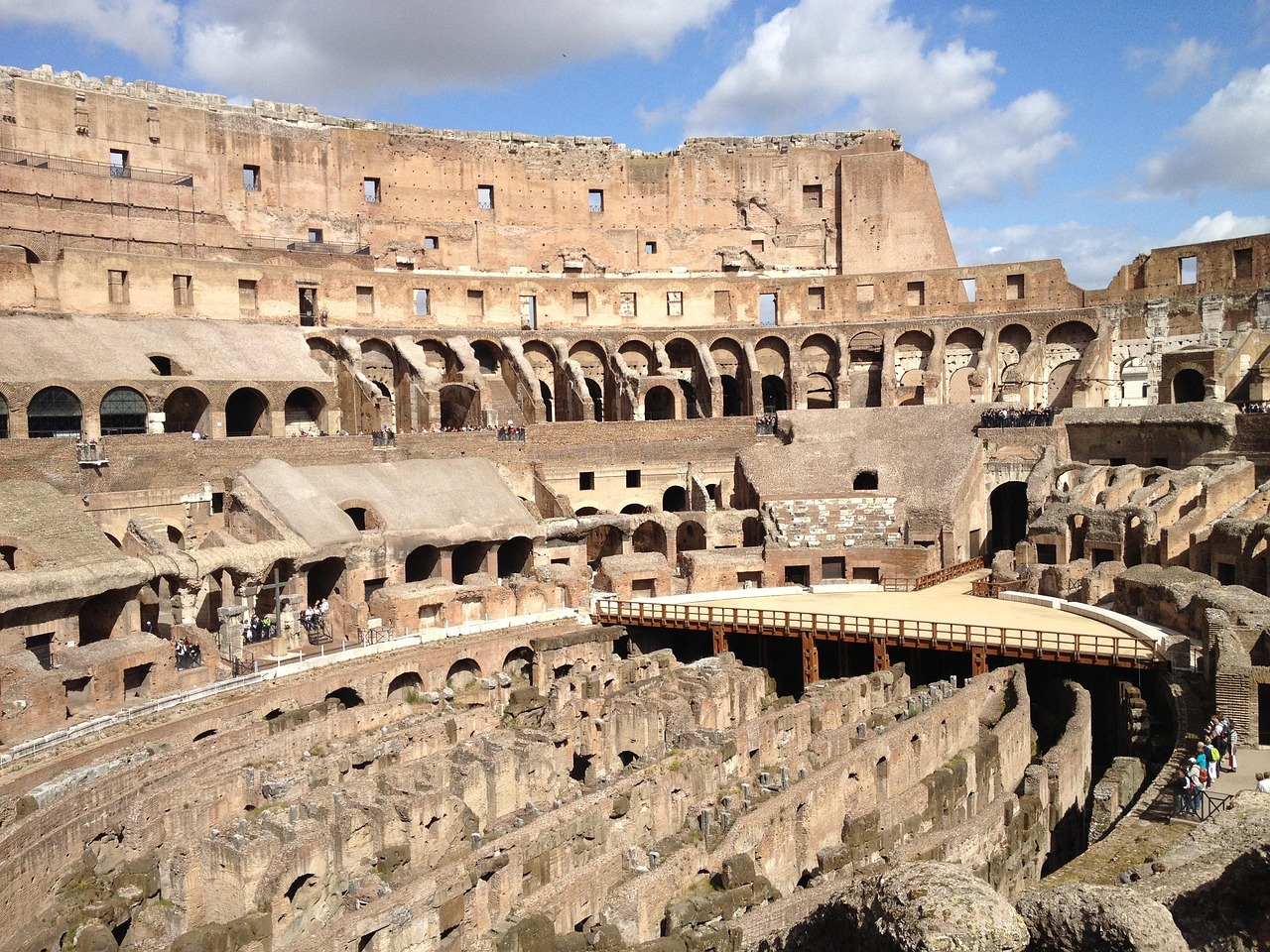
A private guided visit to the Colosseum, with underground access and an arena-floor moment in Rome
A Colosseum private guided tour underground arena floor Italy experience is the kind of upgrade that changes the emotional temperature of a visit to Rome. Rather than standing shoulder-to-shoulder, you move with intention—descending into the underworld of chambers, then stepping onto the arena floor where history becomes strangely immediate. For travellers who value depth and calm, it’s not just worth visiting; it’s one of the best things you can do in the city.
Colosseum sunrise: a personal moment in the heart of ancient Rome
One couple told us about their sunrise tour of the Colosseum, standing quietly on the arena floor as the first light touched the stone. Before the crowds arrived, the place felt less like a monument and more like a stage waiting for its story. Their expert guide spoke softly—about how the building worked, how the crowd sounded, how the day might have unfolded—and suddenly ancient Rome felt close enough to touch.
It’s hard to forget the hush inside a structure built for spectacle. The Colosseum is often described as one of the wonders of the world, but in that early stillness it also becomes human: you imagine the nerves, the noise, the heat, and the moral complexity of entertainment at the edge of the Roman empire.
Underground access: gladiator stories, Roman engineering, and the human details
With underground access, you’re not just looking at walls—you’re uncovering how Romans staged an entire experience: lifts, trapdoors, holding areas, and the choreography of surprise. Your guide can translate the architecture into lived reality, from the acoustics of the arena to the political messaging embedded in a “day at the games”. The word gladiator is easy to romanticise until you hear the full story, told with context and care.
For those who enjoy photography, the best images are often the quiet ones: a curve of seating in soft light, a shadowed archway, a detail in travertine. Pause, step aside, and allow others their moment too—this is a place to visit with respect as well as wonder.
Practical reassurance: even premium tickets still include security checks and timed entry. Arrive early, bring photo ID, and keep your bags light. This kind of guided tour feels most seamless when you’re punctual—and when someone else has already thought through the meeting point and route.
Colosseum and Roman Forum: Palatine Hill Walk in the Heart of Ancient Rome
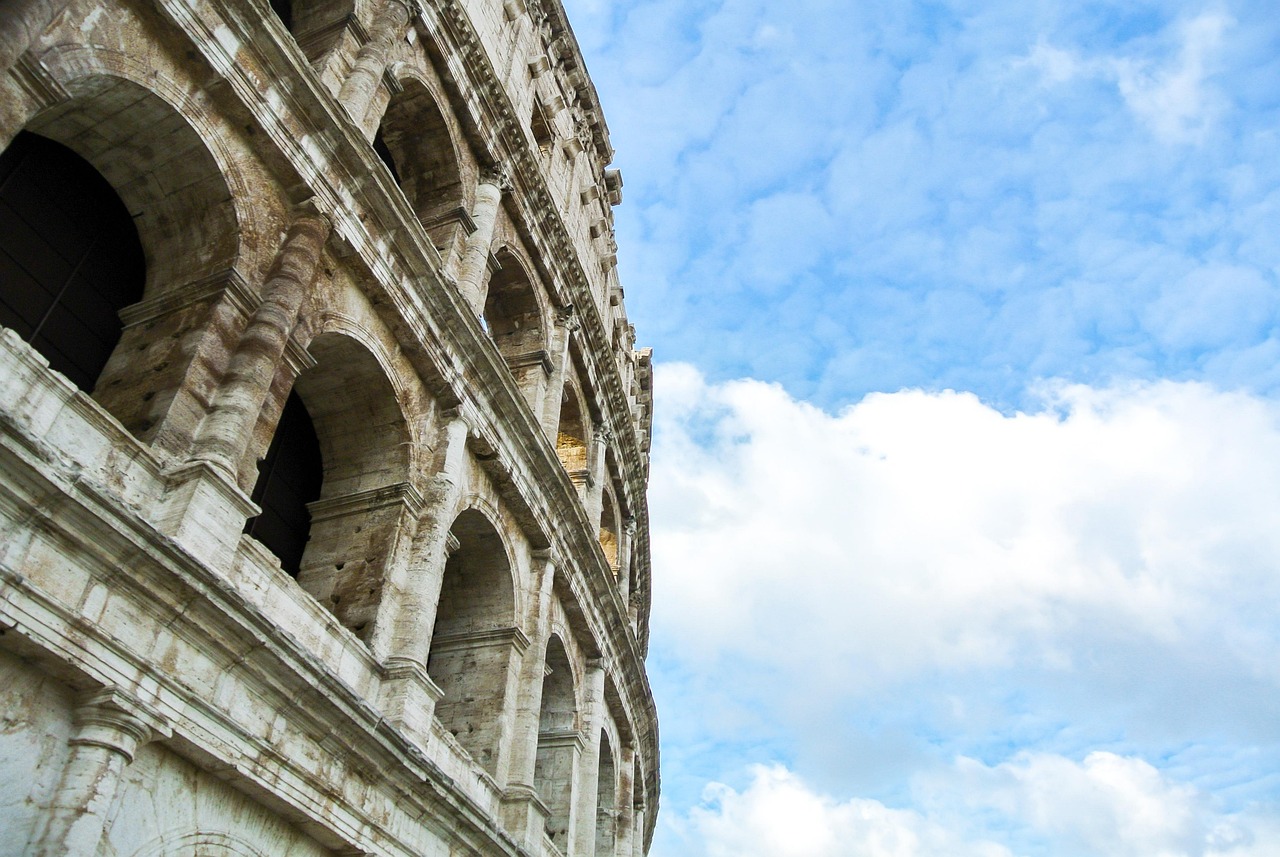
A Colosseum and Roman Forum day, with Palatine Hill viewpoints over the heart of ancient Rome
If your notes say Colosseum and Roman Forum Palatine Hill places to visit in Rome Italy, the magic is in treating it as one story rather than two separate stops. You begin with the Colosseum’s spectacle, then walk into the Roman Forum where politics, religion, and daily life once held court. Add Palatine Hill and the narrative gains perspective—literally—because you can finally see how the city’s ancient core fitted together.
Colosseum and Roman Forum routes that keep the day calm and logical
To avoid backtracking, start early at the Colosseum, then move through the connected entrances towards the Roman Forum while your energy is high. Think of the ruins as a slow unfolding rather than a race: stop at a terrace, let the stones “settle” into meaning, then continue. This approach is particularly kind if you’re managing heat, jet lag, or simply want to keep the mood spacious.
A beautifully paced colosseum and roman forum day also makes room for contrast. Nearby, Circus Maximus stretches out like an empty breath—its scale reads differently after the density of ruins, and it’s a quietly satisfying way to reset your senses before lunch.
Key stops, panoramic terraces, and guided tour insight on Palatine Hill
Within the Roman Forum, you’ll pass triumphal arches, basilica ruins, and viewpoints that make the city feel layered rather than flat. A private archaeologist-led add-on can add surprising tenderness: you’re no longer just “seeing”; you’re understanding what mattered and why. This is where a guided tour earns its place—insight, not speed—especially once you climb towards the palace remains on Palatine Hill.
Plan a long lunch or aperitivo afterwards. High-end travel in Rome often means honouring the body as well as the schedule: shade, water, and a comfortable seat can transform the afternoon. Consider a nearby trattoria with a reservation, then return to your hotel for a pause before an evening stroll through other places to visit in Rome.
- Shade strategy: carry water and seek the edges of the site where breezes sometimes move through.
- Footwear reminder: uneven surfaces are common; stability matters more than style here.
- Energy management: the heart of ancient Rome is emotionally rich—give it time, then give yourself rest.
Vatican Museums After-Hours Tour: Sistine Chapel Access in the Vatican
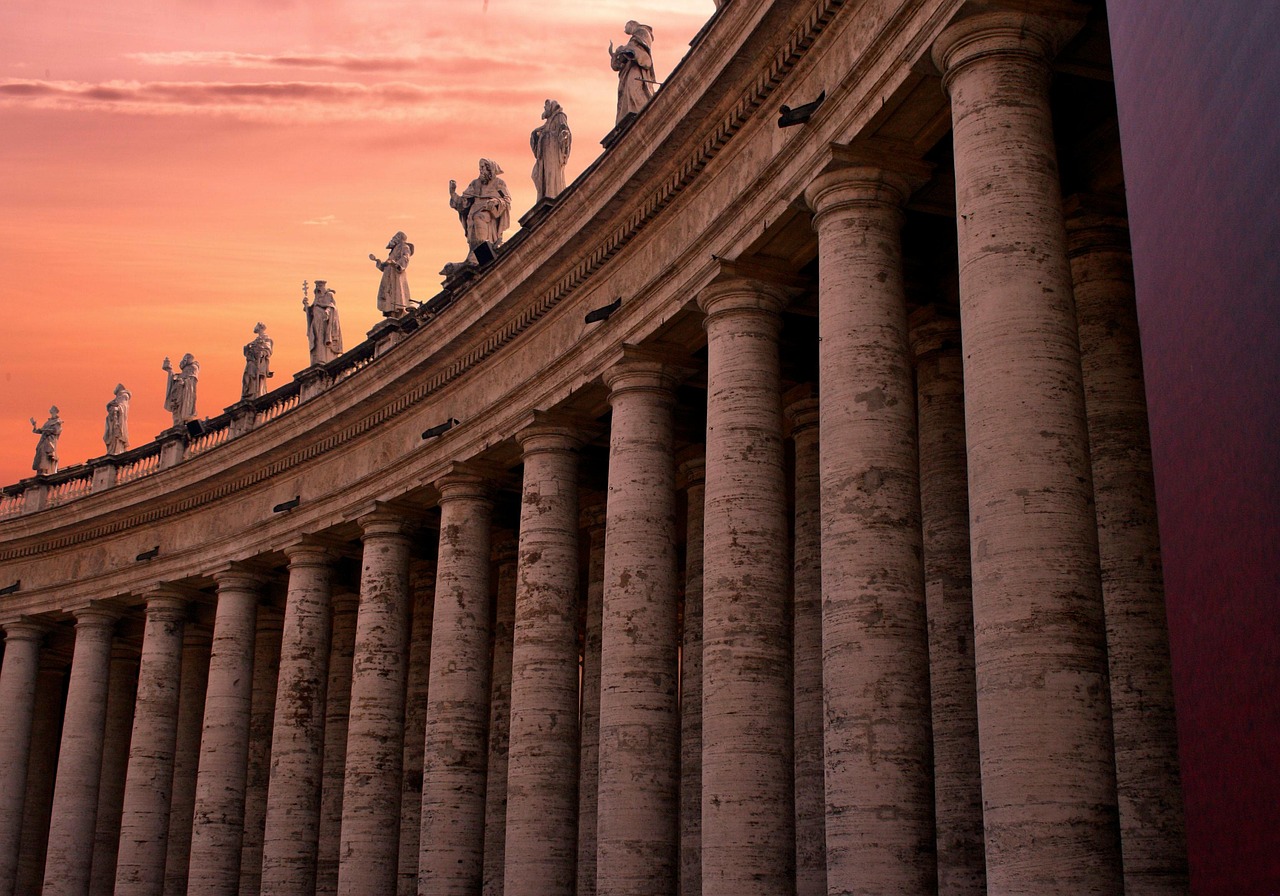
Vatican Museums and the Sistine Chapel in serene silence, with exclusive access
Searching for Vatican Museums after hours tour Sistine Chapel Vatican museum Italy is usually a sign you want something rarer than a standard day ticket: you want the Vatican with space to think. Exclusive early entry or after-hours access lets you visit the Vatican without the crush, turning a famous museum visit into something quieter and more contemplative. For many high-end travellers, this is the difference between “I saw it” and “I felt it”.
Seeing the Sistine Chapel in near solitude (and why timing matters)
One group of travellers described their after-hours Vatican experience as almost spiritual. They stood beneath Michelangelo’s ceiling in the Sistine Chapel with only a handful of people nearby, long enough for the frescoes to stop being “images” and become a conversation across centuries. They spoke about the hush, the respectful stillness, and the way time seemed to soften around them—an artistic encounter that felt once-in-a-lifetime.
This is why timing matters. The Vatican is extraordinary at any hour, but in serene silence you can actually look—without being carried along by the current of crowds—and the Sistine Chapel becomes a true highlight instead of a brief stop.
What to explore in the Vatican museum: galleries, Raphael rooms, and calm logistics
Inside the Vatican museum complex, choose a few highlights and move with purpose: sculpture galleries for classical grace, the museum corridors where maps and patterns become hypnotic, and the Raphael rooms for human warmth and colour. Mentioning Raphael here is not just name-dropping; it’s a reminder that the Vatican isn’t one room—it’s a sequence of masterpieces, each deserving a breath.
Logistics can feel daunting, so here’s the reassuring truth: security is still present, lines can still form, and entry times still matter—but a well-designed experience smooths the edges. Arrange transfers if you’re heading back across the city of Rome afterwards, and keep your schedule light for the next hour or two. Let the museum settle, then move on to dinner with a clearer mind.
Quiet etiquette: in the Sistine Chapel, step aside before you look up, silence your phone, and honour the rules around photography. The point is not to “capture” it, but to keep the moment personal and respectful.
St Peter’s Basilica & Dome View: San Pietro in the Vatican City
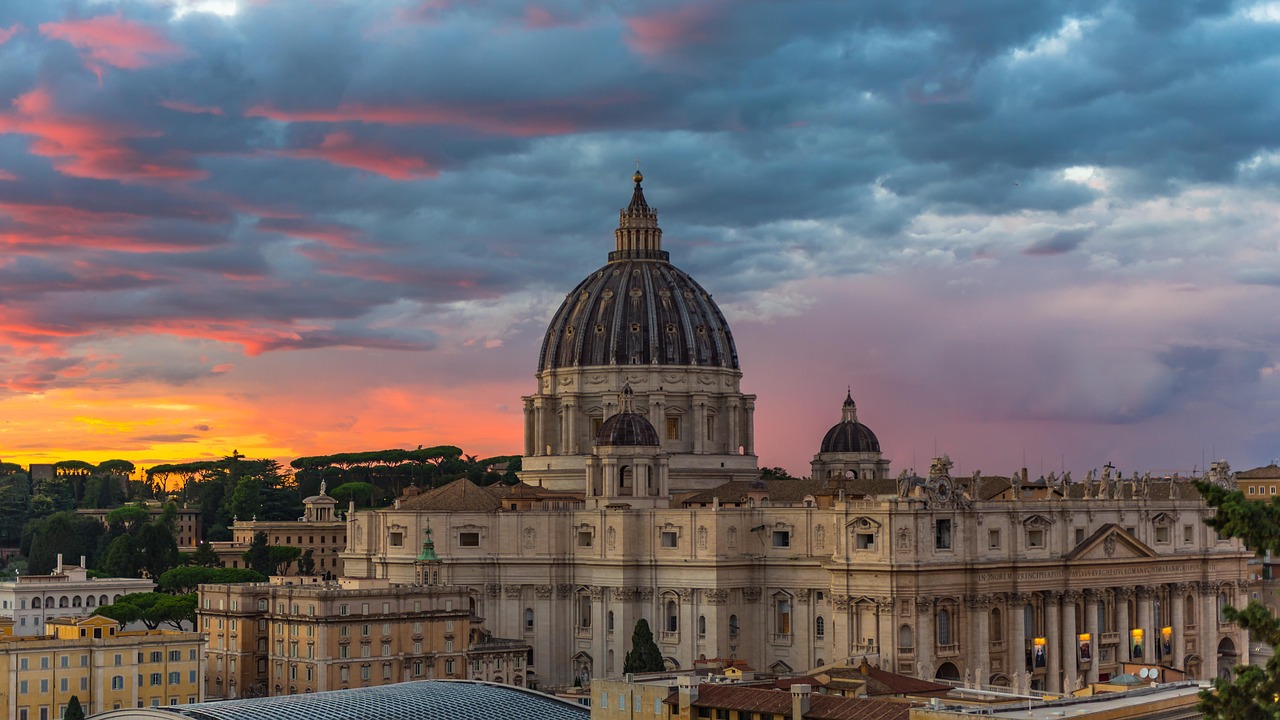
St Peter’s Basilica and the dome view from San Pietro in the Vatican
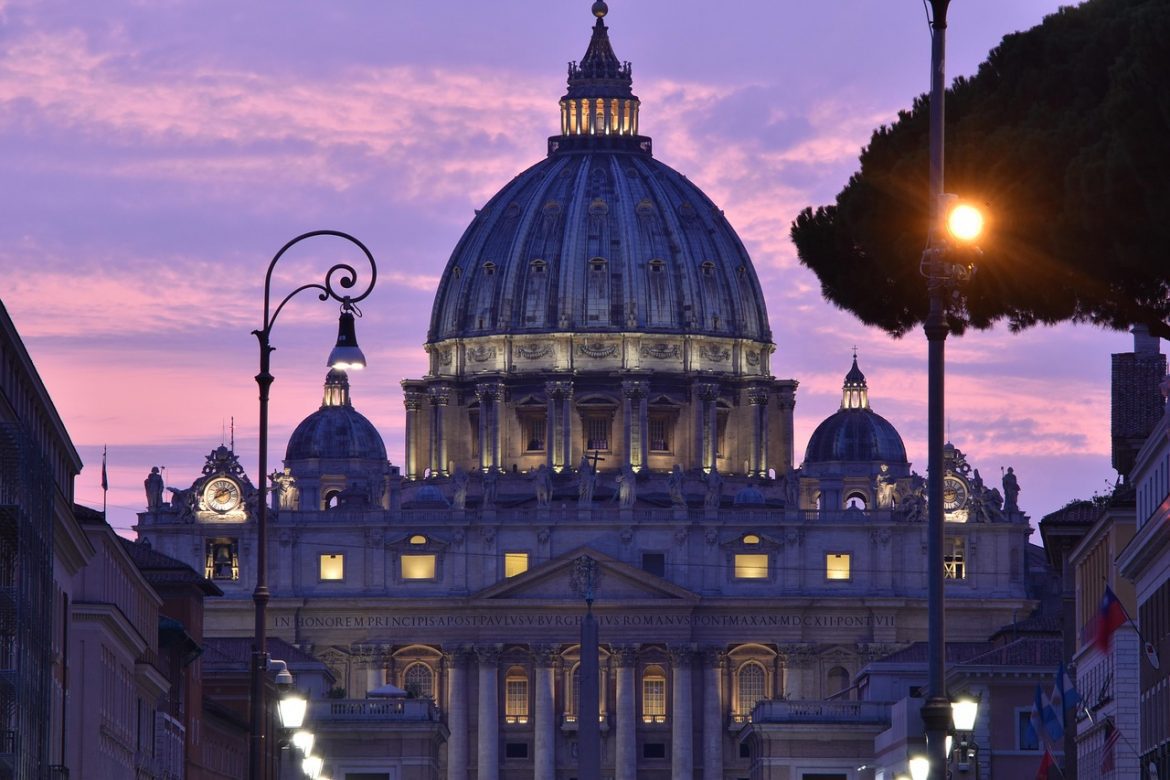
If your plan reads St Peter’s Basilica dome San Pietro Vatican Italy, consider it your counterbalance to the museum intensity: more sky, more space, more awe. Peter’s Basilica is a place to visit for scale alone, but it’s also a place for stillness—especially after an early Vatican start or a late-night visit. Walk in with calm confidence, and allow the building to meet you at its own pace.
Vatican dress code: simple rules with elegant ease
The Vatican dress code is simple: shoulders and knees covered. The most stress-free approach is to plan one beautiful, breathable outfit that already respects the rules—think linen layers, a light shawl, or a tailored wrap that feels elegant rather than restrictive. If you’re travelling in warmer months, this is one of those small choices that makes the entire day feel more seamless.
Dome climb or lift: the best view of Rome from San Pietro
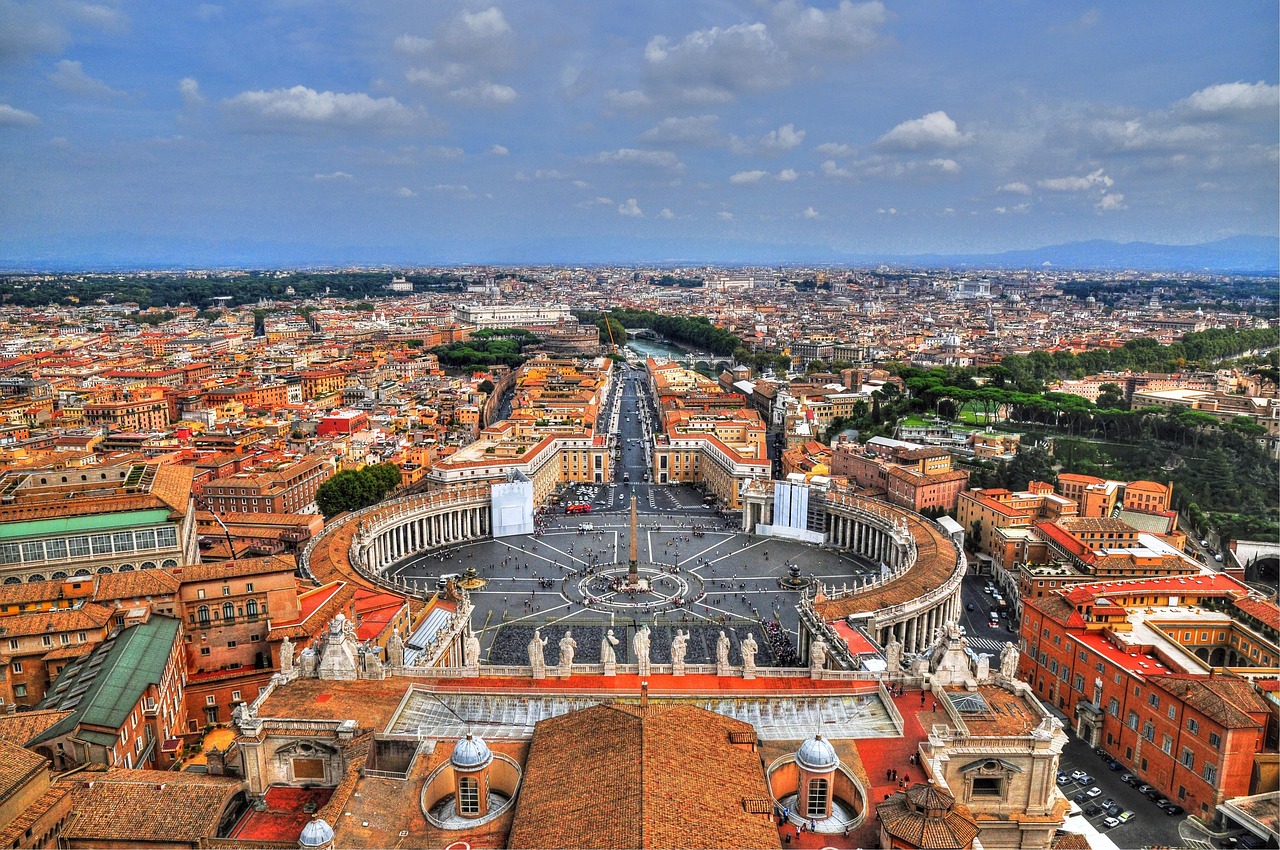
The dome offers a singular view of Rome—a sweep of rooftops and the curve of the city that helps you understand distance, history, and scale. You can take a lift for the first section, then decide whether to climb the remaining steps; either way, time it for cooler hours to avoid heat and peak crowds. Give yourself permission to take it slowly: this is not a fitness test, it’s a memory.
Inside San Pietro, details reward attention: the hush of side chapels, the weight of marble, the rhythm of footsteps. If you want deeper context without feeling rushed, a guide can quietly translate what you’re seeing—offering insight, and gentle support when the space feels overwhelming in the best possible way.
- Accessibility: the basilica has rest points; the dome climb is narrow in places and not ideal if you dislike confined stairs.
- Timing: arrive early, or later in the afternoon when group tours often thin.
- Mindset: pause before you leave—stepping back into Rome’s streets can feel abrupt after such grandeur.
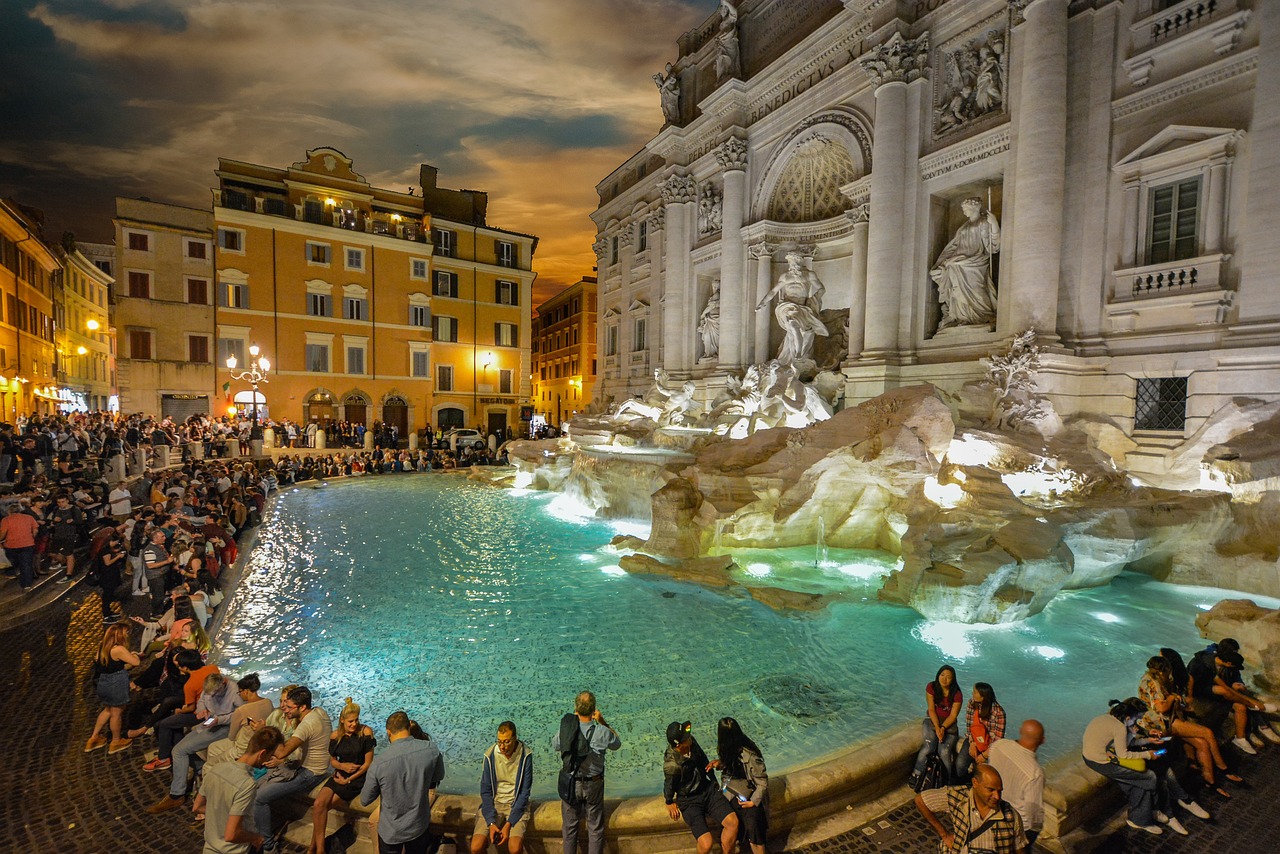
A refined walking loop: Trevi Fountain, Spanish Steps, and Piazza Navona—classic elegant icons in Rome
For many travellers, Trevi Fountain Spanish Steps Piazza Navona top attractions Rome Italy is the classic day of elegant icons—and it can be genuinely lovely if you keep it unhurried. This is your refined walking loop: the Trevi Fountain at a quiet hour, the Spanish Steps with a pause for people-watching, then onwards through lanes that still feel like an open-air museum to Piazza Navona for open sky and street life. These are the sights in Rome that shine when you’re not racing them.
Trevi Fountain rituals: how to throw a coin and slow the moment
Arrive early if you can; the Trevi Fountain is most enchanting before the crowds gather. When you throw a coin, do it gently—less a cliché, more a private moment of intention. Then step back, notice the sound of water against stone, and let the city meet you with softness rather than noise.
From here, you can wander towards the Pantheon, another place to visit that feels miraculous in its simplicity. Built under Emperor Hadrian, its oculus turns daylight into architecture—proof that Rome’s grand moments aren’t always loud, and that things to see can be both simple and profound.
The Spanish Steps and Piazza di Spagna are at their best when you treat them as a pause, not a performance. Sit nearby with a coffee, browse the nearby boutiques, or schedule a private driver pick-up a few streets away so the exit feels seamless. Later, Piazza Navona offers space to breathe; it’s also a wonderful spot for portraits in softer light.
If you’d like a spacious reset, walk north to Piazza del Popolo, then let the day settle. And if you want a dash of modern national story among the classics, keep Vittorio Emanuele II—also spelled Victor Emmanuel II—on your radar: the vast Monumento Nazionale a Vittorio Emanuele (also known as Nazionale a Vittorio Emanuele II or simply the Vittorio) tells the story of unified Italy in gleaming stone. Nearby churches also hide quieter treasures—one reason many travellers visit Rome and then start planning their next return (some love seeking out a single Caravaggio as an evening art “encore”).
High-end timing tip: these top attractions are busiest mid-morning through mid-afternoon. If you prefer ease, explore at daybreak, then return later for a cocktail and a calm, dressed-up dinner in the heart of the city.
Trastevere: Rome Food Tour, Boutique Eateries, and Places to Eat and Drink
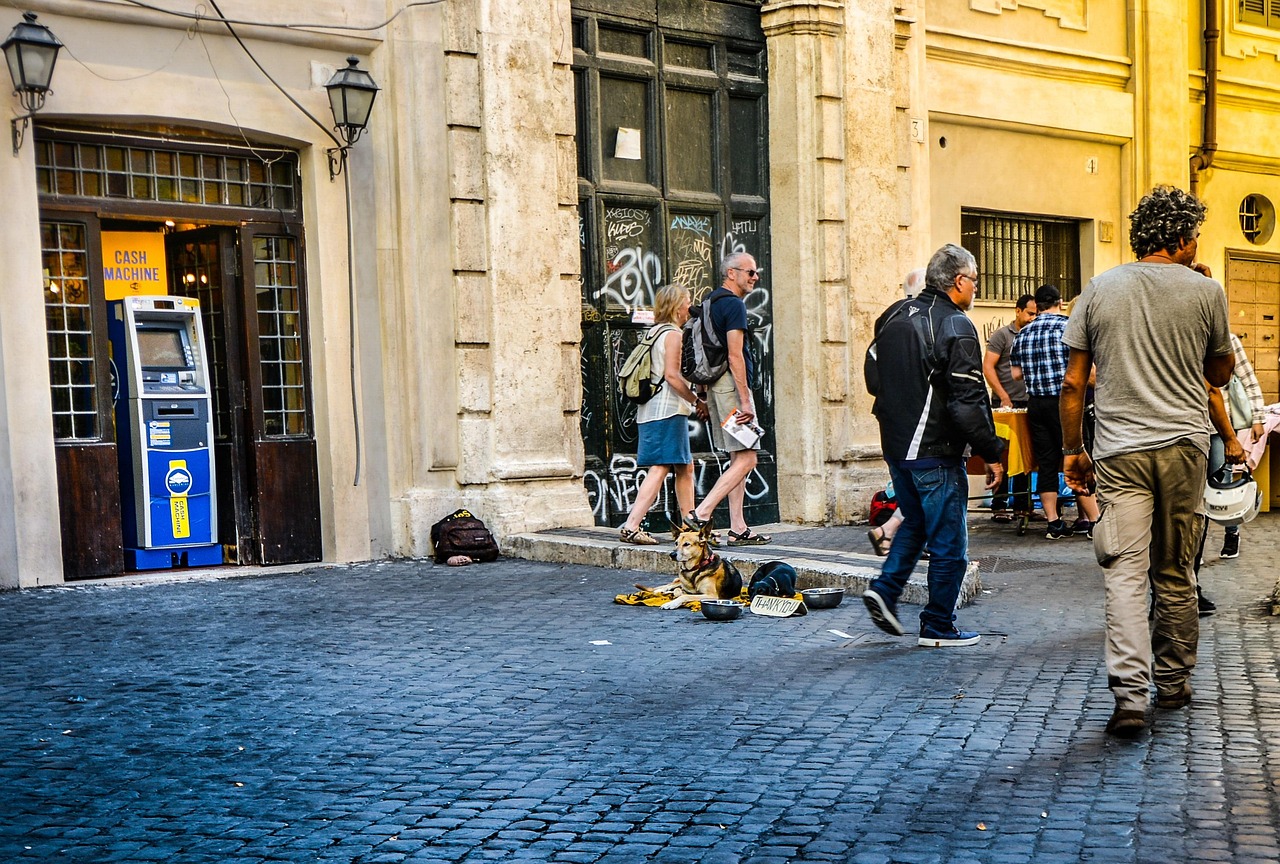
Trastevere flavours, artisan streets, and boutique eateries—an easy way to experience Rome beyond monuments
If you’re collecting notes on Trastevere Rome food tour boutique eateries places to eat and drink Italy, you’re already leaning towards Rome’s most delicious kind of authenticity. Trastevere is the local counterpoint to marble and monuments: cobblestone lanes, vibrant piazzas, artisan workshops, and a rhythm that invites you to slow down. For high-end travellers, this is where “luxury” becomes human—warm service, intimate dining rooms, and encounters that feel personal rather than packaged.
A solo day in Trastevere: artisan streets, small piazzas, and local rhythm
A solo traveller once described spending an entire day simply wandering Trastevere, letting the streets choose the pace. They spoke about meeting local artisans, watching hands at work, and then stopping for handcrafted gelato—feeling like a Roman for the day, not a passer-by. That’s the gift of this neighbourhood: it welcomes you into ordinary beauty, and it’s one of the most rewarding spots in Rome when you want something softer than the headline sites.
Rome food tour in Trastevere: what to book and what to taste
A curated food tour is one of the easiest ways to uncover the neighbourhood with confidence, especially if you want quality without guesswork. Look for a rome food tour in trastevere that focuses on provenance and seasonality: meats and cheeses, fresh pasta, and thoughtful wine pairings rather than oversized tastings. Some travellers choose a tour with walks of italy or a similar small-group format for expert context while keeping the experience relaxed and intimate.
For dinner, reservations matter—particularly in peak season—because the best boutique eateries are small by design. If you’re choosing among places to eat and drink, trust the rooms that feel quietly busy with locals, not the ones that shout from the pavement. A well-chosen table, a patient waiter, and a slow second glass can be as memorable as any tourist attraction.
Between tastings and shopping, step into Santa Maria in Trastevere for a gentle pause. If you have time elsewhere in the centre, the grand basilica of Santa Maria Maggiore is another calming stop that many travellers enjoy for its atmosphere and cool air, especially between busy walks.
- Booking: reserve dinner ahead; it’s the easiest way to keep the evening seamless.
- Comfort: cobblestones can be slippery—choose shoes with grip, especially after rain.
- Timing: late afternoon into evening is when Trastevere feels most alive, without feeling frantic.
What Stayed With Us After Rome: Favorite Things, Quiet Sights, and a Luxury Travel Guide Reflection
If there’s one truth we’ve come to trust, it’s that Rome doesn’t end at the airport. It lingers—softly—like the sound of footsteps on stone, or the way evening light settles on façades as the city exhales. Long after you’ve left, you may find yourself remembering not the rush between places in Rome, but the quiet in between: a glance exchanged in a gallery, the cool shade of a doorway, a fountain heard before it was seen.
What stays, often, is the feeling of being looked after. The ease of a seamless transfer when you’re tired; the confidence of knowing you’ll arrive at the Vatican at the right moment; the gentle support of an expert who can tell a story without turning your day into a lecture. These are not just logistics. They’re a form of care—one that allows you to be fully present for what you came to uncover.
And then there are the moments that can’t be scheduled, only made possible: the weight of the Colosseum in early light; the hush that gathered in the Sistine Chapel; the warmth of Trastevere when the day turned golden and you realised you’d stopped checking the time. Rome gives art, food, and history in abundance, yes—but it also offers something tender and timeless, a quiet permission to feel changed by beauty. It’s a way to experience Rome that blends things to do and see with space to simply be.
Perhaps that’s why the Eternal City remains so compelling. Not because there are always more places to tick off, but because each return would ask a different question of you, and offer a different answer. And if you do choose to return to Rome one day, it may be not to chase more, but to notice—more softly—what was there all along.
F.A.Qs: popular attractions in Rome Italy (top sites and what to see)
What are the top five attractions in Rome?
Many travellers count the Colosseum, the Roman Forum, the Vatican Museums, St Peter’s Basilica, and the Trevi Fountain among the top five. If you want them to feel special, visit at a calm hour and consider a private guided tour for deeper insight and a more seamless experience.
What should you not miss in Rome, Italy?
Don’t miss pairing the Colosseum and Roman Forum for the story of ancient Rome, and plan time for the Vatican and the Sistine Chapel when it’s quieter. Beyond the headline sights, a slow evening in Trastevere—good food, artisan streets, and a beautiful piazza—often becomes a traveller’s most personal memory.
Is there a 7 wonder in Rome?
The Colosseum is widely recognised as one of the New Seven Wonders of the World. With arena-floor access and the underground chambers, you understand not only its scale but the engineering and human stories behind it—especially when you go at a calm hour before the main crowds.
What is Rome, Italy best known for?
Rome is best known for its extraordinary layers of history, from the Roman empire to the Vatican, and for iconic places like the Colosseum, the Pantheon, and grand piazzas. It’s also known for the pleasure of everyday life—espresso rituals, long lunches, and streets that reward wandering with confidence.