Post Contents
- Choosing the Best Time to Go to Venice Italy for High-End Travellers – Atmosphere, Access, and Canal Moments
- Venice by Month – Weather, Tourist Numbers, and the Busiest Periods for Planning
- Venice Biennale, Venice Film Festival & Venice Carnival – Dates, Demand, and Signature Nights
- Where to Stay in Venice Italy – Calmer Neighbourhoods Near the Water for the Best Venice Feel
- Planning a Trip to Venice Italy – Water Transfers, Tickets, and Private Tours with Confidence
- What Stays with You After Venice Italy – Personal Reflections After the Journey
- F.A.Qs: Best time to go to Venice Italy
Choosing the Best Time to Go to Venice Italy for High-End Travellers – Atmosphere, Access, and Canal Moments
Designing the ideal season for a luxury stay in Venice
If you’re researching the best time to go to venice italy, the most useful question often isn’t “when is it cheapest?” but “how do I want this destination to feel?” The best time to visit venice depends on whether you’re imagining hushed mornings with a private guide, warm and sunny strolls along the Zattere, or a gallery opening followed by a late supper beside the water. Think of it as selecting the mood first—and then matching your dates to that mood.
For most travellers, late spring and early autumn are the sweet spots. April to June and September to October often bring good weather, reliable dining options, and a more comfortable pace than peak season. High season and the peak tourist season in venice can mean higher tourist numbers, large crowds, longer queues, and rising hotel prices; by contrast, low season in venice can feel wonderfully local, but you’ll want extra flexibility with daylight, temperatures, and occasional flooding.
What “best time” means in Venice beyond the forecast
In Venice, “best” is often about atmosphere as much as the weather report. It’s the angle of light on the lagoon, the ease of moving between an attraction and a long lunch, and the feeling that you can truly sightsee without rushing. It’s also about access: timed entries for St. Mark’s Basilica, after-hours tours, and the calm that comes when your day is crafted rather than improvised.
Value matters too, even for luxury travel. In shoulder season you may find that one of the best months brings both comfort and a better choice of suites, tables, and private guides—without the intensity of mid-summer. In the most in-demand weeks, you can still experience venice beautifully, but you’ll want earlier starts, precise reservations, and support from a concierge who understands the city’s rhythms.
A dawn gondola vignette that reframes the “best Venice”
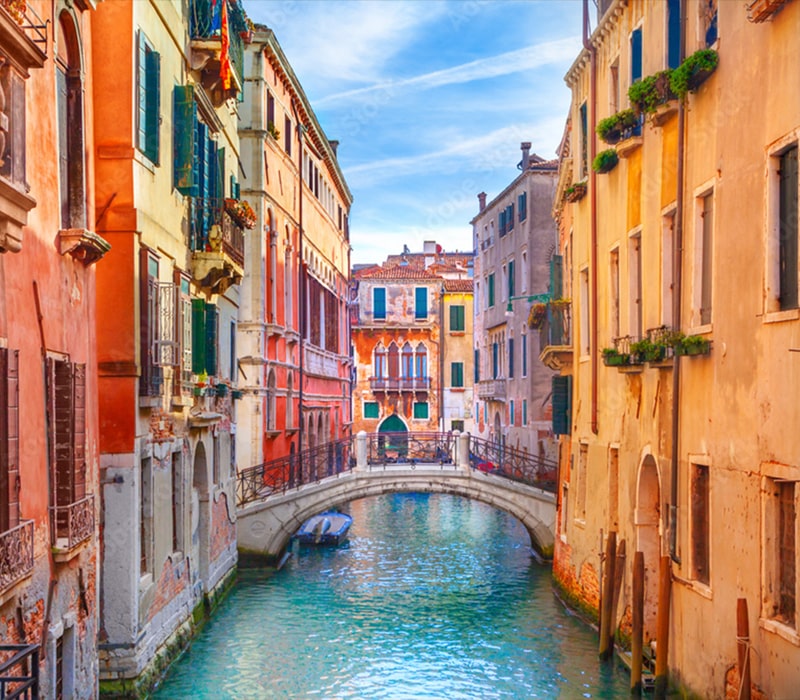
A couple once told us their trip changed at dawn. They’d booked a private gondola well before breakfast, when the canal was glassy and the city felt like it belonged to residents and the water. The gondolier spoke softly, the oar creaked, and the first light turned pale stone to rose. Those quiet minutes felt like their personal Venice—proof that timing within the day can matter as much as the best time of the year.
- If you want romance: choose a sunrise or sunset ride and build the rest of the day around it, with reservations that protect the mood.
- If you want culture: align dates with major openings and pre-book the most coveted slots, especially for limited-access venues.
- If you want calm: stay slightly away from the main routes and start early, especially during school-holiday weeks.
Next, we’ll walk through the months of the year so you can picture the atmosphere before you commit to flights.




Venice by Month – Weather, Tourist Numbers, and the Busiest Periods for Planning
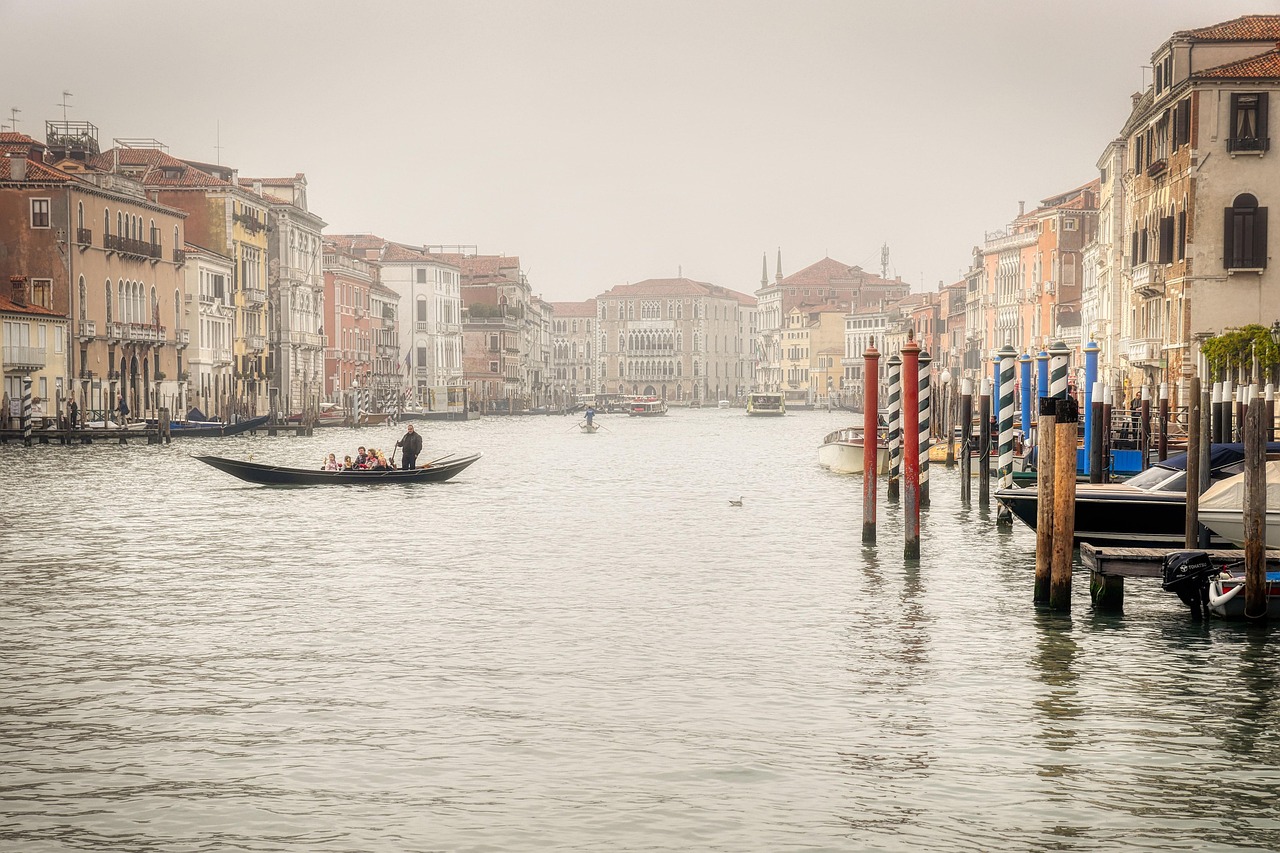
Venice by month: weather, crowds, and travel style at a glance
This month overview is designed for travellers who want clarity without losing the poetry. Every month brings its own palette—mist and marble in winter, glittering water-light in spring season, and long evenings in the summer months. If you’re choosing a specific month in venice, use the notes below to shape the year to visit around your priorities: comfort, culture, or calm.
Month-by-month guide to weather, crowds and mood
January: A quiet reset after new year’s eve, with a local cadence and crisp walks. Short days invite museum time and long dinners; pack elegant layers and a warm coat.
February: Often shaped by carnival and Carnevale, when costumes and masked evenings turn the city into theatre. If you come now, you’re coming for spectacle—book far ahead and expect higher hotel prices.
March: November and march can be low-season finds, with more space in restaurants and museums. You may gain a calmer stay and better availability, though bring a smart rain layer and flexible plans.
April: One of the most comfortable shifts of the year, with brighter days and a sense of awakening around venice. Holiday weeks can spike demand, so reserve top tables early.
May: A polished, excellent time with longer days and terraces reopening. It can be lively, but still more relaxed than the hottest part of summer.
June: June and september are often the most balanced choices—long light, comfortable temperatures, and good weather for walking and water excursions. It’s also a great time to visit for private tours and a relaxed evening aperitivo culture.
July: July in venice is gorgeous in photographs and demanding in practice. Expect warm and sunny days, consistent sunny weather, and a high-energy calendar; plan early starts and long lunches in cool interiors.
August: July and august keep the pace lively, with heat and holiday energy in the main corridors. For relief, plan an afternoon at the beach at lido, then return for a later dinner when the air softens.
September: September often feels like a deep exhale—still warm, but with a more refined rhythm. This can be one of the best months for travellers who want comfort plus culture.
October: A classic choice for travellers seeking beauty without the hottest days. Evenings turn cooler, and it’s wise to monitor acqua alta forecasts as the season in venice transitions.
November: Atmospheric and calm, with a higher chance of high tides and occasional flooding. With thoughtful footwear and a good concierge, it can feel like a secret.
December: Festive lights, elegant dinners, and the possibility of misty mornings. It’s a romantic time, but one of the coldest months can demand proper knitwear and a chic waterproof layer.
Summer in Venice and winter in Venice: what to expect for comfort
In summer, especially mid-year, Venice rewards travellers who design their days. Reserve private tours, schedule a midday pause, and keep your must-sees for the first hours of daylight—then linger over lunch and return for golden-hour walks.
In the cooler season, the winter months bring shorter light, more space in galleries, and a gentler relationship with residents. You may need to plan around acqua alta alerts and bring smart, waterproof footwear, but you’re rewarded with a Venice you can actually hear.
With your dates taking shape, the next step is to consider festival timing—because culture can change the whole texture of the city.
Venice Biennale, Venice Film Festival & Venice Carnival – Dates, Demand, and Signature Nights
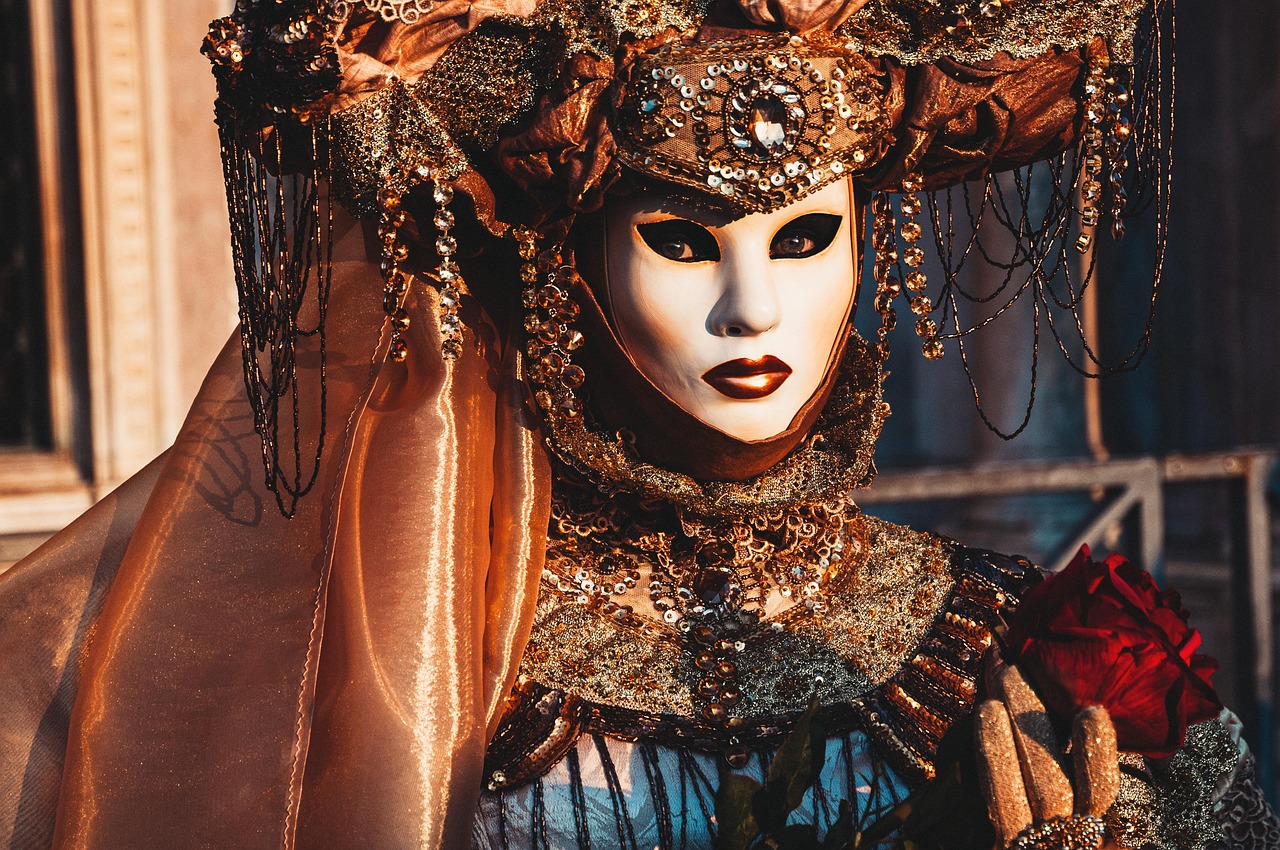
Festival timing in Venice: art, film, and masked evenings
If you’re mapping the venice biennale, the venice film festival, and venice carnival, you’re already thinking like an insider. These cultural peaks bring extraordinary access—openings, dinners, guest lists—but they also influence reservations, transfer availability, and how far in advance you’ll want to lock in a private guide. For art lovers, this period can be unforgettable because the city becomes a living gallery.
Venice Biennale planning: pacing your days for art and ease
The Venice Biennale draws collectors, curators, and creators into a shared conversation. If you’re coming for the Venice Biennale, build your days with breathing room: a late-morning pavilion visit, a long lunch, and a quiet hour to process what you’ve seen before evening plans. A thoughtful itinerary feels less like ticking boxes and more like uncovering your personal thread through the exhibitions.
Film-season energy adds a different sparkle—terrace cocktails, photographers, and a buzz that travels from the Lido back into the historic centre. During these nights, a seamless plan matters: water transfers booked ahead, tables confirmed, and a stay that offers calm at the end of the evening.
Venice carnival season: pageantry, etiquette, and calmer moments
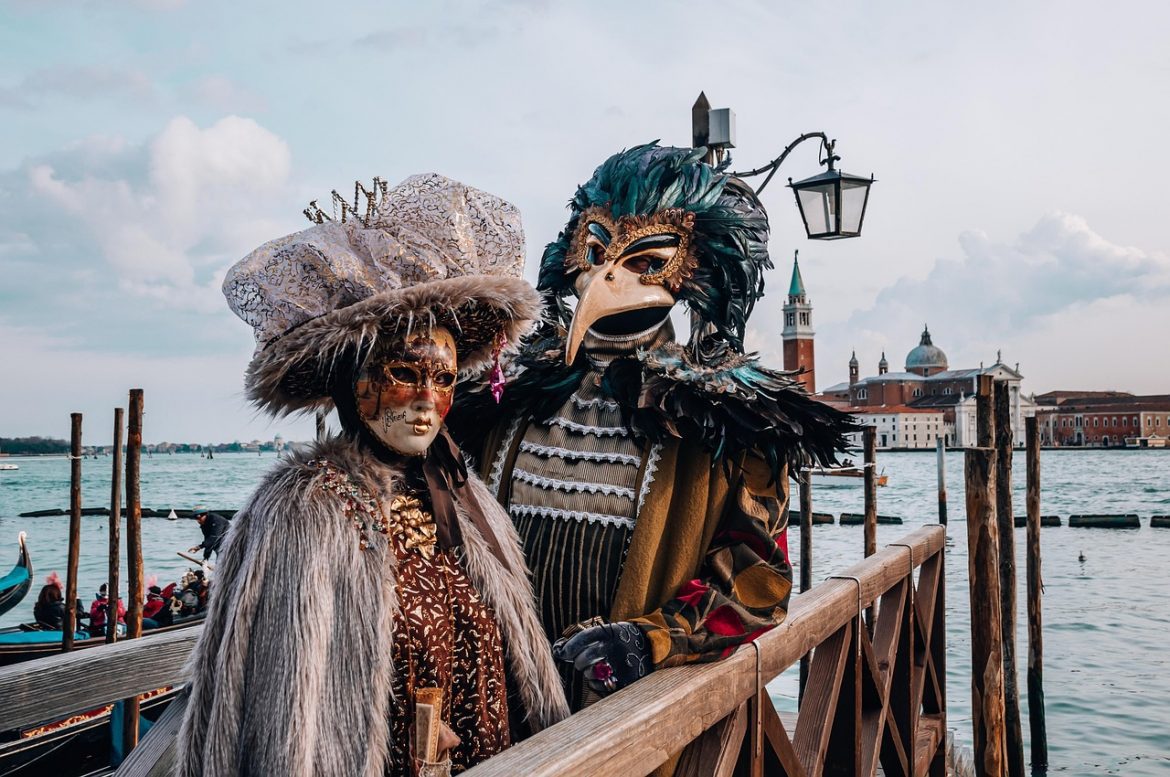
During this festive window, the city leans into masks, music, and theatre. With venice carnival season, the pageantry is the point—yet it’s still possible to balance it with calmer moments: early walks before the crowds gather, a private museum visit, and dinner tucked away from the main flow. If you’re curious about costume, consider a private fitting at an atelier and let the craft become part of the story.
One traveller described attending Carnevale di Venezia in lavish costume, stepping into an invitation-only soirée where every detail felt curated—gloves, silk, candlelight, and the respectful hush of a palazzo staircase. They loved the thrill of blending into history, but also noted the etiquette that keeps Venice dignified: keep voices soft, avoid blocking bridges for photos, and treat churches and residents with genuine care.
- Festa del Redentore: a beloved summer celebration with boat dinners and firework displays across the water.
- Feast of San Marco: moments of civic pride at piazza san marco, best enjoyed early or with a guide who can steer you gently through.
- Festa della Salute: a moving local tradition in November, offering a calm cultural insight for those who want depth beyond the obvious.
If you’d like, you can also time your visit around smaller events such as a historic boat race on the grand canal, which adds local colour without the intensity of a major festival. And for a winter detail few people plan for, the eve of the epiphany can bring a lovely sense of tradition, especially when paired with a warm, candlelit supper.
Once your dates are aligned, where you stay becomes the next lever for comfort and calm.
Where to Stay in Venice Italy – Calmer Neighbourhoods Near the Water for the Best Venice Feel
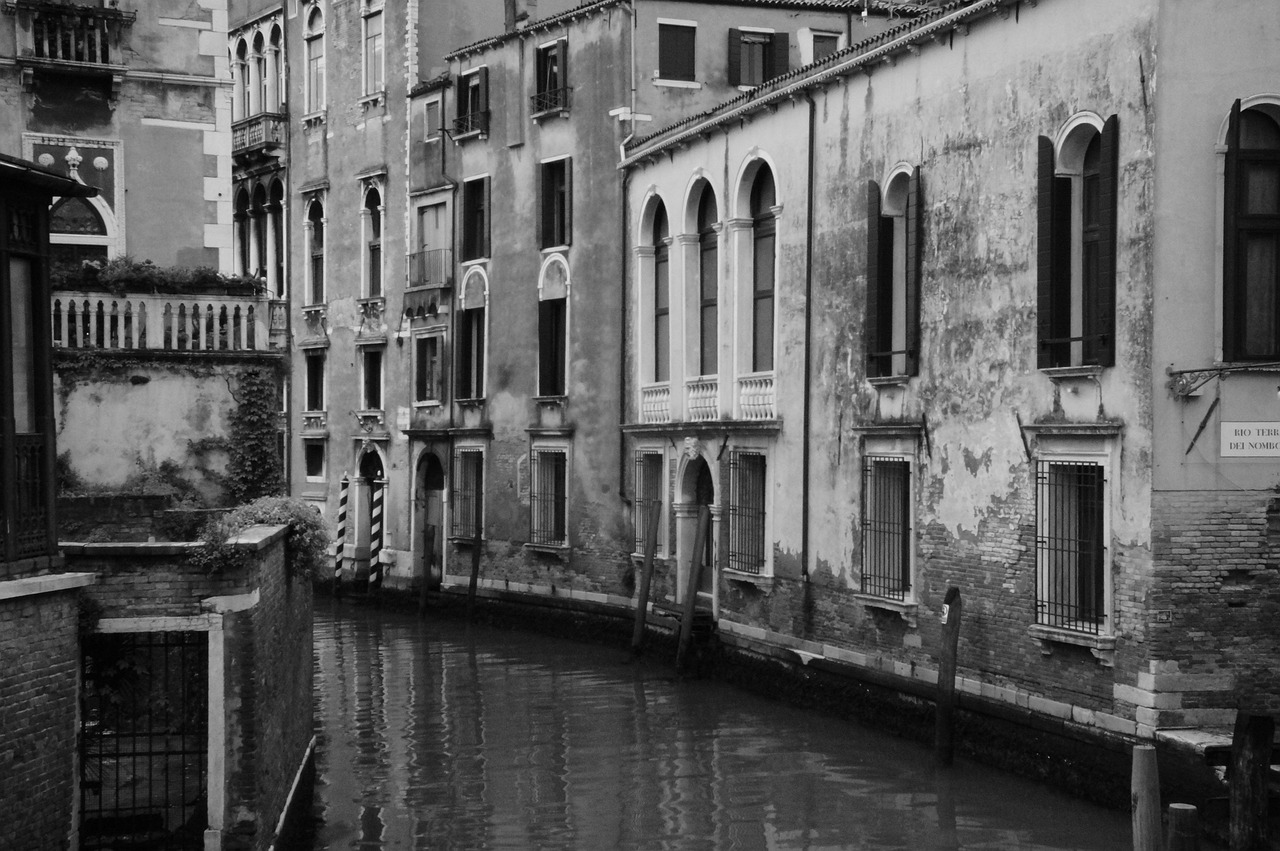
Where to stay for a calmer, more local Venice
For travellers searching where to stay in Venice Italy quieter neighbourhoods near canal, the goal is usually the same: to feel close to the magic, but not swallowed by it. Your address shapes your mornings, your routes, and how easily you can escape the crowds while still reaching Venice’s top attractions. The right base offers both privacy and proximity—so you can explore with trust rather than tension.
Dorsoduro, St. Mark’s area, and canal-front addresses
Dorsoduro suits travellers who want a more local pace and a little creative soul. Here you can discover artisan workshops creating bespoke venetian masks, and you’re well placed for galleries and refined wine bars. It’s also a charming area to browse for glassware and plan a visit to the island of murano, where the craft becomes a story you carry home.
St. Mark’s area is for classic, iconic Venice: you wake within an easy walk of the basilica and the Doge’s Palace, with early-access strategies making all the difference. If you love stepping out into the heart of the city, choose a hotel that offers strong soundproofing and concierge support to soften the busiest routes.
Waterfront palazzi offer cinematic views and that sense of arrival you remember for years. They’re particularly wonderful for anniversaries and first visits, when you want the city to feel like it’s welcoming you together.
A crafted day trip flow from art to the Rialto Bridge
A seasoned visitor once shared their favourite pattern: start in a calm neighbourhood, move slowly, and let the city reveal itself. They spoke about turning down small lanes, finding warm local hospitality, and realising that Venice rewards people who don’t rush.
Here’s a refined rhythm that works in many seasons:
Morning: Peggy Guggenheim Collection for modern art in a palazzo on the water—an intimate, world-class pause from the crowds.
Afternoon: a slow walk towards the market area, with time to browse and watch daily life. Cross the rialto bridge when the light softens, and you’ll see why this view becomes a personal landmark for so many travellers.
Evening: begin with an aperitivo on a calm fondamenta, then a candlelit dinner where service is unhurried and the wine list is confidently curated.
If you’re extending beyond the city for a short day trip, consider the islands around venice for a gentle change of scene—Murano for craft, or Burano for colour—without losing the elegance of returning by water.
Now, let’s make the experience seamless with logistics that feel invisible in the best way.
Planning a Trip to Venice Italy – Water Transfers, Tickets, and Private Tours with Confidence
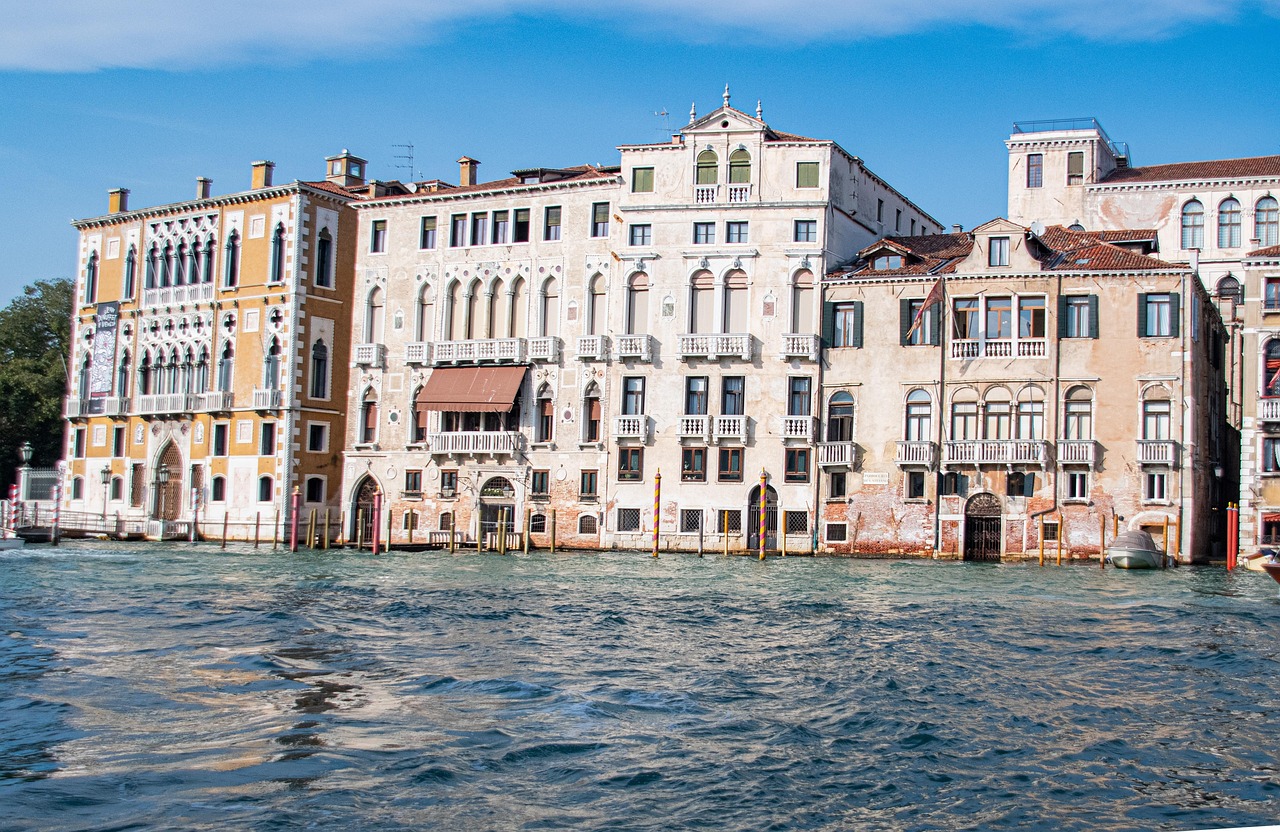
Seamless Venice logistics: arrivals, transfers, tickets, and private touring
For travellers focused on planning a trip to Venice Italy canal transfers tickets and private tours, the luxury is often in what you don’t have to think about. Smooth arrivals, well-timed entries, and a crafted pace turn Venice from a beautiful challenge into a seamless pleasure. Use this as a practical guide to venice logistics—so your days feel effortless.
Arrivals in Venezia and moving around by water
Arriving by train into Venezia Santa Lucia is one of the most convenient ways to begin a trip to venice: you step off and the city is already there, shimmering beyond the platforms. If you want an elevated start, a private water taxi to your hotel is worth it—direct, calm, and wonderfully cinematic as you glide through the waterways with luggage handled and stress removed.
Once you’re settled, Venice is best on foot and by boat. Vaporetto routes can be useful, but for special moments—an anniversary dinner, a gallery afternoon, a late return—private transfers offer both comfort and a feeling of being supported.
Tickets, top attractions and the gondola plan
In the most popular weeks, pre-booking is non-negotiable if you want ease. Timed museum entries let you flow through the day rather than queue, and a private guide slot for the Doge’s Palace can transform it from a crowded tour into a story you feel. For St. Mark’s Basilica, early-entry options are your friend, especially if you want the mosaics without the press of people.
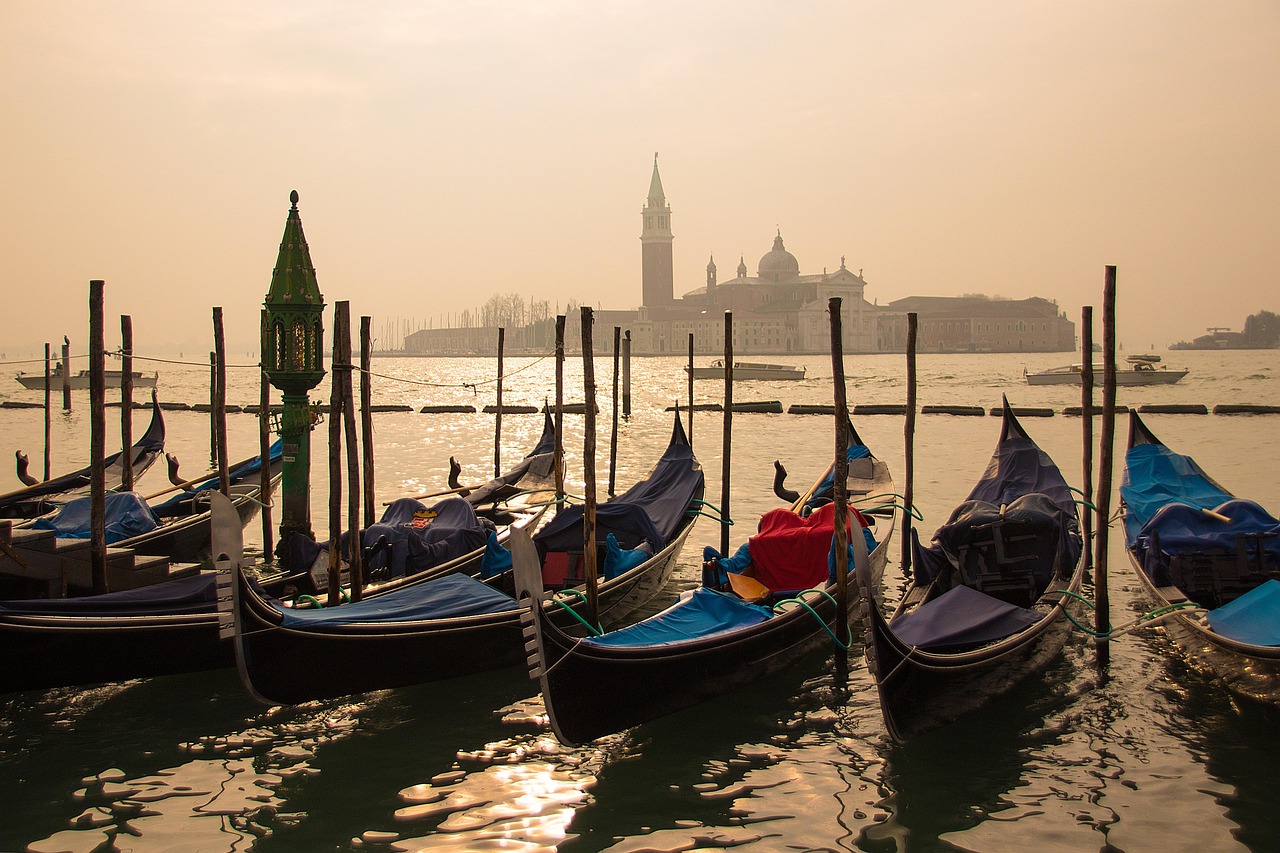
For romance, many travellers think only of a sunset gondola, and it is undeniably beautiful—soft light, reflections, and the city turning golden. Yet remember that dawn can be even more intimate. If you’re set on sunset, book online in advance and choose a route that slips into calmer waterways, away from the main flow.
- Where the premium goes: Michelin-starred dining, private tours, after-hours access, and bespoke mask or glass shopping in artisan studios.
- How to find value: travel in late spring or early autumn, when suites and guides can be more available without compromising quality.
- What to pack: polished layers, and waterproof footwear that still feels elegant if acqua alta is forecast.
Seasonal watch-outs matter, and they’re simple with the right care: monitor high-water alerts in autumn and winter, and remember local etiquette—speak softly in churches, avoid eating on the streets near sacred sites, and tip modestly. A thoughtful approach is always noticed.
One traveller shared an anniversary evening overlooking the water at a Michelin-starred restaurant, where venetian flavours were paired with exceptional wine. What made it unforgettable wasn’t only the view; it was the quiet support of a concierge team who confirmed transfers, adjusted timings, and made the couple feel looked after together from first toast to last.
If you’d like visual inspiration while you design your itinerary, you can browse our Trip gallery for Italy.
And then, almost without noticing, you arrive at the part of Venice that doesn’t fit neatly into an itinerary.
What Stays with You After Venice Italy – Personal Reflections After the Journey
For many travellers, what lingers is not a checklist of things to do in venice, but a handful of moments that return quietly later. The hush of a narrow waterway at first light. The sheen of the lagoon at dusk, when the water seems to hold the sky. The feeling that the city invited you to slow down—not as a performance, but as a form of care.
There’s a particular kind of trust Venice asks of you: to step aside for a resident crossing a bridge with groceries, to listen for the rhythm of footsteps rather than chasing the next photograph, and to let beauty be unhurried. When you explore gently, you begin to uncover the city’s softer layers—small courtyards, a bell that marks the hour, a waiter who remembers how you take your coffee.
Even the practical details take on a tender glow in hindsight: the warmth of a coat collar in the colder season, the quiet satisfaction of being well prepared, the reassurance of knowing you chose the right time to go to venice for your own temperament. Venice changes you in small ways—teaching patience, sharpening your eye for light, and reminding you that elegance can be simple.
And perhaps that is why so many people imagine returning. Not to chase more, but to meet Venice again in a different mood—when the air shifts, the water sounds different, and the next chapter reveals itself at its own pace.
F.A.Qs: Best time to go to Venice Italy
What is the best month to travel to Venice?
June and September are often considered the most balanced months for a luxury stay, with long days and a lively but manageable atmosphere. You’ll find it easier to book private guides, enjoy refined dining, and still move at a graceful pace—especially with early starts for the most popular sights.
What is the cheapest month to go to Venice?
January and November are commonly among the least expensive periods, with lower rates and fewer visitors than spring and summer. The trade-off is shorter daylight and a higher chance of wet weather, but if you plan thoughtfully, you can enjoy a more local feel with excellent restaurants and museums.
What is the rainy season in Venice?
Venice can see more unsettled weather in autumn, particularly from October into November, when rain showers and higher humidity are more likely. It’s still a beautiful time to visit if you pack well and build in indoor cultural moments, but it’s wise to stay flexible and check forecasts each day.
What month does Venice flood the most?
November is often the month most associated with acqua alta, when higher tides can temporarily flood low-lying areas. It doesn’t mean the city is closed, but you’ll want waterproof footwear, awareness of tide alerts, and a hotel team who can advise on routes and timings for a smooth experience.