Post Contents
- San Marco Venice: First look at the historic heart and district in Italy, arriving by vaporetto.
- Piazza San Marco at Sunrise and Piazza San Marco Venice sunrise San Marco Square experience
- St Mark’s Basilica and Venice’s Byzantine mosaics history
- Campanile di San Marco Climb and Campanile di San Marco bell tower views Venice lagoon
- Doge’s Palace Power and Doge’s Palace Venice San Marco district Gothic palace tour
- Canals to Museums and San Marco Venice gondola ride canals Museo Correr museum
- F.A.Qs: San Marco Venice travel questions
- What Stayed With Me After San Marco and San Marco Venice reflections travel memories
San Marco Venice: First look at the historic heart and district in Italy, arriving by vaporetto.
San Marco Venice: A First Look at the Historic Heart and a seamless vaporetto arrival
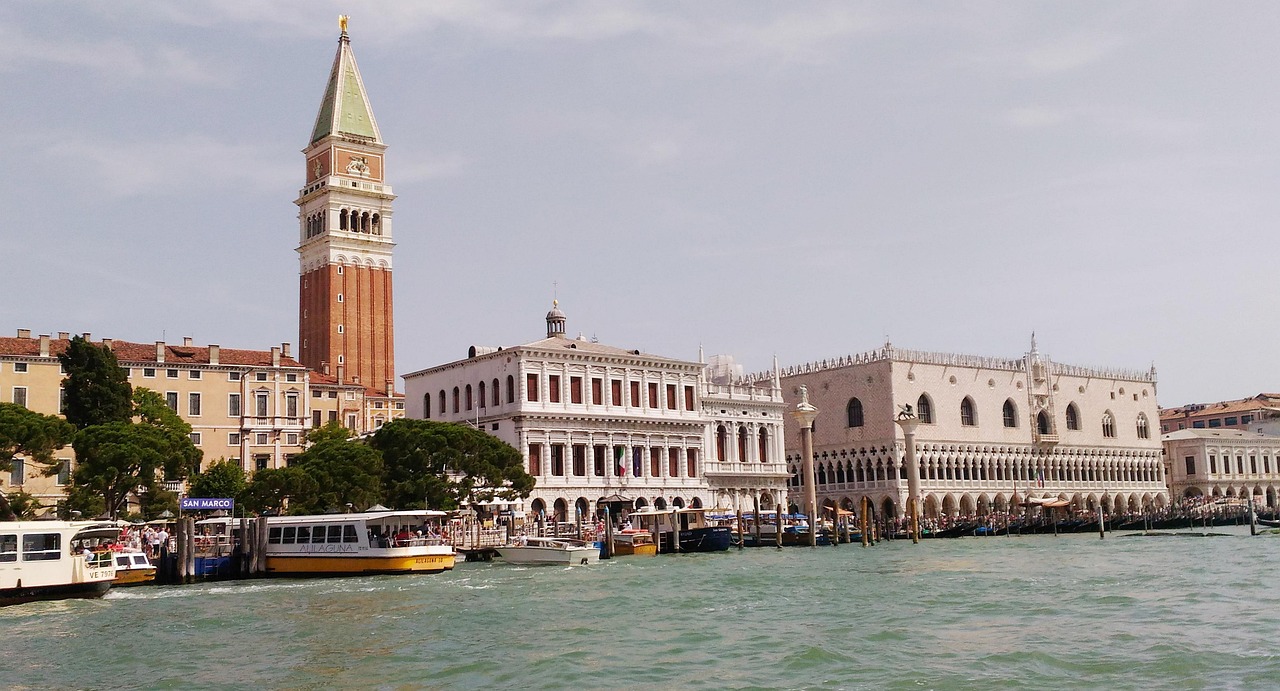
For the San Marco district in Venice, Italy, a guide with vaporetto arrival that feels effortless, picture this: water, stone, and a city that seems to float into view as you approach. San Marco sits as a sestiere among the districts of Venice, and it’s the historic heart that first-time explorers naturally orbit—because so many of Venice’s most iconic monuments and stories gather here.
It helps to name the geography early so you can trust your bearings. This district in Venice is compact, walkable, and richly staged: grand façades on open water, then small lanes that fold into quiet corners. If you’re meeting friends or a private guide, choose one landmark in the open—your future self will thank you when the city’s pace quickens.
Vaporetto arrival at San Marco with local confidence
Keep it simple: take the vaporetto to San Marco San Zaccaria, then follow the gentle flow on foot towards the square. The final approach is over cobblestones and through busy funnels; comfortable shoes make this feel seamless rather than tiring, especially with a daypack and camera in hand.
If you’re staying close by, a well-placed hotel gives you the luxury of walking out early and returning for a reset without “commuting” across the city. That extra hour at dawn or dusk is where Venice begins to feel personal.
Baseline essentials for adventure seekers in Venice City
This part of Venice is safe, but it is crowded, and that changes how you move. A few small habits create calm, and calm creates confidence.
- Carry cash for small purchases, especially quick coffees and gelato.
- Protect valuables in dense crowds—pickpockets are drawn to distracted tourist clusters.
- Create clear meeting points (a column, an arch, or a shopfront), so your group stays together.
- In winter, expect occasional acqua alta: pack a light waterproof layer and step carefully over temporary walkways.
Locals adapt with quiet competence: boots by the door, a slower stride, and an unbothered focus on where the ground is firm. When you match that energy, the heart of Venice opens up with surprising ease.




Piazza San Marco at Sunrise and Piazza San Marco Venice sunrise San Marco Square experience
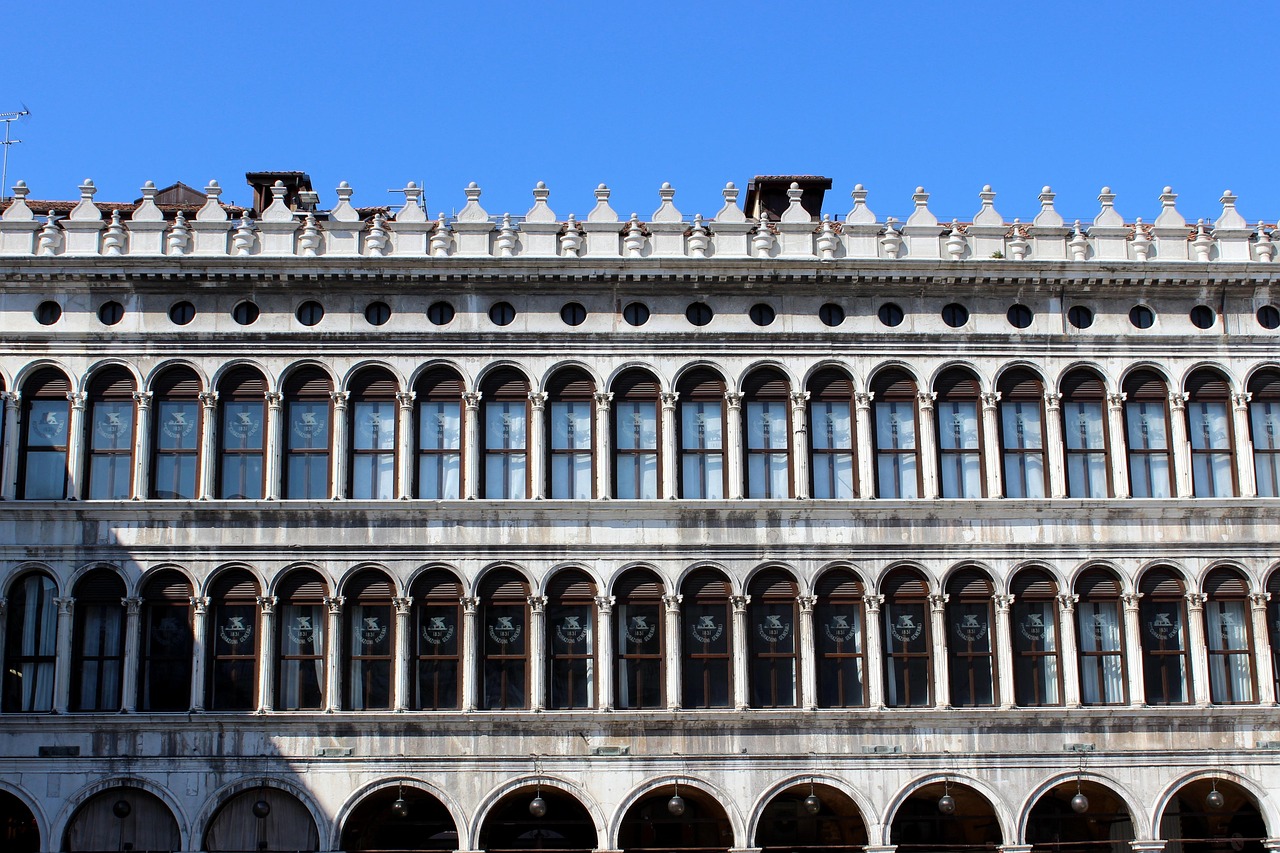
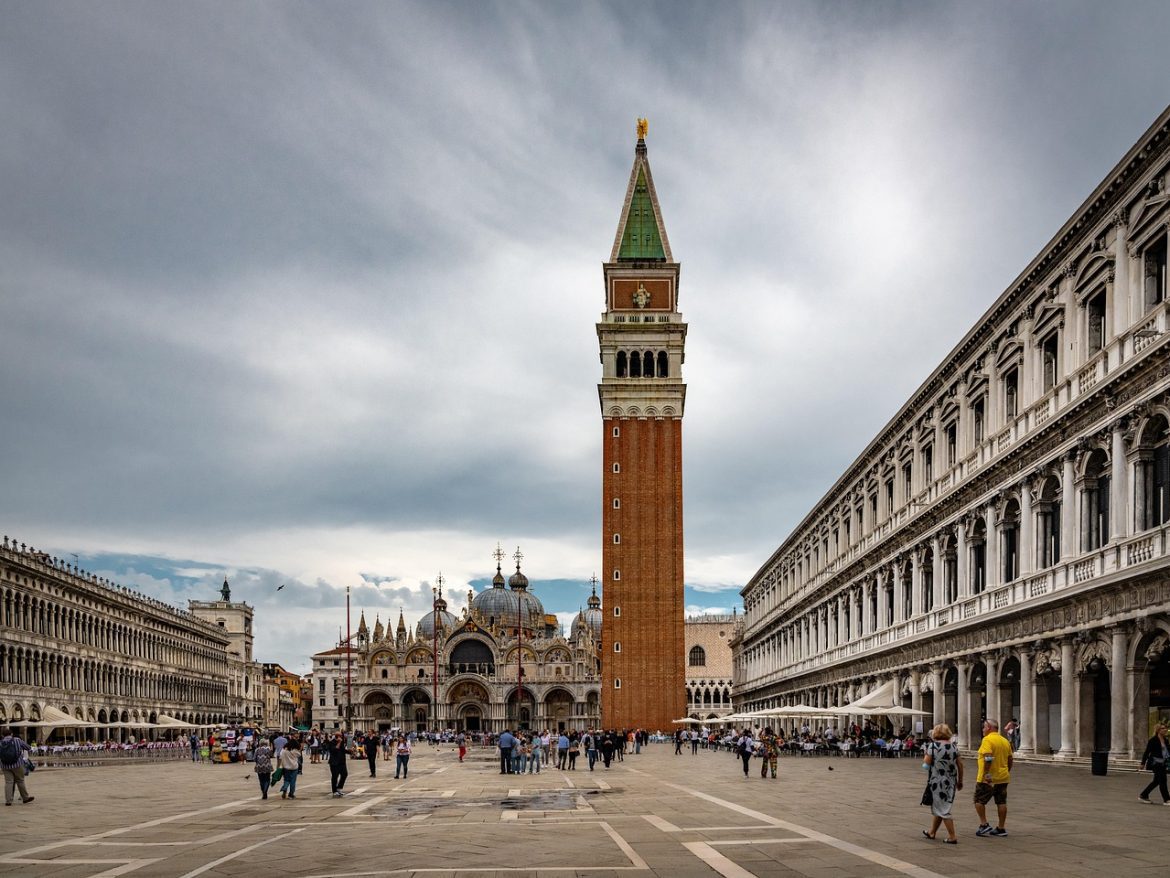
Piazza San Marco at Sunrise with the soft calm of San Marco Square
If you want the truest Piazza San Marco Venice sunrise experience, set an early alarm and arrive before the day’s noise reaches its peak. I once watched the sunrise in St Mark’s Square as the city of Venice slowly came alive—first the sweep of cleaners, then locals cutting through with purpose, then a violinist testing a few notes as the light warmed the stones.
This is when the space feels designed just for you. The arcades frame a wide open centre; every sightline leads your eye somewhere intentional, from the clock tower to the shadowed edges where cafés prepare their first trays. Even if you’re an adventure seeker, this kind of stillness is its own bold beginning.
Reading the spaces of the square without rushing
Think of the piazza as a living stage-set. Do one slow lap near the edge under the arches, then a second lap across the open centre—each pass will uncover a new detail: a carved capital, a glint on a window, the way light catches a monument’s decoration.
A warm note on etiquette, offered with care: avoid sitting on steps, and don’t feed pigeons. It protects the atmosphere for everyone, and it keeps the square feeling dignified rather than chaotic.
A crafted café ritual near Mark’s Square
A family I met described a crisp morning stroll with espresso at a historic café, watching Venetian traditions play out in small gestures—greetings, newspaper folds, the unhurried pace that says “we have time”. Choose one coffee stop, sit back, and imagine the day ahead: basilica glow, a tower view, and canals that pull you into quieter lanes.
St Mark’s Basilica and Venice’s Byzantine mosaics history
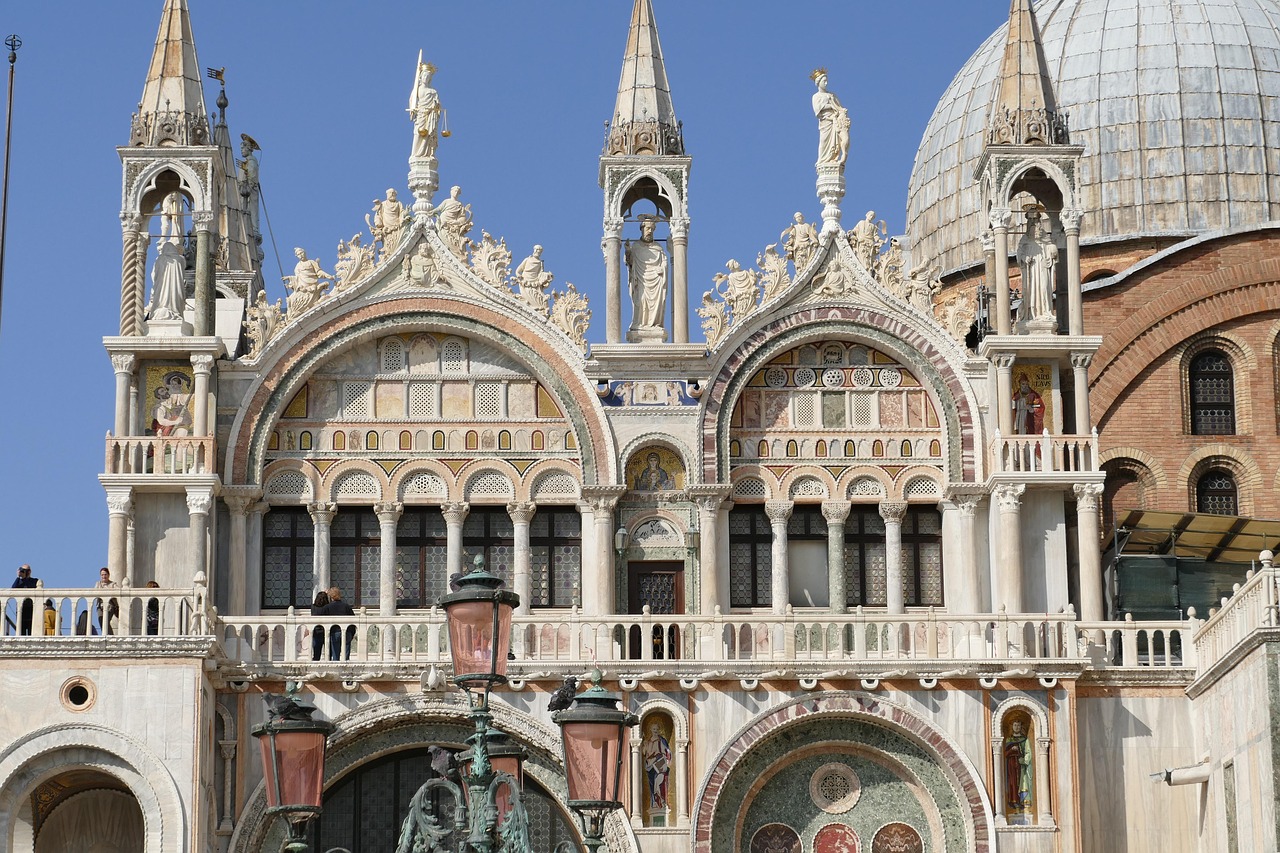
St Mark’s Basilica: Byzantine Beauty and living craft beneath each dome
For St Mark’s Basilica, Venice, Byzantine church mosaics history in one visit, it helps to hold a single thread: this is a place where devotion, trade, and state identity were woven together. The basilica of San Marco is rooted in a legend that begins in 828, when a Venetian merchant brought St Mark’s relics from Alexandria—Venice claimed the saint’s resting place, and the city’s confidence grew from there.
The present basilica later became the cathedral in 1807, and that shift still matters: you’re not just entering a museum-like interior, but a living church with a steady rhythm of worship and rules that protect it. Dress modestly and step softly; you’ll feel the difference.
Inside Mark’s Basilica, a Byzantine wow moment
An art lover once told me they felt physically stopped in their tracks by the golden mosaic glow—like the building was lit from within. Look up: domes layered with imagery, marble panels that read like geography, and porphyry accents that whisper of long-distance Mediterranean routes and wealth and power in the Middle Ages.
The architecture follows the shape of a Greek cross, a clue to the Byzantine influence Venice absorbed and then made its own. Stand still for a full minute and let your eyes adjust; the splendour here isn’t loud, it’s cumulative.
Tickets, timing, and a calmer way to explore
Entry is free, but booking skip-the-line tickets for the museum and the treasury helps ensure a smoother flow, especially at peak times. If you arrive in early light, linger next to the basilica for a moment before going in—watch how the façade changes as the day brightens and the crowd gathers.
- Aim for spring or early autumn for milder weather and fewer queues.
- Keep essentials close and hands-free—photos are easier when you’re not juggling bags.
- Choose one detail to focus on (a dome, a doorway, or a marble pattern) to keep the experience personal.
Campanile di San Marco Climb and Campanile di San Marco bell tower views Venice lagoon
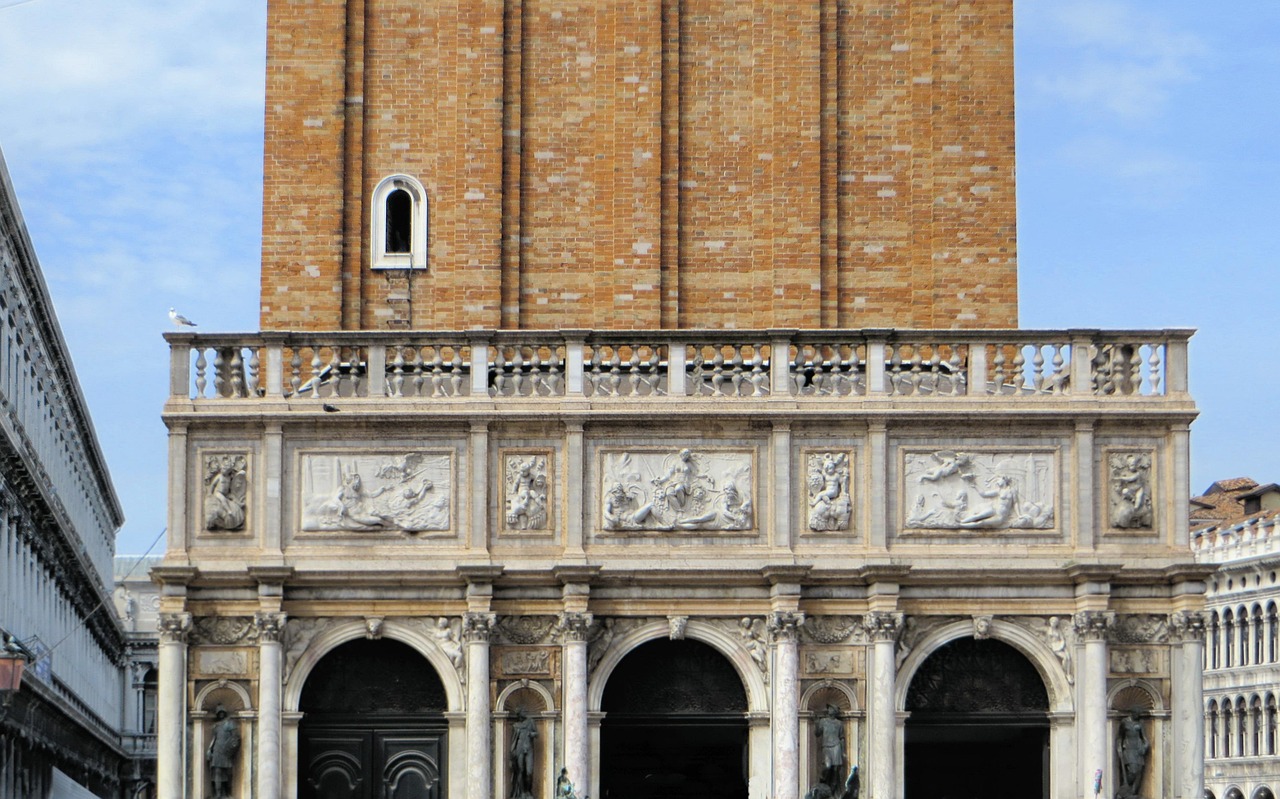
Campanile di San Marco climb for bell tower views across Venice
If Campanile di San Marco bell tower views of the Venice lagoon are on your list, give yourself permission to make it a centrepiece rather than a quick tick. Whether you climb or take the lift, arriving at the top of the tower feels like stepping into a moving map—wind in your ears, sunlight on rooftops, and the lagoon stretching like a promise.
From up here, Venice’s scale becomes clear: a house-by-house patchwork of terracotta and pale stone, held together by waterways. It’s magnificent in a way that’s hard to grasp at street level.
What to look for from the tower in San Marco
Find the grand canal’s curve and trace how it threads the city’s shape. Spot a ponte or two linking neighbourhoods like stitches, and look for the marciana area below—where civic life and ceremony once performed in public view.
On a clear day, you can pick out Murano in the distance. It’s a tease of the wider watery network that makes Venice unlike anywhere else, and a reminder that adventure here often begins on the water.
Expert reassurance for queues and comfort
Queues are usually orderly, but time slots can feel busy. Expect a security check, then a short wait; once inside, it moves steadily. If you’re travelling together, agree on a single regroup point at the exit and have one person hold the tickets—small organisation, big peace of mind.
For photos, the best light is often earlier or later; bring a light layer because the breeze can surprise you even on a warm day. Create one quiet moment at the rail: inhale, look out, and let the city’s geometry settle into your memory.
Doge’s Palace Power and Doge’s Palace Venice San Marco district Gothic palace tour
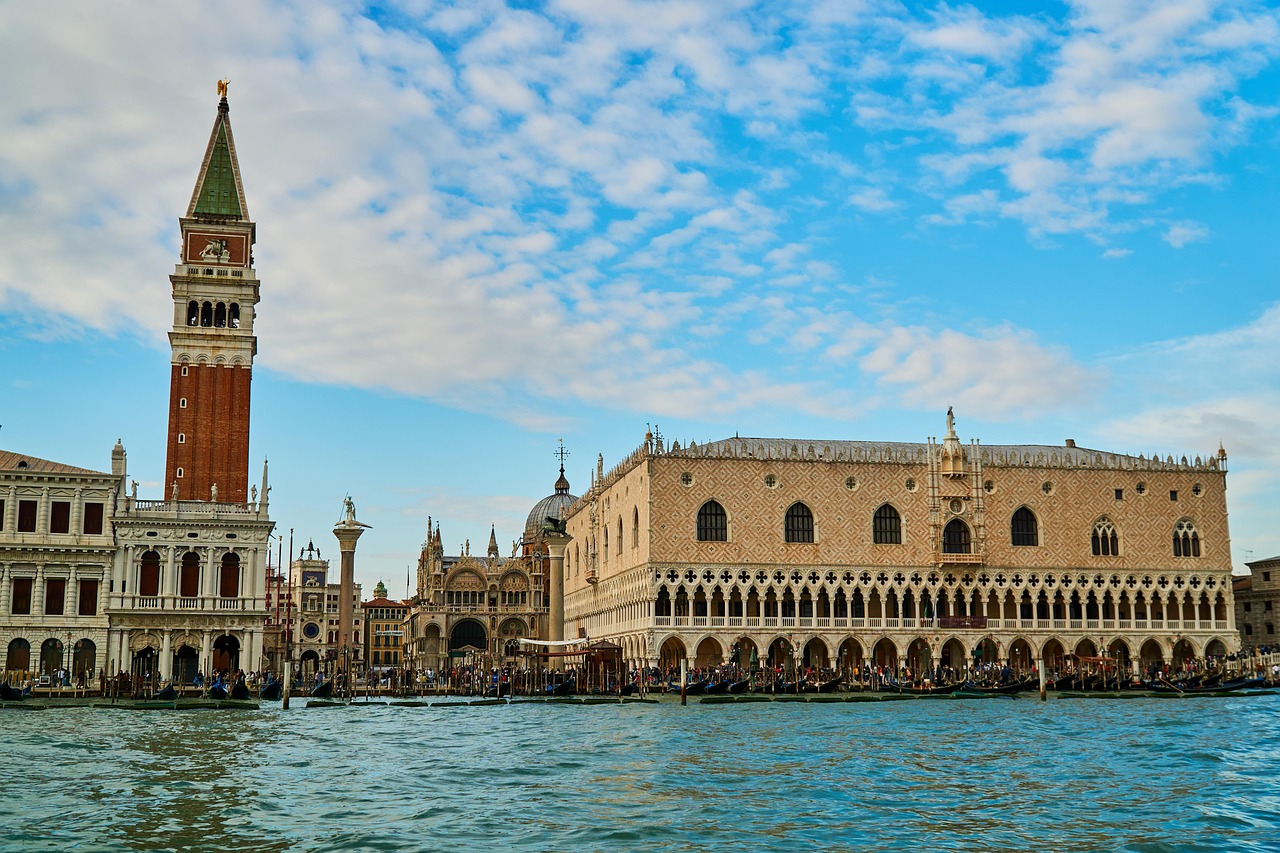
Doge’s Palace power rooms and a Gothic palace tour in San Marco
For a Doge’s Palace Venice San Marco district Gothic palace tour that feels story-led, think less about “seeing everything” and more about walking through power. This palace was the working stage of the Venetian Republic, home to rulers, councils, and the doges who shaped law, trade, and the image of the state.
The Doge’s Palace is also a masterclass in Gothic cues: patterned façades, pointed arch details, and stairways that announce authority with theatrical certainty. Some elements date back centuries, and that age gives the rooms a gravity you can feel in your shoulders.
How to pace the palace with care and confidence
This is stair-heavy, and the emotional density is real—maps, paintings, and symbolism layered into every surface. Plan a single quiet pause where you let one room land fully; that pause often becomes the personal memory you carry home.
- Book timed entry in peak season to keep the visit seamless.
- Bring water and take micro-breaks—your attention is part of the experience.
- Choose a clear landmark outside for your meeting point if anyone splits off.
Power, art, and the long arc of Venice’s identity
By the 13th century, the republic’s ambitions were crystallising into institutions, trade routes, and visual storytelling. In these chambers, you can sense how power shaped art and administration at once—how a city’s narrative was curated with intent.
Notice how grand ceremonial spaces contrast with more contained passageways, and how a touch of baroque drama later crept into Venice’s visual language. It’s not just opulence; it’s governance, image, and persuasion intertwined.
Canals to Museums and San Marco Venice gondola ride canals Museo Correr museum
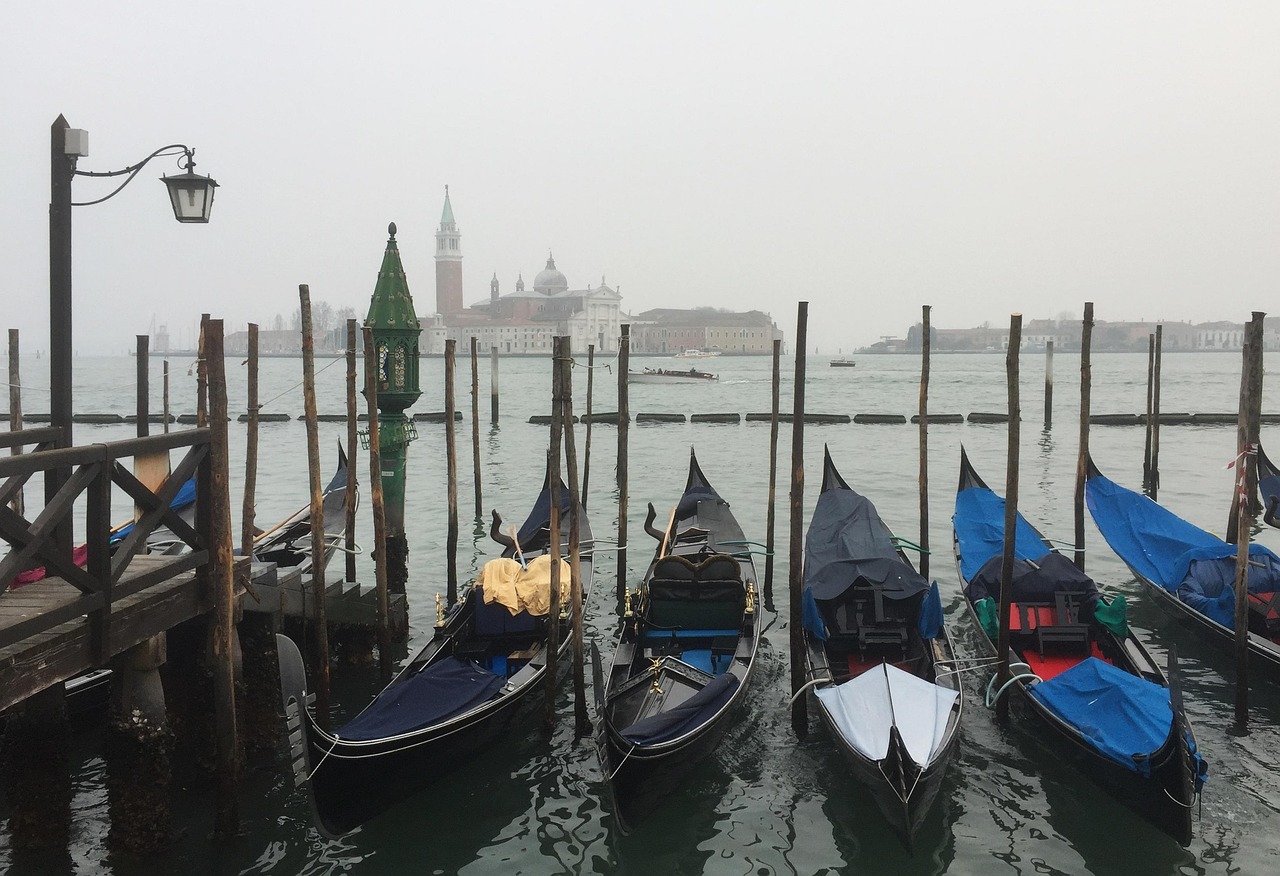
Canals to Museums from San Marco with a gondola ride and Museo Correr insight
For San Marco, Venice gondola ride, canals, Museo Correr, energy in one well-designed day: start with motion and end with meaning. An adventure seeker once described slipping into a gondola near Mark’s Square, then gliding into a narrow canal where the sound changed—quieter water, closer walls, and a sudden feeling of being let in on Venice’s secrets.
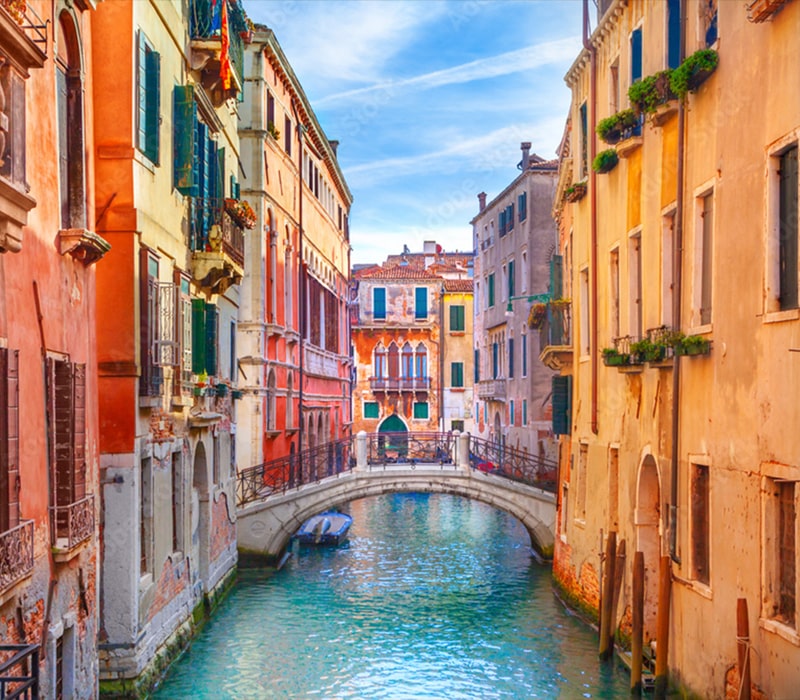
From the waterline, you uncover hidden corners beyond the grand façades: laundry lines, tiny doors at water level, and reflections that make every turn feel like a reveal. It’s romantic, yes—but it’s also a real way to understand how this city works.
A designed gondola loop to the museum calm.
Start near the San Marco waterfront, drift through smaller canals, then return towards the larger arteries near the Grand Canal. If your gondolier passes a view that hints towards the Rialto Bridge, take it as a glimpse of how Venice’s daily commerce still pulses beyond the postcard scenes.
Afterwards, shift gears and visit the Correr Museum for a quieter, more curated insight. Museo galleries like this help you connect the beauty outside to the lived experience inside—art, fashion, and daily life seen through Venetian eyes.
- Keep your route intentionally short: a crafted ride beats a long one when crowds are high.
- Carry cash for small add-ons, and confirm the price before you set off.
- If travelling as a family, agree who sits where so everyone feels steady on boarding.
Nearby cultural neighbours and a softer Venice mood
If you have the appetite, step into the National Archaeological Museum for a compact burst of deep time—an archaeological counterpoint to Venice’s medieval and Renaissance swagger. Then wander towards San Moise, where the street mood shifts and you feel the city’s quieter rhythm.
To close, consider a short walk by the royal gardens, then watch the sunset light stretch across the water. It’s a gentle ending that supports your instincts: Venice has to offer both spectacle and hush, sometimes within the same ten minutes.
If you’re building a wider, high-end itinerary across Italy, our Trip gallery can help you imagine what a fully supported journey might look like.
F.A.Qs: San Marco Venice travel questions
What is Saint Marco known for?
Saint Mark is known as the patron saint of Venice, symbolised by the winged lion you’ll see across San Marco. The area is most associated with St Mark’s Basilica, the relic tradition linked to 828, and the civic identity Venice built around the saint.
Where to avoid staying in Venice?
Avoid locations that force repeated long commutes through the busiest pinch points if you value calm—especially if you’re sensitive to noise. For many travellers, staying too far from your priorities can feel draining; choose a base that supports early mornings and easy returns.
What makes San Marco Place special?
San Marco Place is special because so much of Venice’s ceremonial life concentrates around the square: monumental architecture, historic cafés, the basilica, and the sense of being inside a living cultural set-piece. Even brief visits can feel intensely atmospheric.
What are squares called in Venice?
In Venice, the main public squares are generally called “campi” (singular “campo”). The notable exception is Piazza San Marco, which is traditionally called a piazza and stands apart as the city’s most formal, ceremonial square.
What Stayed With Me After San Marco and San Marco Venice reflections travel memories
For San Marco Venice reflections travel memories, I think about sound as much as I do about sight. Long after you leave, Venice returns in small echoes: footsteps soft on stone, a bell note fading from the bell tower, water tapping a mooring pole as if the city’s breathing never quite stops.
The image that stays with me most often is the basilica’s glow—gold held high above your head, the patience of craftsmanship pressed into every surface. It’s not only the beauty, but the human time inside it: generations who built, repaired, protected, and passed it on.
There’s something quietly strengthening about sharing wonder. When you move through San Marco together—at a pace that feels kind—curiosity becomes safe. You trust your plan, then you trust yourself, and suddenly a crowded corner turns into a private moment simply because you chose to look closely.
And perhaps that’s the lasting gift: Venice doesn’t just show you a place, it adjusts your attention. Months from now, you may still remember morning light on stone, and imagine returning one day—not to tick boxes, but to notice one new detail you missed the first time.