Post Contents
- A High-End Travel Guide to Rome: Top Stylish Sights and Activities
- Colosseum and Roman Forum: private guided tour through Ancient Rome’s iconic ruins
- Vatican Museums after-hours: a Vatican museum experience with quieter galleries and expert context
- Centre of Rome walking loop: Pantheon, Piazza Navona, Trevi Fountain, and Spanish Steps
- Trastevere evenings: a relaxed food tour, artisan lanes, and a terrace dinner worth dressing up for
- F.A.Qs: Sights in Rome, Italy, and high-end planning tips
- Sights in Rome, Italy: personal reflections on luxury pacing, what to see in Rome, and why we return
A High-End Travel Guide to Rome: Top Stylish Sights and Activities
A high-end travel guide to Rome’s most beautiful museums, piazzas, and iconic walks
When travellers ask for things to do in Rome, a luxury travel guide, Italy’s best things, what they usually mean is this: how do I enjoy the headline moments without getting lost in the hustle and bustle of Rome? This destination rewards a slower tempo—imperial stone and jasmine-scented courtyards, grand avenues and tiny lanes—so with smart pacing, you’ll find a more personal way to experience Rome and the city’s most memorable sights.
This travel guide is designed for refined trips to Rome: thoughtfully timed guided tour choices, carefully chosen museum windows, and breathing space between major attractions. Picture mornings that feel fresh and unhurried, afternoons shaped around art and aperitivo, and evenings that belong to you—supported by discreet logistics and local insight.
Things to do in Rome in 3 to 4 days: a calm, curated Rome itinerary for first-time visitors
For a first visit to Rome, a 3–4-day itinerary is the best way to see the highlights without fatigue. The simple approach: take the most popular tourist attractions early, then let your afternoons soften into quieter museum moments, gardens, and long lunches away from peak tourist flow.
A refined 3–4 day rhythm (adapt it to your pace):
- Day 1: Colosseum and Roman Forum with a private guided tour, then a slower pause at the ancient chariot-racing track and a view line towards Vittorio Emanuele II.
- Day 2: After-hours Vatican Museums, with time near the Vatican for a relaxed stroll and gelato.
- Day 3: Historic-centre icons—Pantheon, Piazza Navona, Trevi Fountain, Spanish Steps—plus an unhurried garden reset for best views.
- Day 4 (if you have it): Trastevere with a food tour and a terrace dinner, or a flexible day for a favourite museum.
It’s a way to visit Rome that feels elegant and realistic: you’re not trying to conquer the city; you’re letting it meet you halfway. On most trips to Rome, that balance is what turns a busy checklist into a genuinely restful memory.
Best time to visit and where to stay in Rome for luxury: neighborhoods, service, and access.
The best time to visit is spring or early autumn, when the light is kinder, walking routes are comfortable, and terrace dining feels effortless. Summer can still be wonderful, but heat plus heavy tourist volume can make any attraction in Rome feel like a queue—so start earlier and plan more shaded museum hours.
Where you choose to stay in Rome shapes everything—especially if you value service, address, and ease of getting around. For the best luxury, prioritise:
- Location: a calm base with quick access to the historic centre and reliable car pick-ups for early starts.
- Views: a rooftop or terrace turns a simple aperitivo into a nightly ritual and a beautiful view of Rome.
- Service: concierge talent matters in Rome—securing prime museum slots, restaurant reservations, and discreet transfers is part of a seamless stay.
If you’d like inspiration for an Italy itinerary that pairs Rome with other best places—including outside of Rome escapes—you can browse our Trip gallery and picture what a wider time in Italy could look like. It’s also helpful if you’re mapping places to visit in Italy around art, food, and slower travel days.
Planning confidence checklist: tickets in advance, guided tour choices, and what to see and what to skip
Rome rewards travellers who plan lightly but precisely. A few decisions made early can transform your experience—especially for museum entry, timed monuments, and the Vatican.
- Tickets and timings: book your Colosseum and Vatican Museums tickets at least 30 days in advance for the best slots; premium access can sell out quickly.
- Private guided tour: choose one for ancient Rome and the Vatican to uncover stories beyond the signage and avoid tourist chokepoints.
- Comfort: cobblestones demand supportive shoes; add a light layer for basilicas and evening breezes.
- Clarity: decide what to see and what to skip so you’re not collecting stops—you’re shaping a day that feels personal, not purely tourist.
Next, let’s begin where Rome speaks in its most unmistakable voice: the Colosseum—an essential attraction for anyone building a thoughtful itinerary.




Colosseum and Roman Forum: private guided tour through Ancient Rome’s iconic ruins
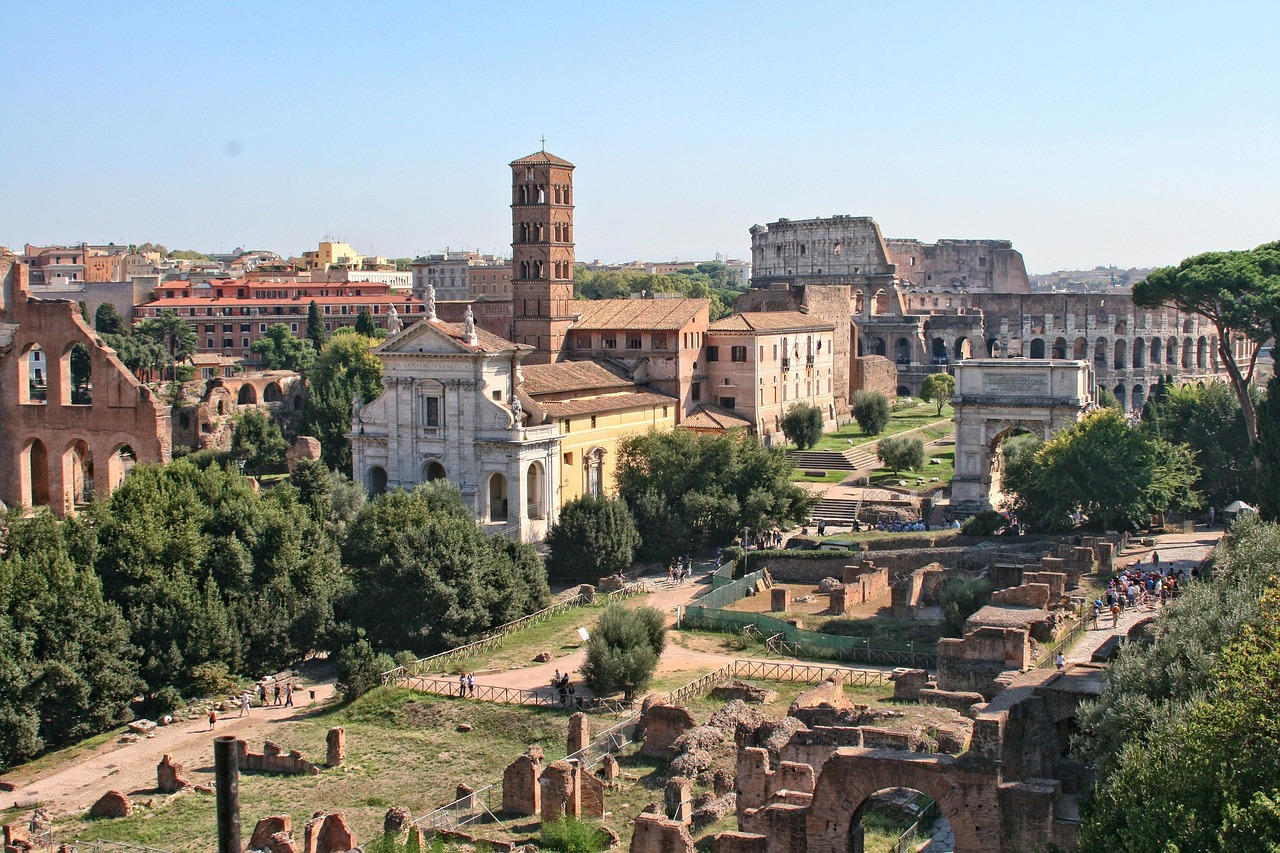
A private walk through the Colosseum and the Roman Forum at golden hour
For many travellers, a private guided tour of the Colosseum and Roman Forum in Italy’s ancient Rome is the moment the story becomes real. The Colosseum is more than a monument; it’s a threshold into the Roman Empire, where the scale is breathtaking, but the human details are what stay with you. With an expert guide, you don’t just look—you learn how the city once moved, sounded, and gathered, and why these ruin layers still matter today.
A private guided tour also gives you something precious in a high-demand site: the ability to pause, ask questions, and connect details to your own interests—architecture, politics, daily life, or stonework. If you prefer a trusted operator, this is one place where a tour with Walks of Italy (or a similarly specialist team) can be an excellent fit.
Visiting the Colosseum with book your tickets and tickets well in advance
Visiting the Colosseum is much better with planning. Book your tickets online and secure entry days in advance, then aim for the earliest access when the air is cooler, and the tourist lines are still forming elsewhere. For premium entry, advance tickets aren’t just convenient—they’re often the difference between a smooth, confident start and a morning spent negotiating logistics.
Even with VIP arrangements, you’ll still pass security. A discreet driver drop-off and a clear meeting point keep the experience calm, especially if you’re celebrating something special or simply want to avoid peak tourist pressure.
Colosseum and Roman Forum route with Palatine Hill and Circus Maximus
A well-designed route adds depth without leaving you exhausted. Begin inside the Colosseum, then walk with your guide into the Roman Forum to read the city like a living map. Continue up to Palatine Hill for a perspective over the heart of ancient Rome, where the ruins soften into birdsong and umbrella pines.
From there, a wide-open pause at Circus Maximus is a small act of care—space to breathe, sip water, and let the morning settle. It’s also a photogenic area that feels spacious rather than crowded with tourists.
Before you leave the area, connect eras in a single glance: look towards Vittorio Emanuele II and hear the story of unified Italy and the King of Italy. This is one of those rare locations in Rome where ancient ambition and modern identity sit side by side.
One couple we know designed their anniversary around these city layers. They chose a private vintage car tour that threaded historic sites between hidden piazzas, then returned each evening for candlelit dinners. Their favourite things weren’t just monuments—it was the feeling of being together in the Eternal City, with time to linger.
Vatican Museums after-hours: a Vatican museum experience with quieter galleries and expert context
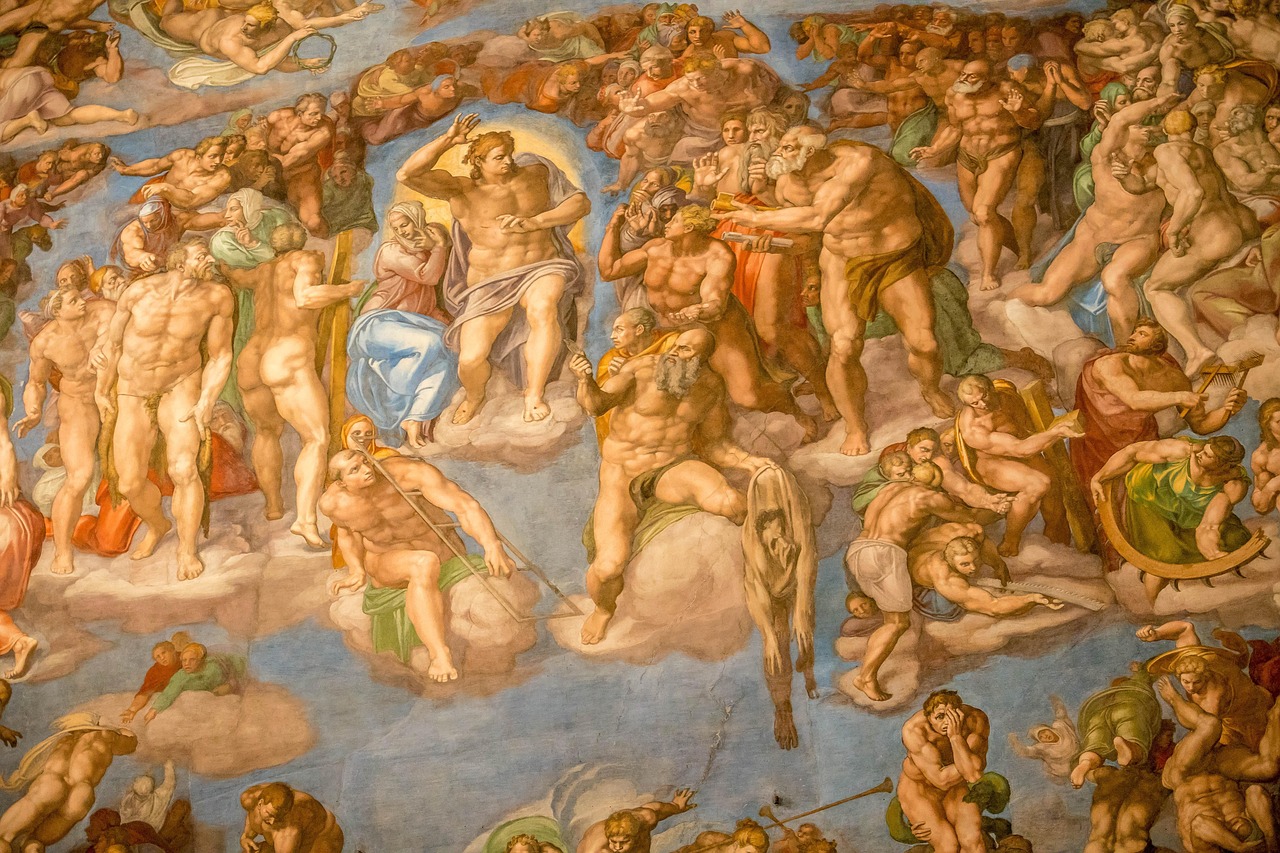
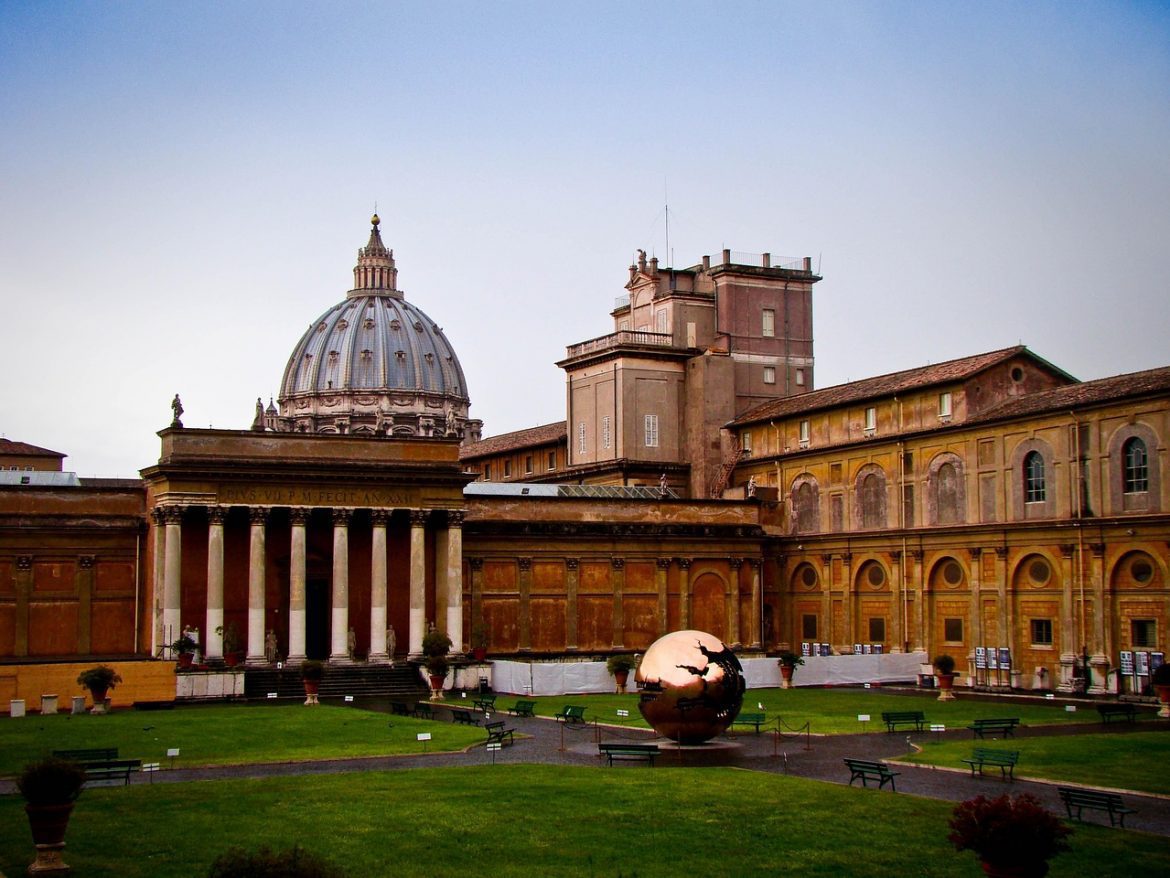
After-hours access to the Vatican’s museum corridors for a calmer pace
For high-end travellers, the Vatican Museums after-hours tour in Italy can be the most transformative choice for the trip. The Vatican is always compelling, but after-hours access changes the texture: fewer tourist bottlenecks, more space for insight, and a pace that feels human. You begin to notice what crowds usually blur—colour, symbolism, humour, and the logic of masterpieces placed in sequence across an extraordinary museum complex.
It’s also a reassuring way to experience the Vatican Museum highlights if you value calm. You’re still in one of the world’s most visited museums, but the flow is designed for those who prefer quiet luxury over noise—and for travellers who want a more intentional way to experience Rome.
Vatican museum highlights: Raphael, the Raphael Rooms, and the Sistine Chapel moment
In an ideal flow, your guide will craft a “don’t-miss” sequence tailored to your interests. You might begin with standout galleries and museum corridors, then move into the Raphael Rooms—where Raphael’s clarity and composition can feel almost modern—before arriving at the Sistine Chapel.
In a small-group experience, the chapel can feel startlingly personal. An art enthusiast once described the moment to us as “overwhelming awe, without spectacle”: standing close enough to sense Michelangelo’s intensity, yet surrounded by near silence. It becomes less about rushing for a photo and more about being present.
Visit the Vatican with etiquette, comfort, and near the Vatican strolling routes
Visit the Vatican with a few simple etiquette rules in mind. Wear modest clothing when entering religious sites, especially Peter’s Basilica, and bring a light scarf or layer if you’re unsure. Even on a private experience, you’ll still have security checks, so keep your bag streamlined.
After your museum visit, the area near the Vatican is lovely for a gentle walk—particularly if you want to let your mind come back to street level. A warm drink or gelato nearby helps the evening feel grounded, not rushed, and it’s an easy, free way to decompress.
- Accessibility: ask for step-free options where possible; routes can often be adjusted with the right planning.
- Meeting points: choose discreet locations to avoid confusion in busy zones.
- Transport: an expert concierge can coordinate a car so your return to Rome nightlife—or simply back to your hotel—feels seamless and calm.
From the Vatican’s grandeur, it’s a pleasure to drift into Rome’s open-air theatre—piazzas and fountains—where beauty is often free to visit and effortlessly elegant.
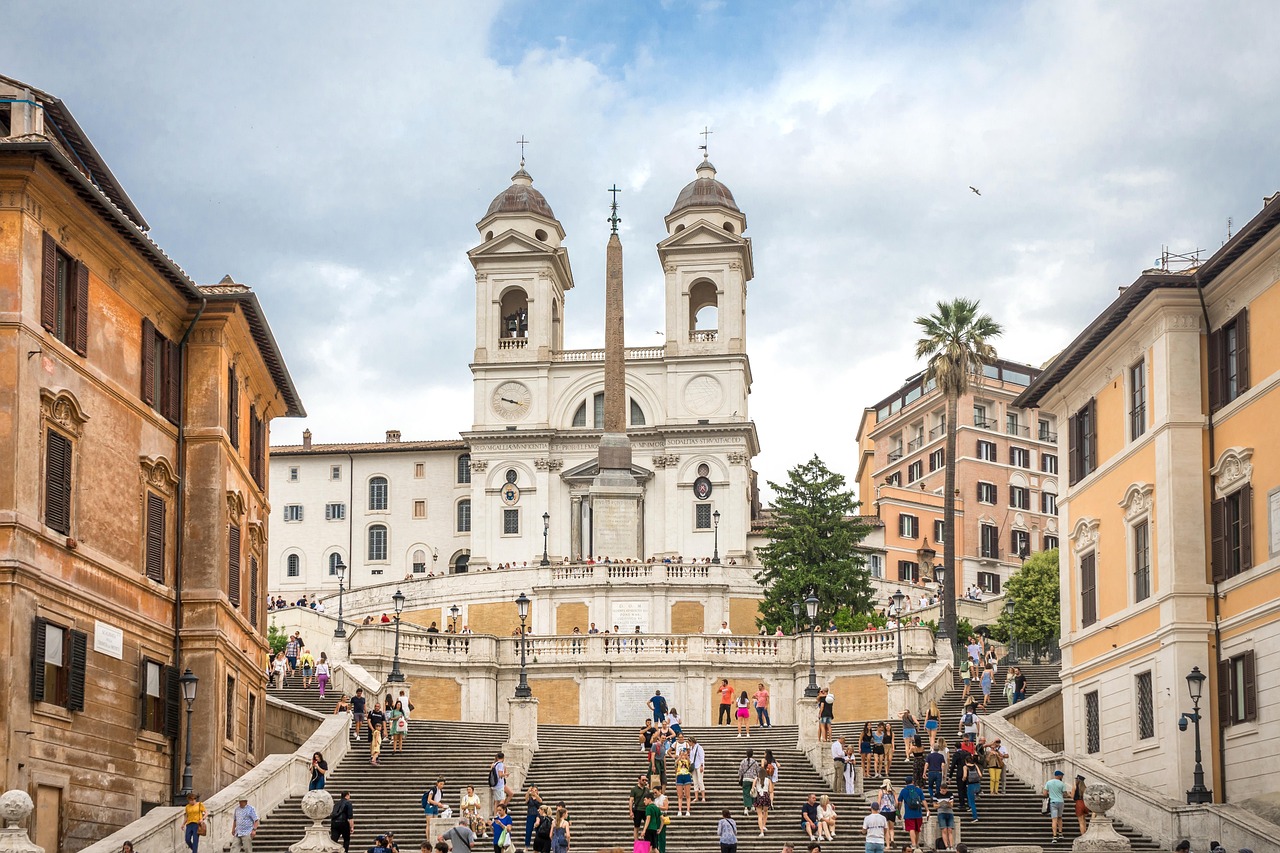
A refined walking loop linking Rome’s most iconic piazzas and landmarks
For many, the centre of Rome’s attractions —the Pantheon, Trevi Fountain, and Spanish Steps — reads like a greatest-hits list—and it can be, if you approach it with intention. The trick is to design an elegant loop with built-in pauses, so you enjoy the atmosphere rather than simply navigating tourist crowds. Expect domes and doorways, espresso rituals, and sudden “movie-set” views that appear around corners.
The joy here is that some of the city’s most moving tourist attractions are open-air and simple to enjoy between museum visits. Treat this as a set of flexible spots in Rome: you can linger where you love the light, and move on quickly where it feels too crowded.
Begin at the Pantheon, a ruin that still feels alive. Step inside and look up: the Oculus is a reminder that ancient engineering can still create a hush in a busy capital. From there, wander towards Piazza Navona for people-watching and a gelato stop that feels delightfully ordinary in an extraordinary setting.
If you’d like extra art without adding another major museum, pop into a nearby church that houses a Caravaggio. It’s one of the best things about this area: quiet spaces, world-class works, and no need to overhaul your plan.
Trevi Fountain and Spanish Steps: early in the morning light, Piazzas, and the classic coin ritual
For the Trevi Fountain, timing is everything. Arrive early in the morning for softer light and a calmer approach to this famous fountain. Often called the famous fountain in the world, it’s also wrapped in lore: throw a coin over your left shoulder with a small intention—then step away with awareness of tourist crowds and pickpockets.
Continue to the Spanish Steps and Piazza di Spagna. The top of the steps is best for photos before the day warms up, when the scene feels more like a painting than a thoroughfare. From here, you can stroll through Spagna’s fashion-flavoured streets towards Piazza del Popolo, which offers a grand, open feeling after narrower lanes.
Best views reset at Giardino degli Aranci
When you’ve had enough tourist energy, gift yourself a reset. Giardino degli Aranci is a calm garden with an unforgettable overlook—one of the most restorative places to visit on a busy day. It’s where conversation returns, shoulders drop, and you remember you’re not here to tick boxes.
In the evening, Rome becomes more intimate. That’s when we cross the river for neighbourhood warmth, shared plates, and a more local story of Italy travel.
Trastevere evenings: a relaxed food tour, artisan lanes, and a terrace dinner worth dressing up for
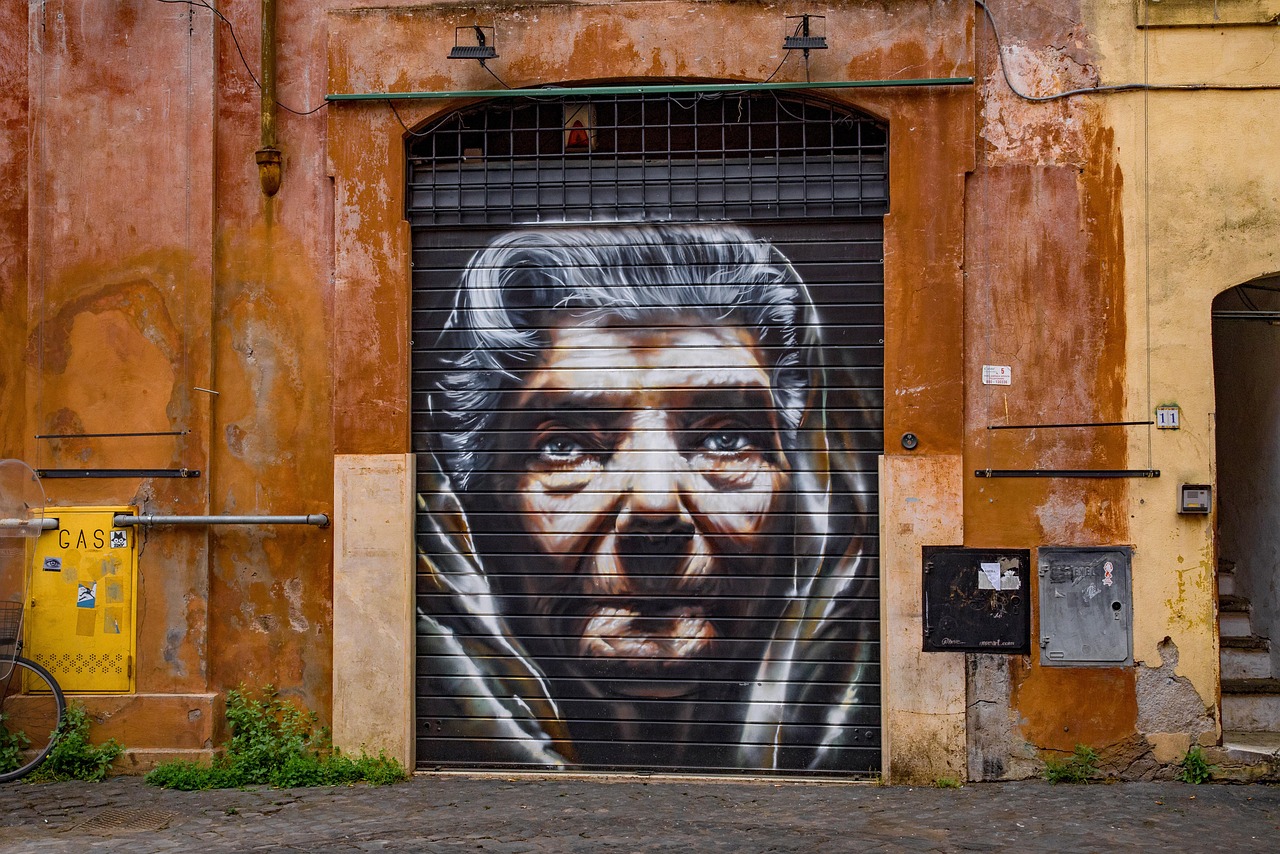
Lantern-lit lanes and neighbourhood energy in Trastevere after dark
If you’re craving a Trastevere Rome food tour in Trastevere Michelin star terrace Italy, think of it as Rome’s softer side: lantern-lit lanes, artisan corners, and the kind of local energy that doesn’t ask to be photographed. Trastevere is a place to visit when you want texture rather than spectacle—an evening that feels spontaneous, yet still carefully designed.
This is where a high-end approach shines: you can explore freely, then arrive at each stop knowing it’s been chosen with care—tables reserved, dietary preferences handled discreetly, and timing shaped around your comfort. For many travellers, a Rome food tour in Trastevere is also the easiest way to understand what to order and where to eat without falling into tourist traps.
Tour in Trastevere with a neighbourhood tasting walk and a crafted finale
Start with a tour in Trastevere that pairs classic bites with storytelling—supplì, seasonal vegetables, and local wines—so the neighbourhood makes sense beyond its pretty streets. A well-run food tour feels like being gently introduced, not performed at, and it’s one of the most satisfying things to do in Rome after a museum-heavy day.
Then, for the finale, choose a Michelin-starred restaurant with a terrace overlooking the city. It’s a special kind of togetherness: the lights of Rome below, plates that feel precise and joyful, and the sense that your day has been curated rather than improvised.
Local warmth and tips for travelling in Trastevere at night
A solo traveller once told us her most personal Roman moment happened here. She paused near a small square and was invited by locals to join an intimate neighbourhood festival—nothing staged, simply warmth and welcome. It’s a reminder that Rome’s greatest luxury is sometimes human: trust, openness, and the courage to say yes when it feels safe and right.
Practical night guidance in this area is simple and effective:
- Keep valuables close: Trastevere is lively; be mindful of pickpockets where streets tighten, and tourist traffic concentrates.
- Wear comfortable shoes: cobblestones are charming, but they demand support.
- Use basic Italian pleasantries: a warm “buonasera” and “grazie” often invite kinder, more local interactions.
- Time it well: dine slightly earlier or later than peak to avoid the crush while keeping the night vibrant.
If you want an even more curated evening, a concierge can align transfers and pacing so your return is effortless—no navigating, no guessing, just a seamless close to the night.
F.A.Qs: Sights in Rome, Italy, and high-end planning tips
What are the top five sights in Rome?
For a first, well-paced trip, the top five sights are the Colosseum, the Roman Forum, the Vatican Museums, the Sistine Chapel, and St Peter’s Basilica. Add one open-air icon—such as the Pantheon or Piazza Navona—if you want a sixth, lighter stop without another long museum visit.
What should you not miss in Rome, Italy?
Don’t miss an early start at the Colosseum, time in the Roman Forum, and at least one carefully timed Vatican experience. If you want the most atmospheric approach, choose a private guide and consider after-hours access so the art feels calmer and more personal.
What not to do in Italy as an American?
Don’t assume everywhere runs on the same schedule: meal times are later, and many shops close briefly midday. Avoid turning up at major attractions without tickets in advance, and don’t dress casually for churches—modest clothing is expected. Finally, don’t carry valuables loosely in crowded areas; use a crossbody bag and stay attentive.
What is Rome’s signature dish?
Rome’s signature dishes are pasta classics: carbonara, cacio e pepe, amatriciana, and gricia. For a high-end experience, ask your concierge to book a restaurant known for one of these and request guidance on wine pairing. The best plates are often simple, crafted, and rooted in local tradition.
Sights in Rome, Italy: personal reflections on luxury pacing, what to see in Rome, and why we return
When people talk about sights in Rome, Italy, they often mean stone and paint—domes, columns, frescoes, a museum label and a famous name. Yet what stayed with us was quieter: the way the Eternal City invites you to slow down, and how confidence grows when you stop trying to do everything. Rome is a city full of layers, and that’s why it remains the capital of Italy, not just politically, but emotionally for so many travellers.
Long after the Colosseum has become a photo and the Vatican a memory, certain moments remain strangely vivid. A chapel held in breath. A piazza warmed by candlelight. The soft sound of footsteps on cobblestones as you walk back to your hotel feeling cared for, unhurried, and entirely present.
There’s also meaning in what you choose not to do—especially when you’re navigating the hustle and bustle of Rome. The gallery you saved for another time. The neighbourhood you only brushed past. The second espresso you accepted because you had time. Even those who have lived in Rome will tell you it’s not a city you finish; it’s a city you return to, and each trip feels like a gentler, wiser visit to Rome.
Perhaps that’s Rome’s real gift. Not a checklist of major attractions, but a quiet invitation to wonder—so that, somewhere in the evening light of a small piazza, you find yourself already imagining the next possible corners to visit, and the small locations in Rome you’ll seek out next time.