Post Contents
- Temple of Heaven, Beijing, China, UNESCO World Heritage overview with altar orientation
- Hall of Prayer for Good Harvests Temple of Heaven Beijing architecture with altar symbolism
- Circular Mound Altar at the Temple of Heaven in Beijing during winter solstice sacrificial ceremony and altar design.
- Echo Wall, Imperial Vault of Heaven, Temple of Heaven, Beijing: acoustic phenomenon and altar cosmology.
- Temple heaven Park local Tai Chi, Beijing Metro Line 5 tickets, and a seamless adventure plan.
- F.A.Qs: Temple of Heaven, Beijing
- What I took from the Temple of Heaven, Beijing: personal reflection and cultural insight.
Temple of Heaven, Beijing, China, UNESCO World Heritage overview with altar orientation
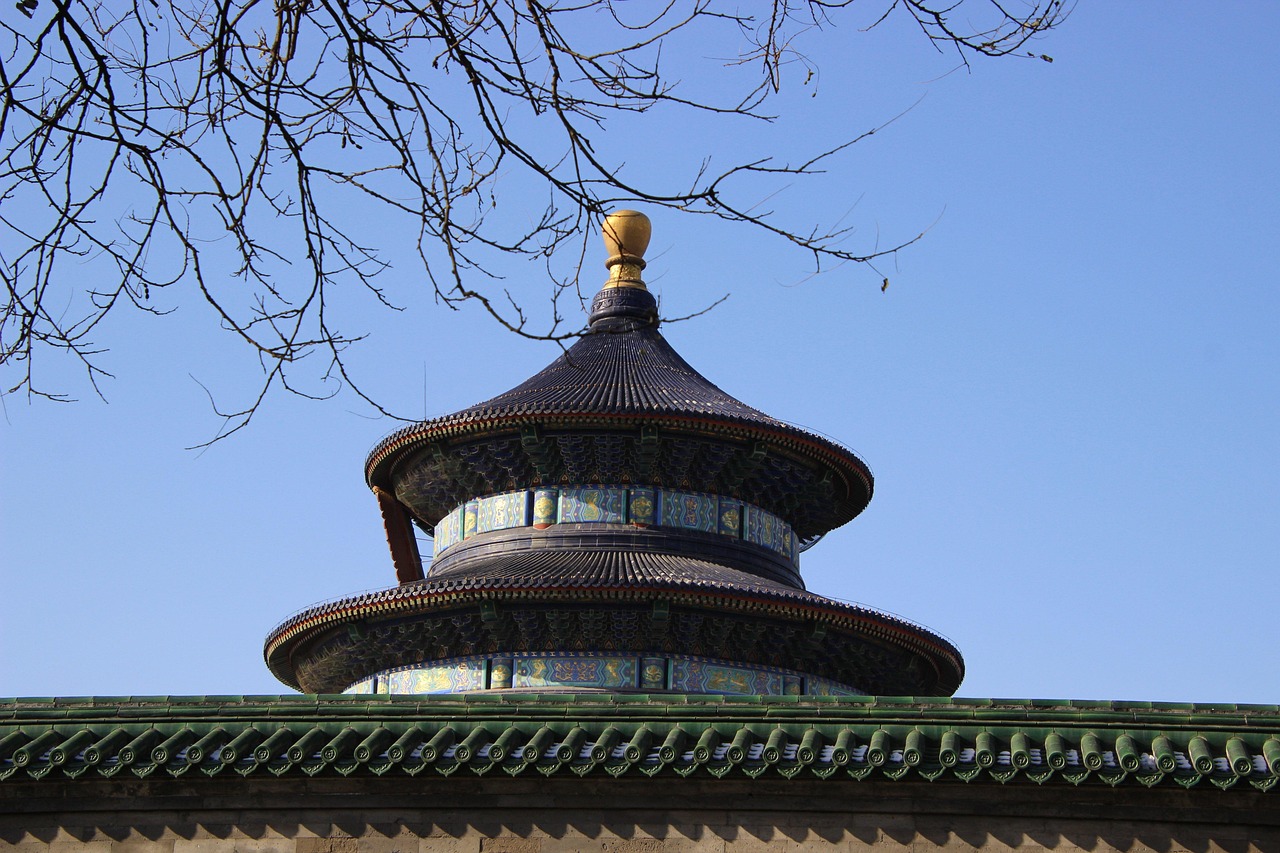
For a temple of heaven beijing china unesco world heritage site overview, think of a masterpiece designed to make belief visible—yet still easy to explore at your own pace. The Temple of Heaven complex is China’s most iconic ceremonial landscape, and it remains a must-see for travellers who want culture with room to roam. It’s also one of the world’s largest imperial ritual precincts still legible today, even if you arrive simply curious rather than scholarly.
Temple of Heaven, Beijing, China, the big picture, where imperial design meets living parkland
Built in 1420 under the Yongle Emperor, this building complex for offering sacrifice evolved across the Ming and Qing dynasties as power, astronomy, and aesthetics matured together. In 1530, Jiajing reshaped key elements, sharpening the cosmic logic that you can still feel underfoot. Unlike the Forbidden City’s palace drama, here the story is air, openness, and the controlled hush of outdoor courtyards.
How the main buildings align along Beijing’s north–south axis
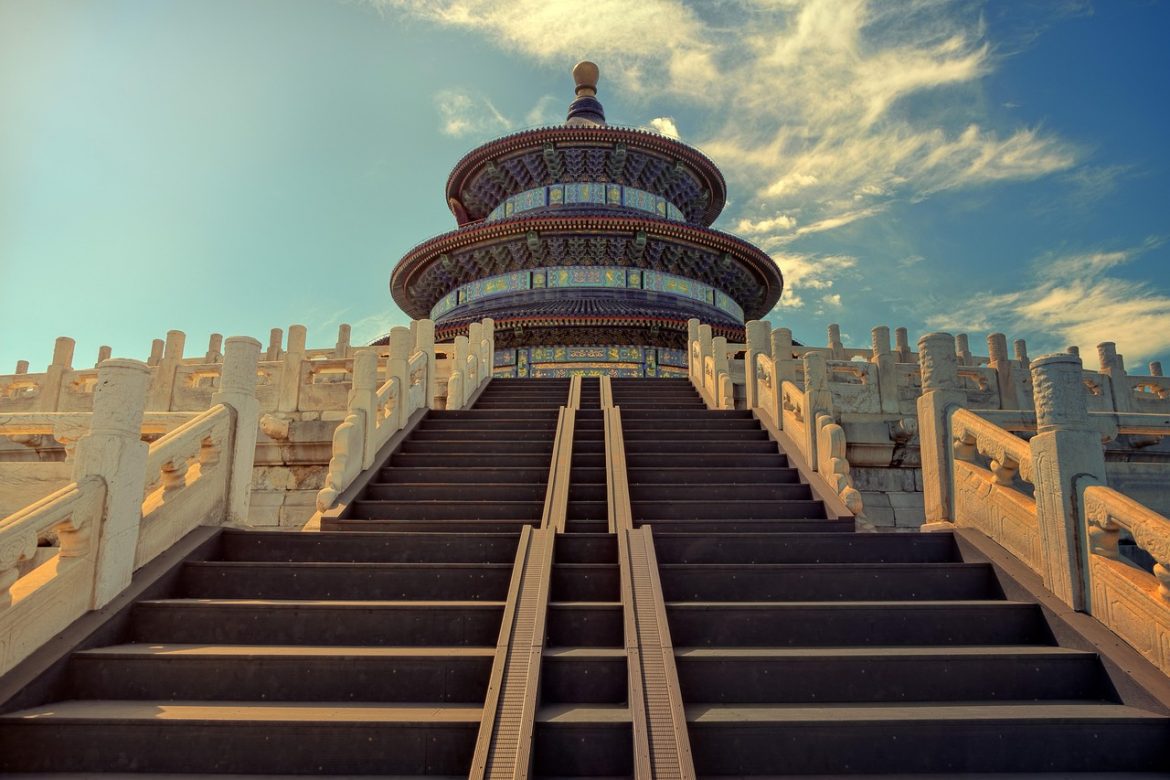
The layout reads like a ceremonial spine: the Hall of Prayer for Good Harvests in the north, the Imperial Vault of Heaven in the midline, and the Circular Mound Altar in the south, linked by the Danbi Bridge and open ceremonial spaces. These main buildings are not random monuments; they were staged for processions and timed rites, each courtyard widening or narrowing to support focus. As you walk, notice the inner and outer walls guiding you, quietly designing where your attention lands.
Heaven and earth, as an idea, you can stand inside
One phrase is worth carrying in: heaven is round, and earth is square. Representing the ancient belief, the complex uses round platforms and circular forms to symbolise the heavens, while square bases and boundaries suggest the human world below. Even without a guide, you can feel the logic of heaven and earth shaping the landscape design—a calm, deliberate geometry that makes time slow down.


Hall of Prayer for Good Harvests Temple of Heaven Beijing architecture with altar symbolism
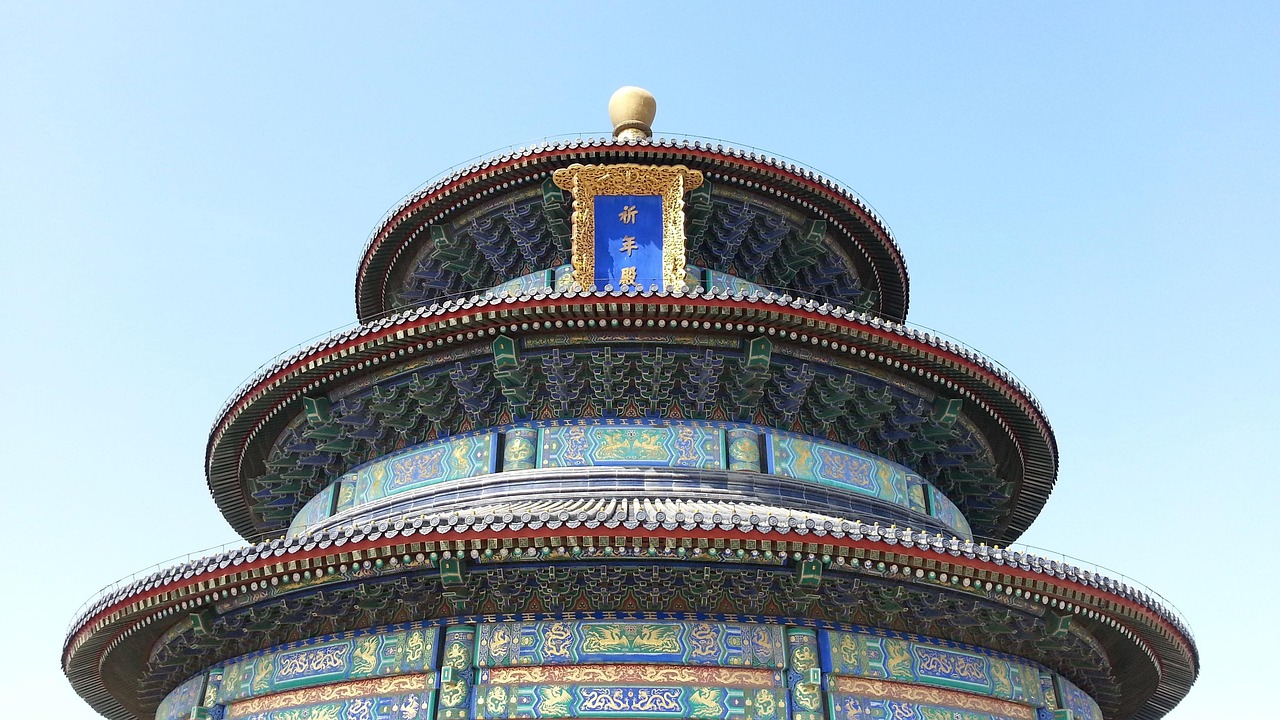
For the Hall of Prayer for Good Harvests, Temple of Heaven, Beijing architecture, nothing prepares you for the first full view: a triple-eaved roof floating above a bright marble base, with glazed tiles that catch light like water. The Hall of Prayer for Good Harvests is where hopes for good harvests were made physical—not private wishes, but state-level responsibility. Arrive with patience, and you’ll discover details that feel freshly crafted, despite centuries of weather and repairs.
Hall of Prayer for Good Harvests, crafted for awe, the Temple of Heaven’s iconic triple-eaved roof
The round form isn’t simply beautiful—it’s a deliberate way to symbolise the sky, to lift the mind towards heaven and pray. Stand close, and you’ll see how colour, proportion, and repetition create an almost musical rhythm; historically, the Divine Music Administration supported the rites with sound and structure. In Beijing’s capital city, this is a rare moment where architecture asks you to be quieter, not busier.
A personal moment beneath the hall
A traveller once told me they stepped beneath the timber canopy and felt the workmanship in their chest—as if the whole roof were held up by confidence alone. That awe wasn’t theatrical; it was intimate, like recognising how much care it takes to build for worship rather than display. The temple of heaven does that: it invites personal reflection without demanding you interpret everything.
Micro-tips for respectful photography and soft light
If you’re the sort of adventure seeker who likes to create a photo story while staying present, come early for softer light and fewer shoulders in the frame. The tiles’ glaze looks richest when the sun is low, and the marble steps feel almost luminous.
- Best angles: step back to include the full eave line, then move closer to frame the columns against the ceiling pattern.
- Keep it calm: speak softly in ceremonial zones and let others have their quiet moment too.
- Skip flash indoors: it’s more respectful, and you’ll keep the mood intact.
Circular Mound Altar at the Temple of Heaven in Beijing during winter solstice sacrificial ceremony and altar design.
For the circular mound altar temple of heaven, the Beijing winter solstice sacrificial ceremony, the story is straightforward and immense: the emperor, as the Son of Heaven, led sacrifices to heaven here to seek bumper harvests and harmony between heaven and earth. This was imperial sacrificial duty, not personal devotion, and you can feel the seriousness built into every step. Even with modern crowds, the altar still holds a solemn atmosphere, as if the space remembers its own purpose.
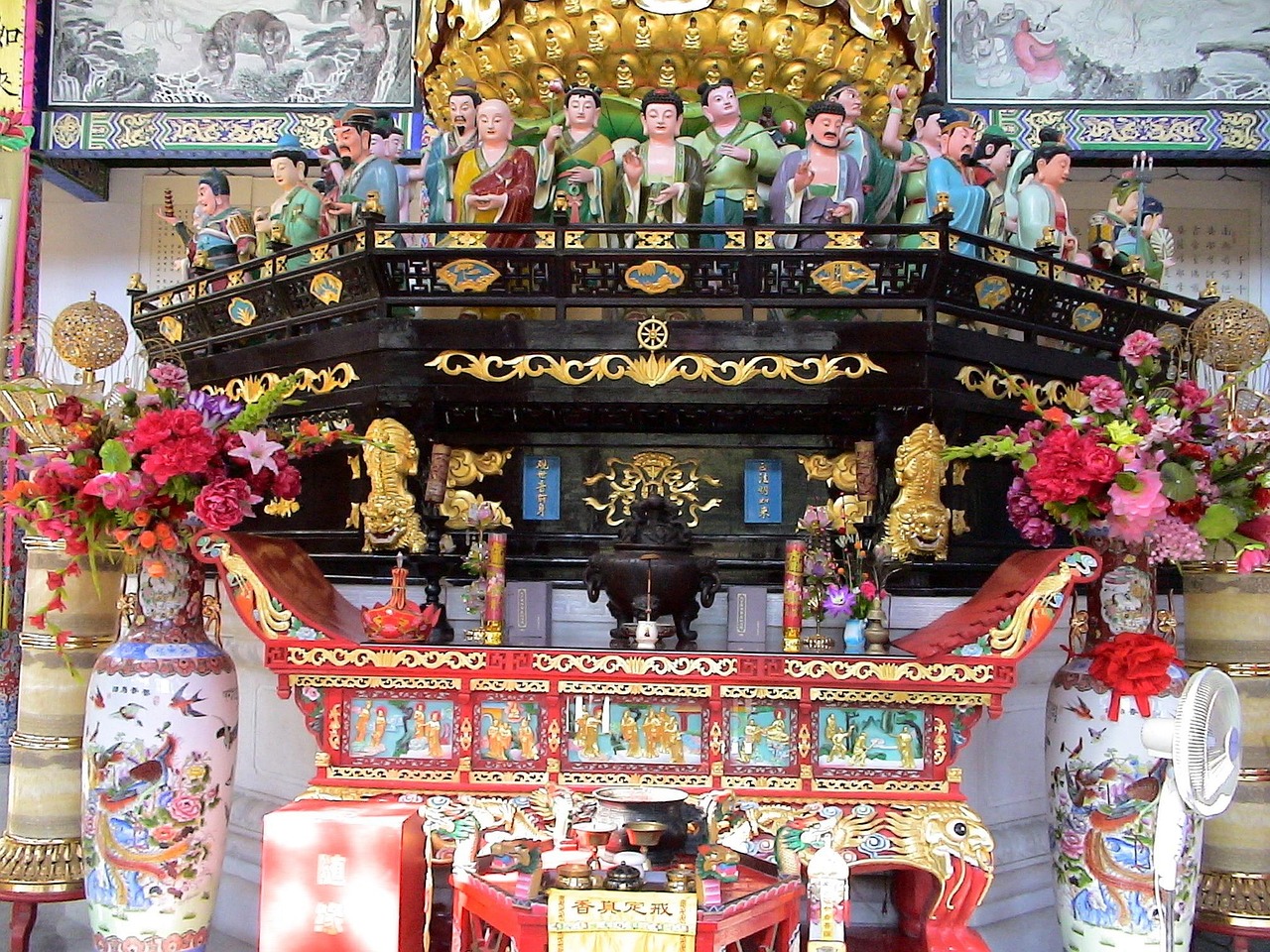
Circular Mound Altar, where emperors performed sacrificial rituals, a three-tiered marble terrace
The Circular Mound Altar is three-tiered, formed from three tiers of marble with precise joints and repeating circles that draw your eye inward. Walk up onto the terrace and look at the railing details and balustrade rhythm; the craft is restrained, yet it frames the centre like a stage. The central stone is where attention concentrates—a simple point that once held an empire’s hopes for a good harvest.
Ritual context without heaviness
Before the sacrificial ceremony, the ruler practised abstinence, staying in the fasting palace to prepare, while offerings were readied in the divine kitchen. Historically, sacrifice could include animal sacrifice, a reminder that state ritual once demanded a tangible cost. The emperors of the Ming and later Qing emperors treated this as a cosmic contract, performed with exact timing and controlled movement.
Try this sensory check for echo stones
Stand still, then take a few measured steps and listen: your footsteps change as you cross different stones, and some visitors swear they can pick out echo stones by sound alone. If you travel with children or friends, it can be a playful experiment—just keep your volume gentle. The Temple of Heaven is at its best when curiosity and trust move together.
Echo Wall, Imperial Vault of Heaven, Temple of Heaven, Beijing: acoustic phenomenon and altar cosmology.
For the echo wall imperial vault of heaven temple of heaven beijing acoustic phenomenon, you’re stepping into ancient Chinese cosmology made walkable. The Imperial Vault of Heaven is a round building that mirrors the sky, holding a revered tablet at its heart, with pavilion-like forms nearby that complete the ritual setting. The surrounding circular wall is the famous stage for sound—an elegant example of how design can carry meaning and delight at once.
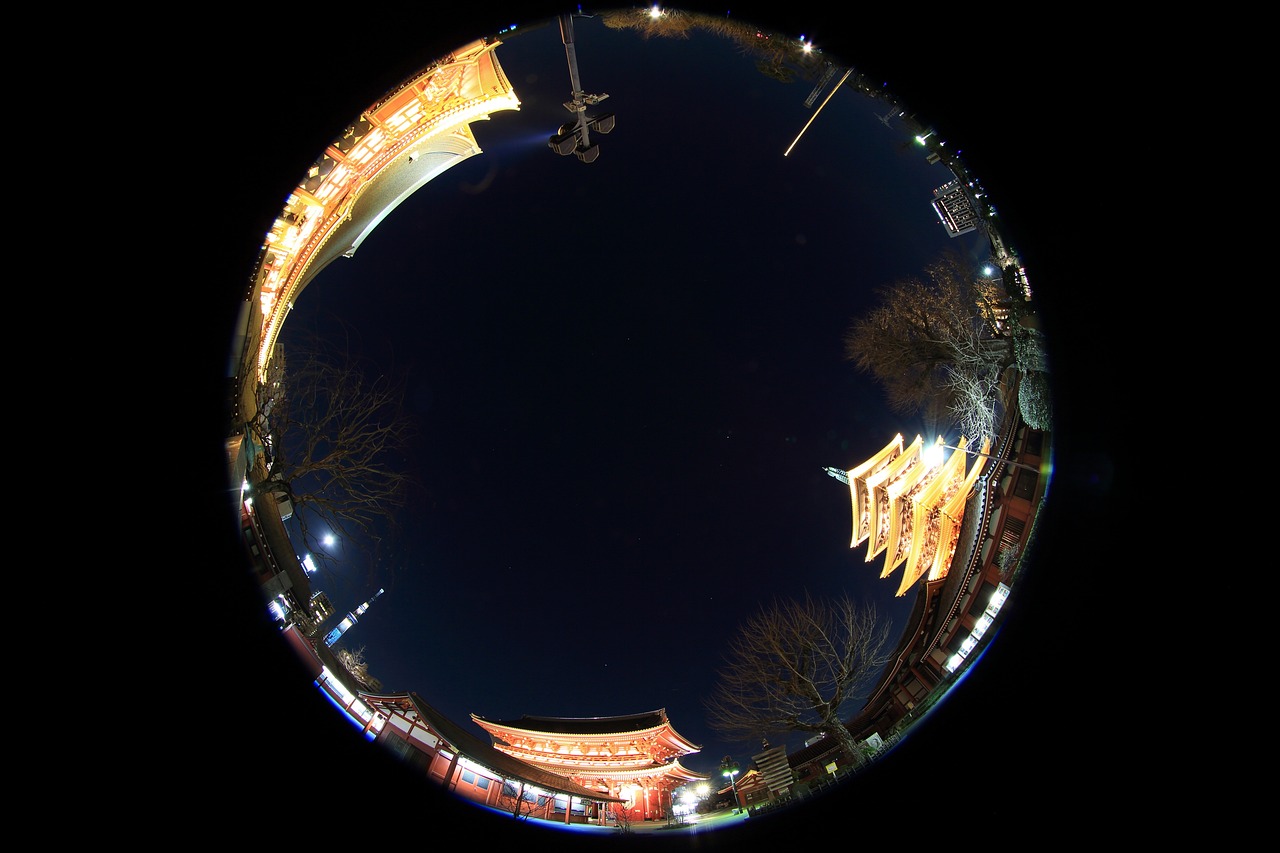
Echo Wall and Imperial Vault of Heaven sound and cosmology, the circular wall where whispers travel
The Echo Wall experience is wonderfully simple: two people stand apart, face the wall, and whisper. Many adventure seekers are stunned when the message arrives intact, as if the stone were a hidden instrument. It feels like a small miracle, but it’s really crafted geometry, tuned by proportion and smooth surfaces; the wall is often described as meters in diameter in guidebooks, and it truly reads as a perfect circle when you pace it out.
How to enjoy the acoustics without crowd friction
Queues form quickly here, especially on weekends, so a little care goes a long way. Take turns, keep experiments brief, and let others have their moment—it’s a shared stage, not a private studio. Photography is welcome, but avoid flash near the more sacred-feeling corners to support the atmosphere.
- Choose your spot, then wait: one clear attempt is more memorable than ten rushed ones.
- If you want a cleaner sound, angle your face towards the wall and speak softly rather than loudly.
- Pause to notice the wider courtyard: it’s part of the experience, not just a backdrop.
Imperial layers and the Qing dynasty care
It helps to remember that the complex didn’t freeze in one era; it was maintained and refined through imperial times. During the Qing dynasty, major upkeep continued—records often highlight 1749 under Qianlong as a notable point of attention and restoration. That continuity is part of why the Temple of Heaven still feels coherent, rather than merely reconstructed.
Temple heaven Park local Tai Chi, Beijing Metro Line 5 tickets, and a seamless adventure plan.
For Temple of Heaven Park, local tai chi, and Beijing Metro Line 5 tickets, the surprise is how alive the parklands are beyond the monuments. The Temple of Heaven covers an area that rewards unhurried wandering, especially in the early hours when Beijing locals fill paths with movement and music. This is where cultural insight becomes lived experience, not a caption.
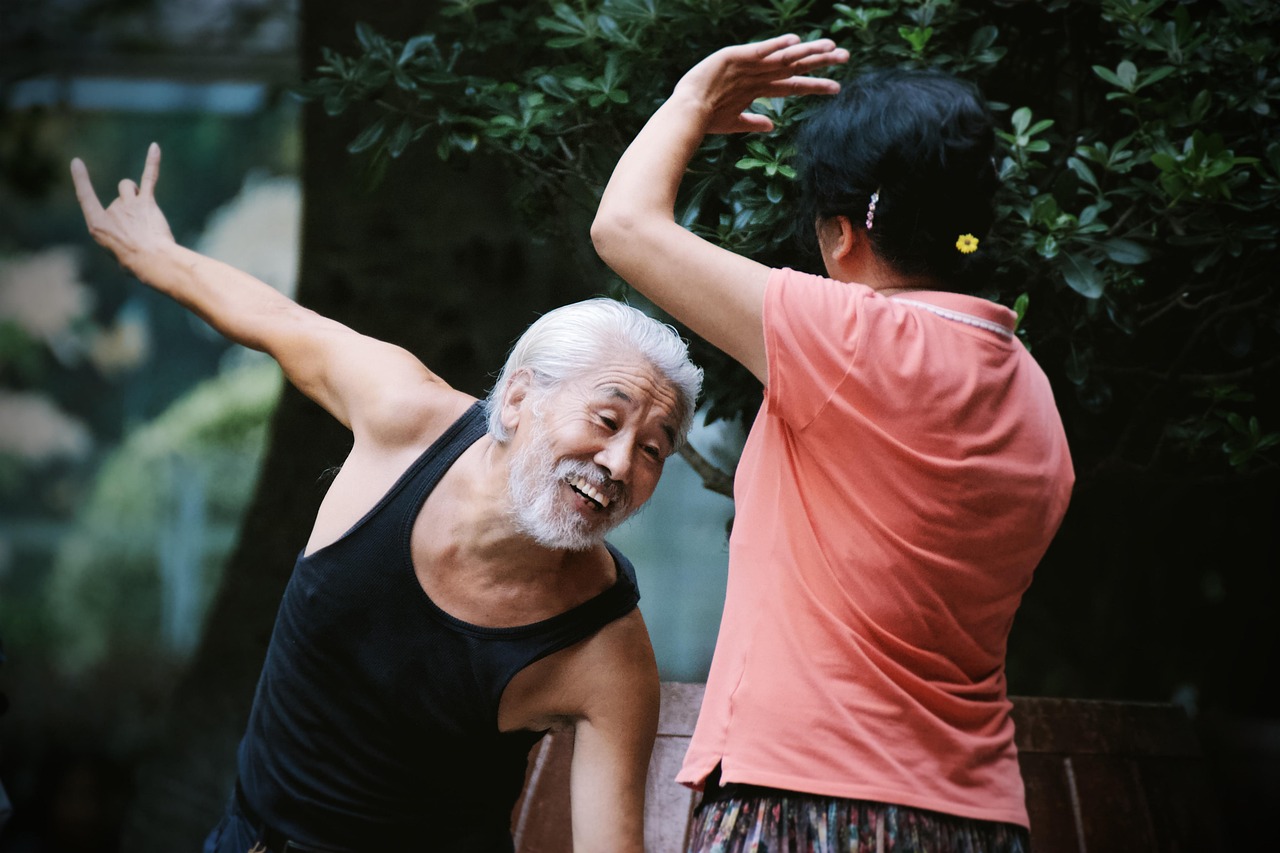
Temple of Heaven Park, local life, and a seamless adventure plan, morning Tai Chi and dancing
One traveller shared how joining an early morning Tai Chi circle transformed their understanding of wellness traditions; strangers corrected posture with gentle hands and genuine warmth. Another family told me they wandered into a cluster of locals playing traditional instruments near the long corridor, then found themselves invited to watch (and lightly join) an impromptu dance session. These are the moments that make the Temple of Heaven feel local and personal, not performative.
Logistics you can trust, from the east gate to tickets
Arriving is refreshingly simple: take Beijing Metro Line 5 to Temple of Heaven East Gate station, then walk to the east gate entrance. Tickets are typically affordable, often under 30 CNY, and there are common discounts for students and seniors. Wear comfortable shoes; even high-end travellers appreciate how much easier it is to explore when your footwear supports you.
If you’re curating a designer-paced stay, it’s easy to pair this site with other Beijing icons, such as the Forbidden City, while keeping your day balanced. For inspiration on weaving this into a wider journey, see our Trip gallery.
An active loop that feels adventurous yet calm
To create a seamless visit, think in loops rather than backtracking: monuments for morning focus, park paths for late-morning ease, and a gentle ride to finish. Cooler seasons bring crisp light, but each season adds its own mood—from winter clarity to spring blossom.
- Best rhythm: arrive early, explore the main axis, then drift into the park for music and movement.
- Consider a bike tour around the park for fresh angles and a little speed between gates.
- Weekend strategy: choose earlier hours for more space, and keep voices low around elders and performers.
F.A.Qs: Temple of Heaven, Beijing
What is the significance of the Temple of Heaven in Beijing?
The Temple of Heaven is Beijing’s most important imperial ritual site, where emperors performed ceremonies to honour Heaven and pray for good harvests. Its architecture expresses Chinese cosmology through precise forms and alignments, making it both spiritually meaningful and visually extraordinary. Today, it also matters as a living public park where local culture unfolds each morning.
Is the Temple of Heaven part of the Forbidden City?
No. The Temple of Heaven and the Forbidden City are separate historic complexes in Beijing with different purposes. The Forbidden City was the imperial residence and administrative centre, while the Temple of Heaven was a dedicated ceremonial landscape for major rites. Many travellers visit both because together they offer a fuller sense of imperial life and belief.
Is the Temple of Heaven in Beijing worth visiting?
Yes, especially if you value culture with breathing space. The Hall of Prayer for Good Harvests, the Circular Mound Altar, and the Echo Wall are genuinely distinctive, and the surrounding park adds an immersive local dimension through Tai Chi, music, and dancing. It’s an uplifting site that feels both grand and human.
How long do you need at the Temple of Heaven in Beijing?
Plan for around two to three hours for a comfortable visit that includes the main monuments and some time in the park. If you arrive early to watch Tai Chi or you want to linger with photography and quieter walks, half a day feels unhurried. The site is large enough that slower pacing often makes it more rewarding.
What I took from the Temple of Heaven, Beijing: personal reflection and cultural insight.
For the Temple of Heaven in Beijing, personal reflection, cultural insight: what lingers isn’t only the scale—it’s the way the geometry trains your attention. I still remember the sensation of crossing a quiet courtyard and realising my pace had changed without effort, as if the place itself had designed a slower heartbeat. The Temple of Heaven holds space for worship, but it also holds space for you to simply notice.
The emperor’s sacrificial role feels distant now, almost impossible to picture in a modern city. And yet, standing near an altar platform or watching early morning Tai Chi, the distance collapses: both are human attempts to find balance, to ask for a good harvest of body, community, or time. Heaven and earth stop being abstract ideas and become a lived contrast between sky, stone, and breath.
What I carry is a quiet confidence to explore Beijing with a softer gaze—less checklist, more presence. The crafted spaces, the shared silence, the small kindness of locals correcting a posture or offering a smile: they sit together without needing to be solved. Somewhere between the marble and the trees, you begin to imagine what else the city might reveal when you keep looking gently.