Post Contents
- Terracotta Warriors Tour China Xi’an itinerary Beijing Shanghai and the right rhythm
- Beijing to Xian bullet train or train, Xi’an transfer without stress
- See the terracotta warriors at the Xi’an terracotta army museum, the archaeological first emperor story
- Private tour visiting the terracotta warriors, tour guide restricted areas, Xi’an
- Xi’an evening light show, terracotta warriors and horses museum, Shaanxi cuisine, luxury
- Xi’an terracotta warrior reflection, China journey that lingers
- F.A.Qs: Terracotta Warriors tour planning
Terracotta Warriors Tour China Xi’an itinerary Beijing Shanghai and the right rhythm
Terracotta Warriors Tour in China, where Xi’an Fits Your Itinerary at the museum complex near Xi’an
If you’re mapping a terracotta warriors tour China Xi’an itinerary Beijing Shanghai style, think of Xi’an as the emotional centre of the journey—the place where imperial ambition becomes tangible. Beijing offers grandeur and ceremony; Xi’an offers intimacy with deep time; Shanghai brings a modern, glittering contrast. For high-end travellers, the luxury is not only in beautiful hotels, but in a crafted flow that lets you arrive unhurried and explore with trust.
Start in Beijing for icons such as the Temple of Heaven and a day on the Great Wall, then fly or take the rails to Xi’an, the home of the terracotta warriors. From there, a few days in Shanghai can feel like stepping into China’s contemporary imagination—art districts, riverfront dining, and design-led neighbourhoods. It’s a classic itinerary because each stop deepens the next, without competing for attention.
Itinerary logic for Beijing and Xi’an, then Shanghai
A refined China journey often works best with two strong heritage anchors and one modern finale. Beijing and Xi’an offer layered Chinese history—imperial spaces, ancient ritual, and the first emperor’s legacy—while Shanghai delivers a future-facing energy. If you’d like one more heritage pause, Pingyao offers a preserved ancient-city feel with courtyard stays and lantern-lit lanes that can slow the pace in the best possible way.
For travellers who enjoy elegant contrasts, consider a short cultural stretch inland (Beijing → Pingyao → Xi’an) before returning to the coast. Even a single night in pingyao can change the tone: quieter mornings, slower walking, and an immediate sense of old-world craft. That gentle deceleration makes Xi’an feel even more powerful.
Private tour versus day tour, and why design matters
The key decision is whether you prefer a standard day tour or something more personal. A thoughtfully designed visit to the terracotta site turns the practicalities—tickets, timing, transfers—into a seamless experience, so your mind is free to notice the details. We’ll share what to expect, when to go, and how to create a visit that feels calm, supported, and genuinely yours.
If you’re curious to explore further inspiration, browse our Trip gallery and imagine your own route stitched together with care.


Beijing to Xian bullet train or train, Xi’an transfer without stress

Beijing to Xi’an Transfers by Bullet Train or Flight for a Terracotta Warriors Tour
For many first-timers, the big question is: Beijing to Xi’an bullet train or airport transfer—what feels easiest, and what feels most comfortable. Both options can be wonderfully smooth when timed well. The bullet train can be a relaxed way to watch the landscape shift, while a flight may suit tighter schedules or travellers who prefer to arrive and settle quickly.
Arriving by airport or train in Xi’an is straightforward, but the experience changes dramatically depending on whether you’re juggling luggage and queues alone or stepping into a pre-arranged welcome. For high-end travellers, the goal is simple: arrive with composure, not adrenaline. A calm first evening sets the tone for the archaeological morning ahead.
Beijing to Xian in comfort, with a seamless first night
For a premium transfer framework, lean on pre-arranged support. A private car to meet you upon arrival, hotel concierge coordination, and a light-paced schedule build confidence—especially after long museum days in Beijing. With the right planning, you can check in, refresh, and enjoy a gentle dinner rather than launching straight into sightseeing.
- Timing: Aim to arrive by late afternoon so you can rest and still enjoy the evening atmosphere.
- Transfer: Pre-book a car and driver, so the journey to your hotel feels quiet and personal.
- Pacing: Keep the first night light—an easy stroll, a warm meal, and an early sleep.
Xian to Shanghai and keeping your tour schedule realistic
When it’s time for Xian to Shanghai, you can again choose rail or air. If you love the rhythm of stations and city-centre arrivals, the bullet train is satisfying; if you’d rather reclaim time, a flight can help. Either way, protect your tour schedule from becoming a sprint: one major highlight per day is usually enough for genuine insight and enjoyment.
Pack for comfort: supportive shoes, layers for air-conditioned galleries, and a refillable bottle to stay hydrated. Thoughtful pacing is a quiet kind of luxury—one that helps you explore with trust in yourself and in the plan.
See the terracotta warriors at the Xi’an terracotta army museum, the archaeological first emperor story
See the Terracotta Warriors Up Close at the Terracotta Army Museum in Xi’an
To see the terracotta warriors well, it helps to arrive with a little context: this is not only a spectacle, but an intensely human site. The first emperor of a newly unified China, Qin Shi Huang, believed in an afterlife that required protection, order, and continuity. The result was the terracotta army—a silent force built for eternity, and now one of the most moving places in Xi’an.
The Terracotta Army Museum is both monumental and delicate: monumental in scale, delicate in the way it asks you to look closely. This is a UNESCO World Heritage site, yet it still feels intimate when you focus on one face, one stance, one gesture. The best visits balance wonder with respect, letting the story unfold without information overload.
Pit 1, Pit 2 and Pit 3, and the scale that overwhelms
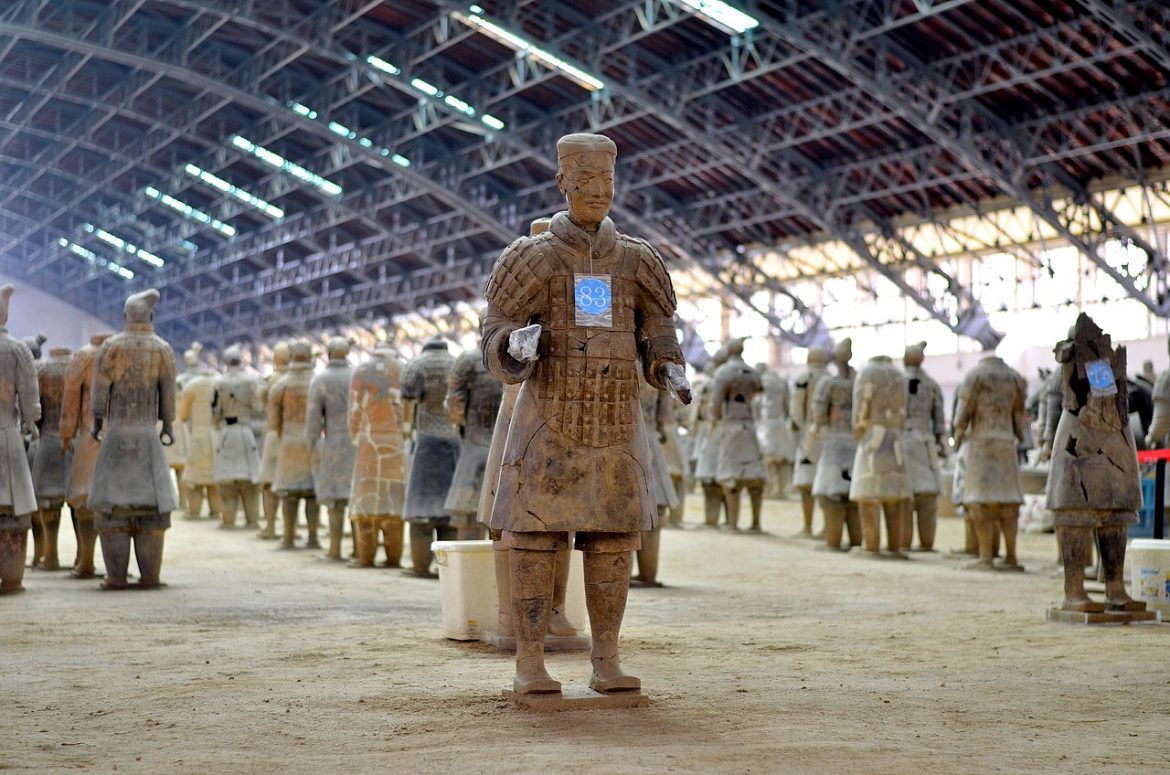
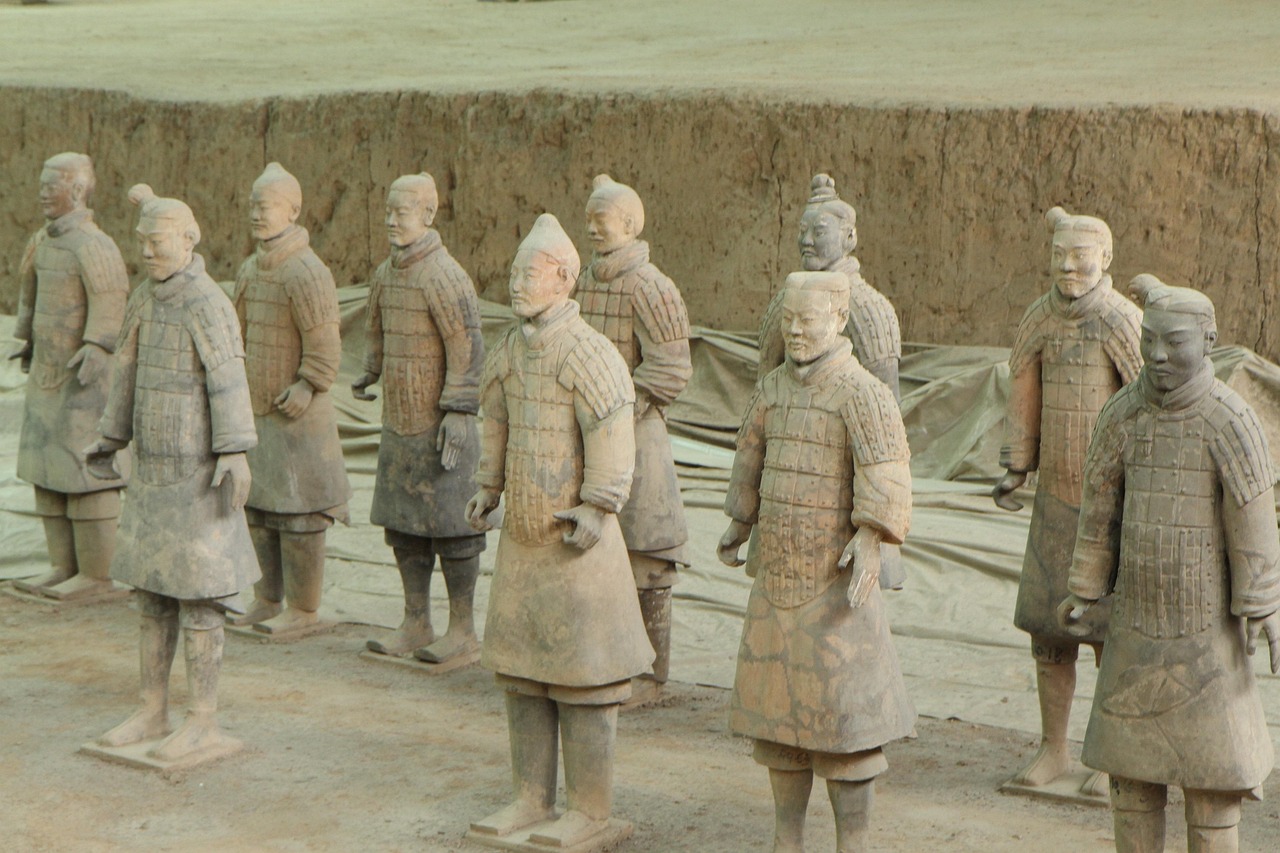
In pit 1, the first view often stops people mid-step: an expanse of ordered ranks, standing in battle formation, receding into the distance. You notice different kinds of soldiers—archers, infantry, officers—each with small variations that hint at real individuals behind imperial design. Nearby, you’ll also find the astonishing terracotta warriors and horses, a reminder that this was a complete military vision.
Pit 2 reveals more complexity and variety, and Pit 3 is often described as a command post—smaller, but rich with meaning. Across the complex, you’ll see how the terracotta soldier stance and armour communicate rank and role, as if the army could step forward at any moment. It’s the point where “China’s Terracotta Warriors” stops being a phrase and becomes a feeling in your chest.
Farmers in 1974, excavation, and how restoration continues
The discovery story is as compelling as the site itself: in 1974, farmers struck the first terracotta fragments while digging a well, sparking one of the great archaeological finds of the 20th century. Since then, specialists have continued to excavate with painstaking care, treating the earth like an archive that cannot be rushed. The ongoing excavation and conservation work is part of what makes a return visit meaningful—this is a living story.
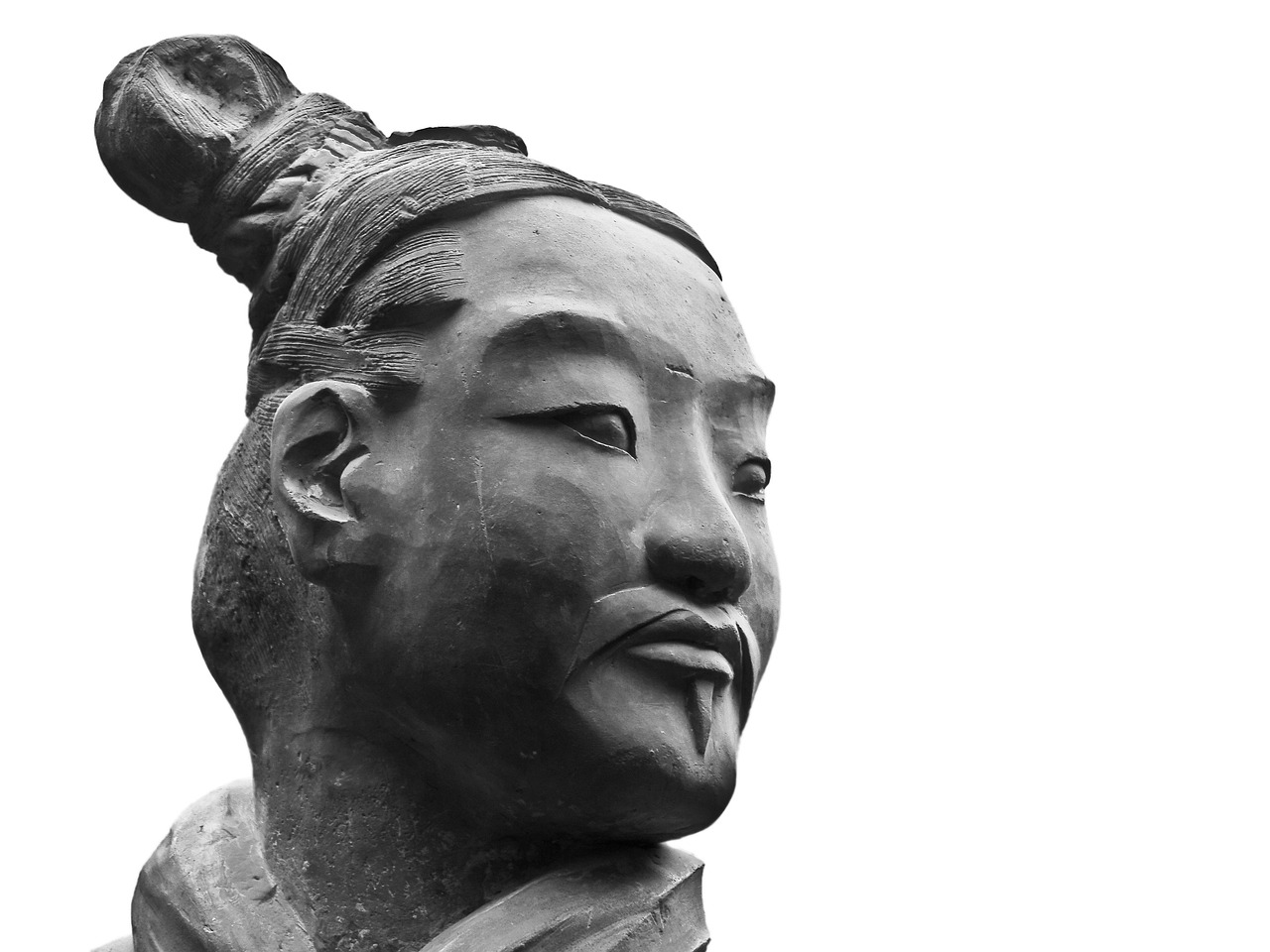
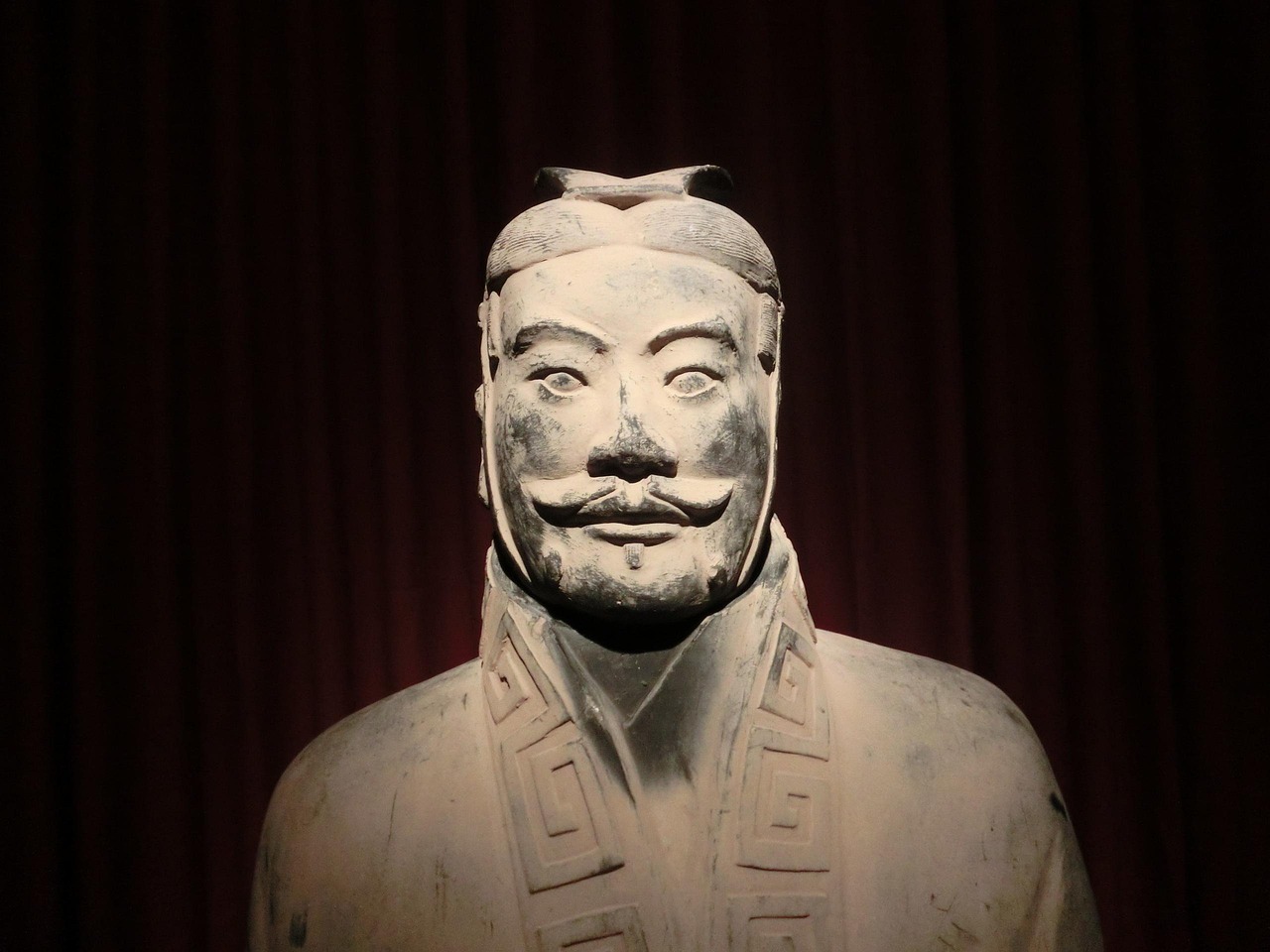
Inside the museum’s exhibition halls, take time with the craftsmanship. Look for a unique facial expression on a warrior, the detail of armour plates, and the engineering of a chariot. Displays of horses and chariots sit alongside cultural relics, sometimes including carved jade pieces that speak to status and ritual in ancient Chinese life. This is Chinese culture in layers: artistry, power, and belief held in fired earth.
Private tour visiting the terracotta warriors, tour guide restricted areas, Xi’an
Private Tour Luxury Access and Expert Storytelling while visiting the Terracotta Warriors in Xi’an
A private tour visiting the terracotta warriors, with a tour guide restricted to the areas, Xi’an approach changes the entire texture of the day. You’re not simply moving with the crowd; you’re moving with intention—pausing when something catches your eye, stepping to quieter angles, and letting the narrative meet you where your curiosity is strongest. Where access is available, restricted viewpoints add depth, not because they are exclusive for the sake of it, but because they help you understand scale, process, and preservation.
This is what visiting the terracotta warriors can feel like at a high level: seamless logistics, a calm pace, and stories that connect the terracotta warrior details to the wider arc of Chinese history. A skilled tour guide also reads the room—when to offer insight, when to step back, and how to create space for private reflection.
Private tour insight, from workshop marks to restoration methods
An expert guide will often point out the details most guests walk past: subtle tool marks, hints of original pigments, and the way restorers piece fragments together like a three-dimensional puzzle. You begin to notice how each terracotta figure carries small variations—hair knots, ear shapes, armour patterns—suggesting real workshop systems and a sophisticated chain of production under the Qin state. It’s less like “a museum visit” and more like uncovering how an ancient project was designed and delivered at scale.
- Best season: Plan between April and October for pleasant weather and longer daylight.
- Best time of day: Arrive early to avoid crowds and enjoy cooler temperatures.
- Costs: Entry is typically $15–$20, with additional fees for guided tours and special evening experiences.
- Comfort: Wear comfortable shoes—there’s extensive walking across the museum complex.
A conversation with a local archaeologist, and the care behind the site
One guest still talks about a chance conversation with a local archaeologist during a private visit to the terracotta. It began with a simple question about conservation, and became an unforgettable exchange about humidity control, pigment preservation, and the patience required to stabilise fragile surfaces. The archaeologist spoke with quiet pride about Shaanxi provincial cultural stewardship and the ongoing work aligned with Shaanxi cultural heritage promotion—a reminder that this wonder is protected by people, not just policies.
Etiquette here matters, and your guide helps you feel comfortable with it: keep voices low in quieter zones, never touch the sculptures, and give others space at the railings. That gentle structure builds trust for everyone and allows the terracotta warrior’s presence to remain undisturbed.
Xi’an evening light show, terracotta warriors and horses museum, Shaanxi cuisine, luxury
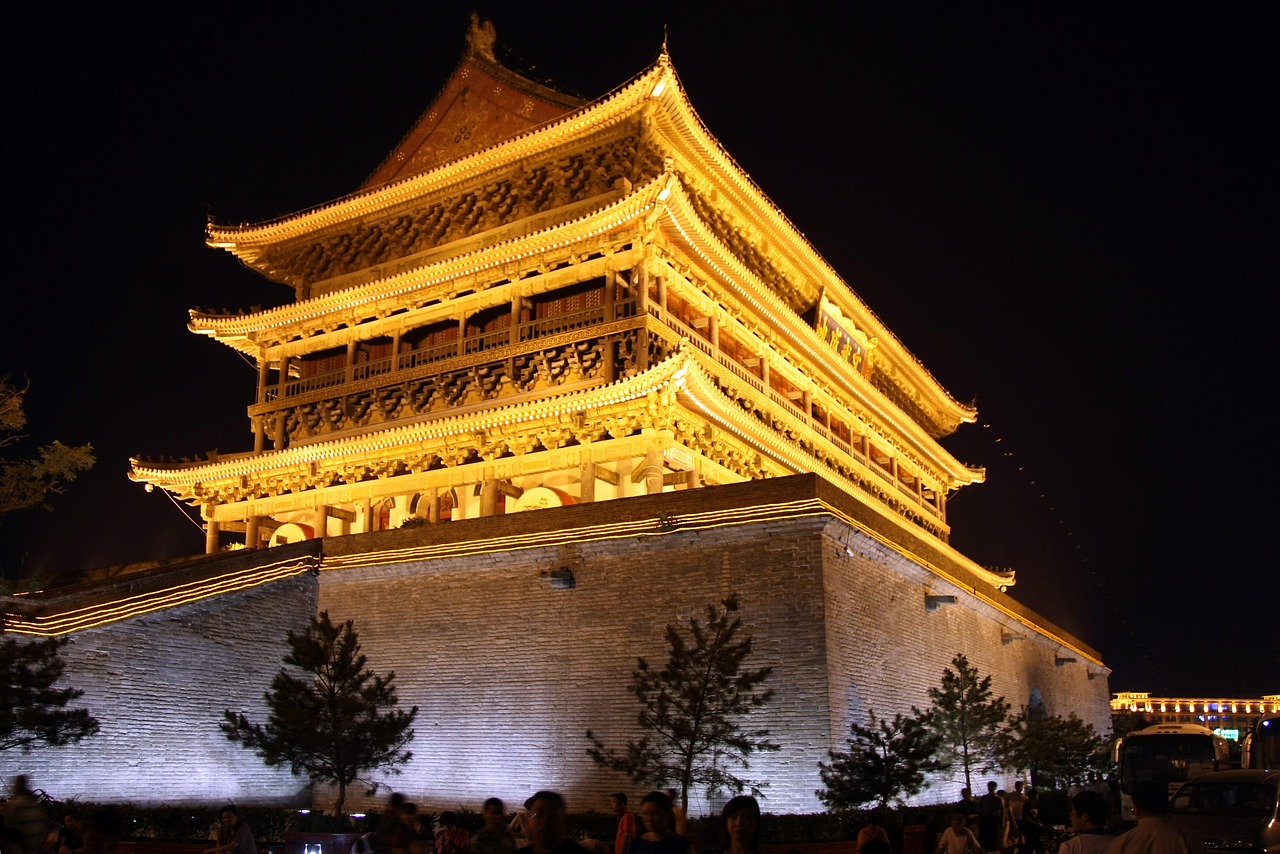
Evening Light Show and Shaanxi Dining in Style after the Terracotta Warriors in Xi’an
For travellers who value atmosphere as much as access, a Xi’an evening light show, the terracotta warriors and horses museum, and a Shaanxi cuisine luxury pairing can be pure magic. The site feels different after dark—softer crowds, dramatic illumination, and a hush that invites you to look longer. If your timing allows, it’s a beautiful way of visiting the terracotta without feeling swept along by daytime momentum.
A couple once described the light show as “surreal in the gentlest way”. As the lights shifted across the excavation hall, the terracotta warrior ranks seemed to emerge from shadow into presence, and the experience felt oddly intimate—like being allowed to witness something private within a world-scale landmark. It’s the kind of moment you carry together, long after the photos are forgotten.
Shaanxi cuisine, refined, local, and quietly celebratory
After the museum, design the evening around comfort and flavour. In Xi’an, elevated dining can still feel warmly local, with menus that honour Shaanxi cooking while presenting it with modern elegance. You might try hand-pulled noodles with nuanced spice, delicately balanced dumplings, or slow-cooked dishes that feel deeply nourishing—suggestions rather than rules, guided by your own tastes.
If you’re travelling as a couple or celebrating something special, ask your hotel to secure a table that feels calm and unhurried. The best luxury is care: attentive service, a quiet corner, and time to let the day settle.
Night in Xi’an, from the ancient city wall to the Tang ambience
To extend the night narrative, take a gentle stroll along the city wall—or, if you want the full sense of place, the ancient city wall that frames the old quarters with a protective calm. The lantern glow and evening air create a pleasing contrast to the museum’s vast interior spaces. It’s also a subtle reminder that Xi’an’s story doesn’t end with the Qin era; the city later flourished through the Tang period, with cultural confidence that still echoes today.
If you’d like one more elegant stop, the big goose pagoda area offers a calm evening ambience with fountains and open spaces. The goose pagoda stands as a quiet symbol of the city’s spiritual and scholarly heritage, linked to the Silk Road era and the broader Tang imagination. It’s an easy, reassuring way to close the night—beautiful, spacious, and unforced.
Xi’an terracotta warrior reflection, China journey that lingers
In the end, what stays with you is not a fact, but an image: endless rows of figures, and the feeling of your own breath catching as you take them in. I remember standing there, small before such scale, and yet strangely connected—like the centuries were folded neatly into the present. The life-size presence of each terracotta warrior makes it personal, even when you are surrounded by thousands.
The human hands behind the terracotta soldier ranks
Later, I found myself thinking about the hands that shaped each face and finger, and the teams who now steady and conserve what time could so easily take away. There is a quiet dignity in that ongoing work—care, patience, and a kind of devotion to detail. It’s a softer kind of luxury, too: understanding more than you expected, and feeling your own curiosity met with respect.
Somehow, the site also brings perspective to everything else around it. Beijing’s Temple of Heaven and the Great Wall of China are still magnificent, but Xi’an adds an inward depth—an intimate sense of ancient Chinese ambition, craft, and belief. And when you later step into Shanghai’s bright momentum, you feel the contrast more richly, as if each chapter of the journey has given the next more meaning.
Trust, calm, and a memory you return to
What I value most is the calm that comes from being supported—logistics handled, timing considered, and guidance offered with warmth. That is lasting luxury: the mind can rest, notice, and remember. Even now, in quieter moments, I can picture the terracotta warrior ranks in their stillness, and I find myself wondering what other stories in China’s history are waiting—patiently—to be uncovered.
F.A.Qs: Terracotta Warriors tour planning
Can you visit the Terracotta Warriors in China?
Yes. You can visit the Terracotta Army Museum near Xi’an, a major cultural attraction and UNESCO World Heritage Site. Tickets are purchased for the museum complex, and you can choose standard entry or add guiding and special experiences. For a smoother day, many high-end travellers arrange a private car and guide so arrival, timing, and pacing feel effortless.
How long does it take to tour the Terracotta Warriors?
Most visitors spend around 2–3 hours at the museum, depending on crowd levels and how deeply you engage with the exhibitions. If you’re adding a private guide, allow extra time for storytelling and quieter viewing angles. With transfers from central Xi’an, a half-day plan is comfortable, while a full day allows space for an unhurried lunch and additional city sights.
Which city is closest to the Terracotta Warriors?
Xi’an is the closest major city and the usual base for visiting the Terracotta Warriors. The museum sits outside the city centre, and the drive is typically straightforward by taxi or pre-arranged car. Staying in Xi’an also makes it easy to enjoy the city wall at night, explore Tang-era landmarks, and dine well before or after your museum visit.
Are the Terracotta Warriors worth visiting?
For most travellers, yes—especially if you value history, artistry, and powerful atmosphere. The scale of the pits is astonishing, yet the individual faces and details make it deeply personal. With thoughtful planning—early arrival, comfortable shoes, and ideally expert guiding—the experience feels less like a crowded attraction and more like a meaningful encounter with ancient China.