Top Venice Italy attractions and best first-day itinerary
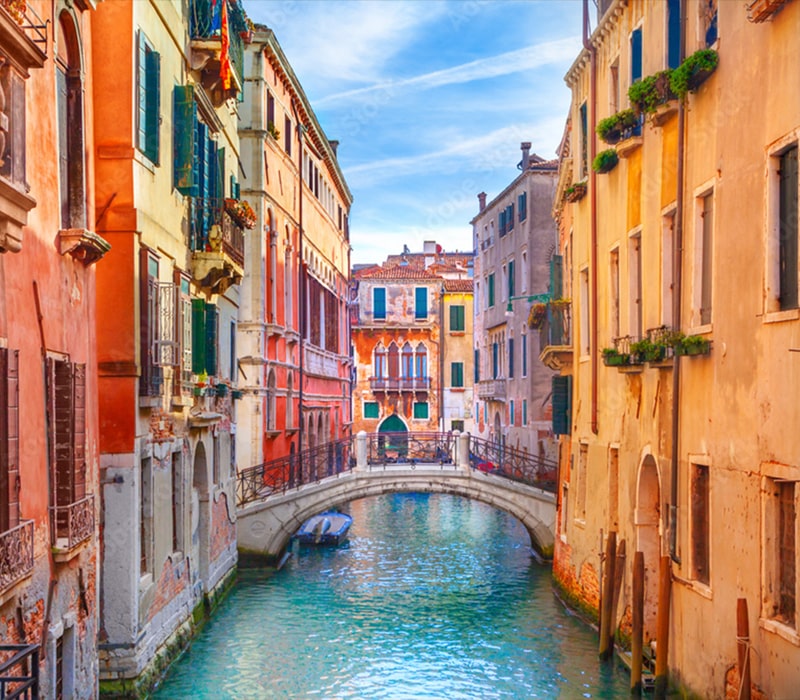
Top attractions for a first day in Venice with a calm early-morning view across the canal
If you’re searching for a top-attraction Venice, Italy, first-day itinerary, my gentle advice is to adopt a high-end pacing philosophy: choose fewer moments and experience them more deeply. Venice, for a short time, can still feel expansive when you design the day around light, silence, and crafted access rather than rushing between every attraction. Think of this as a “first day” that sets your personal rhythm for exploring Venice—calm, confident, and beautifully unforced.
This approach works particularly well for one day in Venice, when the city’s crowds can otherwise pull you into their tempo. Venice is one of the rare places where simply standing still—listening to the canal lap against stone—can feel like you’ve already uncovered something meaningful. The best things often arrive through atmosphere, not accumulation.
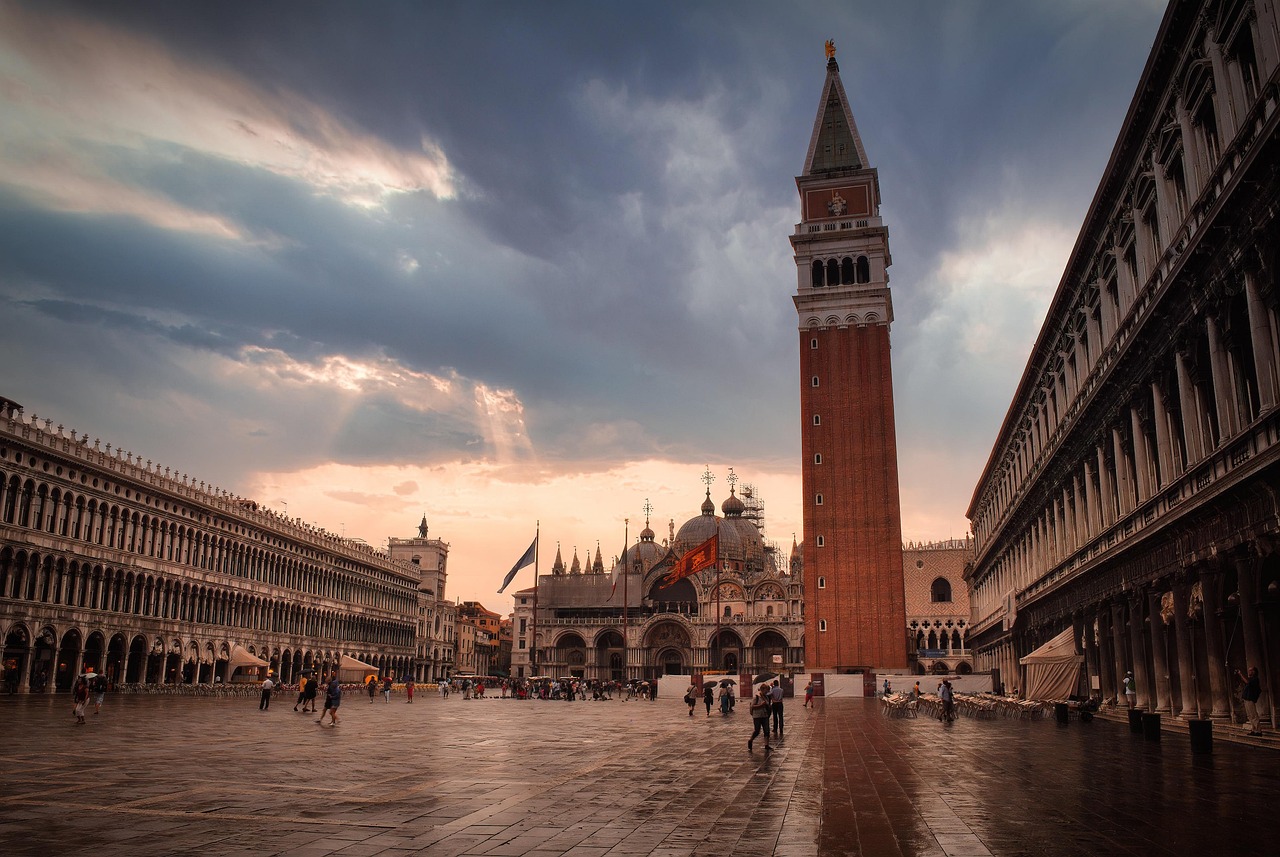
Piazza San Marco at first light and a view of Venice
Start early in the morning at Piazza San Marco (Mark’s Square), when the arcades still echo, and the pigeons have not yet become a performance. The square is free to enter, and in that first light, the proportions make sense: the soft geometry of the Procuratie, the distant shimmer of the lagoon, and the first glints of gold from the basilica nearby. For a classic view of Venice, stand near the waterfront edge of the square and look back towards the façades as the city wakes.
There’s a small, reassuring ritual I love here: greet the first café staff you meet with a warm “Buongiorno”. That simple local exchange tends to shift the whole day—suddenly you’re travelling together with the city rather than against it.
A refined circuit of main attractions and a favourite church in Venice
From the square, create a compact circuit of main attractions that won’t exhaust you. Begin with the bell tower (Campanile) for altitude and orientation, then move to Museo Correr for context—one of the museums in Venice that explains how the city styled itself through art, ceremony, and power. If you’d like a quieter spiritual counterpoint, step into San Zaccaria, a favourite church in Venice for many who crave calm interiors and softer footfall.
If you have an appetite for another intimate stop that still sits within this neighbourhood, consider santa maria dei miracoli—small, jewel-like, and often less hectic than the top tourist attractions nearby. It’s the kind of church in Venice that reminds you why Venice’s craftsmanship matters: stone, light, patience.
Practical support for a seamless first day
- Tickets in advance: book timed entries where possible and keep screenshots ready for spotty reception; it’s the simplest way to avoid queue stress.
- Dress codes: for any basilica or church, choose modest attire (covered shoulders and knees) so you can enter with quiet confidence.
- Getting around: a vaporetto is efficient; a private water taxi feels more seamless when you’re arriving with luggage or dressing for an evening out.
- Shoes: Venice is pedestrian-friendly with bridges—pack comfortable but elegant footwear that can handle a long day in Venice.
Micro-story: One traveller told me their first impressions were not the monuments, but the sound of a narrow canal behind the square—water tapping stone like a metronome—followed by a gentle “Buongiorno” from a shopkeeper opening shutters. It created trust in the journey straight away: Venice would be kind if they were patient with it.
From here, you’re perfectly placed for Venice’s defining pairing: the basilica and the palace.




Basilica di San Marco and Doge’s Palace attraction in Venice, Italy
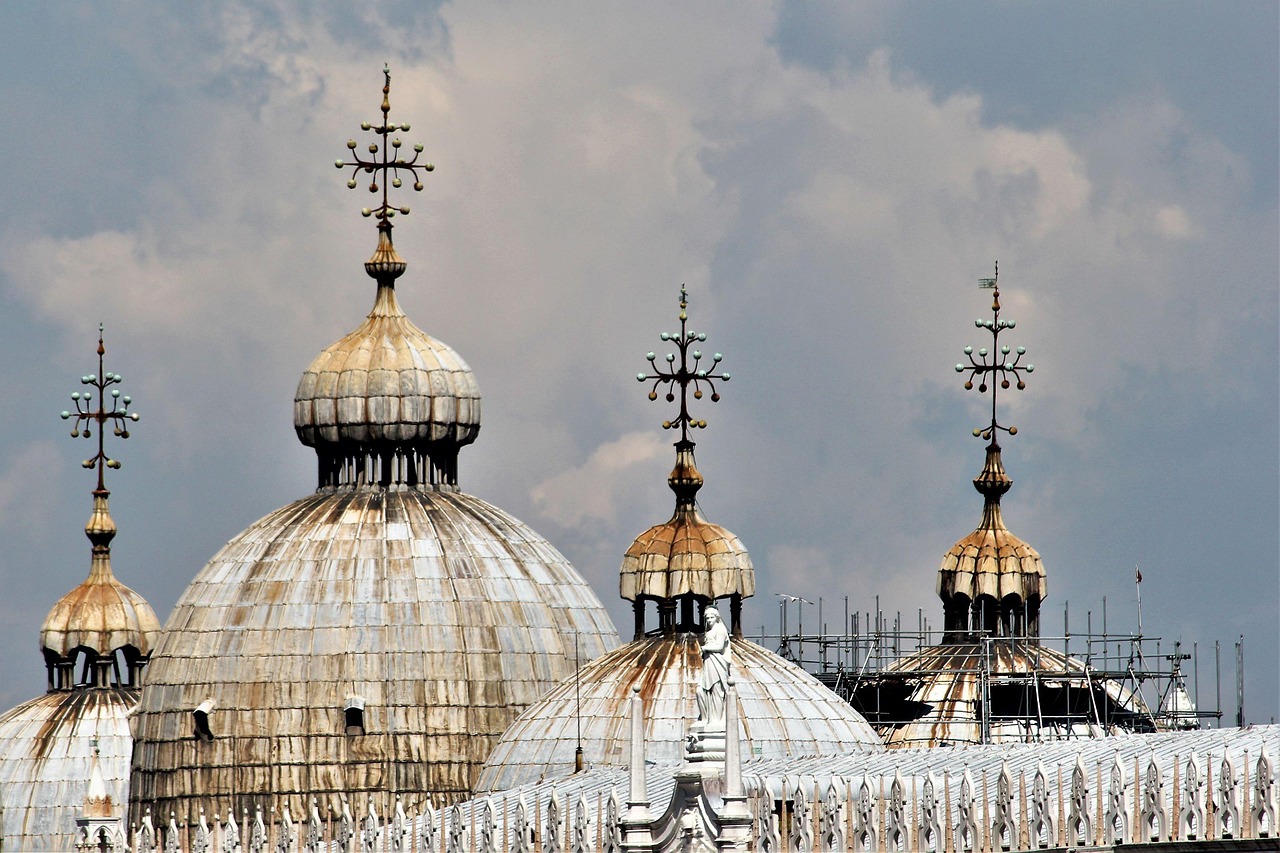
Basilica di San Marco and Doge’s Palace grandeur in Venice Italy
For many travellers, the Basilica di San Marco and the Doge’s Palace in Venice, Italy, are the essential duo—an immersion in gold, governance, and the theatre of the Republic. This is the heart of Venice’s story, and it’s absolutely worth a visit when approached with a little planning and a lot of calm. Done well, it doesn’t feel like “tick-box tourism”; it feels like entering a living archive.
Allow yourself to slow down here. The difference between a hurried attraction and a memorable one is often just ten extra minutes of stillness in the right corner.
Basilica and di San Marco etiquette with a single mosaic moment
The basilica is a masterclass in Byzantine influence—domes, marbles, and a luminous interior that feels more like an icon than a building. In the Basilica di San Marco, pause to notice one vivid mosaic detail: tiny tesserae angled to catch candlelight, so the walls seem to move as you do. It’s a quiet reminder that Venice’s genius is often technical as much as artistic.
To visit respectfully, keep voices low and phones away in quiet zones, and follow the modest dress code. These small acts of care make the experience smoother for everyone and help you feel confidently “in step” with the space, especially in Di San Marco, where the flow of people can be intense.
Doge’s Palace and Ponte dei Sospiri after the splendour
Next door, the palace experience is pure Venetian theatre. The Doge’s Palace—often written as doge’s palace—was the beating administrative heart of the republic of venice. Step through courtyards and up grand staircases into rooms designed to project stability, wealth, and divine favour; this is the history of Venice told through ceilings, canvases, and ceremonial choreography.
If you can, book the secret itineraries. High-end travellers often love this crafted access because it reveals the city’s shadows as well as its splendour: narrow passages, former offices, and the practical mechanics behind the myth. It also tends to be more controlled in numbers, which gives the whole visit a more intimate cadence.
Then comes the narrative link: the ponte dei sospiri—the bridge of sighs. It’s a short crossing, but emotionally potent, connecting the rooms of judgment to those of confinement. For a calmer view, step back slightly from the busiest photography pinch-points and look for angles from a nearby pontoon, where you can breathe and observe without feeling pressed by the tourist surge.
Logistics to keep it seamless
- Timed entries: reserve specific time slots for both basilica and palace to avoid standing in sun with crowds.
- Best times: the first slot of the day or the later afternoon can feel calmer than late morning.
- Context, lightly held: Venice was ruled through a complex system of councils; the Doge was powerful, but not absolute. That nuance enriches the palace without turning your day into a lecture.
- Venice City Pass: consider it if you’re bundling multiple museums and monuments, but compare it against your exact plan.
With the grandeur behind you, it’s time for Venice’s most cinematic axis—along the Grand Canal—where the city becomes a moving gallery.
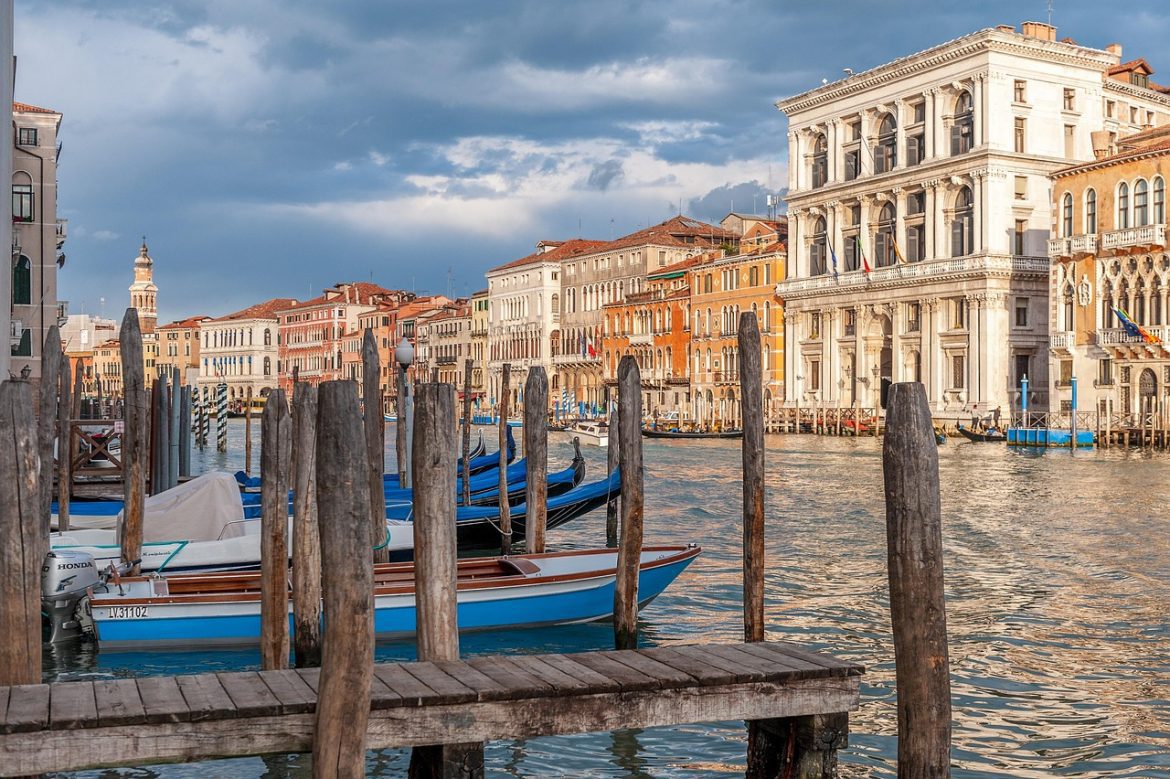
Gondola ride along the Grand Canal, passing Rialto Bridge and historic palaces in Venice, Italy.
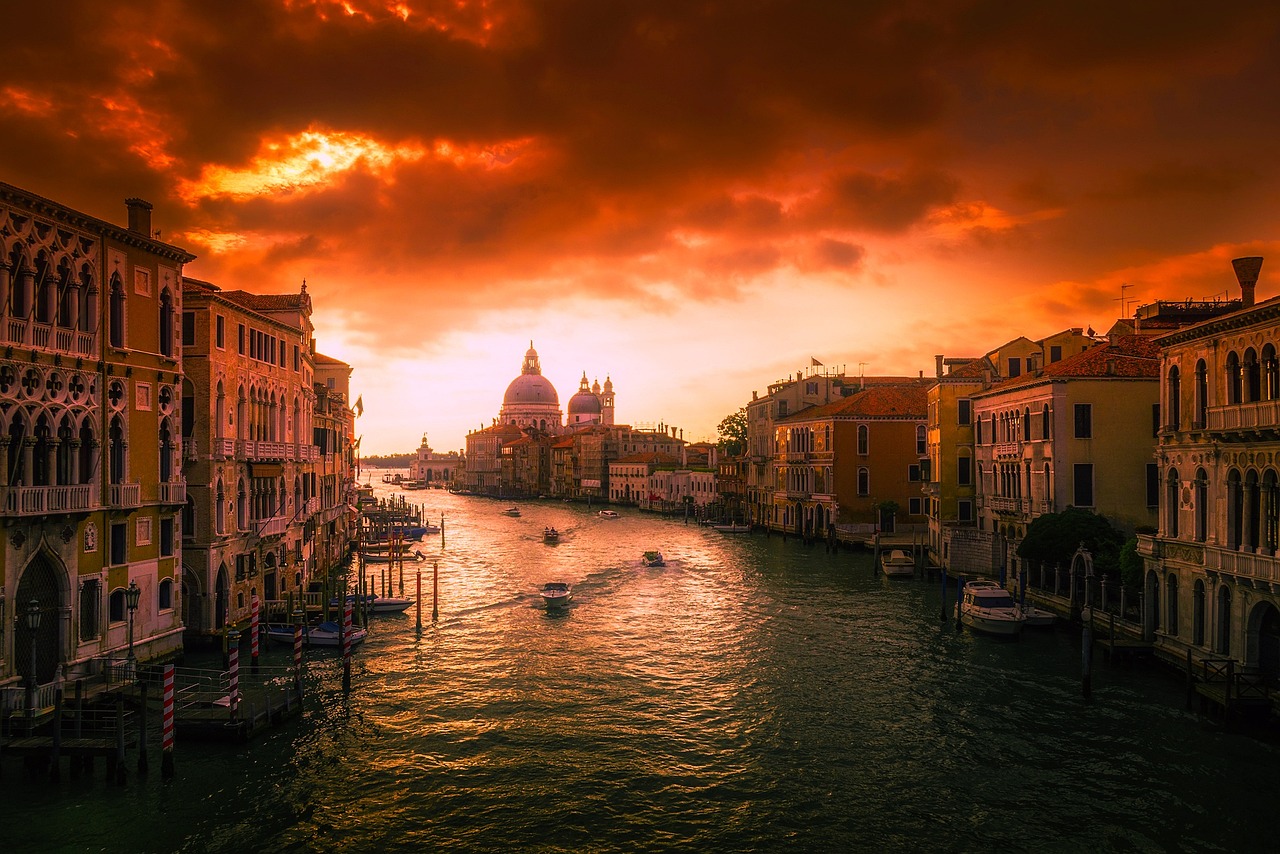
Grand Canal style gondola ride and Rialto Bridge palazzi in Venice Italy
A Grand Canal gondola ride, Rialto Bridge, Palazzo, Venice, Italy, a day can be designed from morning to evening with a sense of style rather than strain. The Grand Canal is Venice’s main stage: a broad, curving waterway where every façade seems to compete in elegance. Instead of rushing between landmarks, let the canal carry the narrative—palazzi rising from water, shutters half-open, deliveries arriving by boat as if it’s the most normal thing in the world.
One of my favourite ways to explore is to alternate perspectives: first from the water, then on foot, then from above. That rhythm keeps you energised and helps you see Venice with fresh eyes each time.
Along the Grand Canal for palazzo reading and views of the city
Start along the Grand Canal with a vaporetto ride for a relaxed overview; consider it your moving architecture lesson. As you pass each palazzo, look for details that signal wealth and shifting taste—Gothic tracery, Renaissance symmetry, later flourishes that speak to Venice’s changing fortunes. This is also one of the easiest ways to collect memorable views of the city without feeling like you’re constantly stopping traffic on narrow lanes.
For something more private, a water taxi can be a beautifully crafted splurge, particularly if you’re dressed for lunch or an evening reservation. It’s the definition of seamless: no waiting, no jostling, just water and stone.
Gondola ride near quieter canals and a Venice at night mood
A gondola is most intimate when it slips into narrower canal routes away from the busiest sections of the Grand Canal. Ask your gondolier for calmer back canals, and you’ll often find a Venice that feels like a private set—laundry lines above, soft echoes under a low bridge in Venice, and the scent of dinner drifting from a hidden trattoria.
Personal story: One traveller recalled a sunset gondola ride that felt almost unreal—gold light on historic façades, the gentle pivot of the oar, and a sudden hush as they turned into a side canal. “It was the first time,” they said, “that Venice felt like it belonged to us, not to the crowd.” That is the magic of choosing early morning or late evening; venice at night softens the city’s edges.
Rialto is your next anchor—buzzy, photogenic, and best handled with a little insider choreography.
Rialto Bridge and di Rialto without the bottlenecks
The Rialto Bridge is iconic, but it’s also a magnet for tourist congestion. For a calmer experience, go early, take a few photographs quickly, then drift away into the Dorsoduro market atmosphere, where the city still feels functional—fish on ice, seasonal produce, and Venetian chatter. If you want a refined alternative path, cross a nearby ponte instead, then look back for a more spacious angle of the bridge’s curve.
For elevated city views, book the terrace at Fondaco dei Tedeschi in advance. It’s a modern luxury shopping hub, yes—but the real reward is the panorama: rooftops, water, and the grand canal threading the scene like a ribbon.
Evening, designed
- Reservations: book Michelin-level dining well ahead, especially on weekends or festival dates.
- Timing: a later table can feel more restorative, with the city quieter and service more unhurried.
- Dress: elegant, comfortable layers help when you step outside to admire the canal after dinner.
Dining vignette: A luxury traveller described a rooftop evening overlooking the water—impeccable service that anticipated needs without hovering, paired with a slow-changing cityscape. The grand canal below became a living painting, and the meal felt crafted as an experience rather than merely a menu.
After this classic axis, Dorsoduro offers a quieter, art-led Venice—still glamorous, but more intimate.
Best things to do in Dorsoduro Venice: galleries, museums, attractions.
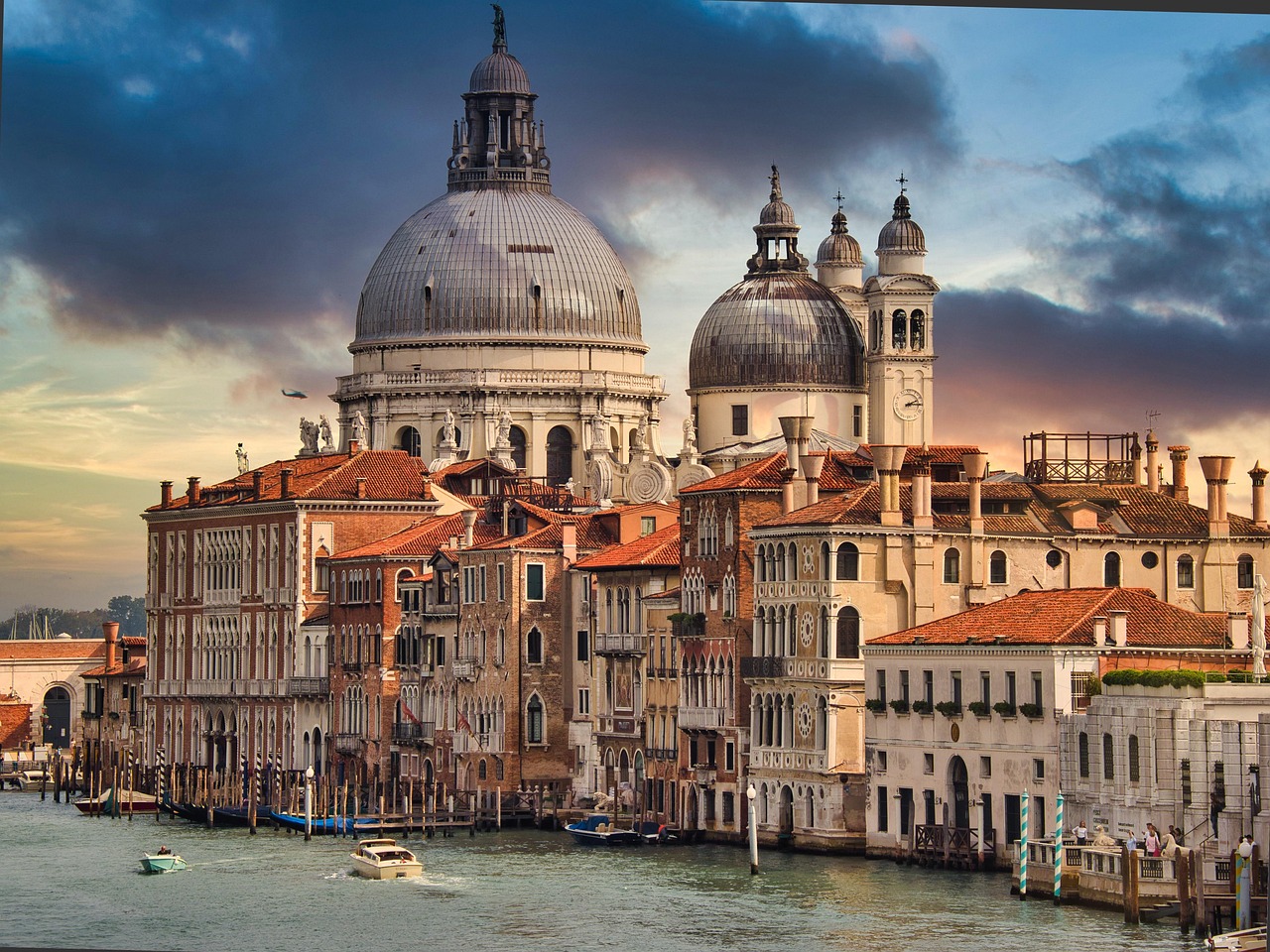
Best things in Dorsoduro for art and quiet design in Venice
If you’re seeking the best things to do in Dorsoduro, Venice, Italy, galleries, and museums, think of this as your elegant counterpoint to the busiest zones. Dorsoduro is a part of Venice that often feels more personal—slower canals, artisan workshops, and a sense of local life that isn’t staged. For high-end travellers, it’s where you can uncover Venice’s creative pulse with genuine warmth and trust.
Here, you don’t have to “perform” your trip. You can simply explore, linger, and let conversation become one of the attractions and places that stay with you.
Peggy Guggenheim Collection and hidden galleries
The Peggy Guggenheim Collection is a perfect starting point: modern art in a palazzo setting, with an atmosphere that feels both curated and lived-in. From there, weave through smaller contemporary galleries and studios—spaces where artists are often present, and where the city’s evolving cultural scene becomes tangible. This is one of the best places to visit when you want Venice to feel current, not only historic.
Art-lover story: One traveller told me they wandered into an unmarked courtyard gallery, met the artist, and ended up discussing colour theory while watching a boat slide past the doorway. “It was the thrill of discovery,” they said, “like Venice was quietly inviting me behind the curtain.”
Santa Maria della Salute and Ponte dell’Accademia light
Make time for Santa Maria moments: Santa Maria della Salute (also written as Maria della Salute) is luminous inside, with a calm grandeur that rewards a slow circuit. Outside, the viewpoints across the water are some of the most photogenic in Venice—especially when the light turns silvery, and the Grand Canal looks like brushed metal.
Cross Ponte dell’Accademia for shifting compositions: boats, reflections, and the city’s façades aligning and breaking apart as you move. It’s a simple walk, but it feels like design in motion—an expert reminder that Venice is an artwork you travel through.
A chiesa di san paolo and a high-culture evening at La Fenice
For a quieter spiritual pause, choose one chiesa di san stop and enter gently—phones silent, shoulders covered, voices low. I often suggest Giovanni e Paolo if you’re comfortable travelling a little further north afterwards; it’s impressive without being overly theatrical. If you prefer to stay close, any small church you happen upon can be your moment of calm, as long as you follow respectful etiquette.
As evening approaches, keep it simple: aperitivo, then a performance. A night at La Fenice (Teatro La Fenice) offers a high-culture experience in a historic venue that still feels intimate when you book well. Couple’s highlight: One pair described an exclusive opera performance as the pinnacle of their visit to Venice—the hush after the final note, the glow of the foyers, and the feeling of walking back over a ponte as the city settled into quiet.
When you’re ready to step beyond the main islands, the lagoon offers a different kind of luxury: space, craft, and colour.
Murano, Burano, San Giorgio Maggiore are top places to visit in Venice, Italy.
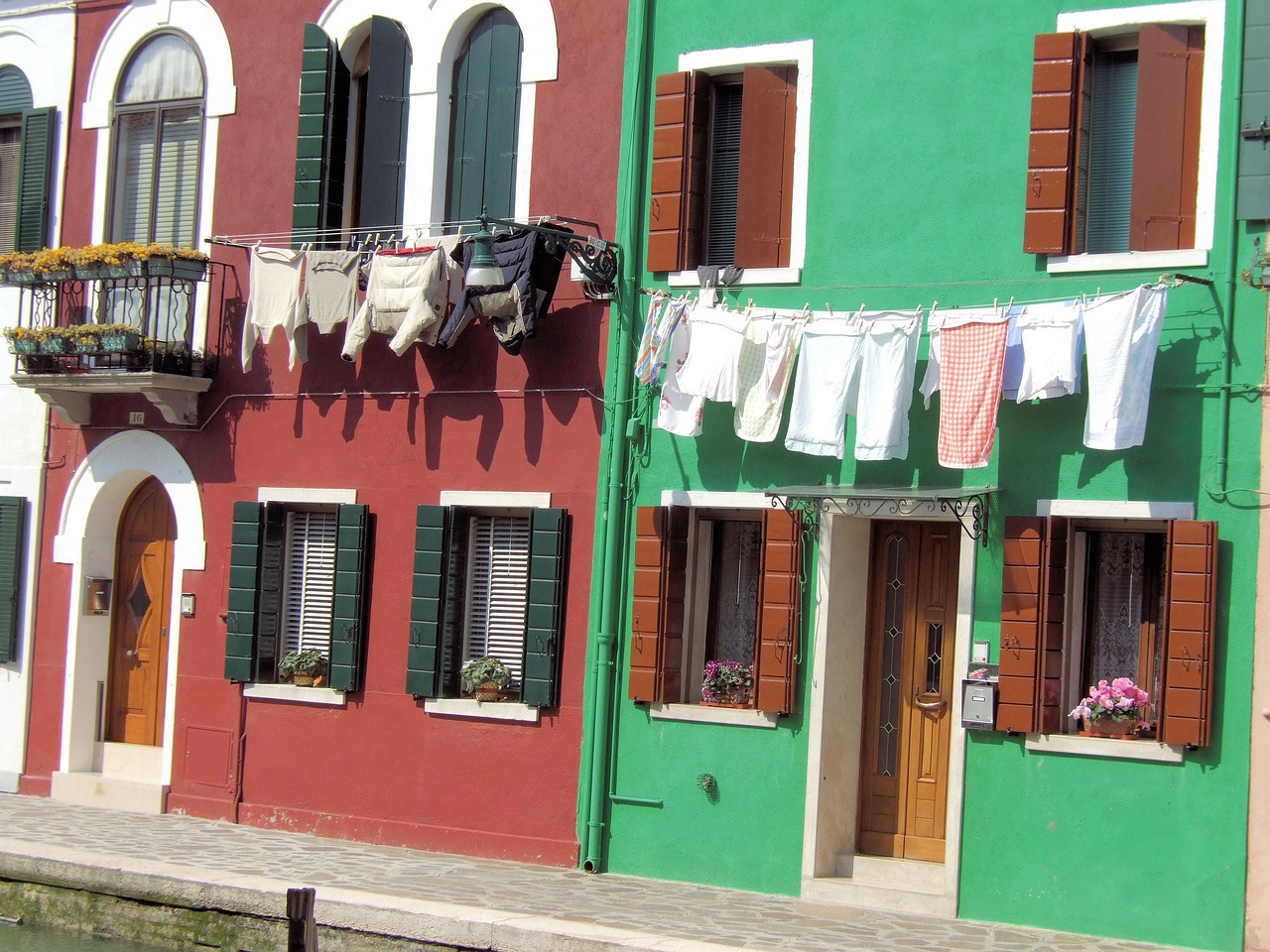
Murano, Burano and San Giorgio Maggiore day trips from Venice
Planning Murano, Burano, and San Giorgio Maggiore places to visit in Venice, Italy, can feel like it risks becoming a checklist, but it doesn’t have to. The secret is to treat the Venetian lagoon as an elegant “around Venice” escape: one crafted experience on Murano, one sensory stroll and lunch on Burano, and one quiet panoramic moment at San Giorgio Maggiore. It’s entirely possible to visit all three in a day if you begin early and keep transitions simple.
Choose vaporetto routes for ease, or upgrade to a private boat for a more seamless arc—particularly if you’re travelling with family or celebrating something personal.
Murano and the Murano Studio welcome
Murano is not just shopping; it’s a living heritage. Book an exclusive studio visit on the island of Murano to watch master glassblowers shape molten material into forms that look impossibly delicate. You’ll learn how pieces are crafted—heat, breath, timing—and why quality glass has a weight and clarity that’s hard to mistake once you’ve seen it made.
Local welcome story: Visitors often tell me the most moving part is the warmth. Artisans invite you close, explain their family traditions, and share small personal insights into centuries-old techniques with genuine care. It builds trust quickly: you’re not just buying an object, you’re witnessing a lineage.
Burano colour, lace, and calm lunch etiquette
Burano is pure colour therapy—bright façades reflected in still water, tiny canals, and a pace that encourages wandering. Remember that this is a residential island: when photographing, avoid blocking doorways and keep voices low in quiet lanes. For lunch, step one or two streets back from the busiest waterfront strip; you’ll often find better service and more space to breathe.
If you’re drawn to the lace heritage, choose a small demonstration or museum-style stop and treat it as cultural insight rather than a shopping mission. The island rewards attention.
San Giorgio Maggiore for a quieter bell tower view
Return towards Venice for San Giorgio Maggiore—a composed, calmer alternative to the central crush. Ascend the bell tower for views over Venice that feel airy and uncluttered, particularly in softer afternoon light. It’s the antidote to crowds: the lagoon spread out, the city’s domes and rooftops laid gently across the horizon.
If your trip includes downtime, consider a day at the lido. It’s an easy ride from Venice, and it offers a different Venetian mood—more open sky, more space, and a relaxed, resort-like rhythm that high-end travellers often appreciate.
How do these islands fit into a week in Italy itinerary
- If you’re travelling to Italy for a week, place the lagoon islands mid-stay as a palate cleanser between big cultural days.
- Balance the lagoon with the mainland: after Venice, you may leave Venice for Verona, Milan, or the Dolomites, depending on your style.
- It’s possible to leave Venice without feeling you’ve missed out if you’ve prioritised one crafted experience (Murano), one sensory stroll (Burano), and one panoramic pause (San Giorgio Maggiore).
In Italy today, luxury isn’t only about access—it’s also about choosing calm. And that choice makes the final memories feel clearer.
F.A.Qs: Venice, Italy attractions
F.A.Qs: Venice Italy attractions and high-end travel planning
What is the number one attraction in Venice, Italy?
For most travellers, St Mark’s Basilica in Piazza San Marco is the number one attraction, thanks to its Byzantine design and luminous mosaics. Pair it with the neighbouring Doge’s Palace for a complete sense of Venice’s sacred and civic grandeur, and book timed entry to keep the experience calm.
What should you not miss in Venice?
Don’t miss an early or late gondola ride through a quieter canal, when the city feels most intimate. Also prioritise the Grand Canal for palazzo views, and set aside time for Dorsoduro if you want art, design, and a more local, unhurried rhythm away from the busiest routes.
What is Venice, Italy, best known for?
Venice is best known for its canals, the Grand Canal’s parade of palazzi, and its historic power-centre around St Mark’s Square. It’s also celebrated for craftsmanship—especially Murano glass—and for cultural experiences like opera at Teatro La Fenice, where the city’s elegance feels timeless.
What is a must-eat in Venice?
A must-eat is Venetian cicchetti: small bar bites best enjoyed with a spritz or a glass of local wine. Look for seasonal seafood options and simple dishes that highlight freshness rather than heavy sauces, and reserve well ahead if you’re aiming for a Michelin-starred dining experience by the water.
What Stayed With Me After Venice
After a trip to Italy, Venice doesn’t vanish when the train doors close; it lingers like a held note. It’s the sensation of water against stone, the way a canal can turn a familiar street into something dreamlike, and the gentle discipline of waiting for a bridge to clear rather than pushing through. Even if you’ve seen Venice in photographs for years, the lived version of Venice feels more intimate—quieter, more textured, and strangely reassuring.
What stays with me is not just the basilica’s gold or the palace’s grand rooms, but the small human details that softened the day. A Murano artisan’s hands moving with calm precision, the hush after La Fenice as the audience stepped out into the night air, and the moment a gondola slipped into shadow beneath a low arch. Those fragments create a private map of the city—one that belongs to you, not to the crowd.
Venice teaches patience without preaching it. You begin to notice how the light changes on a palazzo façade, how footsteps sound different on a damp morning, how a simple “Buongiorno” can make a place feel kinder. Travelling together with confidence can be gentle, not performative; the best things are often the quietest, and they arrive when you give them room.
Long after you’ve left, there’s still a view of Venice somewhere in your mind—water moving, stone steady, and a feeling that the city is one of those rare places that keeps unfolding whenever you think to look back.