Rome Attractions to Discover – Design Your Days Around the Top Rome Italy Attractions and Best Things to Do in Rome
When travellers search for the top Rome Italy attractions and the best things to do in Rome, they’re often really asking this: how do you enjoy Rome’s icons without feeling swept along by the tourist current? Rome is a city full of contrast—grandeur and everyday life, velvet-soft evenings and marble-bright mornings—and it rewards a crafted approach. With a little planning, you can see the sights at a comfortable pace and still feel that Rome is welcoming rather than overwhelming, even on a first visit.
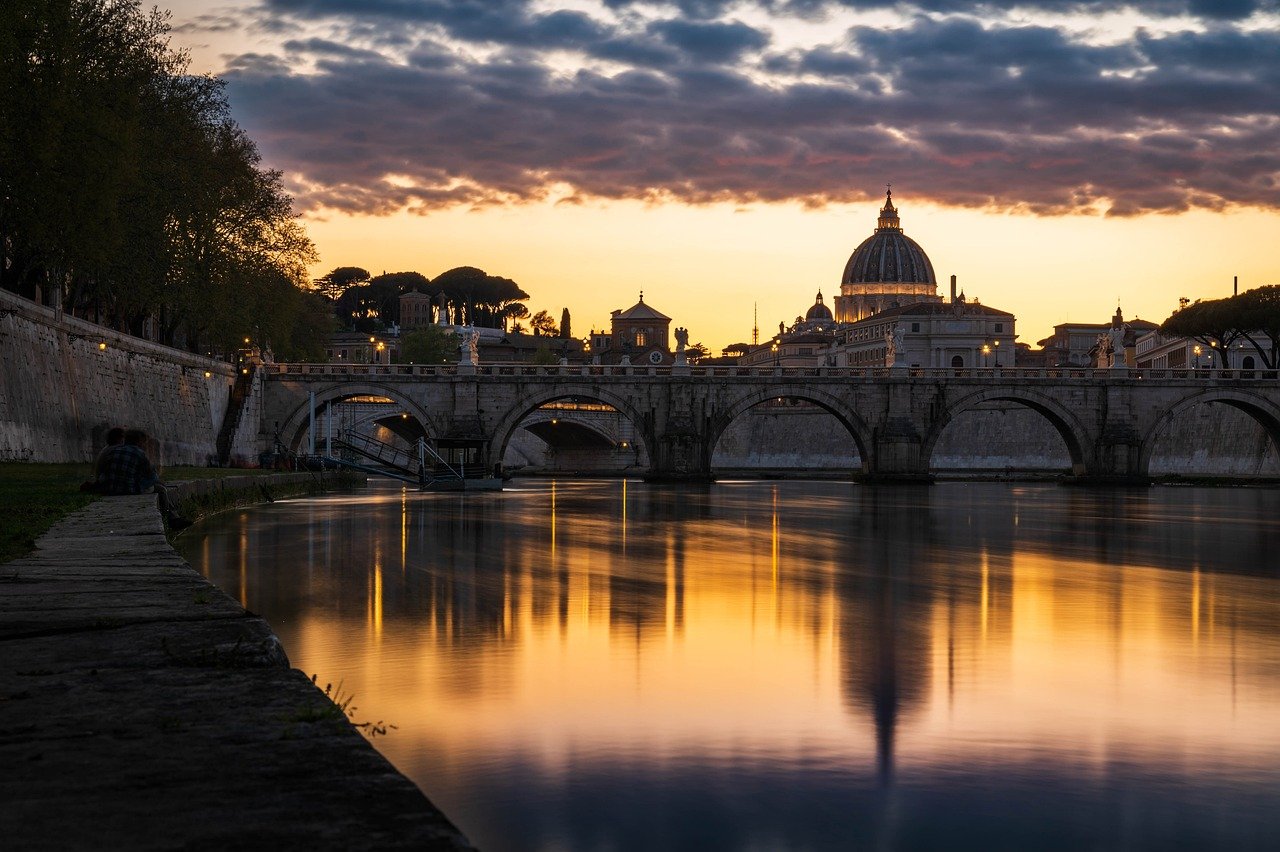
Rome Attractions to Discover and Design Around
How to decide what to see in Rome on a first visit (see and what to skip) vs a return to Rome
For a first-time stay in Rome, focus on the “spine” of the city: Ancient Rome, Vatican City, and the historic centre of Rome. These are the sites in Rome that create your mental map—Colosseum arches, a Pantheon dome, the Trevi Fountain shimmer, and those small passages that suddenly open into a piazza. On a return to Rome, you can skip the most congested hours at headline tourist attractions and instead uncover layers: lesser-visited galleries, a slower morning in a museum in Rome, or a long lunch that becomes the centrepiece rather than a gap between every attraction.
The trick is not building the longest list of things to do in Rome, but choosing the right sequence for your time there. Famous Rome attractions don’t have to be rushed; they simply need to be designed around. If you want to imagine your days before you arrive, start with three things: one major attraction, one neighbourhood wander, and one restful pause (a park bench, a terrace, a quiet church) where Rome can catch up with you.
Best time to visit Rome and a seamless Rome itinerary mindset for 3–5 days
For maximum comfort, the best times to visit are spring (April–June) or early autumn (September–October). You avoid the sharpest heat and much of the popular tourist surge, while still enjoying long, glowing evenings for Rome sightseeing. If you must travel in peak summer, shift your rhythm: early entries, mid-day shade, and elegant late dinners when Rome’s stone streets begin to cool.
To create a seamless way to see more with less rushing, group Rome attractions by neighbourhood. Think of it as a mini Italy itinerary inside one beautiful city, with many attractions that connect naturally on foot:
- Ancient Rome: Colosseum and Roman Forum, Palatine Hill, Circus Maximus.
- Vatican City: Vatican Museum, Sistine Chapel, St Peter’s Basilica and the dome.
- Historic centre: Pantheon, Piazza Navona, Trevi Fountain, Spanish Steps and Piazza di Spagna.
- Across the river: Trastevere for artisan shops, small piazzas, and a slower local mood.
Getting around is simpler than first impressions suggest. Rome’s metro and tram are efficient for the main Rome landmarks, and they’re often the best way to see the city without getting stuck in surface traffic. For evenings, early starts, or privacy—particularly if you’re dressed for dinner—private car transfers offer calm, door-to-door support. As you design your days, remember that many museums in Rome close on Mondays (and some public holidays), so plan the heaviest museum blocks on other days; churches can be free to visit, making them ideal “in-between” stops.
To anchor your days with space, add two restorative points: Piazza del Popolo for a grand arrival feeling and a classic view of Rome down Via del Corso, and a park in Rome, such as Villa Borghese, for breathing room between ruin-filled walks and galleries. If you’re staying longer, you can also pass through Piazza Venezia to see the Vittoriano monument dedicated to the first king of Italy—a striking detail of modern history in the heart of Rome (the king of Italy still shapes the city’s symbols). If you’d like to explore beyond the city, the best day trips (Tivoli’s villas or Frascati wine country) pair beautifully with a longer time in Italy—though Rome alone can be deeply complete for trips to Rome of any length.
If you’re dreaming of a polished route with trusted guidance, browse our Trip gallery and start to design the Rome that fits you.




Visit the Colosseum and Roman Forum Like an Insider – Access, Timing, and a Tour of the Colosseum
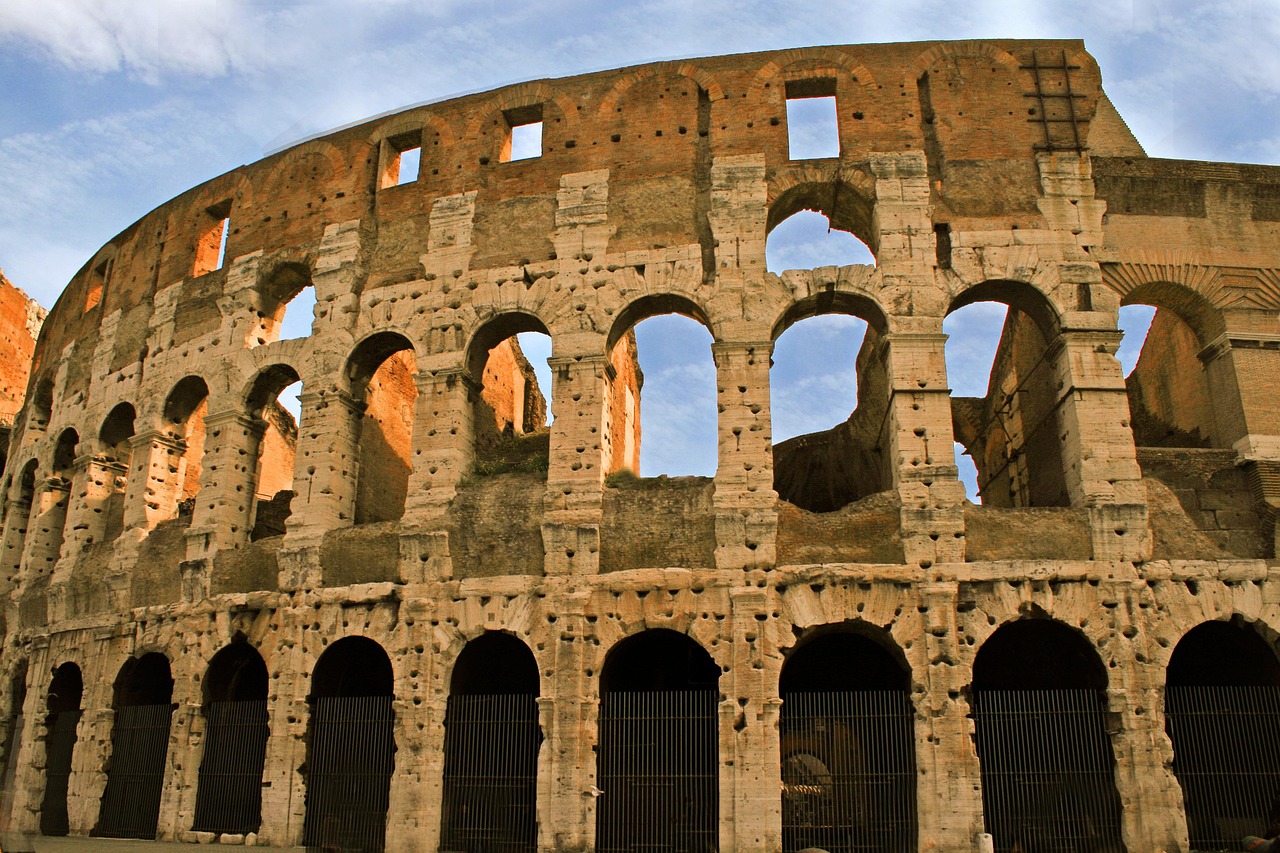
The phrase visit the Colosseum behind the scenes tour of the Colosseum, Rome, can sound like marketing—until you step into the Colosseum with someone who knows how to pace it. The Colosseum is not just an attraction in Rome; it’s a living symbol of ancient Rome, and the difference between “seeing it” and truly understanding it often comes down to the quality of your guide and the access you choose. For many travellers, this is the attraction that defines the moment of a first visit to Rome.
Visit the Colosseum and Roman Forum Like an Insider
Choosing an expert-led guided tour for the Colosseum and Roman Forum
If the Colosseum is on your must-see list, choose an expert-led guided tour built for small groups or private travel. It’s the best way to see the Colosseum and the Roman Forum with context and care—without shouting over crowds or skimming past the details that make it human. A strong guide will help you read the building like a story: where the spectacle sat, where labour happened out of view, and how power and performance shaped the city of Rome.
Practical rhythm matters. Premium entrances and the most sought-after time slots can sell out early, so book 30 days in advance when you can—especially for special access areas—and as a baseline, reserve key entries days in advance whenever possible. On the day, arrive a little early for security checks and meeting points; that small buffer is a luxury in itself, giving you confidence rather than a sprint. If you want a known operator, ask about options like a tour with Walks of Italy (or similar high-quality providers) for a well-run experience.
Behind-the-scenes angles, gladiator history, and how to connect to Palatine Hill
On a behind-the-scenes experience, your tour of the colosseum may include the arena floor and, when available, the underground where animals, scenery, and people were moved through shadowed corridors. Your guide may speak about a gladiator’s world with respectful context—less sensational, more real—so the Colosseum becomes a place of lives, not just legends. It’s also one of the clearest ways to feel the scale of Rome’s engineering without turning it into a rushed photo stop.
From there, link the narrative together with the Colosseum and Roman Forum route and a climb to Palatine Hill. Walking the Forum is where you feel the “built on top” truth of Rome: layers of temple foundations, triumphal arches, and everyday streets folded into one another, with ruin after ruin revealing how the city changed over centuries. On Palatine Hill, seek viewpoints that look back over the Colosseum and out across the Forum; it’s a quiet, powerful way to take in scale without feeling like you’re collecting tourist attractions.
For a scenic extension, finish at Circus Maximus. After the intense focus of the Colosseum, this long, open space gives you room to exhale. It’s also a beautiful spot in Rome for photos that show the city’s scale—less about crowds, more about proportion and sky.
Vatican Museums and Sistine Chapel After Hours – A Private Vatican Museum Experience in Vatican City, Rome
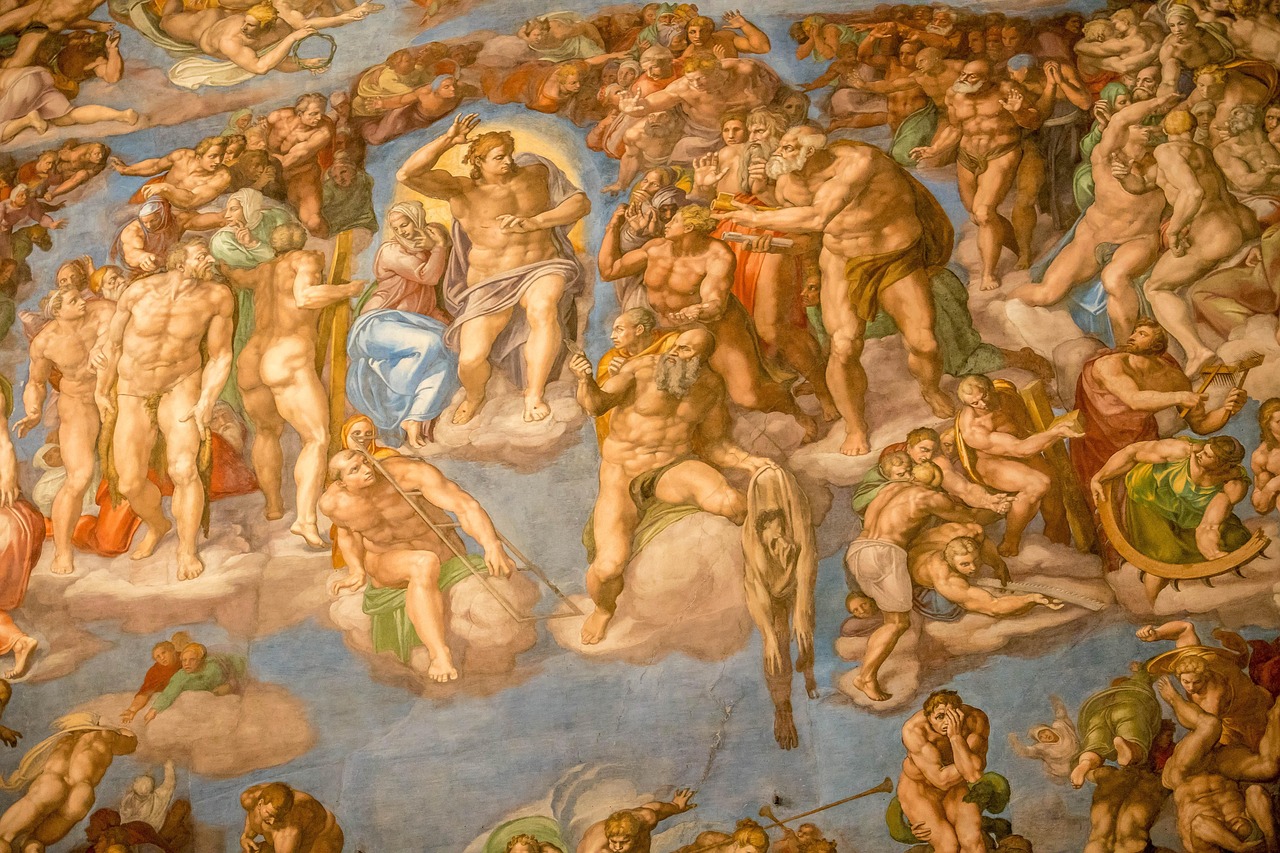
A private evening Vatican Museum tour, Sistine Chapel, Vatican City, Rome, can be transformative in a way daytime visits rarely are. The Vatican Museum is one of the world’s most celebrated places to visit in Rome, but the magic changes when there’s space to pause. After hours, you can explore with quieter corridors, gentler acoustics, and a more personal connection to the art—less pressure to “do everything”, more permission to feel what you’re seeing as a thoughtful tourist rather than part of a crowd.
Vatican Museums and Sistine Chapel After Hours
What to see in Rome inside the Vatican Museum: a curator-style way to see the highlights
Instead of racing from room to room, design your time around a handful of essential sequences—the best places are the ones you actually have time to absorb. In the Vatican Museum, the Raphael Rooms reward slow looking—especially the way figures gesture and glance, guiding your eyes like choreography. Sculpture courts and key galleries then provide a change of mood: cool marble, bright courtyards, and the sense that you’re walking through centuries of collecting, with plenty to see in the Vatican Museums even on a shorter visit.
This is also where a guide’s insight becomes a form of support. A skilled art specialist helps you notice what most people miss: the way restoration alters light, the symbolic choices in frescoes, and how the Vatican Museum collections speak to both devotion and power. If you love paintings in Rome, treat this evening as a single, curated experience rather than a checklist, and keep an eye on what you most want to see in the Vatican museums so the night stays personal.
Sistine Chapel hush, San Pietro etiquette, and the dome view of Rome
An art lover once described their Sistine Chapel moment to us as “a restoration reveal you could feel in your chest”. The vivid colour and delicate detail—those blues and skin tones made luminous again—created an emotional hush that is rarely captured in the day. In the quiet, you don’t just look up; you surrender to the scale, and for a moment the world narrows to light, pigment, and breath.
Many evenings pair naturally with St Peter’s Basilica (Peter’s Basilica), but remember etiquette and dress codes. Shoulders and knees covered, hats removed, voices lowered—simple gestures of trust and care in sacred space. If energy and timing allow, the dome climb offers a classic view of Rome, especially as lights begin to glow across the rooftops; it’s an unforgettable attraction for travellers who don’t mind stairs.
- Timing: Choose timed tickets and confirm entry details in advance for the Vatican Museum and the Sistine Chapel.
- Flexibility: Keep a contingency plan for closures or last-minute schedule changes in Vatican City.
- Respect: Follow San Pietro’s guidance, and pause rather than push through crowded corners.
A well-designed tour of the Vatican can feel like the opposite of tourist pressure. It’s not about speed; it’s about attention—and leaving with something quietly yours when you visit Rome.
Pantheon, Trevi Fountain and the Spanish Steps at Twilight – Classic Rome Attractions in the Historic Centre
If you’re choosing Pantheon, Trevi Fountain, Spanish Steps, and Rome places to visit in one elegant sweep, twilight is your friend. The historic centre becomes softer, more cinematic, and the temperature settles into a comfortable range. This is one of the best things you can do in Rome when you want romance without overplanning—just a crafted walking loop through the centre of Rome with room for surprises and a few photogenic Rome landmarks.
Pantheon, Trevi Fountain and the Spanish Steps at Twilight
Pantheon depth, Piazza Navona strolls, and timing the dome light
Begin at the Pantheon, one of the defining Roman attractions for first-time visitors and seasoned travellers alike. The Pantheon dome is a masterclass in proportion: the moment you step inside, sound changes, and space feels gathered—held in a single, confident curve. To avoid the busiest waves, arrive early evening or closer to closing; you’ll often feel more of the building’s calm authority, and it’s an easy place to visit Rome style—slowly, with intention.
From the Pantheon, wander to Piazza Navona. This stretch is made for unhurried steps: street artists, fountains, and the sense that the centre of Rome is a stage where daily life and beauty share the same script. If you’d like to see the sights without feeling like you’re ticking boxes, pause for a drink and simply watch the light shift across the façades.
An affluent couple once told us about their anniversary dinner near the Pantheon—candlelight, a small table, and a local musician whose serenade drifted in and out of the conversation. It wasn’t extravagant in a showy way. It was personal, and it’s a reminder that luxury in Rome is often about timing, tone, and the feeling of being looked after.
Trevi Fountain, a rooftop escape, and the top of the steps at Piazza di Spagna
Continue towards the Trevi Fountain as night approaches. The Trevi Fountain can feel crowded, but you can still find a quiet moment within it. One traveller recalled whispering wishes into the coins—an almost private ritual—then slipping away down a side street to a tucked-away rooftop bar. From there, the illuminated skyline offered a different kind of splendour: lantern-lit terraces, domes in silhouette, and the soft hum of Rome below.
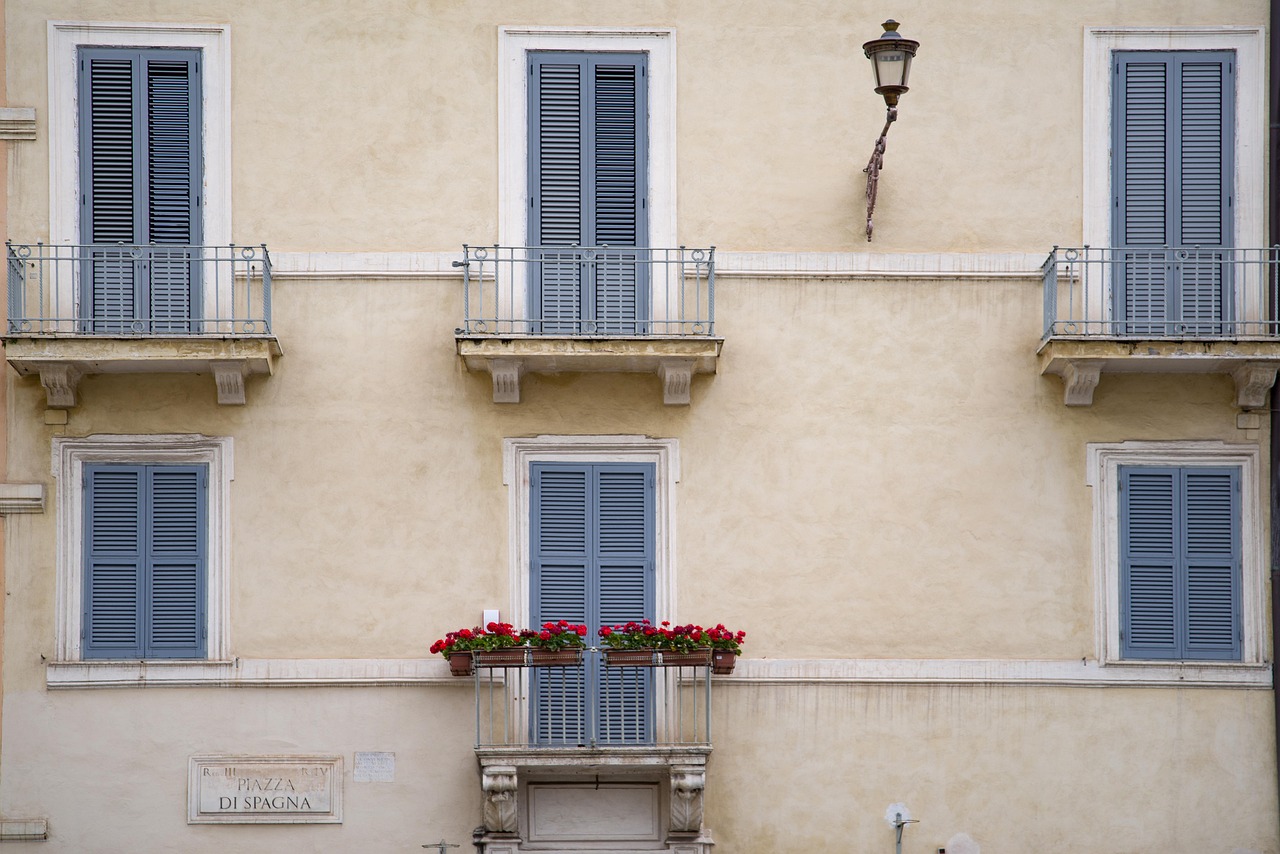
End at the Spanish Steps and Piazza di Spagna (also known as Piazza di Spagna at the foot of the steps). There’s an old phrase you’ll hear repeated—“Rome is the Spanish Steps”—and while the grammar makes locals smile, the sentiment is real: this is a classic finishing touch for Rome sightseeing. For the best angle, take your time to reach the top of the steps and look back over the scene. Style notes for an elegant evening are simple: comfortable shoes you trust, a light layer, and a small bag that keeps hands free for gelato, photos, and holding on to the moment.
Trastevere Rome Food Tour and a Crafted Cooking Class – Rome Food Tour in Trastevere for True Local Flavour
If your ideal itinerary includes a Rome food tour in Trastevere and a cooking class in Rome, plan it for the hours when the neighbourhood is at its most itself. Trastevere at twilight has a slower rhythm: warm shop lights, small piazzas where locals gather, and an unforced charm that contrasts with the city’s biggest tourist attractions. It’s one of those places to visit in Rome where you don’t need to “do” much to feel something genuine.
Trastevere Rome Food Tour and a Crafted Cooking Class
Rome food tour in Trastevere with local confidence (and the right pacing)
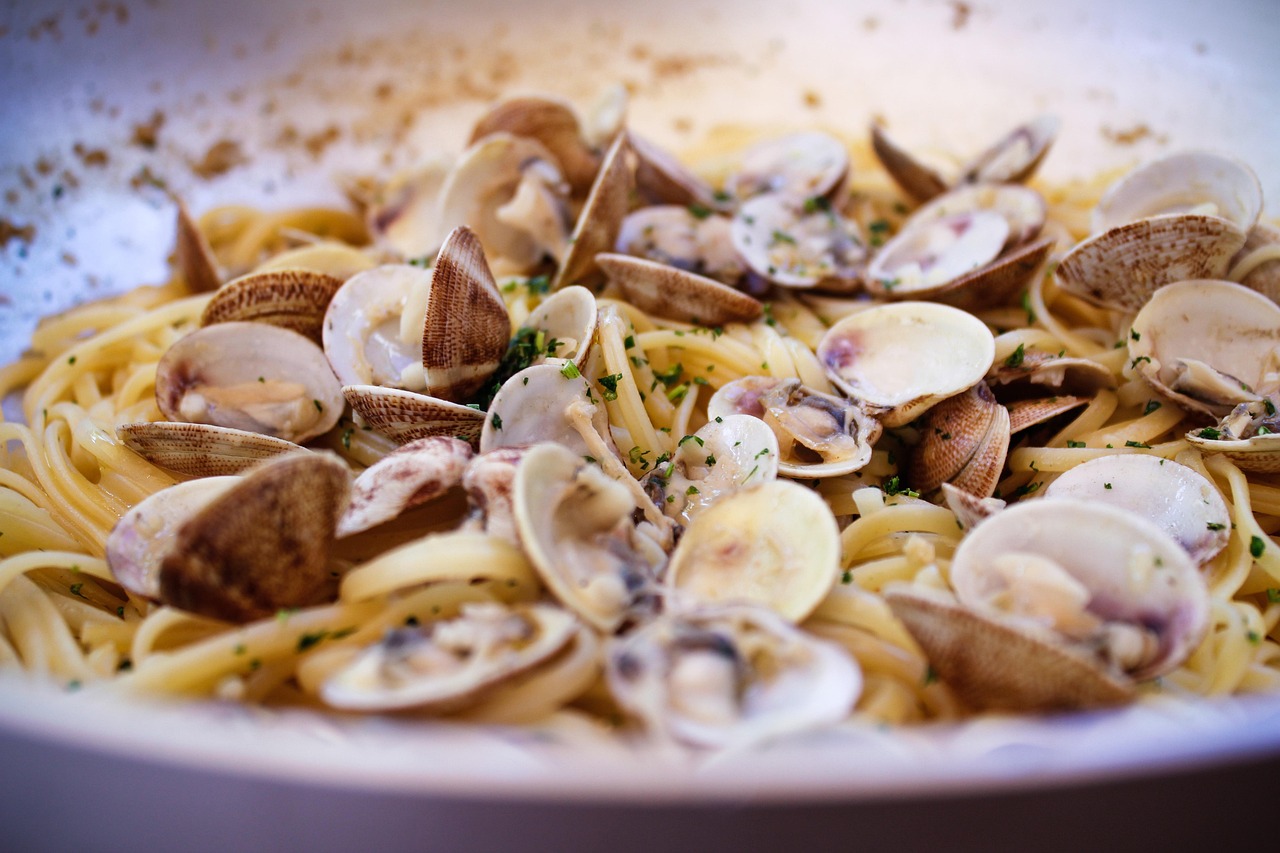
A well-paced food tour here should balance classics with a little creativity. Ask for seasonal plates and thoughtful wine pairings, and choose hosts who explain what’s truly traditional versus simply trendy. The goal is not to eat endlessly; it’s to understand the flavour logic of Rome—why certain pastas belong to certain seasons, how vegetables are treated with respect, and why simplicity can be the most refined choice.
Look for stops that feel local: family-run bakeries, a small enoteca, or a trattoria where the room hums but service remains steady. If you want one of our favourite ways to experience Rome, it’s to let a guide translate the menu with insight—so you feel supported, not self-conscious, even when you’re ordering off handwritten specials in the centre of Rome.
A gourmet cooking class in Rome and high-end dining etiquette
To quit the usual tourist path, choose a gourmet cooking class in Rome focused on Roman cuisine. A patient chef will teach technique, not just recipes: how to build flavour, how to handle pasta with confidence, and why a sauce is finished the way it is. This is a way to experience Rome that creates memories you can bring home—hands-on, crafted, and surprisingly calming after a day of monuments and museums.
For high-end dining etiquette, a few details help the evening feel seamless:
- Tipping: In Rome, tipping is courteous but not mandatory; a 10% tip at upscale restaurants is appreciated for excellent service.
- Reservations: Book ahead for sought-after tables, and don’t worry if dinner begins later than you’re used to.
- Ease: If you prefer privacy, arrange a car back to your hotel rather than hunting for a taxi at midnight.
Close the night with a small luxury: an after-dinner passeggiata back towards the river. Trastevere’s lanes, the reflections on the water, and the sense of being together in Rome—this is when the city becomes personal and when many travellers decide they want to visit Rome again.
F.A.Qs: Top Rome, Italy Attractions and Places to Visit
What should you not miss in Rome, Italy?
Don’t miss the Colosseum and Roman Forum for ancient Rome, the Vatican Museum and Sistine Chapel for art, and the Pantheon for its extraordinary dome. Add one evening moment—Trevi Fountain or Trastevere at twilight—so your trip feels personal, not just historic. Booking key tickets in advance and planning by neighbourhood helps you see more with less rushing, especially in peak tourist season.
What are the top five attractions in Rome?
The top five attractions many travellers prioritise are the Colosseum, the Vatican Museum, the Sistine Chapel, St Peter’s Basilica, and the Pantheon. If you have time, add Trevi Fountain or the Spanish Steps for an iconic evening loop. The best way to enjoy them is with early or after-hours timing, a thoughtful pace, and one list-worthy walk that links the top attractions in Rome without backtracking.
Is 3 full days in Rome enough?
Three full days in Rome can be enough for a refined first experience if you group sights by area and pre-book entrances. Day one suits the Colosseum and Roman Forum plus Palatine Hill, day two fits Vatican City and the Vatican Museum, and day three works beautifully for the historic centre (Pantheon, Piazza Navona, Trevi Fountain, and Spanish Steps) plus a Trastevere evening. If you can add a fourth day, you’ll gain breathing space and deeper enjoyment.
What are the top four places in Rome?
Four headline places to visit in Rome are the Colosseum, Vatican City (including the Vatican Museum), the Pantheon, and Trevi Fountain. Together, they give you the city’s ancient, artistic, architectural, and cinematic highlights. To keep the experience feeling crafted rather than crowded, choose quieter time slots, consider a guided tour for the busiest sites, and allow pauses between major attractions.
What Rome Leaves With You – Favourite Things to See in Rome and the Moments That Outlast the Trip
Long after you’ve flown home from time in Italy, the phrase see in Rome favourite things and personal moments takes on a different meaning. What remains isn’t a list, but a feeling: footsteps on cobblestones, the soft glow over domes, and the way Rome can make even a seasoned traveller slow down. It’s not only that you saw great attractions; it’s that you moved through them with quiet confidence in Rome, Italy.
In memory, the city returns in small scenes. A whispered wish at the Trevi Fountain, said almost under your breath. The Sistine Chapel hush, when colour and scale turned into something like reverence. A shared meal in Trastevere where laughter rose and fell with the clink of glasses, and the night felt kind.
What changes the texture of a visit to Rome travellers remember is often trust—having expert support so you don’t spend your days negotiating queues, closures, and uncertainty. With care in the planning, even the world’s top attractions can feel intimate. You’re no longer bracing yourself against crowds; you’re available for wonder, and you’ll know the best places for your own pace.
And perhaps that’s the quiet gift Rome leaves with you: renewed curiosity, a softer pace, and the sense that beauty doesn’t need to be chased. Rome will be there when you are ready—whether it’s your first trip or you return—keeping its layers close and inviting you to uncover them in your own time.