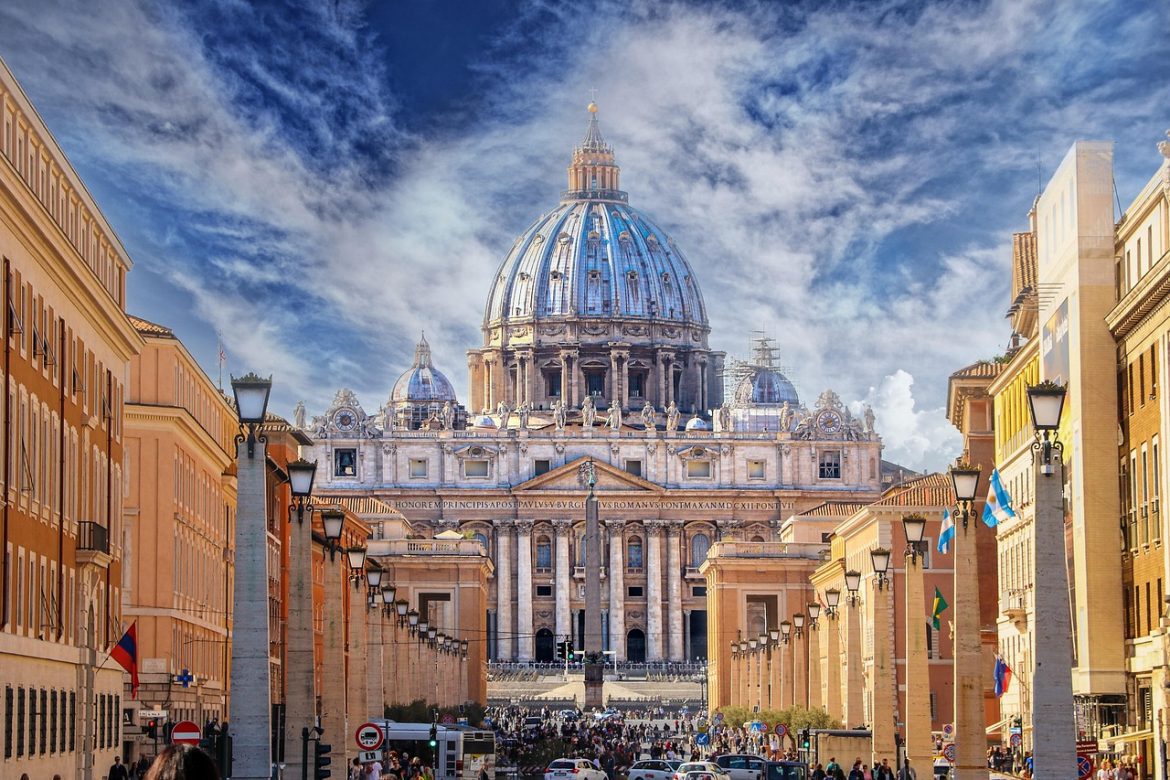
Vatican City in Italy is one of those rare places where you can feel Rome shift beneath your feet in a single step. Imagine pairing the Vatican Museums with the living heartbeat of the Holy See, then looking up at Michelangelo’s work in the Sistine Chapel and realizing you’re standing inside human history.
This cultural enthusiast guide is crafted for adventure seekers who want beauty with momentum: how to explore with confidence, climb St. Peter’s Dome for panoramic views, and discover quieter corners without losing the magic to queues. You’ll get seamless planning support on tickets, timing, transport, and respectful etiquette—so your day feels personal, calm, and genuinely unforgettable.
Post Contents
- Vatican City in Rome, a tiny city-state with vast history and holiness See sovereignty
- Vatican Museums in Rome showcase Renaissance art and the Sistine Chapel ceiling.
- St Peter’s Basilica, Vatican City, Bernini’s Pietà, and San Pietro
- Climb St. Peter’s Dome for panoramic views of Rome from the tower.
- Pope Wednesday Audience, Sunday Angelus, Vatican City, and papal rituals.
- Guided tour of the Vatican Gardens and hidden places in Vatican City open to the public.
- Planning a visit to Vatican City, Italy? Consider tickets, dress code, transport, and a map.
- FAQs: Vatican City, Italy essentials
- After Vatican City, what stayed with you
Vatican City in Rome, a tiny city-state with vast history and holiness See sovereignty
Vatican City in Rome, a tiny city-state with a vast story at the border of Rome
The threshold moment is real: you’re in the city of Rome, and then—almost without ceremony—you cross a border into the smallest sovereign state. The pace changes. Voices soften, footsteps seem to carry further, and the sense of meaning feels closer, as if the air itself is asking you to pay attention.
To keep things clear (and human): Vatican City State is the independent state you can physically walk around, a city-state that functions as an enclave within Rome. The Holy See is the governing and diplomatic presence of the Catholic Church, recognised around the world; it’s the universal authority through which the pontiff acts as the bishop of Rome, in service to the Catholic religion and Catholics worldwide.
Vatican City’s history in Rome in a nutshell: from Constantine to Julius
Start with Constantine and the 4th-century roots, when the area became central to Christianity since the 1st century AD. In time, city walls were reinforced under Pope Leo and later Pope Leo IV, shaping the protected footprint around the Vatican Hill. Under Nicholas III, the seat increasingly resembles an ecclesiastical state, setting the stage for the artistic and administrative life we recognise today.
Then the Renaissance arrives with momentum: Sixtus IV pushes building and patronage, and later the artistic programme accelerates under Julius. The modern story hinges on the Lateran Treaty, which established formal sovereignty, and since 1929, the relationship with the Italian government has been defined in a way that allows the Pope to exercise spiritual leadership while Vatican City maintains its own civil identity—carrying echoes of the Papal States without needing to relive them.
It’s also easy to see why this is UNESCO-worthy: few places in the world concentrate architecture, ritual, and art with such continuity, which is why Vatican City is recognised as a UNESCO World Heritage site.




Vatican Museums in Rome showcase Renaissance art and the Sistine Chapel ceiling.
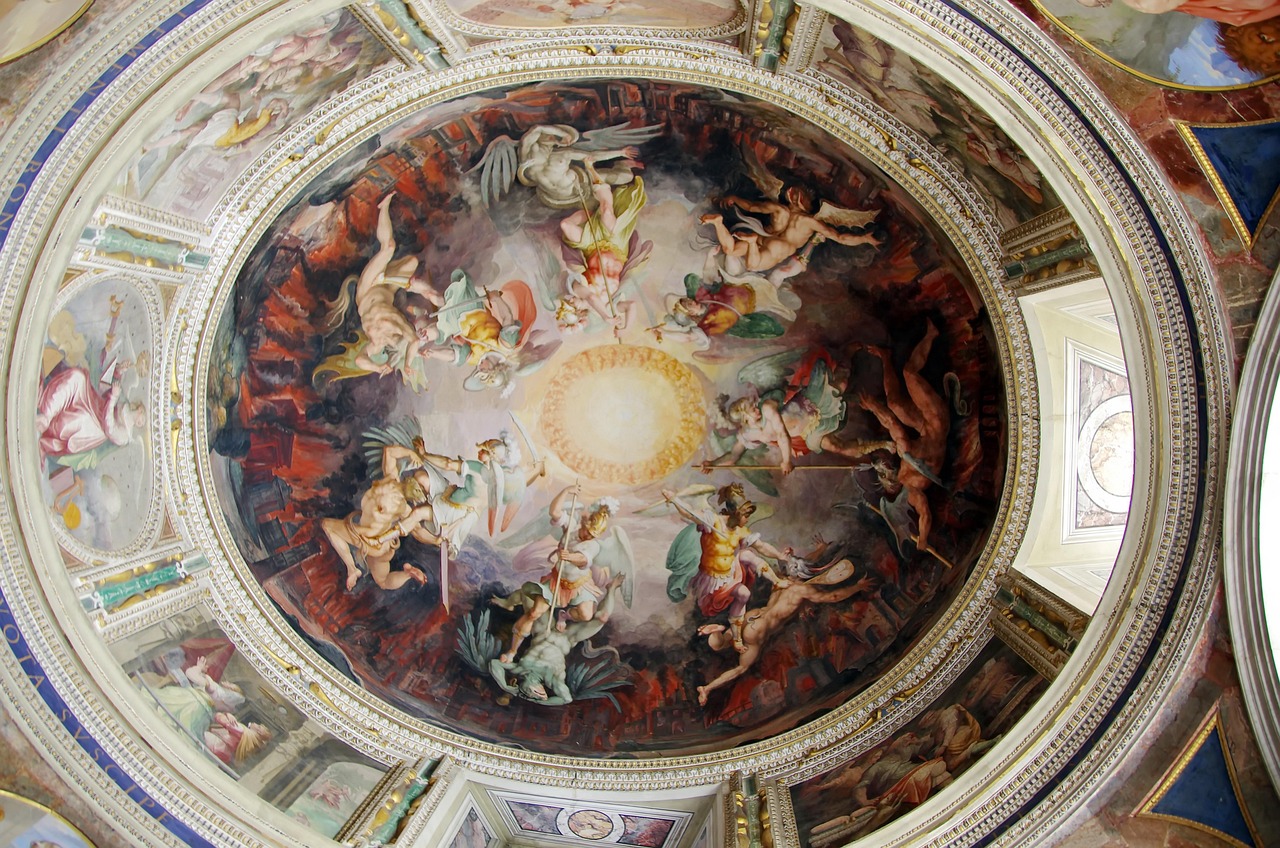
Vatican Museums and the Sistine Chapel ceiling moment in Rome
The Vatican Museums, Rome, Renaissance art, and the Sistine Chapel route can feel like a river current—classic rooms, classical sculptures, and galleries that keep unfolding when you thought you’d reached the end. If you’re travelling like an adventure seeker, it helps to explore with intention: choose a few anchor moments, then allow the rest to be a moving collage rather than a checklist.
Raphael’s rooms, fresco tradition, and a quieter side note
For cultural enthusiasts, Raphael’s Stanze are a masterclass in how stories get “built” on walls. A fresco is pigment applied to wet plaster; it’s physically bonded to the architecture, which is why it feels so alive even centuries later. You’ll also glimpse smaller discoveries—frescoes by Pinturicchio in the Borgia Apartment, for example—details that reward travellers who slow down and look with care.
History here is best taken lightly but accurately: the surge connects to 1506 and the early 16th century, when Pope Julius II commissions an artistic vision meant to speak across generations. You don’t need an art degree—just the trust to pause and the confidence to ask a guide for insight when a scene catches your eye.
The Sistine Chapel ceiling and a once-in-a-lifetime hush
Then comes the Sistine Chapel. One traveller told us that standing beneath Michelangelo’s frescoes felt “like time stopped without anyone needing to ask it to”—a shared silence settling over strangers. You’ll hear the gentle reminders from staff: no photos, keep moving, and respect the space. It’s not about restriction; it’s about protecting a moment that feels profoundly personal.
- Photographs: expect strict no-photography inside the chapel; step outside afterwards to capture your reaction instead.
- Silence: Even a whisper carries—lean into the quiet and let the ceiling speak.
- Meeting point: agree on a “regroup” spot (a specific doorway or sign) before entering, as signals drop and crowds shift.
St Peter’s Basilica, Vatican City, Bernini’s Pietà, and San Pietro
St Peter’s Basilica and the heart of San Pietro in Vatican City
Your arrival sequence matters: you move from the piazza-like flow of streets into St. Peter’s Square, and suddenly, scale becomes emotional. People shuffle forward with a shared awe—different languages, different reasons for being here, yet a single rhythm of looking up and taking it in.
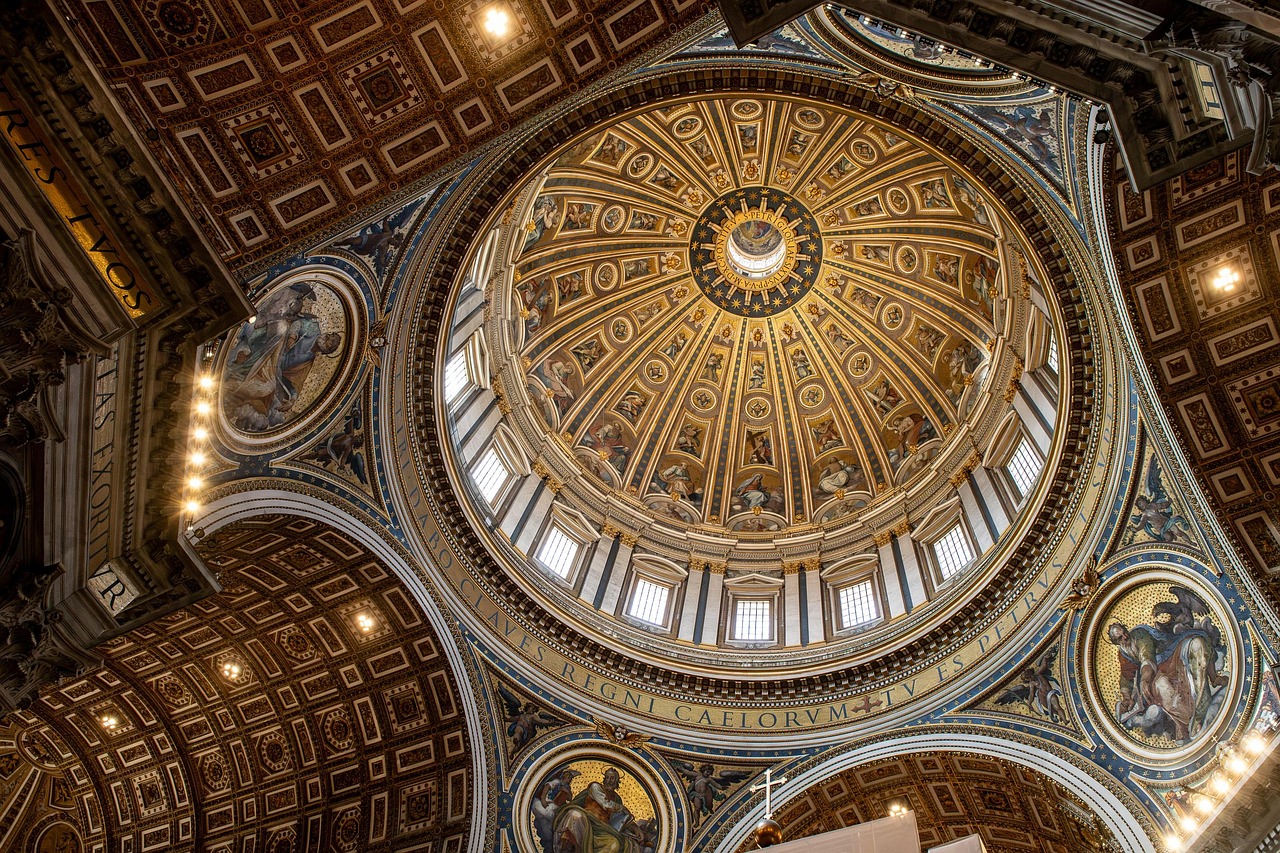
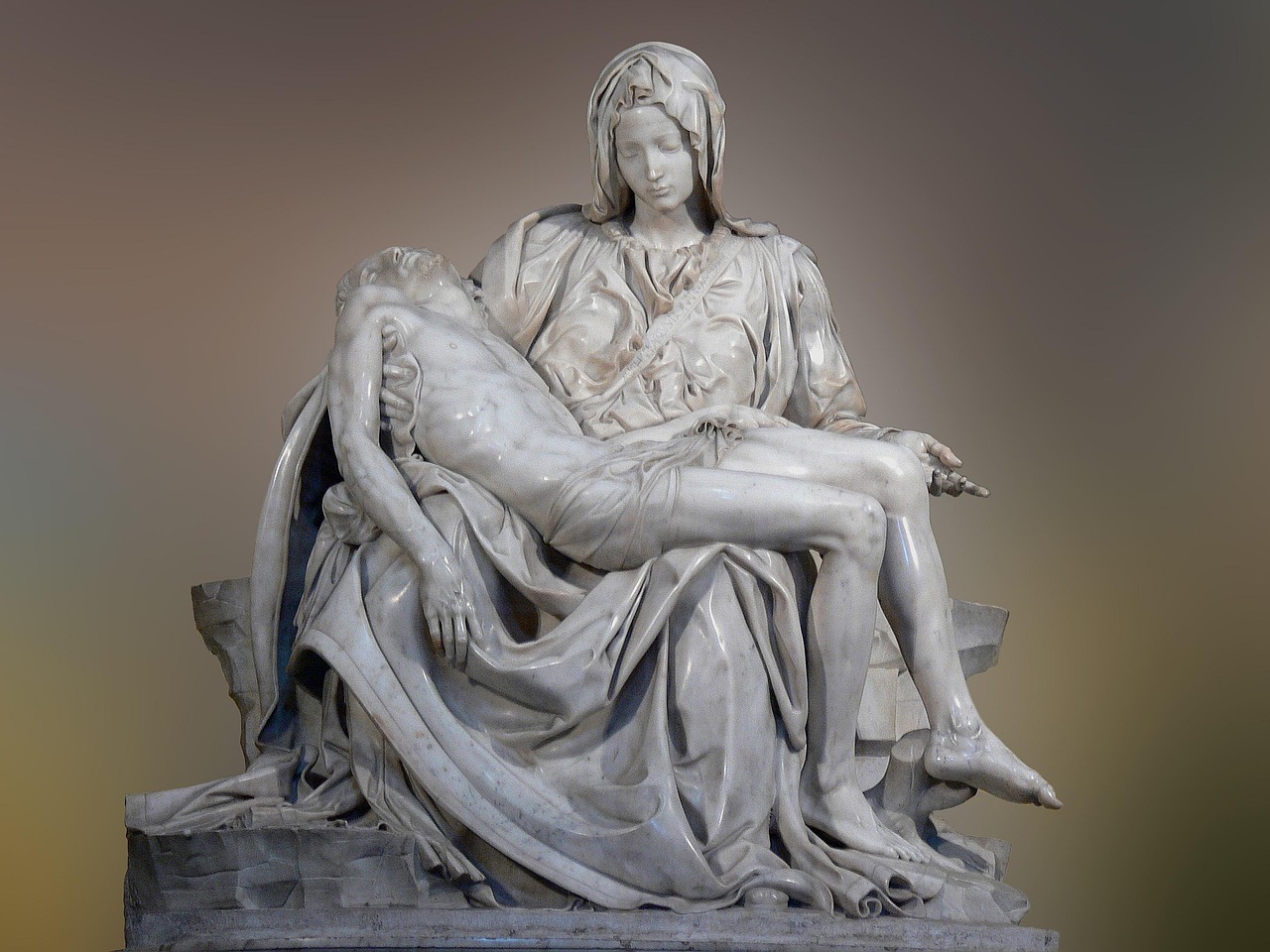
Inside St. Peter’s Basilica, let your gaze land gently rather than race. Start with the Pietà, then drift towards Bernini’s theatrical centrepiece, the Baldachin—an emphatic gesture of faith, architecture, and stagecraft by Gian Lorenzo Bernini. And somewhere in the geometry of the building, you can sense Michelangelo’s influence, not only as a sculptor but also as a designer of space; Michelangelo’s touch is in the confidence of the structure itself.
Pietro, the tomb, and the layer beneath the floor
One historical point grounds everything: this is the burial site of st Peter the Apostle, erected over the tomb, with the necropolis beneath reminding you that Rome is always built in layers. You’ll hear the name Pietro often—San Pietro isn’t only a place; it’s a heartbeat of story and devotion.
Practical comfort keeps the experience seamless. The dress code is simple—covered shoulders and knees—and security lines can be brisk but firm. If you need accessible entrances, ask staff early; they’re used to helping travellers find the right route without fuss.
Before you step back into the sunlight, pause once more: St. Peter’s Basilica isn’t just the largest religious building many people will ever enter; it’s a space where craft and belief meet quietly, whether you’re Roman Catholic, simply curious, or somewhere in between.
Climb St. Peter’s Dome for panoramic views of Rome from the tower.
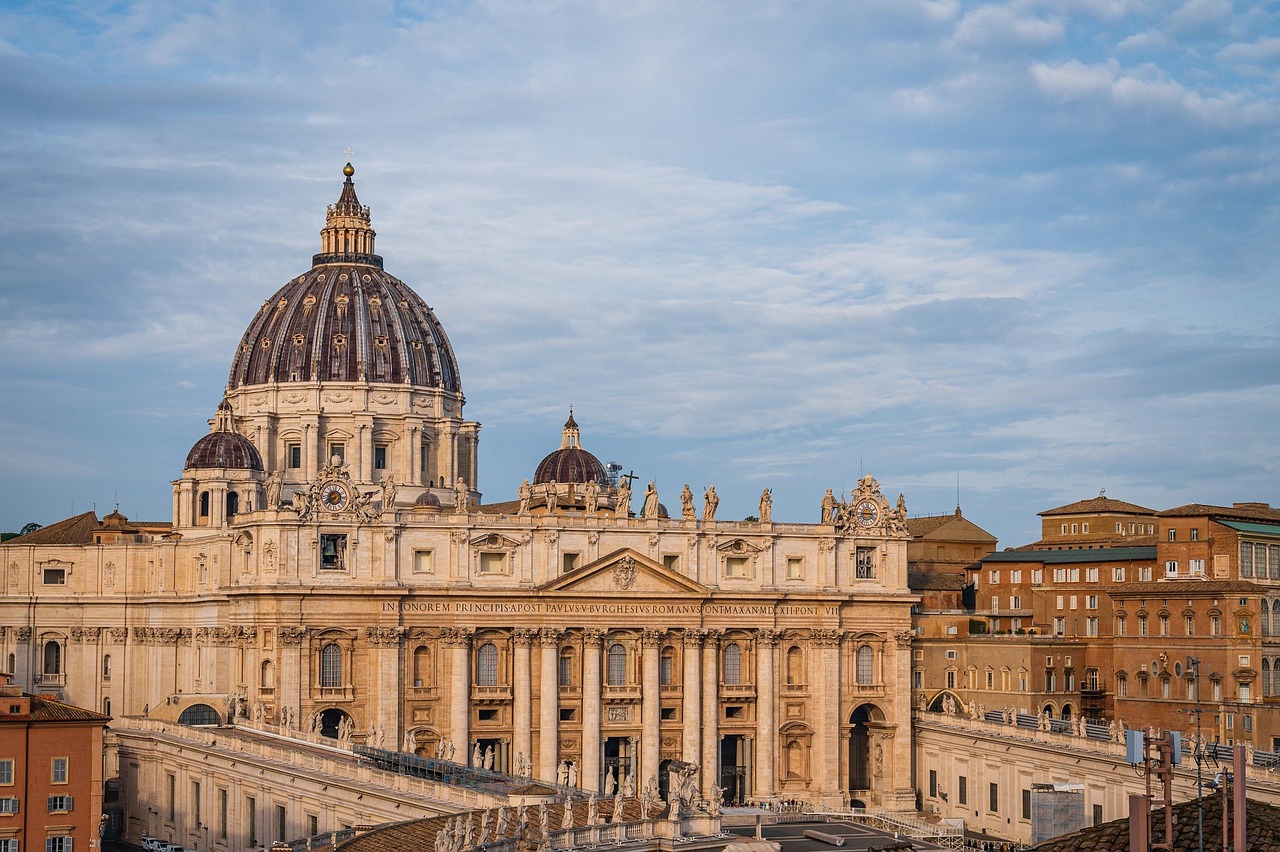
Climb St Peter’s Dome for a sunrise tower view of Rome
The St. Peter’s Dome climb, Rome panoramic views story begins in cool air—an adventure hook that feels earned one step at a time. One early-rising traveler shared how they started at dawn, climbed with steady pacing, and watched the sun lift over Rome like a curtain: “It didn’t feel like a photo opportunity; it felt like a private promise.”
Lifts vs. stairs, pacing, and confidence for heights
You have choices: take a lift for the first section and then tackle the narrower stairs near the top, or do the full stair route for the full-body buzz. Drink water, take pauses, and don’t let anyone rush you—this is your tower experience. If heights make you uncertain, go slowly, keep your eyes forward on the next landing, and remember you can stop short and still enjoy a beautiful viewpoint.
On top, find your bearings with the Tiber River
At the summit, orient yourself: the Tiber River curves through the city, and the Vatican Hill sits like a calm anchor beside the immense sprawl of Rome. Take a personal moment before you descend—something small and internal that you’ll carry longer than any snapshot.
- Footwear: choose grippy, comfortable shoes for worn stone steps.
- Timing: aim early to avoid heat and to keep queues manageable.
- Hydration: Fountains are available in St Peter’s Square for refilling bottles before or after.
Pope Wednesday Audience, Sunday Angelus, Vatican City, and papal rituals.
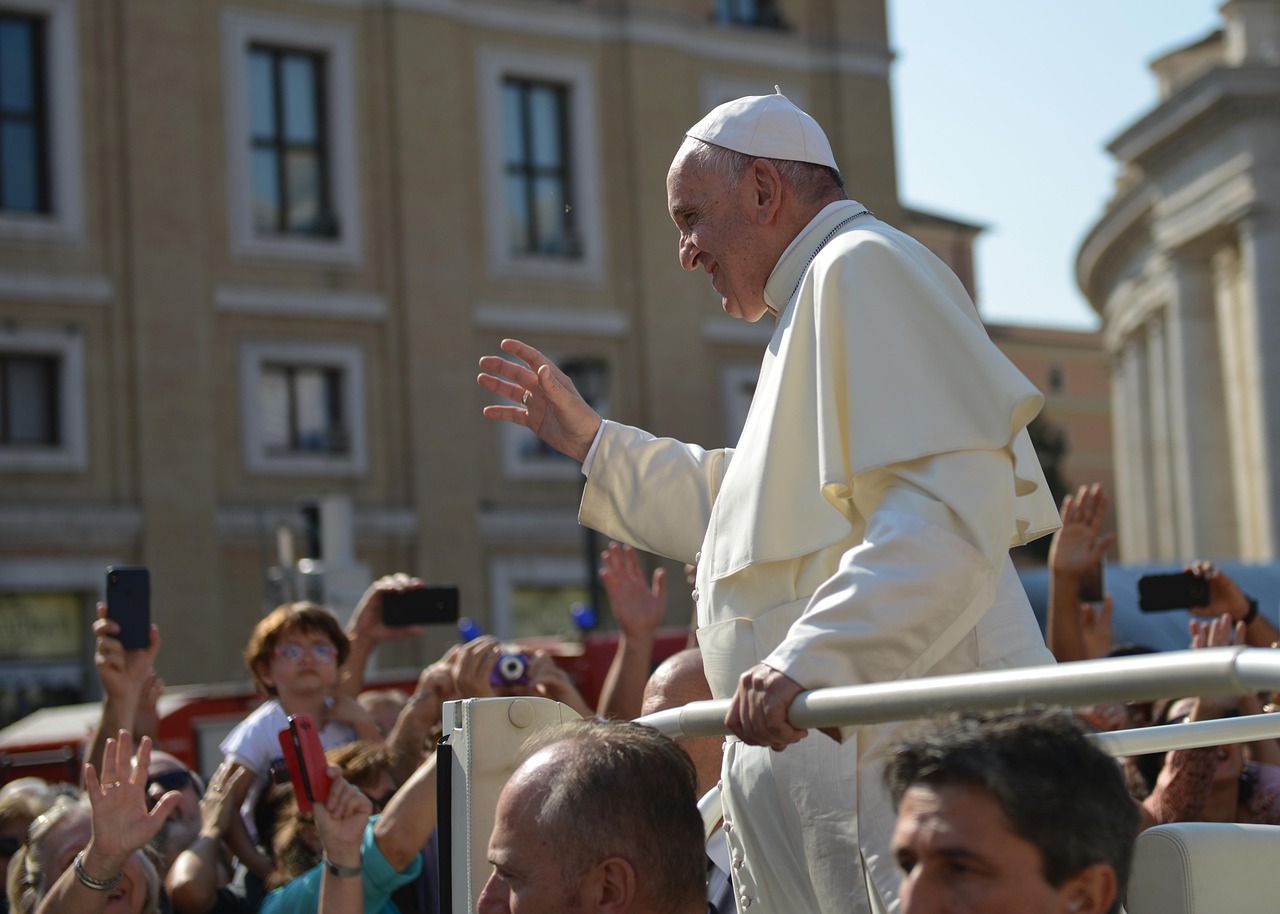
Seeing the Pope at the Wednesday Audience and Sunday Angelus in Vatican City
The Pope’s Wednesday audience, the Sunday Angelus, and experiences in Vatican City differ in texture, and it helps to understand them simply. The weekly Wednesday Audience is a larger, scheduled gathering where the pope addresses pilgrims; the Sunday Angelus is a shorter prayer and blessing, often offered from a window overlooking the square. For first-timers, both can feel unexpectedly intimate—papal ritual as a living thread, not a museum piece.
Angelus awe without spectacle
One visitor told us they stumbled into the Sunday moment by accident, hearing a swell of quiet anticipation and then realising what was happening. When the pope offered the blessing, the crowd shifted into a shared stillness—an atmosphere of community that felt gentle rather than loud, as if everyone agreed to hold the same breath together.
- Where to stand: choose a spot with a clear line of sight and agree on a meeting point on the edge of the square.
- When to arrive: earlier is calmer; later can mean tighter spacing and more pressure.
- Group care: keep phones on silent and use visual cues rather than shouting across people.
For a touch of context, the Holy See has an apostolic mission that extends well beyond Vatican City, with a diplomatic network often guided day to day by the Cardinal Secretary of State. Even if you’re not religious, it’s moving to witness a tradition led by the pope in a place where meaning is part of the architecture.
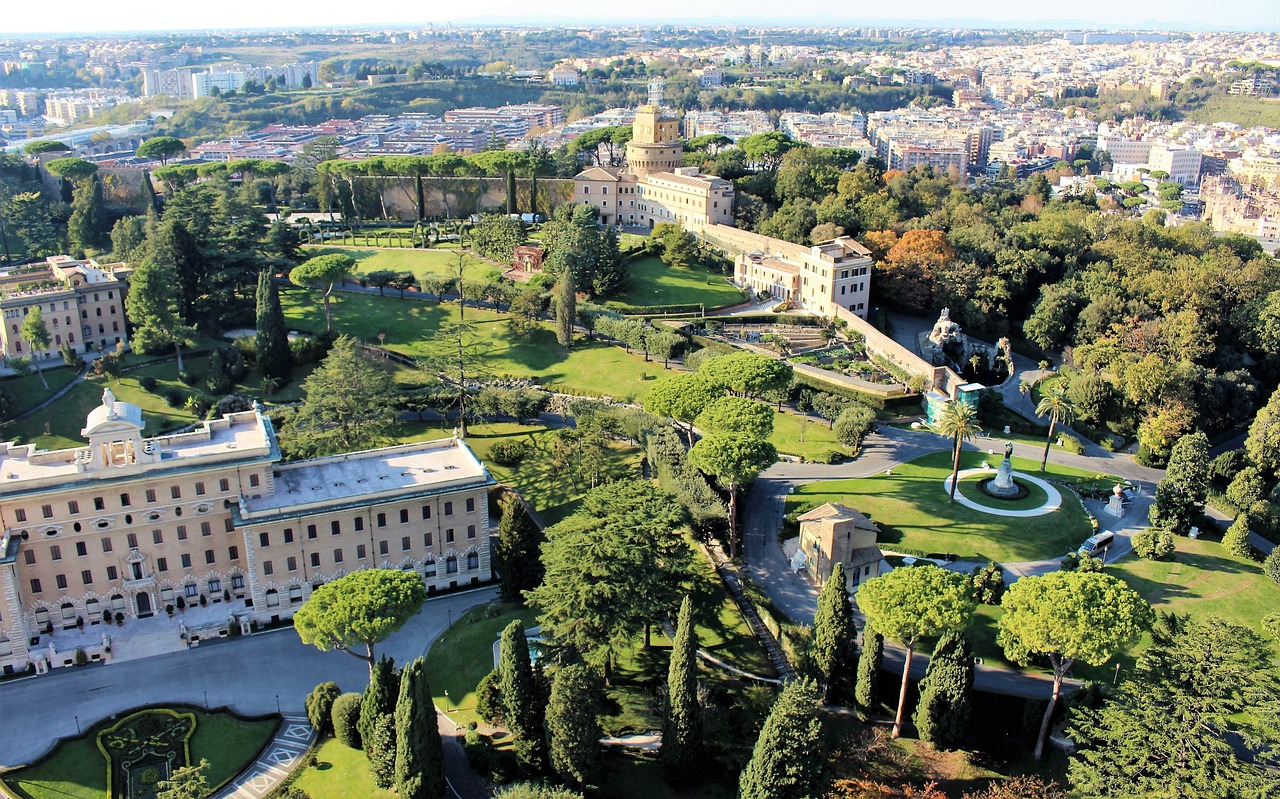
Vatican Gardens and quieter corners open to the public in Vatican City
A Vatican Gardens guided tour, a Vatican City hidden places experience, is the calm counterpoint to the galleries and grand basilica. These grounds are open to the public only on guided visits, and the shift is immediate: shade, birdsong, and the soft hush of gravel underfoot. It’s where you can discover a different pace within the same tiny state and let your thoughts catch up with what you’ve seen.
Stillness, soundscape, and curiosity stop
Design your time here around stillness. Listen for fountains, notice how light breaks through cypress branches, and allow reflective pauses—especially if you’ve been moving quickly all morning. For cultural enthusiasts, a guide may point out the Vatican Library as a manuscript treasure house (Vatican Library), even though access is limited and carefully managed.
There are smaller, joyful details too: the sale of stamps is a surprisingly memorable ritual for travelers, and choosing one stamp as a souvenir can feel oddly intimate—proof you were here, tucked into a notebook like a secret. You may also spot Swiss Guards at certain points; they’re not decoration but part of the daily life of an active religious building and state.
What’s restricted and how to behave with care
Some areas are strictly off-limits, and your guide will be clear about boundaries. Keep voices low, follow photography guidance, and treat the space as lived-in rather than staged. If you have extra time in your Italy itinerary, Castel Gandolfo can be a separate day-trip idea—another angle on how papal life has been shaped by landscape and retreat.
Planning a visit to Vatican City, Italy? Consider tickets, dress code, transport, and a map.
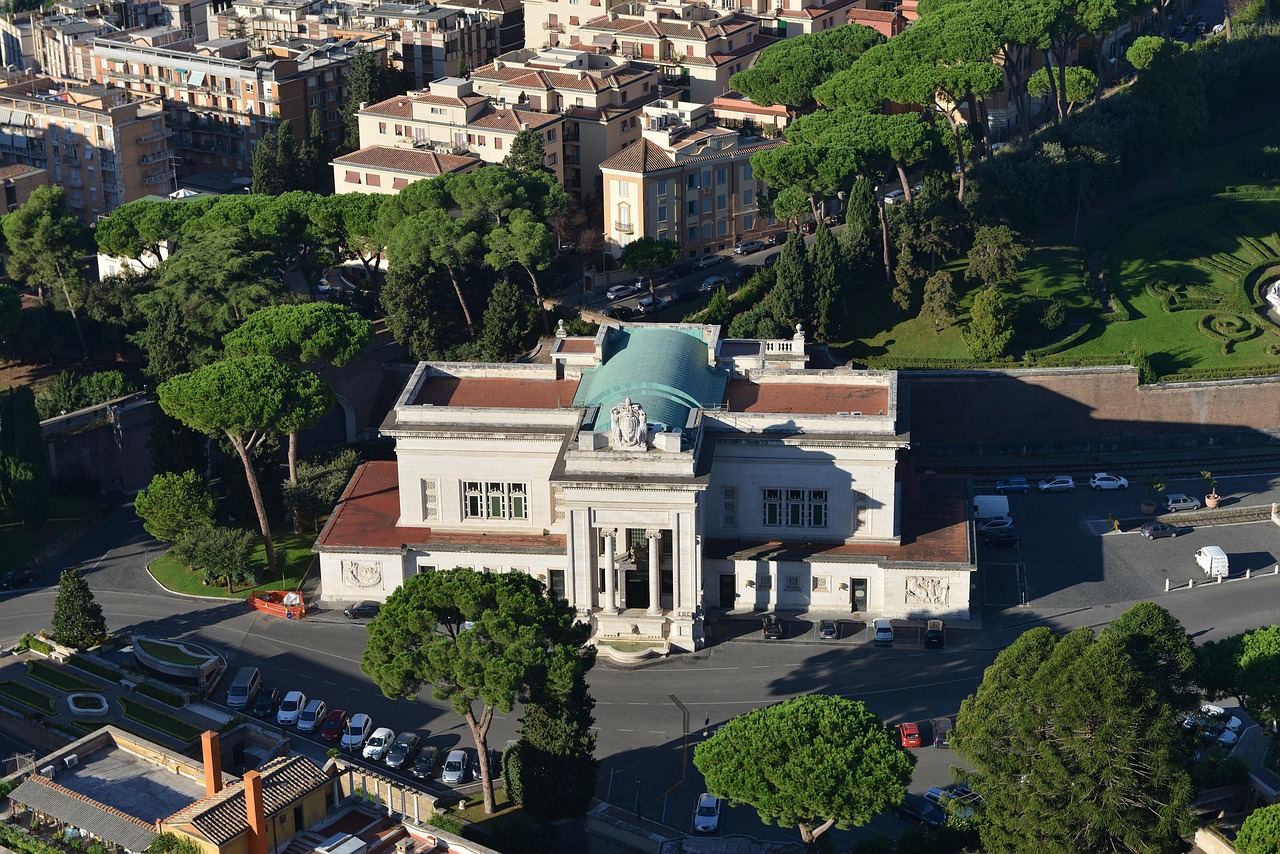
Planning a visit to Vatican City, Italy, with tickets, transport timing, and a map of the Vatican
Planning a visit to Vatican City, Italy: tickets, dress code, and transport are where luxury really shows, not in extravagance but in ease. Book timed entry ahead where you can (combined options often reduce friction), and treat the last-Sunday free entry as a trade-off—no ticket cost but often the biggest crowds. For current rules, timings, and security updates, trust the official website rather than rumours.
Timing for energy, not just efficiency
Peak season pressure is real from April to October, so aim for early morning or late afternoon if you can. Create a day that matches your energy levels: gallery focus first, then breath and space, then a final highlight like the dome or the basilica. When you plan this way, your experience feels crafted rather than rushed—seamless enough that you can stay present.
Getting there and a simple map of the Vatican orientation
Getting there is straightforward: take the Rome Metro Line A to Ottaviano, or take a bus that drops you within easy walking distance. Approaching on foot can be beautiful too, especially if you’re staying in central Rome and want to uncover the city’s layers as you go.
Use a simple map of the Vatican mindset once you arrive: there are key gates for museum entry, the open sweep of the square, and security points where queues can wrap along the city walls. Agree on a regroup spot outside the barriers before anyone enters—this one habit saves time and keeps groups together with calm confidence.
- Quiet zones: chapels and prayer areas often require extra silence; follow staff direction without debate.
- Photography boundaries: rules change by room—ask your guide for local insight rather than guessing.
- Water: carry a refillable bottle; fountains help you stay comfortable during warmer hours.
If you’d like inspiration for how this fits into a wider, high-end Italy journey, browse our trip gallery and imagine what you could create across Rome and beyond—with expert support that keeps the details gentle and the moments vivid.
FAQs: Vatican City, Italy essentials
Is Vatican City in Italy?
Vatican City is an independent state completely surrounded by Italy, sitting within Rome as an enclave. It isn’t part of Italy politically, but you can reach it easily from Rome’s streets and transport, and it shares the same time zone and a similar practical travel feel.
Who is the most loved pope in history?
Many people cite Pope John Paul II as one of the most widely loved in modern history because of his global visibility, extensive travel, and the emotional connection many felt to his leadership. Views vary by generation and tradition, but his impact is often described as deeply personal by those who lived through his era.
Which pope had mistresses?
Several popes in earlier centuries were alleged by historians to have had relationships or mistresses, particularly during periods of turbulent church politics. Accounts vary in reliability, and many stories mix documented evidence with later claims, so it’s best to treat the topic as historical debate rather than simple fact.
What is the difference between Vatican City and Rome?
Rome is a city in Italy with a layered history across millennia. Vatican City is a separate, sovereign microstate within Rome that serves as the territorial base for the Holy See, including major sites like the museums, the basilica area, and key governance institutions.
After Vatican City, what stayed with you
After Vatican City, it’s often not the grand facts that stay—though you’ll remember the immensity—but the sensation of looking up. Up into painted heavens, up into a dome, up into a slice of sky framed by stone. Somewhere between crowd and calm, you realise the day has quietly changed your sense of scale: what humans can make, what they can preserve, and how meaning can live inside craft.
Many travellers describe a small, surprising trust that arrives afterwards. You trusted your curiosity enough to enter, to stand in shared silence, to listen rather than rush. Whether you came for the Roman Catholic Church, for art, or for the simple thrill of a climb, the atmosphere offers something steady: a reminder that wonder doesn’t have to be loud to be real.
And then there are the contrasts you carry back into Rome: sunlight after shadow, a murmured prayer beside a tour guide’s expert story, a corridor of motion opening into stillness. You step away with care for the details—the worn marble, the hush of a chapel, the way strangers moved together without speaking. Later, when your footsteps sound again on ordinary streets, you may find yourself glancing up at the next facade, the next patch of sky, and feeling the question softly return: what else is waiting to be noticed?