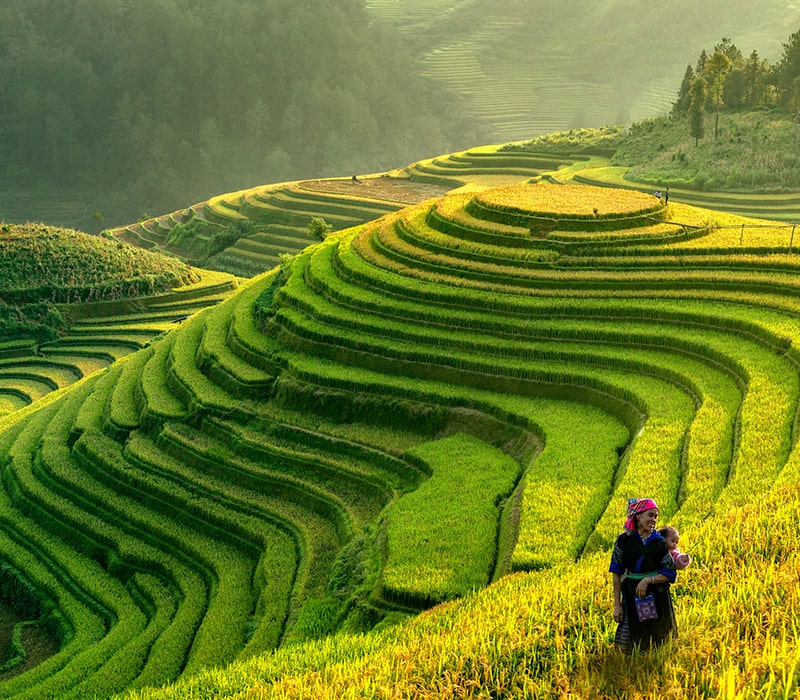
Vietnam is not a country you can understand in one stop. Hanoi wakes you with the sound of motorbikes and metal coffee filters. In Hoi An, yellow walls glow at dusk before the lanterns come on. In my home province of Quang Binh, the best moments often happen before the cave tour even starts, when the morning mist still sits low over the limestone hills.
This guide brings together the best things to do in Vietnam for 2026, from famous first-trip highlights such as Ha Long Bay, Hoi An, and Ho Chi Minh City to slower local experiences in Phong Nha, Ben Tre, Lan Ha Bay and the Mekong Delta. I’ve written it with a photographer’s eye and a local’s sense of pace, so you can plan a trip that feels full but not rushed.
Post Contents
- Quick Answer: The best things to do in Vietnam
- Why Vietnam Should Be on Every Traveller’s Bucket List
- Best Things to Do in Northern Vietnam
- Best Things to Do in Central Vietnam
- 9. Visit Phong Nha – Ke Bang National Park
- 10. Wander Through Hoi An Ancient Town
- 11. Relax on An Bang Beach
- 12. Visit My Son Sanctuary
- 13. Explore Hue’s Imperial City
- 14. Cross the Hai Van Pass
- 15. Ride the Cable Car to Ba Na Hills and the Golden Bridge
- 16. Explore Da Nang and My Khe Beach
- 17. Watch the Dragon Bridge breathing fire
- Best Things to Do in Southern Vietnam
- Best Cultural Experiences in Vietnam
- Best Food Experiences in Vietnam
- Best Hidden Gems in Vietnam
- How to Create Your Ideal Vietnam Trip
- F.A.Qs
- How to Experience Vietnam Like a Local
- Design Your Extraordinary Vietnam Journey
Quick Answer: The best things to do in Vietnam
For a first trip to Vietnam, prioritise these unforgettable experiences:
- Cruise through Ha Long Bay or Lan Ha Bay
- Explore Hanoi’s Old Quarter and Hoan Kiem Lake
- Wander the lantern-lit streets of Hoi An Ancient Town
- Trek through Sapa’s rice terraces
- Ride the Ha Giang Loop if you’re feeling adventurous
- Take a boat ride through Ninh Binh’s limestone scenery
- Climb to the Mua Caves viewpoint
- Visit Hue’s Imperial City and royal tombs
- Cross the Hai Van Pass between Hue and Da Nang
- Ride the cable car to Ba Na Hills and the Golden Bridge
- Relax on An Bang Beach or My Khe Beach
- Discover Ho Chi Minh City’s bustling streets
- Visit the Cu Chi Tunnels and learn about the Vietnam War
- Cruise the Mekong Delta and visit floating markets
- End your trip on Phu Quoc Island with fresh seafood and beach time
For a first trip, allow 10 to 14 days. Start in Hanoi, add Ha Long Bay or Ninh Binh, continue to Central Vietnam for Phong Nha, Hue, Da Nang or Hoi An, then finish in Ho Chi Minh City, the Mekong Delta or an island stay.


Why Vietnam Should Be on Every Traveller’s Bucket List
Vietnam is an amazing country because it offers so much in one trip. Northern Vietnam is known for breathtaking landscapes, mountain passes, ethnic minority villages, rice terraces and the limestone seascapes of Ha Long Bay. The Central is where you’ll find ancient towns, imperial history, coastal drives, beaches and UNESCO World Heritage Site experiences. Southern Vietnam brings bustling cities, river life, floating markets, tropical islands and a different rhythm of authentic Vietnamese culture.
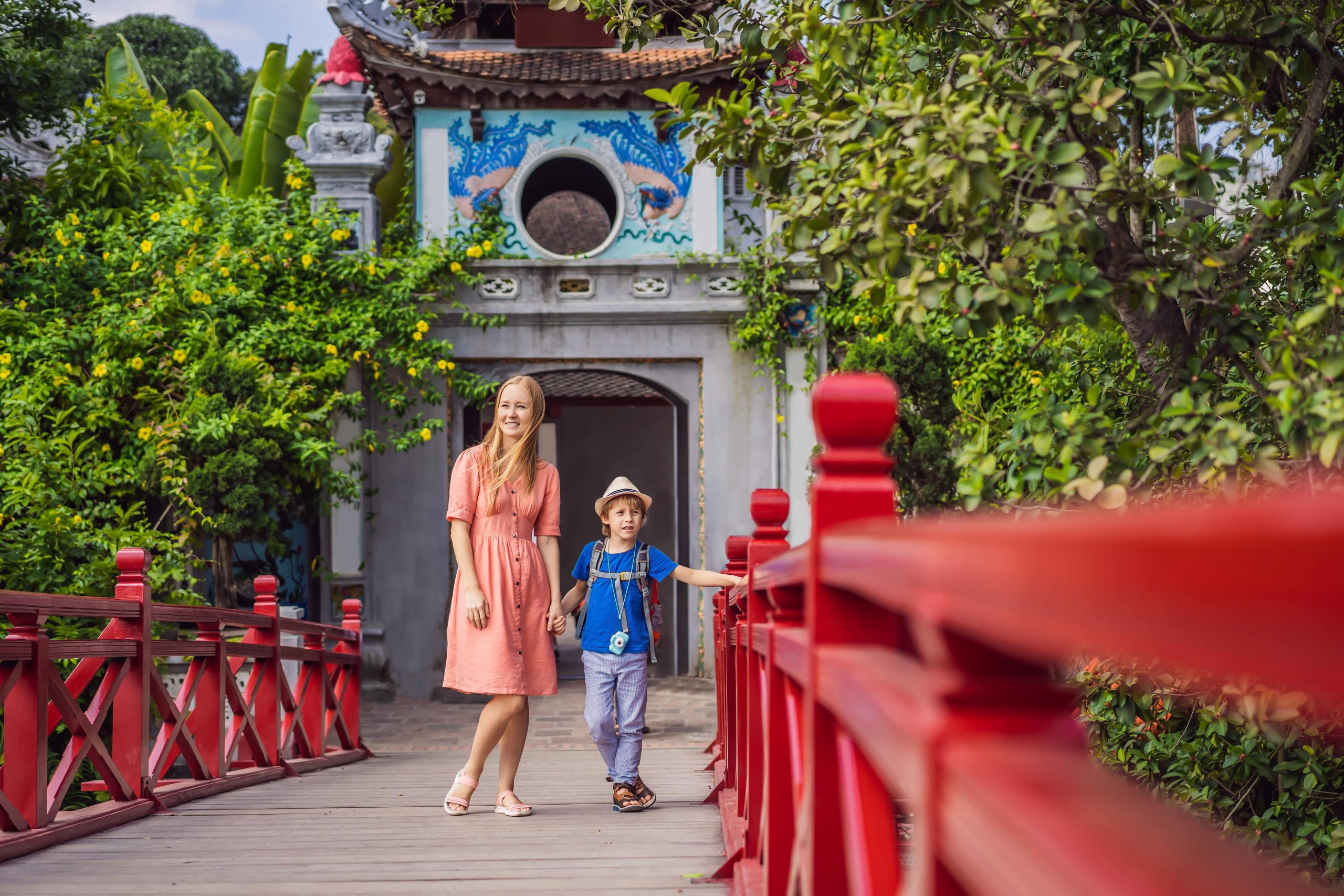
Timing your visit is crucial for having the best experience in Vietnam.
This variety makes Vietnam ideal for many types of travellers. Food lovers can plan a journey around Vietnamese cuisine, from bun cha in Hanoi to cao lau in Hoi An and banh mi in Ho Chi Minh City. History buffs can explore ancient temples, the Imperial City of Hue, the Cu Chi Tunnels and museums connected to the Vietnam War. Couples can combine boutique hotels, private boat tours and beach escapes. Families can enjoy fun activities such as basket boats, cable car rides, theme parks, cooking classes and island time.
Vietnam is also an incredible country for travellers who want a more personal journey. Most tourists see the major highlights, but a well-designed itinerary can also include local villages, local markets, rural Vietnam and hidden gems that reveal a deeper side of the destination.
Best Things to Do in Northern Vietnam
1. Cruise Through Ha Long Bay
Ha Long Bay is one of the most iconic things to do in Vietnam. Its towering limestone islands rise from emerald water, creating one of the most breathtaking landscapes in Asia. For many travellers, this UNESCO World Heritage Site is the image that first comes to mind when they picture Vietnam.
The best way to experience Ha Long Bay is on an overnight cruise. A day trip is possible from Hanoi, but staying overnight gives you time for kayaking, swimming, cave visits and quiet sunrise views. Most cruises depart from Ha Long City, sometimes spelt Long City in search results, which is the main gateway to the bay.

Ha Long Bay is the crown jewel of Vietnam’s natural heritage.
If you want a quieter alternative to Ha Long Bay, consider Lan Ha Bay. Located near Cat Ba Island, Lan Ha Bay offers scenery similar to Cat Ba’s, with fewer crowds, excellent boat tours, and access to Cat Ba’s beaches and hiking trails.
Local Fact: Ha Long Bay features around 1,600 limestone islands and islets.
2. Visit Cat Ba Island
Cat Ba Island is perfect for travellers who want nature, boat tours and a more active version of the Ha Long Bay experience. You can hike in Cat Ba National Park, kayak through limestone lagoons, visit fishing boats around the bay or stay overnight before cruising into Lan Ha Bay.
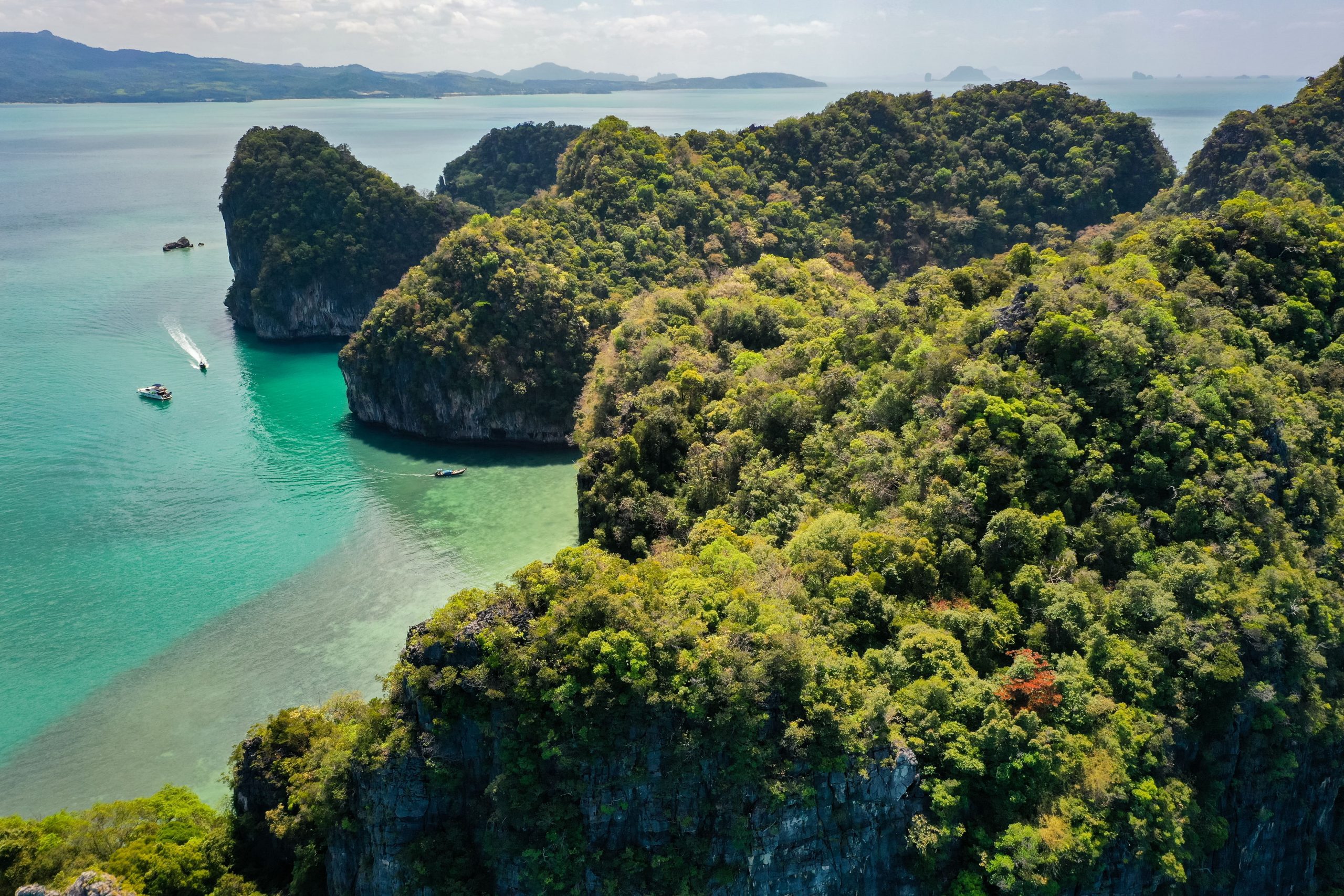
Beautiful view of nature with a calm, blue sea and islands in Cat Ba National Park.
Cat Ba also works well for travellers who want a balance between comfort and adventure. Spend a few days here if you enjoy beaches, seafood, quiet viewpoints and access to both Cat Ba and Lan Ha Bay.
3. Explore Hanoi’s Old Quarter
Hanoi’s Old Quarter is best experienced on foot, but not quickly. Start around Hoan Kiem Lake in the morning, then drift into the smaller streets where shops still cluster by trade: metalware, herbs, paper goods, silk, shoes. The ‘pavements’ here are not really pavements. They are kitchens, parking spaces, tea stalls and meeting places.
For food, keep it simple: pho for breakfast, bun cha for lunch, egg coffee when you need a break. The best meals are often served on plastic stools, close enough to the street that you can hear the next order being shouted over the motorbikes.

Exploring the Old Quarter by Cyclo.
Most international travellers arrive in the north through Noi Bai International Airport, which makes Hanoi a natural starting point for trips to Northern Vietnam, Ha Long Bay, Ninh Binh, Sapa, and more.
4. Visit Train Street in Hanoi
One of Hanoi’s most unique and exhilarating experiences is visiting Train Street. Located in the city’s heart, this narrow alleyway is where trains pass within mere inches of the surrounding houses. The sight of a speeding train moving through such a tight space is both awe-inspiring and a little nerve-wracking as locals go about their daily lives, only moving aside when the train is about to pass.

People gather at cafes and local shops along the tracks to watch the train pass.
5. Trek Through Sapa’s Rice Terraces
Sapa is famous for rice terraces, misty valleys and local villages surrounded by mountain scenery. It is one of the best places to experience rural Vietnam and meet communities such as the Hmong, Dao and Tay.

Scenes from the rice harvest, Mu Cang Chai.
A guided trek can be adapted to your pace. Some travellers prefer a gentle walk between villages, while others choose full-day hikes through rice terraces and mountain trails. The best experiences are locally guided, respectful and designed to support authentic Vietnamese culture rather than turning village life into a performance.
6. Ride the Ha Giang Loop
The Ha Giang Loop is one of Vietnam’s great road adventures. If you’re feeling adventurous, this multi-day journey takes you through dramatic passes, limestone peaks, deep valleys and remote local villages close to the Chinese border.
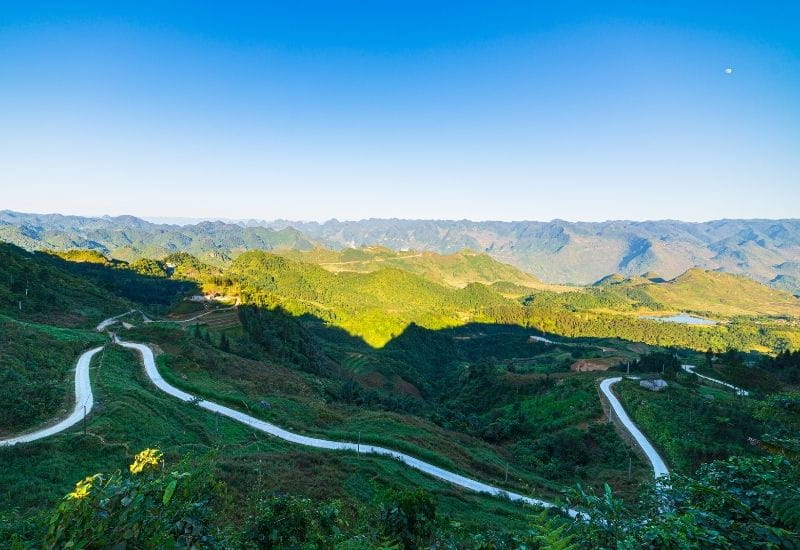
Ha Giang Loop is one of Vietnam’s great road adventures.
You can ride a motorbike yourself if you are experienced, travel with an easy rider or take a private car for more comfort. A sleeper bus from Hanoi is one way to reach Ha Giang, though a private transfer may be better if you prefer a smoother, more flexible start.
7. Visit Ninh Binh and the Mua Caves
Ninh Binh is often called “Ha Long Bay on land” because of its limestone mountains, rice fields and winding rivers. It is one of the best day-trip options from Hanoi, though staying overnight offers a much better experience.
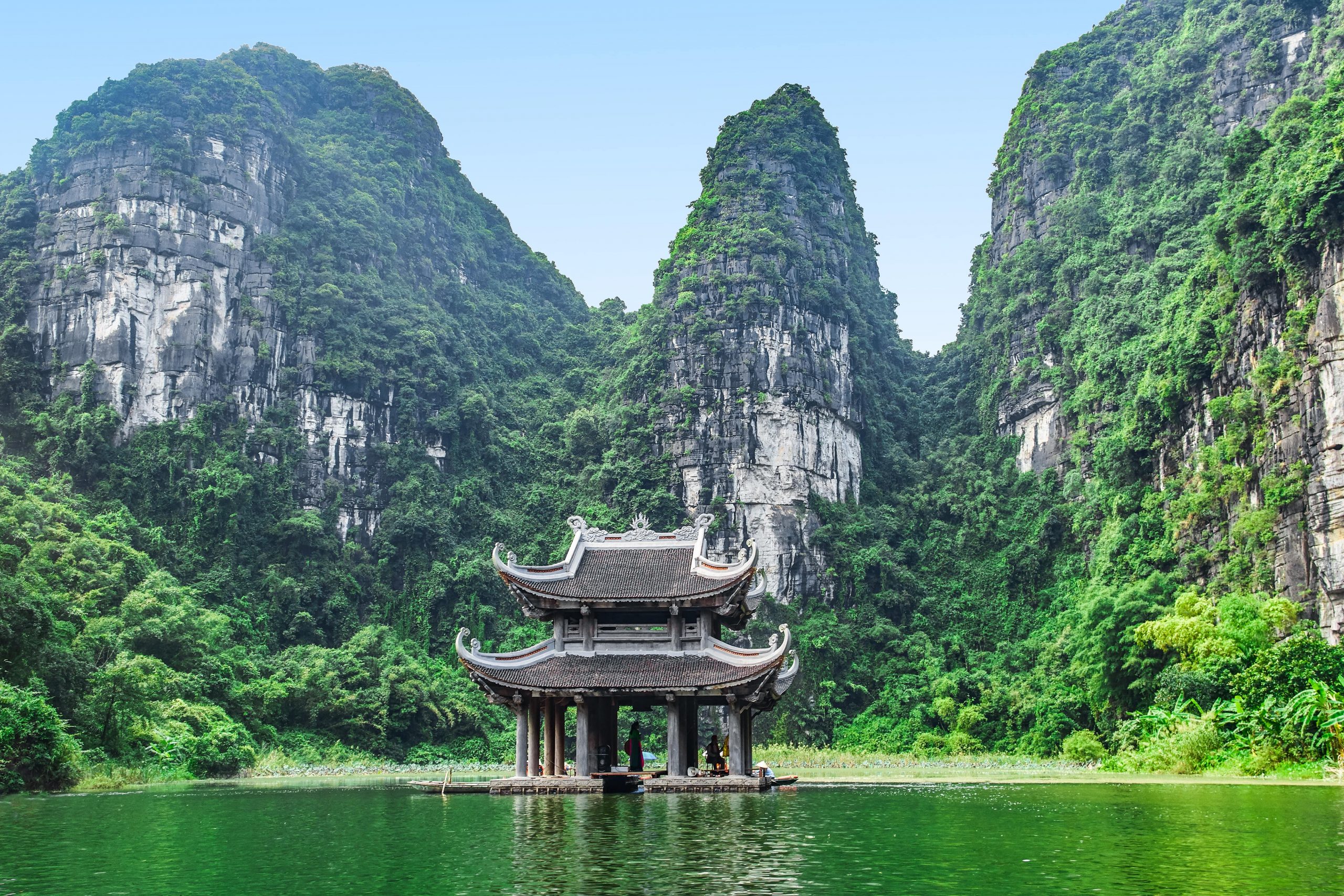
Ninh Binh is known as the “Ha Long Bay on land”.
Take a boat ride through Tam Coc or Trang An, visit ancient temples at Hoa Lu and climb to the Mua Caves viewpoint for sweeping views over the valley. It is one of the most photogenic places in Northern Vietnam and a favourite for travellers who want countryside without travelling too far from Hanoi.
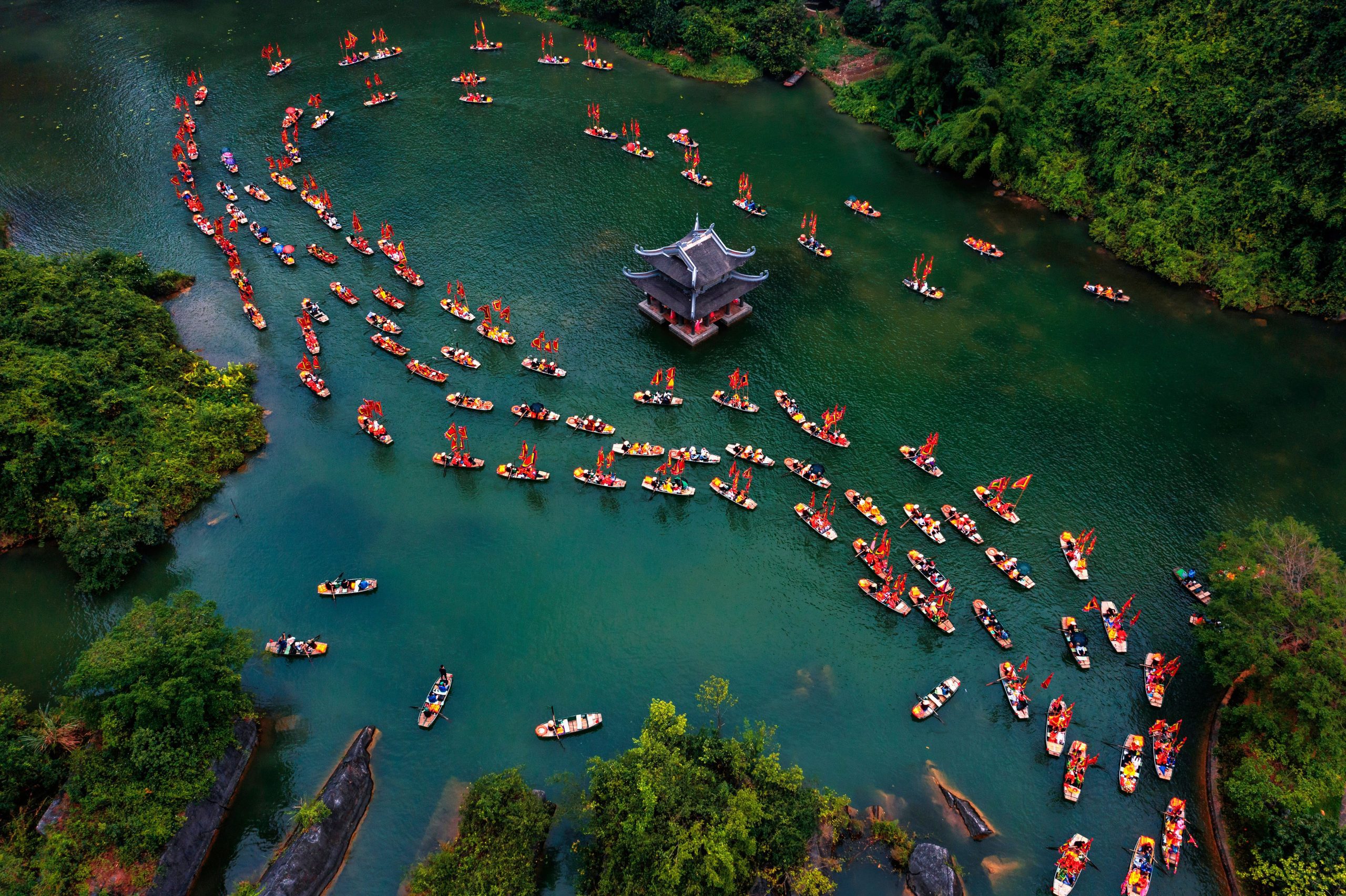
The best way to explore Tam Coc is by boat, rowed by skilled locals.
8. Visit Ban Gioc Waterfall
Tucked away in the remote northern reaches of Vietnam lies the Ban Gioc Waterfall (Thác Bản Giốc), one of Southeast Asia’s most stunning natural wonders. It is often referred to as the largest waterfall in Vietnam and the fourth-largest waterfall along a national border.

Aerial view of Ban Gioc Waterfall, often referred to as the largest waterfall in Vietnam.
Expert tip: The best time for photography is early morning or late afternoon when the sunlight is soft. The rainy season, with the waterfall at its most powerful, offers dramatic photo opportunities, but the dry season provides captivating images with clear skies and a sense of peace.
Best Things to Do in Central Vietnam
9. Visit Phong Nha – Ke Bang National Park
Phong Nha is personal for me because Quang Binh is home. Travellers often arrive for the caves, but what stays with them is the whole landscape: limestone mountains, quiet roads, buffalo in the fields, and the cool air that comes out of a cave entrance before you step inside.
Son Doong is the headline cave, and UNESCO identifies the area as having cave passages of exceptional global significance. Vietnam’s official tourism site describes Son Doong as the world’s largest cave and notes that the expedition takes four days, with camping inside the cave system.

Hang Son Doong – The world’s largest cave.
Most travellers do not need Son Doong to feel the scale of Phong Nha. Paradise Cave, Phong Nha Cave and Dark Cave are more accessible and still unforgettable. Stay at least two nights if you can. One day feels too rushed.
10. Wander Through Hoi An Ancient Town
Hoi An is beautiful, but it is also busy. The trick is to see it at the edges of the day. Go early, when shop shutters are opening, and the yellow walls are still soft in the morning light. Return after sunset, when lanterns reflect on the Thu Bon River and the town feels completely different.

Hoi An’s Ancient Town is one of the Vietnam UNESCO World Heritage Site.
On the night of the full moon each month, the Hoi An Lantern Festival transforms the town into a dreamscape. Locals and tourists gather to release thousands of paper lanterns onto the river, their flickering lights reflecting on the water’s surface.
2026 LANTERN FESTIVAL DATES:
| January | February | March | April | May | June |
|---|---|---|---|---|---|
| Jan 2nd, 2026 | Feb 1st, 2026 | Mar 2nd, 2026 | April 1st, 2026 | May 30th, 2026 | June 28th, 2026 |
| July | August | September | October | November | December |
| July 27th, 2026 | Aug 26th, 2026 | Sep 24th, 2026 | Oct 23rd, 2026 | Nov 22nd, 2026 | Dec 22nd, 2026 |
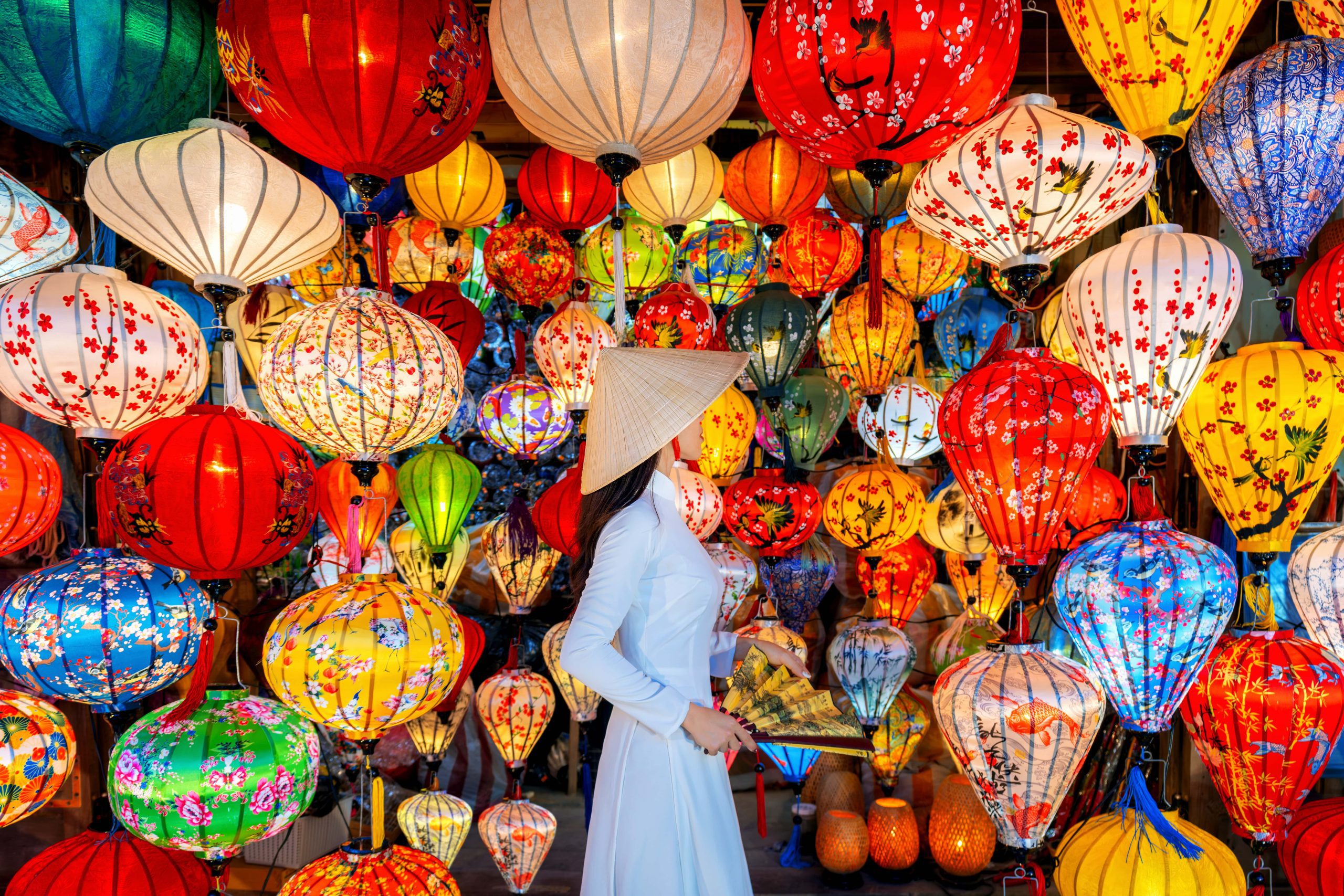
Hoi An Lantern Festival transforms the town into a dreamscape.
While in Hoi An, visit the Japanese Covered Bridge; it’s one of those beautiful spots where history feels alive, and it’s a must for photography lovers.
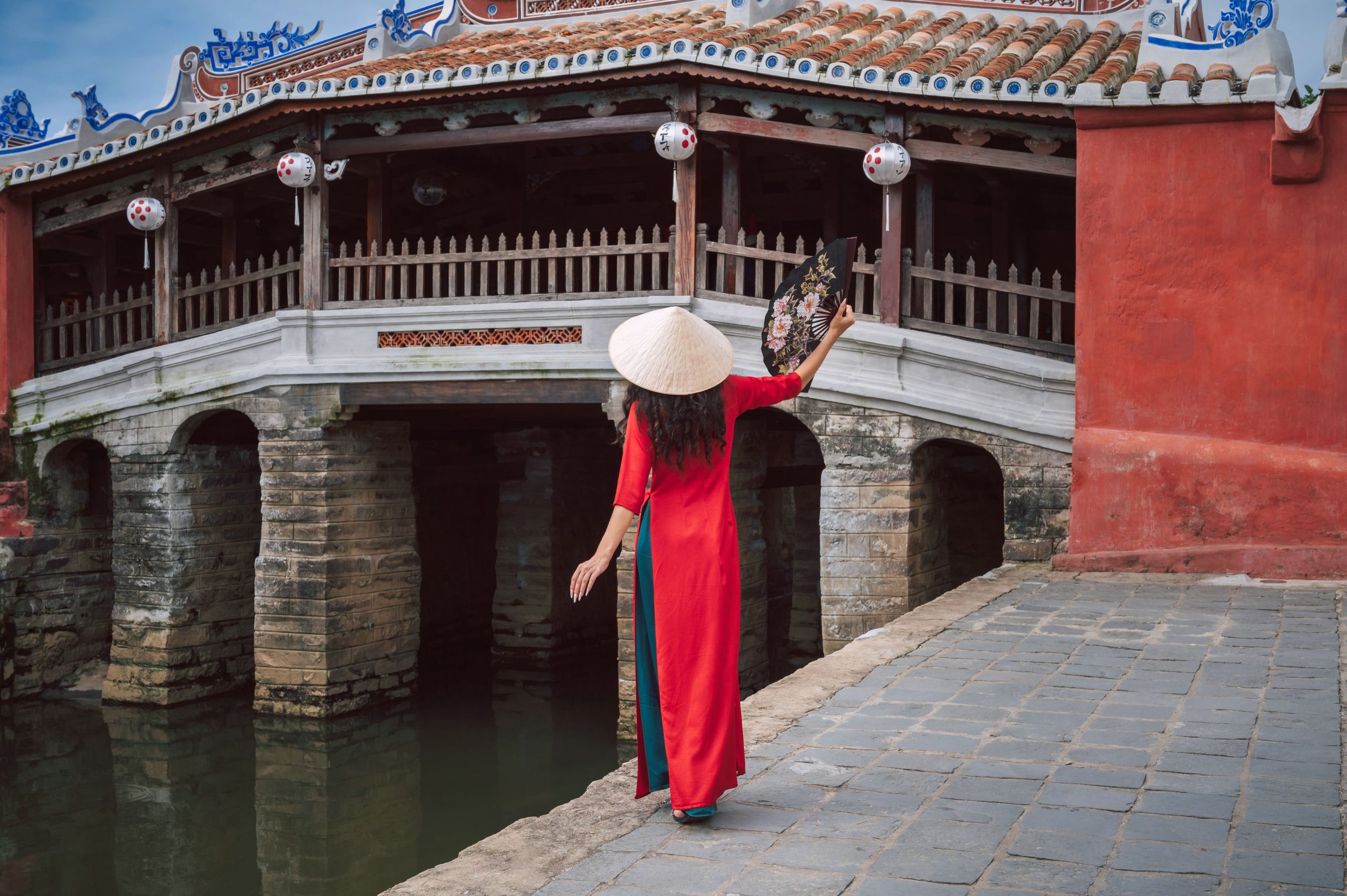
The ancient Japanese covered bridge in the old town of Hoi An.
The Ancient Town is a UNESCO World Heritage Site, known for its blend of Vietnamese, Chinese, Japanese and European influences. Keep the heritage context, but balance it with practical advice: buy an Old Town ticket to enter selected heritage houses and assembly halls, and give yourself time to sit with a coffee rather than treating Hoi An as just a photo stop.
11. Relax on An Bang Beach
An Bang Beach, often searched as Bang Beach, is a relaxed coastal escape just outside Hoi An. It is ideal for travellers who want to balance cultural sightseeing with beach time.
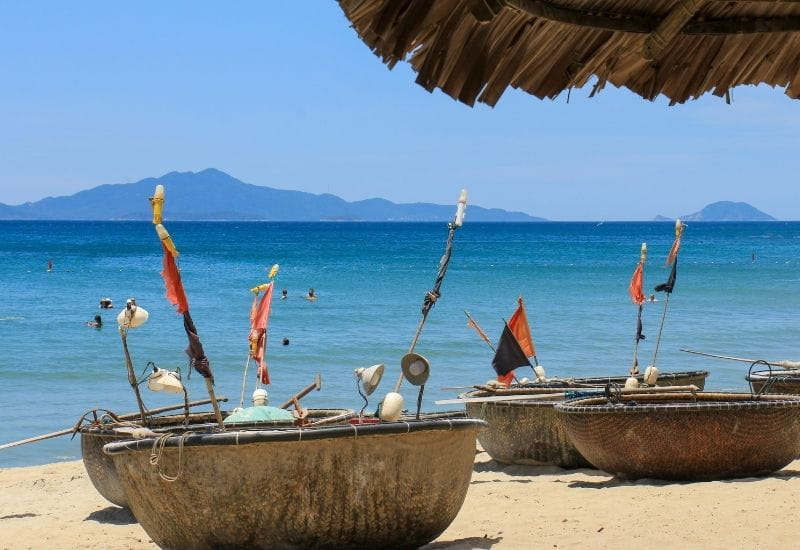
An Bang Beach, Vietnam.
Spend the morning exploring Hoi An Ancient Town, then head to An Bang Beach in the afternoon for a swim, a seafood lunch or a sunset drink. It is easy, low-stress and perfect for families, couples and slow travellers.
12. Visit My Son Sanctuary
My Son Sanctuary is a fascinating UNESCO World Heritage Site near Hoi An. The site features ancient temples from the Champa Kingdom, set in a green valley surrounded by hills.
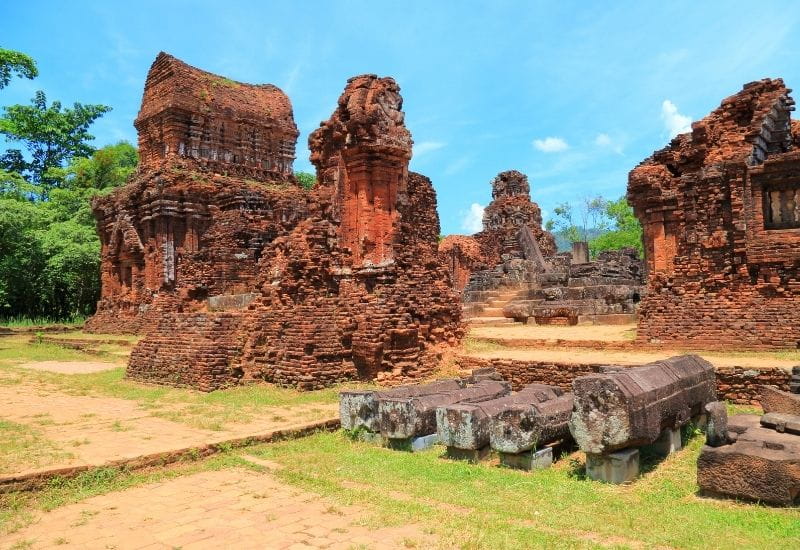
My Son Sanctuary, Vietnam.
This is a strong choice for history buffs who want to understand more about Central Vietnam before Vietnamese imperial rule. Go early in the morning for cooler weather and fewer visitors.
13. Explore Hue’s Imperial City
Hue is not a place to rush through on the way between Da Nang and Phong Nha. The Imperial City rewards slow walking: gates, courtyards, restored halls, lotus ponds and long walls marked by time. It is one of the best places in Vietnam to understand the Nguyen Dynasty and the country’s imperial past.

Ngo Mon Gate, the main entrance of the Forbidden Hue Imperial City.
A strong Hue day should include the Imperial City in the morning, one or two royal tombs in the afternoon, and local food in the evening. Try bun bo Hue here rather than waiting to order it elsewhere. It tastes different in its home city.
Local Fact: The Imperial City of Hue was built in 1804 for the royals.
14. Cross the Hai Van Pass
The Hai Van Pass is one of the most scenic routes in Vietnam, connecting Hue and Da Nang. The road curves between mountains and coast, with views over beaches, fishing boats and forested slopes.
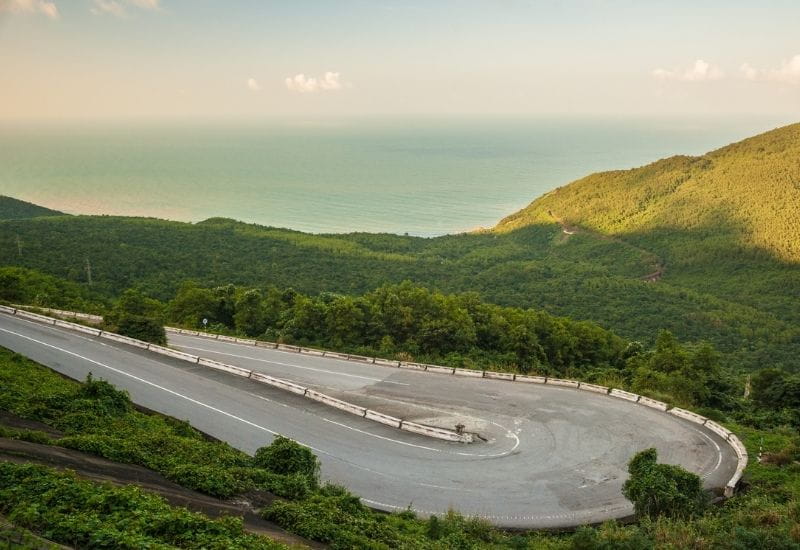
Hai Van Pass is one of the most scenic routes in Vietnam.
A private transfer allows you to stop along the way for photos, lunch and viewpoints. Travellers who enjoy rail journeys can also take the train, while those who are adventurous travellers may prefer a motorbike tour.
Expert Tip: Buses and trains cost $5-$15 per journey.
15. Ride the Cable Car to Ba Na Hills and the Golden Bridge
Ba Na Hills is one of the most popular day trip options from Da Nang. The experience begins with a long cable car ride into the mountains, followed by gardens, viewpoints, a theme park and the famous Golden Bridge.

The Golden Bridge is one of the most photographed landmarks in Vietnam.
Held by giant stone hands, it is one of Vietnam’s most recognisable modern landmarks. Families will also enjoy the fun activities at Ba Na Hills, though some attractions may come at an extra cost depending on your ticket type.
16. Explore Da Nang and My Khe Beach
Da Nang is more than a gateway to Hoi An and Hue. This coastal city has beaches, seafood restaurants, modern hotels, bridges and a relaxed seaside feel.
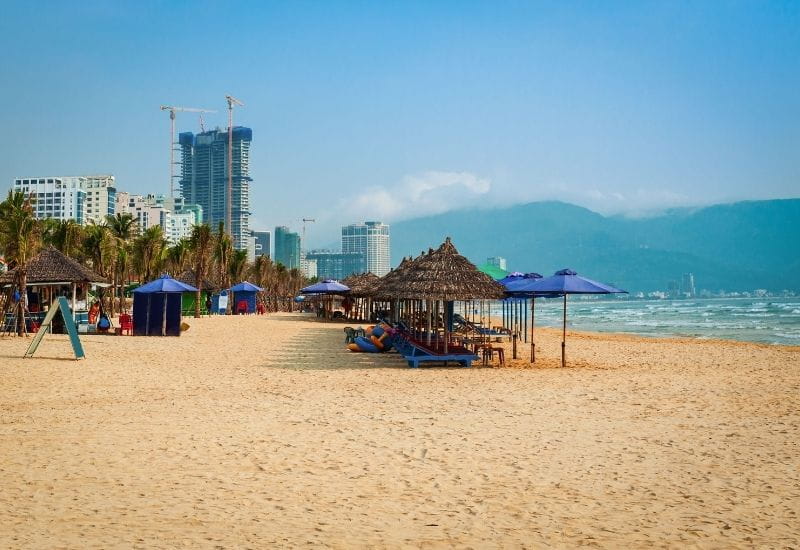
My Khe Beach, Da Nang.
My Khe Beach, sometimes shortened in searches to Khe Beach, is one of the city’s most popular stretches of sand. Visit the Dragon Bridge at night to see the giant dragon breathe fire and water on weekend evenings, then enjoy fresh seafood along the coast.
17. Watch the Dragon Bridge breathing fire
One of Da Nang’s most iconic landmarks is the Dragon Bridge (Cầu Rồng), which spans the Han River and is shaped like a giant golden dragon. The dragon comes to life on weekends and holidays, breathing fire and water in a spectacular nighttime display. The bridge is also illuminated with colourful LED lights, making it a popular spot for both locals and tourists to gather in the evenings.

The Dragon Bridge comes to life on weekends, breathing fire and water in a spectacular nighttime display.
Best Things to Do in Southern Vietnam
18. Discover Ho Chi Minh City
Ho Chi Minh City is Vietnam at full speed. Formerly known as Saigon, the city is full of bustling streets, rooftop bars, markets, museums, old colonial buildings and modern towers.

The Central Post Office in Ho Chi Minh City.
Visit the Central Post Office, Notre-Dame Cathedral Basilica, Ben Thanh Market, the War Remnants Museum and the Bitexco Financial Tower. Ho Chi Minh City is also one of the best places in the country for street food, from banh mi and broken rice to noodle soups and late-night snacks.
Direct flights connect Ho Chi Minh City with many regional and long-haul destinations, making it a convenient arrival or departure point for Southern Vietnam.
Local Tip: Grab is an app offering affordable taxi services in Vietnam for city travel.
19. Visit the Cu Chi Tunnels
The Cu Chi Tunnels are one of the most important Vietnam War sites near Ho Chi Minh City. This underground network was used for shelter, movement and supply routes during the war.

The tunnels are an extraordinary testament to the resourcefulness and resilience of the Vietnamese people.
A guided tour helps explain the history clearly and respectfully. It is an easy half-day trip from Ho Chi Minh City and pairs well with a city history tour for travellers seeking a deeper context.
20. Cruise Through the Mekong Delta
The Mekong Delta, known as the “Nine Dragon River Delta” (Đồng bằng Sông Cửu Long), is a vast and fertile region where the Mekong River splits into several tributaries before emptying into the South China Sea. Life here is inseparable from the river—it’s the main road, the grocery store, and the meeting place.

Cai Rang Floating Market is a vibrant display of river-based commerce.
Early morning is the best time to visit floating markets such as Cai Rang, as they are at their liveliest just after sunrise. Visitors can hire a boat to tour the market, observe the lively trade, and even eat breakfast on the water, sampling the local market specialities like Banh Xeo (Vietnamese pancakes) or freshly cut tropical fruits.
21. Visit Ben Tre for Authentic Vietnamese Culture
Ben Tre is one of the best places in the Mekong Delta to experience authentic Vietnamese culture at a slower pace. Known for coconut groves, small canals and quiet rural lanes, it offers a gentler alternative to busier delta routes.
A typical visit might include a sampan boat ride, cycling through rural Vietnam, visiting local villages, tasting a coconut-based local speciality, and sharing lunch in a family home.
22. Relax on Phu Quoc Island
Phu Quoc Island is Vietnam’s best-known tropical escape. Located off the south-west coast, Phu Quoc has white-sand beaches, coral reefs, night markets, resorts and plenty of fresh seafood.

Phu Quoc is the largest island in Vietnam and one of the country’s most sought-after tropical destinations.
After travelling through bustling cities and cultural sites, Phu Quoc is a beautiful place to slow down. Spend a few days swimming, snorkelling, visiting fishing villages or enjoying a beach resort before flying home. Phu Quoc also offers direct flights to some international destinations, making it a convenient final stop.
Expert Tip: Beyond the luxury resorts, you can explore fishing villages or take a boat to the An Thoi archipelago and Turtle Island for unforgettable snorkelling and diving adventures.
Best Cultural Experiences in Vietnam
23. Watch a Water Puppet Show
Water puppetry is a traditional Vietnamese art form and one of the most accessible cultural experiences for first-time visitors. Hanoi is the classic place to see a show, especially near Hoan Kiem Lake.
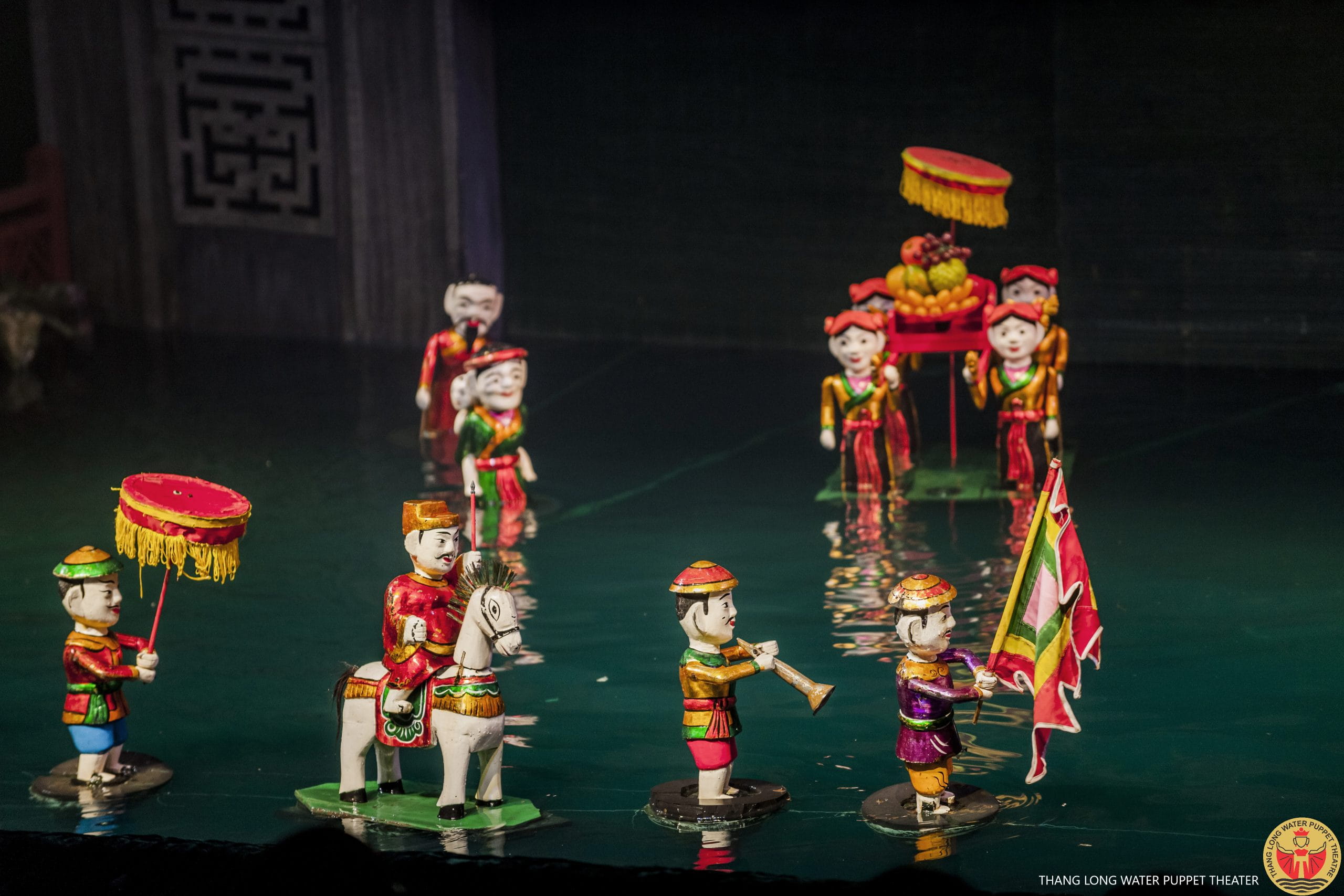
Water puppetry is a traditional Vietnamese art form.
Image source: https://nhahatmuaroithanglong.vn/en/
It is a simple but memorable introduction to Vietnamese culture, with music, storytelling and wooden puppets moving across a water stage.
24. Explore Local Markets
Local markets are central to everyday Vietnamese culture. They are noisy, colourful and full of fresh produce, herbs, seafood, flowers, textiles and quick meals.
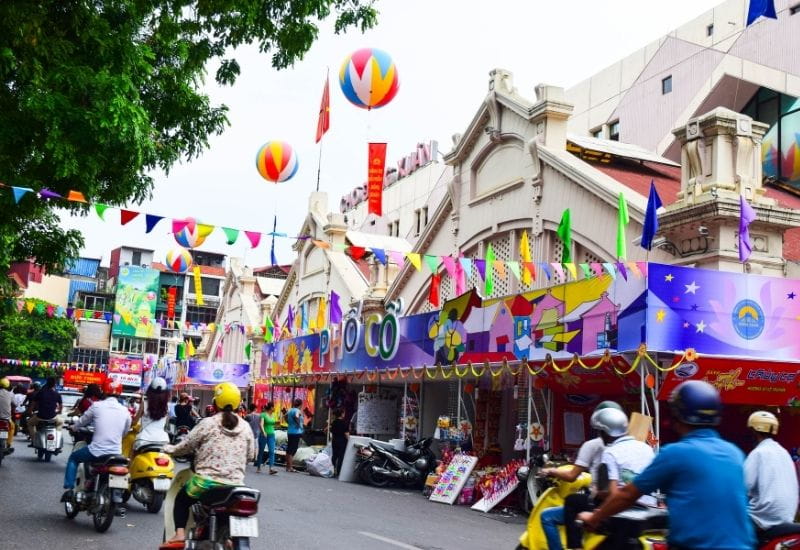
Dong Xuan Market in Hanoi.
Visit Dong Xuan Market in Hanoi, Hoi An Central Market, Ben Thanh Market in Ho Chi Minh City or smaller markets in local villages. Markets are also a great place to understand Vietnamese cuisine beyond restaurant menus.
25. Experience Rural Vietnam
To experience rural Vietnam, spend time outside the main cities. Cycle through rice fields in Ninh Binh, walk between villages in Mai Chau, stay in a countryside lodge in Pu Luong or take a boat ride through the Mekong Delta.
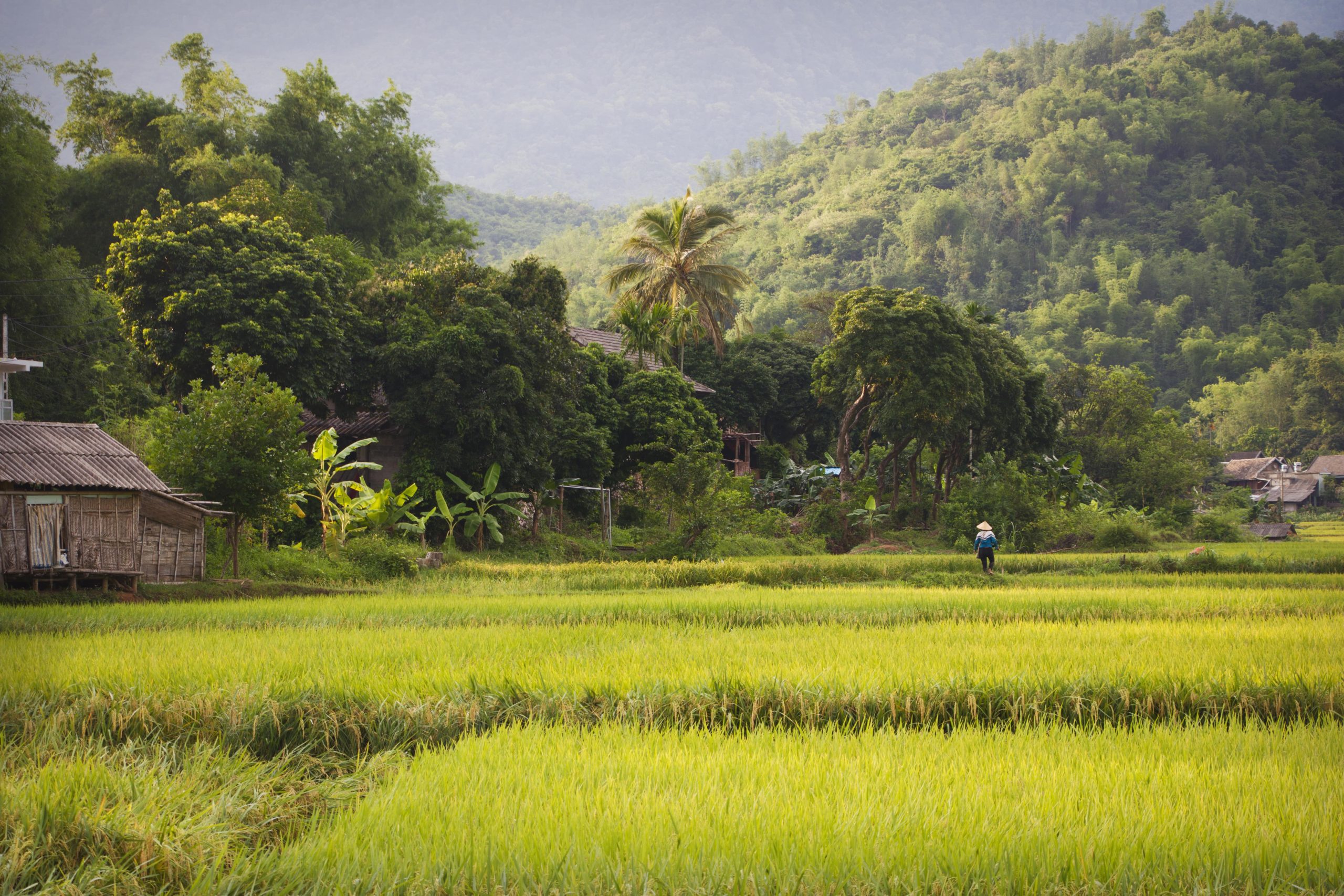
Landscape of Mai Chau with rice fields.
These moments often feel more personal than major sightseeing stops. They showcase the quieter side of Vietnam’s authentic experience and help travellers connect with the country beyond its famous landmarks.
Best Food Experiences in Vietnam
26. Experience Hanoi’s Coffee Culture
Hanoi is renowned for its coffee culture, where traditional Vietnamese coffee is served in unique ways that are both a treat for the senses and a reflection of local ingenuity. Some people say that the morning coffee here is like an art form, from rich drip brews and French-inspired café au lait to unique egg coffee.
One of the city’s most famous drinks is egg coffee (cà phê trứng), a creamy concoction made by whipping egg yolks with sugar, condensed milk, and coffee. This frothy, dessert-like beverage was invented in Hanoi in the 1940s due to a milk shortage, and it has since become a beloved local speciality.

Egg coffee is one of Hanoi’s most famous drinks.
Some of the most famous cafes in Hanoi to visit are Cafe Giảng (known as the birthplace of egg coffee, this humble cafe in the Old Quarter is a must-visit for anyone wanting to try this iconic drink), Cộng Caphe (a retro chain offering traditional and modern drinks like coconut coffee), and The Note Coffee (near Hoan Kiem Lake, known for walls of colourful post-it notes left by visitors).
27. Eat Pho (Beef Noodle Soup) in Hanoi
Pho is Vietnam’s most famous dish, but Hanoi is one of the best places to try it in its classic northern style. It is simple, fragrant and deeply comforting, usually served with rice noodles, beef or chicken, herbs and a clear broth.

Pho, the iconic Vietnamese dish.
Expert Tip: Eat it early in the morning for a local experience.
28. Taste Goi Cuon (Spring Rolls)
These fresh spring rolls, packed with greens, coriander, minced pork, shrimp or crab, and rice vermicelli, served at room temperature, are a refreshing treat.

The fresh (Goi Cuon) spring rolls.
29. Try Bun Cha
Bun cha is a Hanoi favourite made with grilled pork, rice noodles, herbs and dipping broth. It is smoky, fresh and satisfying, and it gives travellers a perfect introduction to northern Vietnamese food.

Bun Cha, the Hanoi speciality features.
For many visitors, this dish becomes one of the standout meals of the trip.
30. Taste Cao Lau in Hoi An
Cao Lầu is a unique noodle dish from Hoi An, made with lye water, chewy noodles, pork, herbs and crisp toppings. It is closely tied to the town’s history and is one of the best dishes to try in Central Vietnam.

Cao Lau, the regional dish from Hoi An.
Local Tip: Pair it with a walk through the Ancient Town for a simple but memorable evening.
31. Eat Banh Mi Across the Country
Banh mi is one of the most loved examples of Vietnamese cuisine. A crisp baguette is filled with ingredients such as pâté, pork, pickled vegetables, coriander, chilli and sauce.

Banh Mi is a fusion of meats and vegetables from native Vietnamese cuisine.
You’ll find banh mi everywhere, but Hoi An and Ho Chi Minh City are especially famous for it.
32. Take a Street Food Tour
Vietnamese street food is not one single cuisine. It changes as you move through the country. Hanoi is where you should try pho, bun cha and egg coffee. Hue is the place for bun bo Hue and royal-style snacks. Hoi An is known for cao lau, white rose dumplings and banh mi. In Ho Chi Minh City, street food is served faster, later, and in more varied forms.

Vietnamese street food culture, with an array of snacks and quick meals like Banh Xeo.
Local tip: Eat early when a dish is meant for breakfast. Pho stalls are often at their best in the morning, not at the end of the day. Look for places turning over bowls quickly, not places with the longest English menu.
Best Hidden Gems in Vietnam
33. Discover Lan Ha Bay
Lan Ha Bay is one of the best hidden gems near Ha Long Bay. It has limestone islands, calm water, kayaking and overnight boat tours, but usually feels quieter than the main cruise routes.
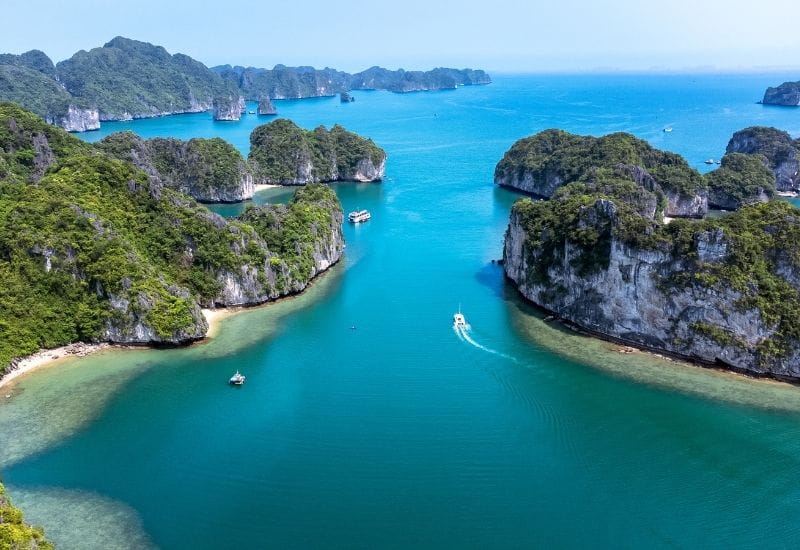
Lan Ha Bay view.
It is perfect for travellers who want the beauty of Ha Long Bay with a softer pace and fewer crowds.
34. Visit Quy Nhon
Quy Nhon is a relaxed coastal city in Central Vietnam with beaches, Cham towers, fishing villages and excellent fresh seafood. It is a strong choice for travellers who want beach time without the crowds of better-known resort areas.
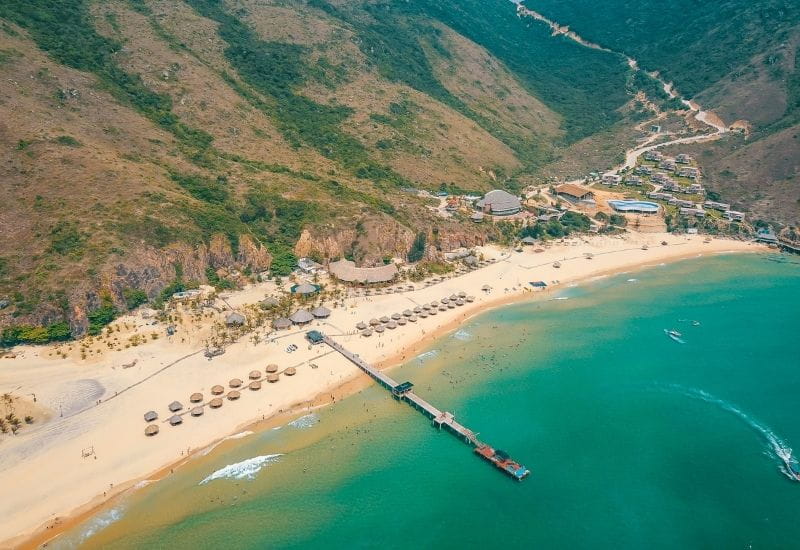
Ky Co Beach in Quy Nhon.
35. Escape to Con Dao
Con Dao is one of Vietnam’s most atmospheric island destinations. It combines beaches, marine life, history and a remote feeling that most travellers do not experience on a first trip.
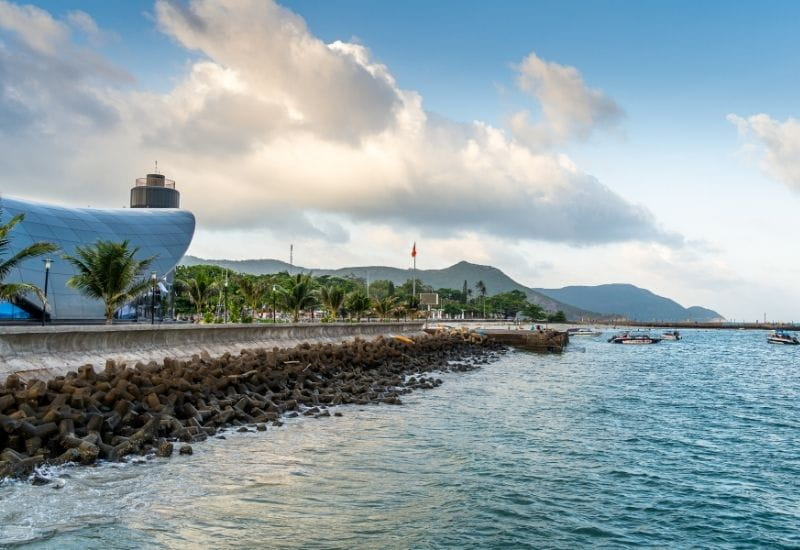
Con Dao Passenger Port.
It works best for those who want something quieter than Phu Quoc and are happy to spend a little more time planning the logistics.
How to Create Your Ideal Vietnam Trip
Creating your ideal Vietnam trip involves thoughtful planning and consideration of your interests, travel style, and budget. This beautiful country offers many experiences. Here are some additional tips to help you craft your perfect itinerary:
- Identify Your Interests: Start by identifying your travel interests. Are you drawn to historical sites, vibrant cities, tranquil landscapes, adventurous activities, or culinary experiences? Your interests will help guide your itinerary, ensuring you visit the places and participate in activities that bring you the most enjoyment.
- Research Destinations: Spend time researching the various destinations within Vietnam. Each region has its unique charm and attractions, from the bustling streets of Hanoi to the serene beauty of Halong Bay and the beaches of Da Nang. Look into what each place offers and align these with your interests.
- Plan Your Itinerary: Based on your research, start planning your itinerary. Consider factors like travel time between destinations, the number of days you wish to spend in each place, and the activities you want to do. A balanced itinerary will allow you to enjoy your trip without feeling rushed.
- Consider the Climate: Vietnam’s climate varies significantly from north to south, with three different climate zones. This variation can affect your travel plans. Research the best time to visit each destination and plan accordingly.
- Try Local Cuisine: One of the highlights of any trip to Vietnam is the food. Make sure to try local specialities in each region you visit.
- Respect Local Customs and Traditions: As you immerse yourself in a different culture, it’s important to respect local customs and traditions. This is especially true when visiting religious sites, rural communities, or attending local festivals.
- Stay Flexible: While having a well-planned itinerary is great, stay flexible. Allow room for spontaneous exploration. You might discover a hidden gem, meet interesting locals, or find an activity you hadn’t considered.
F.A.Qs
What are the must-do things in Vietnam?
The must-do things in Vietnam include cruising Ha Long Bay, exploring Hanoi’s Old Quarter, visiting Hoi An Ancient Town, trekking in Sapa, discovering Hue’s Imperial City, riding the Ha Giang Loop, visiting the Cu Chi Tunnels, cruising the Mekong Delta, trying Vietnamese street food and relaxing on Phu Quoc Island.
Is $1000 enough for 2 weeks in Vietnam?
Yes, $1000 can be enough for 2 weeks in Vietnam if you travel on a modest budget. Stay in simple hotels or guesthouses, eat local food, use buses, trains or Grab, and limit expensive tours. For private guides, premium cruises, domestic flights or boutique hotels, you’ll need a higher budget.
Can I wear red in Vietnam?
Yes, you can wear red in Vietnam. Red is generally seen as a lucky and positive colour, especially during celebrations such as Tet. It is not offensive. For temples, pagodas and rural areas, focus more on modest clothing than colour. Cover shoulders and knees when visiting religious or cultural sites.
Are 3 days enough for Vietnam?
Three days is not enough to see Vietnam properly, but it can work for one city or region. You could spend 3 days in Hanoi with a day trip to Ninh Binh, explore Ho Chi Minh City and the Cu Chi Tunnels, or enjoy Hoi An and Da Nang. For a fuller trip, plan 10 to 14 days.
How to Experience Vietnam Like a Local
The best way to experience Vietnam is to mix famous places with local connections. See Ha Long Bay, Hoi An and Ho Chi Minh City, but also make time for rural Vietnam, local markets, family-run restaurants, village walks, regional food and quieter landscapes.
A Local Designer can help you avoid rushed routing and choose experiences that match your style. That might mean a quieter cruise through Lan Ha Bay, a private boat ride in Ninh Binh, a food-focused evening in Hanoi’s Old Quarter, a heritage-led day in Hue, or a slower Mekong Delta stay with local villages and floating markets.
Vietnam is an incredible country, but the best journey is not always the busiest one. With thoughtful planning, you can experience authentic Vietnamese culture, amazing food, breathtaking landscapes and the moments most travellers miss.
Design Your Extraordinary Vietnam Journey
Vietnam is easy to dream about, but harder to plan well. The country is long, the seasons shift by region, and the best route depends on your pace. A thoughtful Vietnam itinerary can help you connect the famous highlights with quieter local moments, whether that means a food-led evening in Hanoi, a slower cruise through Lan Ha Bay, a heritage day in Hue or extra time in Phong Nha.
Designer Journeys can connect you with a Vietnam Local Designer to shape the trip around your interests, dates and travel style. Xin chào, and happy travelling!