Post Contents
- What Do the People of China Eat? Chinese Food Basics and Traditional Chinese Food Culture
- Popular Chinese Regional Cuisine Map: Sichuan, Guangdong (Cantonese) and Anhui
- Noodle and Dumpling Favourites in China: Xiaolongbao, Wonton and Jiaozi
- Beijing Highlights: Peking Duck, Wangfujing and How to Eat in China with Confidence
- Shanghai Guide to Chinese Cuisine: Xiaolongbao, Markets and Modern Dining
- Sichuan & Chongqing Flavours: Hotpot, Chilli Oil, Tofu, Bamboo Shoots and Pickled Mustard – Popular Dishes in China
- Xi’an Muslim Quarter: Chinese Street Food Tours, Lamb Skewers and Jianbing for Food in China
- China Cooking Class in Chengdu and Shanghai: Ingredients Used, Soy and Bamboo for Authentic Chinese Food
- China Food Festivals: Mid-Autumn Festival, Mooncakes and Chinese New Year – Popular Foods in China
- F.A.Qs: Chinese food and food in China
- After China: What Stays with You at the Table and the Food Memories That Last
What Do the People of China Eat? Chinese Food Basics and Traditional Chinese Food Culture
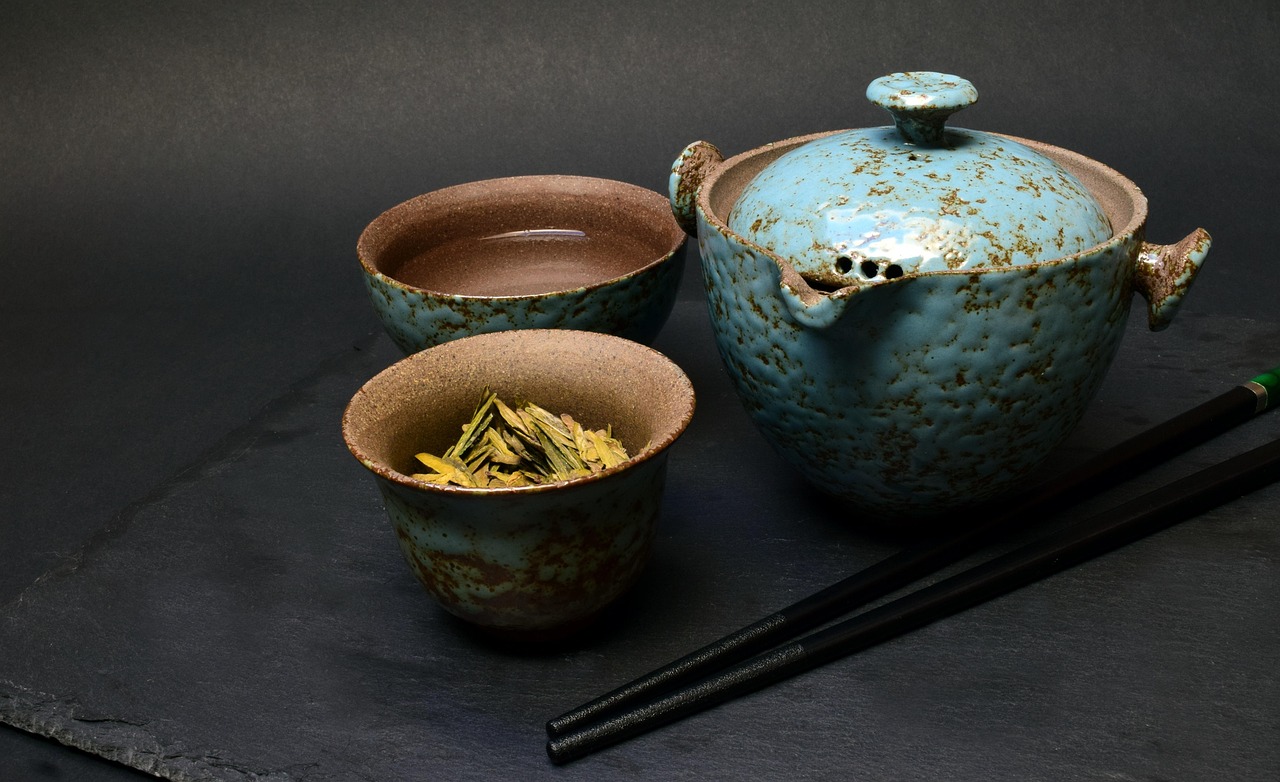
Chinese food basics at a shared tea table: how meals are served, shared, and enjoyed
If you’ve ever asked what the people of China eat, start with the table itself. In homes and restaurants, dishes arrive together, and everyone shares—an everyday rhythm that is a fundamental part of Chinese culture and a revealing window into local food culture. For travellers, it’s reassuring: you’re not expected to know everything, only to join in with warmth and respect.
When staff place serving chopsticks or a shared spoon, it’s not for form’s sake. It’s care—especially in places that welcome families, first-timers, and anyone who’s cautious about food in China. In many households, people cook one simple vegetable dish, one protein, and a shared staple, so the table feels balanced without being complicated.
Chinese breakfast favourites and a classic breakfast dish
A typical Chinese morning is brisk, comforting, and full of choice. Start with soy milk and youtiao (golden fried dough), or congee—warm rice porridge that can be savoury with a small pickle, egg, or shredded meat. If you want a portable breakfast dish that feels made for market wandering, try jianbing: a thin crepe folded with egg, herbs, crisp crackers, and sauces.
In cities and smaller towns alike, these breakfasts help you understand daily routines when living in China—quickly, seasonally, and with pleasure. You may also see baozi (steamed buns) for a soft, filling start before museums or hikes.
Traditional Chinese flavours: steam, broth and seasonal warmth
Across Chinese cuisine, techniques are often simple and precise: steam to keep flavours clean, braise for depth, and quick fry for a fragrant finish. Many dishes also echo traditional chinese medicine ideas—warming soups in winter, cooling ingredients in summer, and small adjustments based on the season. This balance is central to traditional chinese home cooking, where comfort matters as much as flavour.
For a first day, keep it easy and delicious. Consider these small confidence builders:
- To request gentler heat, ask for “bu yao tai la” (not too spicy) and smile—kindness travels well.
- Choose busy local places with steady turnover; freshness is usually the real luxury.
- If you eat rice, try it as a calm counterpoint to richer dishes.
- Skip expectations like fortune cookies—these are far more common outside China than within it.
The goal isn’t to “get it right” immediately. It’s to discover your own rhythm, one shared bowl at a time—ordering like Chinese locals do: one staple, a couple of shared plates, and plenty of tea.


Popular Chinese Regional Cuisine Map: Sichuan, Guangdong (Cantonese) and Anhui
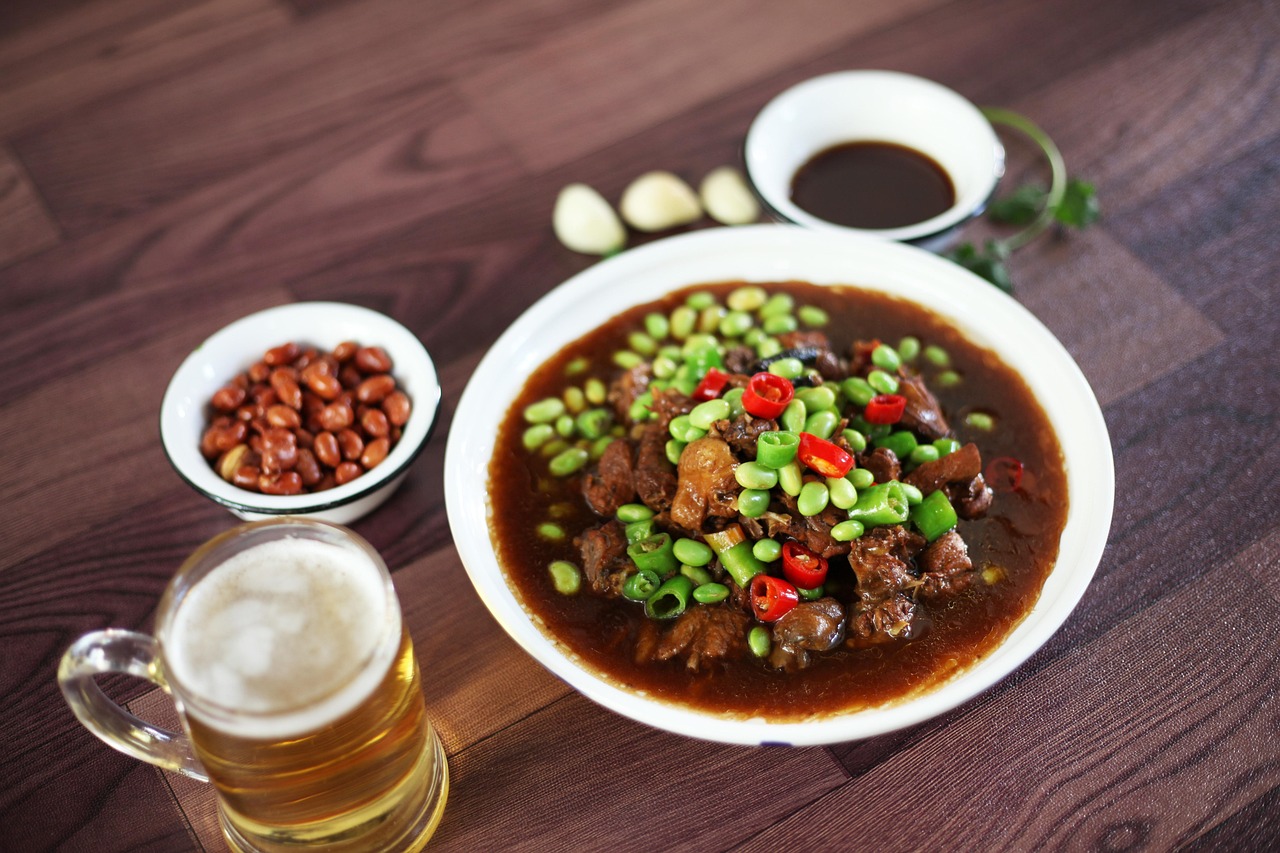
A taste map of China: how regional cuisines shift from province to province
This popular Chinese “taste map” is the simplest way to understand why flavours shift so dramatically from one province to the next. China’s long history of trade, migration, and local ingenuity created clear regional differences—each shaped by climate, farmland, coastline, and heritage. For high-end travellers, this approach helps you plan meals that feel intentional rather than accidental.
In the north, Shandong leans into wheat and bright savoury notes; it’s hearty without being heavy. Jiangsu is known for elegance and balance—think polished presentation and gentle sweetness, with classics like Yangzhou fried rice quietly anchoring many menus. Zhejiang often feels light and fresh, while Fujian brings coastal flavours and delicate soups that suit those who prefer restraint.
In Guangdong, the refinement is unmistakable: pristine ingredients, careful timing, and a confident hand with subtle seasoning. This is where Cantonese sensibility shines, especially in dim sum culture—an art of small bites designed to be shared together.
Sichuan cuisine and kung pao chicken as an easy first order
For those eager to explore boldness, Sichuan cuisine delivers: chilli, peppercorn, and that signature numbing sparkle that feels almost electric. If you want an approachable gateway, kung pao chicken is one of the most popular choices for visitors—often crafted with a gentle sweetness, a touch of heat, and the comforting richness of peanuts.
Even here, you can keep control. Ask for “wei la” (mild spicy) and let your palate build confidence gradually, especially if you’re travelling as a couple and want the evening to stay seamless.
Anhui mountain cooking for quieter, soulful meals
For adventure seekers who love the road less travelled, Anhui cuisine offers rustic mountain comfort: slow-cooked meats, forest mushrooms, and clean, honest seasoning. It’s the sort of meal that feels personal—less performance, more warmth—perfect after a day outdoors when you want to uncover a slower side of food in China.
Noodle and Dumpling Favourites in China: Xiaolongbao, Wonton and Jiaozi
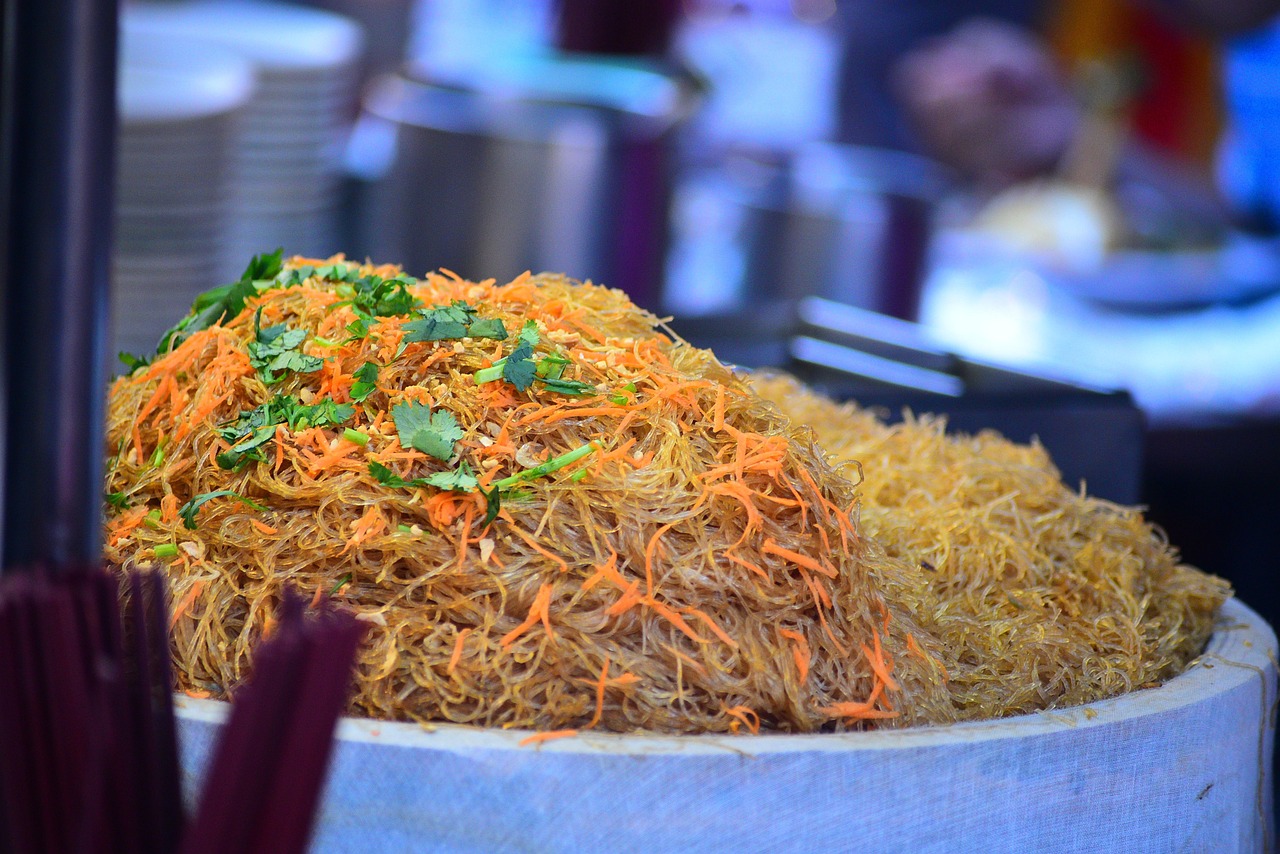
Comfort favourites: dough, wrappers, soups and quick, satisfying bites
These comfort classics are where many travellers fall in love—because warmth is universal. Walk into a small shop and you’ll see the quiet choreography: soup pots gently bubbling, wheat strands lifted and portioned, toppings added with speed and care. Once you understand the rhythm at the counter, ordering becomes surprisingly easy.
Noodle counters: how to order a noodle dish with confidence
At a good counter, a noodle dish is usually built in three parts: the base, the soup, and the topping. You might choose a hand-pulled noodle style, a springier wheat option, or a rice-based version, depending on the region. Often you’ll be asked if you want it dry-mixed or served with soup; if you’re new, start with a clear broth so flavours feel familiar and easy.
Chow mein is a familiar gateway for many travellers, but in China it can look different from what you expect—lighter, less sauced, and closer to a quick, aromatic toss than a heavy coating.
Chinese dumplings, wonton and xiaolongbao etiquette
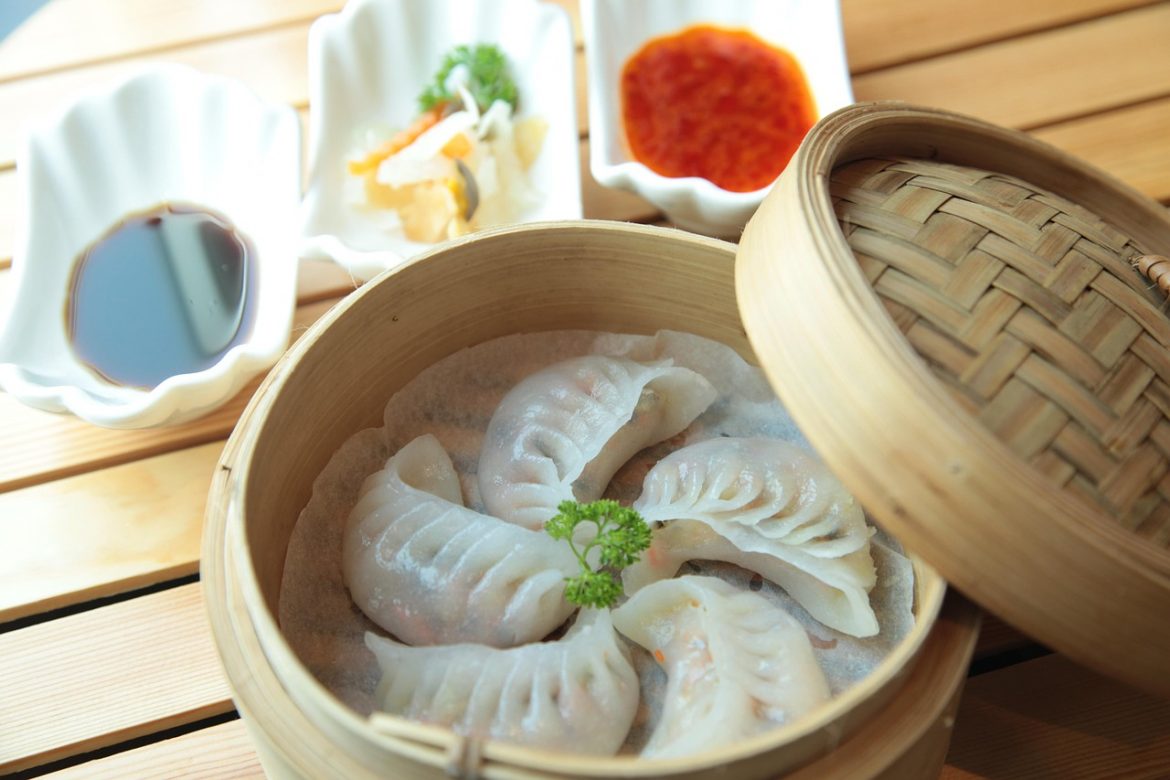
Jiaozi are the classic Chinese dumplings you’ll see at family meals and festivals, often with a delicate wrapper made from wheat flour. They may be boiled, pan-fried, or steamed, and they appear especially around Chinese New Year as a symbol of prosperity and togetherness.
In Shanghai, xiaolongbao soup dumplings arrive like small parcels of fragrance. The safe, graceful way to eat them is simple: lift into a spoon first, nibble a tiny opening, sip the hot soup, then enjoy the rest. A bowl of soothing wonton soup is equally reassuring—soft, silky, and quietly restorative after a long travel day.
- If you’re unsure, point to what others are eating and ask for “yi yang” (the same).
- Order one soup bowl and one dumpling plate for the table—easy to share, easy to love.
- On birthdays and celebrations, people love a “long-life” bowl; love noodles isn’t a slogan, it’s a feeling.
These are common Chinese comforts, and they travel beautifully across provinces—one bowl, many memories.
Beijing Highlights: Peking Duck, Wangfujing and How to Eat in China with Confidence
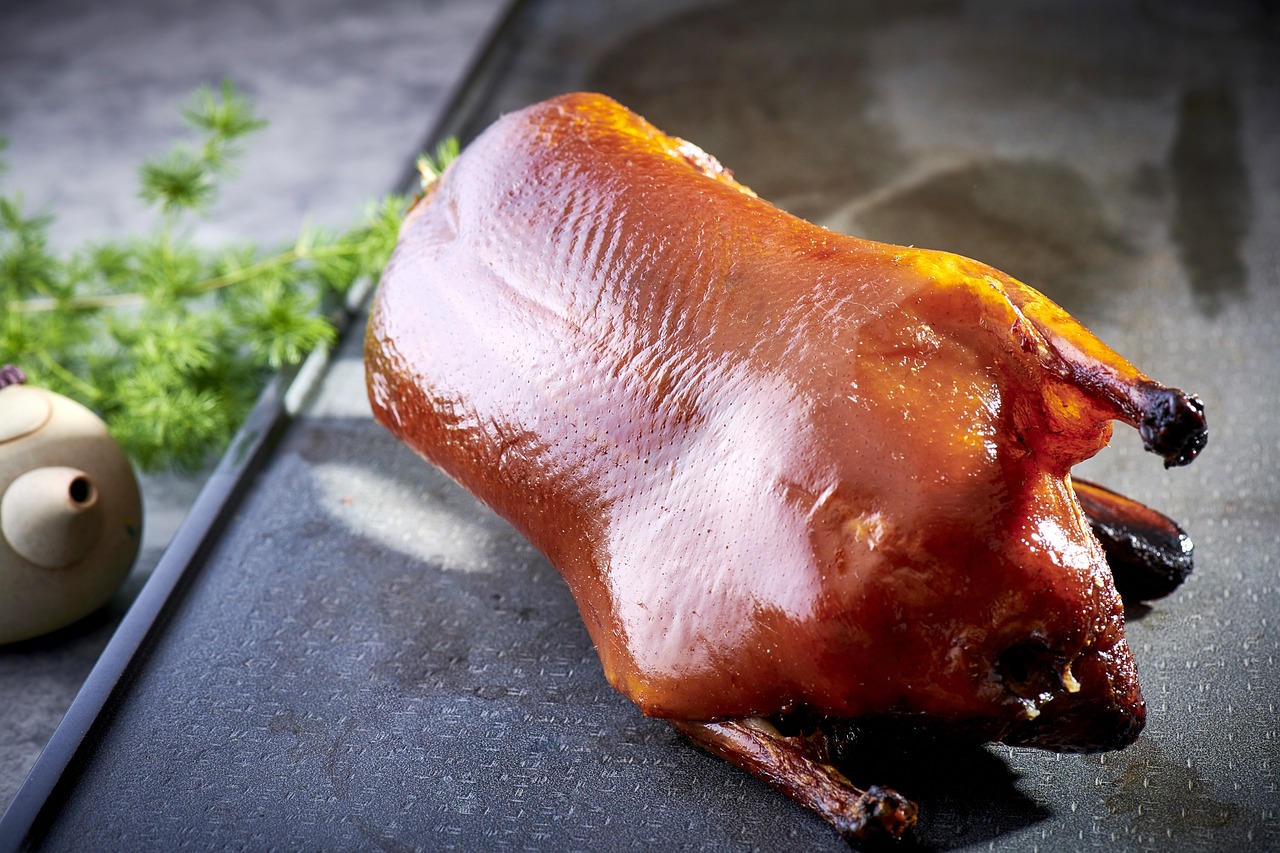
Beijing icons: tableside duck, shared pancakes, and evening snack streets
This northern capital captures a certain confidence—wheat, warmth, and a sense of ceremony. In Beijing, the most iconic meal is Peking duck, and in the best houses it’s carved tableside with an almost theatrical calm. As a traditional dish, it’s all about balance: the skin should be truly crispy, the slices neat, the pancakes soft, and the condiments measured.
There’s history here too: the dish’s prestige grew through imperial kitchens and the Qing dynasty, then evolved into the crafted ritual you’ll experience today. It’s refined dining without stiffness—especially when you’re guided by staff who know how to pace the meal for travellers.
Wangfujing and the gentle art of browsing Chinese street food
Wangfujing’s snack streets (and nearby lanes) are a vivid way to sample Chinese street food in small bites. Arrive early to avoid queues and to enjoy fresher batches; the atmosphere is calmer, and you can browse with confidence rather than rush.
Think of it like a tasting walk. Choose one item, share it, then move on—this keeps the experience seamless for couples and families, and it lets you explore without over-ordering.
Northern comfort and small etiquette that builds trust
Northern flavours often feature thick wheat breads, a warming noodle bowl, and simple soups. You may hear people debate whether to “drink cold” water—habits vary by season and household, so simply follow what feels comfortable.
- Toast with tea if you don’t drink alcohol; it’s accepted with quiet confidence.
- Accept refills with both hands as a sign of respect and care.
- A simple “xie xie” (thank you) goes a long way.
In Beijing, etiquette isn’t about perfection. It’s about signalling openness—and letting the city look after you.
Shanghai Guide to Chinese Cuisine: Xiaolongbao, Markets and Modern Dining
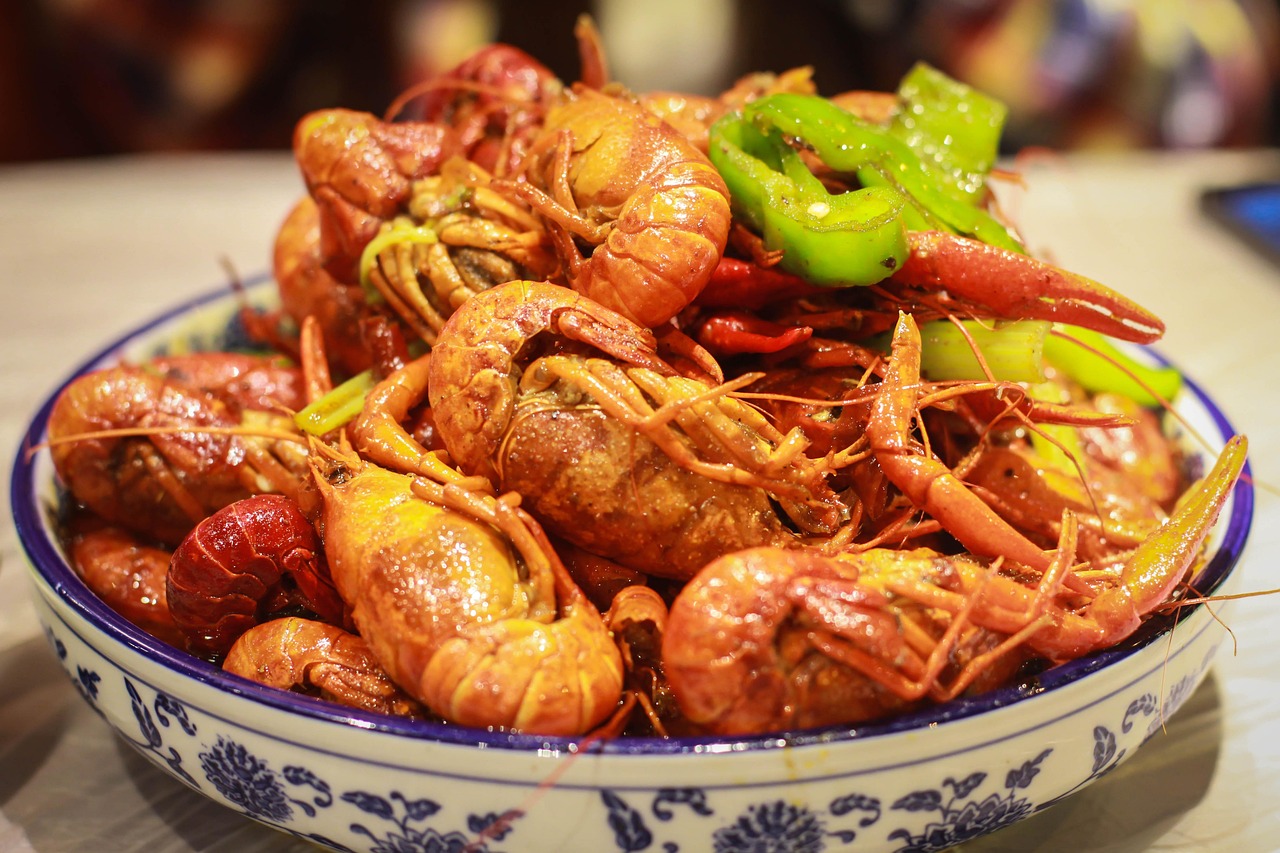
Shanghai style: polished dining rooms, market lanes, and seasonal cooking
This city is where old and new sit side by side with natural ease. In Shanghai, you can begin the day in a market lane, pause for a simple midday bowl, and finish in a polished dining room where technique feels like design. For high-end travellers, this is the pleasure: everything can be curated without losing its local soul.
The city rewards those who move at an unhurried pace. Imagine choosing your meals like chapters—each one crafted, each one giving a different insight into modern chinese dishes and the traditions beneath them.
Xiaolongbao and soy sauce balance at the table
Revisiting xiaolongbao in its hometown context is worth it, even if you tried it elsewhere. Here, the skin is fine, the soup is fragrant, and the filling is clean. If the table offers a dipping dish, use soy sauce lightly; the goal is to lift the dumpling, not drown it.
Pair it with a small noodle bowl to make the meal feel balanced and comfortable for families.
Seasonal ingredients, steam and a romantic Bund finish
Shanghai’s cooking often favours subtle techniques: gentle steam, quick blanching, and restrained spice. It’s particularly suited to couples and multi-generational travel, where everyone can enjoy the same table without compromise.
- Design a seamless evening: dinner first, then a Bund sunset walk to keep the mood romantic and unhurried.
- If you’re travelling with children, look for restaurants with a calmer dining room—service tends to be especially attentive.
Shanghai doesn’t ask you to choose between tradition and modernity. It invites you to explore both elegantly.
Sichuan & Chongqing Flavours: Hotpot, Chilli Oil, Tofu, Bamboo Shoots and Pickled Mustard – Popular Dishes in China
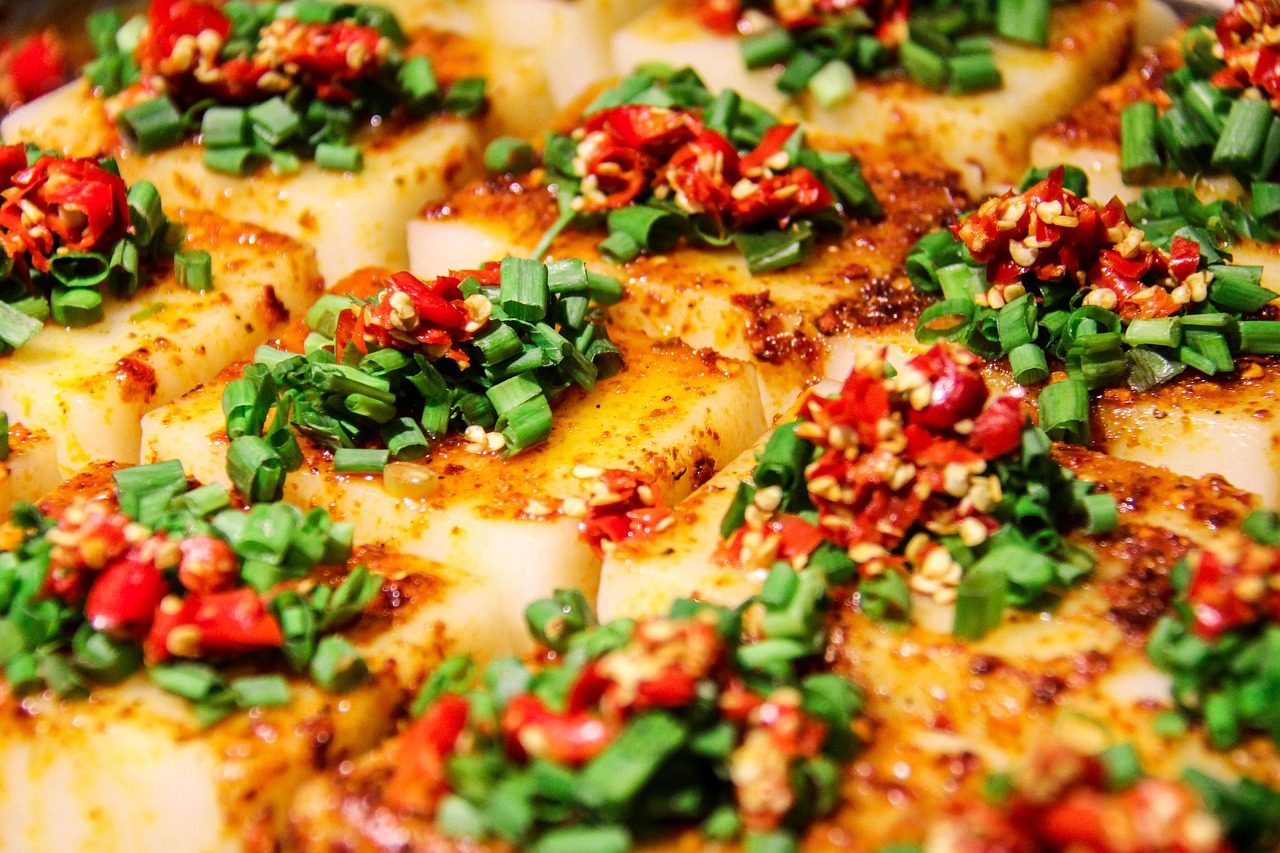
Spice, tang and shared tables in Sichuan and Chongqing
This is where your senses wake up—colour, aroma, laughter, and the steady bubble of a shared pot. In Sichuan and Chongqing, this style of dining is less a meal than a social ritual, and it’s often where visitors feel the quickest connection with locals. The friendly banter across the table offers reassurance: you’re welcome here.
A solo traveller once described it to us as “sensory overload, but the kind that makes you brave”. Between bites, strangers offered tips—what to dip next, how to cool the heat, and where to find the best late-night bowl afterwards. That spontaneous invitation wasn’t unusual; it was local warmth, shared freely.
Tofu, bamboo shoots and fermented flavours
Look closely, and you’ll see a variety of textures, not just spice. Different tofu types appear—silken cubes for softness, firmer pieces for bite, and tofu skin that drinks in flavour. You might also find bamboo shoots for crispness, plus minced meat tucked into dumplings or stuffed items that turn the meal hearty.
Ferment traditions matter here: a bright pickle note can cut through richness, and pickled mustard adds a distinctive tang that’s both sharp and comforting. Swirls of chilli oil bring depth; if you’re spice-sensitive, ask for a split pot with one mild soup and one spicier side.
Street stalls, pacing heat and staying comfortable
After dinner, the city’s street stalls keep the energy going—skewers, crisp snacks, and quick plates that feel made for wandering. This is where you can adventure without discomfort: eat slowly, sip water, and take breaks. You’ll still taste the spirit of Sichuan, but with the confidence that you’re caring for your body.
If you try a stir-fried snack, keep it small and share it. The joy is in exploring together, not proving anything.
Xi’an Muslim Quarter: Chinese Street Food Tours, Lamb Skewers and Jianbing for Food in China
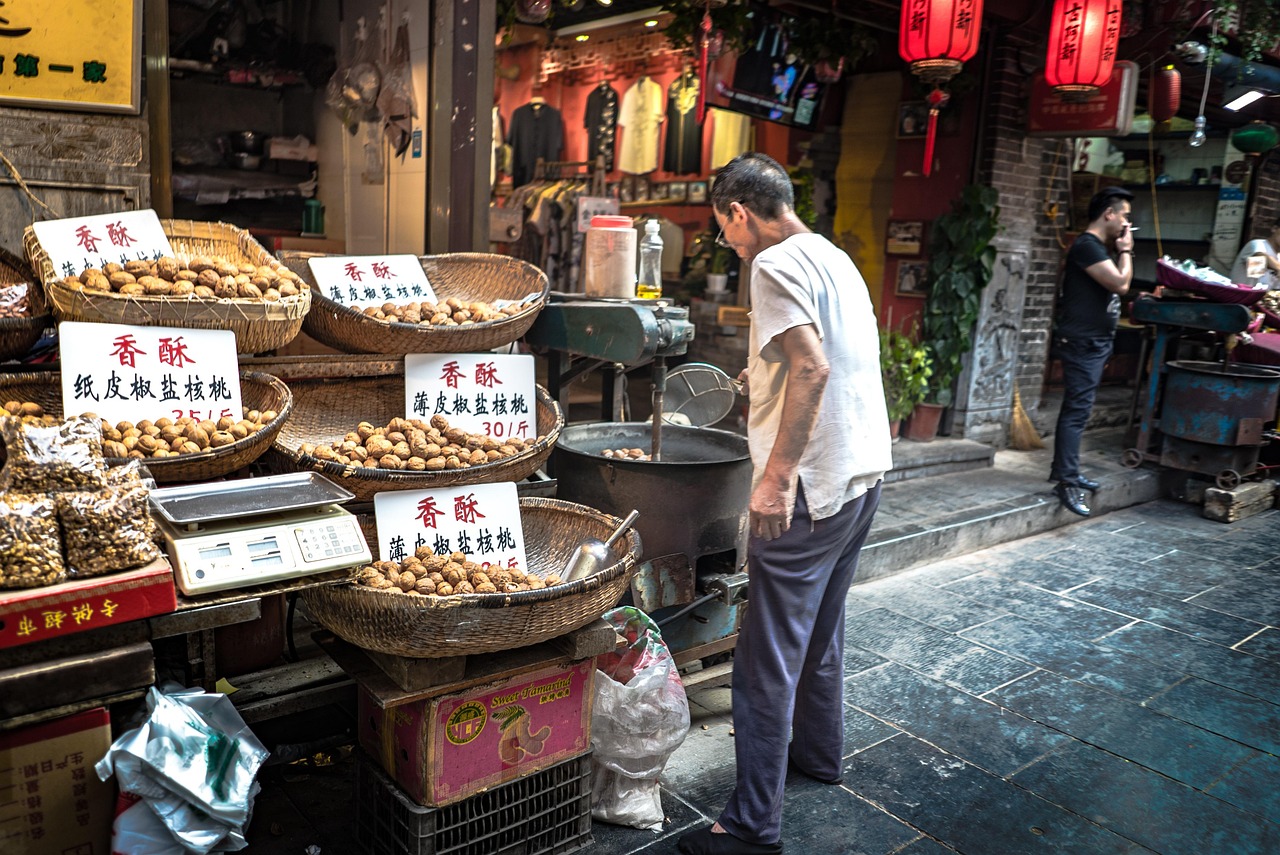
Xi’an night markets: cumin, sesame, grills, and a lively mix of flavours
Xi’an’s Muslim Quarter offers one of the most exciting ways to understand everyday eating—fast, festive, and deeply local. In the bustling lanes, you’ll find cumin-scented lamb skewers, sesame-topped flatbreads, and sweet treats alongside savoury grills. It’s a vivid meeting of cultures, best explored with respect and a curious, gentle presence.
For families, this is a brilliant “little bites” destination: everyone can try a taste, then choose their favourite for a second round. For couples, it’s playful—sharing a warm bread, pausing for tea, and letting the evening unfold in food at its most lively in China.
Family tactics for street food confidence and care
The best approach is simple: share, sip water, and choose stalls with clear pricing and fresh grilling. Carry cash, as many vendors won’t take cards, but stay mindful with valuables—use a zipped bag and keep your hands free for eating.
- Pick one queue and commit; long lines often signal trust and turnover.
- Choose the freshest grill: visible heat, active cooking, and food served straight to you.
- Avoid anything that looks re-used or sits too long—quietly move on without worry.
Why guided Chinese food tours add ease
For first-time visitors, curated Chinese food tours are a kind, practical upgrade. You gain expert context, smoother ordering, and a layer of support that keeps the experience relaxed—especially if you’re navigating allergies, travelling with children, or simply want authentic stories behind each dish. The right guide also helps you uncover what’s regional, what’s seasonal, and what’s truly worth your appetite.
China Cooking Class in Chengdu and Shanghai: Ingredients Used, Soy and Bamboo for Authentic Chinese Food
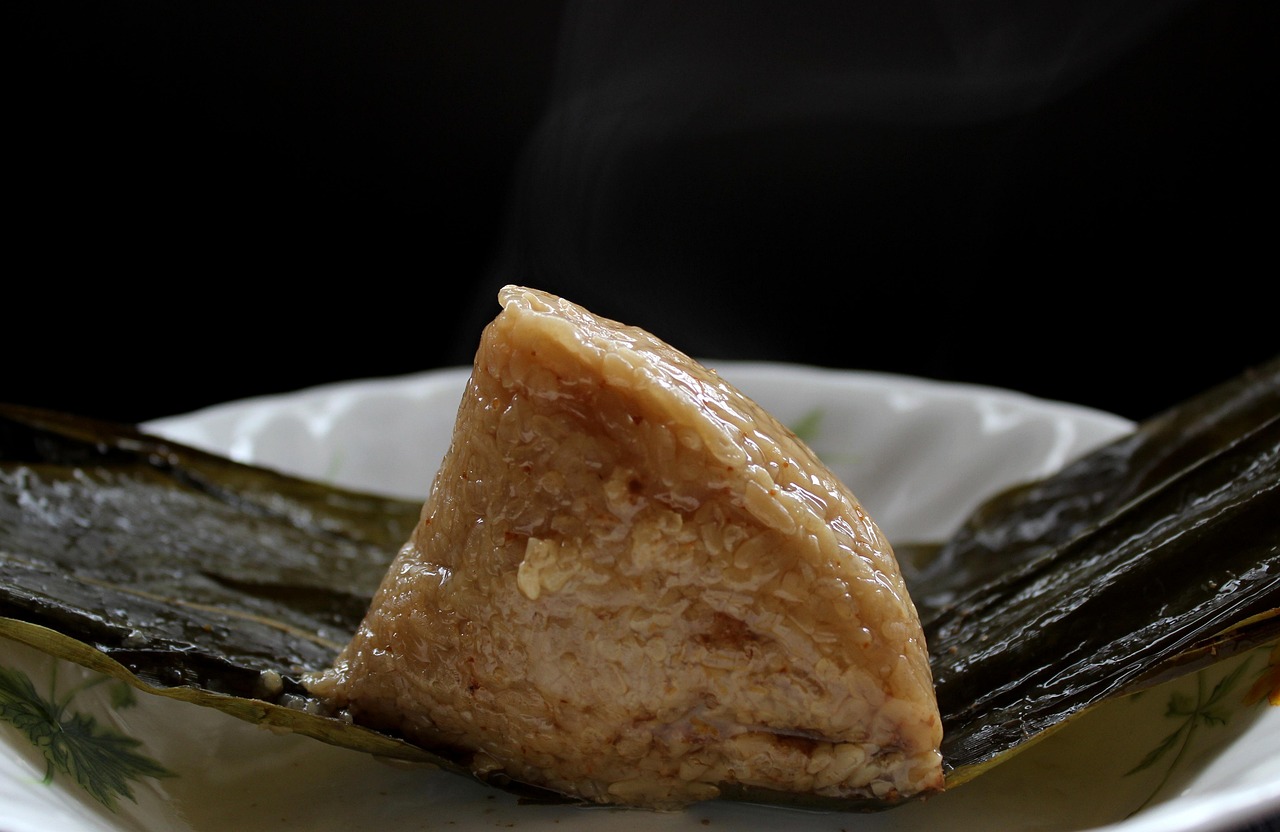
Cooking classes: market mornings, hands-on technique, and recipes to take home
A cooking class is one of the most rewarding ways to turn a journey into something you can recreate at home. In Chengdu and Shanghai, immersive classes often begin with a market walk, then move into hands-on cooking where you learn knife skills, flavour balance, and the small timing choices that make authentic Chinese food feel effortless.
This is also where travellers often feel most looked after. A good teacher notices your pace, adjusts spice, and offers calm reassurance—so you leave not just inspired, but capable.
Market mornings and everyday ingredient shopping
Markets offer a variety of ingredients that shape daily meals: seasonal greens, mushrooms, fresh tofu, and bamboo stems, depending on the region. Chefs look for brightness, clean scent, and lively texture—simple markers of quality you can trust.
You’ll also spot small details you can bring home: a basket of mung bean jelly for cooling bites, bunches of coriander, and piles of white radish for soups and quick pickled sides. If you’re curious about sauces, you’ll learn how soy is used with restraint—supporting flavour rather than dominating it.
Technique focus with steam, poach and soybean nuance
In class, technique becomes a kind of choreography: when to steam fish for tenderness, when to poach dumplings so the skins stay intact, and how to time a wok so aromatics bloom without bitterness. You’ll also explore soybean products beyond tofu—like tofu skin and fermented pastes—so you understand the broader soybean world that underpins sauces and soups.
- Learn one signature recipe you can cook together at home—your most personal souvenir.
- Ask for a “mild family version” if you want flavours that suit everyone.
- Take notes on ratios, not just ingredients; confidence comes from method.
The result is more than a meal. It’s a crafted memory you can create again, whenever you want to return in spirit.
China Food Festivals: Mid-Autumn Festival, Mooncakes and Chinese New Year – Popular Foods in China
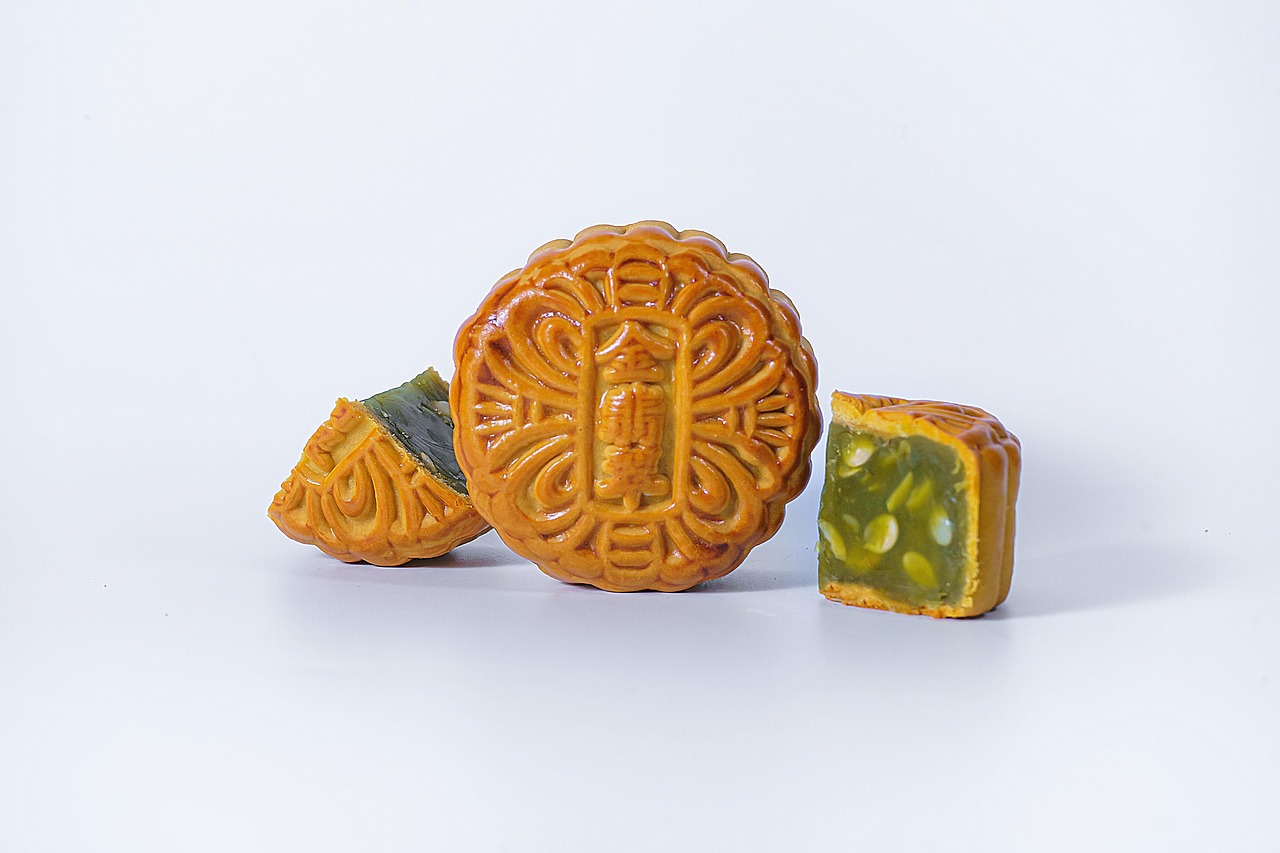
Festivals and seasonal tables: mooncakes, tea rituals, and winter comfort food
Festivals reveal how cuisine becomes ceremony. When you travel around celebrations, you don’t just taste—you witness how Chinese people express care through small acts of giving. These are the moments that feel most intimate, because they show hospitality without making a performance of it.
Mid-Autumn Festival, mooncakes and tea
Mid-Autumn is often gentle and luminous: mooncakes shared with family, tea poured slowly, and stories told while the evening cools. In a hotel lounge or a local home, the ritual can feel surprisingly personal—an invitation to slow down and simply receive hospitality with gratitude.
Chinese New Year symbolism and Harbin warmth
During Chinese New Year, symbolism is everywhere: jiaozi shaped like old silver ingots, fish served for abundance, and sweet bites made with glutinous rice for stickiness and togetherness. It’s one of the most popular traditions to eat foods that “sound like” good fortune, turning dinner into a shared wish for the year ahead.
In Harbin’s Ice and Snow Festival, the mood is different—brisk air, glowing sculptures, and the cosy relief of hot soups. A warming broth, a comforting noodle bowl, and simple comfort dishes make cold nights feel safe and unexpectedly romantic.
- For outdoor dining and vibrant markets, late spring and autumn are often the best traditional seasons to visit.
- For ceremony and atmosphere, plan around festivals—just expect fuller hotels and book thoughtfully.
Either way, the table becomes a form of insight: not just what you eat, but how you are welcomed.
F.A.Qs: Chinese food and food in China
What do Chinese people eat most often?
Across China, Chinese people commonly eat a mix of rice, wheat-based staples, vegetables, tofu, eggs, and modest portions of meat or fish, depending on region and season. Many meals are shared family-style, with several dishes in the middle and a light soup or broth on the side. What “most often” means changes by province: wheat and dumplings are common in the north, while rice and lighter cooking are more typical in southern China.
Is Chinese food good for Crohn’s?
Chinese food can be suitable for Crohn’s if you choose gentle options and avoid personal triggers. Look for steamed dishes, clear soups, plain rice, and simple vegetables with minimal chilli oil. Ask for mild seasoning, and avoid very oily snacks, heavy spices, and strongly fermented items if they irritate you. It’s best to consult your clinician and travel with a plan for safe, familiar meals.
What is the #1 cause of death in China?
The leading cause of death in China is typically reported as cardiovascular disease, including stroke and heart disease. This is influenced by a range of factors such as ageing demographics, lifestyle, air quality, and access to healthcare, rather than diet alone. If you’re travelling, focus on practical wellbeing: hydrate, rest, and balance richer meals with vegetables and lighter dishes so you feel your best while exploring.
What is China’s most eaten food?
Rice is widely considered China’s most eaten staple, particularly in the south and in many everyday home meals. In northern regions, wheat-based foods—dumplings, breads, and a comforting noodle bowl—are just as central. The most common pattern is a staple alongside shared dishes of vegetables, tofu, and meat or fish. It’s this flexible, communal style that defines daily eating more than a single item.
After China: What Stays with You at the Table and the Food Memories That Last
What stays with you is rarely a checklist of many dishes. It’s the feeling of being quietly looked after—the extra bowl placed near you, the tea refilled before you ask, the server noticing you’re hesitating and offering a gentle suggestion. Somewhere between the first sip and the last shared plate, you begin to understand that care can be a language all its own.
A couple once told us their most magical dinner wasn’t in a famous city restaurant, but aboard a Yangtze River cruise. Candlelight flickered against the window as freshly caught fish arrived, cooked in local sauces, and the water moved like dark silk outside. They didn’t remember every flavour precisely; they remembered the hush of the river, the steam rising, and the calm certainty that the evening had been designed for togetherness.
For a family in Guangzhou, the memory was lighter—hours wandering through teahouses, bonding over endless courses of dim sum, learning tea-pouring rituals from their host. The children practised offering cups with both hands, the parents relaxed into the rhythm, and the table became a small home. It was less about the “right” way to eat, and more about being met with patience and trust.
And for those travelling alone, the lasting comfort may be the simplest of scenes: a late-night soup bowl after a long walk, the warmth in your hands, the quiet nod from a stranger who notices you’re far from home. You don’t just discover flavours—you uncover what it means to belong for a moment, even briefly, in another place.
When the flight is over, and the suitcase is unpacked, it’s these small gestures that remain: a shared dish, a softened pace, a sense that curiosity can be gentle. If you find yourself imagining China again, let it be not to chase more, but to return to the table, where there is always space for one more story.
If you like Chinese food, you’ll love planning meals by region—browse our Trip gallery and begin imagining a journey designed around the table.