Post Contents
- What to Do in Pisa, Italy – Things to Do in Pisa Travel Guide for a Crafted Day in Tuscany
- Leaning Tower of Pisa at Sunrise – The Iconic Climb, Tickets, and Pisa Travel Tips
- Piazza dei Miracoli (Square of Miracles) – Cathedral, Baptistery, and a Masterpieces Tour of Pisa
- Visit Pisa Beyond the Leaning Tower – Along the Arno River, Santa Maria della Spina, and Best Places
- Stay in Pisa – Best Places to Stay, Tuscan Dining, and Evening Plans with Care
- Get to Pisa – Seamless Transport for a Day Trip from Florence and Pisa on a Day Trip
- What Pisa Leaves With You After Italy – A Tuscan Afterglow
- F.A.Qs: What to do in Pisa Italy for a day trip
What to Do in Pisa, Italy – Things to Do in Pisa Travel Guide for a Crafted Day in Tuscany
Things to Do in Pisa Travel Guide for a Crafted Day in Tuscany
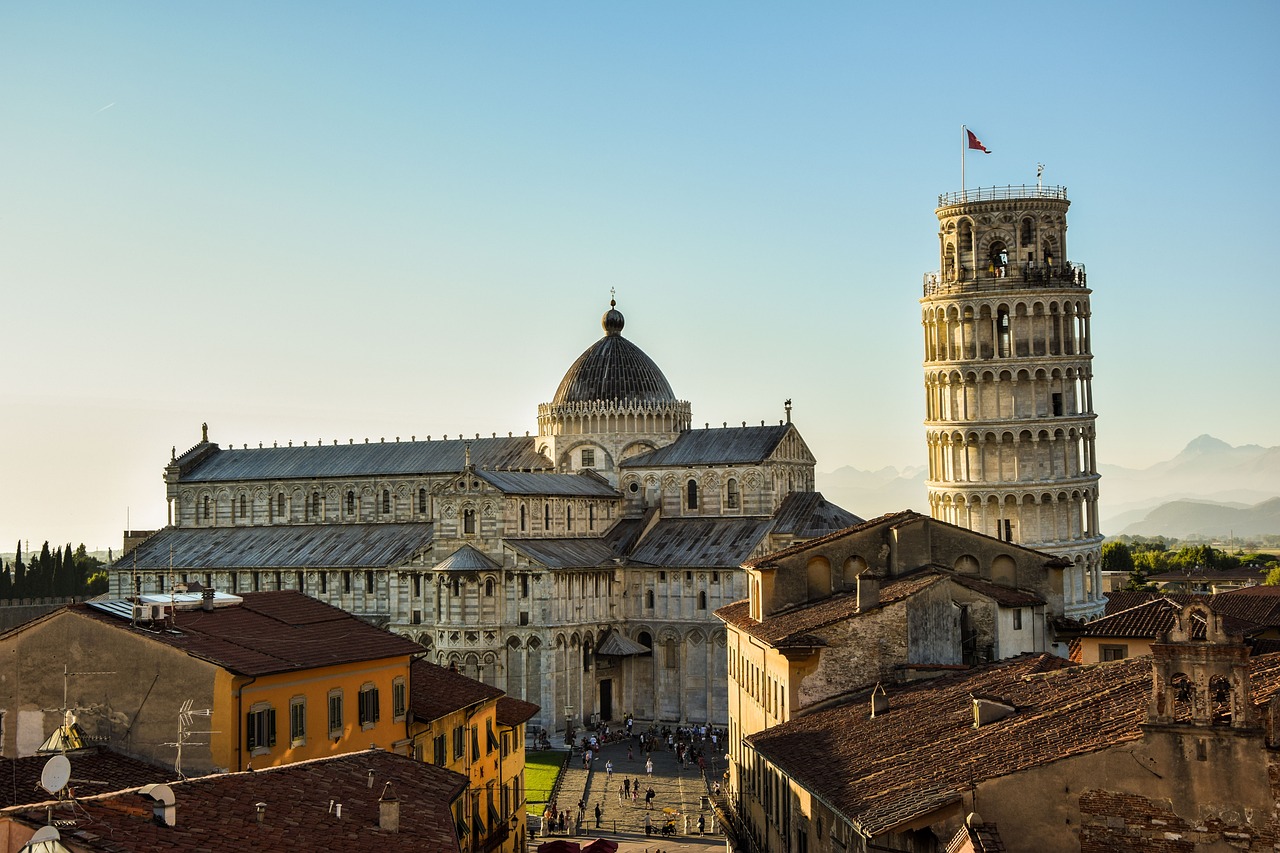
This chapter frames what to do in Pisa Italy as a polished sequence rather than a rush of checklists. Think of it as the things to do in Pisa that deliver the best things in a compact, elegant setting—experienced with space to breathe. The city of Pisa is wonderfully walkable, which makes it ideal for an easy excursion, yet it also rewards a slower stay in Pisa when you want to explore with care and unhurried style. Pisa is a relatively small, graceful place where marble, light, and café culture meet—perfect for travellers who value comfort, beauty, and thoughtful pacing.
If you’re stopping in Pisa between Florence and the coast, it helps to design the day around the morning’s main attraction, then let the afternoon soften into local life. The goal is a seamless visit Pisa plan: smart timings, pre-booked access, and small moments that feel quietly exceptional. For inspiration beyond this travel guide to Pisa, you can also browse our Trip gallery and picture how Pisa fits into a wider Tuscany story—with Florence as a base and the coast as a natural next step.
Best time to visit Pisa: best time for softer light, shorter lines, and calm squares
The best time to visit Pisa is April to June or September to October, when Tuscany feels warm but not overwhelming and the light is particularly flattering on the white stone of the monuments. This is also the best time to move between sights in Pisa without feeling compressed by peak-season queues. If you’re in Pisa in the summer, plan earlier starts and longer breaks indoors so the experience stays comfortable and refined.
In these shoulder months, a trip to Pisa can hold a gentle rhythm: morning marvels, a calm lunch, an afternoon walk, then an evening glass of Tuscan wine as the city settles. It’s also the best season for photographs that look editorial rather than crowded, especially around the marble complex at golden hour.
A seamless plan for spending a day in Pisa with confidence and style
For a high-end day of sightseeing, pre-book the Leaning Tower of Pisa and reserve your Duomo entry so the day feels crafted rather than improvised. Consider an expert private guide (or an exclusive small-group experience) for deeper insight into the history of Pisa, the symbolism, and the artistry you might otherwise walk straight past. Pisa is a popular stop on Tuscany itineraries, but the way you time it determines whether it feels hurried or quietly extraordinary.
A practical rhythm for spending a day looks like this: early Piazza dei Miracoli, then the streets in Pisa around Borgo Stretto for lunch and gelato, late afternoon by the Arno, and dinner with a view. You’ll cover the key attractions in Pisa while still leaving room for local texture and a slower pace.
- Etiquette: greet with a warm “Buongiorno” and dress modestly inside religious sites.
- Comfort: wear secure shoes for stone pavements and the tower’s spiral steps.
- Ease: keep bags light—timed entry can include restrictions and security checks.
With that foundation in place, you can relax into the experience—explore, notice details, and enjoy a day in Pisa with genuine confidence.




Leaning Tower of Pisa at Sunrise – The Iconic Climb, Tickets, and Pisa Travel Tips
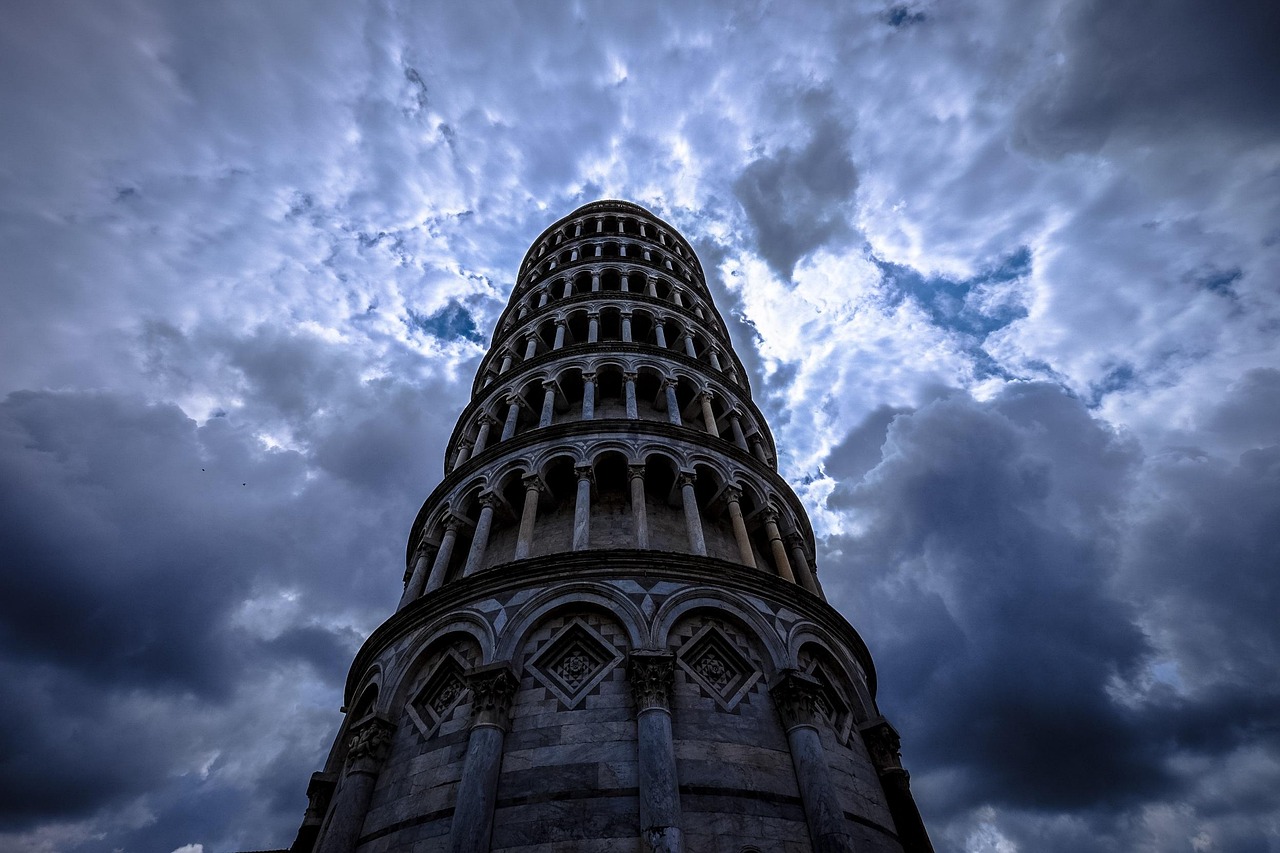
Leaning Tower of Pisa at Sunrise The Iconic Climb for Pisa Travel
For many travellers, the Leaning Tower of Pisa is the reason they visit Pisa—and sunrise is when the experience feels most intimate. Arrive early to see the leaning tower in calm, honeyed light, before the lawn fills with voices and camera shutters. The famous leaning tower and its bell tower silhouette become less of a postcard and more of a real place: cool marble under your fingertips, soft shadows, and a sense of being gently held by history.
This is also when the iconic leaning tower looks most elegant in photographs, and when you can create a slower, more personal moment even on a single-day visit. If you’re combining Florence and the coast, an early start here makes it easy to be back in Florence with your afternoon still open—and it’s a lovely contrast to the museums and crowds you may have in Florence.
Pre-booking and how to climb the leaning tower safely
Timed entry is essential. Pre-book online, choose the earliest slot you can manage, and arrive with a few minutes to spare for security. To climb the leaning tower, you’ll navigate a narrow spiral staircase that tilts subtly beneath you—part of the thrill, but also a reason to take your time. Wear stable footwear and keep valuables close; some bags may not be permitted, or may need to be checked depending on the latest rules.
Move at an unhurried pace, pause when the staircase widens, and allow others to pass comfortably. This is an attraction that rewards composure: breathe, look closely, and let the architecture reveal itself.
Elegant photo ideas beyond holding up the leaning tower
A high-end traveller once shared that they visited the leaning tower at sunrise and found a serene moment before the crowds arrived. They described noticing the intricate marble work up close—fine surface textures and small tonal shifts that disappear at midday. That quiet detail is part of what makes the city feel so special when you approach it with care.
Yes, you can take the classic “holding up the leaning tower” shot, but consider quieter alternatives: a close portrait with the tower softly out of focus, a side angle that shows the curve against the sky, or a wider frame that includes the lawn for a sense of space. Stand slightly off the busiest axis to avoid the most obvious tourist line-ups; a subtle shift in position can make the image feel timeless and iconic.
Briefly, the history of Pisa helps explain the fascination: the Torre di Pisa began as a campanile and started leaning during construction due to unstable ground. That imperfect engineering became its legend—proof that beauty can be accidental, and still endure.
Piazza dei Miracoli (Square of Miracles) – Cathedral, Baptistery, and a Masterpieces Tour of Pisa
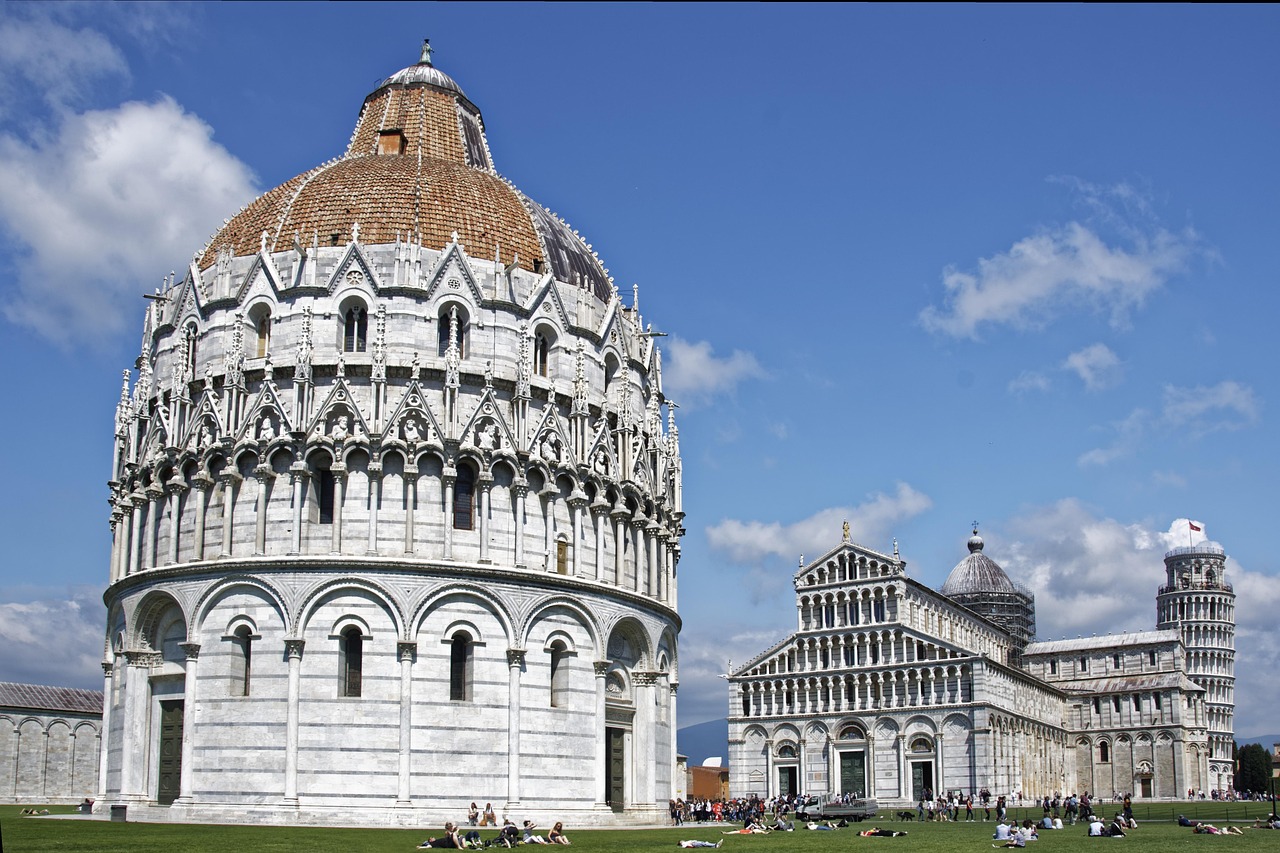
Piazza dei Miracoli and the Square of Miracles Masterpieces Tour of Pisa
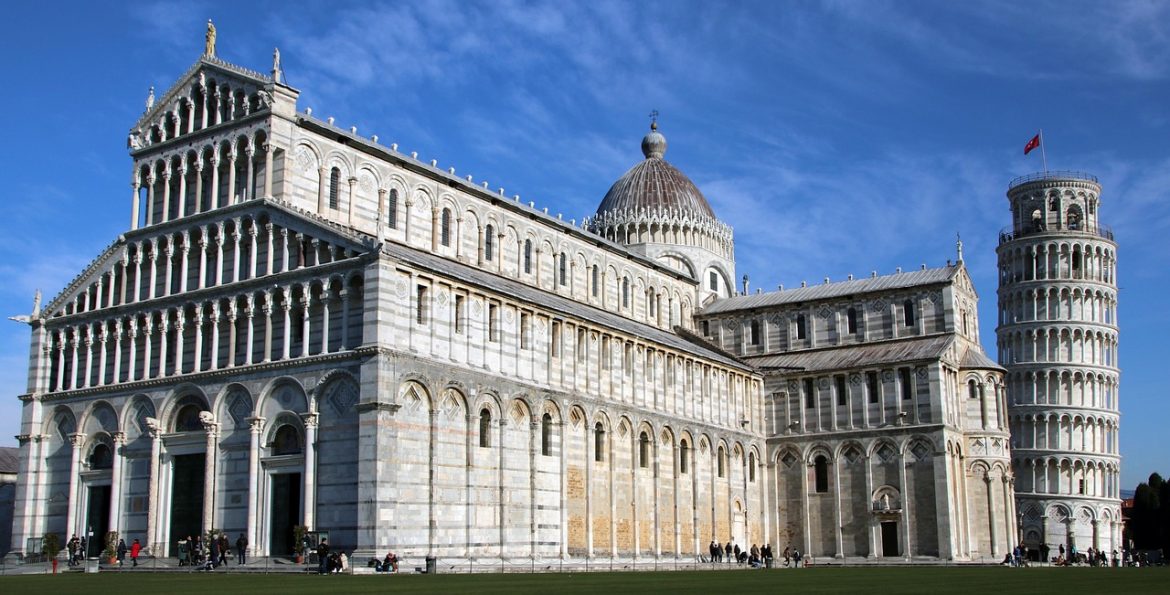
It’s difficult to overstate how moving Piazza dei Miracoli can be in person. This UNESCO World Heritage setting—also known as the square of miracles—brings together some of the most important medieval monuments in Italy, and it’s one of the top things to include on any itinerary. Even if you’re just here for half a day, give this complex the time it deserves; it’s the city’s main hub of sights, but it doesn’t have to feel crowded when you plan well.
Think of this as the heart of your Pisa travel guide: monumental, beautiful, and full of small, human details if you know where to look. With an expert by your side, you’ll see beyond the obvious and understand how each building speaks to the next.
A private tour through the cathedral, Baptistery, and Camposanto
To visit Pisa well within the complex, plan a private tour of Pisa that includes Pisa Cathedral, the Baptistery (Battistero di San Giovanni), and the Camposanto Monumentale. You’ll also see references to Santa Maria Assunta, the dedication of the Duomo, which locals still speak of with pride. A guest once recounted an unforgettable private guided walk through these interiors, describing how the mosaics and a single restored fresco created a genuine sense of awe.
Inside the cathedral, look up and then look closer: gold tones in the apse, layers of patterning, and the way the space seems to gather sound. The cathedral is not just a stop—it’s an atmosphere, a pause, and often the moment people realise Pisa is one of those destinations that rewards attention.
What to notice in Pisa Cathedral and beyond the monuments
In Pisa Cathedral, notice the interplay of marble bands and the way light lands on carved surfaces. In the Baptistery, the acoustics are famously resonant; if you catch a demonstration, it’s a small, unforgettable thrill. The Camposanto carries a quieter tone, with art and memory held in a cloistered calm. Throughout, you’ll see Gothic touches woven into Romanesque structure, plus details that feel surprisingly intimate for such grand scale.
Practicalities matter here. Dress modestly (shoulders covered, respectful attire) and keep a light layer with you in cooler months. If you’re travelling without a guide, still consider pre-booking: timed entries allow you to move between buildings with ease rather than queuing in the sun. And remember, as extraordinary as this Piazza dei Miracoli is, it’s not the whole city—save energy for what comes next.
Visit Pisa Beyond the Leaning Tower – Along the Arno River, Santa Maria della Spina, and Best Places
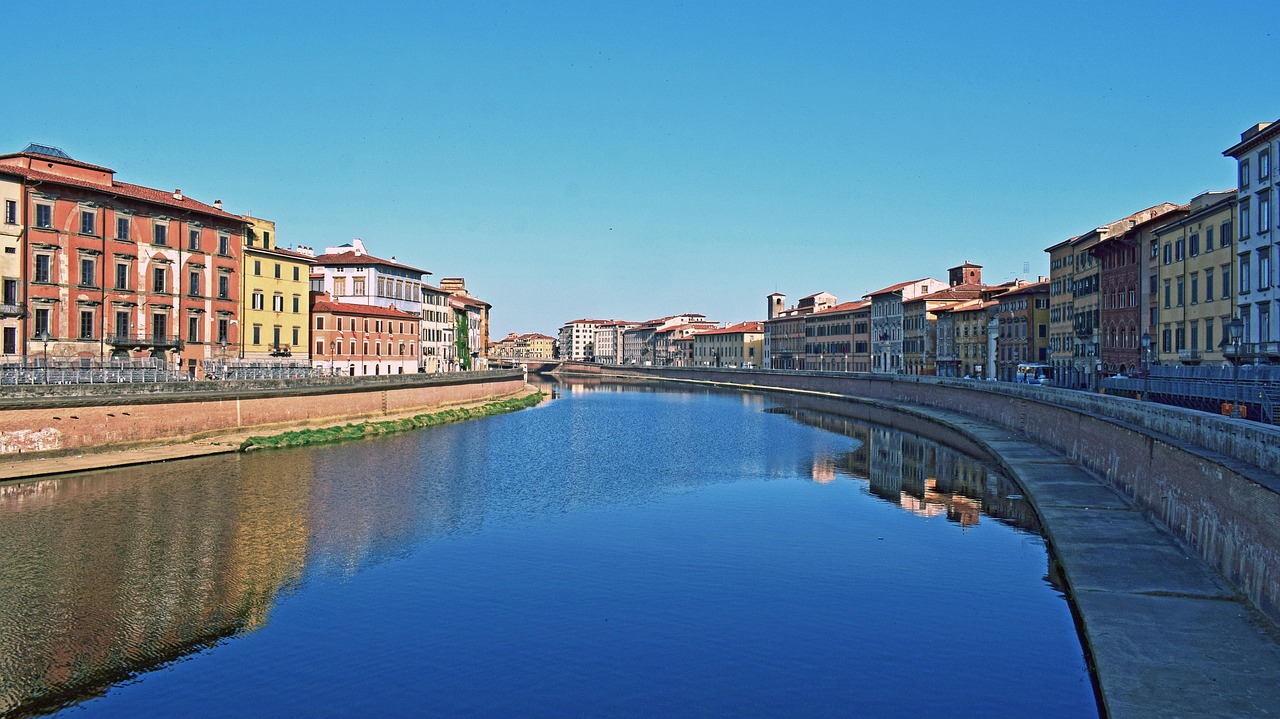
Visit Pisa Beyond the Leaning Tower Along the Arno River and Best Places
Once you’ve enjoyed the Piazza, the most rewarding next step is to wander beyond the leaning tower and into the city centre. This is where the destination becomes more personal: cafés with regulars at the bar, small boutiques, and the everyday elegance that makes Tuscany feel lived-in rather than staged. The walk from the leaning tower takes you through a calmer side of town, and it’s also an easy walk from the tower to lunch streets and river views.
This is the part of the itinerary where you can slow down without feeling you’re missing anything. You’re no longer ticking off monuments—you’re noticing the rhythm of the city, finding quiet corners, and enjoying the best places for small pleasures.
Along the Arno River: banks of the river Arno and Santa Maria della Spina
Make time for the banks of the river Arno, where reflections soften the architecture and the city feels quietly cinematic. Along the Arno River, pause at Santa Maria della Spina, a small jewel of gothic detail that looks almost like lace in stone. It’s a perfect example of how the city can surprise you: understated, exquisite, and deeply photogenic without needing a crowd.
From here, continue towards Borgo Stretto for elegant people-watching and a well-chosen gelato. If you like, note the youthful energy around the University of Pisa—just enough to feel the city’s intelligence and vibrancy, without turning your afternoon into an academic detour.
A sunset aperitivo designed for Tuscan romance
For a signature high-end moment, plan an exclusive sunset aperitivo with views of the Arno—ideally from a refined rooftop bar. Order Tuscan bites, choose a local white or a structured red, and let the light do the work. This is the kind of pause that feels designed: a little celebration, a little stillness, and a sense of being looked after with care.
- Where to linger: Borgo Stretto for a second gelato and a slow stroll.
- Optional atmosphere: Piazza dei Cavalieri for noble façades and evening calm.
- If you want one more view: look for around Pisa vantage points as the sky turns soft.
If you’re travelling together, this is often the moment that becomes the memory—not the rush of monuments, but the feeling of the city settling around you.
Stay in Pisa – Best Places to Stay, Tuscan Dining, and Evening Plans with Care
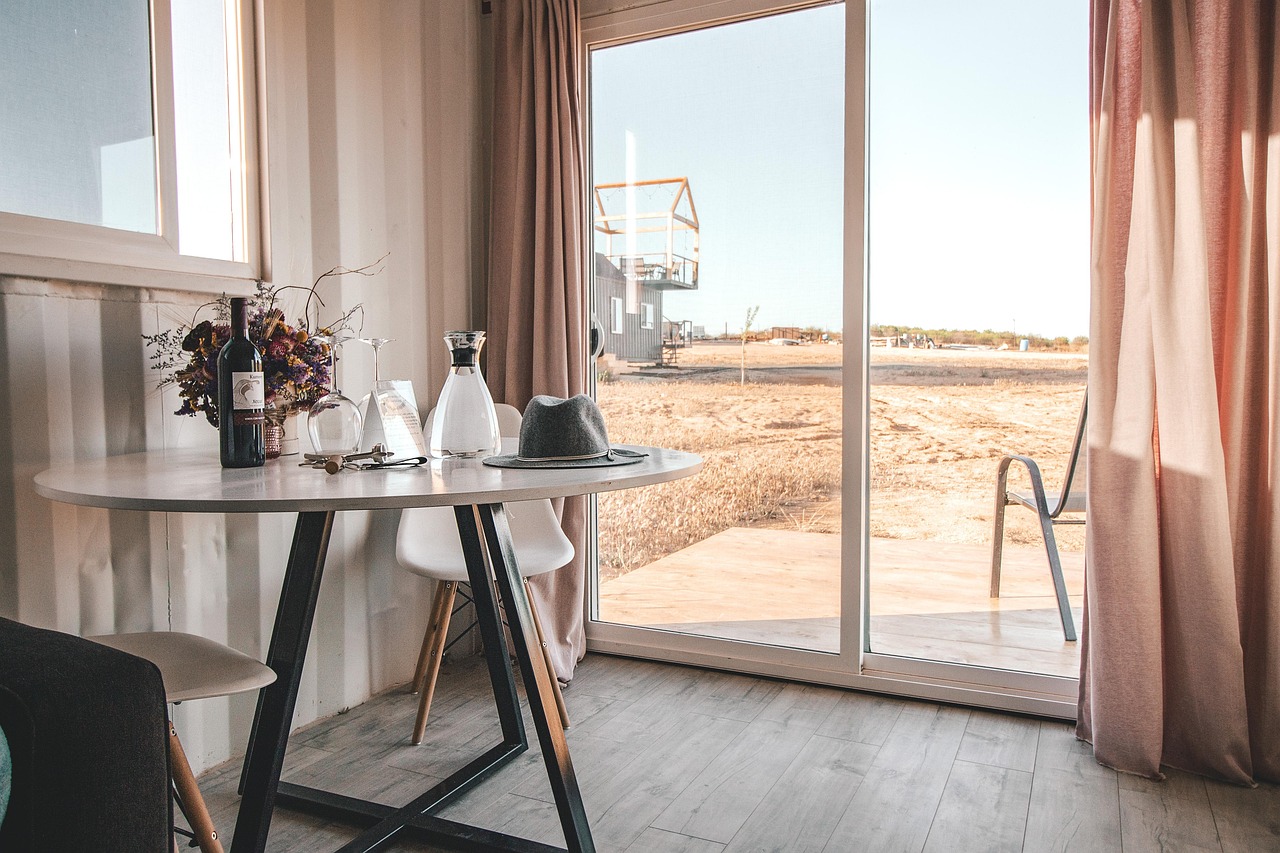
Stay in Pisa Best Places to Stay and Tuscan Dining with Care
If you decide to stay in Pisa, choose a base that supports a seamless experience: boutique calm, strong concierge support, and easy access to Pisa Centrale for arrivals and departures. The best places to stay are often smaller properties where service feels personal—where someone remembers how you take your coffee, and where booking a driver or private guide is handled with quiet competence. For high-end travellers, that sense of trust and ease is part of the luxury.
Staying overnight also lets you see the destination in different moods: early morning stillness, the glow of evening stone, and the gentle lull after day visitors leave. It’s also the easiest way to turn the city of Pisa into something more than a quick stop.
Dining with intention near the illuminated Piazza
A couple once described their romantic dinner overlooking the illuminated Piazza dei Miracoli as the moment Pisa truly became theirs. They loved the way history and fine dining sat side-by-side: elegant service, Tuscan flavours, and the cathedral’s silhouette beyond the glass. It wasn’t showy—it was warm, reassuring, and quietly unforgettable.
If you’re planning this kind of evening, ask your hotel to reserve a table with a view and build the night slowly. Start with an aperitivo, enjoy a paced tasting, and leave room for a final gelato on the walk home.
An insider tip for Michelin-starred cooking near Pisa
For authenticity, follow a local rhythm and dine at Michelin-starred restaurants on the outskirts near Pisa, where the cooking can feel more rooted and less influenced by the busiest tourist lanes. You’ll often find bolder Tuscan character—seasonal produce, thoughtful technique, and wine pairings that tell a story of the surrounding countryside in Tuscany.
What to book in advance: rooftop aperitivo tables, chef’s tasting menus, and private transfers back to your hotel. Those small arrangements create a sense of being supported, so you can relax into the evening with confidence.
And don’t overlook the small luxuries: a well-chosen wine bar, attentive but unintrusive service, and the pleasure of lingering when you don’t have to watch the clock.
Get to Pisa – Seamless Transport for a Day Trip from Florence and Pisa on a Day Trip
Get to Pisa for a Seamless Day Trip from Florence and Pisa on a Day Trip
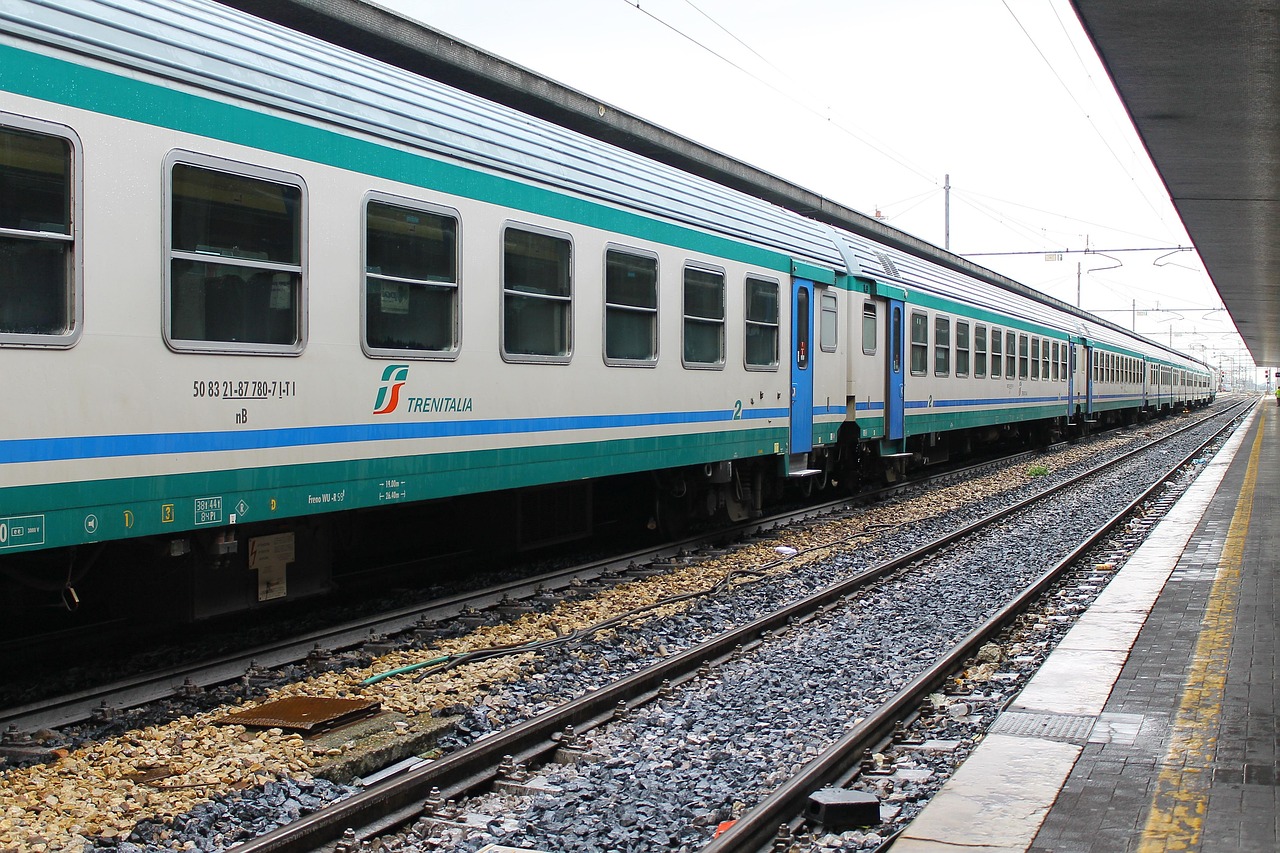
To get to Pisa with comfort and confidence, you have three excellent options: fly into Pisa International Airport (pisa international airport), arrange a private transfer, or take the train via Pisa Centrale. For many travellers coming from Florence, the train is the simplest and most elegant choice—especially if you’re planning a day trip to Pisa and want predictable timings. From the international airport, the Pisa Mover is a straightforward connection into the centre, making arrivals feel refreshingly seamless.
Because Pisa sits so naturally within Tuscany, it pairs beautifully with Florence, the coast, and even onward journeys through northern Italy. The key is to design your transitions so your time feels calm rather than logistical, whether you’re coming from Florence, returning to Florence, or continuing towards the sea.
Pisa and Florence timing: one day in Pisa, Pisa for a few hours, or half a day
Pisa and Florence work well together when you’re realistic about time. A day trip from Florence makes sense if your priority is Piazza dei Miracoli and the Leaning Tower of Pisa, plus a short wander for lunch. If you want to add an aperitivo by the water and a more relaxed pace, consider one day in Pisa with an overnight, especially in shoulder season when the city feels softer and more local.
Here’s a rhythm that keeps the experience crafted and makes clear what to do next:
- Pisa for a few hours: arrive early, see the Leaning Tower of Pisa, visit the Duomo, then return to Florence after lunch.
- Full day visit: morning Piazza dei Miracoli, afternoon Borgo Stretto and Santa Maria della Spina, sunset by the Arno.
- Overnight: add a slow dinner, an early stroll, and a quieter second morning before heading back to Florence.
Always build a buffer around timed entries; it’s the simplest way to protect your experience from stress and keep the day feeling easy.
Add-on inspiration around Tuscany: Cinque Terre, the walls, and the coast
If you’re exploring Tuscany more widely, Pisa can be paired with a Cinque Terre extension (especially if you’re travelling light or using luggage support). Pre-arranged drivers keep transitions comfortable, and concierge teams can help manage tickets and timings so the journey feels coherent—particularly if you’re doing Pisa on a guided experience or coordinating a return to Florence. Many guests also enjoy a short walk on the Mura di Pisa, also called the walls of Pisa, for a higher perspective over rooftops and elegant streets.
On the ground, the centre is easy. Taxis are available, and most central places in Pisa are reachable on foot. If you have extra time, consider a gentle coastal moment at Marina di Pisa for sea air and a change of scenery. And if you ever see Pisa via a signposted route from Florence, trust that the journey is usually smoother than you expect—especially when planned with care.
For travellers who prefer structure, guided experiences add context and help you notice details you might miss on your own. It’s one of the best things you can do if you want the experience to feel rich, polished, and effortless.
What Pisa Leaves With You After Italy – A Tuscan Afterglow
Long after Italy has blurred into a collage of stations, terraces, and sunlit streets, Pisa often remains as a sensation rather than a checklist. There’s the memory of marble in morning light, cool and quiet beneath your palm; the hush inside the cathedral, where sound seems to hover; and the gentle pull of the Arno at dusk, when the city exhales and becomes itself again.
What lingers, too, is the quiet confidence of being well supported—the ease of a timed entry that simply works, the trust you place in local expertise, the care in small human exchanges that don’t need translation. You remember not only what you saw, but how it felt to explore with space around you, and to let beauty arrive in details you didn’t expect.
And perhaps that’s the lasting gift: a reminder that even the most famous landmarks can still feel personal, if you let the day be crafted with attention. It leaves you with a softer gaze for Tuscany, and a gentle curiosity for where Italy might take you next—from Florence to the coast and beyond.
F.A.Qs: What to do in Pisa Italy for a day trip
Is Pisa, Italy worth visiting?
Yes—Pisa is worth visiting if you approach it as more than a quick photo. The Leaning Tower of Pisa and the square of miracles are extraordinary, and the city also offers quieter pleasures like the Arno, Santa Maria della Spina, and elegant dining. With pre-booked tickets and an early start, even a short visit can feel seamless and surprisingly personal.
What not to miss in Pisa?
Don’t miss Piazza dei Miracoli: the Leaning Tower, the Duomo, the Baptistery, and the Camposanto. Inside the cathedral, look for mosaics and the sense of scale that photographs can’t capture. If you have time, add a stroll by the Arno and a stop at Santa Maria della Spina—small, gothic, and quietly beautiful.
What to do in Pisa in 1 day?
Start at sunrise with the Leaning Tower, then explore Piazza dei Miracoli and visit the Duomo and Baptistery on timed tickets. After lunch, wander Borgo Stretto for gelato and people-watching, then stroll by the Arno and pause at Santa Maria della Spina. Finish with a sunset aperitivo and a relaxed Tuscan dinner.
Which is better, Florence or Pisa?
They offer different experiences. Florence is richer for art, museums, and multi-day immersion, while Pisa is ideal for a focused excursion built around world-class architecture and a lighter pace. Many travellers enjoy combining them—Florence as the base, with Pisa as a beautifully designed contrast of marble splendour and calmer riverfront atmosphere.