Post Contents
- When is winter in Korea? Why winter timing matters for your time to visit South Korea
- Best times to visit Korea: time to visit South Korea across a climate with four distinct seasons
- Seoul in winter: a living in Seoul-style guide to time in Seoul rhythms
- Korea weather in winter: temperatures range, average temperature ranges, and what to pack
- Winter in Korea celebrations: festivals and events like the Hwacheon Sancheoneo Ice Festival
- South Korea ski resorts: Alpensia & Yongpyong snowboarding escapes
- Nami Island in winter & Seoraksan National Park: a trip to South Korea beyond the city
- F.A.Qs
- After your winter trip, what can visiting South Korea leave with you
When is winter in Korea? Why winter timing matters for your time to visit South Korea
When is winter in Korea and why it matters for your time to visit South Korea
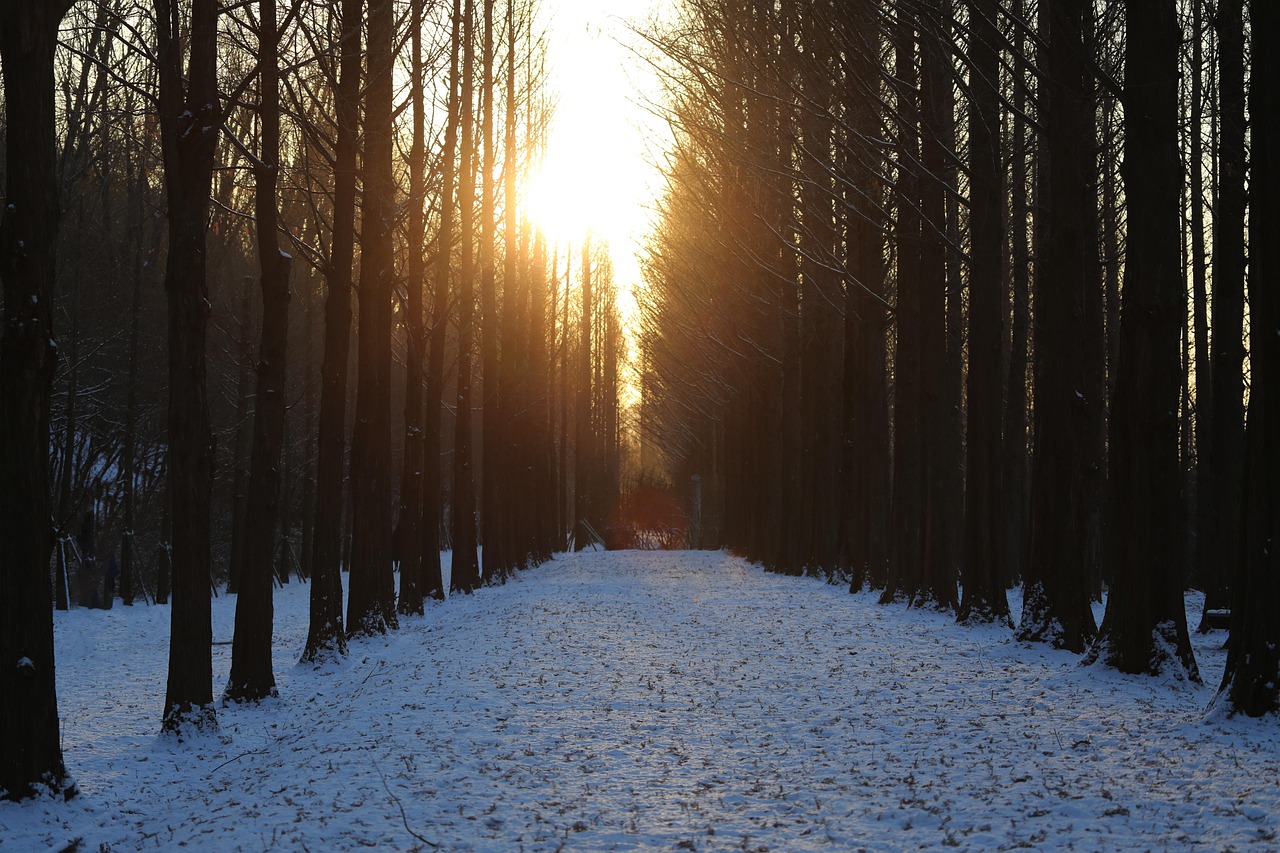
If you’re searching for when winter is in Korea, the simplest answer is that winter typically runs from late November to early March. For a premium trip, though, the details matter: the most reliable cold and snowy conditions are usually December to February, when the mountain air is crisp, days are bright, and the atmosphere feels distinctly festive. If you plan to visit, build your route around daylight, wind exposure, and whether you want city comfort or high-altitude scenery.
Think of your time to visit as a design choice. Korea in December often brings a holiday glow—department stores glitter, hotel lobbies feel extra cosy, and evenings invite slow, indulgent dining. January and February lean quieter and more contemplative, which is ideal if you value calm galleries, spa time, and unhurried neighbourhood walks in Seoul.
Weather in South Korea: average temperatures, temperature range, and regional differences
Winter conditions vary across Korea, so it helps to picture the map. In Seoul, average temperatures can dip well below freezing at night; in the mountains, it’s routinely colder; and coastal Busan feels gentler, even when the wind bites. In peak winter, temperatures range roughly from about -10°C to 5°C, depending on altitude and region, with sunnier days often feeling more comfortable than shaded streets.
It’s also worth noting that South Korea is frequently the coldest in January. For many travellers, that’s not a drawback—it’s an invitation to lean into indoor rituals: tea houses, contemporary museums, and a beautifully heated hanok stay that feels deeply personal.
A designer lens on choosing your dates: best time to visit the South for snow, calm, or festive lights
In our experience, the best time to visit the South is rarely about one “perfect” week—it’s about aligning what you want to feel. If you’re chasing pristine photography and quiet, choose late January or February. If you’re coming for winter events and atmosphere, Korea in December can be magical. Either way, you can create a seamless flow by reserving key experiences early and building in care-led pacing around transfers, dining, and rest.
- For snow: aim for January to February, especially in inland and mountainous areas.
- For festive energy: early to mid-December brings sparkle without quite the same bite.
- For comfort: add Busan or a coastal stop to soften the cold and balance your itinerary.
Best times to visit Korea: time to visit South Korea across a climate with four distinct seasons
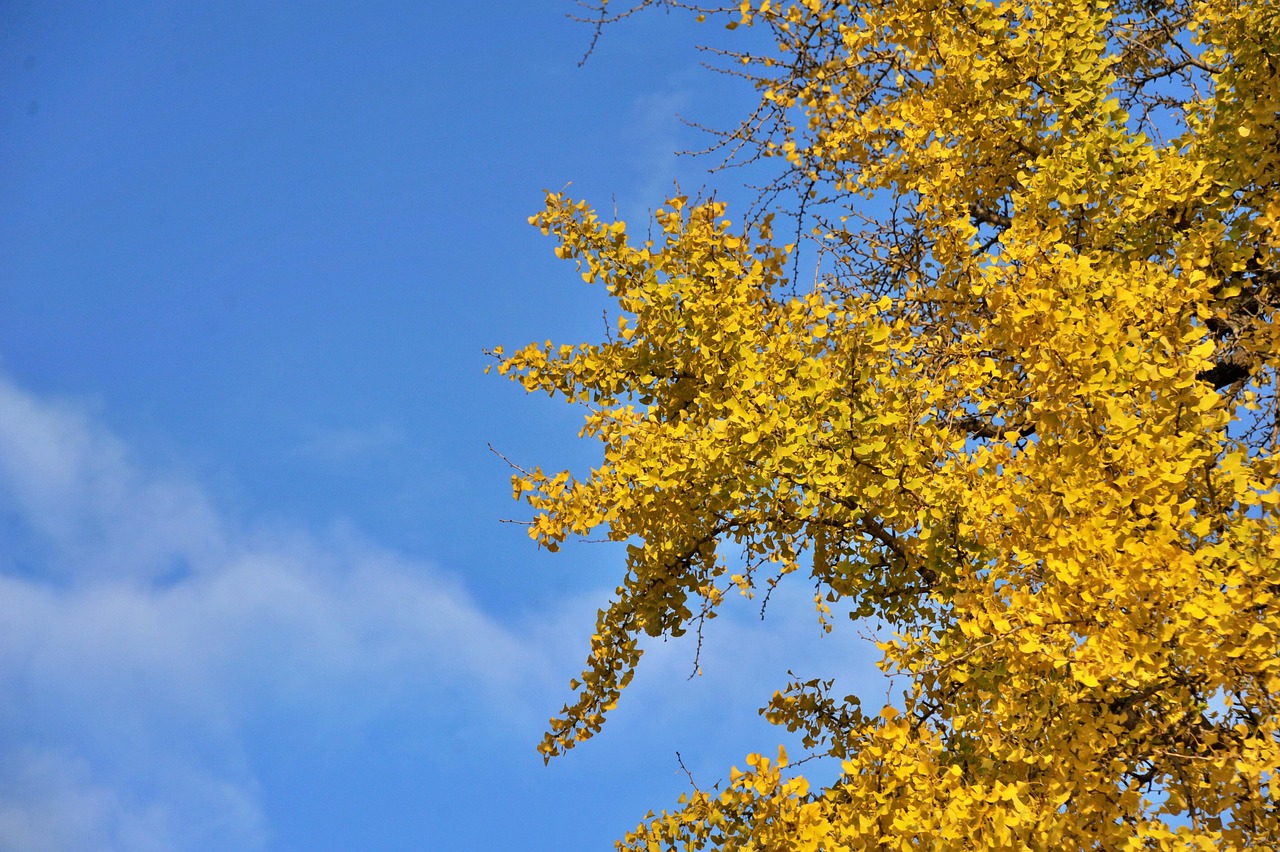
Best times to visit south Korea best times time to visit with four distinct seasons
When you read best-time-to-visit guides, it helps to zoom out: Korea has a temperate climate with four distinct seasons and four distinct regional moods—so your itinerary can be sculpted around the atmosphere. That means a trip to South Korea can be styled for winter stillness, spring colour, summer coastlines, or autumn light. The best times depend on whether you want city culture, nature, or a little of both across summer and winter.
For many travellers, spring and autumn are the classic mild-weather windows and a genuinely popular time for first-time visitors. From March to May, cherry blossoms appear like a soft veil across parks and palace grounds, and April in South Korea often feels especially balanced for city wandering. In autumn, the September to November stretch is crisp and clear—Korea in October is a favourite for foliage, fine light, and easy day trips into national parks.
Summer is hot and humid: rainy season, monsoon, and travel tips for June to August
By contrast, summer is hot and humid, typically from June to August, and it can be the hottest time of the year. This is also when the rainy season arrives, with higher rainfall and occasional monsoon bursts that shape local weather patterns. South Korea in June can be lovely for energy and long evenings, but you’ll want airy fabrics, flexible plans, and an eye on the occasional typhoon forecast.
Time to enjoy: Jeju escapes, seasonal luxury, and Lunar New Year planning
Each season rewards a different style of luxury. Winter is for mountain calm and cosy interiors; autumn is for refined city walks and more time in national parks; spring is for blossom picnics and palace mornings; and summer is ideal for Jeju and beach escapes. Busy holiday weeks can also shift prices and availability around Lunar New Year, so it’s wise to plan early if you want the most crafted hotel rooms and transfer times.
Seoul in winter: a living in Seoul-style guide to time in Seoul rhythms
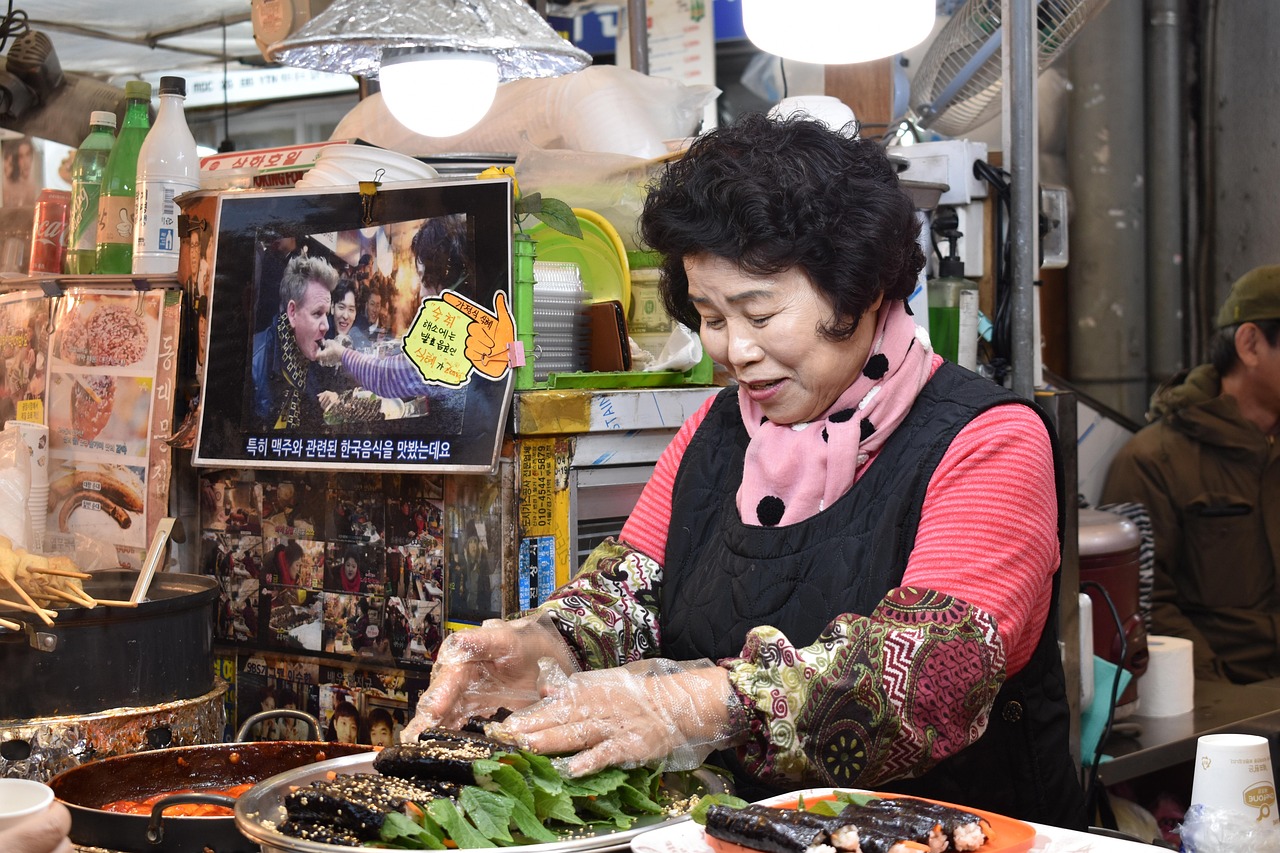
Seoul winter guide living in Seoul time in Seoul rhythms
For travellers Googling Seoul winter guide living in Seoul, here’s the truth: Seoul in winter is bright, modern, and deeply comforting once you understand its rhythms. The air often feels clearer, the city lights sharpen after dusk, and every warm doorway—gallery, boutique, café—becomes part of the experience of Korea at its most elegant.
Give yourself a gentle first night to settle into your time in Seoul, especially after a long flight into Incheon. Late café culture helps: you can land, check in, take a short evening stroll, then let a softly lit dessert bar or tea house ease you into local time with confidence.
Small winter rituals in Seoul: cafés, skating, and traditional Korean warmth
One couple told us their honeymoon highlight wasn’t a “big ticket” attraction at all—it was ice skating at Olympic Park, then stepping into a quiet corner to share warm traditional Korean tea, watching the steam rise as their cheeks thawed. It felt intimate, unhurried, and beautifully together, the sort of detail that makes visiting South Korea feel personal rather than performative. The city is built for warmth between moments, which is why winter works so well for slow romance.
High-end Seoul in winter: museums, shopping, and easy day trips
To design a premium stay, blend crisp outdoor scenes with restorative interiors. Consider boutique hotels with excellent concierge support, private shopping appointments in Apgujeong, and museum evenings where you can uncover Korea’s contemporary creative pulse without crowds. If you’d like inspiration for visuals and route ideas, you can browse our Trip gallery and imagine how your days might flow.
- Etiquette that builds trust: remove shoes indoors, keep voices low in corridors, and observe quiet hours in premium properties.
- Wellbeing: plan warm breaks between outdoor moments—tea, a heated spa session, or a slow lunch.
- City-to-mountains: pair Seoul with a day trip (Nami Island) or a private driver transfer onwards to the slopes.
Korea weather in winter: temperatures range, average temperature ranges, and what to pack
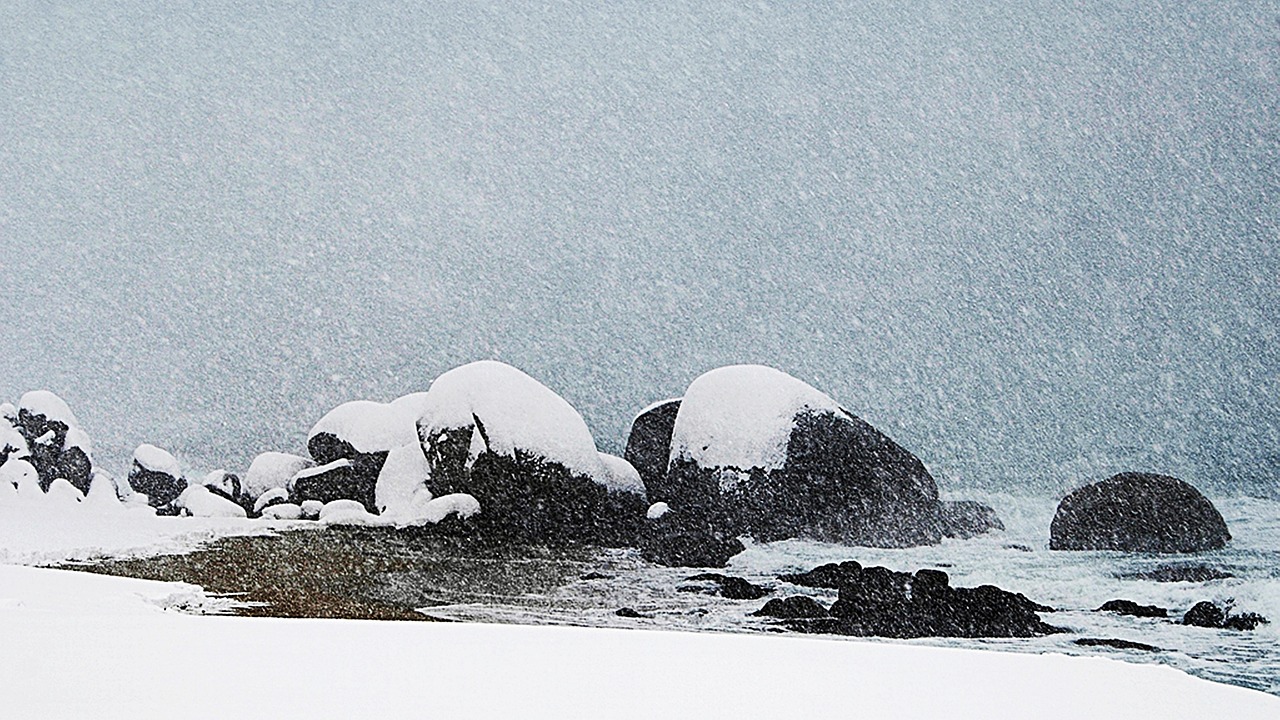
Korea weather, winter weather in South Korea, temperatures range, and what to pack
If you’re checking korea weather for winter, expect the season to feel dry and bracing, with sharp winds that can make shaded streets feel colder than the forecast suggests. The winter sun often shows up, and that light can change your comfort level dramatically—especially when you’ve layered well and planned short warm-up stops.
As a baseline, winter in Seoul hovers around freezing in mid-season, while mountainous regions run lower and coastal areas can feel milder. Your comfort comes down to materials and layering more than anything else, especially if you’re moving between heated interiors and outdoor promenades.
Average daily temperatures: when temperatures start dropping and what feels coldest
Here’s the practical truth: temperatures start dropping in late autumn, and January often delivers the most intense cold spells. In fact, January is the coldest month in many inland areas, and the coldest and snowiest days are most likely at altitude. Some years, the snowiest month can vary by region, but mountain resorts are your best bet for consistent snowfall.
To make this easy to remember, we like to think in average temperature ranges rather than single numbers—because wind and sun exposure matter. Plan for anything from around -10°C to 5°C across your route, and you’ll feel prepared without overpacking.
A high-end winter packing capsule for Korea travel and outdoor activities
This is the capsule we recommend for a refined, comfortable Korea travel wardrobe—polished enough for dining, functional enough for outdoor activities:
- Heat-tech base layers (top and leggings), plus a spare set for longer days
- Cashmere or merino mid-layers that breathe indoors
- A long down coat that covers the thighs for wind protection
- Sturdy, grippy boots for icy pavements (consider discreet traction soles)
- Leather gloves with a liner; add hand warmers for festival nights
- Lip balm, rich moisturiser, and eye drops for dry air
Finally, a quiet luxury tip: ask your hotel for a humidifier if the heating feels dry. It’s a small request, but it can transform sleep quality and keep skin comfortable.
For safety and ease, check forecasts daily, build buffer time for snow, and follow resort safety guidelines—especially if you’re new to cold-weather travel.
Winter in Korea celebrations: festivals and events like the Hwacheon Sancheoneo Ice Festival
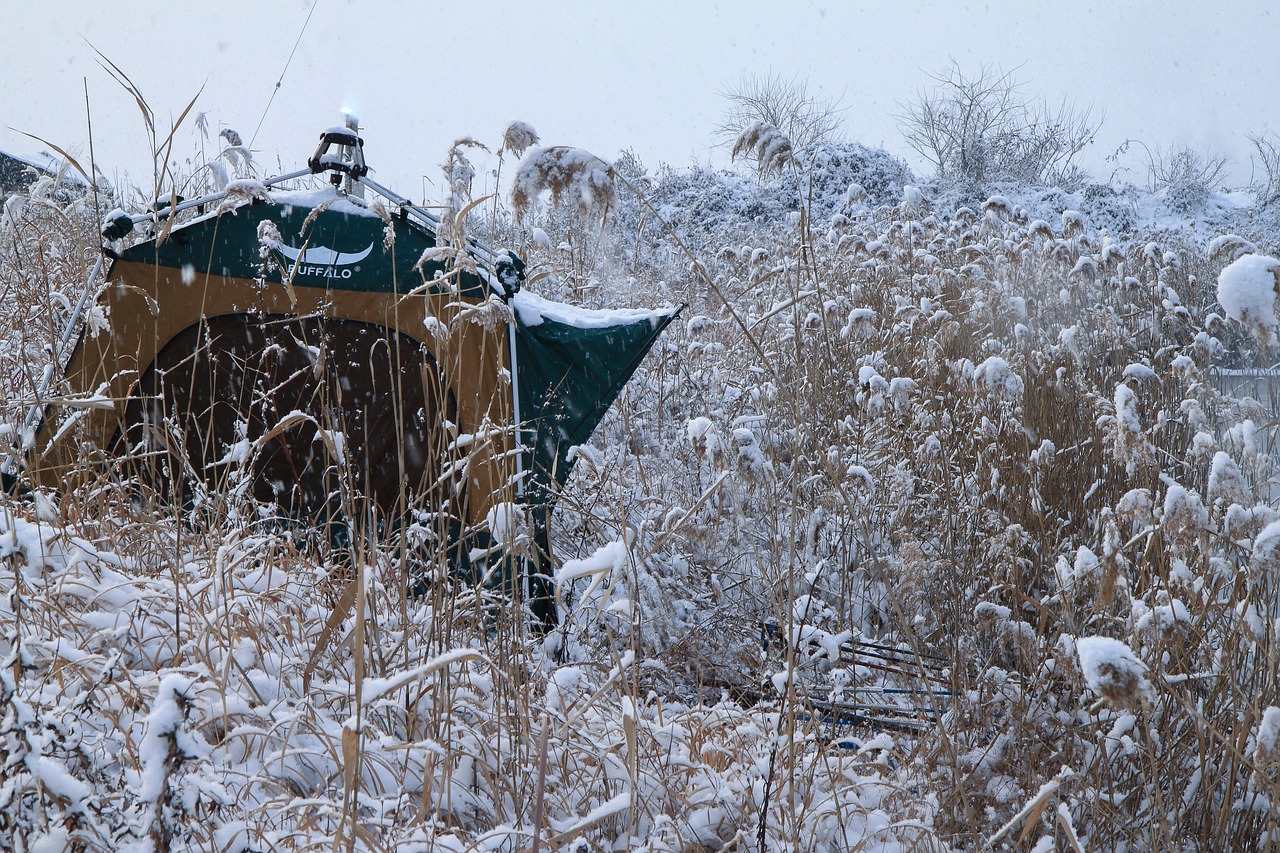
Winter festivals South Korea festivals and events Hwacheon Sancheoneo Ice Festival
For travellers searching for winter ideas, winter festivals can be pure joy—and they can still feel premium with the right timing. The secret is to arrive early, use seamless transport, and build a warm “after” plan so you’re never forced to endure the cold longer than you’d like. Done well, these nights feel festive without feeling frantic.
Among the most iconic seasonal highlights is the Hwacheon Sancheoneo Ice Festival, famous for ice fishing and snow fun that feels unmistakably local. It’s playful, hands-on, and surprisingly photogenic—especially when the river surface becomes a pale, textured canvas.
Hwacheon ice fishing: warm layers, transfers, and comfort breaks
Tourists often recall the moment they pulled a frozen trout through the ice—equal parts laughter and disbelief—then warmed their hands around something hot minutes later. To keep it effortless, consider a private driver, VIP-style transfers, and a clear plan for breaks. Dress for stillness (you’ll stand more than you walk), and keep spare glove liners in your pocket.
After the festival, we recommend a crafted wind-down: a private jjimjilbang-style sauna session if you enjoy spa culture, or a quiet supper in Seoul where you can thaw slowly with care.
If your month in South Korea doesn’t match the calendar
If your month in South Korea doesn’t match the larger festival calendar, you can still uncover seasonal charm through lantern-lit evenings, winter markets, and neighbourhood light displays. Seoul and nearby towns often offer smaller-scale options that feel easier to navigate and more intimate, especially with a local guide and pre-booked transport.
For photographing white snow and ice, bring a lens cloth, keep batteries warm in an inner pocket, and aim for soft light shortly after sunrise or before dusk.
South Korea ski resorts: Alpensia & Yongpyong snowboarding escapes
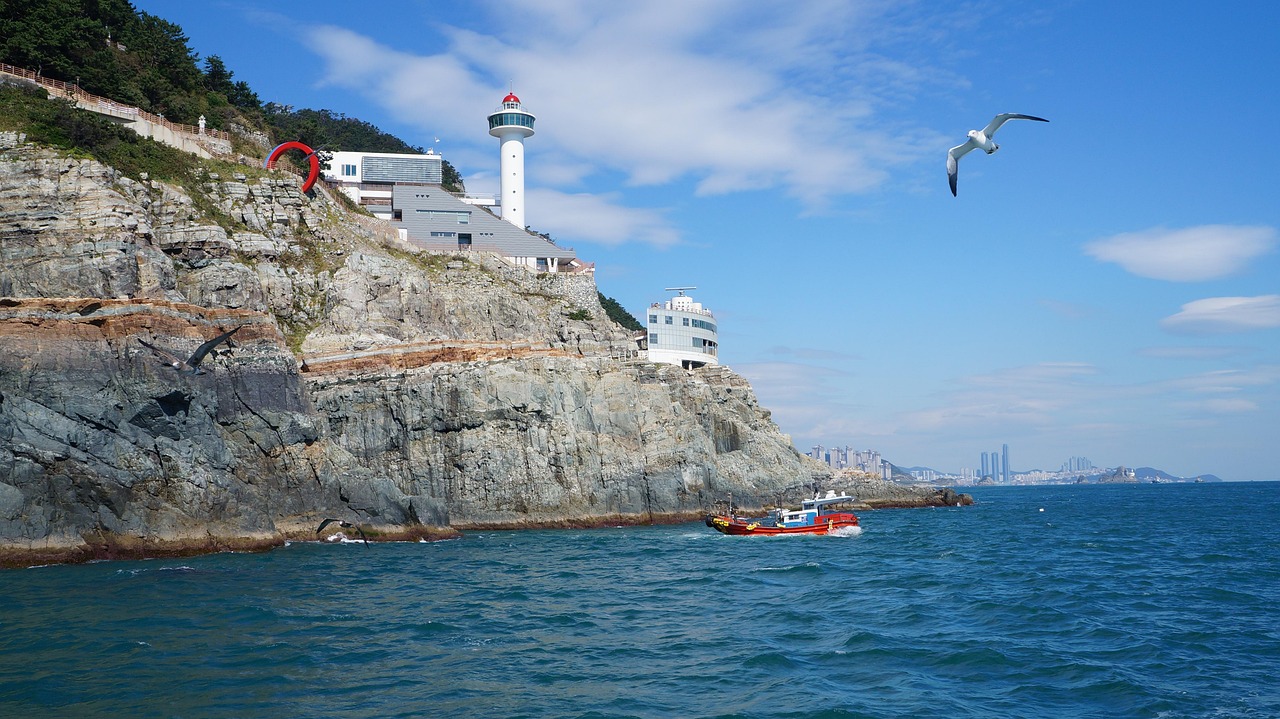
South Korea ski resorts Alpensia Yongpyong ski snowboarding escapes
If you’ve been researching ski resorts for a crafted mountain escape, you’re already looking in the right place. Alpensia and Yongpyong sit in a beautifully mountainous region, where winter days are crisp, and the scenery feels clean-lined and cinematic—ideal for travellers who want activity with restorative elements built in. For truly consistent snow scenes, late winter is often the most dependable window.
What makes these ski resorts feel high-end isn’t only the slopes. It’s the ability to move from a private lesson to a calm lounge, from doorstep mountain access to a hot pool, without friction. The best experiences are designed so you never feel rushed.
Lessons, snowboarding support, and winter sports safety
Both resorts offer a range of pistes, equipment rental, and instruction. If you’re building confidence, book an instructor in advance and schedule sessions earlier in the day when energy is highest. For experienced riders, keep the trip balanced with long lunches and scenic breaks, then finish with a quiet recovery ritual back at your hotel.
Seamless upgrades that change everything in peak season
- Pre-arranged equipment fitting and reserved lockers to avoid queues
- Private transfers from Seoul or Incheon for door-to-door ease
- Early booking of lift passes on peak weekends and holiday periods
- Recovery planning: spa appointments, hot pools, and a quiet night in
Dining can be a highlight in itself: look for chef-led Korean tasting menus, refined grill houses, and thoughtful wine programmes that make evenings feel celebratory. And as always, respect mountain conditions and stay within your comfort zone—trust is the foundation of a truly luxurious day.
Nami Island in winter & Seoraksan National Park: a trip to South Korea beyond the city
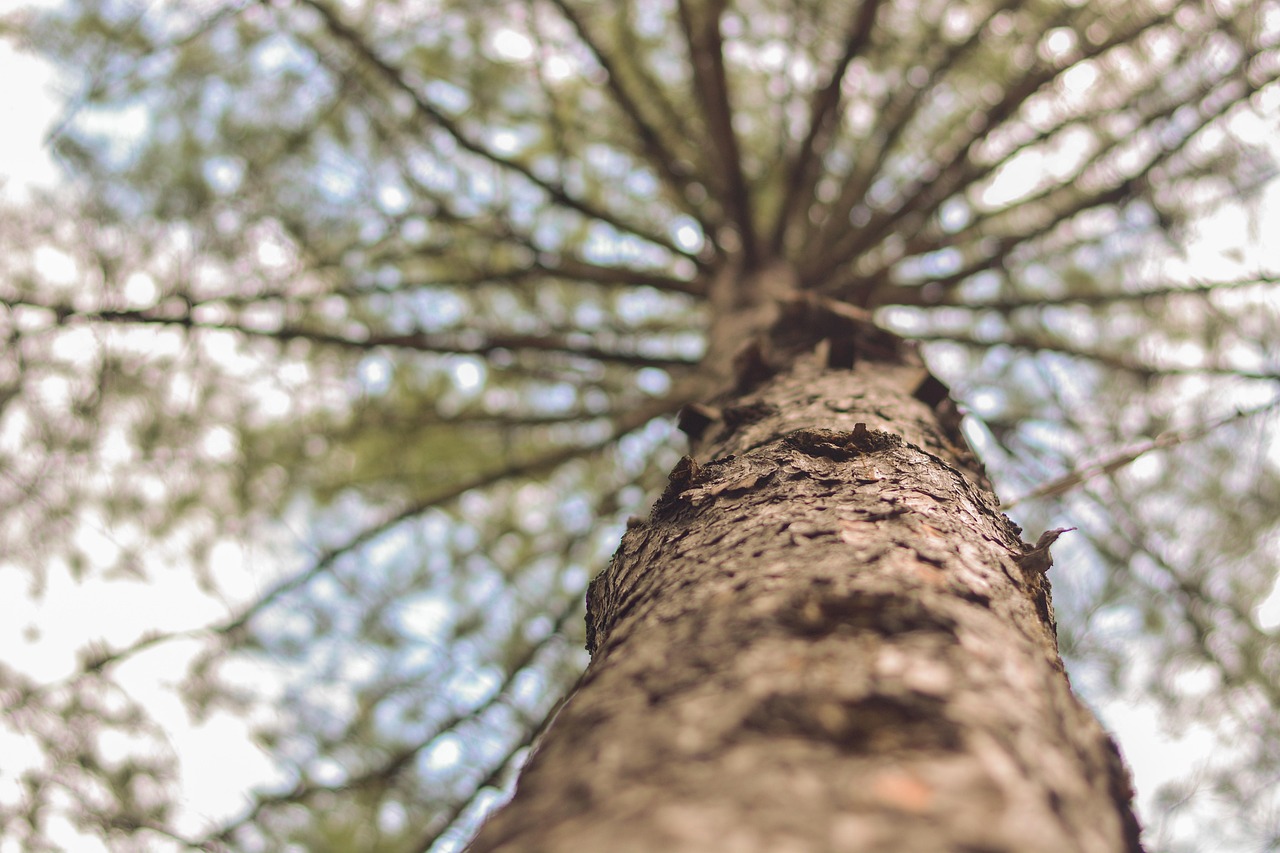
Nami Island winter Seoraksan National Park trip to South Korea beyond the city
When travellers search Nami Island winter Seoraksan National Park, they’re often looking for the soft, storybook side of Korea—the kind you can’t fully find in the city. These snowy landscapes offer space to breathe, photograph, and feel the season, while still returning to Seoul or your resort with seamless support. It’s one of the most rewarding ways to add nature without complicating logistics.
Nami Island is a romantic day trip: arrive early for quieter paths, then wander beneath tall trees as the light filters through. With a private guide, you can keep it intimate—pausing for portraits, warm drinks, and the little details that make winter feel gentle rather than harsh.
Seoraksan National Park: snowy trails, viewpoints, and mindful pacing
Local travellers often speak fondly of an early-morning snow hike in Seoraksan National Park, where frozen waterfalls look like sculptures and the trails feel hushed. One described the moment the sun caught the ice as “a kind of silence you can see”. It’s an experience that rewards slow steps, careful footing, and a willingness to simply uncover the morning.
National parks practical notes, plus an explore south contrast in Busan
Winter trails can be icy, so check conditions and consider light crampons if needed. Bring a thermos, take breaks, and choose routes that match your ability—this is adventure with care, not bravado.
- Start early for clearer paths and softer light
- Choose footwear with grip; add traction if the trail is glazed
- Schedule a warm drink stop to keep the day comfortable
If you want to explore the south for a climate break, add Busan for sea views, excellent cafés, and warming seafood. This contrast—mountain hush then coastal ease—can make your overall route feel cohesive, especially if you’re balancing Seoul, national parks, and winter days on one trip.
F.A.Qs
What is the coldest month in Korea?
January is typically the coldest month in Korea, especially inland and in mountainous areas. Seoul can feel sharply cold due to the wind and dry air, while mountain regions are often colder still. Coastal cities such as Busan are usually milder, which can be a comforting contrast if you’re sensitive to low temperatures.
What season is it now in Korea?
Korea’s seasons depend on today’s date and your exact location. Broadly, spring runs from March to May, summer from June to August (often hot and wet), autumn from September to November, and winter from late November to early March. If you’re planning from abroad, check a local forecast close to departure for the most accurate conditions.
What is the 3-day rule in Korea?
The “3-day rule” can refer to different things depending on context, such as certain ticketing or cancellation policies, or short-stay planning habits. It is not a single nationwide travel rule. If you’ve seen it mentioned for a specific service (hotel, tour, or visa-related guidance), confirm directly with the official provider for the exact terms that apply to your booking.
What is the snowiest month in Korea?
The month with the heaviest snowfall varies by region and year, but it is most likely between December and February, particularly in mountainous areas where resorts operate. Seoul can see snow as well, though it may be less consistent. For reliable snow scenes, plan time at altitude and stay flexible around weather forecasts.
After your winter trip, what can visiting South Korea leave with you
If you find yourself thinking about visiting South Korea after you return home, it’s often the smallest moments that remain. Not the checklist, but the hush of snow outside a hotel window; the quiet courtesy of a door held open; the feeling of moving through Seoul with a little more space in your thoughts. That’s the kind of luxury you can’t always price, but you can absolutely design for.
Winter in Korea has a way of sharpening warmth. Steam rising from tea after skating, laughter at an ice festival as hands go numb and then recover, the calm confidence of knowing you’re well-supported—these are the threads that stay with you, long after the cold has faded from your skin.
There’s also something restorative about choosing softness: a slower morning, a longer lunch, a gentle early night. Luxury, here, becomes care—being warm, unhurried, and together—so the journey feels created around you rather than imposed upon you.
And when you think back, you might not remember every street name, but you’ll remember the light on the river ice, the quiet in a temple courtyard, and the sense that there is still more to uncover—perhaps one day, in another season, with one more dawn waiting to be met.