Post Contents
- Milan at First Glance: Luxury Arrival, Orientation, and a Milan travel guide
- Duomo rooftops in Milan: panoramic views, Piazza del Duomo, and Galleria Vittorio Emanuele II, things to see
- Sforzesco Castle courtyards and the Duke of Milan legacy: a private guided visit
- The Last Supper in Milan: quiet viewing at Santa Maria delle Grazie
- Evenings at Teatro alla Scala: opera, music, and a Milanese ritual
- Designed Milan today: Fondazione Prada, fashion houses, and contemporary galleries
- Milanese dining and Navigli: canal dusk on Naviglio Grande and a table worth dressing for
- A seamless itinerary: where to stay and day trips near Milan
- F.A.Qs: Milan, Italy, luxury travel planning
- What Milan Leaves With You: a personal luxury reflection
Milan at First Glance: Luxury Arrival, Orientation, and a Milan travel guide

Milan at First Glance: Luxury Arrival and Orientation
For a refined start in milan italy, the goal is less about rushing and more about arriving with confidence. If you plan to visit Milan, begin with a calm transfer, a beautiful hotel check-in, and a first walk that lets you read the city’s pace. Set in Lombardy, Milan is a city that feels creative, polished, and quietly ambitious—ideal for travellers who value a crafted rhythm and expert support.
The best time to travel is April to June or September to October, when the light is soft, and the terraces feel spacious. You’ll still sense the city’s energy, but with fewer crowds—perfect for high-end travellers who want calm as much as culture.
Milan arrival and a seamless first afternoon
Landing at Milan Malpensa Airport, choose a private car service for privacy and ease, or take the train when you prefer speed with simplicity. Either way, design your first afternoon around a gentle check-in, an espresso at the bar, and a short stroll to feel the area of Milan you’re staying in—without turning it into a checklist.
A truthful orientation helps: the city of Milan is not the largest city, nor is it the capital of Italy, yet it leads in influence, enterprise, and taste. Milan is also a fashion capital, as you’ll notice in the pace of its cafés, the precision of its service, and the understated elegance of its streets.
- Safety with ease: Milan is generally very safe; keep valuables secure in crowded places, and you can move through the city with relaxed confidence.
- Style that works: Pack layers for evenings and a light rain option—Milan weather can change quickly, even in the shoulder seasons.




Duomo rooftops in Milan: panoramic views, Piazza del Duomo, and Galleria Vittorio Emanuele II, things to see
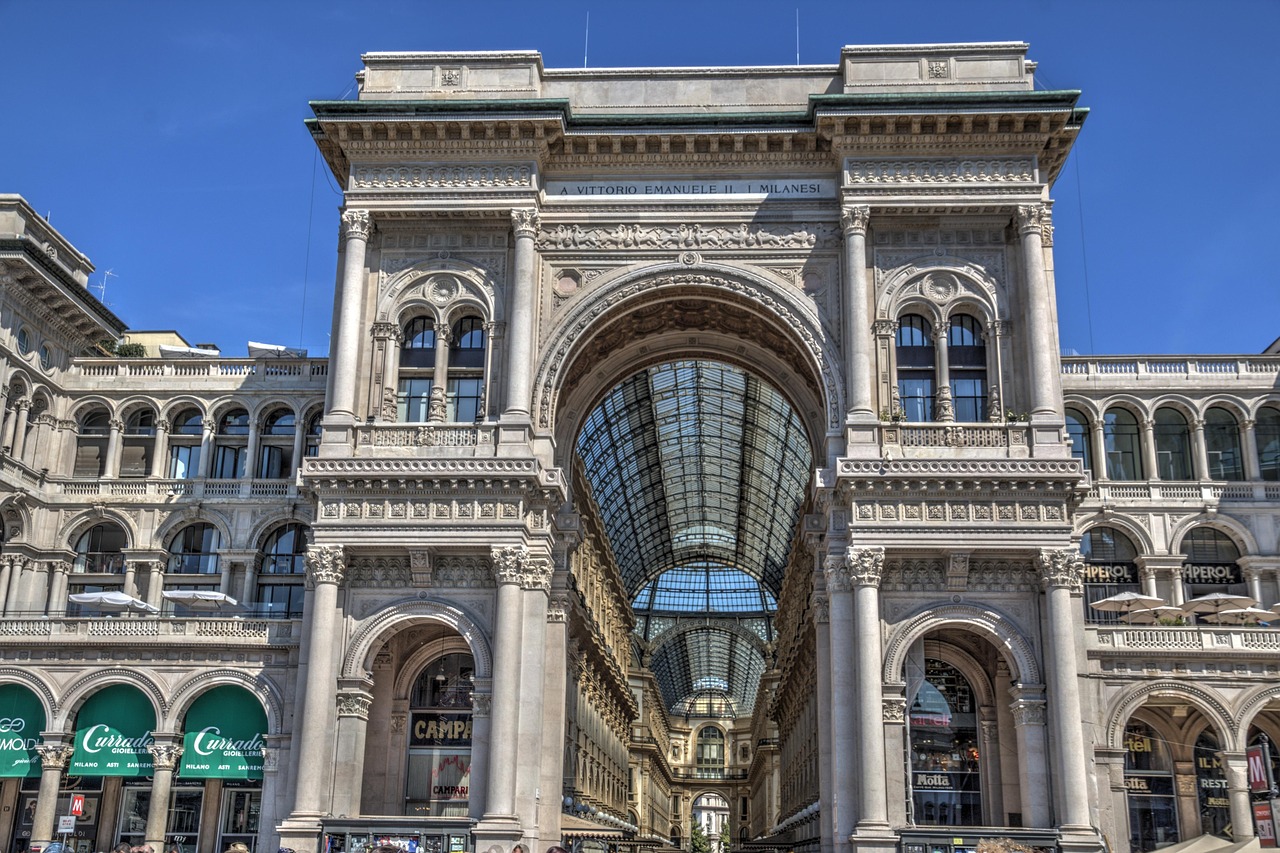
Duomo Rooftops and Galleria Elegance in Central Milan
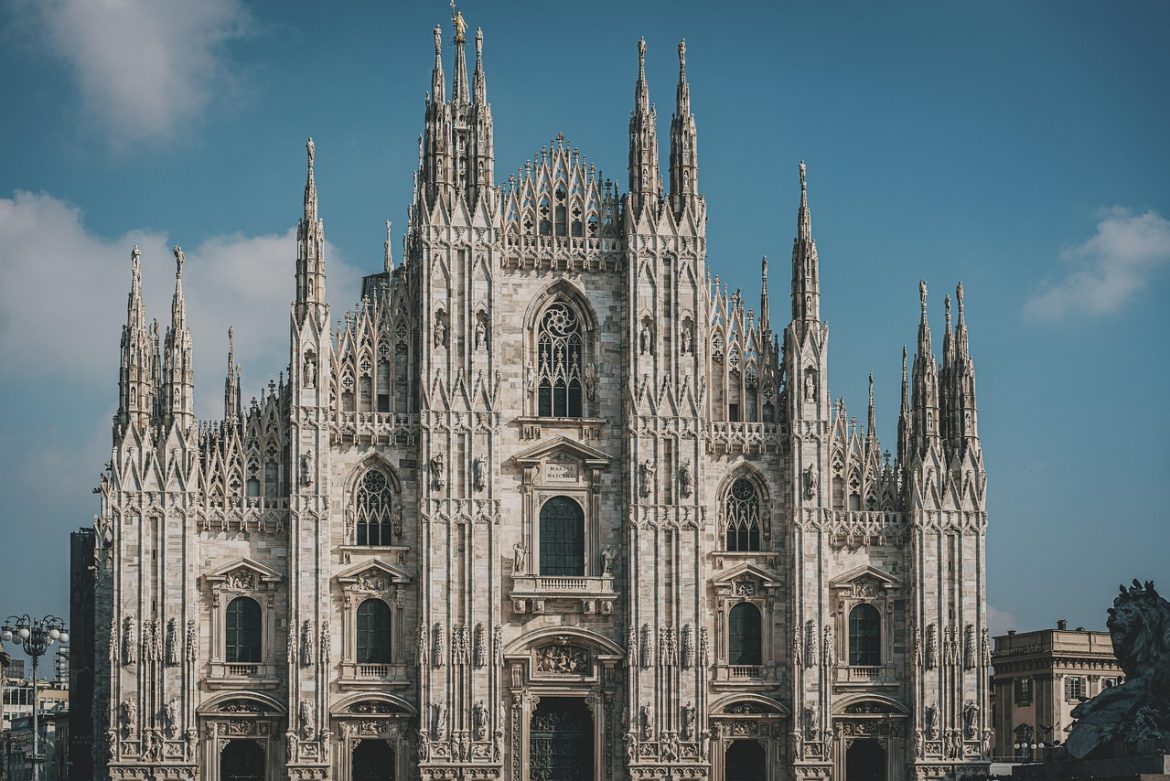
To capture the heart of central Milan, plan around the cathedral rooftops at sunset, when the marble shifts from cool white to warm blush and the streets feel hushed beneath you. It’s a simple luxury: fewer words, more atmosphere.
One traveller told us the magic was in the details—standing among the spires, close enough to see the carvings, and watching the skyline glow as if Milan had been lit from within. Those panoramic views stay with you—less like a photograph, more like a feeling you can return to at will.
See and do in Milan at golden hour: Duomo timing, dress code, and calm corners
Book tickets online in advance and choose early morning or late afternoon slots for the calmest experience. Dress expectations are modest for a Gothic cathedral setting, and a light scarf or shawl is an elegant solution if you’re in sleeveless summer tailoring.
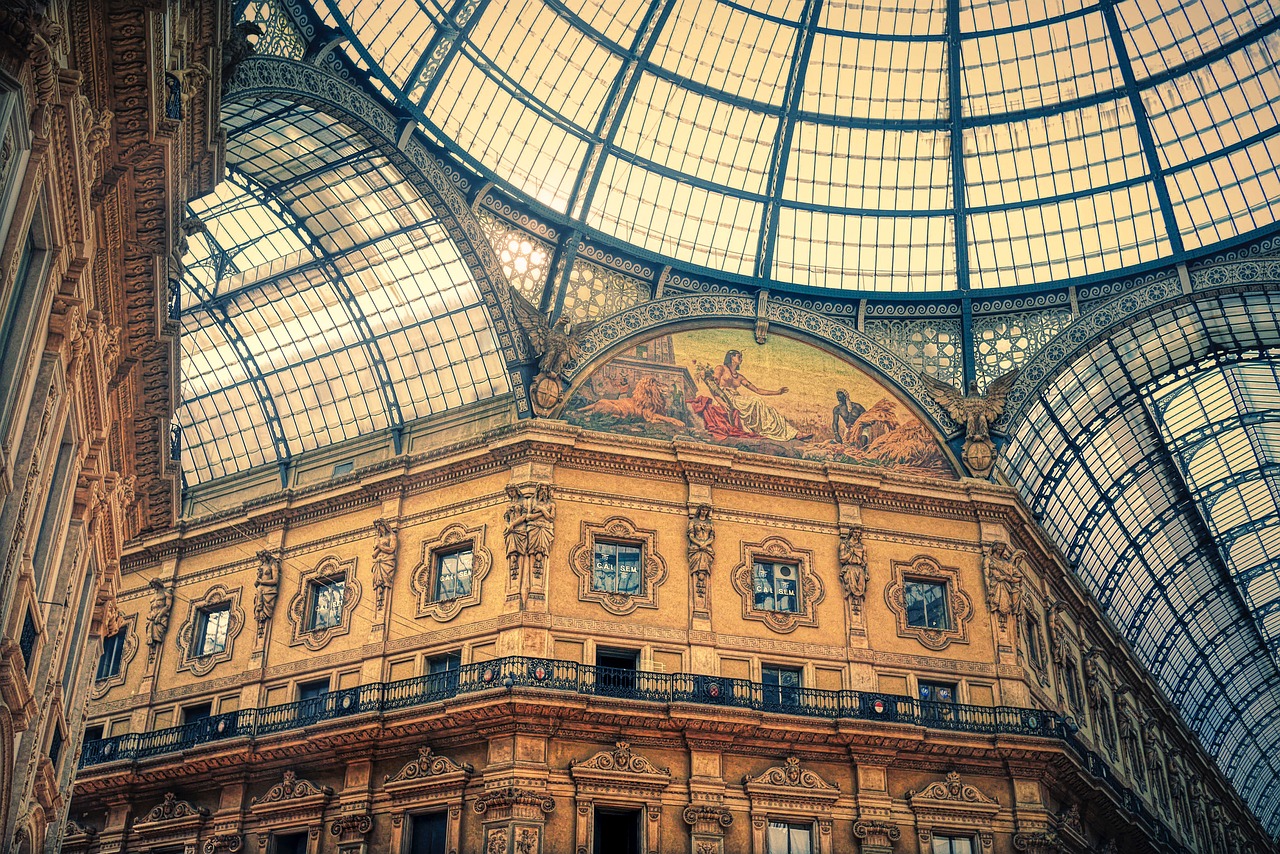
From Piazza del Duomo, the flow is beautifully simple: pause for photos, then step next to the Duomo into the Galleria. This historic shopping arcade still feels cinematic—mosaics underfoot, soaring glass overhead, window displays that read like miniature exhibitions, and cafés where lingering is the real luxury.
A style note you’ll appreciate on cobblestones: choose stylish yet comfortable footwear so you can move easily while still feeling impeccably dressed.
Sforzesco Castle courtyards and the Duke of Milan legacy: a private guided visit

Sforzesco Castle Courtyards and the Duke of Milan Legacy
For a quieter historical anchor, a private guided visit introduces you to the city’s layered time. The Sforzesco complex holds peaceful courtyards and museum spaces where Milanese history feels present rather than packaged.
The story begins with Francesco Sforza and the era of the Duke of Milan, when wealth and power shaped the city’s ambitions. Later, Ludovico adds intrigue to the narrative—patronage, politics, and the kind of cultural confidence Milan still projects today.
Uncover the Sforzesco collections with a private guide and spacious pacing
To experience the castle beyond the obvious, a private guide can curate a route through collections and quieter corners, designed around your interests and energy. It’s the difference between “seeing” and truly understanding—art and architecture, yes, but also mood, symbolism, and context.
Afterwards, keep the day unhurried with an elegant stroll: a nearby park, refined streets, and the occasional palazzo façade glimpsed through a gate. Milan rewards those who create space for it.
- Optional add-on: The Leonardo da Vinci National Museum of Science and Technology is a museum dedicated to innovation, offering a modern counterpoint to heritage.
- For families: Hands-on exhibits make science and technology feel playful rather than academic.
The Last Supper in Milan: quiet viewing at Santa Maria delle Grazie
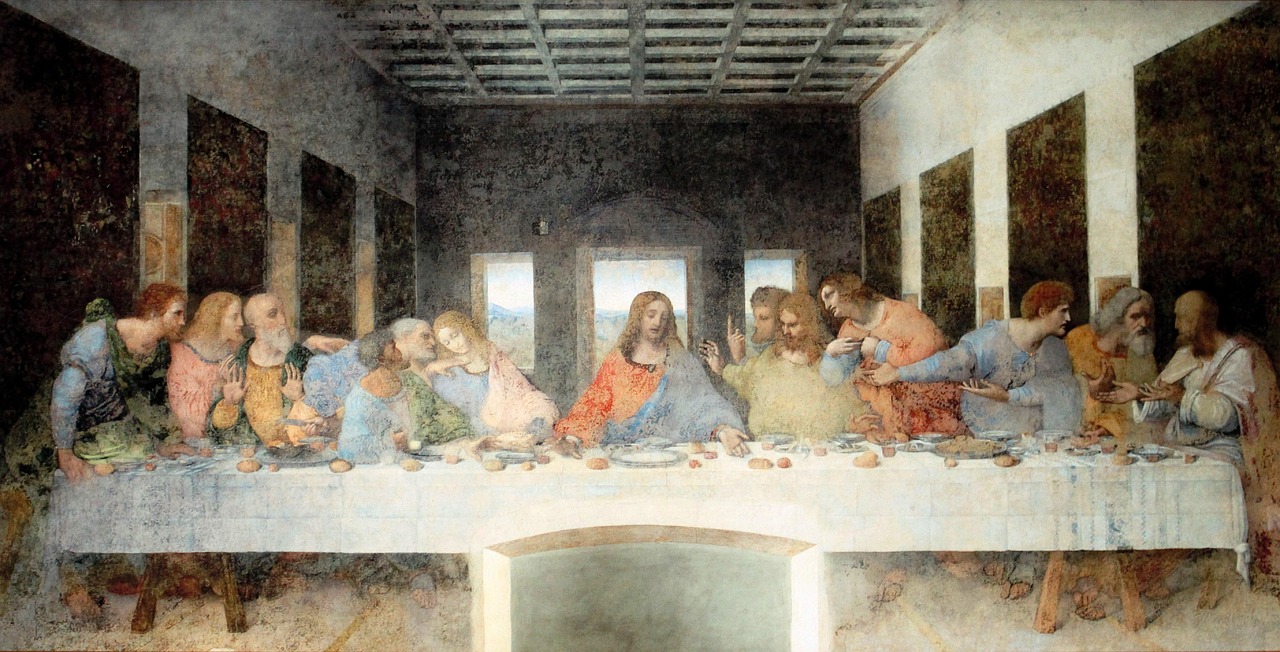
The Last Supper in a Quiet Moment
The emotional centre of many trips is a timed viewing that feels almost intimate—an encounter with silence, attention, and a work that still seems to breathe. Seen in a small group, it can feel less like a “must-do” and more like a rare pause inside the city.
An art lover described it as unexpectedly moving: being close enough to notice where time has softened the surface, yet feeling intention remains sharp. In this room, you may hear guides refer to Leonardo da Vinci’s experimental method, admire Leonardo da Vinci’s composition, and learn what da vinci’s contemporaries would have recognized—small details that make the experience feel personal rather than academic.
Tickets, timing, and trust for a calm viewing
Reservations must be purchased online well ahead, and this is where concierge support becomes invaluable—securing ideal times without stress. You’ll see the work on the wall of the refectory in the convent of Santa Maria delle Grazie.
It helps to arrive early, breathe, and let the experience land. Many visitors leave surprised by how quiet it feels, as if the city steps back and gives you a moment of full attention.
Brera extensions and gallery calm
Afterwards, extend the day tastefully into Brera for the Pinacoteca—seek out Mantegna, then wander past a small art gallery and into artisan workshops. It’s a graceful way to uncover Milan’s blend of tradition and contemporary taste without over-planning.
If you love quiet interiors, add a respectful stop at the church of San Maurizio, famed for its frescoed surfaces, and consider Santa Maria alla Porta for a softer, more local pause.
Evenings at Teatro alla Scala: opera, music, and a Milanese ritual
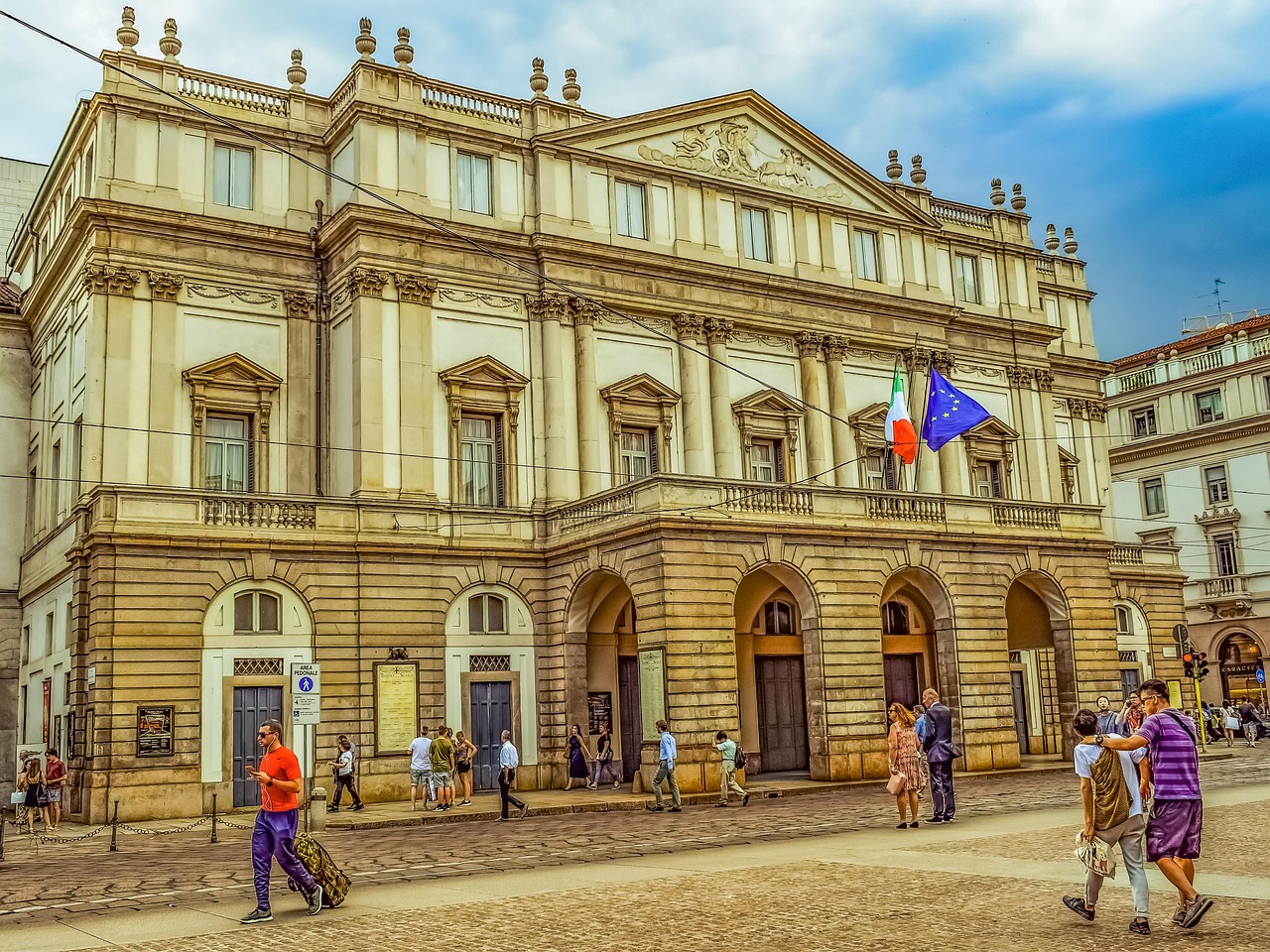
An Evening of Opera and Milanese Ritual
When the sun drops, and the streets feel newly polished, La Scala Opera House becomes the evening’s most elegant storyline. It’s a symbol of Milanese culture—velvet, anticipation, and the shared ritual of listening together.
Even from outside, the building has a poised neoclassical presence. Inside, the auditorium feels storied rather than showy, and the hush before the first notes is part of the performance.
Tickets and dress code with confidence
For excellent seats (or a private box), book as early as you can, or ask your hotel concierge to help curate options. Dress with confidence: think refined tailoring, polished shoes, and a wrap for cooler months—classic choices that feel right without trying too hard.
Arrive early for a seamless evening: time for cloakroom, a gentle look around, and a moment to settle so the night feels crafted rather than rushed.
- Milanese etiquette: Greet staff, avoid rushing, and keep phone use discreet to protect the shared atmosphere.
- Afterglow: Pair the performance with a late stroll through softly lit piazza streets for a romantic close.
Designed Milan today: Fondazione Prada, fashion houses, and contemporary galleries
Designed Milan Today: Fondazione Prada and Contemporary Culture
To explore the city’s design-forward present, Fondazione Prada is the perfect thread to follow. It’s a flagship for contemporary art, architecture, and conversation—an ideal match for travellers who value insight as much as aesthetics.
Design your afternoon like a well-edited gallery sequence: one major museum moment, one smaller space, then a café pause to reflect. In Milan, the best luxury often looks like time—time to notice, to imagine, and to let ideas settle.
Quadrilatero fashion houses with purpose
For shopping with meaning, this district is less about buying and more about understanding craft and legacy. Enjoy the window displays as miniature exhibitions, and let fashion houses tell their stories through cut, fabric, and attitude—Armani included, not as a checklist, but as a signature chapter in Milan’s style language.
Fashion Week access with expert support
During fashion week, the city’s energy sharpens. An entrepreneur once described the thrill of networking at a luxe event—meeting international designers and creatives, and feeling the room’s electricity. Invitations are never guaranteed, but trusted concierge teams or expert contacts can advise on talks, presentations, and brand-hosted moments that align with your interests.
A writer’s note on tone: stay curious. Milan doesn’t ask you to consume style; it invites you to create your own, with confidence and care.
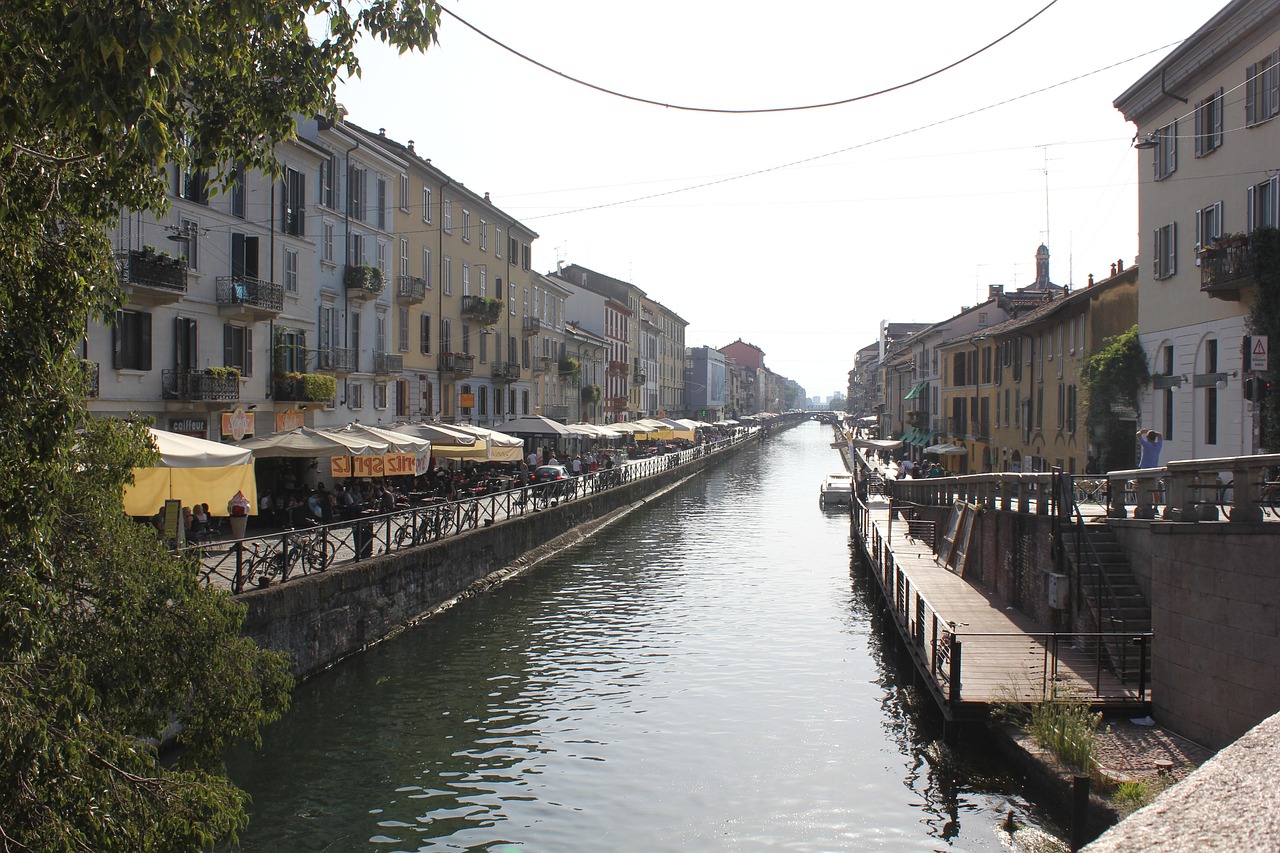
Milanese Dining and Navigli Dusk
For an evening that feels distinctly Milanese, begin with a Michelin-starred table—Cracco or Il Luogo di Aimo e Nadia—where service is precise, warm, and quietly confident. Dressing well feels natural here, not performative.
A foodie once described an unforgettable multi-course meal paired with rare Italian wines: impeccable pacing, attentive but unintrusive staff, and a dining room that made elegance feel effortless. This is Milan’s luxury at its best—crafted, seamless, and deeply personal.
Local flavour cues to savour
Look for seasonal menus and the city’s signature comfort: risotto d’oro, glowing from saffron, balanced by bright, modern touches. The best meals here feel designed, not staged—each course arriving with calm assurance.
Later, head to the Navigli mood: Naviglio Grande at dusk is a softer side of Milan, with cafés, studios, and an artsy ambience that invites you to linger along the canal. A couple once reminisced about a romantic evening walk, watching reflections shift as the city relaxed into the night.
- Dining etiquette: Greet the staff, don’t rush your courses, and tip modestly, around 5–10%.
- Booking tip: Reserve key restaurants well ahead, especially during peak weekends.
A seamless itinerary: where to stay and day trips near Milan
A Seamless Plan: Where to Stay and Day Trips
If you want clarity without rigidity, this approach keeps everything feeling effortless. It balances what you’ll experience in Milan with breathing room—so the trip feels like it was designed around you, not around queues.
Three days in Milan: a luxury-paced plan
Day 1: Cathedral rooftops at dawn, then a slow coffee in the Galleria and a light afternoon in a neighbourhood you love. Day 2: a calm timed viewing, then Brera’s quieter streets and a thoughtful pause in a curated space. Day 3: Fondazione Prada, refined window-shopping, and an opera night when you’re ready for theatre.
For more inspiration to shape your days in Italy, browse our Trip gallery and imagine what a truly supported journey could look like.
Boutique stays and getting around seamlessly
Where to stay: choose luxury boutique hotels in Brera or in the cathedral area, and request what matters—quiet rooms, spa access, and concierge introductions that open doors with ease. Getting around is simple on the efficient metro for quick hops, while a private chauffeur adds privacy and calm when you want minimal friction.
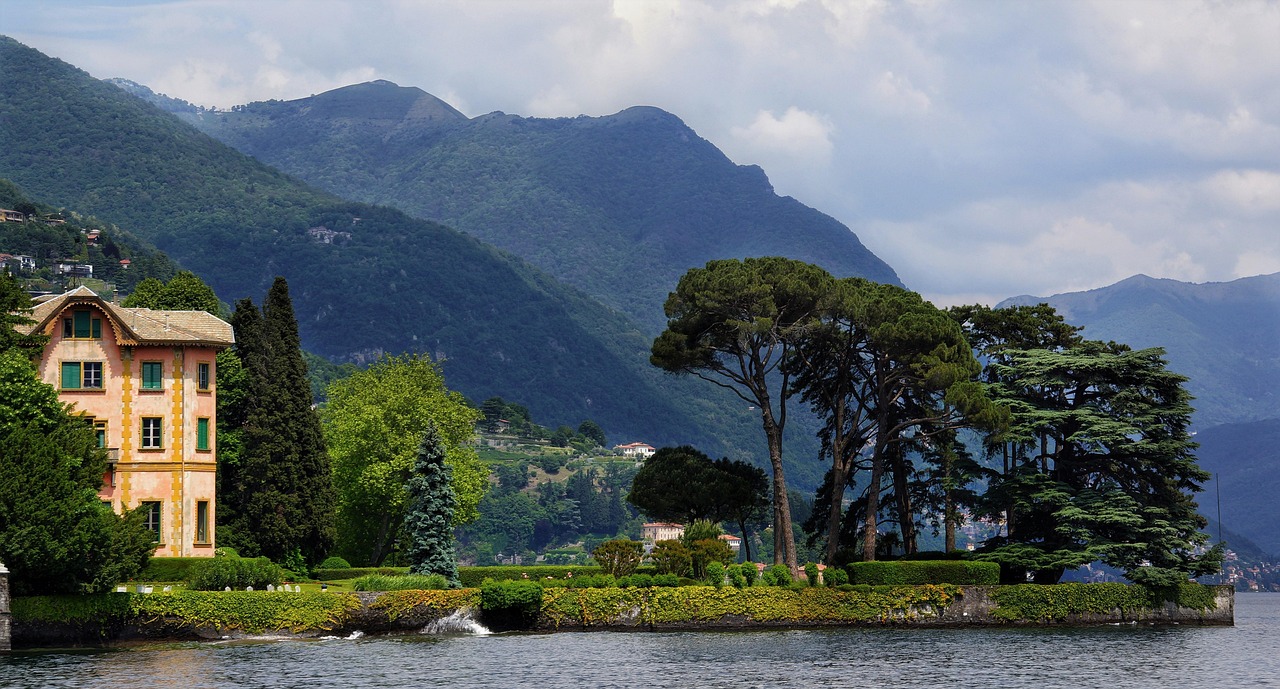
- Day trips: Lake Como for lakeside elegance, Franciacorta for sparkling wines, Bergamo for medieval charm, or a Ticino River countryside escape.
- Driving directions note: With a chauffeur, ask for optimised routing and flexible timing so your day feels spacious rather than scheduled.
A final practical reassurance: as in any major city, keep valuables secure in crowded places—small care that preserves your confidence all day.
F.A.Qs: Milan, Italy, luxury travel planning
What is Milan, Italy, best known for?
Milan is best known for being Italy’s fashion capital and a centre of design, finance, and culture. Travellers also come for Piazza del Duomo, the Galleria Vittorio Emanuele II, and world-class art, dining, and style that feels distinctly Milanese.
Is Milan cheap or expensive?
Milan is generally one of the more expensive Italian cities, especially for hotels, dining, and shopping in central districts. That said, you can balance costs by using the metro, booking key tickets in advance, and choosing experiences that feel meaningful rather than simply premium.
Is 2 days enough for Milan?
Two days can cover the essentials if well planned: rooftop time, the Galleria, a pre-booked museum or historic visit, and an evening atmosphere moment in the Navigli. For a more spacious pace with contemporary culture and shopping, three days feels more luxurious.
Is Milan, Italy, worth visiting?
Yes—Milan is worth visiting if you enjoy style, design, and culture with a modern edge. It offers a distinctive Italian experience: gothic grandeur beside contemporary creativity, outstanding dining, and a calm confidence that feels especially rewarding for high-end travellers.
What Milan Leaves With You: a personal luxury reflection
In the end, a luxury journey here isn’t a list of monuments—it’s the aftertaste of light on stone, the rhythm of trams, and the way Milan seems to hold itself with quiet ambition. The city lingers as a feeling: measured, attentive, and unexpectedly tender when you give it time.
You may find yourself remembering contrasts more than highlights—gothic lacework against clean modern lines, opera hush against street-life warmth, craft beside innovation. Even small moments return: the reassurance of a kind concierge, the trust of being well-supported, the personal comfort of moving through Milan with intention.
Perhaps that’s this city’s rare gift: it doesn’t demand you take something home, yet it subtly changes how you notice beauty in the everyday. And long after you’ve left, you might still catch yourself imagining one more evening—unhurried, curious, and quietly open to whatever Milan chooses to show you next.