Post Contents
- Planning a Day in Milan Itinerary in Luxury Style – seamless routes, timing, and a calmer city rhythm
- Duomo di Milano Rooftops & Terrace Views – sunset planning for the Milan skyline
- Leonardo da Vinci’s Last Supper in Milan – calm access, context, and Santa Maria delle Grazie
- Brera on the Beaten Path – art, boutiques, and Milanese rituals near Pinacoteca di Brera
- Fashion, Galleria Vittorio Emanuele II, La Scala & the Navigli district – a luxe Milan evening plan
- F.A.Qs: Things to do in Milan, Italy, for a high-end, well-paced stay
- What Stayed With Me After a Visit to Milan – reflections from a perfectly paced day
Planning a Day in Milan Itinerary in Luxury Style – seamless routes, timing, and a calmer city rhythm
Planning a Day in Milan with Seamless Style in Milan, Italy
For a day in Milan itinerary, luxury travel in Milan, Italy, approach: quiet luxury begins with planning your trip around the city’s natural rhythm—early starts, unhurried lunches, and culture when the streets are busiest. If you’re mapping things to do in milan italy, April to June or September to October is often ideal, with crisp mornings and long evenings that make moving between neighbourhoods feel effortless. On hot days, design a gentler pace: start with outdoor icons, take a green pause at midday, and save museums for the warmest hours.
Arrive smoothly from Malpensa, Linate, or the train station in the city centre
Milan Malpensa is well suited to long-haul arrivals, while Linate feels closer to the action for short flights and private transfers. If you arrive at a major train station, you can reach the city centre with calm confidence by metro, tram, or a metered taxi—your hotel can also arrange a trusted car service if you’d rather skip decisions after a long journey. In Milano, that first seamless transfer quietly sets the tone: supported, polished, and unhurried.
Think of your first walking tour as a linked loop that balances landmarks with neighbourhood texture—this is the heart of Milan and home in one easy design. Choose a base in Brera for artful calm, near the Duomo area for iconic access, or in the Navigli district for evening atmosphere by the canal. If you’d like to add energy without stress, Corso Buenos Aires is excellent for a straightforward retail stroll between meetings and aperitivo.
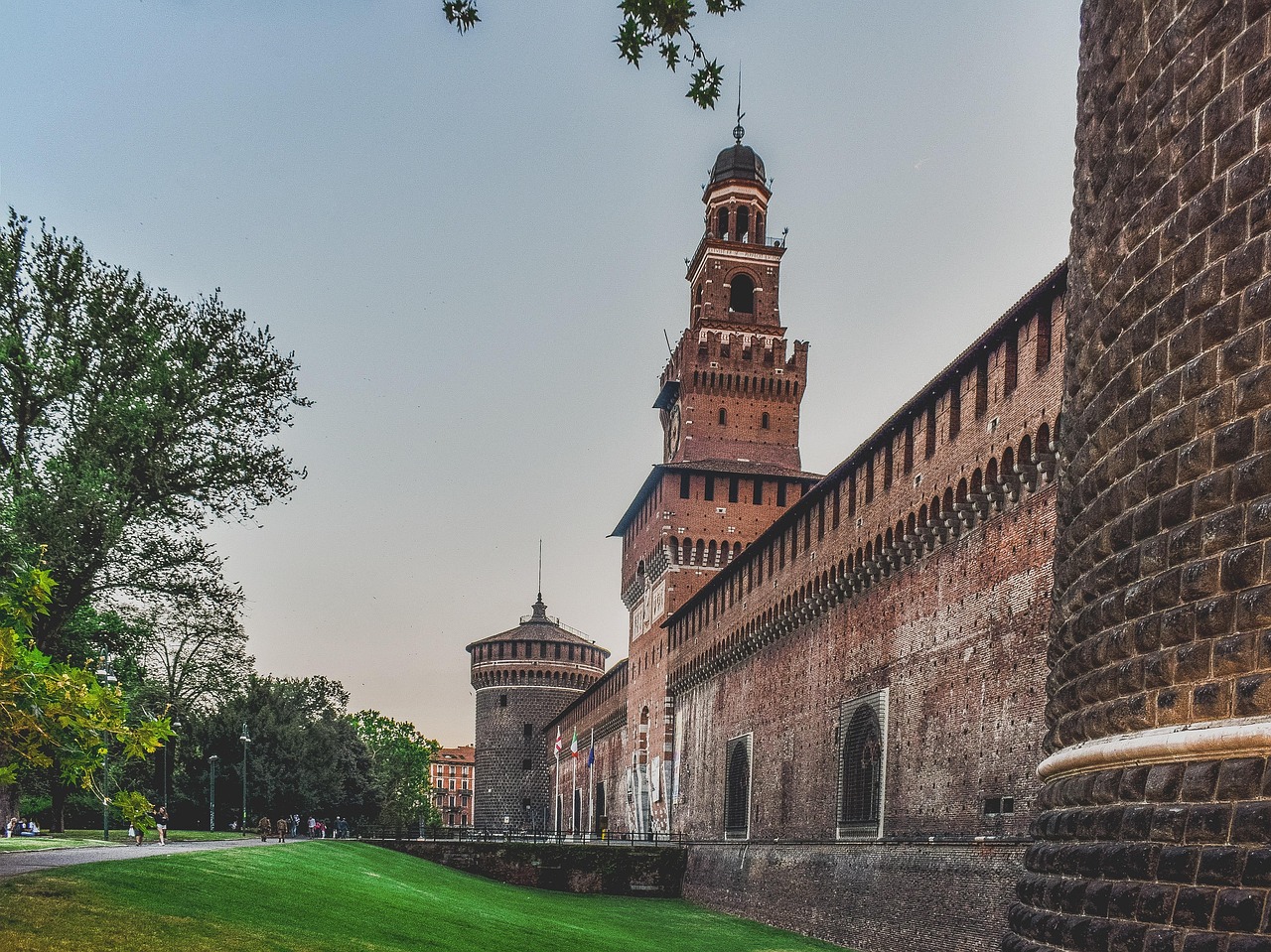
To create space in your schedule, build in an early green reset at Sforzesco—the historic grounds around Sforza Castle—then drift into Parco Sempione. Continue to Arco della Pace for a breath of air away from the hustle and bustle, before you return to marble, glass, and the city’s signature sense of design.
- Milan Transport Card: the easiest way to move between metro and tram lines with zero friction, especially if you’re doing multiple stops in one day.
- Pickpocket awareness: keep valuables secure near the Duomo and major transit nodes, and use zipped bags in crowded stations.
- Etiquette: a warm “Buongiorno” and elegant dress create instant rapport in Milanese spaces, from cafés to galleries.
If you’d like a more curated flow, you can browse our Trip gallery and imagine how Milan pairs beautifully with other Italian cities, while still feeling distinct.




Duomo di Milano Rooftops & Terrace Views – sunset planning for the Milan skyline
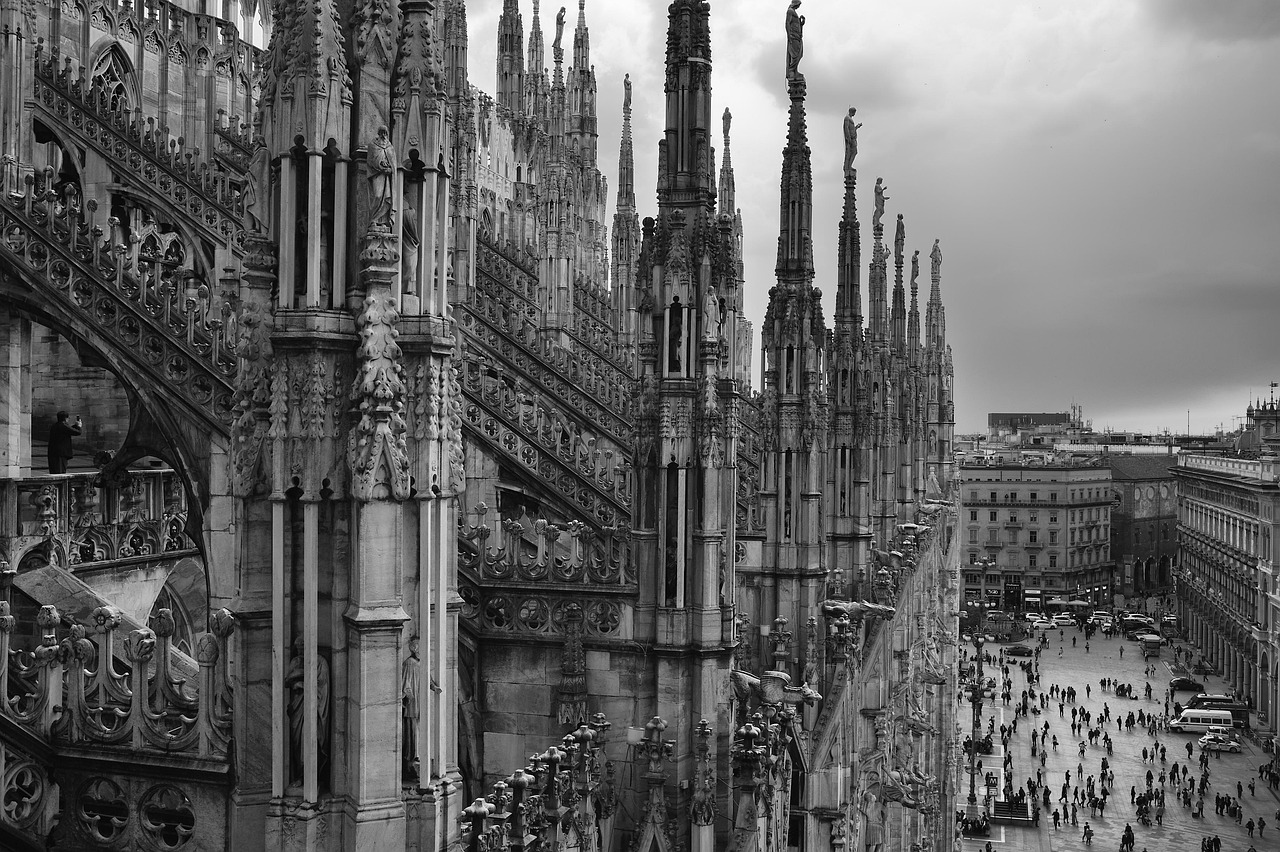
Duomo di Milano Rooftops and the Milan Skyline at Sunset in Milan, Italy
For Duomo di Milano rooftop terrace tickets in Milan, Italy, begin by letting the cathedral meet you at street level before you rise above it. The duomo—the iconic milan duomo—is Milan’s top Gothic masterpiece, and the details reward a slower gaze, especially the stained glass windows and pale marble filigree that seems to shift with the sky. Seen at the right hour, this landmark becomes less of a box-ticking stop and more of a true city-defining moment.
Lift vs. stairs: how to skip the line and time the rooftop for golden light
High-end travellers often choose the lift for ease, saving energy for the rooftop walkways, while the stairs suit anyone who enjoys a more physical sense of ascent. If you value time, select a skip-the-line option through official channels or a trusted operator; the best versions still feel like discovery, not herding. Aim for golden hour so the terrace light softens the stonework and the city below takes on a quieter glow.
A traveller once told us that standing on the roof of the duomo at sunset felt like stepping into a hush above the streets. The milan skyline unfurled in every direction, and on a clear evening the Alps appeared in the distance—proof that this fashion-forward city can be both grand and intimate at once.
Photography and presence: simple composition cues for the Duomo rooftops
To create images with elegance, frame the spires against open sky, then pull back to include the walking paths that show scale and perspective. Look for repeating arches and sculpted details, and let a single element anchor the shot before you widen out. Then put the camera down for a minute—the best insight often arrives when you simply listen to the wind across the marble.
Before you descend, uncover a calmer corner where the crowds thin. That small, quieter pause transforms the duomo from a must-see attraction into something personal—an imprint of Milan you carry with you.
Leonardo da Vinci’s Last Supper in Milan – calm access, context, and Santa Maria delle Grazie
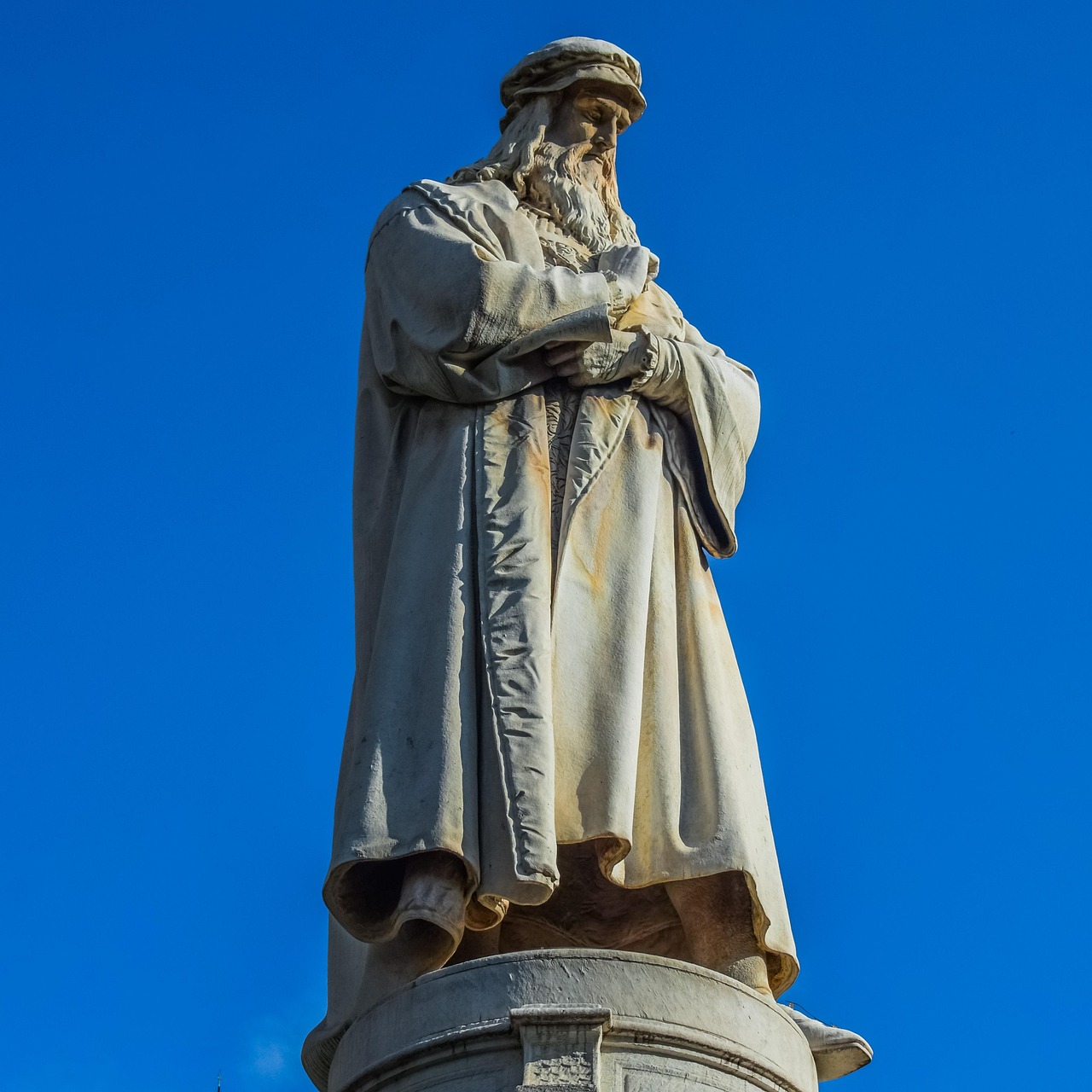
Leonardo da Vinci’s Last Supper with Calm, Expert Guidance in Milan, Italy
For Last Supper tickets in Milan at Santa Maria delle Grazie, the mood is different—more reverent, more contained, and deeply moving when it’s done with care. At the Basilica di Santa Maria delle Grazie, a modest approach opens into one of the country’s most sought-after works: Leonardo da Vinci’s masterpiece, often referred to as the Last Supper. Even if you’ve seen it in books, the lived reality feels gentler and more human in the room itself.
Booking reassurance: book in advance and treat timed entry as tickets in advance
The most supportive advice is simple: use authorised sources and book in advance. Consider booking tickets in advance; you can secure 2–3 months ahead, especially in peak spring and autumn weeks, when availability disappears quickly. With entry timed precisely, you can design the rest of your Milan day around it rather than scrambling between reservations.
Arrive early to allow for security, and consider a small-group guided tour if you want helpful context without crowd pressure. A visitor once described their excitement after securing a rare entry months ahead; inside, those near-silent minutes made them notice the tenderness in each face, and how Leonardo da Vinci’s storytelling still feels alive.
After the viewing: a quiet approach around the basilica and nearby streets
Afterwards, slow your pace around the basilica and the surrounding streets, letting your thoughts settle before you move on. It’s a refined add-on that turns a famous viewing into a more thoughtful rhythm, and it pairs well with a short café stop before your next appointment. For drivers and maps, you may see the name shortened in directions as di Santa Maria delle Grazie, which can be useful when coordinating a pick-up.
Brera on the Beaten Path – art, boutiques, and Milanese rituals near Pinacoteca di Brera
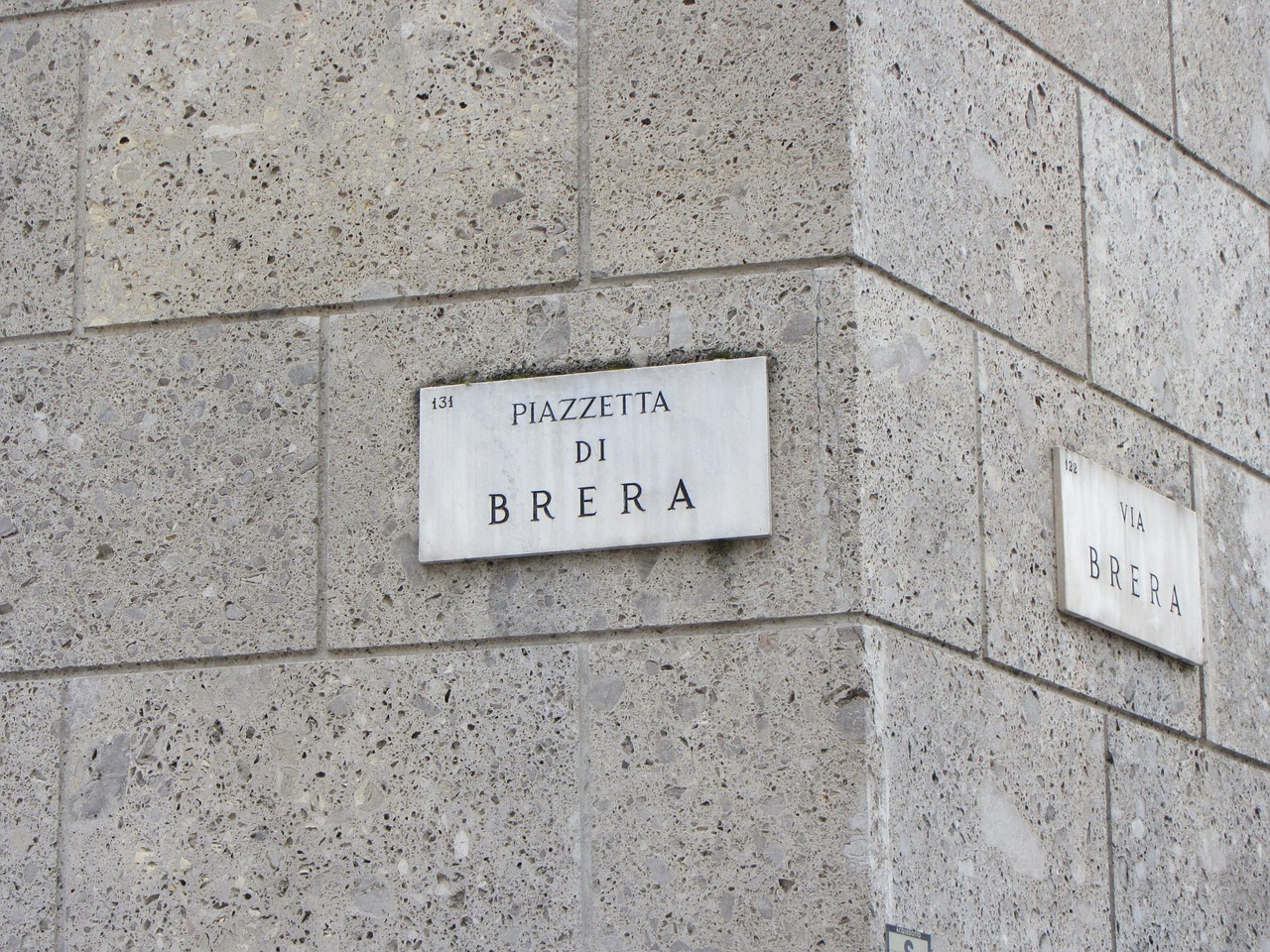
Brera’s Beaten Path Charm and Artful Milanese Rituals in Milan, Italy
For the Brera district in Milan, the beaten path Pinacoteca di Brera, step into a pocket of Milan where elegance feels lived-in rather than announced. Brera is a weave of cobbled lanes, art galleries and boutiques, and softly confident service—central, yet calmer in tone than the busiest streets near the Duomo. If you’re seeking a more beaten path mood without losing polish, this is where the city feels most naturally itself.
Pinacoteca di Brera: a curated art stop (not an endurance museum day)
Anchor your afternoon at the Pinacoteca di Brera, sometimes simply called the Brera Art Gallery. Visit early afternoon or later in the day for breathing space, and let one wing be enough—depth over quantity is a wonderfully Milanese choice. If you prefer added insight, a discreet guided tour can translate symbols and technique while keeping the atmosphere calm.
San Maurizio al Monastero Maggiore: fresco-filled calm and an insider “Maurizio” moment
Then uncover a surprise at San Maurizio al Monastero Maggiore, often called the “Sistine Chapel of Milan.” The fresco work is extraordinary, and once you’ve seen it, “Maurizio” becomes your insider shorthand for a place that feels like a secret shared with friends. It’s one of those things to do in Milan that sophisticated travellers remember because it’s serene, not because it’s loud.
Build a simple ritual: a cappuccino with a small pastry, then a slow wander that ends with gelato. These pauses aren’t filler—they’re how you absorb the design of the streets, the cadence of conversation, and the subtle style that makes Milanese life feel so composed.
- How to choose a dining spot in Brera: look for seasonal menus, a calm pace, and staff who read the room with confidence.
- What “crafted” hospitality looks like: clean flavours, thoughtful wine suggestions, and a table that feels personal, not performative.
- Signature dish to try: risotto alla milanese when it’s on the menu—simple, golden, and deeply local.
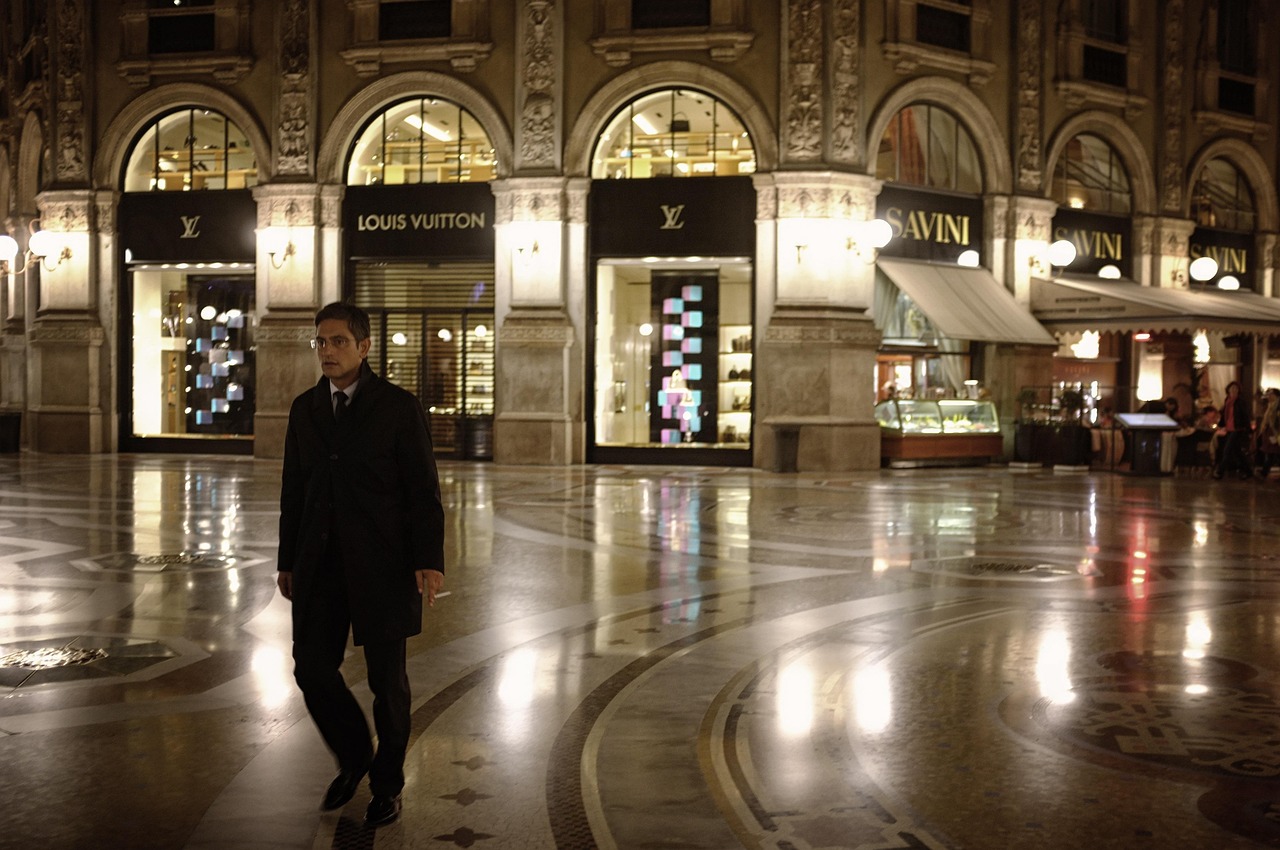
Fashion, La Scala and Canals for a Luxe Milan Evening in Milan, Italy
For things to do in Milan, luxury fashion, La Scala, and the Navigli district, the evening is where the city’s glamour softens into an atmosphere. Begin beneath the soaring iron-and-glass of Galleria Vittorio Emanuele II (often shortened to Galleria Vittorio Emanuele), a cinematic Milan attraction that makes even a short stop feel like an occasion. This historic shopping arcade is perfect for window shopping and an espresso when you want energy without committing to a full retail mission.
Quadrilatero della Moda: Italy’s fashion capital and the city of fashion in one elegant loop
From the Galleria Vittoria, move into the Quadrilatero della Moda, where Milan is unmistakably Italy’s fashion capital and a true city of fashion—a global fashion capital defined by craftsmanship as much as labels. Prada, Gucci, and Versace sit within a few refined streets; the luxury is in designing the visit properly, with the right timing and the right introductions. If you’re curious, ask your hotel to arrange a stylist appointment or a fitting with a bespoke tailor—when it’s set up well, it feels seamless rather than intimidating.
A fashion enthusiast once described wandering here as entering a world of exclusivity, culminating in a personal fitting that felt both celebratory and surprisingly warm. It’s a reminder that the city’s confidence often comes with genuine care, when you meet it with the same respect.
Teatro alla Scala: performances, La Scala Museum, and what to wear
As night falls, let Teatro alla Scala shape the mood. If you’re attending a performance, lean from business casual to formal attire; Milan appreciates elegance, which heightens your sense of occasion. By day, La Scala tours and the La Scala Museum offer a behind-the-scenes perspective—ideal if you love craft, costume, and the engineering of beauty.
Next, choose an aperitivo with atmosphere. A couple once fondly remembered a private, candlelit aperitivo in a historic palazzo: warm light, local wines, and small plates that felt thoughtfully curated. Expect around €20–30 in upscale venues, and treat it as an unhurried ritual rather than a pre-dinner rush.
Finish in the Navigli district, where the city becomes softer around the water. Walk along the Navigli canals, then linger along the Naviglio Grande as reflections ripple beside old facades and new design studios. If you want an optional refinement, detour to the Basilica di San Lorenzo Maggiore, or plan a curated day trip to Fondazione Prada—an architectural experience that often sparks new ways of seeing. If you have more time, Lake Como is a classic trip from Milan, offering an elegant contrast to the city’s tailored pace.
- Timing tip: reserve entries or tours in advance during busy weeks for a smoother arrival, especially around major cultural dates.
- Transport: the metro and tram keep evenings simple, with taxis for door-to-door ease when you’re dressed for the opera.
- Style cue: even smart flats and a jacket can feel perfectly Milanese for an opera-adjacent night out.
F.A.Qs: Things to do in Milan, Italy, for a high-end, well-paced stay
F.A.Qs: Things to do in Milan Italy for high-end travellers
What should you not miss in Milan on a first visit?
Don’t miss the Duomo rooftops for the most memorable skyline views, and prioritise a timed entry to Leonardo da Vinci’s masterpiece, The Last Supper. For a more personal feel, include Brera for art and calmer streets, then finish with an aperitivo and a stroll by the canal in the Navigli district. Together, these highlights capture craft, style, and warmth without rushing.
What is Milan, Italy, best known for today?
Milan is best known for fashion, design, and cultural icons: the Duomo, Teatro alla Scala, and world-class art connected to Leonardo da Vinci. It’s also known for polished shopping experiences in the Galleria Vittorio Emanuele II and the Quadrilatero della Moda. Beyond the headlines, many travellers love the city for its confident yet understated rhythm—elegant, modern, and surprisingly intimate.
Is $10,000 enough for a high-end trip to Italy?
Yes—$10,000 can be enough for a high-end trip to Italy, depending on trip length, season, and hotel choices. For Milan, budget more for premium accommodation, private transfers, and pre-booked cultural access, such as Last Supper tickets or a guided tour. You can keep costs balanced by mixing fine dining with aperitivo, and using the metro or tram when it’s the most seamless option.
How many days is enough for Milan, and should you add a day trip?
Two to three days is ideal for Milan if you want a relaxed pace with key highlights: the Duomo, Brera, and an evening at La Scala or Navigli. One well-designed day in Milan can still feel complete if you pre-book essentials, especially The Last Supper. If you have four days, add a day trip such as Lake Como or a focused contemporary art visit to Fondazione Prada.
What Stayed With Me After a Visit to Milan – reflections from a perfectly paced day
For a visit to Milan reflections, Milan, Italy, travel feelings, what lingers isn’t a checklist—it’s a sensation. I still remember the hush on the Duomo terrace, high above the streets, where the marble seemed to cool as the light changed and the day released its grip. The city’s confidence can feel quietly reassuring, like a well-cut coat: structured, flattering, and somehow comfortable the moment you slip into it.
There is a balance here that stays with you: craft and spontaneity, glamour and gentleness. In Brera, it might be the way a gallery door closes softly behind you; near la Scala, the faint echo of footsteps that makes the street feel like a backstage corridor. Even a late gelato on the walk back to your hotel can feel like a small act of care—proof that luxury is sometimes simply time, given back to you.
When you visit Milan, the city meets you where you are, and it changes with what you notice. And that is why it calls you back—not urgently, but patiently—inviting you to return and discover what new details, and what new version of yourself, might appear next time.