Post Contents
- Luxury Florence Itinerary: Discover Florence, Italy Attractions in One Day
- Florence Cathedral & Brunelleschi’s Dome: How to Experience the Duomo Complex
- Uffizi Gallery: Renaissance Art Museum Must-See for Italian Renaissance Art
- Palazzo Vecchio & Piazza della Signoria – Living Renaissance at Florence’s City Hall
- Across the Arno River: Ponte Vecchio to Oltrarno Craft and Hidden Gems
- Pitti Palace, Palazzo Pitti & Boboli Gardens – A Restorative Florence Itinerary
- FAQs: Florence, Italy Attractions Planning, Tickets, and Dress Codes
- Florence sights that linger after a trip to Florence
Luxury Florence Itinerary: Discover Florence, Italy Attractions in One Day
Sunrise start for a luxury itinerary—Piazzale Michelangelo before the streets of Florence fully wake
If you’re researching Florence, Italy, attractions with a luxury lens, begin by recognising how this destination rewards most: quietly. A seasoned traveller once described standing at Piazzale Michelangelo before dawn, watching terracotta roofs shift from slate-grey to rose until the heart of Florence began to stir. In that hush, Florence feels less like a tourist checklist and more like a living studio—one of the best things about visiting well.
To shape a day in Florence (or a long weekend) with ease, map your route by neighbourhood rather than by pure “must-see” tick boxes. The historic city centre holds the main attractions in a compact loop, while across the Arno River, the Oltrarno district slows your pace with ateliers and gardens—true hidden gems when you’re looking for things that feel local. You can explore Florence on foot, then add a chauffeur for comfort and privacy when it’s the right time to visit for a quick, serene visit.
Piazzale Michelangelo sunrise to the city centre – an easy loop of main attractions
Start at Piazzale Michelangelo for a view of Florence that instantly orients you: the Duomo’s dome, the Arno River’s curve, and the streets radiating toward the grand squares. From there, drift downhill toward the Piazza del Duomo, then continue to Piazza della Signoria, a natural flow that links attractions in Florence without feeling rushed. This simple route keeps you close to the best-known sights while leaving space for coffee stops and unplanned moments.
As a rhythm, keep mornings for a museum or cathedral visit, and reserve late afternoons for strolling, shopping, and aperitivo. In peak years, a million people visit Florence, so timing becomes your quiet advantage—especially when you’re looking for the best balance of beauty and breathing room. Thoughtful pacing is the luxury that makes a trip to Florence feel unhurried.
Getting around Florence: walkable elegance, taxis, and private drivers
Florence is famously walkable, but comfort still matters—especially between reservations. Taxis are ideal for short hops when you’re dressed for dinner, carrying purchases, or returning after a late evening; a private chauffeur is the smoothest option when you want transitions that feel seamless. If you plan ahead, you can spend more energy on discovery and less on logistics.
- On foot: best for the historic loop—Duomo area, Piazza della Signoria, Santa Croce, and San Lorenzo.
- Taxi: practical for arrivals and departures from the train station at Santa Maria Novella, and for evenings when you prefer to arrive together and unflustered.
- Private car: perfect for elegant resets between experiences, shopping drop-offs, and staying comfortable in warmer months.
One reassurance: a clear itinerary doesn’t make Florence feel over-designed—it creates space for spontaneity because your essentials are already supported with care. It’s also how a single standout attraction can feel personal rather than performative.




Florence Cathedral & Brunelleschi’s Dome: How to Experience the Duomo Complex
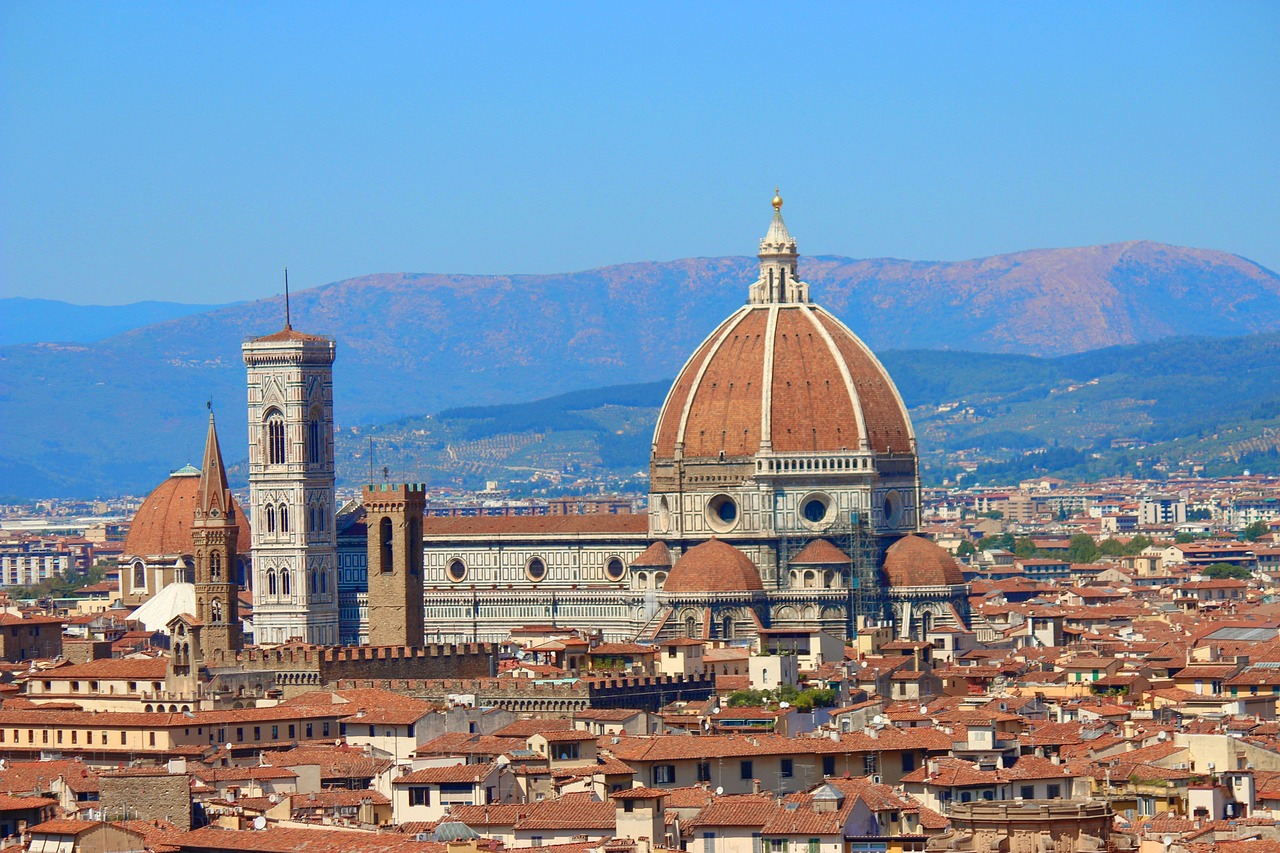
Inside the Duomo complex: Florence Cathedral, the dome, and the marble geometry that defines the square
The Florence Cathedral experience is best enjoyed as a sequence, not a scramble. Begin by letting the Duomo complex unfold in order: the Cattedrale di Santa Maria del Fiore (also written as di Santa Maria del Fiore), then the dome climb if it suits your energy, and finally the baptistery zone, where stonework reads like lace in early light. Taking it step by step helps you absorb the scale and craftsmanship without feeling rushed.
Even if you’ve admired images for years, the first moment inside Santa Maria del Fiore—cool air, soft echoes, and sudden proportion—lands differently in person. It remains one of the city’s defining landmarks, and it rewards a slower pace with details most travellers miss. For many visitors, this is the moment Florence shifts from beautiful to unforgettable.
Brunelleschi and the dome climb – a view of the city and the heart of Florence
Brunelleschi’s engineering story is part genius, part audacity: a Renaissance solution to a problem no one else could solve at the time. The dome climb is intimate and physical—narrow corridors, close-up frescoes, and then a rooftop opening to a city view that feels earned. Choose an early time slot for cooler temperatures and fewer people on the stairs; if stamina is a concern, an expert guide can help you pace the ascent and know when to pause.
If you’re visiting in summer, schedule the climb before midday, then plan a shaded lunch and a slower afternoon. It’s an exhilarating highlight, but it’s most enjoyable when you protect your energy.
Giotto’s Bell Tower (Campanile di Giotto) – views over the city
For many travellers, Giotto’s bell tower offers a clean photographic angle—more airy, more geometric, and often less claustrophobic than the dome. The Campanile di Giotto is also a graceful alternative if you want views over the city with slightly wider stairways. If you plan to climb both, separate them across two days so your legs stay happy.
For deeper context, take time to visit the museum at the Duomo Museum, also known as the Museo dell’Opera del Duomo. It connects sculpture, craft, and the story of the Duomo di Firenze, so the exterior feels newly legible afterwards. Book skip-the-line tickets where possible, or arrange guided access to move through more calmly.
A practical note: modest dress codes apply at Santa Maria sites—covered shoulders and knees help you feel comfortable, respectful, and prepared.
Uffizi Gallery: Renaissance Art Museum Must-See for Italian Renaissance Art
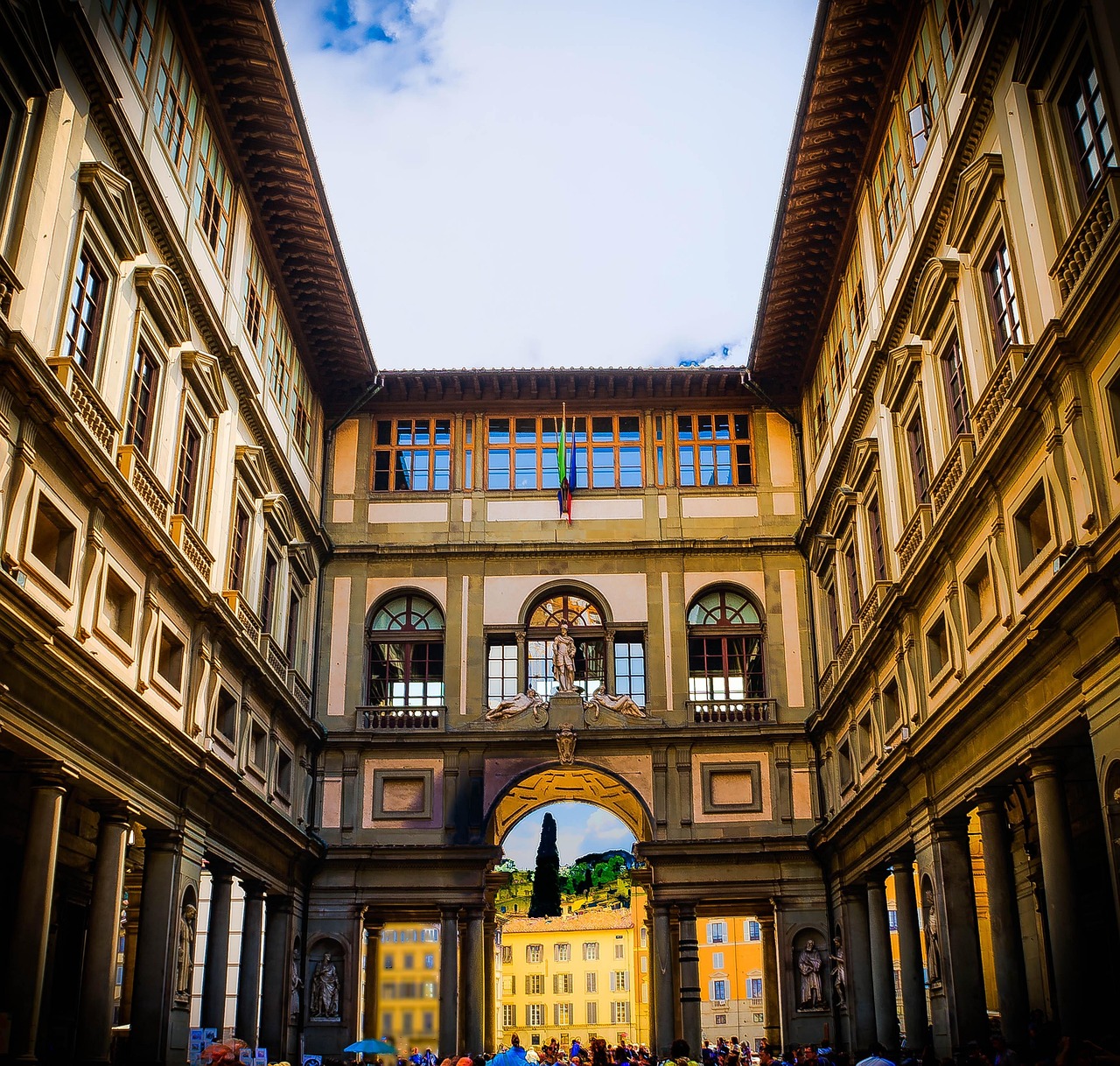
Quiet morning rooms at the Uffizi Gallery—where Renaissance art feels intimate, not crowded
The moment at the Uffizi Gallery often arrives unexpectedly. An art lover once told us they expected to admire Botticelli, but instead felt a quiet jolt standing before The Birth of Venus—as if the room briefly dissolved and history became personal. That is the rare gift of Florence: it invites connection, not just observation.
As an art museum, the Uffizi is essential for Italian Renaissance art, with works by Botticelli, Michelangelo, and Leonardo da Vinci forming a lineage you can feel room by room. Rather than trying to “see in Florence” everything at once, choose a small set of masterpieces and let your attention deepen; this approach prevents fatigue and heightens wonder. For many travellers, it becomes the emotional centre of the itinerary—pure Renaissance art in its most resonant setting.
A high-end Uffizi plan: skip-the-line tickets, timing, and calm
For high-end travellers, the difference is less about speed and more about serenity. Early entry is the simplest luxury: cooler air, quieter rooms, and sharper focus before peak tourist flow. A private guide adds gentle structure—stories, symbolism, and context—while protecting you from sensory overload.
- Timing: enter early, then take a long lunch away from the crowds.
- Pacing: treat the museum visit as a curated experience, not a marathon.
- Focus: choose one artwork to return to—trust your own taste.
Beyond the Uffizi: the Accademia and the Statue of David in half a day
If you have half a day and want one additional highlight without overpacking, consider the Galleria dell’Accademia for the statue of David. It’s a different energy—more singular, more sculptural—and it rounds out your understanding of Florentine ideals. Keep the rest of the afternoon free to wander a square in Florence, browse boutiques, or simply watch the street theatre from a café table.
Before you leave, give yourself a final minute with one piece that stays with you. Florence offers plenty; the most refined strategy is choosing what deserves your attention.
Palazzo Vecchio & Piazza della Signoria – Living Renaissance at Florence’s City Hall
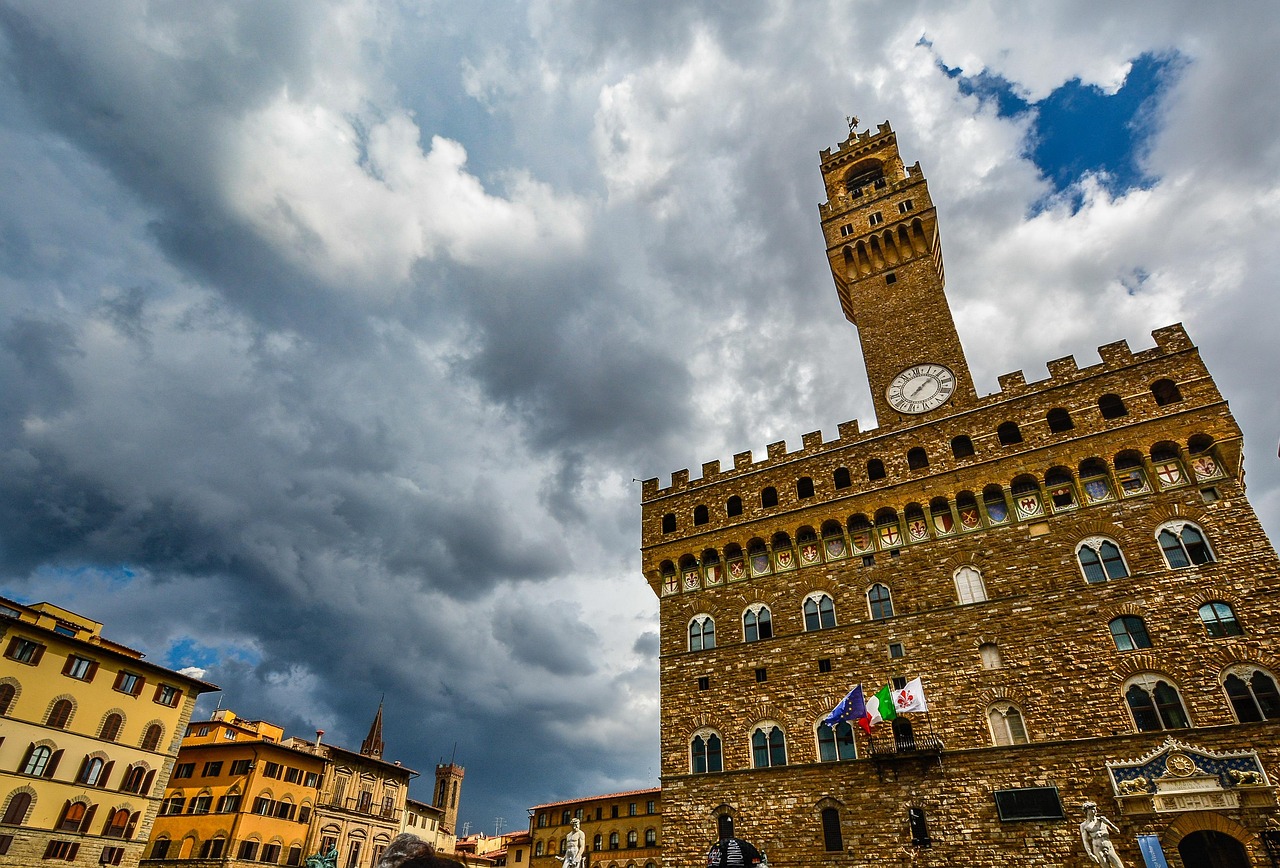
Piazza della Signoria and Palazzo Vecchio—an open-air stage of Renaissance power in the historic centre
Palazzo Vecchio and Piazza della Signoria are where Florence’s civic soul still feels audible. Think of the piazza as an open-air theatre—statues, façades, and the constant choreography of footsteps—then step inside the palace to feel the weight of history in frescoed rooms and grand staircases. The building is still the city hall, which makes the experience feel unusually alive rather than purely archival.
This is Renaissance Florence at street level: political, artistic, and intensely human. A knowledgeable guide adds real value here, especially if you enjoy understanding how rooms functioned—ceremony, diplomacy, and spectacle—rather than simply admiring décor.
Medici family patronage – how the Medici shaped Florentine culture
The Medici shaped Florence not by chance but by vision—funding artists, commissioning buildings, and turning taste into influence. You’ll notice their thread across chapels, palaces, and civic spaces, where the Medici family built a cultural engine that still draws modern travellers. Even if you’re not a specialist, the story makes the architecture feel like a living conversation—bold, strategic, and unmistakably Florentine.
Santa Croce Basilica, San Lorenzo & Mercato Centrale – quieter sights in Florence
After the intensity of the main squares, Santa Croce basilica offers a softer kind of grandeur and is well worth a visit later in the afternoon, when groups thin out. Inside, you’ll also find tributes connected to figures such as Galileo, which adds a thoughtful layer beyond art alone. From there, follow a Medici thread to San Lorenzo and the basilica di San Lorenzo, where proportion and stone speak with quiet authority.
For a polished lunch stop, Mercato Centrale is worth a visit when you want something local without sacrificing comfort—excellent produce, Tuscan wine, and the freedom to choose your pace. Cluster these stops geographically and leave generous walking time between them; it keeps the day elegant and turns “popular sights” into experiences you can actually feel.
Across the Arno River: Ponte Vecchio to Oltrarno Craft and Hidden Gems
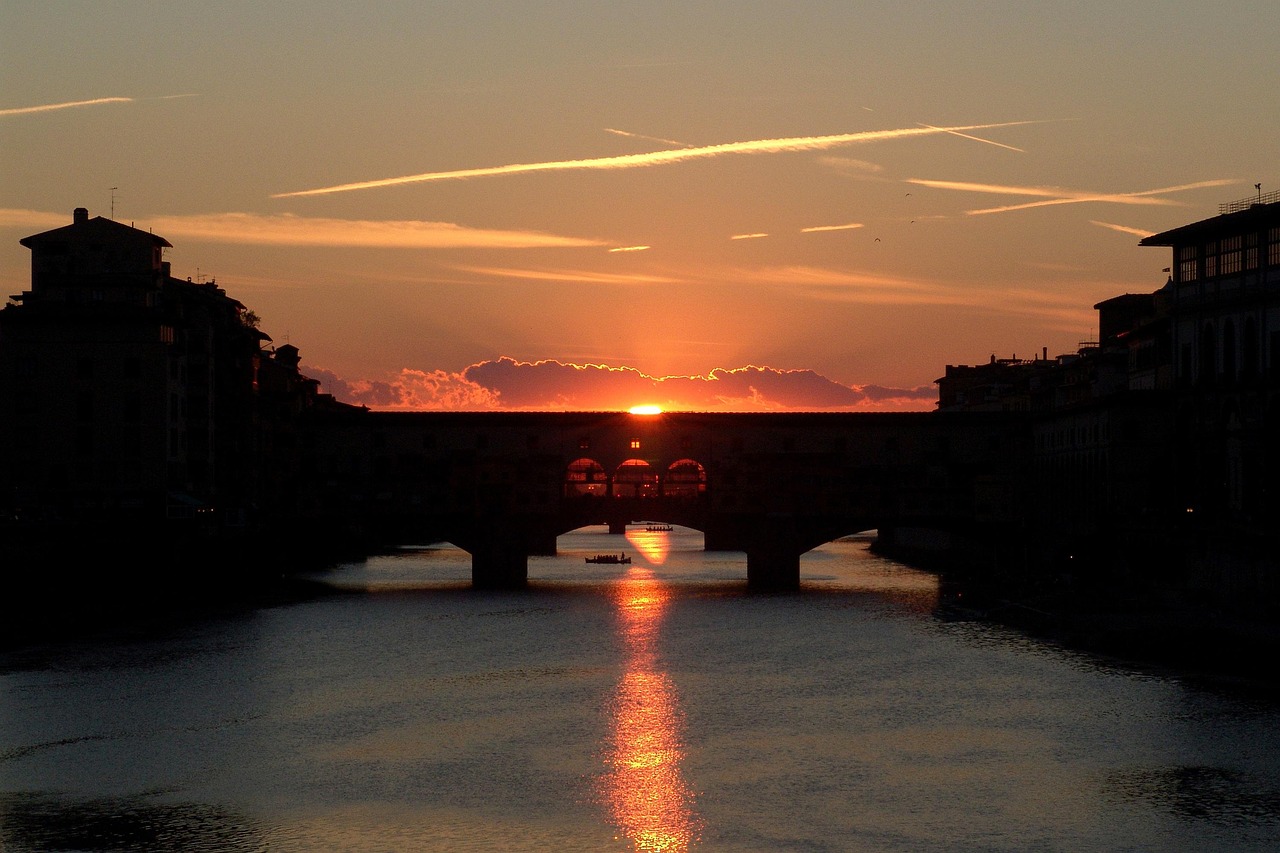
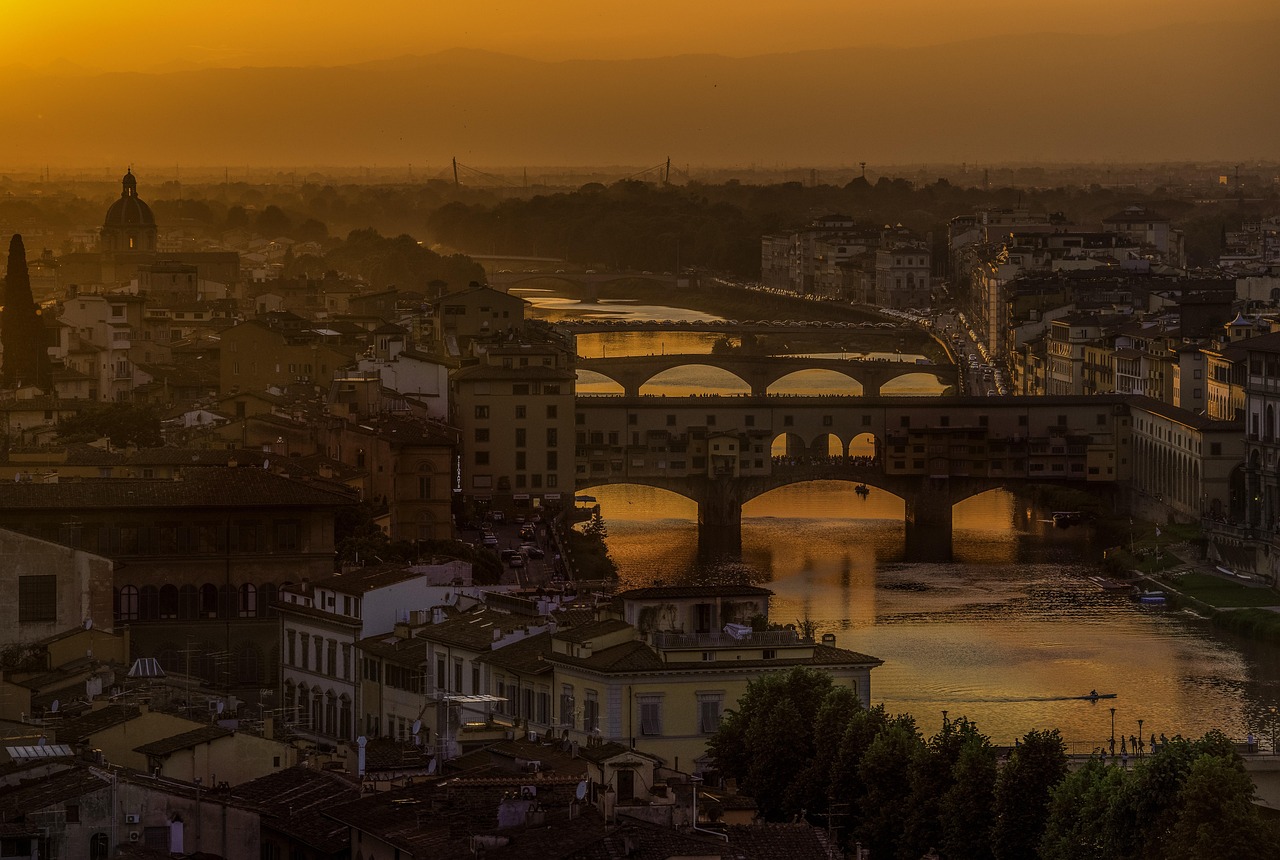
Golden hour by Ponte Vecchio—crossing into Oltrarno for artisan studios and a slower pace
Ponte Vecchio and Oltrarno begin with a single crossing that changes the mood. This bridge in Florence is famously photogenic, yet it’s also one of the oldest surviving bridges in Europe, with layered history underfoot. Step over the water and the pace recalibrates—fewer grand entrances, more studio doors, and the gentle confidence of craft.
This is where one of Florence’s defining strengths becomes tangible: the handmade quality you can see and touch. If you’re searching for things to do in Florence that feel genuinely local, Oltrarno is a brilliant place to visit for studios, small galleries, and makers who still work by hand.
Private artisan workshops – commissioning Florentine leather and jewellery
A private guided tour of artisan workshops is the most refined way to uncover leather goods and jewellery without guesswork. You’ll meet makers, see tools at work, and understand what separates “nice” from heirloom—stitching, burnishing, stone-setting, and finishing details. It’s also one of the most rewarding ways to discover hidden gems while avoiding overly commercial stops.
- Commission well: ask about lead times, care instructions, and whether pieces can be adjusted after you return home.
- Create provenance notes: record the atelier name, materials, and the story behind your purchase.
- Ship smartly: for valuable items, discuss insured shipping and customs paperwork in advance.
Evening on the Arno River – Ponte Vecchio lights and aperitivo
Many travellers still describe a private evening moment on the Arno River as the point at which Florence feels theirs entirely: the Ponte Vecchio lit above the water and reflections moving like silk. Add a sommelier-curated tasting, and it becomes intimate, unhurried, and beautifully together. It’s a memorable contrast to daytime touring—more atmosphere, less agenda.
Before dinner, lean into aperitivo hour for effortless social energy: a spritz, a small plate, and the soft sense of belonging that arrives when you stop trying to optimise every minute.
Pitti Palace, Palazzo Pitti & Boboli Gardens – A Restorative Florence Itinerary
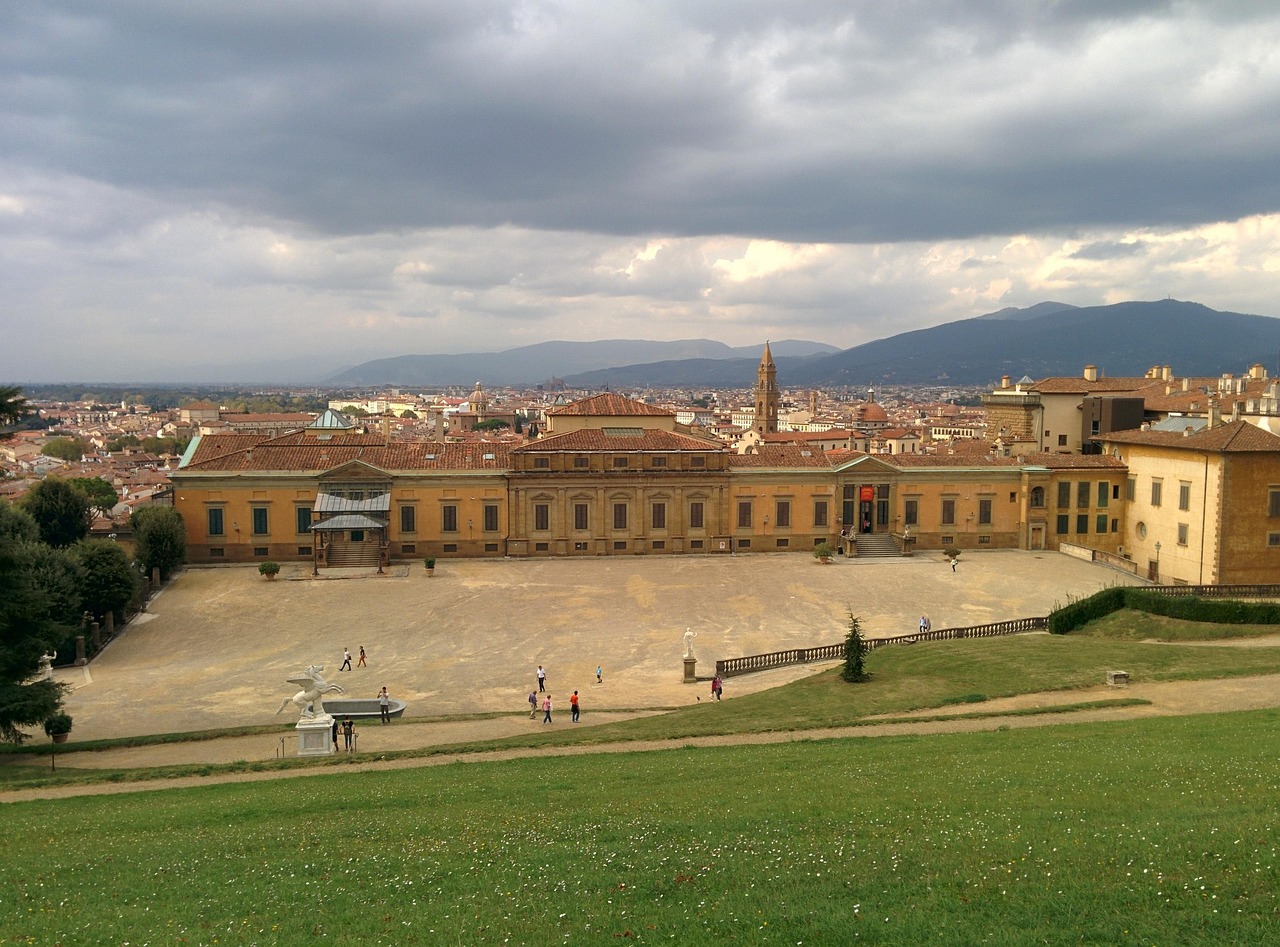
Sculpture-lined paths in the Boboli Gardens behind Pitti Palace—an elegant pause from the busy centre
Planning time at Pitti Palace and the gardens is an invitation to slow down. Pitti Palace feels more spacious than the compact museums in the historic centre, and that breathing room changes how you experience art—less jostling, more lingering. If you prefer a calmer rhythm, this is a wonderful counterbalance to the Uffizi.
From the palace, the Boboli Gardens unfurl like a sculpted green world: cypress-lined paths, shaded corners, and viewpoints that bring Florence back into frame. It’s an ideal place to visit when you want beauty without crowds, and a gentle reset before the evening.
Boboli Gardens in summer – shade, paths, and a view of Florence
In warmer months, plan Boboli Gardens for late afternoon when the light softens, and the heat eases. Wear comfortable shoes, carry water, and let the garden’s geometry guide you without a strict agenda. You’ll find quiet panoramic pauses and a sense of perspective that feels cinematic, not staged.
San Miniato al Monte – a serene stop after Piazzale Michelangelo
For one of the most peaceful perspectives after Piazzale Michelangelo, add San Miniato al Monte (San Miniato) as a small detour. The atmosphere is hushed, and the city below looks precise and glowing—an antidote to the bustle of the streets. If you’re planning to stay in Florence for a few nights, this is a rewarding early-evening ritual.
Later, dress for dinner and let the evening be your reward. A Michelin-starred tasting menu paired with Tuscan wines is a beautiful way to close the day; book ahead, request a table with a view, and allow time between courses. If you’re returning near Santa Maria Novella, the ride back is simple by taxi—comfortable, polished, and unrushed.
With the right support, these experiences can be tailored to your pace while preserving the pleasure of discovery.
FAQs: Florence, Italy Attractions Planning, Tickets, and Dress Codes
What is Florence, Italy, best known for?
Florence is best known for Renaissance art and architecture, with icons like the Florence Cathedral and Brunelleschi’s dome, world-class collections at the Uffizi Gallery, and the Medici legacy shaping palaces, squares, and culture. It’s also celebrated for craftsmanship—leather, jewellery, and ateliers in Oltrarno—plus the atmosphere of the Arno River and the Ponte Vecchio at sunset. For many travellers, these are the top attractions that define the city’s character.
What should you not miss in Florence?
Don’t miss the cathedral sequence (including the dome and museum), a thoughtful visit to the Uffizi Gallery, and time in Piazza della Signoria with Palazzo Vecchio. For a slower contrast, cross Ponte Vecchio to Oltrarno for artisan workshops, then unwind at Boboli Gardens behind Pitti Palace. If you can, add sunrise or sunset at Piazzale Michelangelo—an easy, high-impact moment in a well-paced itinerary.
Is 2 days enough to see Florence?
Two days is enough for a refined overview if you plan well and book in advance. Focus on a city-centre loop (cathedral area, Uffizi, Piazza della Signoria, Santa Croce) and dedicate your second day to Oltrarno, Pitti Palace, and Boboli Gardens, with unhurried meals and aperitivo. A private guide and advance entries help keep the experience seamless and calm for tourists.
Can I wear jeans in Florence?
Yes—jeans are widely acceptable in Florence for sightseeing and most dining. For churches such as the cathedral and Santa Croce, modest dress codes still apply: keep shoulders and knees covered, and bring a light layer for easy adjustments. For Michelin-starred restaurants or elegant bars, dark, well-fitted denim paired with a smart jacket can feel polished.
Florence sights that linger after a trip to Florence
What stays with you isn’t only the monuments—it’s the atmosphere: light on stone, the hush inside a basilica, and the way time seems to slow when you stop walking and simply look. Among cities in Italy, Florence has a rare ability to feel intimate even when it’s busy, which is why it’s so consistently worth a visit. The impressions often return later, as if your mind keeps replaying the details it didn’t fully register in real time.
It might be the silhouette of a bell tower against a pale sky, or dusk settling over a square as the day’s heat releases. It might be a soft “buonasera” delivered with such warmth you answer with new confidence, as if Florence quietly taught you how to belong. These are the moments that turn a plan into a memory.
And then there are the hands behind it all: custodians who keep a museum calm, artisans who explain materials with patient pride, and servers who notice you’re lingering and give you time. That care is part of what makes Florence feel trustworthy—crafted not for performance, but for people. In the end, it’s not the schedule you miss; it’s the feeling of possibility Florence offers.
When you look back, you may remember how easily the city connected art, food, and walking into one seamless day—then how quickly it opened up again beyond the centre, into Florence and the surrounding countryside for whatever comes next. The best return visit isn’t a repeat; it’s a new season, a new pace, and a different version of the same beauty.