Post Contents
- Florence Itinerary for Luxury Travellers – Best Time to Visit, Logistics, and an Easy Historic City Centre Base
- Duomo at Sunrise – Santa Maria del Fiore, Piazza del Duomo, Tickets, Museo, and Bell Tower Planning
- Museum Masterpieces – Uffizi Gallery, Accademia Gallery, and Michelangelo’s Florence
- Palazzo Vecchio & Piazza della Signoria – Civic history, Renaissance power, and smart itinerary flow
- Palazzo Pitti & Boboli Gardens – Royal Apartments, a Pitti Palace afternoon, and a quieter pace
- Ponte Vecchio After Hours – Arno River strolls, luxury shopping, and the best views
- Piazzale Michelangelo at Sunset – A Viewpoint in Florence, plus Santa Croce and Santa Maria Novella
- San Lorenzo & Mercato Centrale – Food tour tastings, leather goods, and Florentine style
- Best Day Trips from Florence – Chianti wine tasting, countryside calm, and a day trip from Florence done well
- F.A.Qs: What to do in Florence, Italy (luxury itinerary planning)
- Final Thought
Florence Itinerary for Luxury Travellers – Best Time to Visit, Logistics, and an Easy Historic City Centre Base
A calm, concierge-style Florence itinerary built around the city center for effortless, elegant days
For high-end travellers, what to do in Florence, Italy, is less about racing between the main attractions and more about shaping an itinerary with breathing room, perfect timing, and quiet confidence. Florence is one of those cities where you can walk almost everywhere, yet it can still feel intense when queues, heat, and narrow lanes collide near the Duomo and the busiest museum routes. With the right rhythm, sightseeing in Florence becomes restorative—more curated experience than checklist.
If you’re weighing the best time to visit, we most often recommend spring (April to June) or early autumn (September and October). These shoulder seasons bring soft light, comfortable temperatures, and fewer tourist surges around the Duomo, museum entrances, and the most photographed streets. Crowd patterns shape everything here—choose the right time to visit, and Florence feels gracious rather than hurried.
Time to Visit Florence: seasonal strategy, crowd flow, and planning full days
In peak summer, the historic centre can feel compressed by day-trippers and tour groups, especially around the Duomo and the central museum cluster. In spring and early autumn, mornings open up: cafés are gentler, lines are shorter, and it’s easier to settle into a crafted lunch without watching the clock. If you can, plan full days that start early and end late—Florence rewards both dawn and dusk.
Arriving is straightforward, and that’s part of the reassurance on a trip to Florence. Firenze Santa Maria Novella is the main train station and your most useful reference point for the city centre; it’s also the Florence train station most travellers mean when they ask where to arrive. If you’re flying into Pisa International Airport, a private car is convenient, but many visitors still choose the train for its simplicity and predictable schedule.
Where to Stay in Florence: Duomo-side convenience, Santo Spirito soul, and boutique comfort
Choosing where to stay in Florence is one of the most important design decisions you’ll make. Boutique hotels near the Duomo area make it easy to flow from museum mornings to shopping to aperitivo, with the Arno River only a short walk away. Around Piazza della Repubblica, you’ll find polished elegance and a classic mood—ideal if you want refined streets and a grand lobby return each evening.
Across the river in Santo Spirito, the tone shifts: more lived-in, more local, and quietly creative. If you prefer space and privacy, consider elegant villas in the hills—particularly if you’re pairing your trip to Florence with day trips into wine country. For inspiration and curated routes, browse our Trip gallery and picture how a seamless week might look when you visit Florence.
Etiquette and comfort are simple but worth holding gently in mind. Dress modestly for churches, greet with “Buongiorno” or “Buonasera”, and keep belongings close in crowded tourist areas. Florence is generally safe, yet a touch of care helps you relax—especially on cobblestones, where supportive shoes are quietly essential.
- Best time to visit: April–June or September–October for lighter crowds and softer light.
- Arrivals: the train station at Santa Maria Novella is central and easy to reach the city centre.
- Style note: modest shoulders and knees for basilica di spaces and chapels.
- Practical care: keep bags closed near the Duomo and Ponte Vecchio.




Duomo at Sunrise – Santa Maria del Fiore, Piazza del Duomo, Tickets, Museo, and Bell Tower Planning
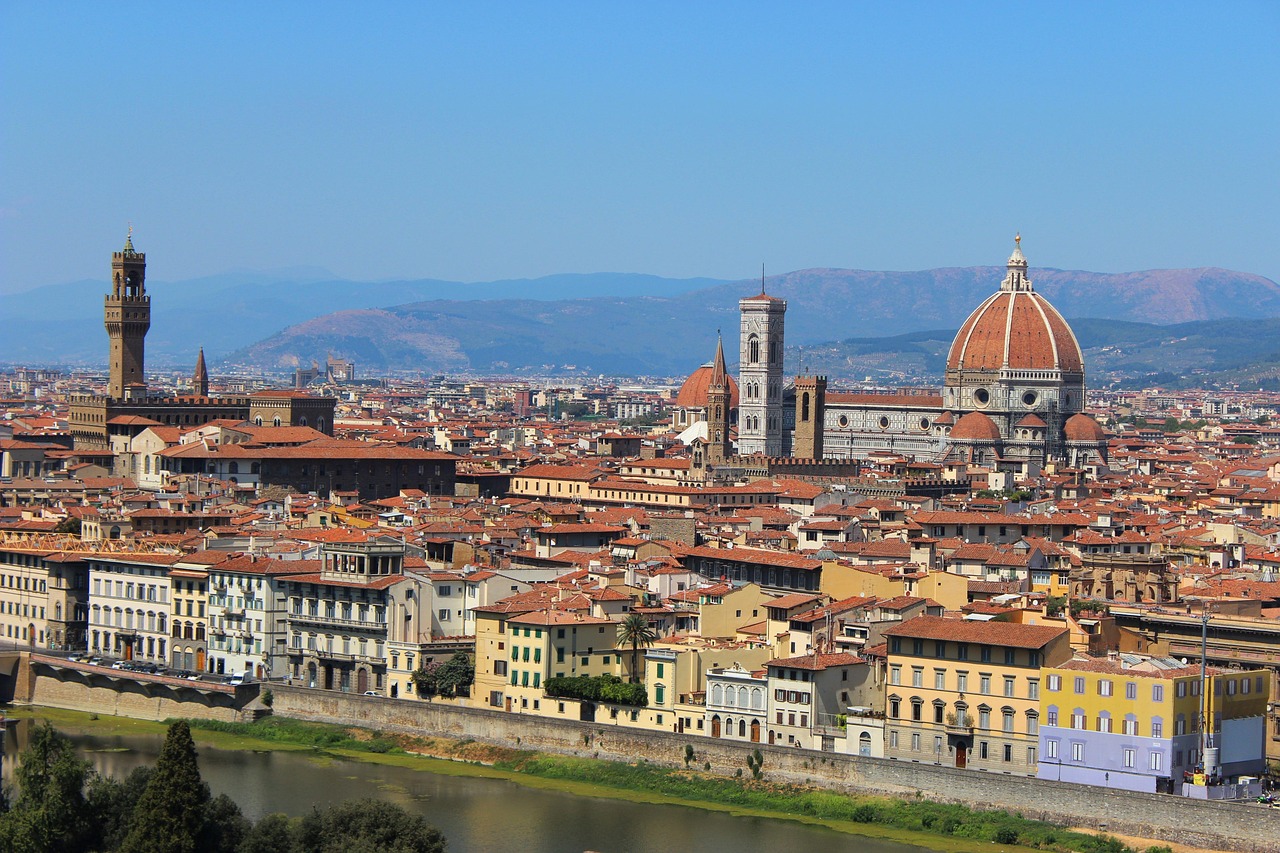
Sunrise at the Duomo, when Piazza del Duomo is quiet and Brunelleschi’s Dome feels intimate
To make the most of Duomo Florence Italy Brunelleschi Dome tickets, bell tower planning, we suggest a “sunrise first” start—especially if you want the Duomo to feel intimate rather than busy. One traveller told us that climbing early delivered a view of the Duomo at dawn that they still think about years later: the city held its breath, and the Florence skyline looked like a watercolour wash behind terracotta rooftops.
At first light, Piazza del Duomo feels unusually calm for such a famous attraction. The marble façade of Santa Maria del Fiore glows softly, and the scale of Brunelleschi’s engineering becomes easier to absorb. This is the moment to slow down and let Florence introduce itself—before Duomo queues build and the day’s pace accelerates.
Duomo complex highlights: Dome climb, Museo & museum spaces, the Baptistery, and Giotto’s Bell Tower
The Duomo complex includes the Duomo di Firenze (Santa Maria del Fiore), the Baptistery, and the museo plus on-site museum rooms that explain how the city built its identity in the Renaissance. If your priority is the views of Florence, focus on Brunelleschi’s Dome and Giotto’s bell tower. The bell tower climb feels more open—windows, air, and changing perspectives—and often offers a beautifully framed view back towards the Duomo itself.
If you’re travelling with kids, consider just one climb rather than both. The stairs can be narrow, and the experience is best when everyone feels unrushed and steady on the steps. For many families, the tower is the better fit: it offers memorable views without the tighter passages found on the dome route, while protecting the rest of your itinerary.
Duomo tickets, timed entry, and when to book ahead
Ticketing is where a little expert structure pays off. Duomo passes often start around €20, but the dome climb requires timed entry and sells out quickly in peak seasons. Book ahead so your morning stays seamless, and consider a private guide who can translate architecture into insight without overloading you with dates—especially on busier tourist days.
Let the sensory details stay with you. The stone steps, the cool air inside the cathedral, the sudden openness near the top—this is why the Duomo is more than a landmark. It’s a designed experience of space, light, and belief, and a Duomo morning sets the tone for the rest of your stay.
Museum Masterpieces – Uffizi Gallery, Accademia Gallery, and Michelangelo’s Florence
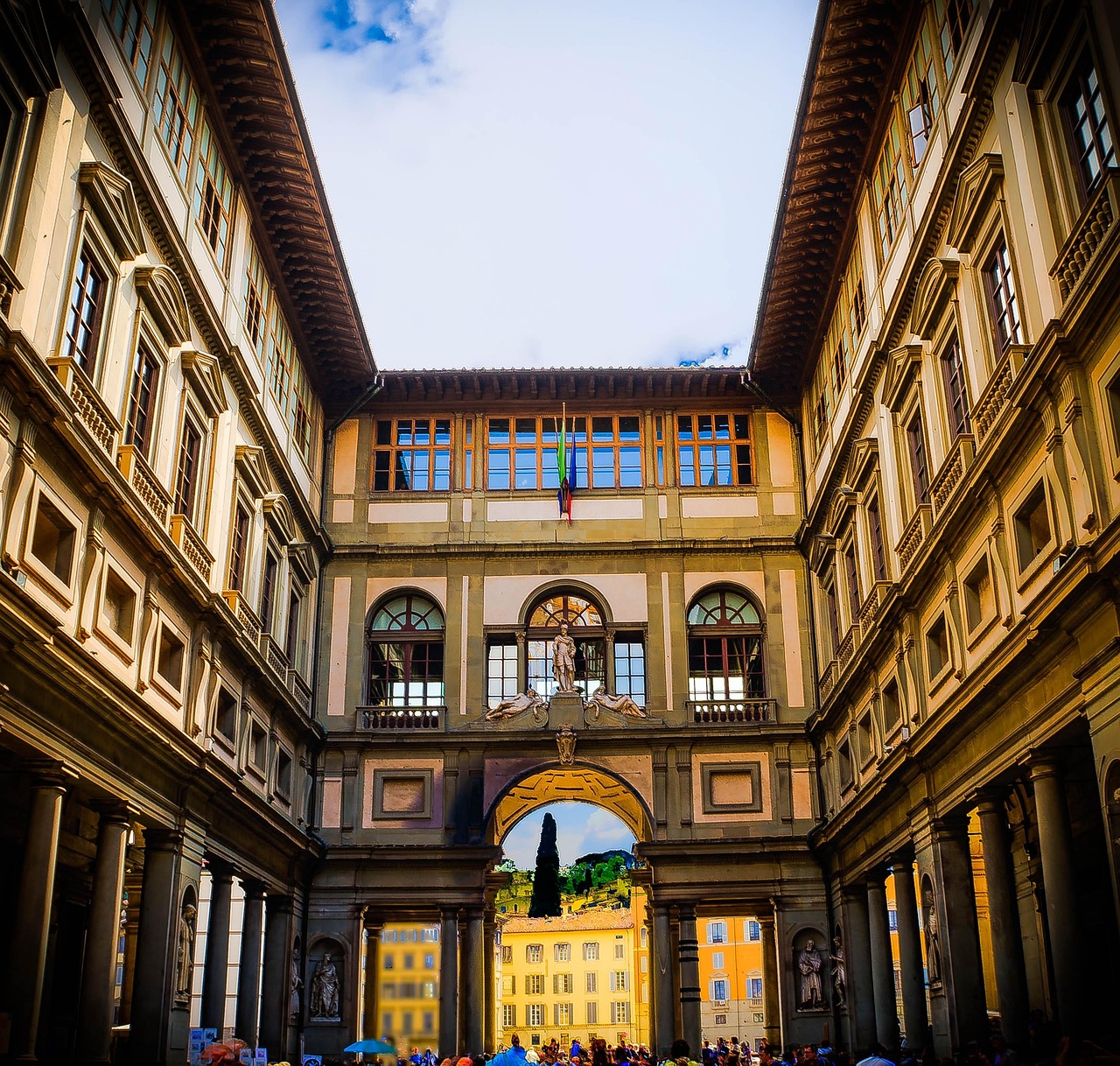
Museum highlights in Florence, from the Uffizi Gallery to the Accademia and Michelangelo’s masterpieces
A high-end Uffizi Gallery and Accademia museum private tour in Florence, Italy, Michelangelo day works best when you design it with space in mind. Start with an early slot at the Uffizi Gallery, take a long lunch break, and finish with the Accademia in the late afternoon. This keeps museum energy bright and focused rather than rushed, and it helps the day feel elegant.
Florence is one of the world’s great museum cities, but the most meaningful encounters are often quiet and personal. An art enthusiast once described standing before Botticelli’s The Birth of Venus and feeling unexpectedly moved—less by drama than by a gentle recognition of humanity in paint. In that moment, Renaissance art stopped being “history” and became immediate.
Uffizi Gallery: curated Renaissance rooms, private pacing, and what to prioritise
The Uffizi is a museum that rewards a guide with taste. Instead of trying to see everything, choose a small set of rooms and let an expert help you uncover the stories: patronage, symbolism, and how Florence learned to picture beauty in the Renaissance. You’ll still see the icons, but you’ll also leave with insight that feels designed for you.
Practical guidance keeps it seamless. Standard museum entry is typically around €20–25, and reservations are essential in peak periods; on the first Sunday of the month, access rules can change, so confirm timings in advance. A private or small-group tour creates comfort, especially if you want time to linger without feeling you’re blocking others in the museum galleries.
Accademia Gallery: Michelangelo, David, and a smart museum visit plan
The Accademia Gallery is often described as “David and done”, but a thoughtful museum visit can be surprisingly rich. Michelangelo’s sculpture holds your attention through proportion and presence; an expert guide may point out tool marks, subtle asymmetries, and why the figure’s gaze changes the entire room. You’ll learn about Michelangelo’s process without losing the emotional impact.
If you’re choosing between independent tickets and guided entry, prioritise your energy and pacing. The Accademia can be busy, and a timed entrance paired with a calm narrative turns a popular attraction into a memorable experience of craft and ambition—one of the best things to do for a focused culture day in Florence.
- Reserve early: timed entries reduce waiting and protect your itinerary.
- Plan a long lunch: a break helps you absorb each museum rather than blur them together.
- Choose your style: private tours offer support; small groups can still feel personal.
Palazzo Vecchio & Piazza della Signoria – Civic history, Renaissance power, and smart itinerary flow
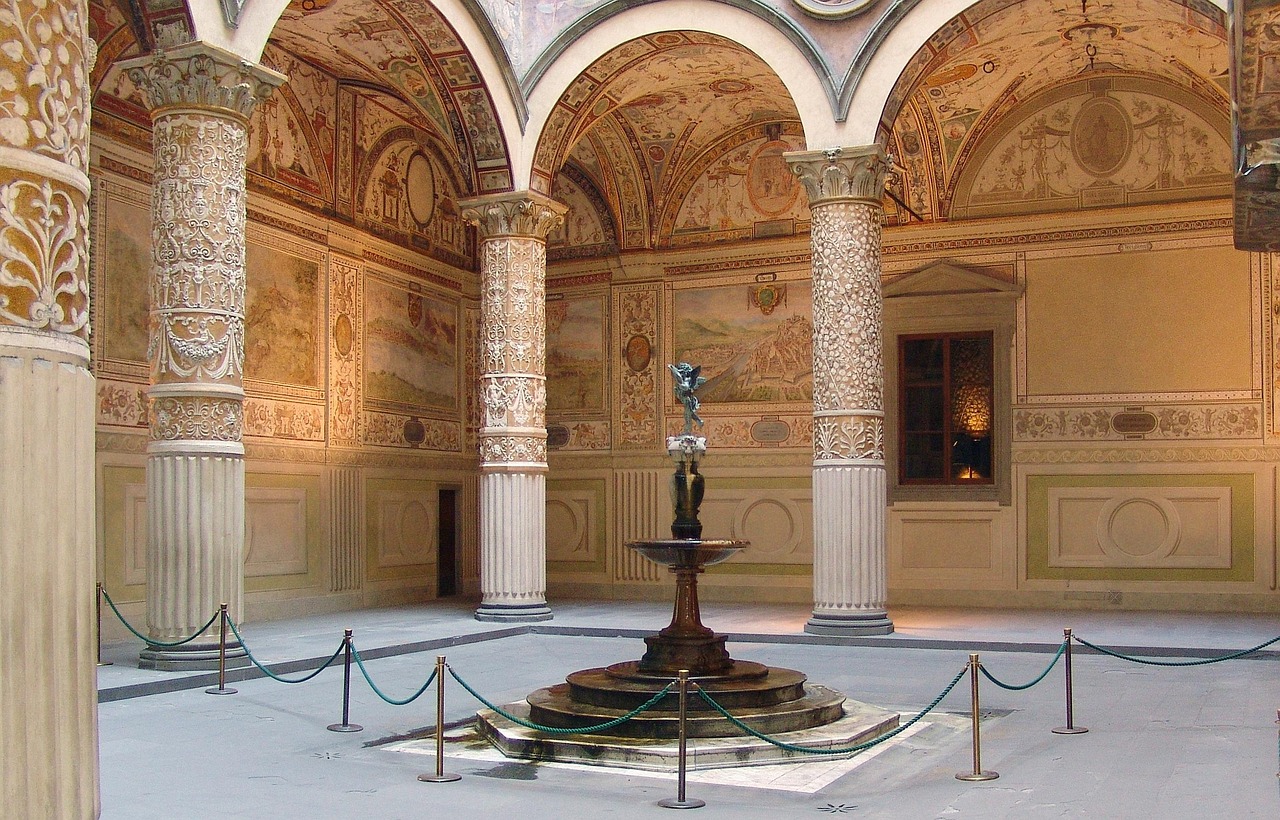
Palazzo Vecchio and Piazza della Signoria, where Florence’s civic story is written in stone
When you search for Florence Palazzo Vecchio Piazza della Signoria itinerary, it’s easy to find highlights—but harder to find meaning. Palazzo Vecchio is not simply an attraction; it’s a living record of power, art, and civic identity, shaped by rivalries, alliances, and public theatre in the Renaissance. For travellers who prefer depth to checklists, it’s one of the best things you can do to understand how Florence governed itself and displayed ambition.
Approach it slowly, letting the weight of stone and the drama of public space settle around you. Even if you have limited time in Florence, this area anchors the city’s narrative—republic ideals, Medici family influence, and the performance of public life—without needing to overpack your itinerary.
Piazza della Signoria: an open-air museum feel and the best evening atmosphere
Piazza della Signoria reads like an open-air museum: statues, arches, and a constant hum of conversation. In late afternoon, the light becomes gentler, and the whole square looks as if it has been carefully staged. It’s also a natural pause point—watch how locals cross with purpose, and how visitors instinctively slow down to look up.
If you enjoy photography, step slightly to the edges rather than the centre. You’ll find calmer angles, fewer tourist clusters, and a more elegant sense of proportion—small choices that keep your energy steady in busy places.
Palazzo Vecchio tour: Medici family context, art, and civic rooms
A private guided visit to Palazzo Vecchio can uncover intrigue without turning it into gossip. Your guide can connect the rooms to real decisions and shifting alliances, including how the Medici family built influence over time. It’s the difference between “seeing” and understanding, and it helps a palace-museum space feel warm, reassuring, and personal.
Afterwards, design an unhurried transition into the evening. A simple aperitivo nearby is enough: a crisp glass of white, a few olives, and the feeling that your day is not overplanned. Florence is at its best when the itinerary supports discovery rather than controlling it.
Palazzo Pitti & Boboli Gardens – Royal Apartments, a Pitti Palace afternoon, and a quieter pace
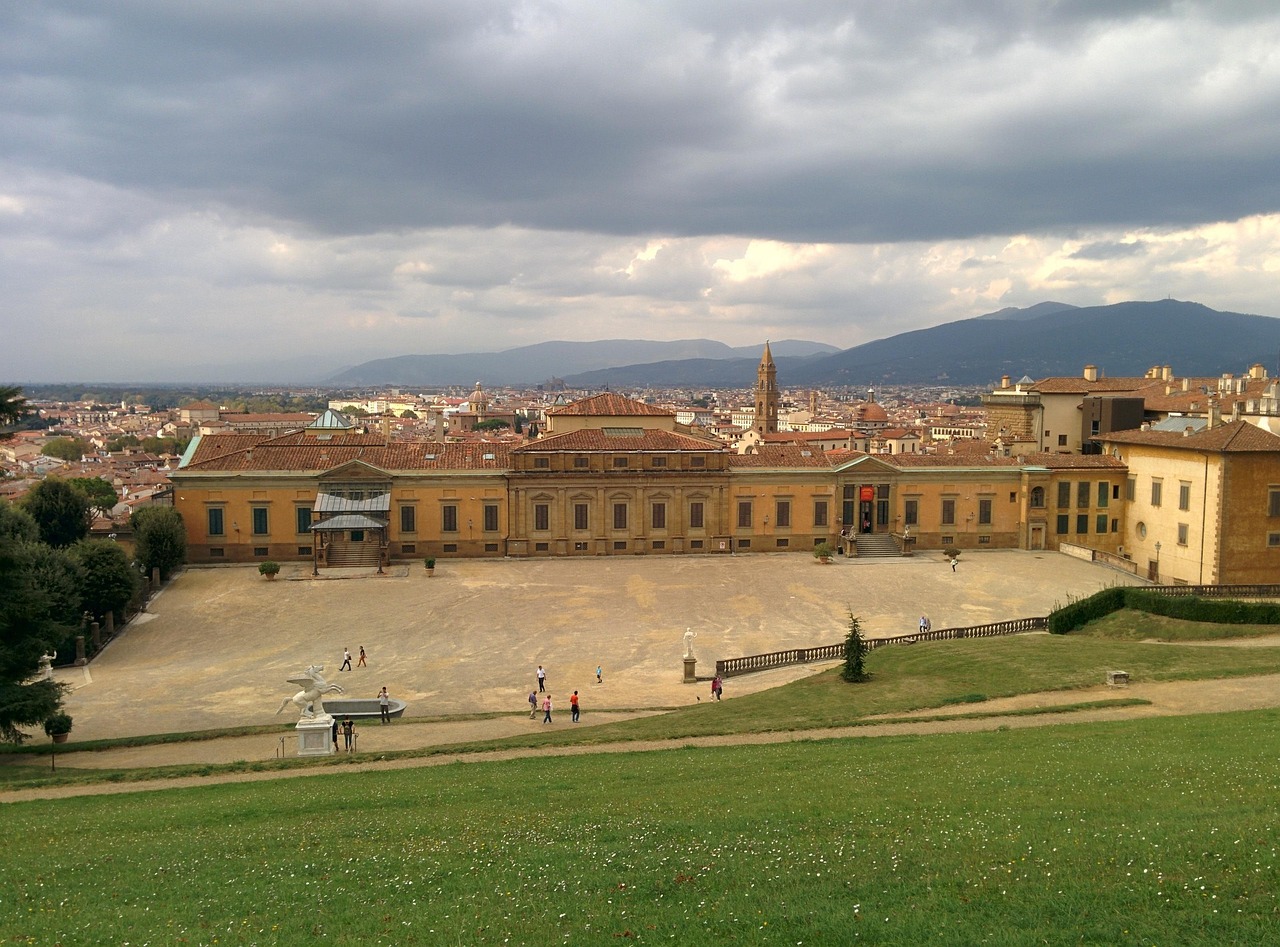
Palazzo Pitti and Boboli Gardens, a slower counterpoint to the city’s busiest streets
On a slower day, Palazzo Pitti, Boboli Gardens, and Pitti Palace private tour in Florence, Italy, create a beautiful contrast to the city streets. Palazzo Pitti feels grand yet inward-looking, and the Royal Apartments show how wealth was curated into fabrics, ceilings, and ceremony. After the intensity of the Duomo and the museum circuit, Pitti is where you can exhale—and still feel surrounded by art.
This is also one of those Florence afternoons that reward an early start. An architect once shared how an early walk in the Boboli Gardens felt like solitude in a famous place—quiet paths, symmetrical hedges, and a sense that Renaissance design could still teach us how to see.
Boboli Gardens walk: Renaissance landscape design, sculpture, and viewpoints
The Boboli Gardens are not simply “green space”; they’re a designed landscape where proportion matters. Look for long lines of sight, sudden framed views, and the way sculpture is placed to surprise you—Renaissance ideas expressed outdoors. Even if you’re not a specialist, you’ll feel how the gardens choreograph movement, leading you from shade into sun and from open terraces into intimate corners.
If you want an extra viewpoint, consider the Bardini Gardens as an optional add-on. They’re often quieter, with a different mood—more romantic, more layered—and they offer another set of the best views without the busiest crowds.
Santo Spirito neighbourhood: artisan streets, small museums, and an easy time near Pitti
Just beyond Pitti, Santo Spirito brings a more local rhythm: artisan workshops, small galleries, and cafés that feel genuinely rooted. It’s an easy place to create a gentle afternoon—browse, stop for coffee, and let the city’s creativity meet you where you are.
Logistically, combining the Pitti Palace and gardens into a half-day is straightforward. Pre-booked entry reduces friction, and a guide helps you choose what matters most—Royal Apartments for atmosphere, or garden terraces for calm. Either way, you’ll leave feeling restored rather than “ticked off”.
- Best flow: Pitti Palace first, then Boboli Gardens as the day warms.
- Optional extra: Bardini Gardens for a quieter viewpoint and softer light.
- Neighbourhood texture: Santo Spirito for small studios and lived-in charm.
Ponte Vecchio After Hours – Arno River strolls, luxury shopping, and the best views
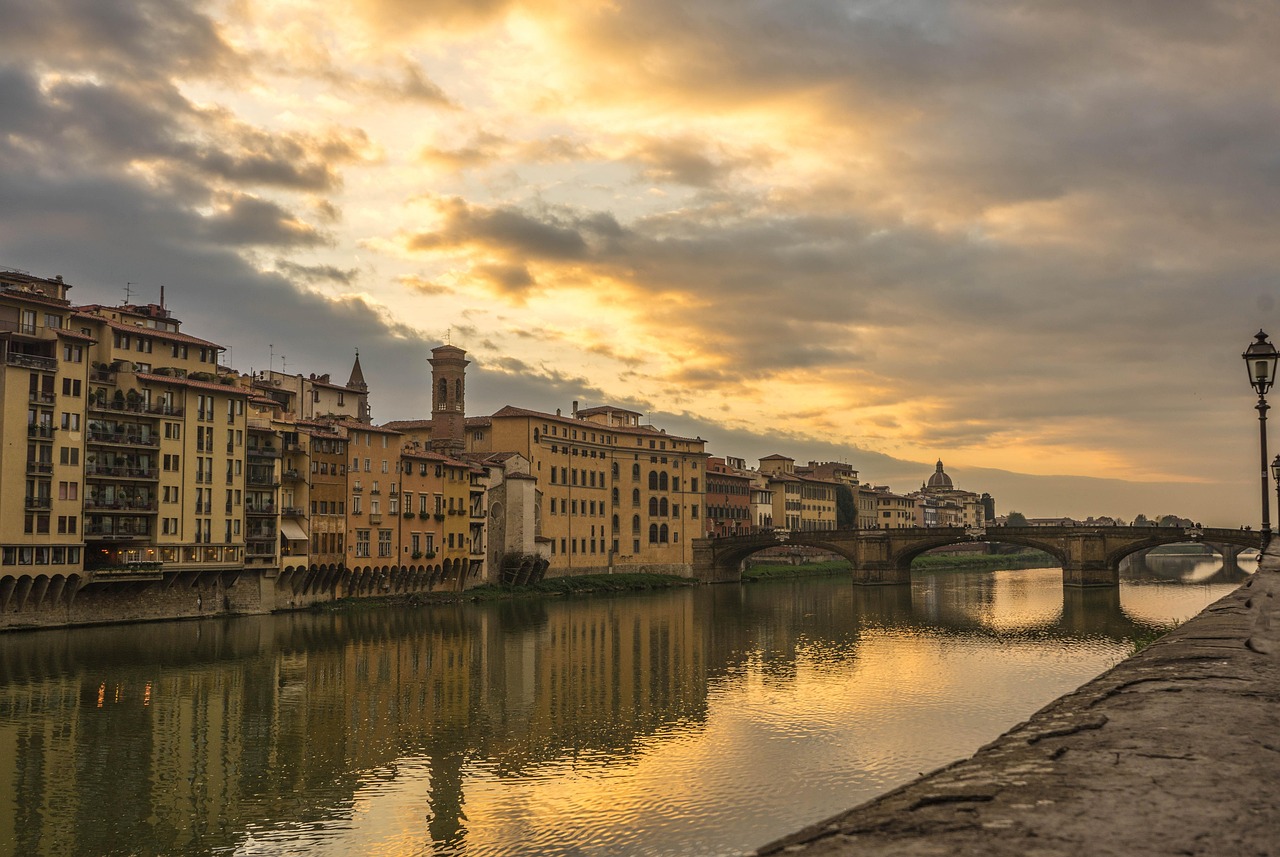
Ponte Vecchio after hours, when the Arno River feels quieter and the bridge glows
For Ponte Vecchio, the best views of Florence, luxury shopping, timing is everything. Ponte Vecchio is the oldest bridge in Florence, and it still functions as a living corridor of craft—jewellery windows glowing, gold light on stone, and the Arno River moving quietly beneath. Come after hours, when day-trippers drift away, and Ponte Vecchio feels less like a funnel and more like a promenade—one of Florence’s most iconic evening walks.
There’s a particular kind of romance here that doesn’t need to be announced. It’s enough to walk slowly, notice the craftsmanship, and let river reflections do the work.
Ponte Vecchio jewellery: how to shop well, spot quality, and avoid tourist pricing
Luxury shopping is at its best when it’s thoughtful. If you’re considering a purchase on Ponte Vecchio, ask about provenance, materials, and the maker—quality sellers will answer comfortably and won’t rush you. An expert concierge or guide can also steer you away from tourist pricing games and towards artisans with a real reputation for craftsmanship.
Take your time and enjoy the ritual: the way pieces catch the light, the quiet attention of a shopkeeper, the satisfaction of choosing something crafted rather than generic. Florence celebrates making, and this bridge is a very visible expression of that Florentine pride.
Golden hour by the Arno: best views, river walks, and routes back to the city centre
For the best views, step off Ponte Vecchio and walk a short loop along the riverbanks. You’ll find calmer angles back towards the bridge, plus a softer perspective on stonework, domes, and the Duomo silhouette—often the best view of Florence is the one you discover by moving a few minutes away from the crowd. If you want a simple plan, create your evening in three steps: a brief wander, a riverfront cocktail, then a gentle stroll back into the city centre.
And if your day has been full, keep it short. The goal is not to “do more”, but to let Florence feel beautifully within reach.
Piazzale Michelangelo at Sunset – A Viewpoint in Florence, plus Santa Croce and Santa Maria Novella
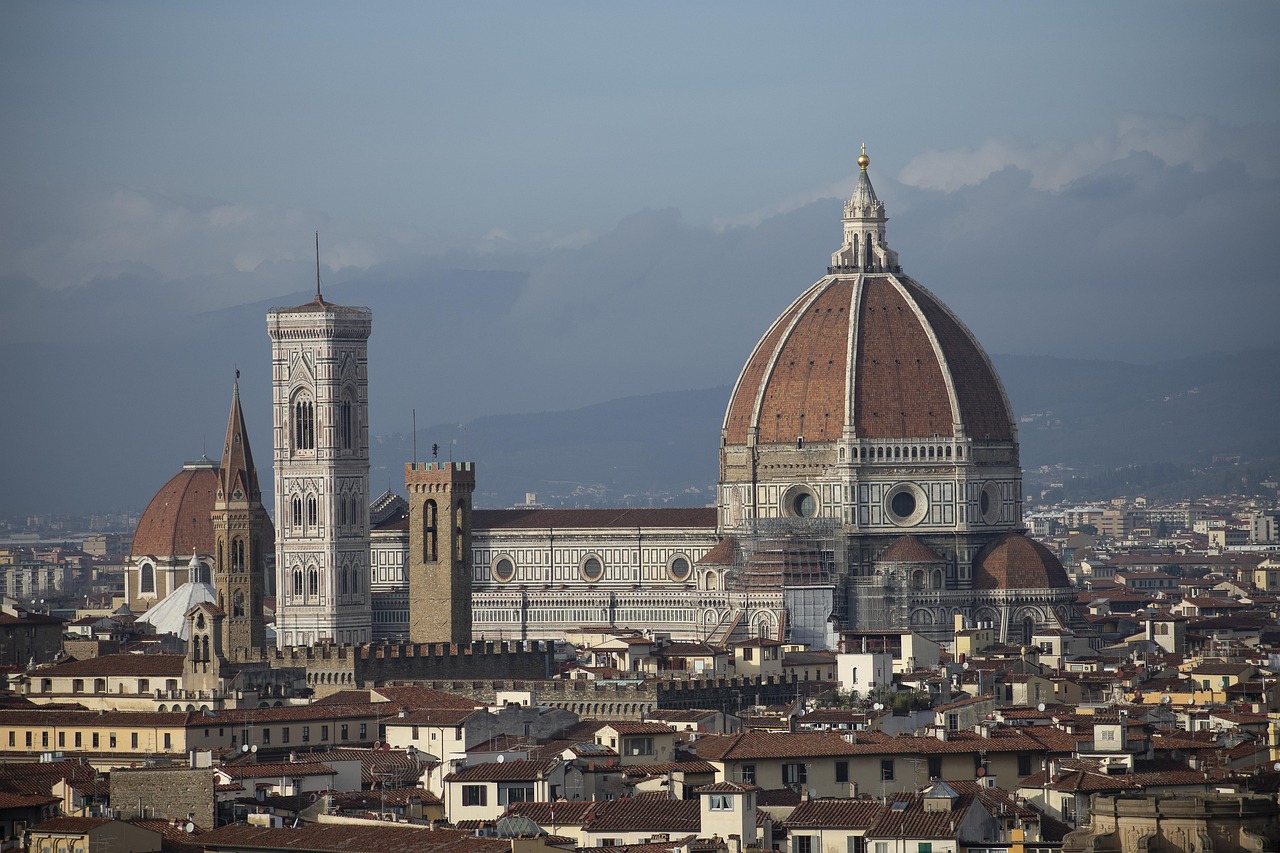
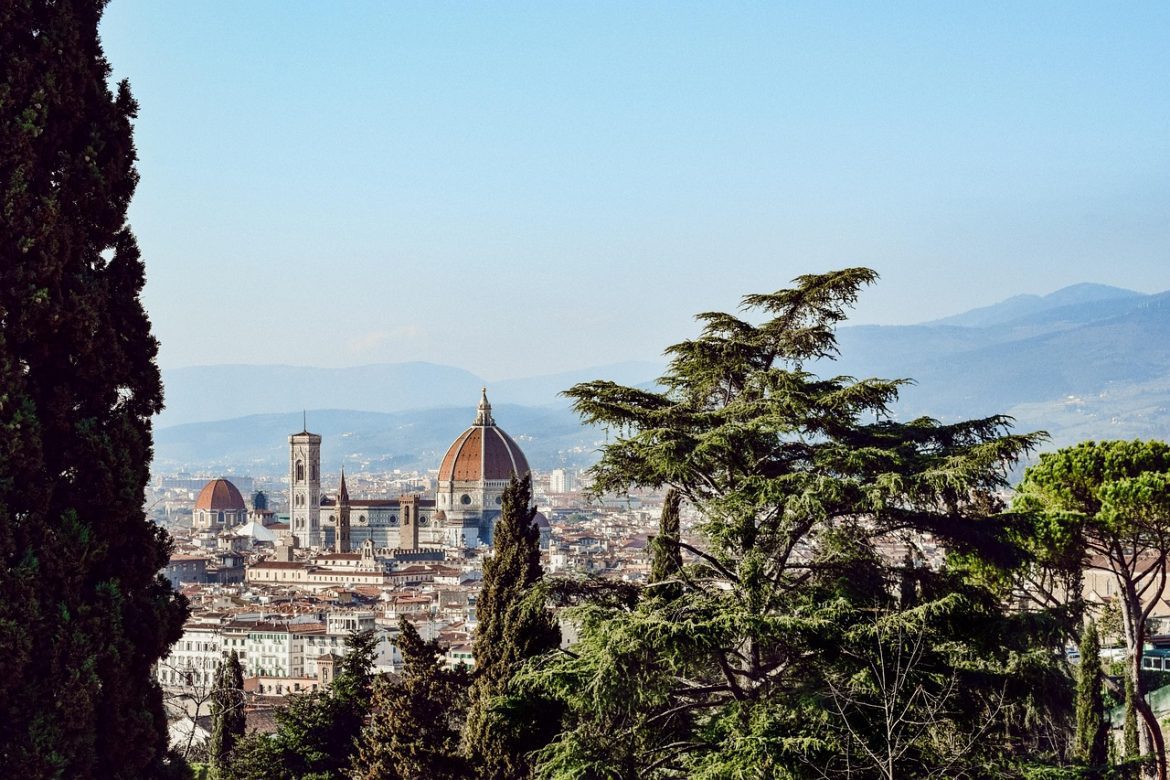
Piazzale Michelangelo at sunset, with a panorama over the Duomo and the river
The classic Piazzale Michelangelo Florence sunset Santa Croce Santa Maria Novella pairing is beloved for a reason: it balances spectacle with meaning. Plan your signature sunset with a gentle climb or private transfer to Piazzale Michelangelo, and take in the layered rooftops, pale stone, and the Duomo rising with calm authority. For many travellers, this viewpoint becomes the emotional highlight of the trip and one of Florence’s most photographed top attractions.
To keep the mood effortless, arrive a little early and choose a spot slightly away from the densest part of the crowd. You’ll still have the full panorama, with more breathing room and a calmer tone for photographs and conversation.
San Miniato al Monte: a quieter viewpoint in Florence above Piazzale Michelangelo
Just above the main terrace, San Miniato offers a peaceful viewpoint in Florence that can feel surprisingly intimate. Step inside if it’s open; the hush is part of the experience, and the atmosphere is a reminder that sacred places are still lived in, not staged. Dress respectfully, speak softly, and let the stillness support you.
For travellers who prefer calm to spectacle, pairing Piazzale Michelangelo with San Miniato is one of the best things you can do at the end of a long day—especially after the Duomo and museum hours.
Basilica di Santa Croce & Santa Maria Novella: chapels, Renaissance detail, and timing
Earlier in your stay, make time for the Basilica di Santa Croce. The phrase basilica di santa croce appears in many guides, but the real experience is more tender: tombs, frescoes, and a sense of layered memory. Santa Croce has a particular gravity, and it’s worth entering with a quieter pace than you might use in a museum.
Near the train station, Santa Maria Novella offers a different kind of designed calm. It’s an elegant stop when you have an hour to spare before departure, and the Tornabuoni Chapel is a detail lover’s highlight—quietly luminous, with narrative scenes that reward close looking. If you’re visiting Italy for the first time, it’s a gentle reminder that beauty lives not only in icons, but in thoughtful corners.
- Sunset strategy: arrive early at Piazzale Michelangelo for a calmer spot.
- Quiet pairing: San Miniato for sacred stillness above the city.
- Respect note: modest dress and soft voices in Santa Croce and Santa Maria Novella.
San Lorenzo & Mercato Centrale – Food tour tastings, leather goods, and Florentine style

Market time in Florence: Mercato Centrale tastings and the style lanes nearby
If your notes say Mercato Centrale food tour, Florence, Italy, best things to do, you’re already pointed towards one of the city’s most enjoyable daytimes. Start near Mercato Centrale when the morning energy is fresh—this is where leather goods, scarves, and practical elegance fill the lanes around Lorenzo’s market streets. Browse with confidence: look for clean stitching, ask where items are made, and negotiate politely without turning it into a performance.
Florence’s food culture is equally crafted. When you design a food tour well, it feels like discovery rather than consumption—seasonal produce, small bites, and the warmth of standing at a counter where locals actually eat.
Mercato Centrale: a food tour-friendly market for Florence food lovers
Mercato Centrale is the most comfortable place to explore flavours without overcommitting. You can build your own tasting: a few slices of salumi, a spoonful of something seasonal, and a glass of wine that makes the whole afternoon feel more relaxed. If you want guidance, a private food tour helps you uncover local favourites while sidestepping obvious tourist patterns.
For travellers who like structure, go late morning, then break for a long lunch nearby. It keeps the day seamless, especially if you’ve planned a museum visit earlier in the week and want something more sensory now.
Basilica di San Lorenzo & the Medici Chapels: Michelangelo and a compact cultural stop
Just steps away, the Basilica di San Lorenzo offers a compact hit of history and design. Pair it with the Medici Chapels for a focused window into patronage, craftsmanship, and the Medici family’s complicated legacy—an area where Michelangelo’s influence is still felt. It’s a high-impact pairing that doesn’t take the whole day, ideal when you want depth but also time to linger over lunch.
One luxury traveller told us their most memorable dinner came from trusting a quiet recommendation: a hidden gem trattoria where the chef prepared a bespoke Florentine beef tagliata, paired thoughtfully with local wines. There was nothing showy about it—just care, skill, and the feeling of being welcomed.
Best Day Trips from Florence – Chianti wine tasting, countryside calm, and a day trip from Florence done well
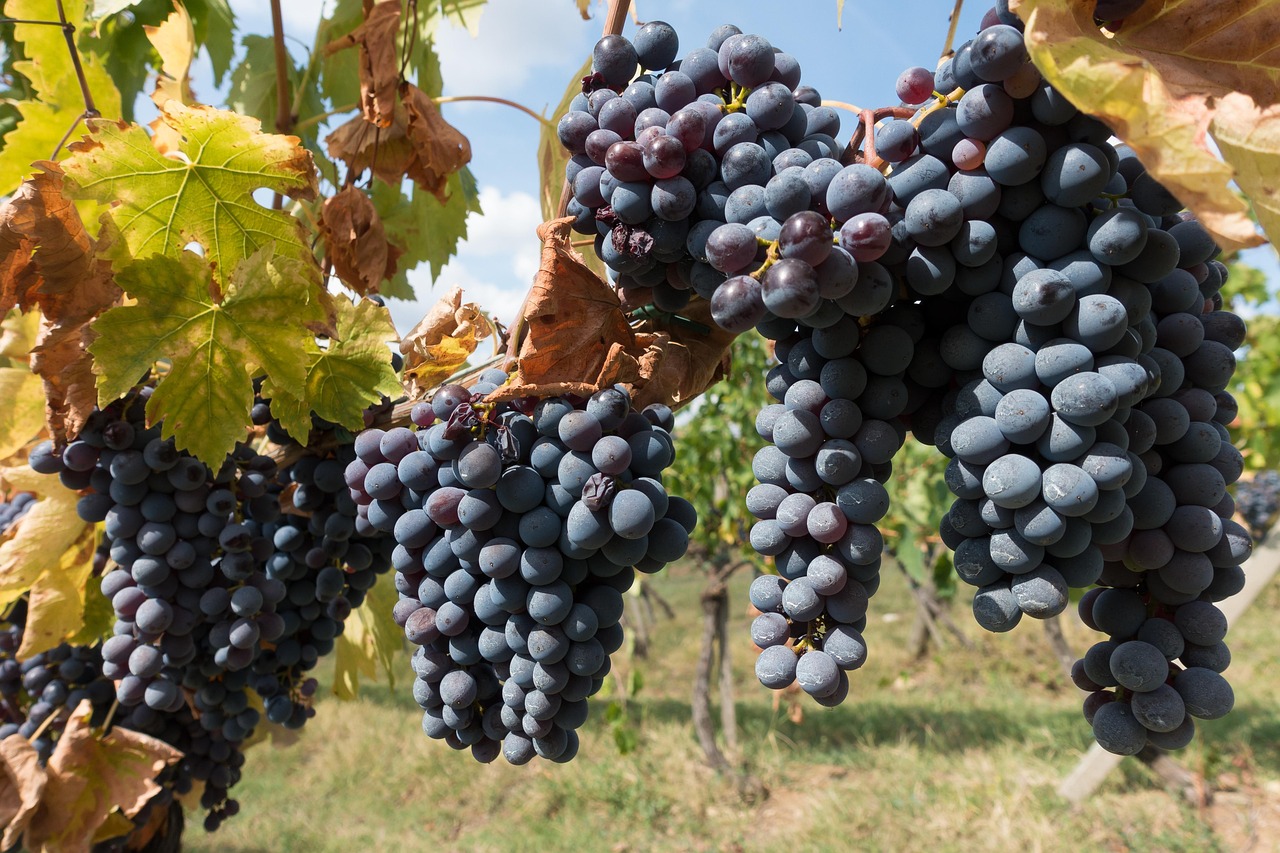
A relaxed Chianti escape with a private driver and boutique tastings
For many travellers, a Chianti wine-tasting day trip from Florence is the moment the whole stay finally breathes out. A premium day trip from Florence into Chianti is not about collecting wineries; it’s about connection, landscape, and a pace that feels human. With a private driver, the day becomes seamless—no parking worries, no rushed tastings, and a calm return that protects your evening back in the city.
The hills are close enough to feel easy, yet far enough to feel like a true shift in atmosphere. You trade stone lanes for vineyards, and busy piazzas for long views and quiet conversation—exactly what day trips should offer.
Chianti boutique vineyard visit: warm hosting and Renaissance countryside beauty
A couple once described an intimate tasting at a family-owned Chianti estate, where the owner personally guided them through rare vintages. It wasn’t scripted; it was warm, generous, and full of small stories—weather, harvest decisions, and the pride of making something well. That kind of welcome builds trust, and it’s exactly what luxury travel should feel like: personal, not performative.
If you’re choosing between a group coach and a private visit, consider what you want to remember. A boutique experience creates space for questions, laughter, and the kind of insight that stays with you long after the tasting notes fade.
Booking guidance and optional add-ons for day trips
Book private tastings well in advance, especially in spring and early autumn. Ask what the prestige flights include—often library bottles, reserve labels, or a vertical tasting that lets you explore how a wine evolves. If you’d like to widen the day trip plan, add a scenic lunch, a small olive oil producer, or a second tiny vineyard, but keep the day flexible.
The best day trips from Florence are the ones that leave you rested, not overfilled. Return in the late afternoon, fresh enough for a gentle walk, a shower, and an unhurried dinner back in Florence.
- Best fit for luxury: private driver, one or two boutique estates, and a long lunch.
- Book ahead: especially for owner-led tastings and rare vintages.
- Keep it restful: leave space to enjoy your evening back in Florence.
F.A.Qs: What to do in Florence, Italy (luxury itinerary planning)
FAQ guidance for a calm itinerary in Florence, from the Duomo to day trips
What should you not miss in Florence?
Don’t miss the Duomo complex (ideally early), the Uffizi for world-class collections, and Michelangelo’s David at the Accademia. Add a slow walk across Ponte Vecchio and a sunset at Piazzale Michelangelo for unforgettable views of Florence. If you have time, include Palazzo Pitti with the Boboli Gardens to balance the city’s busy energy with a quieter, crafted escape.
What is Florence, Italy, best known for?
Florence is best known for its Renaissance legacy: extraordinary art, architecture, and civic history. The Duomo and Brunelleschi’s Dome define the skyline, while leading museum collections showcase masters like Botticelli and Michelangelo. It’s also known for craftsmanship—goldwork, leather goods, and artisanal traditions that still feel alive in the centre.
What are the top five things to do in Florence, Italy?
Five stand-out experiences are: climb the Duomo for panoramic city views, visit the Uffizi Gallery, see Michelangelo’s David at the Accademia Gallery, explore Palazzo Vecchio and Piazza della Signoria, and walk Ponte Vecchio at golden hour. For luxury travellers, booking timed tickets and private guides keeps these best things seamless, calm, and far more personal.
Is 2 days enough to see Florence?
Two days are enough to see Florence’s main attractions at a comfortable pace if you plan well. Prioritise the Duomo early, choose one major museum per day (the Uffizi and the Accademia), and keep evenings for Ponte Vecchio and a viewpoint like Piazzale Michelangelo. With timed tickets and a thoughtful itinerary, two days can feel rich rather than rushed.
Final Thought
In the end, things to do in Florence are less about a list of things and more about what lingers when you stop trying to “cover” the city. What stayed with us was the warmth of stone at dusk, when the streets seemed to hold the day’s sun for a little longer. It was the hush inside the cathedral, the way the Duomo can make even confident adults feel quietly small, and the gentle discipline of Renaissance beauty—showing you that time can be shaped through craft.
We remember the moments between the major attractions: a shopkeeper’s patient explanation, the soft clink of a coffee cup, the way an evening breeze cooled the Arno River. We remember how a museum visit could move someone without embarrassment, because Florence gives you permission to feel. And we remember how trust is built here through small kindnesses—directions offered, a seat found, a smile that makes a visitor feel less like a tourist.
Perhaps that is Florence’s most enduring design. It not only offers masterpieces; it changes the way you notice them. Long after you leave, you might find yourself saying, almost without realising, “think Florence”, and paying closer attention—to proportion, to light, to the quiet spaces that hold meaning. And somewhere in that noticing, Italy continues its work, gently, without asking anything from you at all.