Post Contents
- Uffizi in Florence: Your Renaissance adventure begins with a guide to the Uffizi Museum, Florence, Italy.
- Uffizi Gallery in Florence built by the Medici, part of the Medici history and the Uffizi Palace.
- Explore the Second Floor Renaissance Route and masterpieces with Uffizi Gallery, including Botticelli, Michelangelo, and Leonardo da Vinci.
- Uncover hidden stories with an expert-guided Uffizi Gallery tour in Florence, Italy.
- Design a seamless Uffizi day around Florence views, including the Uffizi Gallery, Piazza della Signoria, Arno River, and Pitti Palace.
- F.A.Qs: Uffizi Italy essentials for first-time visitors
- What Stayed With Me After the Uffizi with Uffizi Gallery feelings reflection Florence Italy
Uffizi in Florence: Your Renaissance adventure begins with a guide to the Uffizi Museum, Florence, Italy.
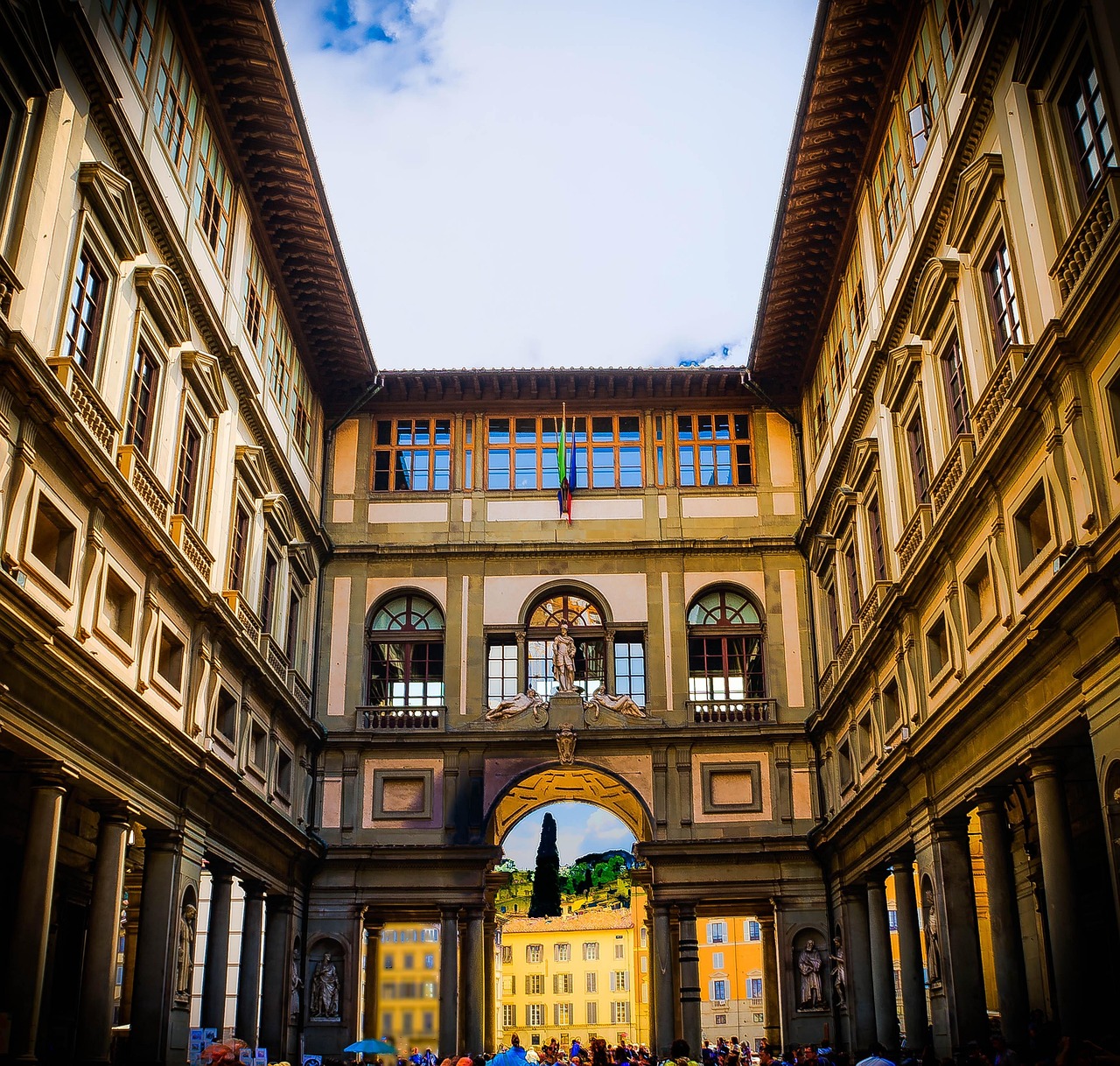
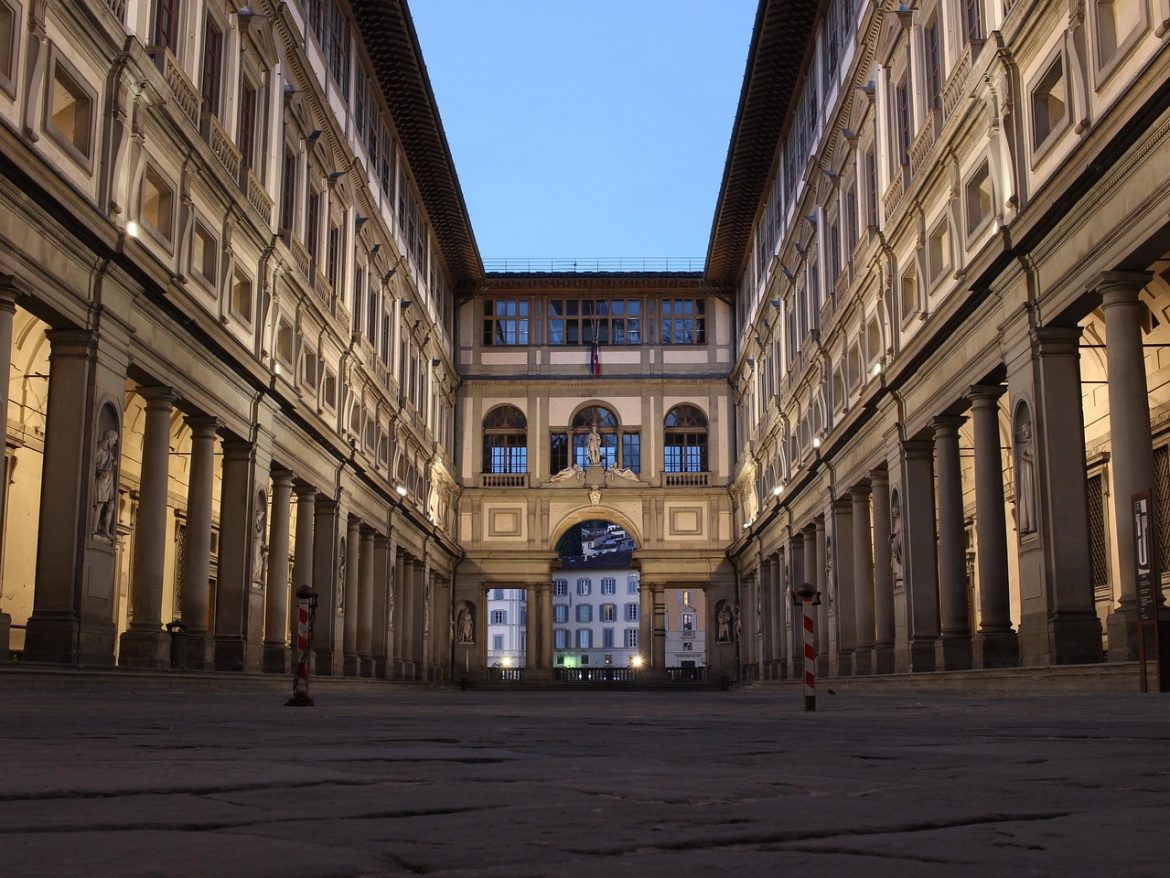
Uffizi in Florence Your Renaissance Adventure Begins on a walkable Florence morning
If you’re using a Uffizi museum visit guide for Florence, Italy, to plan your day, let it serve one purpose: to help you explore with trust, not to rush through a checklist. The Uffizi isn’t a quick stop; it’s one of the museums in the world where time bends a little—rooms open into rooms, the gallery corridor keeps pulling you forward, and suddenly you realise you’ve been standing in front of a single artwork far longer than you expected.
For Adventure Seekers, the thrill here is scale and story. The Uffizi feels almost like a city within a museum: long passages, sudden hushes, and a steady sense of discovery. Give yourself permission to slow down. The most meaningful moments in the Uffizi often arrive when you stop trying to “cover everything” and start letting one painting, one face, one patch of painted light meet you where you are.
Uffizi timing and pacing for confidence
Your first decisions set the tone for a seamless day. Aim for early morning or late afternoon, when crowds are at their lowest, and you can hear your own thoughts again. Plan at least 2–3 hours, and wear comfortable shoes—Florence’s stone streets and gallery floors make for a full-day combination, and sore feet can steal your attention just when a masterpiece deserves it.
- Go early if you want quiet, soft light, and a calmer entrance.
- Go late if you prefer a slower build into the evening atmosphere outside.
- Choose 10 “anchor works” you must see, then allow the Uffizi to surprise you with the rest.
If you start to feel overwhelmed, reset your mindset: you’re not here to prove anything. You’re here to uncover beauty, gather insight, and build a personal relationship with the Renaissance. Florence helps too—outside, everything is close enough to walk, so even a short pause in fresh air can bring you back feeling steady.
Step back out when you need it and remember the stage around you: the historic centre is compact, and the views from the upper floors later will reward your patience with the city’s rooftops and river curves.




Uffizi Gallery in Florence built by the Medici, part of the Medici history and the Uffizi Palace.
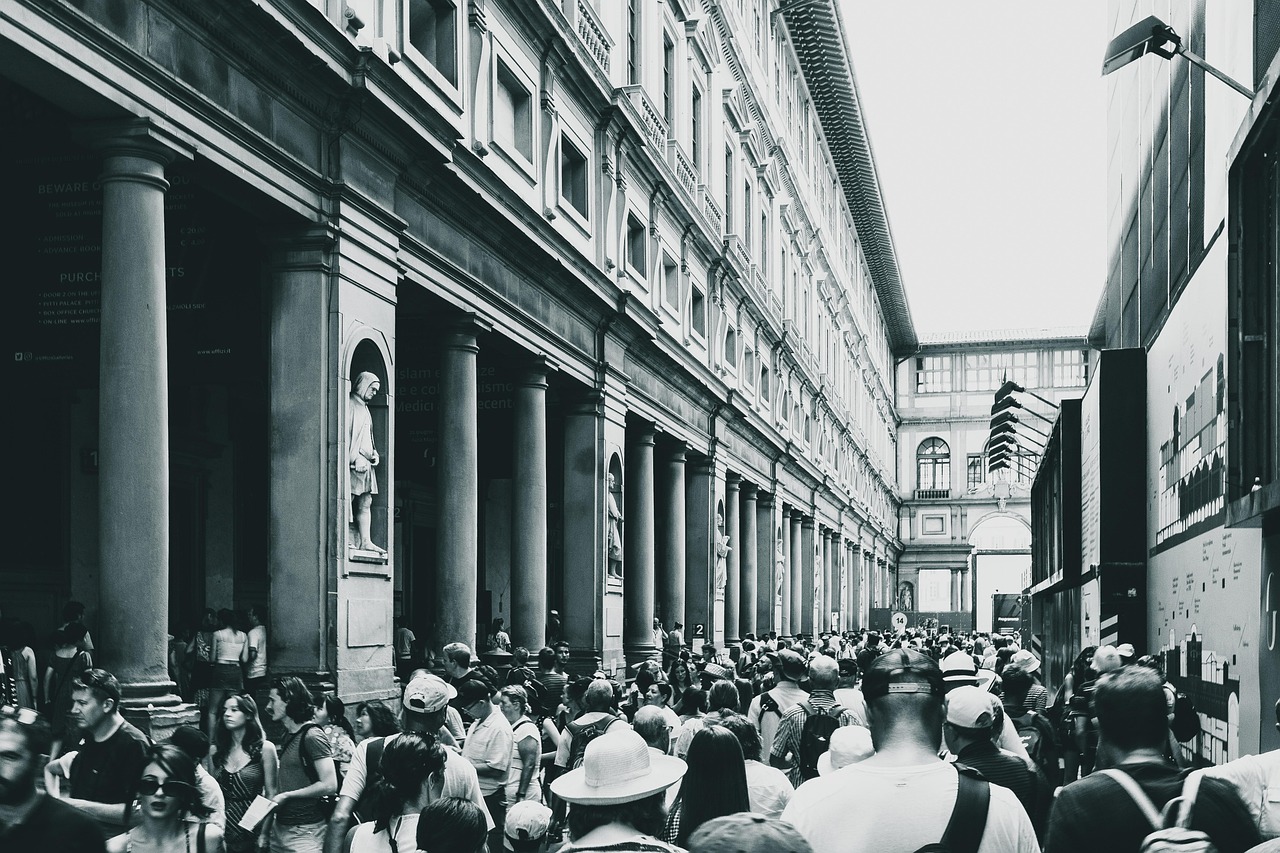
Uffizi Gallery in Florence Built by the Medici inside the Uffizi Palace corridors
To appreciate the Uffizi Gallery in Florence, the Medici history of the Uffizi Palace story begins with what the building was meant to be: offices for Florentine magistrates. “Uffizi” literally points to that original function, and you can still feel it in the disciplined geometry—an elegant U-shaped building and long corridors that seem designed for processions of power, not queues of tourists.
The Medici dynasty shaped this place with astonishing ambition. Cosimo—often remembered as Duke Cosimo—understood that art, architecture, and civic identity could work together. A vivid human detail I love sharing is how patronage wasn’t abstract; it was social, political, and even familial. The Medici family used precious works to signal stability and taste, but they also collected out of genuine fascination, creating a cultural legacy you can still step into today.
1560 Florence politics and a building designed by Giorgio Vasari
The key marker is 1560, when construction began, designed by Giorgio Vasari. This is where art, power, and place lock together: Vasari’s orderliness makes the eventual gallery experience feel like a curated journey even before you see a single painting. Later, Vasari’s influence ripples through Florence again (you’ll hear more about that thread when we talk about the Vasari Corridor).
Watch for how the museum’s layout helps you navigate with confidence. The ground floor is more about arrival and orientation—ticketing, entry flow, and that first breath of interior calm—while the main galleries above hold the emotional weight of the collection.
Second-floor context and Firenze etiquette
The second floor matters because it’s where many travellers meet the Renaissance at full force. And because you’re in Firenze—Florence, as locals say it—small courtesies matter: keep voices low, let others linger, and treat each room like a shared sanctuary. It’s a simple kind of care that helps everyone feel supported, especially on busy days.
As the Medici rule evolved through figures like Francesco and later Cosimo III, the collection’s meaning shifted from private prestige to public legacy. After 1737, when Anna Maria Luisa ensured the Medici collection stayed in the city, Florence gained more than paintings—it gained continuity. Later changes under Lorraine leaders, such as Leopold, helped the Uffizi reopen in expanded phases, with new rooms and the Nuovi Uffizi projects improving circulation over time.
Explore the Second Floor Renaissance Route and masterpieces with Uffizi Gallery, including Botticelli, Michelangelo, and Leonardo da Vinci.
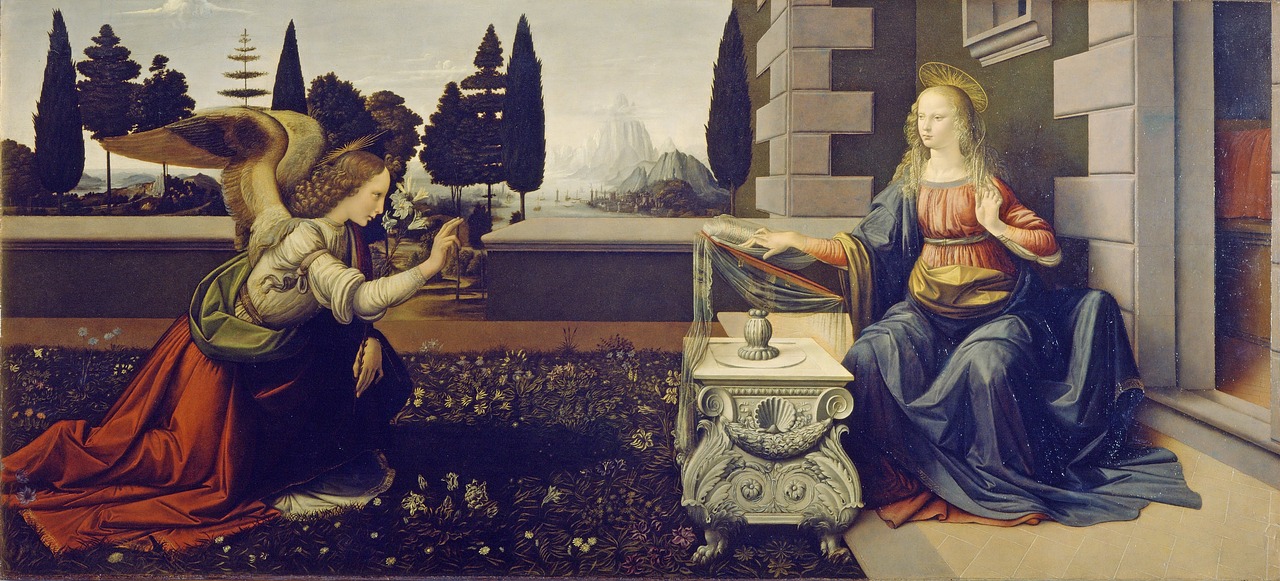
Explore the Second Floor Renaissance Route and Masterpieces in the Uffizi Gallery
If you’re searching for Uffizi Gallery second floor renaissance masterpieces, Botticelli, Michelangelo, Leonardo da Vinci, the simplest way to experience them is to give yourself a loose route—and then let curiosity take the lead. The second floor of the Uffizi often feels like a crescendo: room after room, the Renaissance period unfolds through colour, anatomy, and ever more human storytelling.
Second-floor flow with room-by-room freedom
Start with early masters, then move forward in time. Seeing Giotto and Cimabue early on helps your eyes adjust; you’ll notice how figures evolve from iconic and symbolic to tender and physically convincing. This is the most accessible kind of art history: you don’t need jargon, just attention—how light falls, how bodies turn, how stories become more psychologically real.
Then comes the moment travellers recount for years: meeting Botticelli’s The Birth of Venus up close. The room often carries a hush, even when it’s busy. People step in, fall silent, and you can almost see the internal shift—wonder, a little disbelief, and then something quietly personal. It’s not only the scale; it’s the feeling that the painting has a presence.
From there, weave in headline names for depth and credibility: Michelangelo, Leonardo da Vinci, Raphael and Raffaello. Look too for Filippo Lippi and Piero della Francesca, and notice how each artist solves similar problems differently—movement, flesh, emotion, and perspective—until Renaissance art begins to feel like a living language.
- For a calm pace: choose one work per room and stand with it for two full minutes.
- For discovery: follow what pulls you—colour, faces, myth, or everyday details.
- For connection: read the wall label once, then look again without words.
Tribuna, ancient statues, and later contrasts in the gallery
For a deeper cut, aim for the Tribuna, a jewel-box space that makes the Uffizi feel like a private world. Nearby, you’ll find a collection of ancient treasures, including ancient statues and Greek sculptures, a powerful contrast to painted saints and myths. If your energy holds, look for later shocks of realism—Caravaggio can feel almost apocalyptic after early devotional calm—and keep an eye out for temporary exhibitions that add a modern art counterpoint without breaking the overall mood.
Even if you don’t see it all, trust that your visit is complete when you’ve had one true encounter. That’s what turns the Uffizi Gallery from a “famous museum” into a lived experience.
Uncover Hidden Stories with an Expert Guided Tour at the Uffizi Gallery
A guided tour of the Uffizi Gallery, insider stories, and an experience in Florence, Italy, can be the fastest way to create meaning without cognitive overload. The Uffizi is immense, and while wandering is wonderful, an expert guide helps you notice what you’d otherwise miss: symbols tucked into corners, workshop habits, patronage politics, and the way a single commission could reshape an artist’s career.
One visitor told me their early morning visit felt almost crowd-free—quiet enough to hear footsteps soften on the floor. They expected to “see the highlights”, but instead they found themselves moved by small details: a glance between figures, a hand gesture, a sliver of sky. That stillness changed their relationship with the gallery; it became less about collecting photos and more about meeting the artworks together, in real time.
Choose your tour style in the Uffizi Museum
There’s no single right way to be guided; you can design the support that suits your travel style:
- Small-group tours for lively questions and a shared sense of discovery.
- Private tours for a crafted pace, with room to pause whenever emotion hits.
- Thematic tours (Medici power, Renaissance masterpieces, symbolism, women artists) for deeper insight.
- Audio guides for independent explorers who still want structure and trust.
Insider stories that build trust, not trivia
The best guides don’t drown you in facts; they offer context. You’ll hear why Francesco refined Medici collecting, how a grand duke of Tuscany presented culture as statecraft, and how later figures like the grand duke helped shape access—so the uffizi became closer to a first museum for the public rather than a private vault. You might even hear of practical changes by architects such as Buontalenti or Zanobi del Rosso, reminders that the building evolved like the city itself.
If you’re worried about feeling rushed, say so at the start. Ask for a moment to linger before one masterpiece, or to step aside briefly so you can really see. Good guiding is gentle: it keeps you together, offers reassurance in busy rooms, and builds confidence without stealing your freedom.
Design a seamless Uffizi day around Florence views, including the Uffizi Gallery, Piazza della Signoria, Arno River, and Pitti Palace.
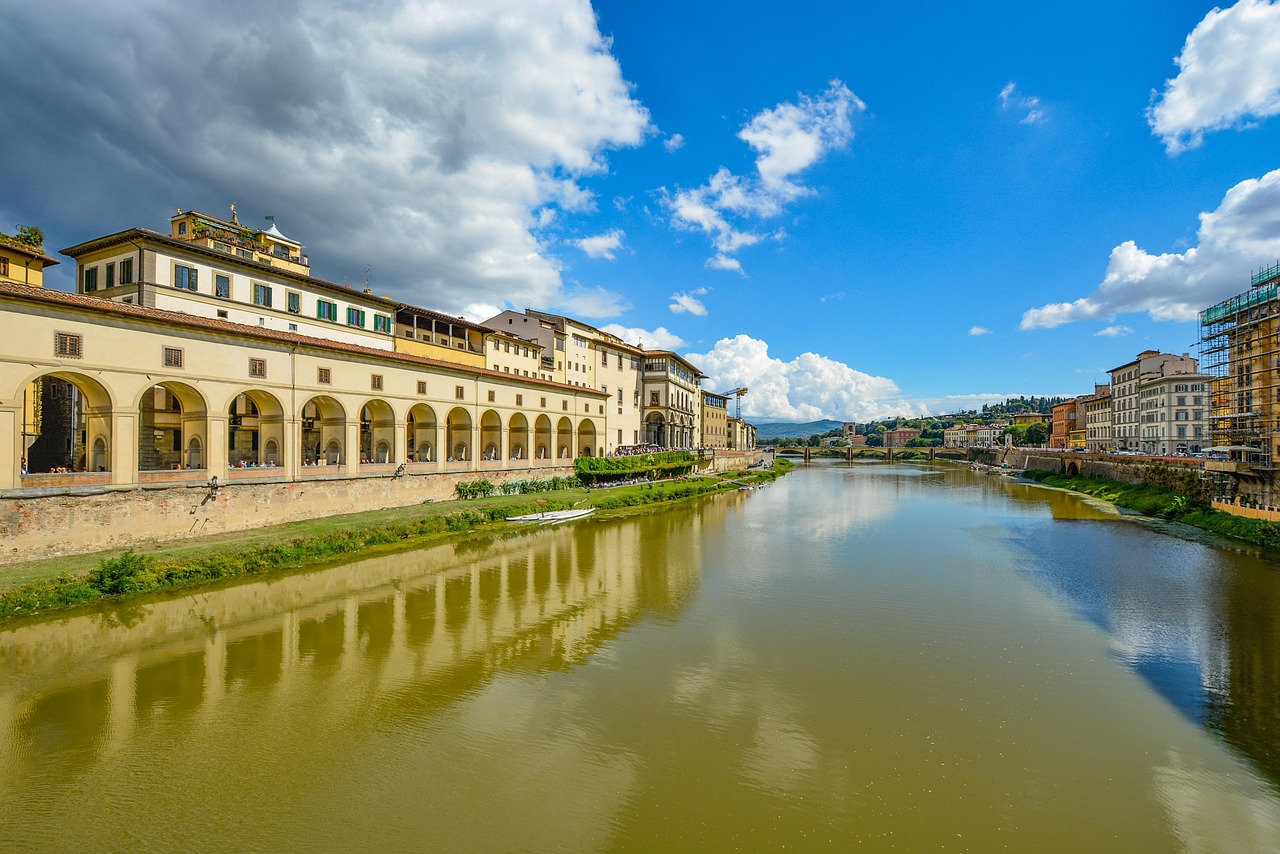
Design a Seamless Uffizi Day Around Florence Views from Piazza della Signoria to the Arno River
For a Uffizi gallery Florence itinerary, Piazza della Signoria, Arno River, Pitti Palace, a day that feels calm, start with an easy walking rhythm. From the Florence Cathedral area, let the city guide you: follow the steady flow of streets towards the river, then angle towards Piazza della Signoria. The Uffizi sits naturally within this loop, and that’s part of its magic—you’re not travelling to an isolated museum, you’re stepping deeper into the city.
Piazza views from the Uffizi Gallery in Florence
As you climb to the main levels, the architectural reward appears: those panoramic glimpses from upper corridors over Piazza della Signoria and the Arno River. It’s a rare blend—art and cityscape in one breath. From here, you can spot Palazzo Vecchio and the Loggia dei Lanzi, a quick, high-impact stop outside where sculpture meets open air, and the atmosphere feels unmistakably Florentine.
To keep the day seamless, book tickets online well in advance, especially in spring and summer. Timed entry reduces stress and gives you a clear start point, so you can relax in the gallery rather than queueing in the heat. Some options offer upgrades, such as unlimited priority admission; occasionally this may appear as an €20 additional fee—always verify current details at booking so there are no surprises.
Vasari Corridor, Pitti Palace, and Boboli Gardens after the museum
When you’re ready for a different kind of adventure, follow the Medici-linked thread across the city via the Vasari Corridor (a story that connects the Uffizi to Medici power and movement). Then cross towards Palazzo Pitti—also called the Pitti Palace or Palazzo Pitti—where the day opens into a different scale of grandeur. If you need fresh air, the Boboli Gardens are a gentle reset: green paths, water features, and space to let everything you’ve seen settle.
- Comfort: carry water, and take a brief pause between wings of the Uffizi if you feel sensory overload.
- Etiquette: Photography is restricted in many rooms; speak softly and respect other visitors’ space.
- Decompress: choose one crafted café stop nearby and simply sit—no scrolling, no rushing.
If you’re building a wider Italy journey through Tuscany, you can browse ideas in our Trip gallery, then return to Florence with a plan that supports your curiosity and care.
F.A.Qs: Uffizi Italy essentials for first-time visitors
What does Uffizi mean in Italian?
“Uffizi” comes from the Italian word for “offices”. The building was originally created as administrative offices for Florentine magistrates, which is why its corridors and layout feel structured and formal even before you reach the main gallery rooms.
Is Da Vinci in the Uffizi?
Yes. You can see works by Leonardo da Vinci at the Uffizi, alongside those of other Renaissance figures. Because displays and room layouts can shift, it’s wise to check the museum map on the day if there’s a specific Leonardo piece you’re hoping to find.
What is the Uffizi famous for?
The Uffizi is famous for its Renaissance collection and its concentration of iconic artists and images. Many travellers come for Botticelli’s “The Birth of Venus”, but the museum is also celebrated for its breadth—from early masters to later dramatic works and carefully curated exhibitions.
Which Italian city is home to the Uffizi?
The Uffizi is in Florence, in the heart of the historic centre. Its location makes it easy to combine with nearby landmarks on foot, including Piazza della Signoria and riverside walks along the Arno.
What Stayed With Me After the Uffizi with Uffizi Gallery feelings reflection Florence Italy
In the quiet after an Uffizi gallery feelings reflection Florence Italy day, what I remember isn’t a list of rooms—it’s a particular light. Not the sunlight outside, but the softened, held light inside the Uffizi, where colours seem to glow as if they’ve been waiting centuries for you to arrive at this exact hour.
I remember the silence that isn’t empty, but shared: strangers moving gently, giving each other space, each person carrying their own private response. Somewhere between one corridor and the next, the museum stopped being an institution and became a human place. I left feeling as if I’d been trusted with something, and that I’d learned to look back with the same trust.
There’s a moment when you “meet” a painting and notice it quietly changes you. It can make you more tender, more curious, and strangely brave—not loud bravery, but the courage to slow down and really see. Good planning helps, and so does a kind guide; being looked after in practical ways gives you the freedom to be fully present.
Long after you’ve stepped back into the streets of Florence, the Uffizi stays with you as a colour, a hush, a face you can’t forget. And if you listen closely, it may leave you with a gentle question—where in Italy might you next allow yourself to wander, unhurried, towards wonder?