Post Contents
- Things to Do in Rome – Luxury Travel Guide for High-End Travellers
- Explore Ancient Rome – Colosseum, Roman Forum, and Palatine Hill Highlights
- Visit Vatican City – VIP Vatican Museum Access and Sistine Chapel Quiet Hours
- Favourite Things in the Heart of Rome – Pantheon Walk to Piazza Navona
- Crafted Roman Flavours – Trastevere Dining, Italian Food, and a Curated Food Tour
- Epic Things to Do – Sunset Vespa Tour and Hidden Alleys
- Seamless Luxury Planning – Stay in Rome for Costs, Safety, and Ease
- F.A.Qs: What to Do in Rome, Italy – Tickets, Timing, and Priorities
- What Rome Leaves You – Beauty and Last Reflections of the Eternal City
Things to Do in Rome – Luxury Travel Guide for High-End Travellers
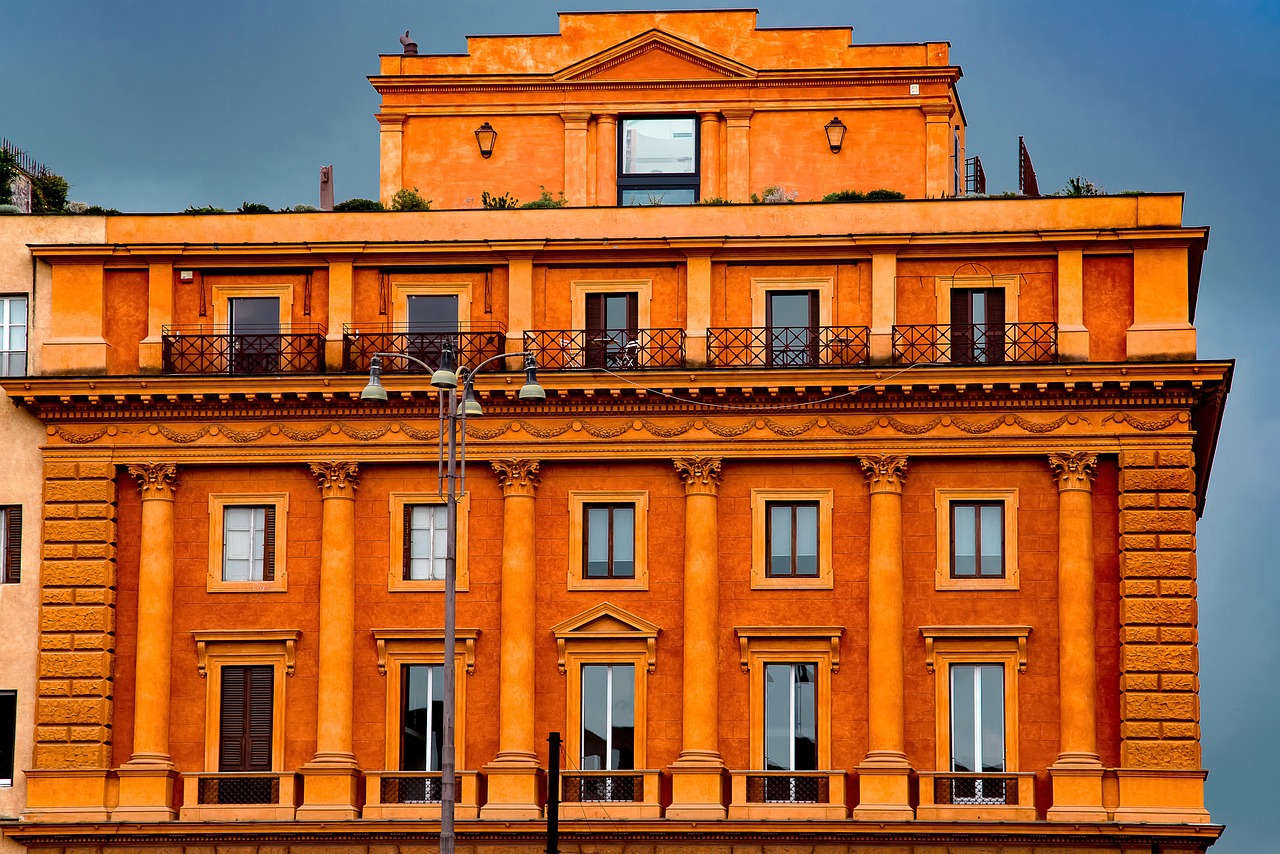
A luxury-led look at things to do in Rome, designed for travellers who value ease, space, and beautiful timing
If you’re researching what to do in rome italy, this guide is designed for travellers who prefer calm logistics, thoughtful pacing, and quietly spectacular moments. Rather than sprinting through the top attractions, think of a Rome bucket list that blends iconic sites in Rome with pauses for a terrace espresso, a view of Rome at golden hour, and time to notice the details that make the city feel cinematic. If you’re in Rome for the first time, this approach keeps the experience elegant and energising—without losing the magic of the classics or the small, local scenes.
Designer Journeys plans trips to Rome with a simple idea: luxury is time, ease, and insight. You can explore Rome in layers—ancient stone at dawn, art at a quieter hour, and a softly lit piazza after dinner—without ever feeling rushed. For inspiration beyond this article, browse our Trip gallery and start creating a trip to Italy that feels unmistakably yours; for many guests, a first visit becomes a trip to Rome they’ll want to repeat again and again.
Best time to visit Rome – plan the best things with unhurried mornings and long lunches
For most travellers, the best time to visit Rome is spring (April to June) or early autumn (September to October), when the light is flattering, and temperatures are gentle. Design mornings for major sites, then build in a long lunch and a rest—Rome is definitely more enjoyable when you treat it as a place to savour, not conquer. Even a single day in Rome becomes richer when you plan around reservations, shaded walks, and a calm return to your hotel between experiences.
One of the best things you can do is anchor each day with one “must” and one “maybe”—a quiet strategy for see and what to skip, depending on the mood of the streets and your own energy. Some moments are simply better in Italy when you slow down: a perfectly pulled espresso, a tucked-away church, or a small fountain you hear before you see it.
How to get to Rome and get around – private transfers, train from Rome connections, and confidence
To get to Rome without friction, arrange an airport meet-and-greet and a private transfer so your first moments feel seamless. Rome’s public transport is useful for straightforward hops, but a private chauffeur often outperforms it when you’re dressed for dinner, managing museum timings, or travelling together with shopping and jackets. If Rome is one stop on a wider Italy itinerary, it also helps to note the train connections from Rome for later—ideal for Florence, Naples, or a hill-town extension.
A gentle word on etiquette: dress modestly for churches, cover shoulders and knees, and keep voices low—especially in smaller chapels. Learn a few greetings (buongiorno, per favore, grazie): local warmth tends to bloom when you meet it with care. In the city of Rome, these small acts of respect make your arrival feel more personal and more trusted.
- Comfort tip: Build 20–30 minutes of buffer time between sites; it keeps transitions calm and protects your reservations.
- Booking tip: Lock in the Colosseum and Vatican early, then design meals around those fixed points.
- Style tip: A light scarf is useful for basilicas and evenings when the air cools.




Explore Ancient Rome – Colosseum, Roman Forum, and Palatine Hill Highlights
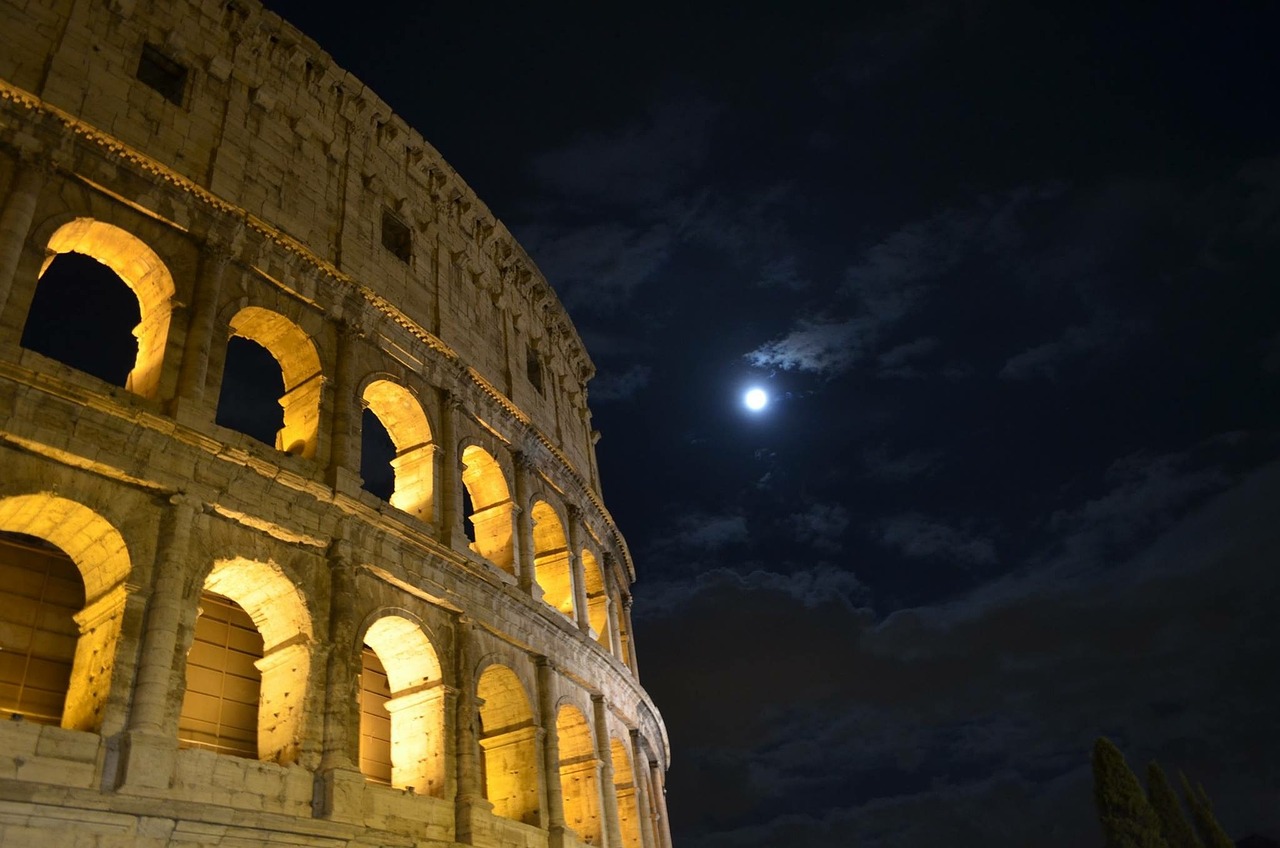
Explore the Colosseum, Roman Forum, and Palatine Hill in warm evening light, when the stones feel less busy and more atmospheric
If you’re narrowing down the best things for an elegant itinerary, the Colosseum, paired with the Roman Forum and Palatine Hill, is the most powerful place to start. The Colosseum is iconic, but timing and access shape everything: a private after-hours Colosseum visit lets you take in its scale in near-tranquillity, away from the heat and noise. With an expert guide, the Colosseum stops being a photo backdrop and becomes a narrative you can follow—stone, engineering, and human ambition in one unforgettable setting.
An experienced traveller once told us their most unforgettable moment came not in the main arena, but beneath it—on an exclusive Colosseum route through the underground. Standing where the machinery once lifted cages and scenery, they finally understood the choreography behind the spectacle and the emotions it demanded. That kind of guided tour adds context you simply can’t get from signage alone, and it’s often the best way to see the Colosseum if you value story as much as scale.
Colosseum after-hours – underground access, a guided tour, and quieter photo moments
To make the Colosseum feel intimate, request an after-hours entry when available, or the earliest timed slot with a private guide. You’ll move at your own pace, pause for photographs without pressure, and hear the layered history of gladiators, politics, and pageantry. It’s a way to experience Rome that feels considered rather than crowded, and it often changes how you remember the entire trip.
Even if underground access isn’t available on your dates, the Colosseum still rewards a calm approach: step back to notice the geometry, the worn stairwells, and the way evening light softens the arches. The city has many grand moments, but this is where the idea of a ruin becomes strangely alive.
Roman Forum and Palatine Hill – classic ruins, viewpoints, and the living city of Rome
Pair the Colosseum with the Roman Forum to understand how the city once worked day to day—religion, law, commerce, gossip, power. Then climb Palatine Hill for perspective; from the top, you can trace the outlines of ancient neighbourhoods and imagine what daily life might have sounded like. Together, the Colosseum, Roman Forum, and Palatine Hill tell a coherent story rather than a series of separate stops.
Planning notes matter here. Colosseum tickets sell out frequently, so aim to book 30 days in advance (and earlier in peak season), especially for premium access. If you’re exploring independently, an audio guide can support the basics, but you’ll miss the nuance that a skilled storyteller brings.
Visit Vatican City – VIP Vatican Museum Access and Sistine Chapel Quiet Hours
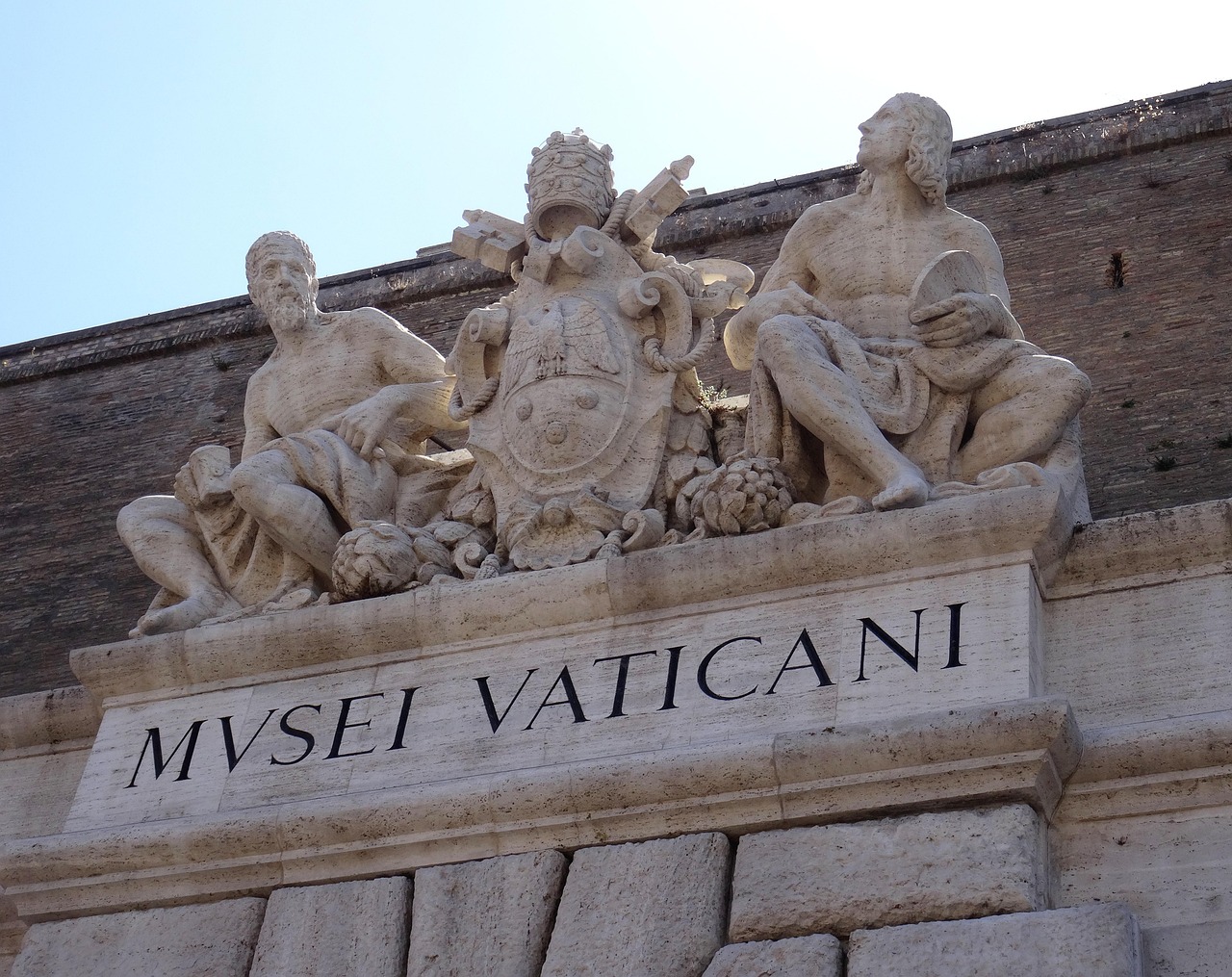
Early access makes Vatican City feel calm and unhurried, with space to actually look—not just pass through
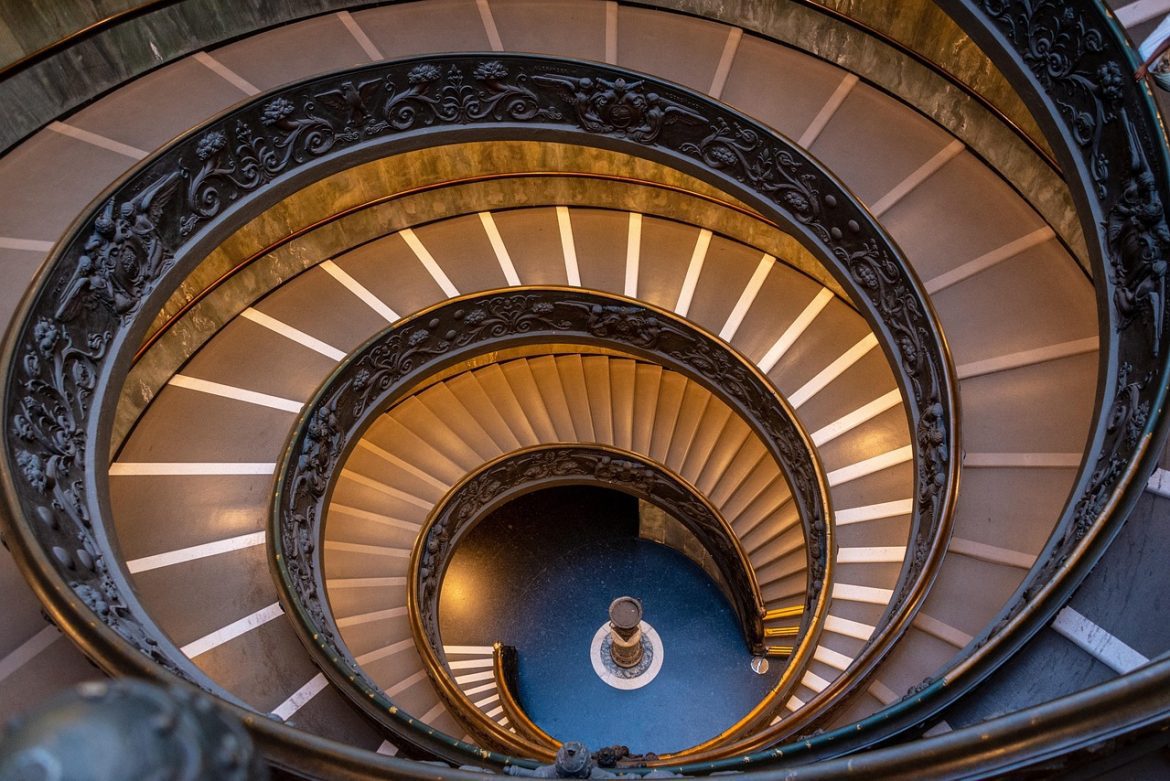
For art lovers deciding what to prioritise, a Vatican Museum VIP early-entry experience is the defining choice. VIP access transforms the Vatican from crowded corridors into a place of quiet appreciation, where you can actually look—really look—at what you came to see. In the City of Rome, which can feel intense at midday, this is how you design a morning with space, beauty, and confidence.
A luxury traveller once described their early access as “magical”: the galleries were hushed, and there was time for quiet reflection beneath Michelangelo’s masterpiece in the Sistine Chapel before the day’s rush arrived. In those moments, the Vatican felt less like a checklist and more like a living repository of human devotion and creativity. That sense of calm is worth protecting.
With the right operator, you may be able to uncover special-access areas or hidden rooms (where available), adding depth beyond the headline galleries. An expert guide helps connect the dots—why a motif repeats, how power and faith shaped commissions, and what details most people walk past. This is also where choosing a trusted provider matters; many travellers book with reputable names, such as a Walks of Italy tour or a comparable premium specialist, to keep the morning effortless.
Give yourself permission to move slowly. The Vatican is visually dense, and attention is a finite resource—better to absorb a few extraordinary rooms than to rush through everything.
Vatican City etiquette and dress code – what to wear for Peter’s Basilica and when to go
Round out Vatican City with Peter’s Basilica, arriving with shoulders and knees covered and a quieter voice ready. The shift from museum spectacle to sacred space is subtle but meaningful; step aside to let worshippers pass, and keep photographs discreet. If you’re travelling in warmer months, bring water and plan shaded breaks—comfort supports contemplation.
- Dress code: modest clothing for the Vatican and basilicas.
- Timing: Early entry is the best way to see the Vatican without crowds.
- Energy: schedule a rest afterwards so the day stays elevated.
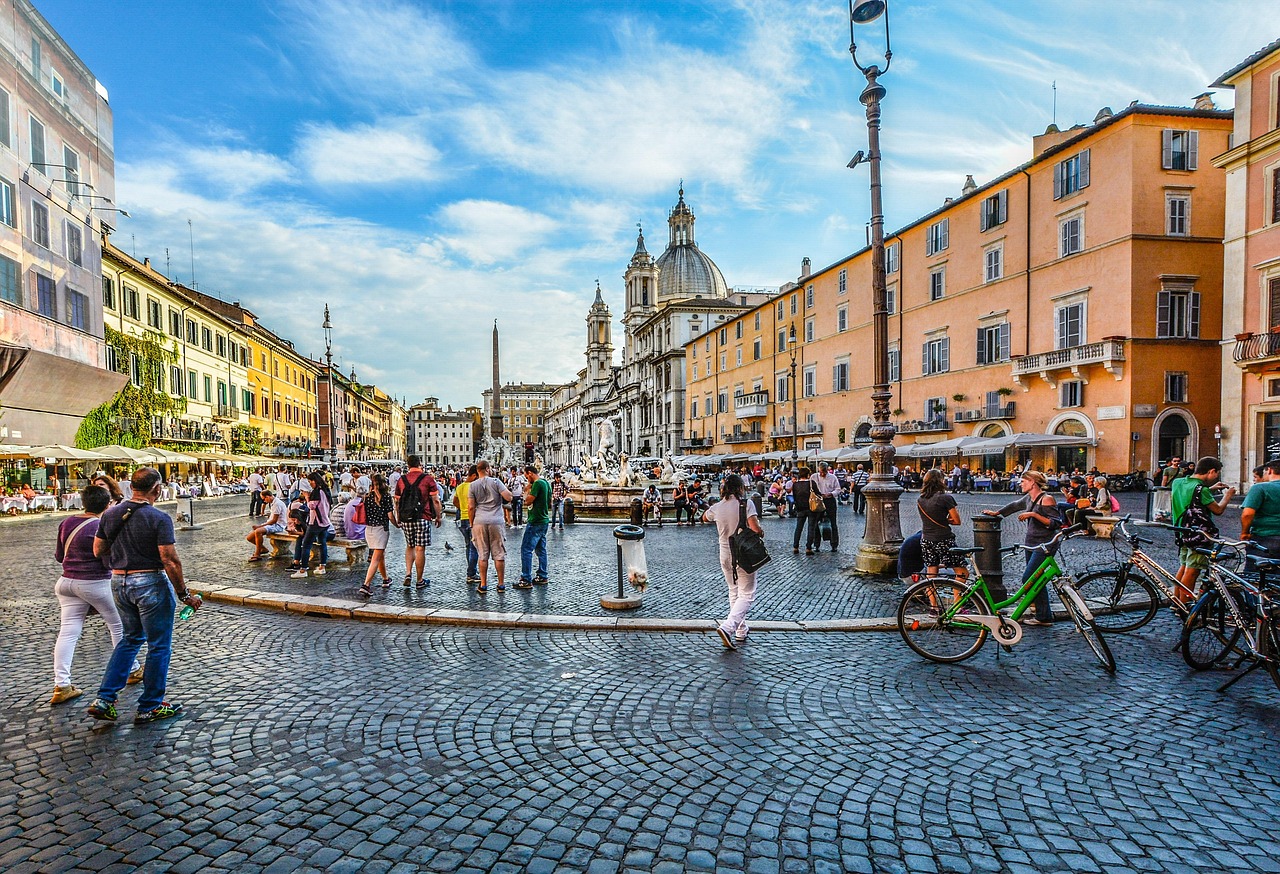
A classic, elegant route linking the Pantheon, piazzas, and fountains in the historic centre
For a graceful day of strolling, a Pantheon-to-Piazza Navona route, with a detour to the Trevi Fountain and the Spanish Steps, is one of the easiest ways to enjoy the historic centre. This walk threads together some of the most beautiful places in Rome and proves that a popular spot can still feel personal when you choose the right hour. Consider it a soft “attraction in Rome” circuit: start near the dome, then drift through lanes that reveal churches, courtyards, and boutiques almost by accident.
These locations in Rome are famous for a reason, yet the magic is in the micro-moments: the sound of water, the echo under a dome, the glance of sun on stone. One of my favourite things in the city is how quickly it turns ordinary time into something cinematic—it’s one of those rare places in Rome where wandering feels like an art form. When you’re in Rome, let your pace match the light, not the crowds.
Pantheon visit tips – quiet hours, atmosphere, and a calmer way to visit Rome
The Pantheon is at its best early, when the queue is shorter, and the interior feels contemplative. Step inside, stand beneath the oculus, and watch the light shift across the walls—quietly dramatic, even on a cloudy day. As you exit, linger in the surrounding lanes for a coffee and pastry; it’s an unhurried reset before the next scene.
If you only have one morning to wander, this is one of the best things to do in Rome because it blends architecture, atmosphere, and easy walking without complicated logistics.
Continue to Piazza Navona to admire the Fountain of Four Rivers and the theatre of street performance. Baroque detail, music, and softly competing conversations make it easy to slow down and people-watch from a terrace table. If you continue to the Trevi Fountain, go late evening or early morning for photos; be respectful, avoid climbing on the marble, and let others have their moment too.
End at the Spanish Steps as the light fades, when the atmosphere becomes more refined. For a gentle tradition, pick up gelato and sit nearby—then take the short climb to the top of the steps for a last look over Piazza di Spagna. If you’d like a small indulgence, there’s often a cafe at the top where you can toast the day without rushing back into the crowd.
Crafted Roman Flavours – Trastevere Dining, Italian Food, and a Curated Food Tour
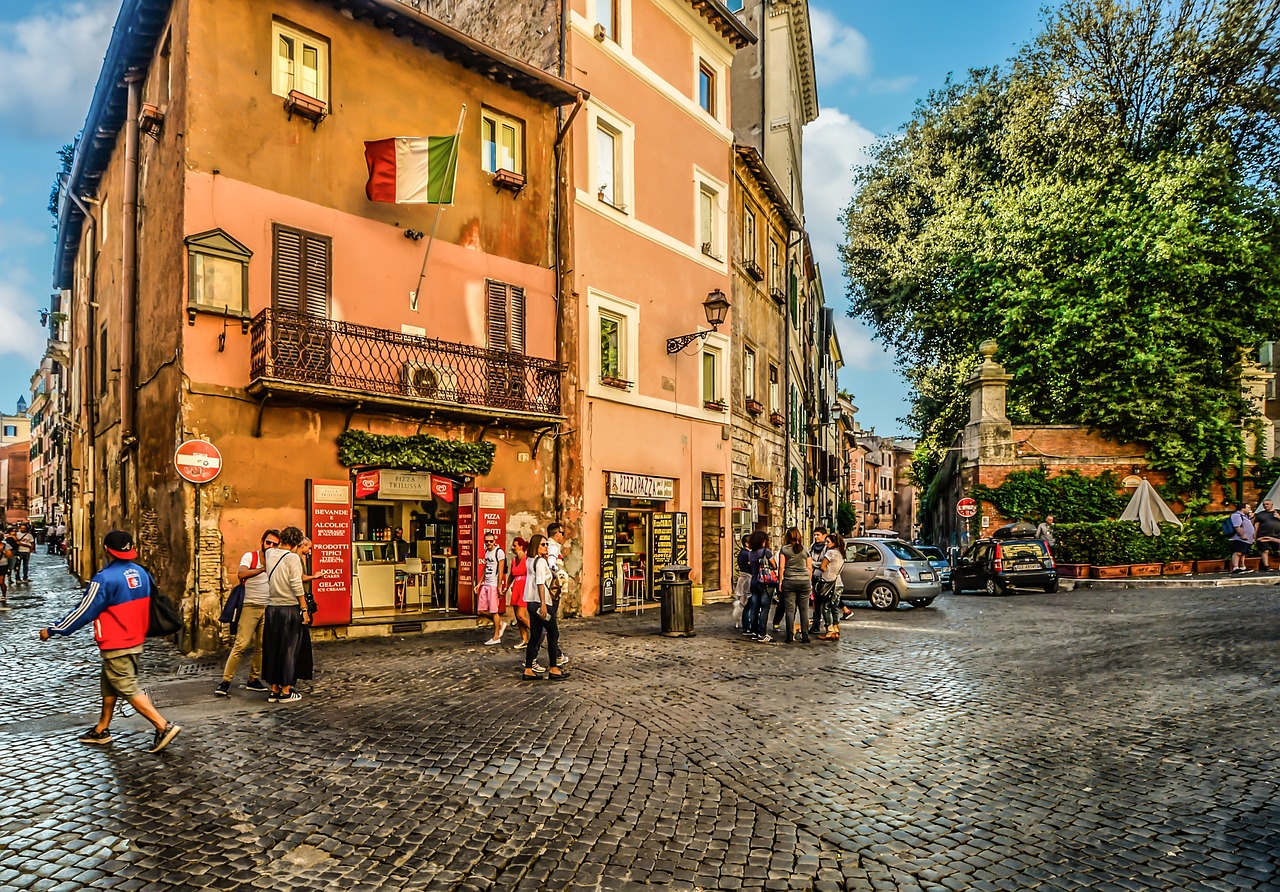
Candlelit Trastevere streets set the mood for an evening of Roman flavours, wine bars, and slow, sociable dining
For travellers who measure a city by its table, Trastevere dining paired with a well-paced food tour is one of our favourite ways to spend an evening. Trastevere offers a more local rhythm—cobbled lanes, low-lit wine bars, and dining rooms where tradition is respected yet reimagined with creativity. It’s a wonderful contrast to the grand monuments: you taste, listen, and let the neighbourhood set the pace.
One visitor told us about a night in a historic palazzo where a renowned Roman chef presented bespoke pasta dishes, tailored to their tastes and paired with thoughtful wines. The food was exceptional, but what lingered was the warm hospitality—the feeling of being welcomed rather than “served”. It’s a reminder that Italian food at the high end can still be intimate, generous, and quietly joyful.
Rome food tour in Trastevere and Michelin-starred modern Roman cuisine
Book a Michelin-starred table that offers a modern twist on classic Roman dishes, and ask your concierge to request a quieter corner. The best kitchens can translate comfort food into something elegant without losing its soul: imagine cacio e pepe with depth and restraint, or seasonal vegetables that taste of the countryside. In Rome, dining well is not just one of the fun things to do—it’s a direct line into local rhythm, pride, and craft.
If you want to go deeper, a Trastevere food tour can work beautifully when it’s curated for quality over quantity. Choose a small-group or private experience focused on a few excellent stops, so you finish feeling light and delighted rather than overfed.
Gelato as a ritual – flavours, pacing, and late-night strolls
Make gelato a ritual across your trip: an afternoon recharge between galleries, a post-dinner stroll along the river, or a sweet pause before returning to your hotel. Keep a running shortlist on your phone for the best gelato in Rome, noting flavours, textures, and which shops handle crowds with grace. It’s one of those cool things that costs little but adds a daily spark of pleasure, especially after a long museum day.
- Booking: reserve the top dining a few days in advance, especially Thursday to Sunday.
- Neighbourhood note: Trastevere is lively late; plan a calm transfer back if you prefer early nights.
- Taste tip: order one classic flavour and one seasonal special to compare.
Epic Things to Do – Sunset Vespa Tour and Hidden Alleys
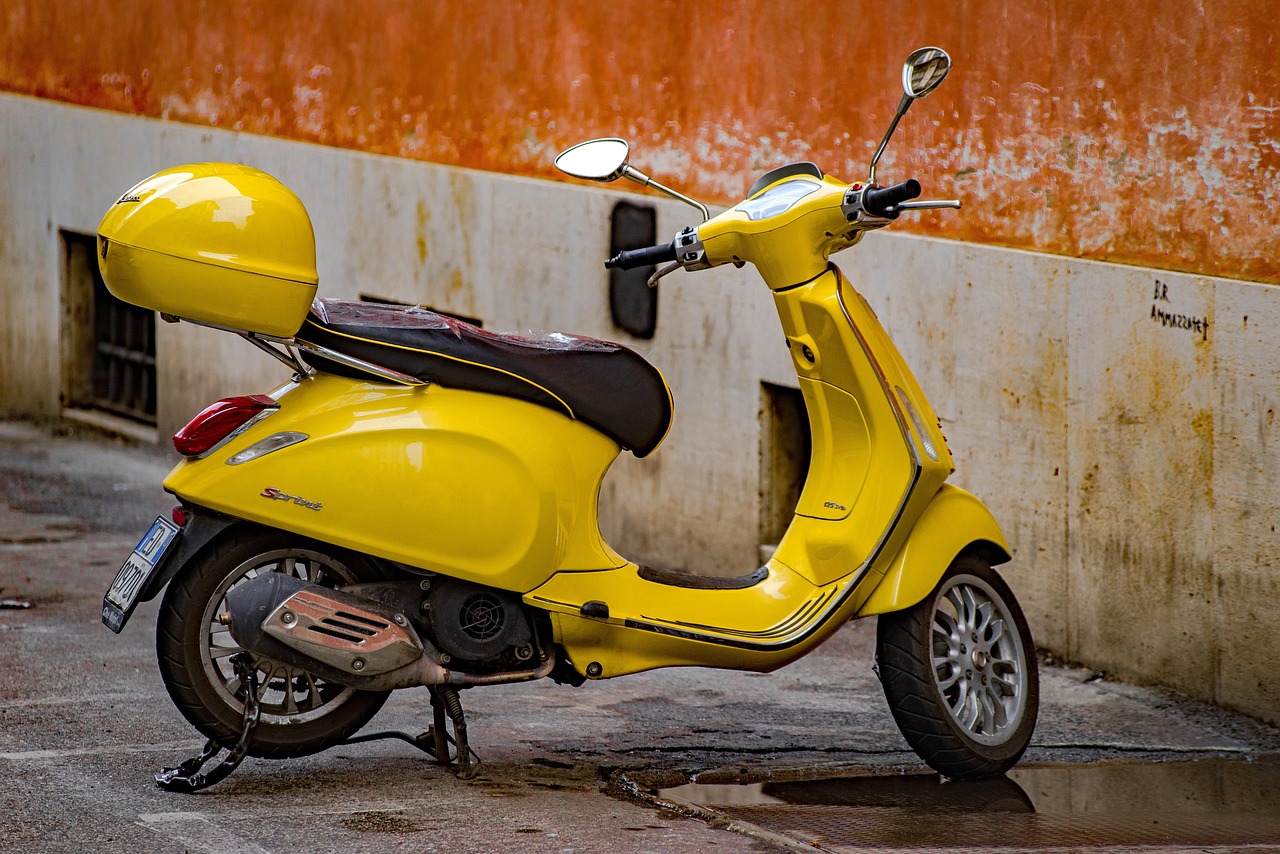
A sunset Vespa ride reveals hidden alleys and panoramic viewpoints, with the city’s stone glowing as the air cools
When you’re deciding what to add beyond museums and monuments, a private Vespa tour at sunset is often the most joyful answer. You can explore Rome through smaller lanes, discover intimate piazzas, and reach panoramic viewpoints without the effort of long uphill walks. The experience is less about ticking off landmarks and more about feeling the city’s textures—laundry lines, shopfronts, tiny shrines, and the glow of stone as the day cools.
A couple once shared their romantic route: an illuminated ride past ancient walls and softly glowing ruins, then a stop for gelato before ending the evening in a quiet square. Their driver handled the route with calm confidence, and the night felt like the city was performing just for them. In a place as storied as Rome, these personal scenes become lifelong memories.
Around Rome by Vespa – neighbourhood character and small shops in Rome
To add character, weave in a neighbourhood in Rome that suits your style—Monti for design boutiques, or quieter residential streets near the Aventine for a slower pace. Ask your driver to pause near small shops in Rome for artisan leather, fragrance, or paper goods, so the ride feels thoughtfully curated rather than rushed. If you’d like additional support, some operators can arrange a discreet support car for bags, extra layers, or a mid-route swap if anyone prefers to ride less.
These gentle additions turn a ride into a story you create together, with room for spontaneity and comfort.
Safety and comfort on cobblestones – reputable drivers and easy planning
Choose reputable drivers, confirm helmets, and avoid slick cobblestones after rain—Rome’s stone can be surprisingly slippery. Design the route to match confidence levels, favouring wider streets at first and saving tighter alleys for later once you feel settled. If you’re sensitive to traffic, you can also ride as a passenger with a professional driver rather than self-driving.
This is luxurious because it’s effortless: the city flows past, and you simply enjoy it.
Seamless Luxury Planning – Stay in Rome for Costs, Safety, and Ease
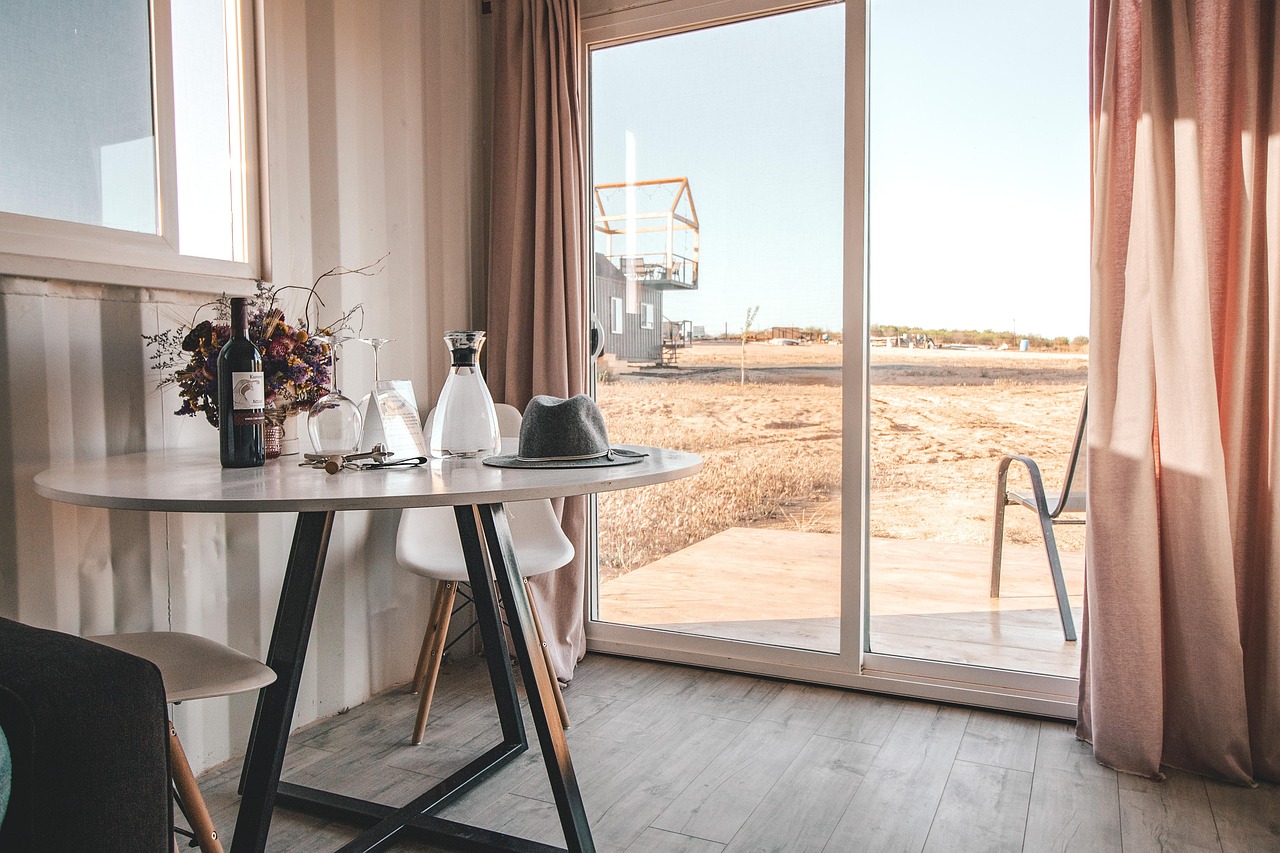
A well-chosen hotel makes the entire stay feel calmer, safer, and more seamless from morning to night
To bring everything together, smart transport, a realistic budget, and the right address are what turn a good visit into a seamless one. Where you base yourself matters: a central boutique address or an elegant historic residence becomes your calm base between highlights, and the right hotel in Rome often comes with an expert concierge who can adjust plans with care. Even if you’ve never lived in Rome, a great home base makes the city feel easy to read—and easy to love.
Practicalities: premium guided experiences often cost around 50–100 Euros per person, while high-end dining commonly falls in the 150–300 Euros range, depending on wine. Book major reservations early, especially for the Colosseum and Vatican time slots; it’s the simplest form of travel insurance. Rome to book early is a mindset that protects your time and reduces stress, helping you enjoy the best of Rome with far less friction.
Best places to stay – how to build a calm Rome itinerary
For many travellers, the best places to stay are near the Spanish Steps or along the quieter edges of Trastevere—close enough to walk, but far enough to sleep well. If you’re building a longer Rome itinerary, plan alternating “high intensity” and “low intensity” days: for example, Colosseum and Roman Forum one day, then galleries, shopping, and a long lunch the next. This rhythm keeps the trip feeling polished and sustainable rather than exhausting.
And yes, shopping can be part of the art: ask your concierge for a route of ateliers and heritage craftsmen, not just the obvious luxury streets.
Transport, safety, and a day trip outside of Rome
Getting around is straightforward when you match transport to the moment. The metro and taxis work well for simple hops, but private chauffeurs are ideal for early Vatican starts, dinner plans, or a day in Rome with multiple time-sensitive reservations. In crowded areas, keep pickpocket awareness high: wear bags cross-body, avoid open totes, and keep passports secured—small habits that protect your confidence.
If you want to soften the city’s intensity, add a day trip outside of Rome—vineyards in Frascati, coastal air at Ostia Antica, or hill towns for a slower cadence. It’s a beautiful way to balance your time in Italy, especially if your Italy travel plans include multiple cities. For context, it’s one of those moments where you sense a unified Italy: not just Rome’s grandeur, but the quieter landscapes that shaped it.
- Pickpocket tip: keep phones zipped away at the Trevi Fountain and on busy buses.
- Taxi tip: ask your hotel to call a trusted car at peak times for support.
- History aside, the monument to the first king of Italy near Piazza Venezia is worth a visit if you enjoy modern history.
F.A.Qs: What to Do in Rome, Italy – Tickets, Timing, and Priorities
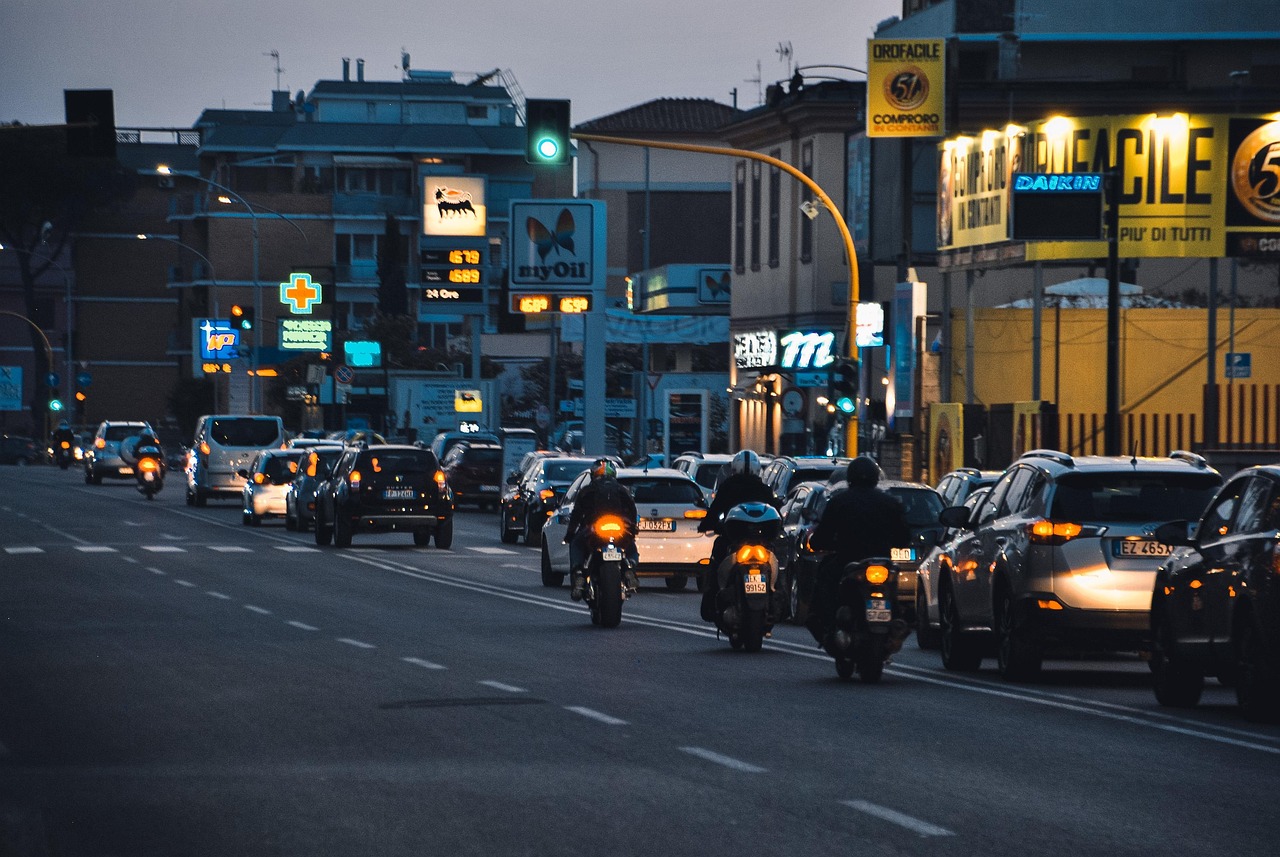
Frequently asked questions for planning what to do in Rome Italy with elegant timing and priority-led bookings
What should youn’t miss in Rome on a short stay?
If you only choose a few things to see in Rome, prioritise the Colosseum (ideally a private or after-hours slot), the Vatican Museum with early entry, and a slow walk from the Pantheon to Piazza Navona. Add one beautiful meal in Trastevere and a simple evening pause for gelato. These experiences capture the history, artistry, and atmosphere—and they’re the key places in Rome most travellers are happiest they didn’t skip.
Is 3 days enough in Rome for a first-time itinerary?
Three days work well if you design your days with intention: one day for the Colosseum, Roman Forum and Palatine Hill; one day for the Vatican Museum and Sistine Chapel; and one day to wander the historic centre—Piazza Navona, Trevi Fountain, and the Spanish Steps. Build in rest and reservations so the trip feels calm, not compressed.
Is $10,000 enough for a trip to Italy with some luxury experiences?
Yes, $10,000 can be enough for a trip to Italy for two people, depending on the season, flight costs, and hotel choices. In Rome, high-end dining often ranges around 150–300 Euros, and premium tours may be 50–100 Euros per person, while private guides and drivers increase the total. Choose a well-located boutique hotel, book key experiences early, and prioritise a few exceptional moments over constant upgrades.
What are the dos and don’ts in Rome for visitors?
Book the Colosseum and Vatican tickets early, dress modestly in churches, and keep valuables secure in crowded areas. Do learn basic Italian greetings and move through sacred spaces with care. Don’t rely on last-minute tickets for headline attractions, don’t flash wallets or phones in busy zones, and don’t try to visit Rome “all at once”. A calmer pace is the best way to experience Rome well.
What Rome Leaves You – Beauty and Last Reflections of the Eternal City
After a recent trip to Rome, what stayed with me was not the number of sites in Rome we managed to tick off, but the sensation of the city itself: the hush of stone in a side street, the softness of evening light, and the way a fountain’s sound can guide you home. A ruin can be monumental, yet it can also feel tender—like the city is letting you lean in close, if only for a moment.
Sometimes it’s the memory of the dome in the distance that returns without warning; sometimes it’s the taste of gelato on a late walk, or the Vatican’s quiet before the doors fully opened. Rome is home to so many stories that it changes with each return. It’s one of the most interesting places because it meets you where you are, then gently shifts your perspective.
Long after you’ve left, small echoes remain: the curve of a colonnade, the warmth of a local greeting, the sound of water in a lantern-lit lane. You might find yourself thinking not about what you did, but about how travelling with trust and care allowed you to feel more deeply—more present, more open, more alive.
And perhaps that is the true gift: the sense that, whenever you return in memory, there is still another street you haven’t walked yet—waiting quietly, without urgency.